Artwork
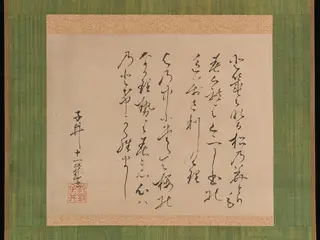
Poem on the Theme of Snow
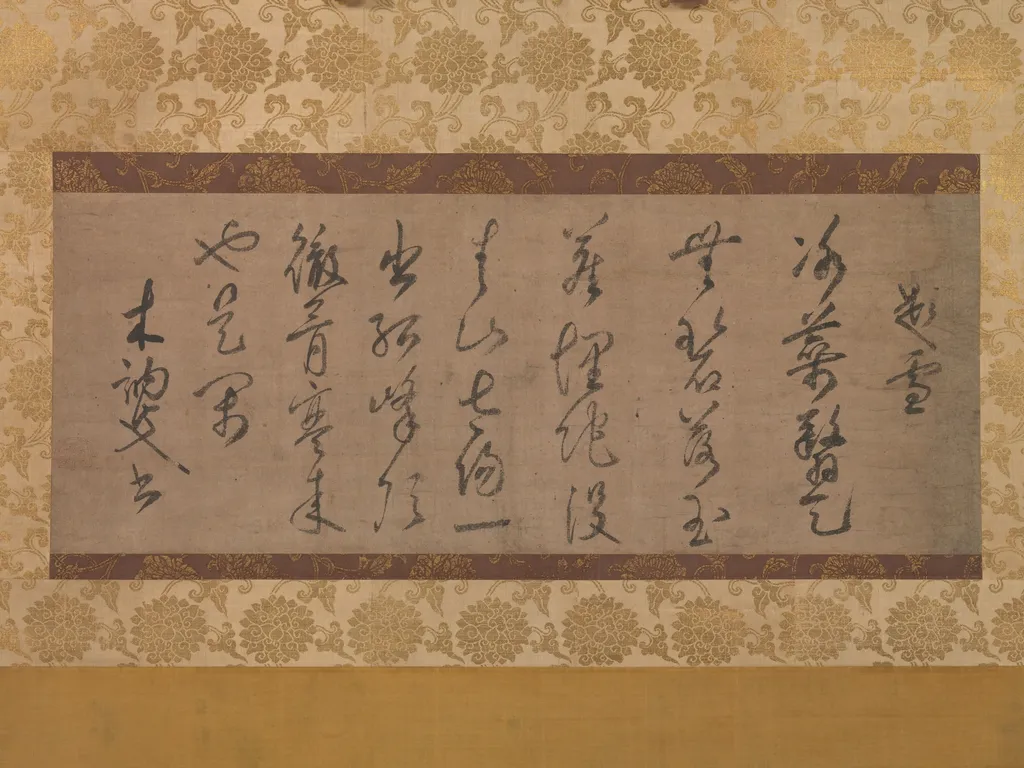
Poem on the Theme of Snow is an unspecified painting by the Song dynasty landscape artist Musō Soseki. It dates from 1364 and is held in the collection of the Metropolitan Museum of Art.
About this work
Subject & Meaning
The piece is classified as a painting within the collection of the Metropolitan Museum of Art, where it is catalogued under accession number 2011.
The work titled Poem on the Theme of Snow is a 1364 hanging scroll painted by the Japanese Zen monk Musō Soseki. Executed as a painting, it presents a calligraphic inscription that conveys a poem meditating on snow, linking the fleeting nature of the season with spiritual reflection. The piece is classified as a painting within the collection of the Metropolitan Museum of Art, where it is catalogued under accession number 2011.534.
Its iconography consists of textual elements rather than figurative imagery, using the written word to evoke the transience and quiet beauty associated with snowfall. The subject therefore functions as both literary text and visual motif, embodying Zen contemplation of impermanence.
History & Provenance
Poem on the Theme of Snow is a hanging scroll calligraphy and poetry attributed to the Zen monk Musō Soseki and dated to 1364. The work entered the collection of the Metropolitan Museum of Art, where it is recorded under accession number 2011.534. No earlier ownership or commission details are documented in the available sources; its provenance therefore begins with its creation by Musō Soseki in the mid‑14th century and continues with its present stewardship at the MET.
The hanging scroll titled Poem on the Theme of Snow is held in the collection of the Metropolitan Museum of Art in New York. The work, created in 1364 by Musō Soseki, bears the museum's accession number 2011.534. This painting, which features calligraphy and poetry, entered the institution's holdings in 2011.
Overview
Musō Soseki created Poem on the Theme of Snow in 1364. This work, classified as a painting, primarily features a calligraphic inscription of a poem. It represents a significant example of the integration of written word and visual art, a common practice in East Asian artistic traditions. The piece is currently part of the collection at The Metropolitan Museum of Art.
Technique & Style
The composition features a large, rectangular sheet of paper, serving as the canvas for the poem, which is meticulously inscribed in black ink. The script is characterized by its fluid, flowing quality, with individual lines exhibiting a subtle curvature. This central element is set against a light brown background, subtly adorned with a floral pattern visible at the top and bottom.
The deliberate contrast between the dark ink and the muted background creates an effect of understated elegance, ensuring the poem remains the focal point.
Own this work as a print
Artist & collection
Artist
Musō Soseki was a Japanese Zen Buddhist monk of the Rinzai school who lived from 1275 to 1351, spanning the late Kamakura and early Muromachi periods.

 Account of the Three Springs of Jiangsu Province in China
 本阿弥光悦書・俵屋宗達下絵 小倉百人一首和歌巻断簡|Two Poems from One Hundred Poems by One Hundred Poets
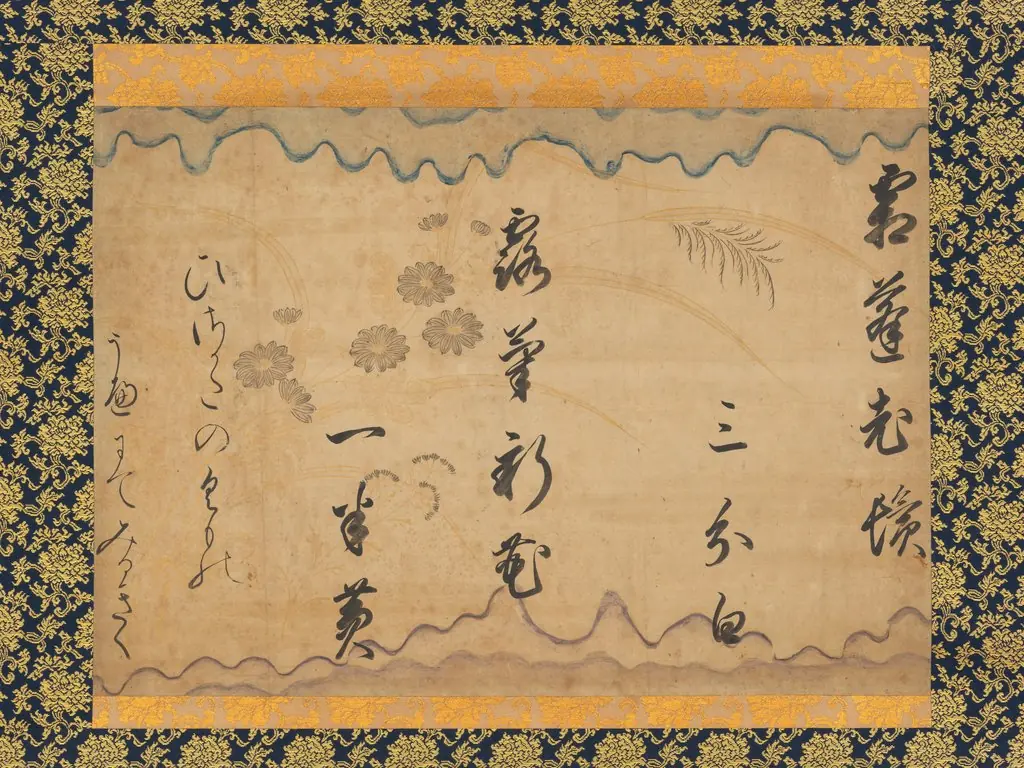 Chinese Couplet by Bai Juyi and Waka by Fujiwara no Toshiyuki (partial) from “Japanese and Chinese Poems to Sing” (Wakan rōeishū)
 Untitled
 Calligraphy (reverse)
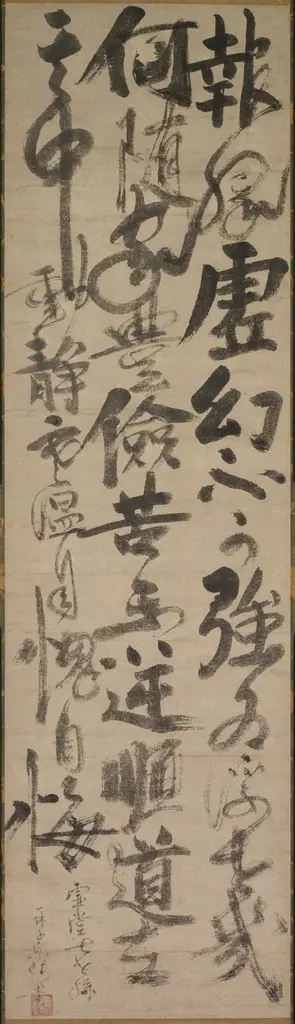 Reflections of Priest Foyen
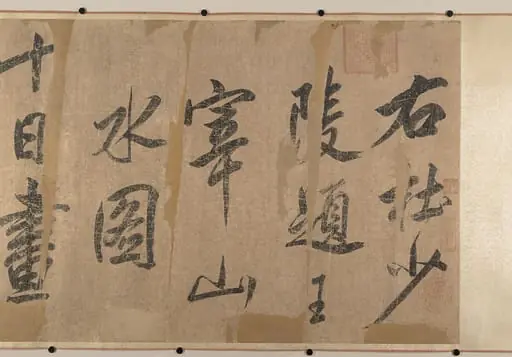 Untitled
 Untitled
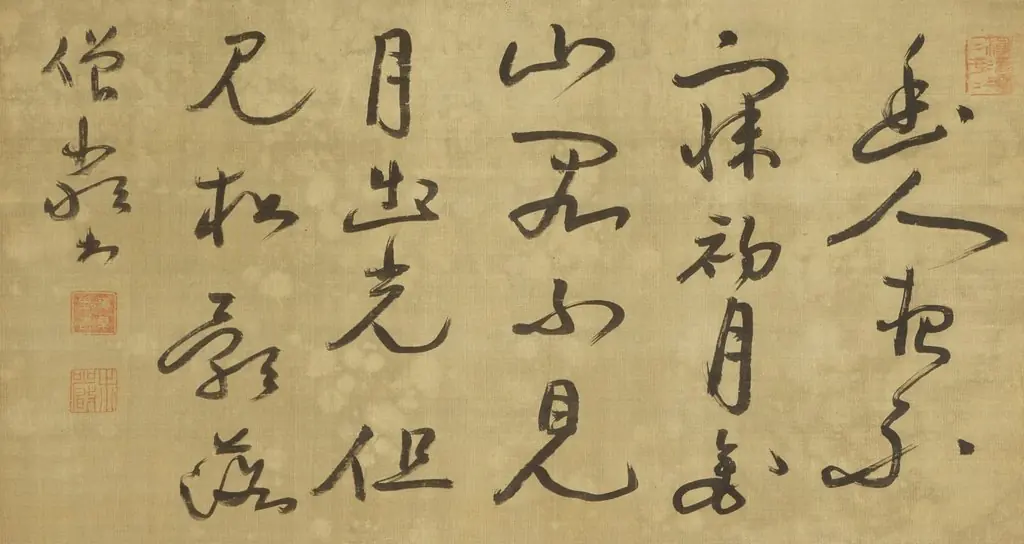 Poem (The Hermit Does Not Sleep at Night)
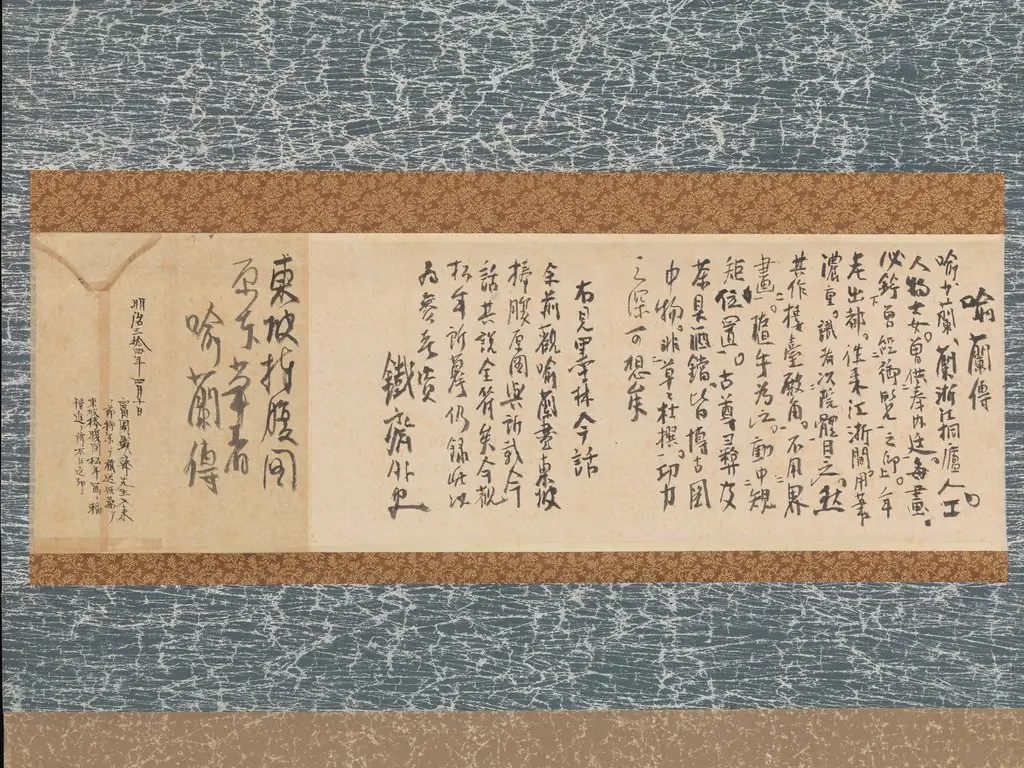 Su Dongpo Laughing
 北宋 徽宗 竹禽圖 卷|Finches and bamboo
 拾遺古徳伝絵断簡|Illustrated Biography of Hōnen (Shūikotokūden-e)
 清 傳高鳳翰 書畫合璧 冊|Landscapes and Calligraphy
 Famous Women
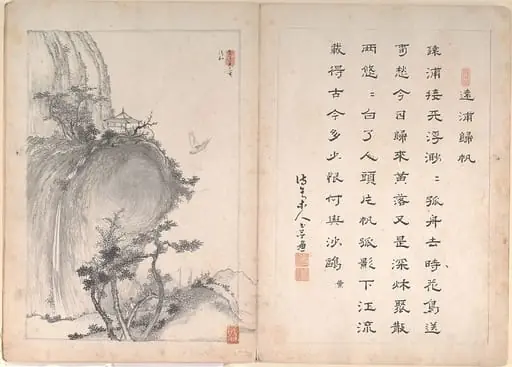 清 詩午閑人 瀟湘八景詩畫 冊|Eight Landscape Scenes and Calligraphy
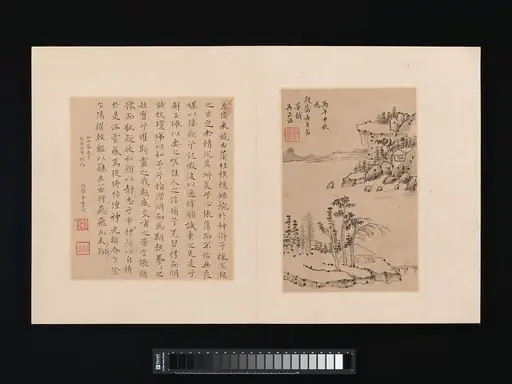 清 諸家 名家書畫 冊|Album of painting and calligraphy for Maoshu
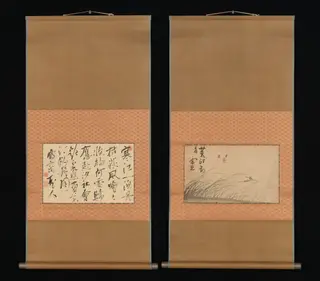 Fishing Boat on Reed Covered Bank and Calligraphy
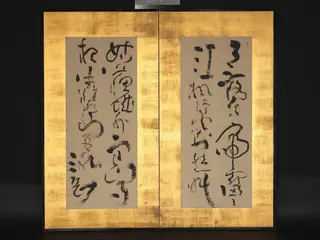 池大雅書 「楓橋夜泊」屏風|"Maple Bridge Night Mooring"