Artwork
African Hunter
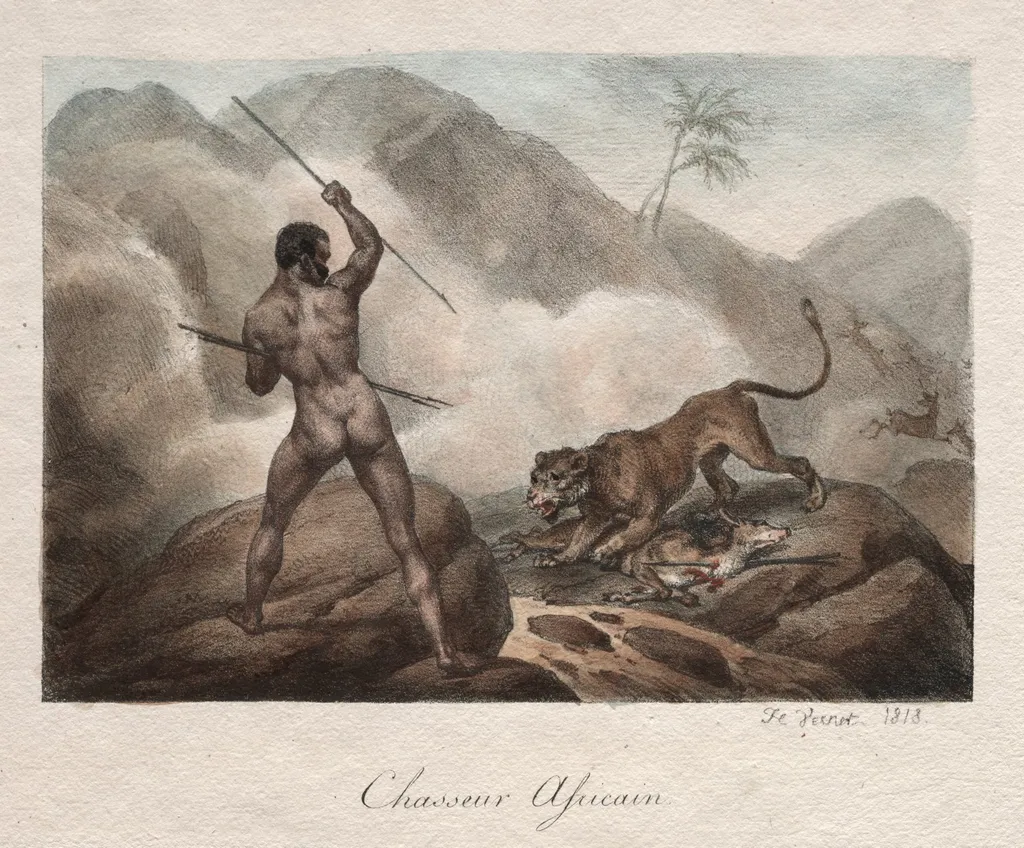
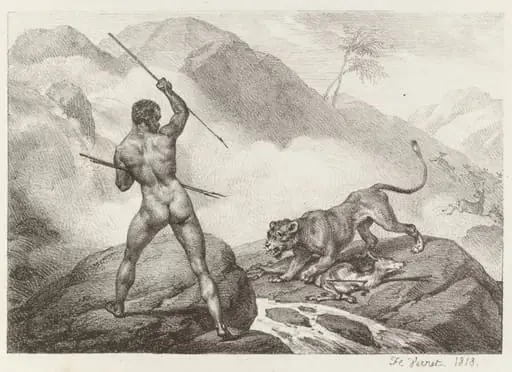
African Hunter is a print by the Romanticist artist Horace Vernet. It dates from 1818 and is held in the collection of the Cleveland Museum of Art.
- Accession no.
- 1941.530
- Credit line
- Mr. and Mrs. Lewis B. Williams Collection
About this work
Overview
Vernet, known for his military and Orientalist themes, rendered this scene during a period when European artists increasingly turned to North African subjects.
Created in 1818 by French artist Horace Vernet, African Hunter is a painted depiction of a mounted figure in a desert environment. Vernet, known for his military and Orientalist themes, rendered this scene during a period when European artists increasingly turned to North African subjects. The work belongs to a broader trend of Romantic-era fascination with non-European cultures, though filtered through a colonial lens.
Subject & Meaning
The central figure is a hunter on horseback, clad in a turban and attire blending North African and European elements. He holds a spear, suggesting a role as both warrior and tracker. The hybrid clothing reflects Vernet’s imaginative synthesis rather than ethnographic accuracy, revealing more about European perceptions of African identity than actual regional dress codes of the time.
Technique & Style
Vernet employed chiaroscuro to model the figure and horse with strong contrasts between light and shadow, enhancing volume and drama. Detailed rendering of the saddle, fabric folds, and harnesses demonstrates his academic training and attention to material texture. The composition is tightly focused, isolating the figure against a sparse background to emphasize presence and motion.
History & Provenance
Painted shortly after France’s military campaigns in Algeria began, the work emerged amid growing French interest in North Africa. While its early ownership is undocumented, it aligns with Vernet’s commissions from French patrons seeking exoticized imagery of the region. The painting remained within European collections, reflecting its status as a product of imperial cultural curiosity.
Context
In early 19th-century France, Orientalism was a dominant artistic mode, shaped by political expansion and romanticized views of the East. Vernet’s work contributed to a visual language that framed North African life as both exotic and martial. African Hunter fits within this framework, offering a stylized vision that served contemporary European narratives rather than authentic representation.
Legacy
The painting exemplifies how European artists constructed idealized images of African subjects during the colonial era. While technically accomplished, its cultural hybridity and dramatic lighting reflect more about French artistic conventions than the realities of North African life. Today, it is studied as a historical artifact of visual imperialism and Romantic-era exoticism.
Own this work as a print
Artist & collection
Artist
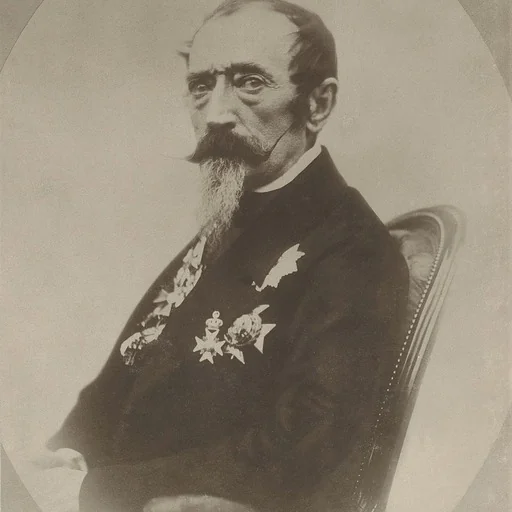
Émile Jean-Horace Vernet (French pronunciation:; 30 June 1789 – 17 January 1863), better known as Horace Vernet, was a French painter of battles, portraits, and Orientalist subjects.

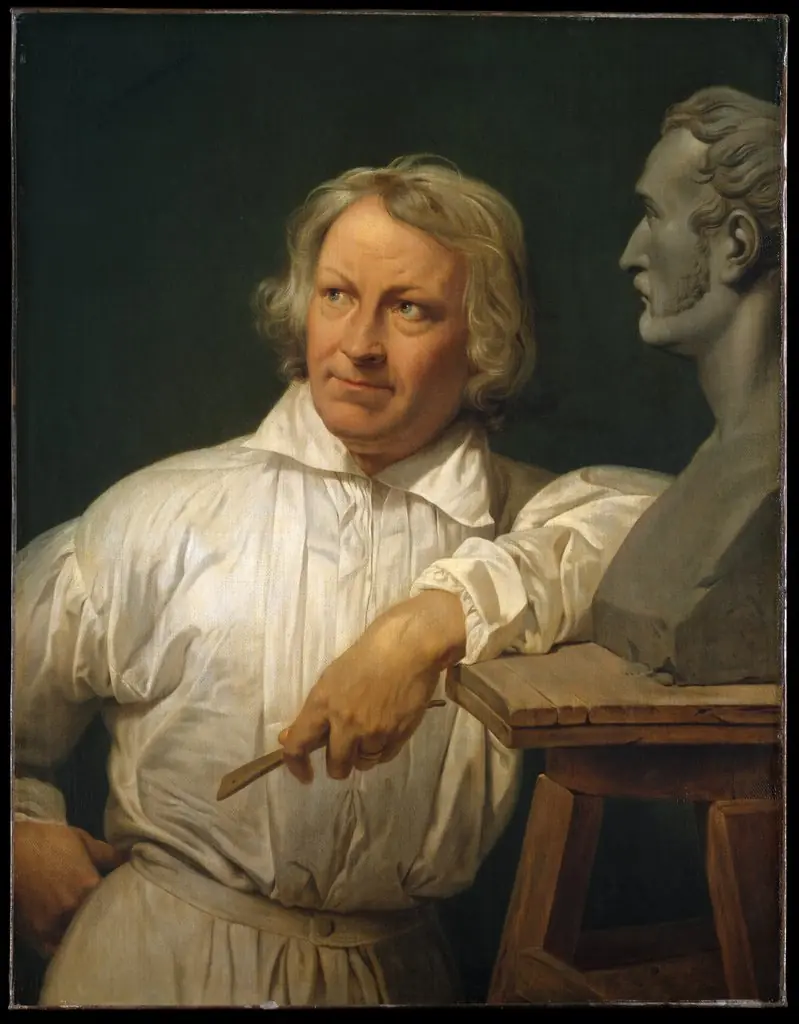 Bertel Thorvaldsen (1768–1844) with the Bust of Horace Vernet
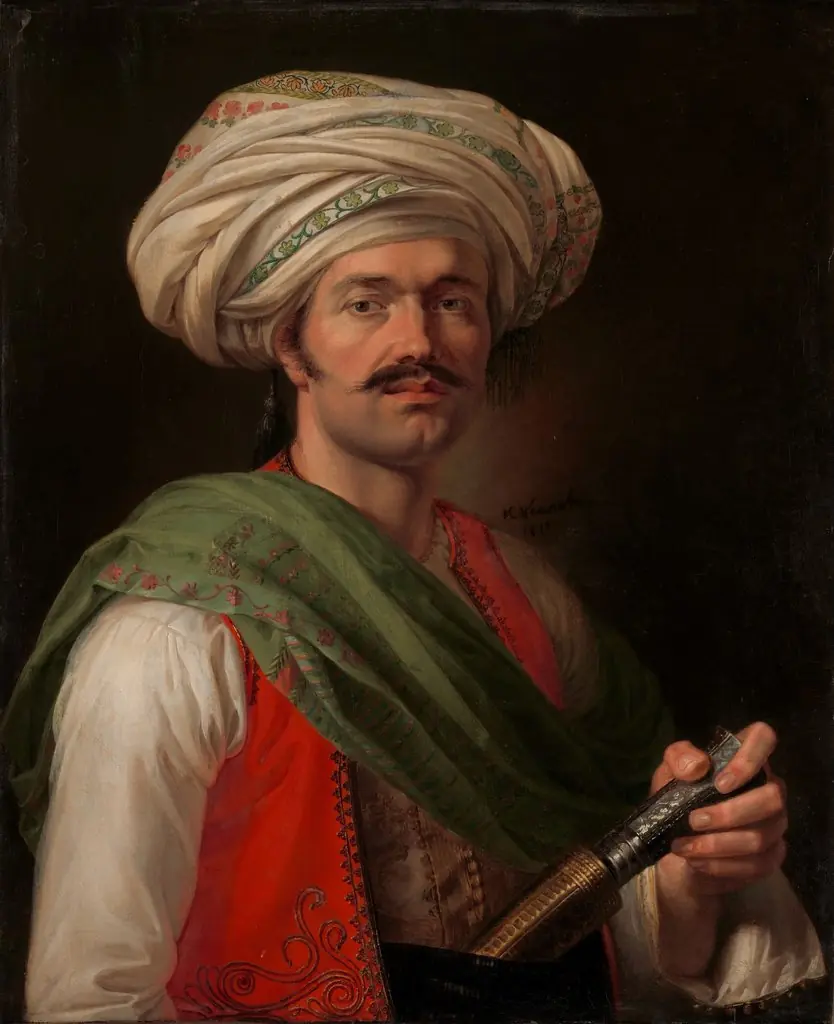 Portrait of a Mameluke, said to be Roustam Raza
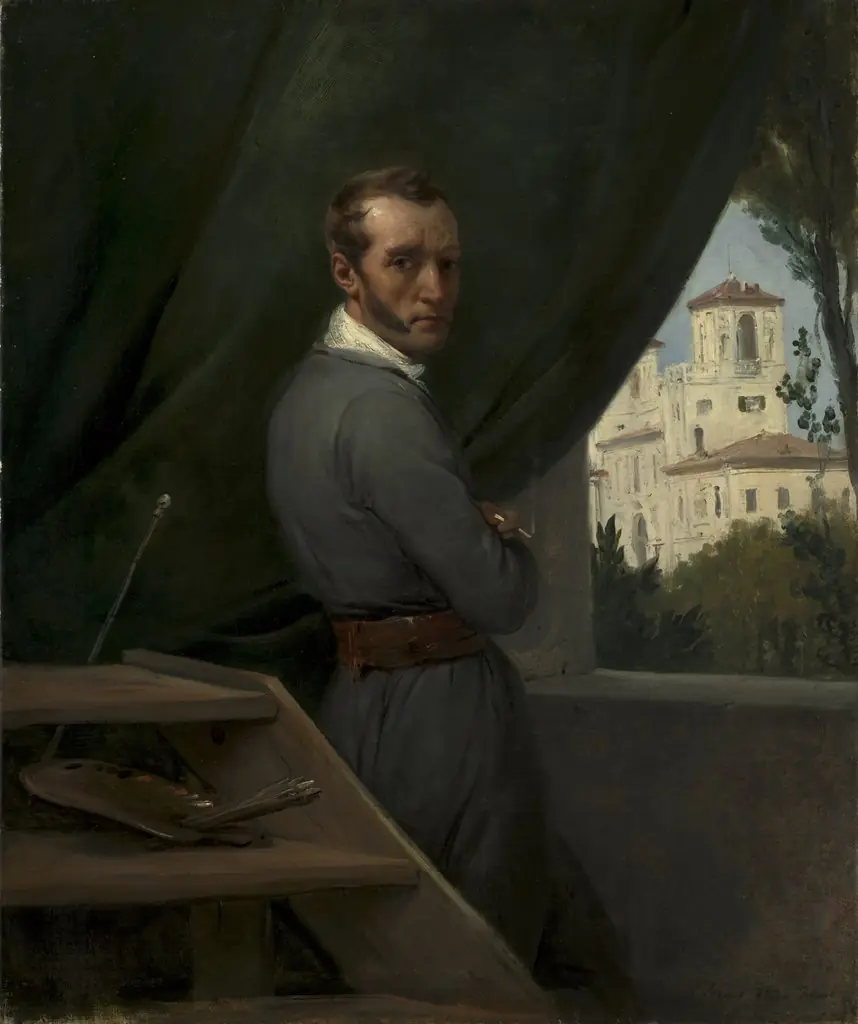 Self-Portrait in Rome
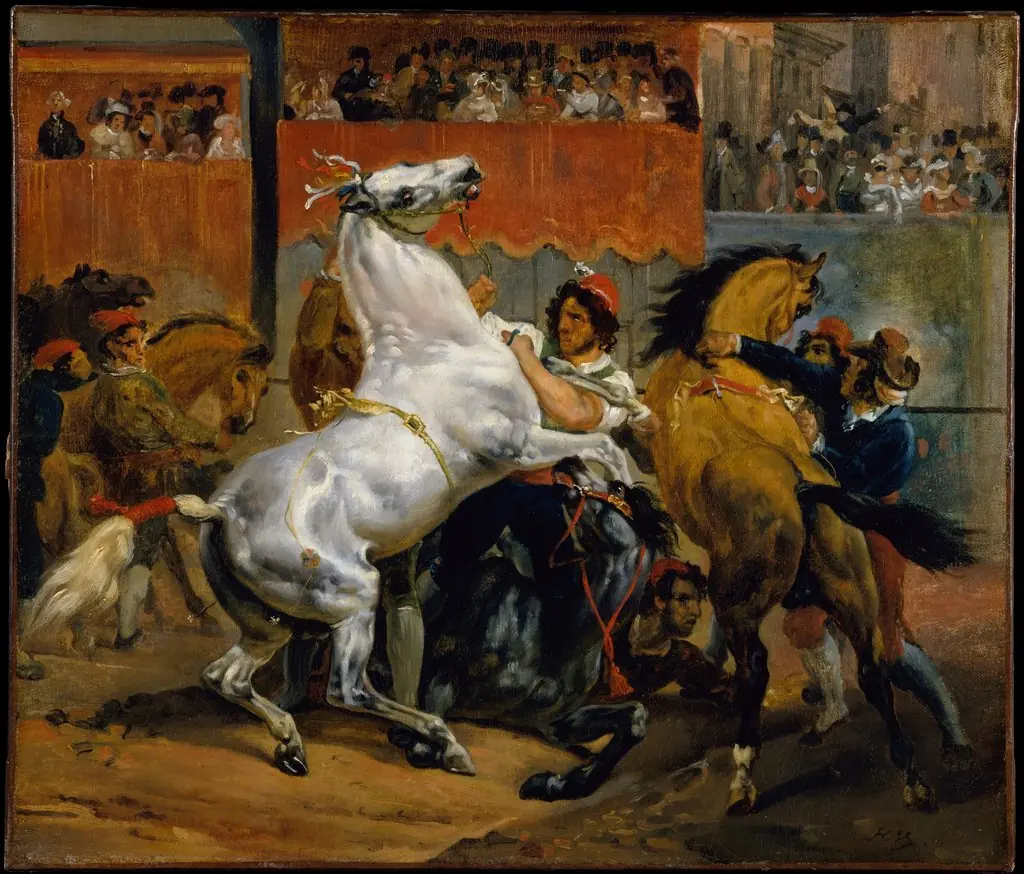 The Start of the Race of the Riderless Horses
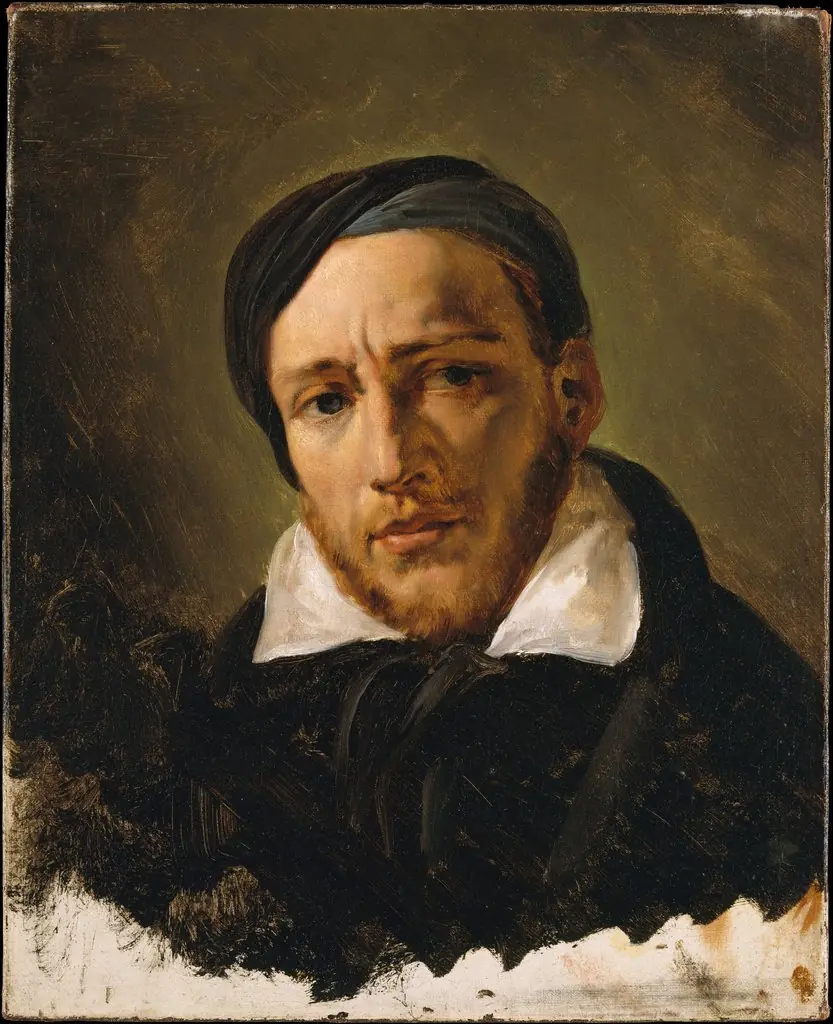 Jean-Louis-André-Théodore Gericault (1791–1824)
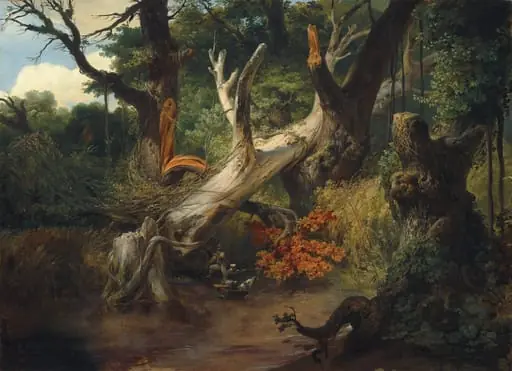 Hunting in the Pontine Marshes
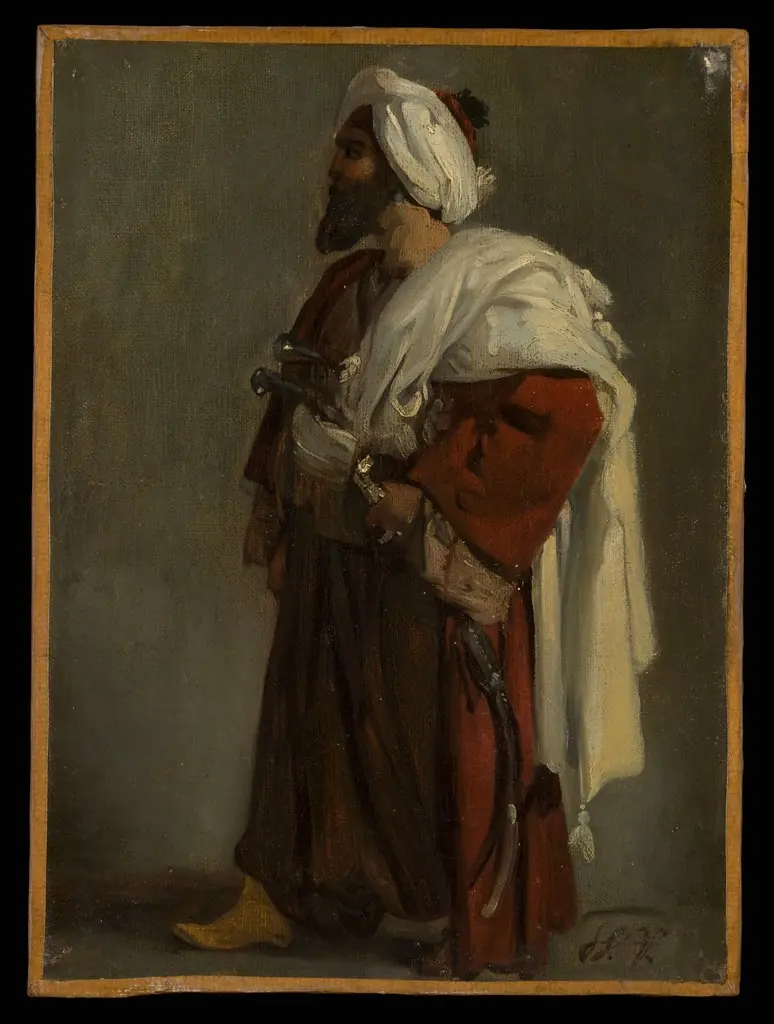 Arab Warrior
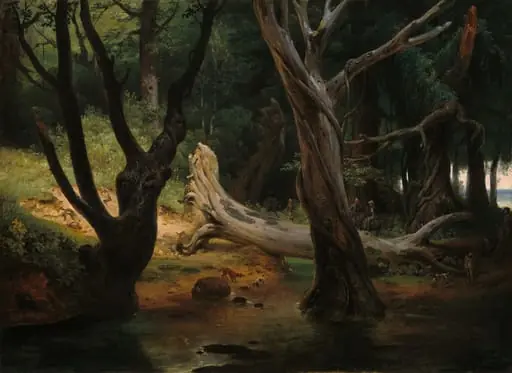 Departure for the Hunt in the Pontine Marshes
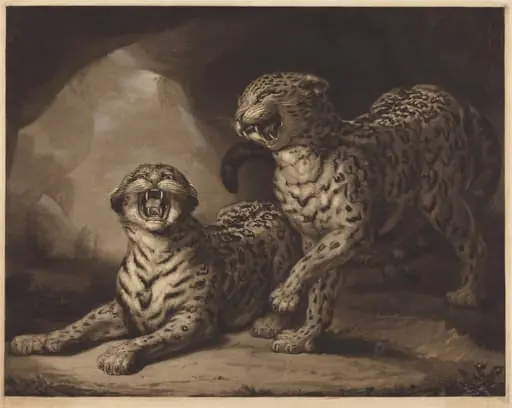 Leopards
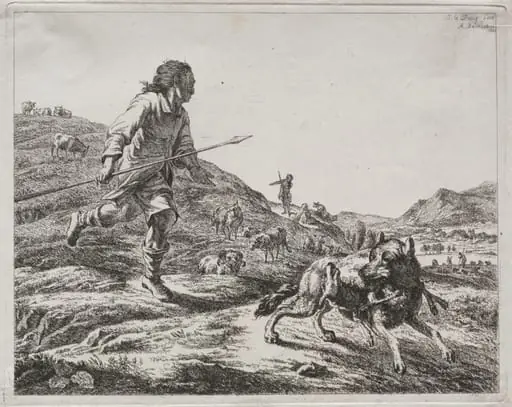 Shepherd Chasing a Wolf
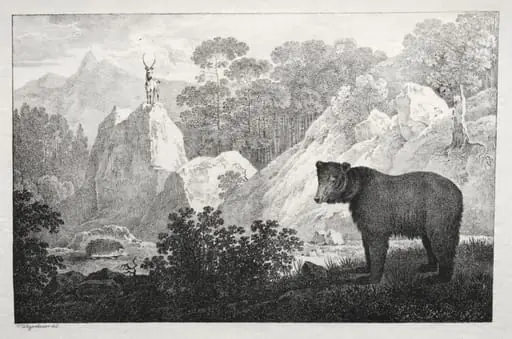 Mountainous Landscape with Bear in the Foreground
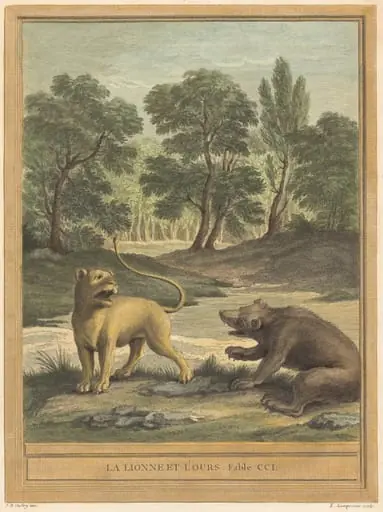 La lionne et l'ours (The Lion and the Bear)
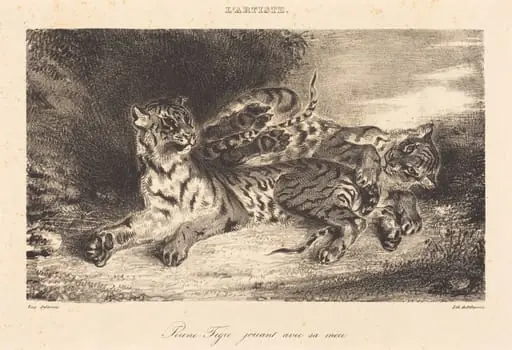 Young Tiger Playing with its Mother (Jeune tigre jouant avec sa mère)
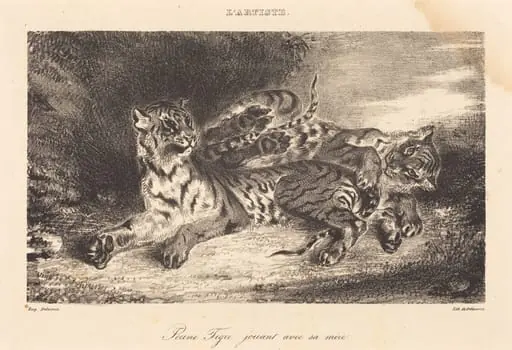 Young Tiger Playing with its Mother (Jeune tigre jouant avec sa mère)
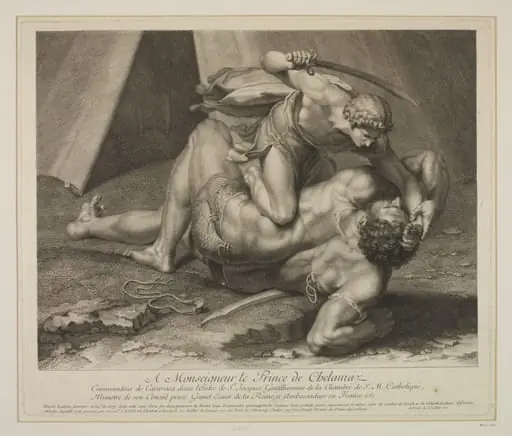 David Slaying Goliath
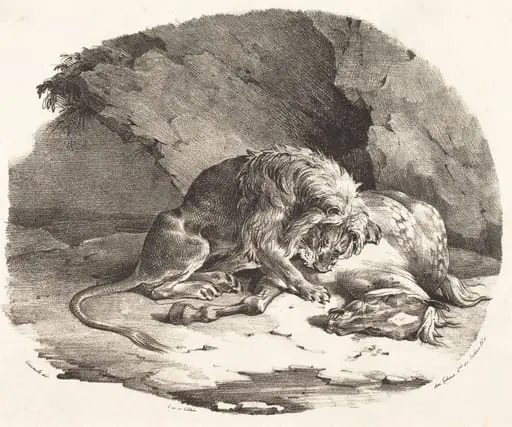 Lion Devouring a Horse
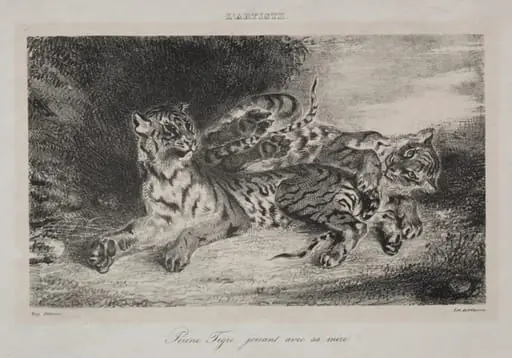 Young Tiger Playing with its Mother
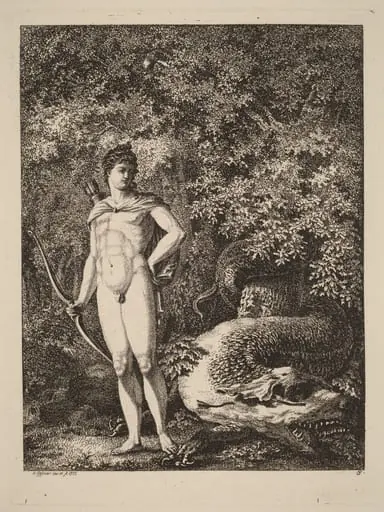 Apollo with a Bow and Dragon
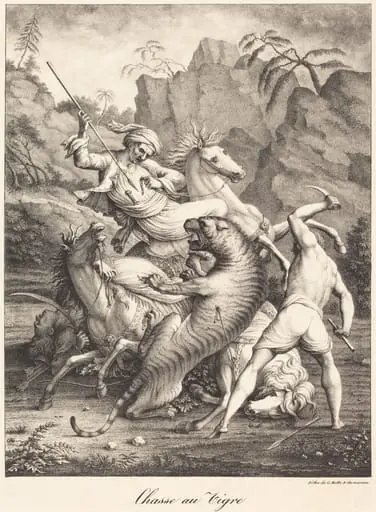 Tiger Hunt
- African Hunter (Chasseur Africain)