Artwork
One of Sixteen Album Leaves
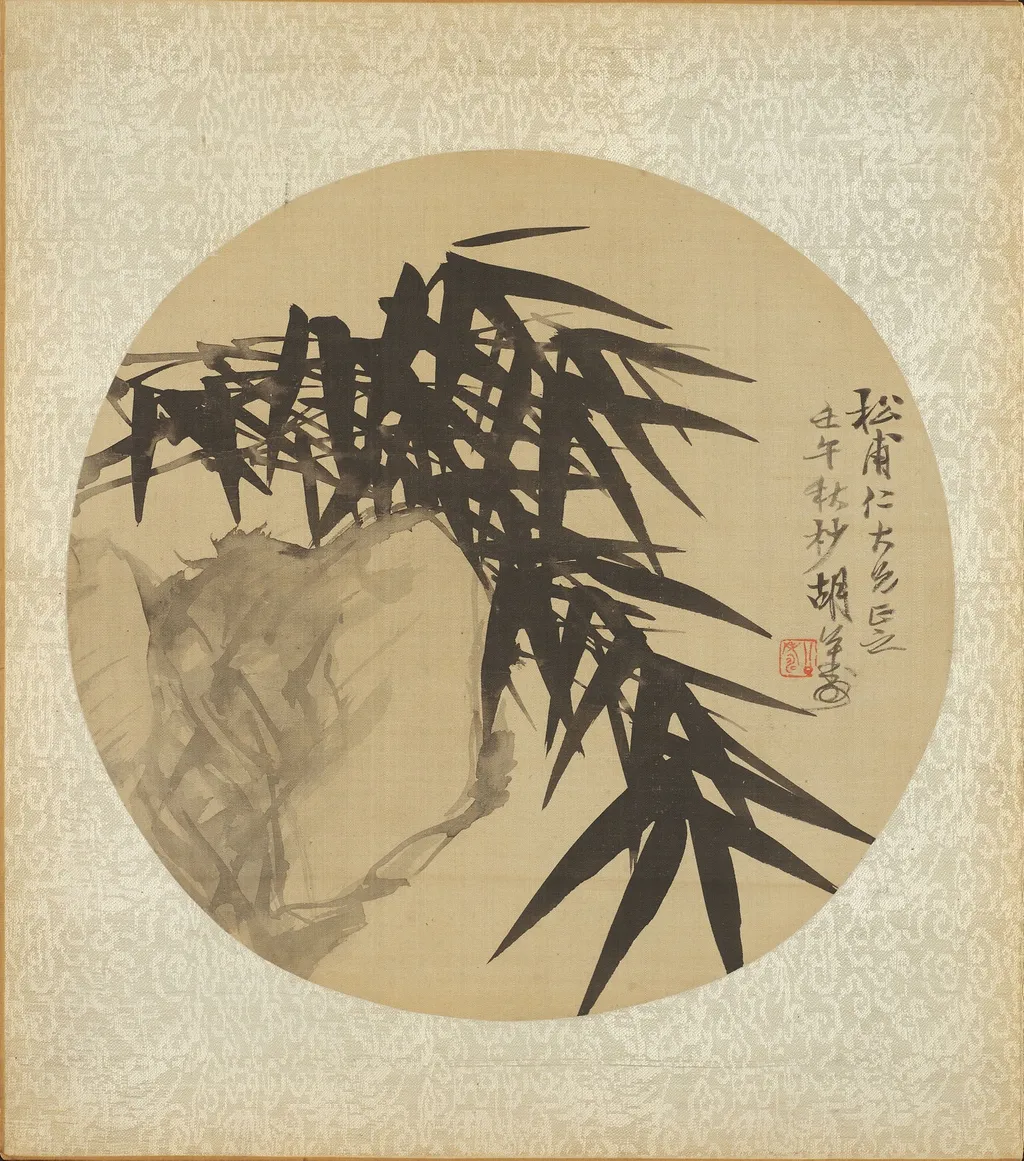
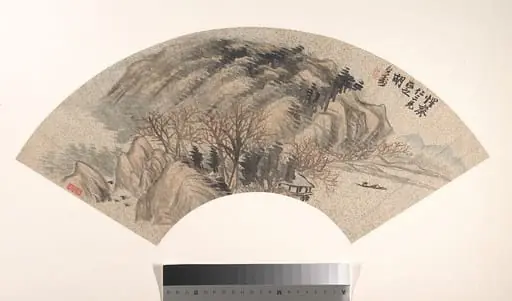
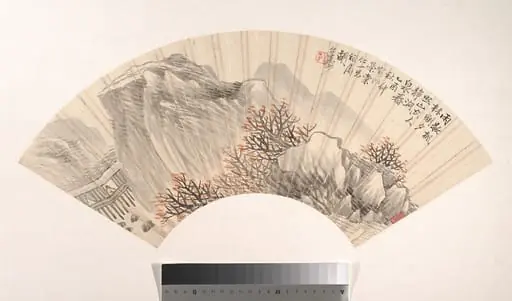
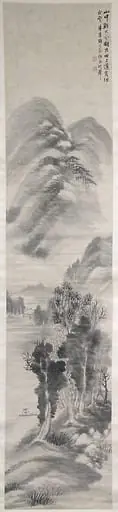
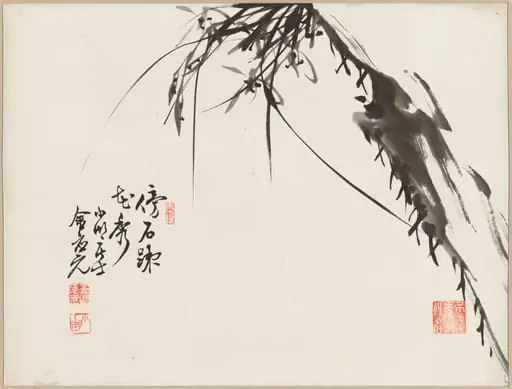
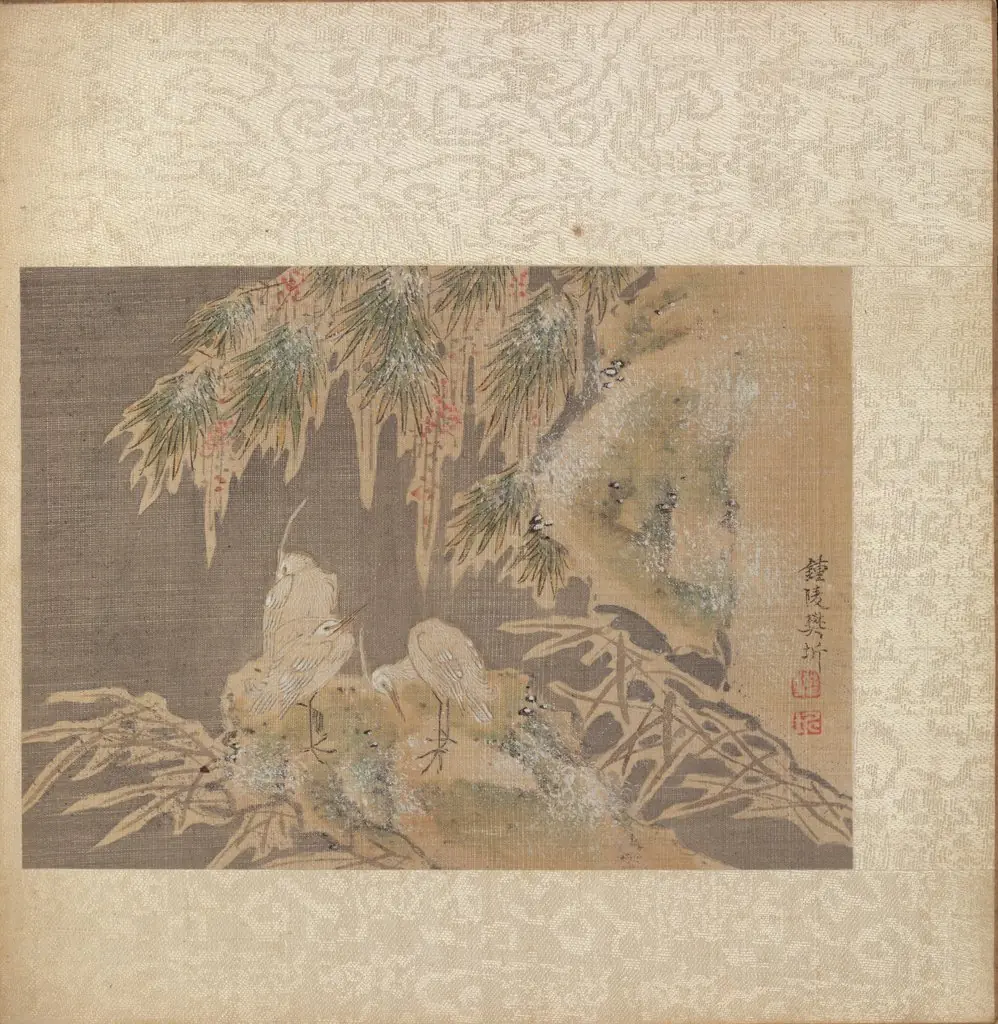
One of Sixteen Album Leaves is an unspecified painting by the Nanga artist Hu Yuan. It is held in the collection of the Art Institute of Chicago.
About this work
Overview
Created in 1892 by Hu Gongshou, this painting is one of sixteen album leaves produced as part of a cohesive series. Executed in ink and light color on paper, it reflects the traditional Chinese album format, designed for intimate viewing rather than public display. The composition is contained within a circular format, a form often associated with harmony and completeness in East Asian art.
Subject & Meaning
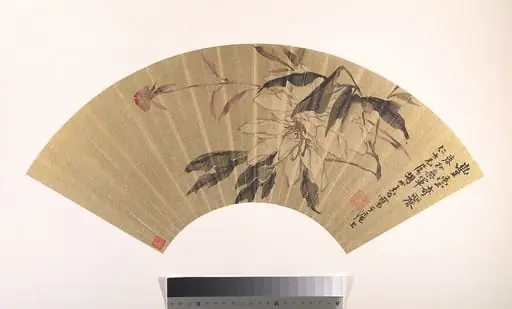
Positioned to the right, it stands in contrast to a textured gray rock on the left, suggesting a natural landscape reduced to its essential elements.
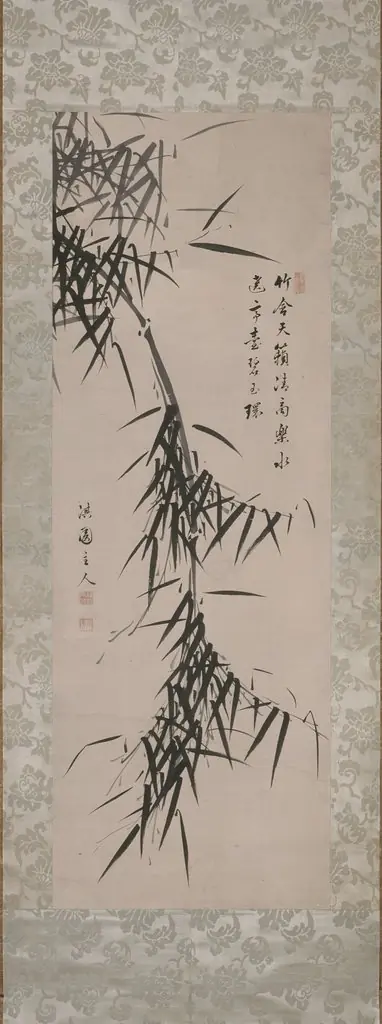
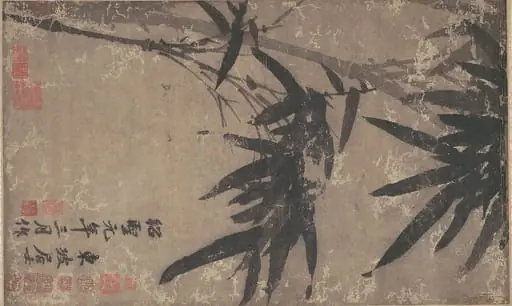
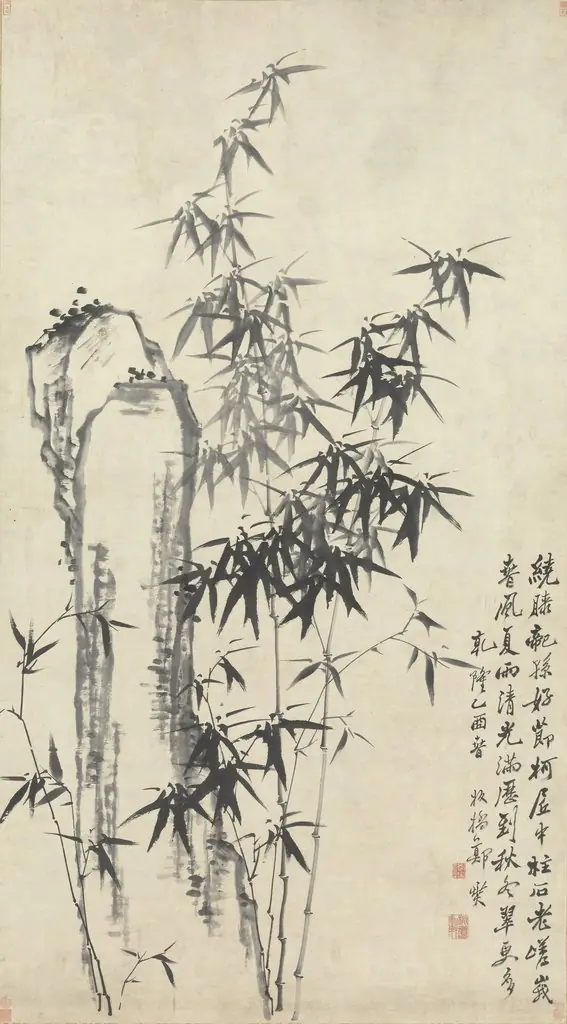
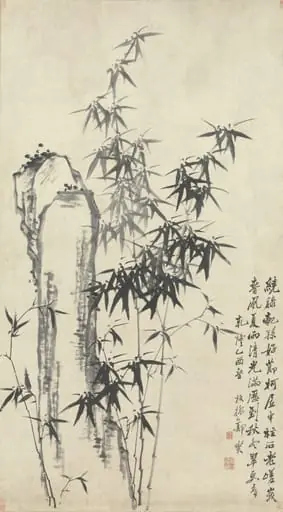
The central subject is a single bamboo stalk, rendered with precision and restraint. Bamboo, a recurring symbol in Chinese culture, represents resilience, integrity, and quiet endurance. Positioned to the right, it stands in contrast to a textured gray rock on the left, suggesting a natural landscape reduced to its essential elements. The pairing implies a balance between strength and stillness, a common theme in literati painting.
Technique & Style
Hu Gongshou employs bold, controlled brushwork to define the bamboo’s slender stems and sharp leaves, using varying ink tones to suggest volume and movement. The limited palette, primarily ink with faint washes of brown and gray, emphasizes monochrome elegance. Negative space is not empty but active, framing the forms and guiding the viewer’s gaze, reinforcing the painting’s meditative quality.
History & Provenance
The album leaf entered the collection of the Art Institute of Chicago through documented acquisition, though its earlier provenance prior to the 20th century remains unrecorded in public sources. As part of a set, it likely circulated among scholars or collectors who valued such albums for their aesthetic and intellectual resonance, rather than as standalone displays.
Context
Hu Gongshou worked during the late Qing dynasty, a period when literati painters continued to uphold classical ideals despite political upheaval. His work aligns with the tradition of scholar-artist painting, where personal expression and technical mastery were valued over ornamental detail. This leaf reflects a broader cultural preference for restraint, naturalism, and symbolic depth in ink painting.
Legacy
Though Hu Gongshou is not among the most widely recognized artists of his era, his album leaves exemplify the enduring vitality of literati aesthetics in the 19th century. This work contributes to the understanding of how traditional forms persisted and evolved in private, contemplative contexts, preserving a visual language rooted in centuries of Chinese artistic philosophy.
Own this work as a print
Artist & collection