Artwork
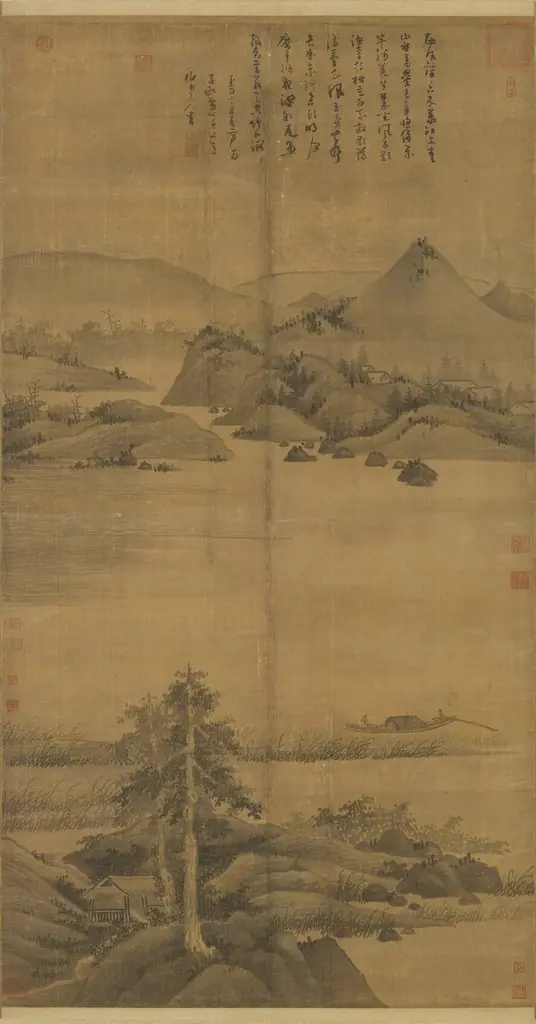
Summer Mountains (after Dong Yuan [active about ad 937-975])
![Summer Mountains (after Dong Yuan [active about ad 937-975]), by Huang Gongwang, unspecified, 1322](https://artifactworldgallery.com/img/huang-gongwang--summer-mountains-after-dong-yuan-active-about-ad-937-975--a5e22b9ec870e011-w1024.webp)
Summer Mountains (after Dong Yuan [active about ad 937-975]) is an unspecified painting by the Yōga artist Huang Gongwang. It dates from 1322 and is held in the collection of the Cleveland Museum of Art.
About this work
History & Provenance
No further details about an earlier ownership chain, intermediate collectors, or circumstances of acquisition are documented in the available sources.
Summer Mountains is a painting by Huang Gongwang, dated 1322, and described as a work "after Dong Yuan," indicating it was produced in homage to the earlier Southern Landscape master rather than as a direct commission. The painting was created in China and later entered the Cleveland Museum of Art, where it is recorded under the accession number 1992.1, suggesting it was accessioned by that institution in 1992.
No further details about an earlier ownership chain, intermediate collectors, or circumstances of acquisition are documented in the available sources.
Context
Huang Gongwang's 1322 painting Summer Mountains (after Dong Yuan) is situated within the Yuan dynasty tradition of lyrical landscape painting. The work directly engages with the Southern Song master Dong Yuan's compositional innovations in depicting mist-shrouded mountain vistas, though Huang reinterprets these forms with his own monochrome ink technique emphasizing atmospheric depth over topographical precision. This dialogue with historical precedents reflects broader scholarly understandings of Yuan artists as both inheritors and transformers of classical models, situating the Cleveland Museum of Art's holdings within the evolution of Chinese ink painting aesthetics.
Overview
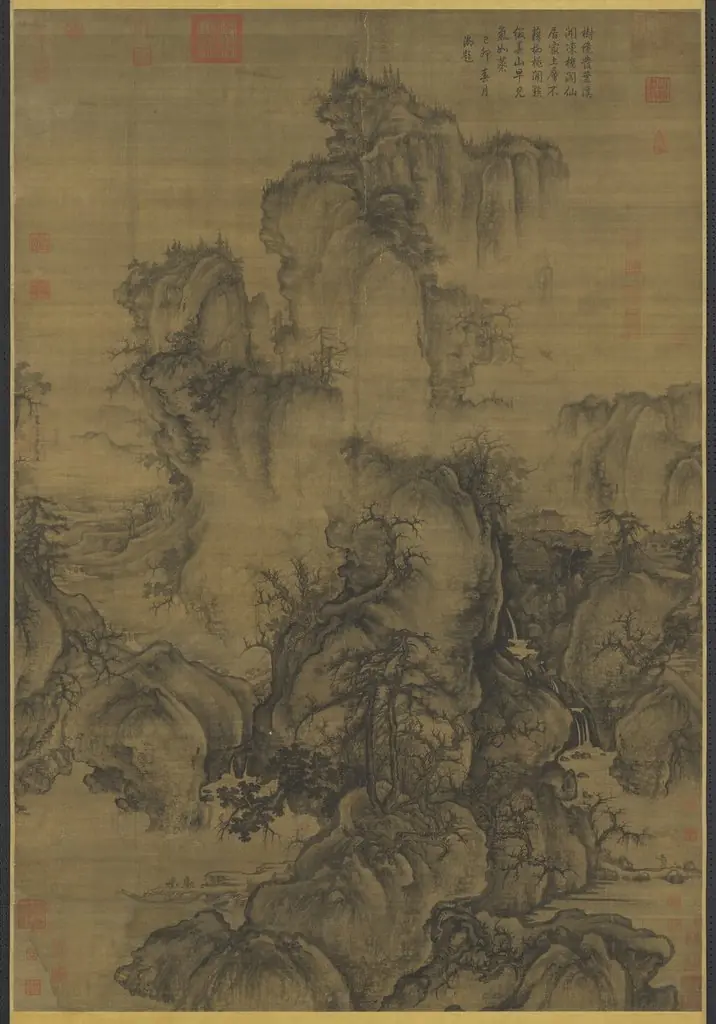
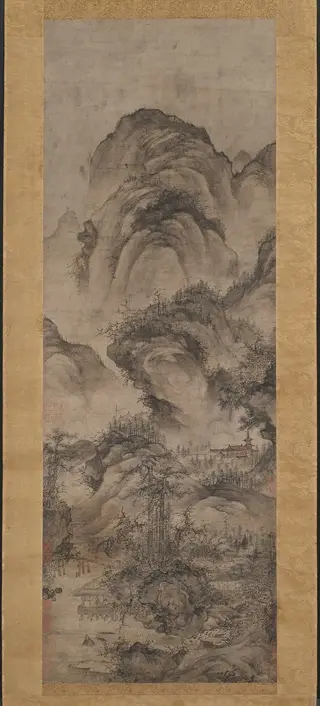
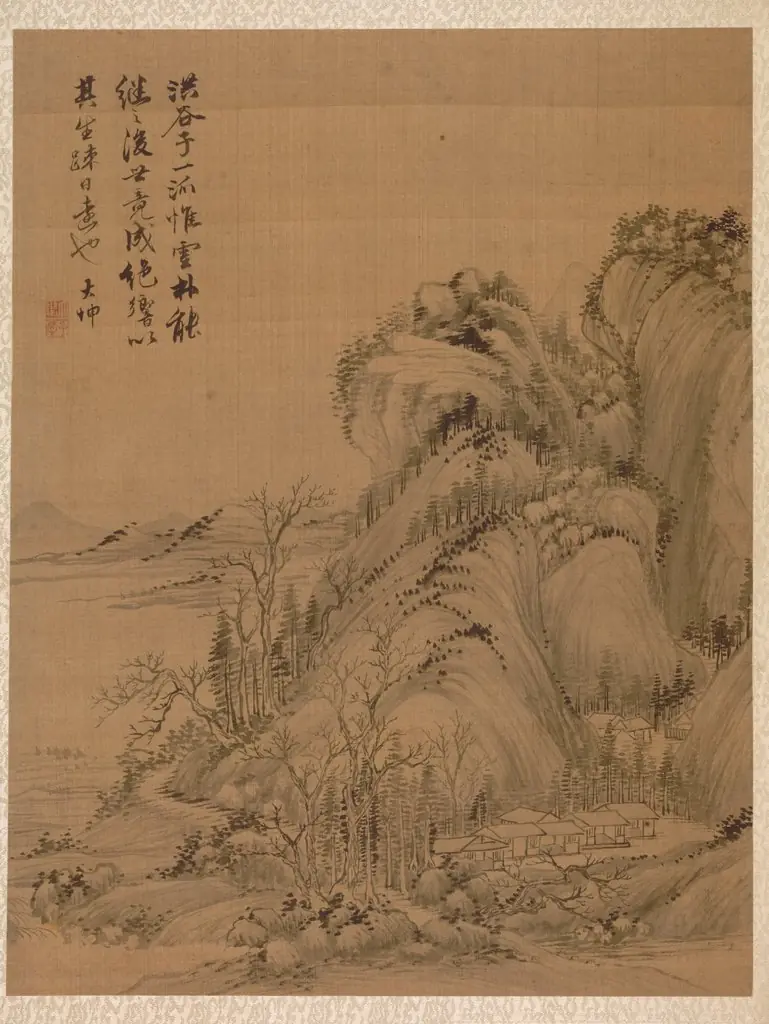
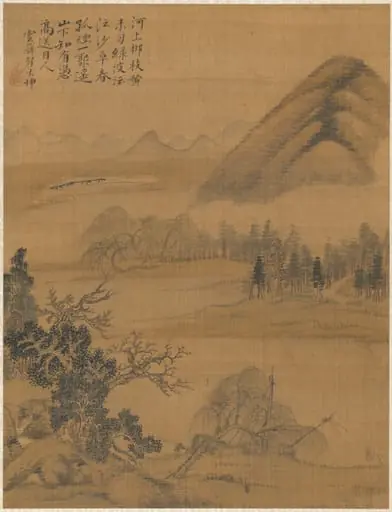
Created in 1322 by Huang Gongwang, one of the leading figures of the Yuan dynasty’s Four Masters, this hand‑scroll presents a tranquil mountainous landscape rendered in the manner of the tenth‑century master Dong Yuan. The composition features rolling hills, sparse trees and a winding stream, all expressed in muted browns and grays that convey a subdued, atmospheric mood.
Subject & Meaning
The scene depicts a remote, mist‑filled terrain where gentle elevations recede into a hazy background, suggesting the impermanence of nature and the contemplative space favored by scholar‑artists. The sparse foliage and quiet waterway invite a reflective response, aligning with the literati ideal of using landscape as a vehicle for poetic meditation.
Technique & Style
Huang employs swift, sketch‑like brushwork to suggest texture, rough bark, craggy cliffs, and the ripple of water, without detailing every surface. Layered planes of hills are rendered with progressive tonal shifts, creating depth that dissolves into a dreamlike haze. The palette of earth tones reinforces the work’s understated elegance.
Legacy
As a key example of Yuan‑era landscape painting, the piece illustrates the transmission of Dong Yuan’s techniques across centuries. It continues to inform studies of Chinese brushwork and the evolution of atmospheric perspective within East Asian art history.
Artist & collection
Artist
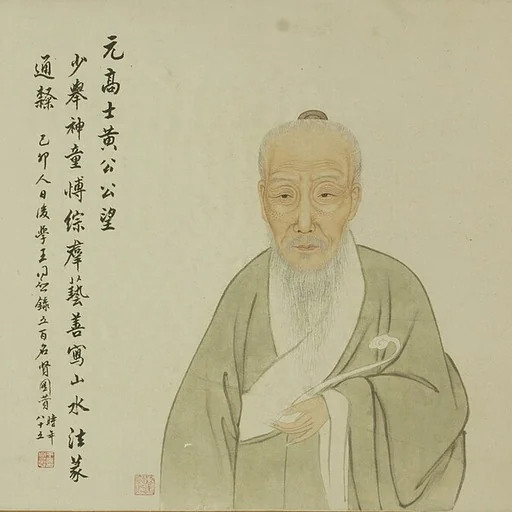
Huang Gongwang (born 1269, Changshu, Jiangsu province, China, died 1354), birth name Lu Jian (Chinese: 陸堅; pinyin: Lù Jiān), was a Chinese painter, poet and writer born at the end of the Song dynasty in Changshu, Jiangsu.

![Summer Mountains (after Dong Yuan [active c. 937–75]), by Huang Gongwang](https://artifactworldgallery.com/img/huang-gongwang--summer-mountains-after-dong-yuan-active-c-937-75--8aeb132308294f1a-w320.webp)