
Movement
Yōga

Yōga is an art movement dating from 1860. The gallery holds 44 works in this movement, including works by Wu Zhen, Ni Zan and Yamaguchi Sekkei. Browse Yōga paintings, portraits, pictures and artworks from the world's public-domain museum collections.
Yōga (洋画, literally "Western painting") is the body of work made by Japanese artists in European media—above all oil on canvas—and according to European pictorial conventions. It emerged in the Meiji period (1868–1912), when the new government, having ended more than two centuries of national seclusion, pursued rapid Westernization and treated mastery of European representation as part of modernization itself. The term was coined to distinguish such work from indigenous painting, which was reclassified in turn as nihonga ("Japanese-style painting"). Takahashi Yuichi (1828–1894), widely regarded as the first Japanese painter to work in full oil technique, was the movement's pioneer; his austere still life Salmon (c. 1877), now an Important Cultural Property, shows the new medium's appetite for solid form, weight, and tactile surface.
The state institutionalized the style in 1876 with the Kōbu Bijutsu Gakkō (Technical Art School), Japan's first school devoted to Western art, where the Italian painter Antonio Fontanesi—in Japan only from 1876 to 1878—taught charcoal, pastel, and oils along with anatomy, linear and atmospheric perspective, drawing from the live model, and plein-air painting. These are Yōga's defining tools: three-dimensional modeling through chiaroscuro, recession into deep illusionistic space, and naturalistic light, applied to the everyday subjects favored by contemporary French painting. A nationalist reaction soon checked it; the Kōbu school closed in 1883, and when the Tokyo School of Fine Arts opened in 1887 it taught nihonga alone.
Yōga's fortunes revived with Kuroda Seiki (1866–1924), remembered as "the father of Western-style painting," who studied in Paris under Raphaël Collin and returned in 1893 steeped in a luminous, Impressionist-inflected academicism. His Morning Toilette (1893), the first Western-style nude publicly shown in Japan, caused scandal when exhibited in 1895, while Lakeside (1897) fused European handling with a distinctly Japanese subject. With Kume Keiichirō, Kuroda founded the Hakuba-kai ("White Horse Society") in 1896 to champion the brighter "new school."
Yōga endured as one of the two great channels of modern Japanese art. Kuroda secured a Western-painting department at the Tokyo School of Fine Arts in 1896, and the Bunten salon (from 1907) gave Yōga and nihonga equal standing. Its training shaped artists such as Hiroshi Yoshida (1876–1950), an accomplished oil and watercolor painter—represented in this collection—before he turned to the shin-hanga woodblock revival, carrying Western light and perspective into the print tradition.
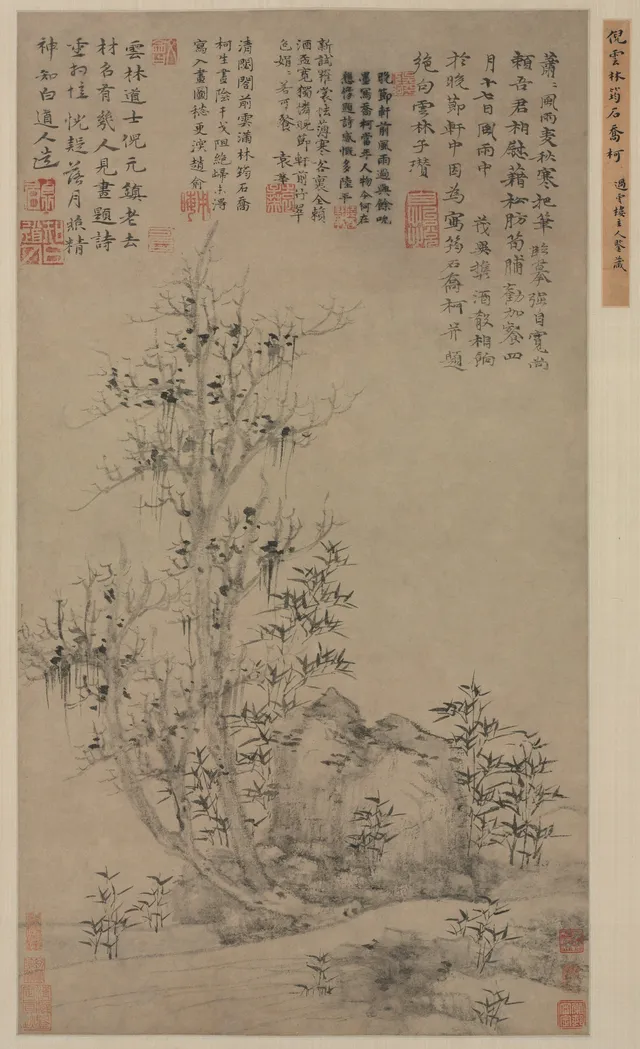
Key artists

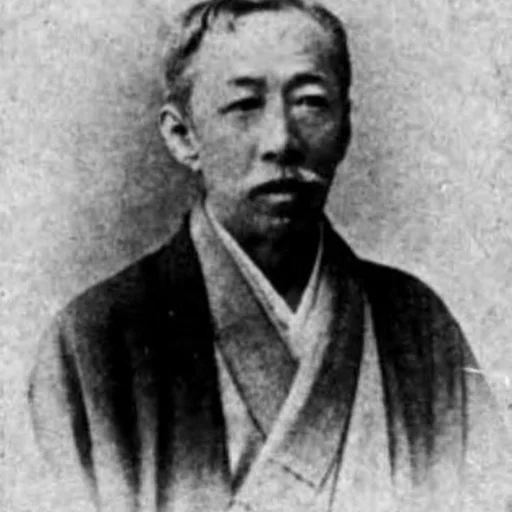
Works
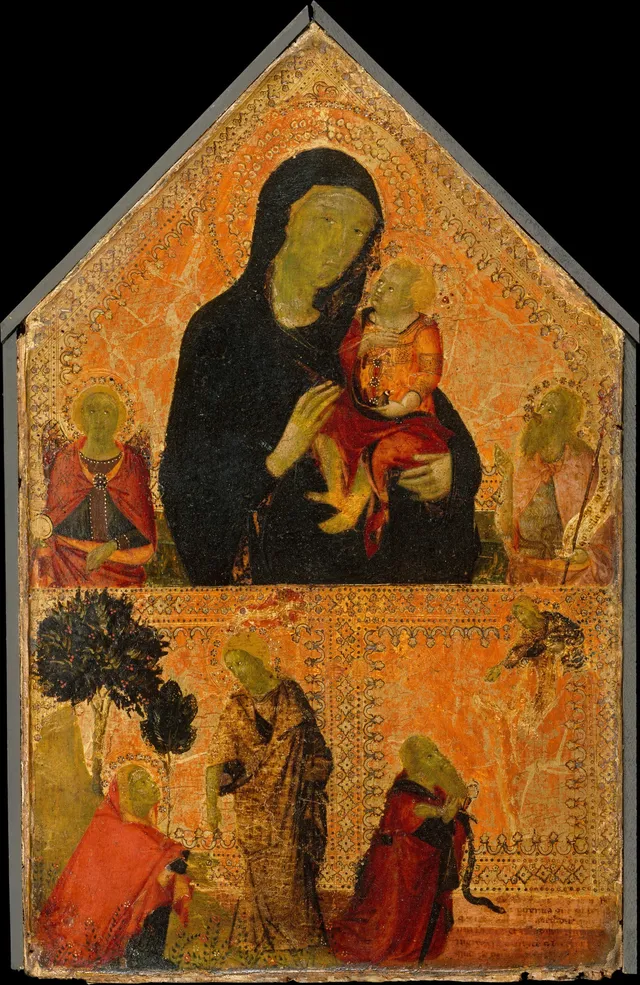
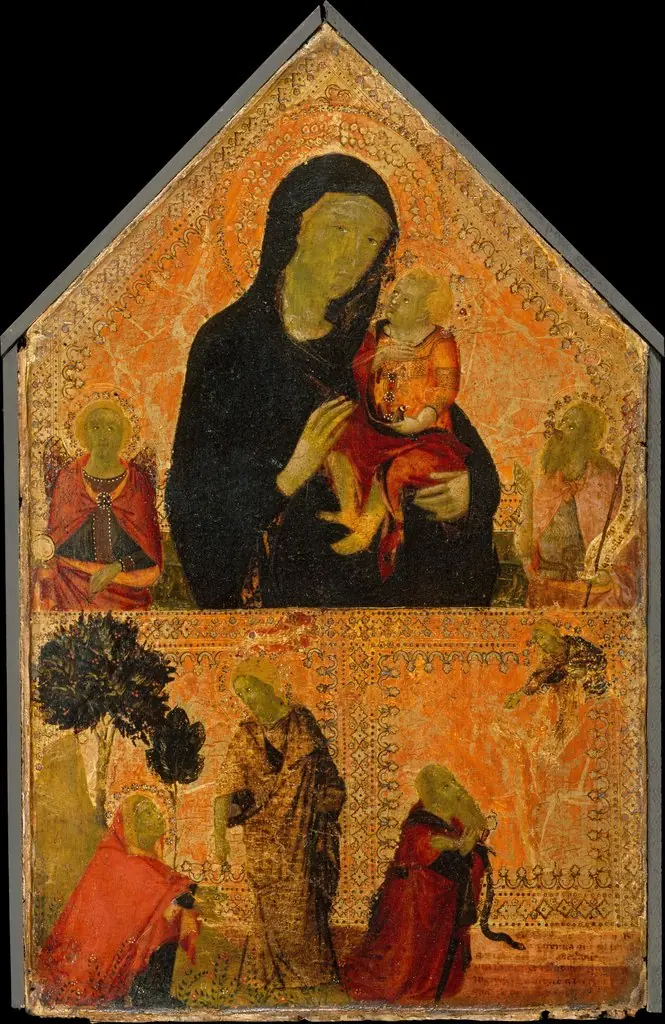 Madonna and Child with Saints Michael and John the Baptist; The Noli Me Tangere; The Conversion of Saint Paul
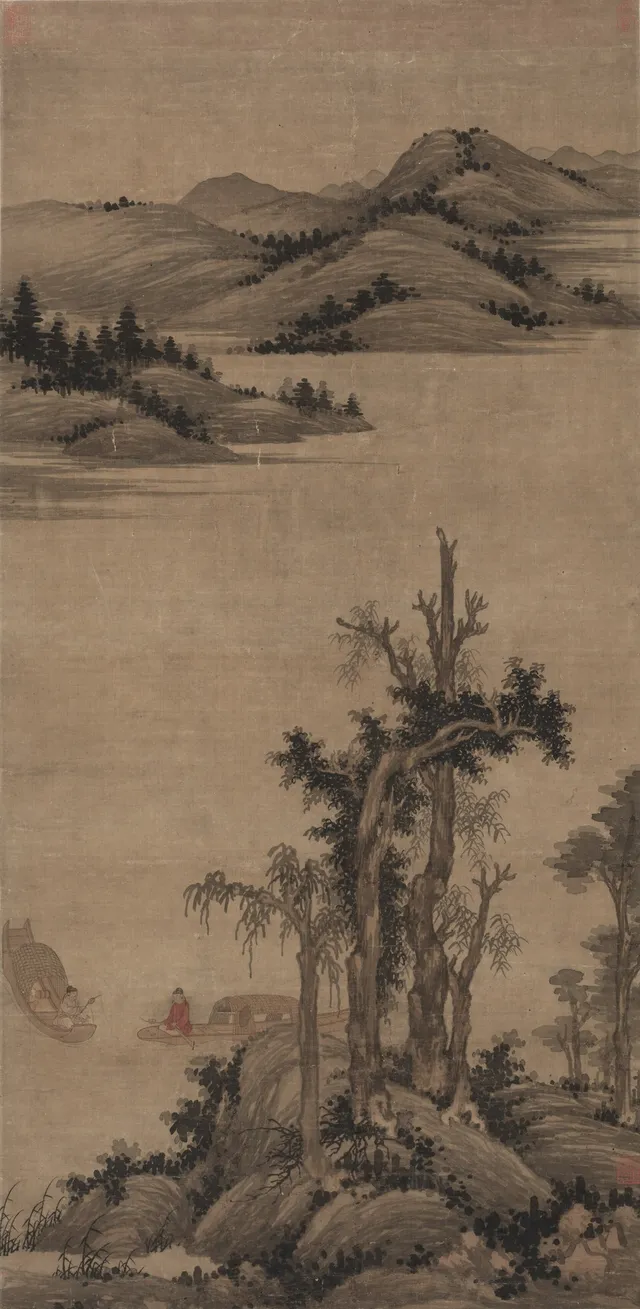
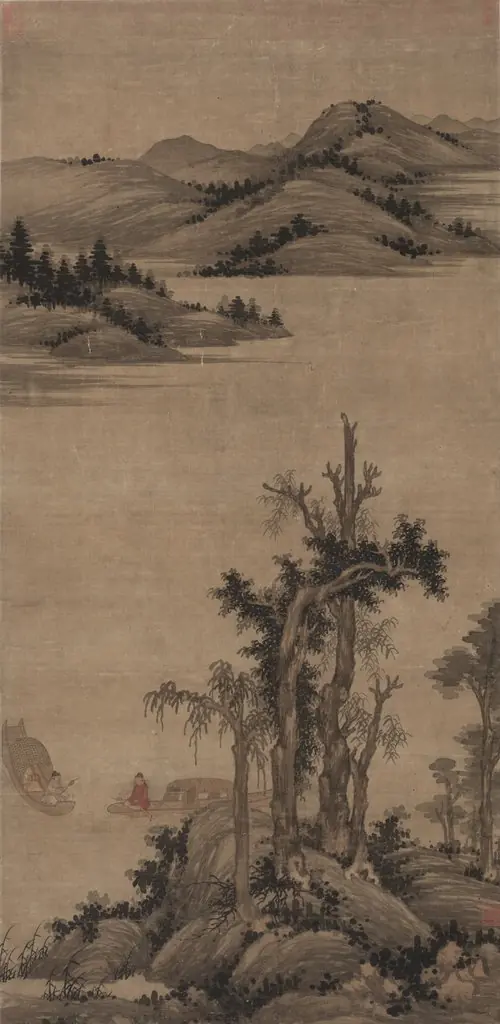 Fishermen-Hermits in Stream and Mountain
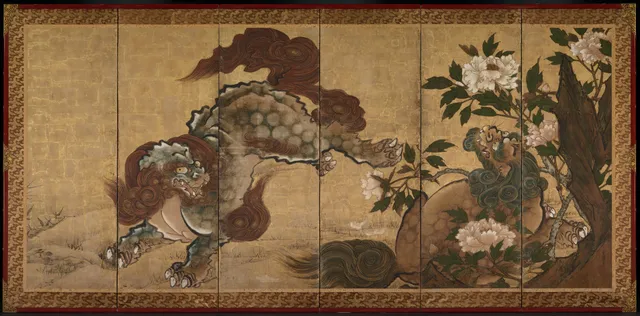
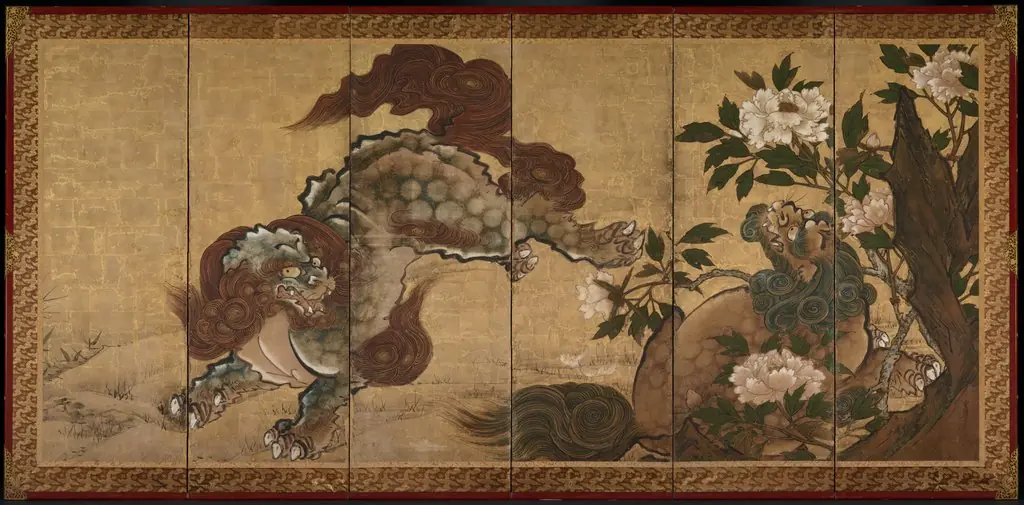 Lions and Tigers in Peony and Bamboo
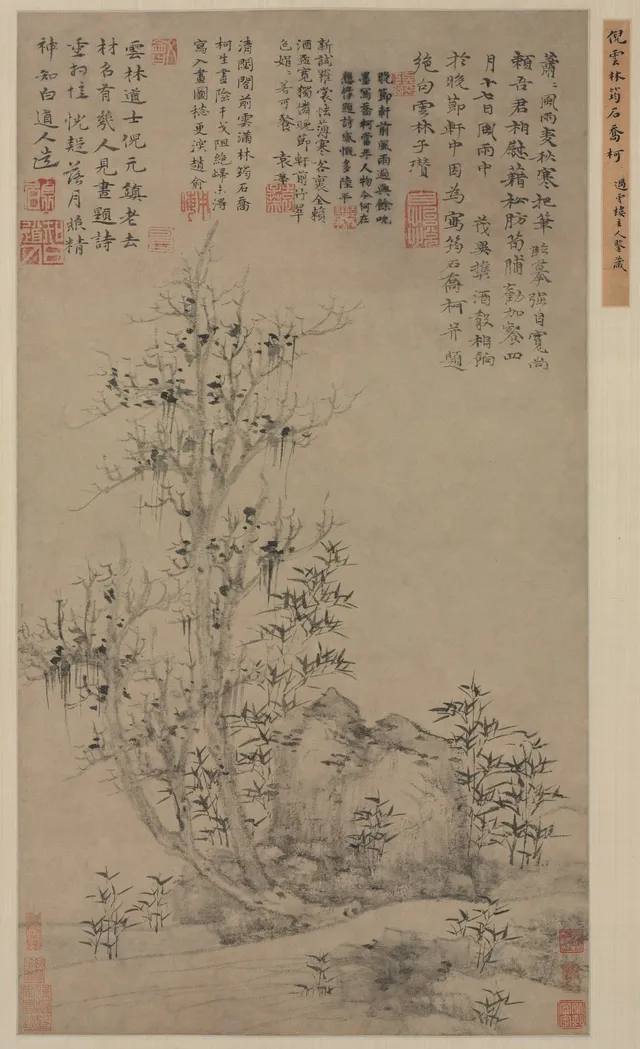
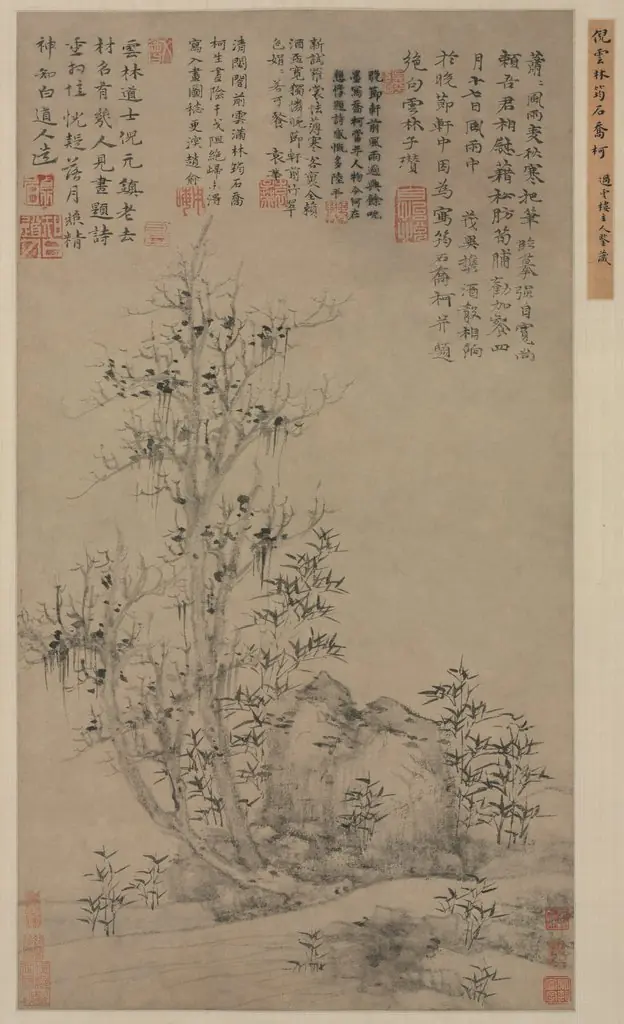 Bamboo, Rock, and Tall Tree
 Manuscript of the Perfection of Wisdom in Eight Thousand Lines (Ashtasahasrika Prajnaparamita-sutra)
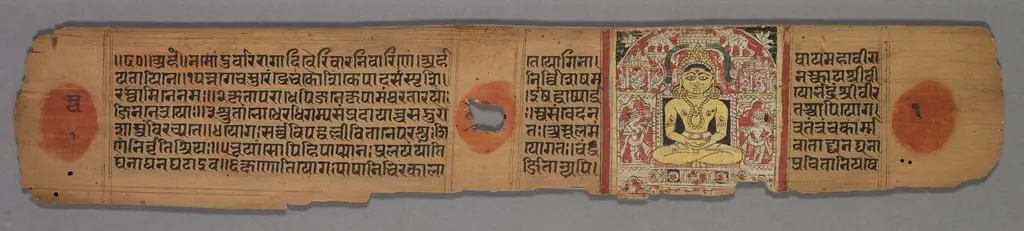 Seated Rishabha Enthroned, Folio 1 verso of a Yoga-shastra of Hemachandra
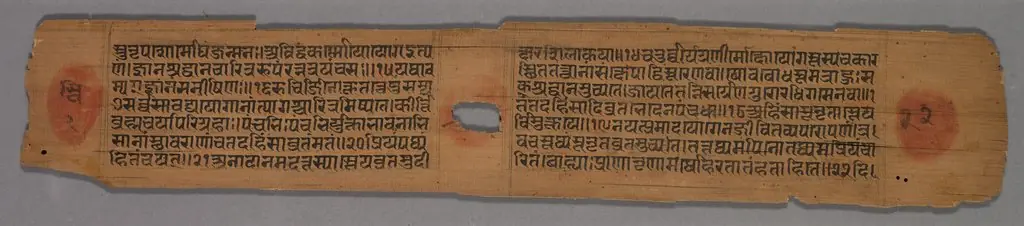 Leaf from a Jain Manuscript: Yoga-shastra: Text (recto); Leaf from a Jain Manuscript: Yoga-shastra: Jain monk with Disciple and Two Laymen, Two Nuns and a Laywoman below (verso)
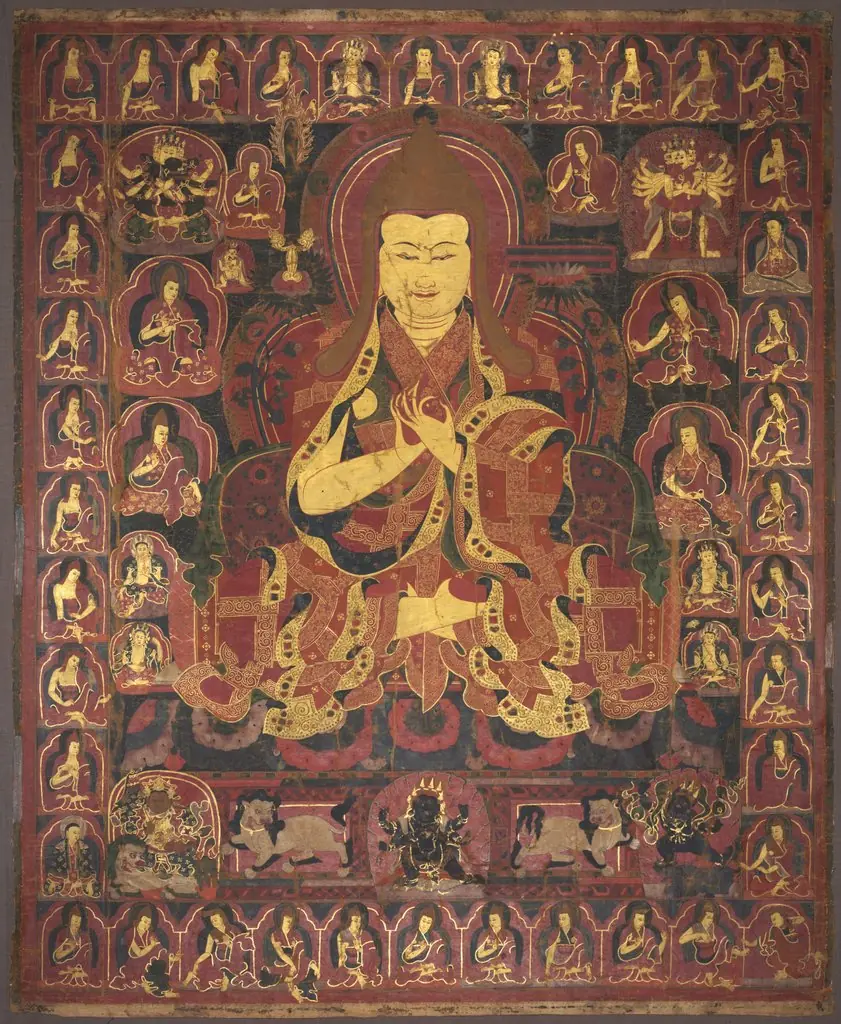 Tsong Khapa, Founder of the Geluk Order
 Poetic Feeling in a Thatched Pavilion
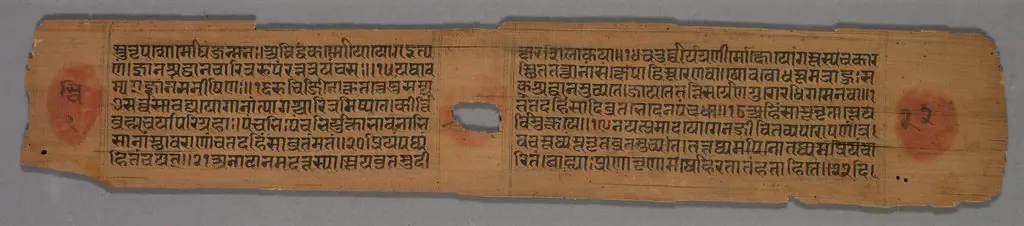 Leaf from a Jain Manuscript: Yoga-shastra: Text (recto)
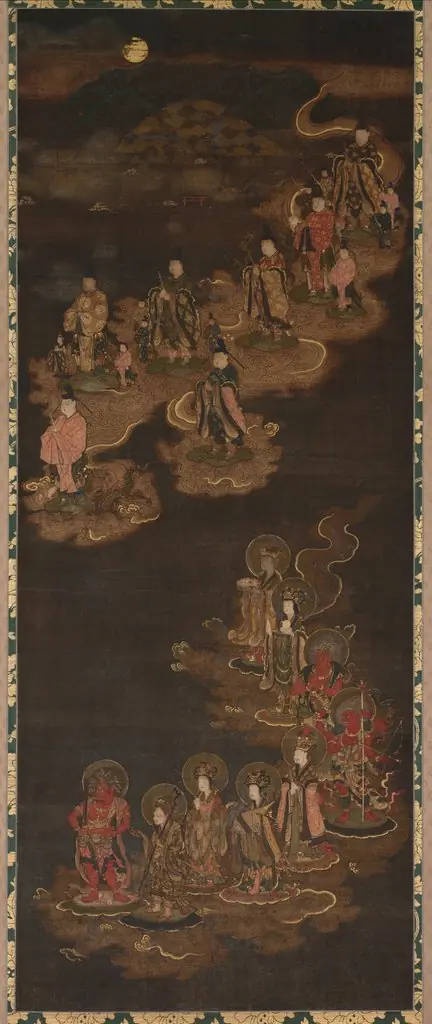 Descent of the Nine Luminaries and the Seven Stars at Kasuga
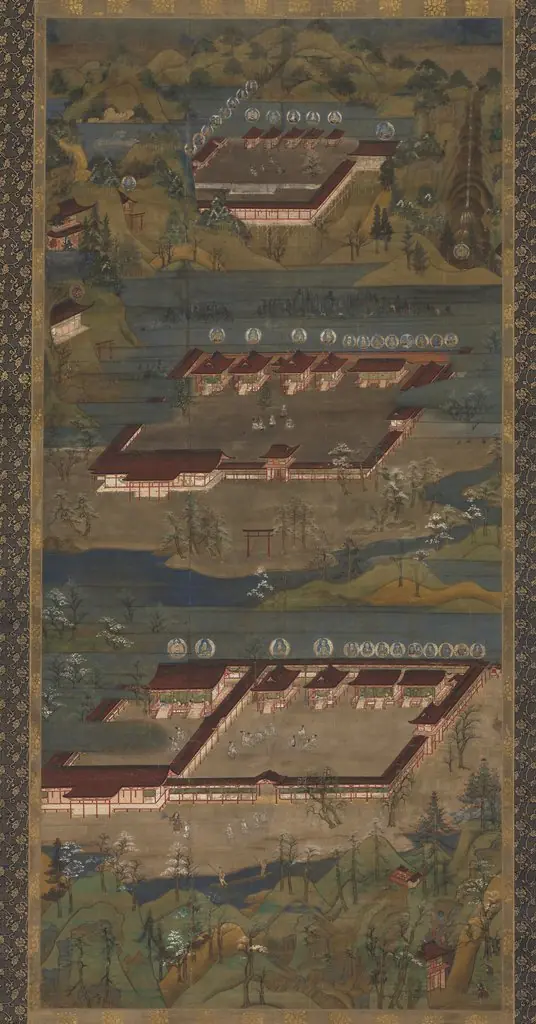 Mandala of the Three Shrines at Kumano
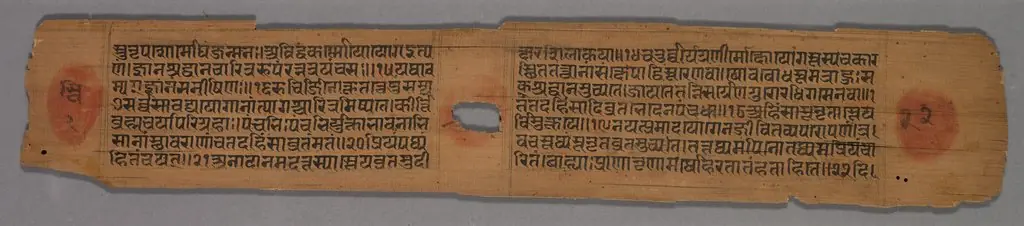 Rishabha enthroned, folio 1 (verso) from a Yoga-shastra of Hemachandra
 Text, folio 3 (recto), from a Manuscript of the Perfection of Wisdom in Eight Thousand Lines (Ashtasahasrika Prajnaparamita-sutra)
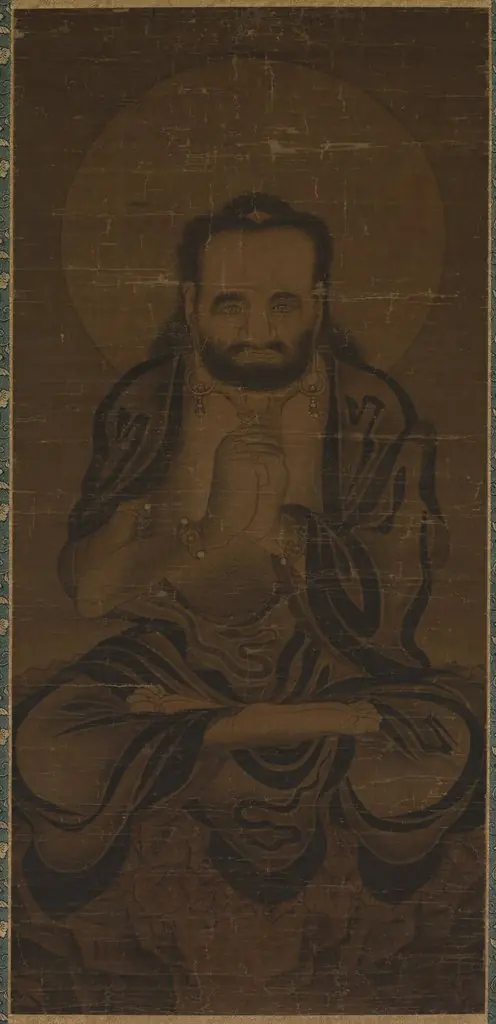 Sakyamuni Buddha
![Summer Mountains (after Dong Yuan [active about ad 937-975]), by Huang Gongwang, 1322](https://artifactworldgallery.com/img/huang-gongwang--summer-mountains-after-dong-yuan-active-about-ad-937-975--a5e22b9ec870e011-w320.webp) Summer Mountains (after Dong Yuan [active about ad 937-975])
Summer Mountains (after Dong Yuan [active about ad 937-975]) The Illustrated Miraculous Origins of the Yūzū Nenbutsu School
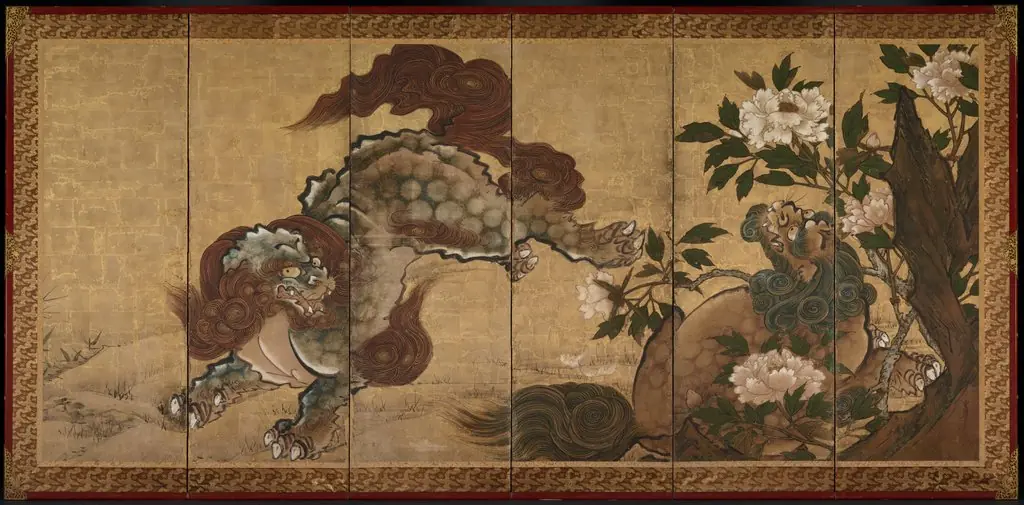 Lions and Tigers in Peony and Bamboo
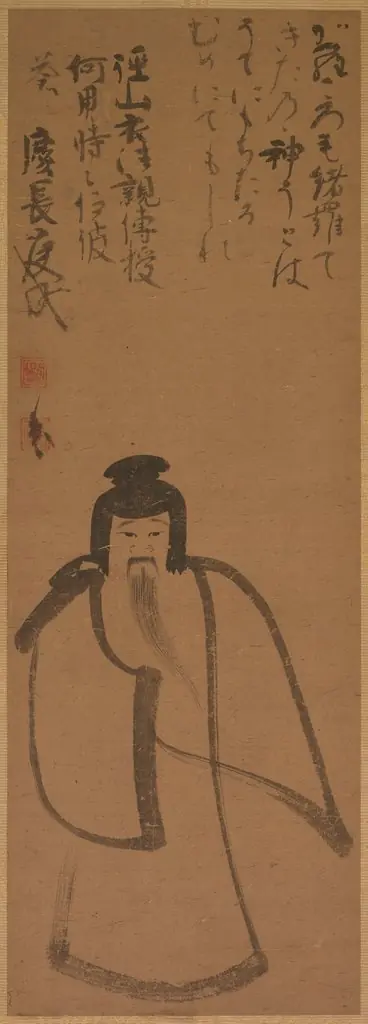 Tenjin Traveling to China
 Three Horses and Four Grooms
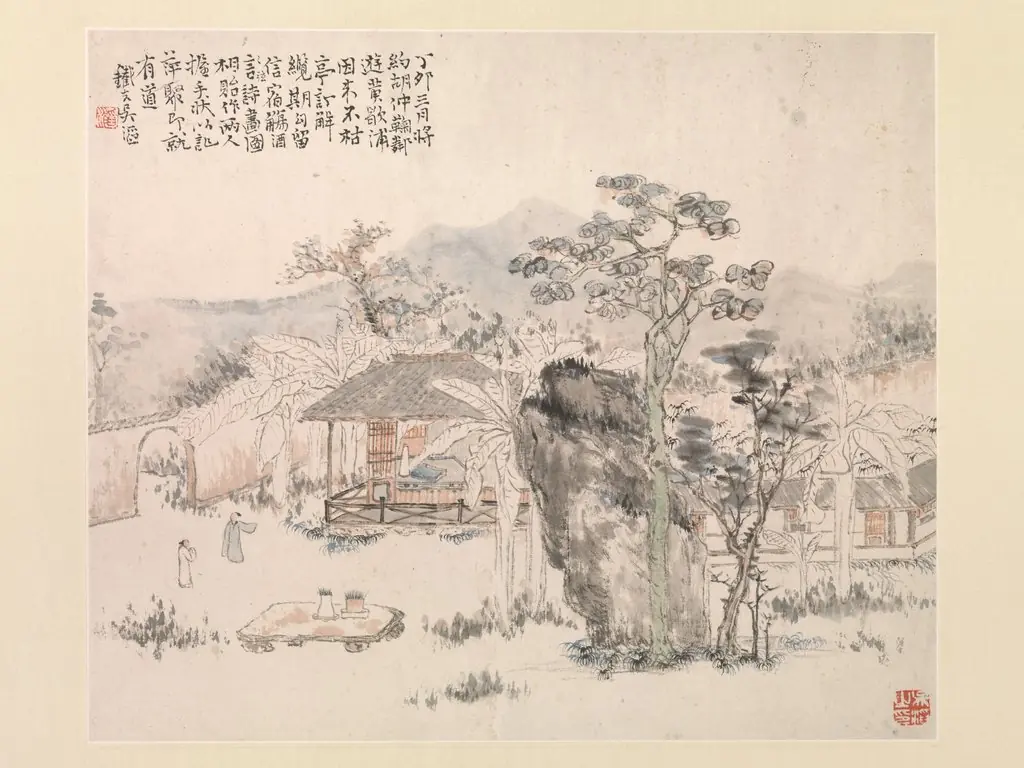 Garden scene
 Copy of Night Parade of One Hundred Demons from the Shinjuan Collection
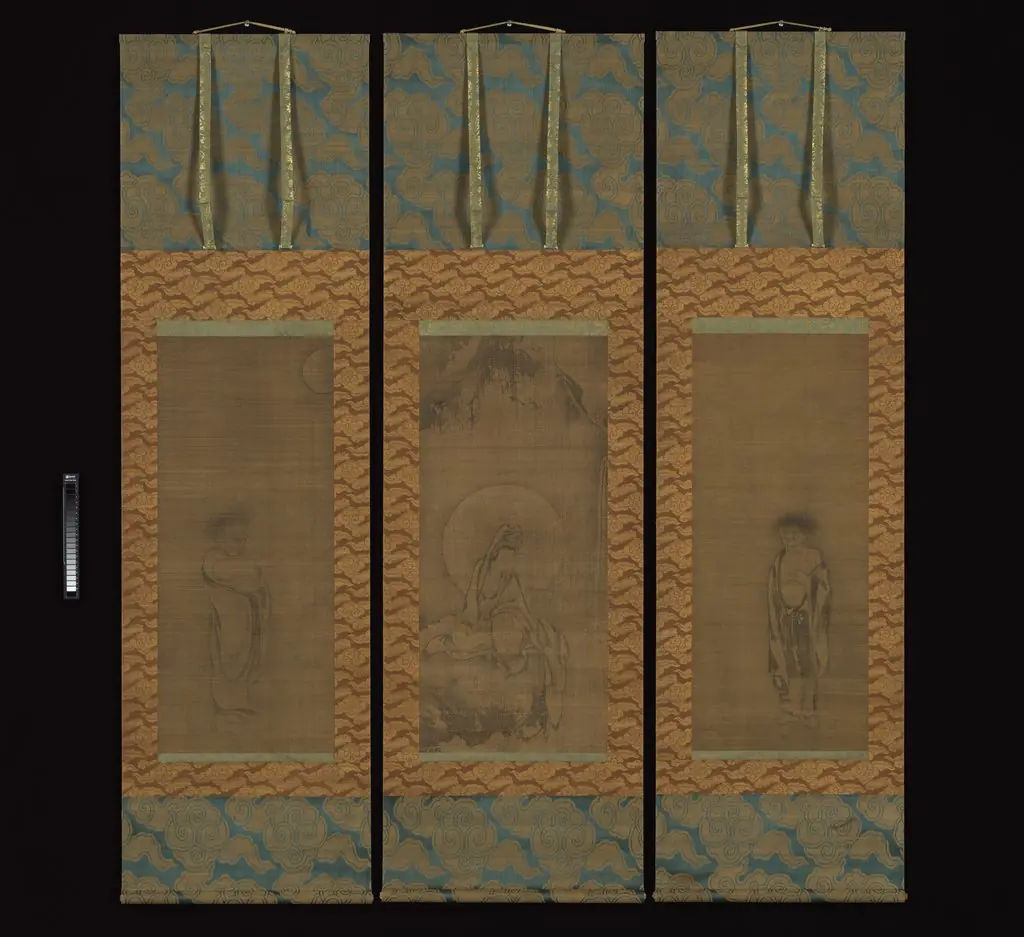 White-Robed Guanyin with Hanshan and Shide
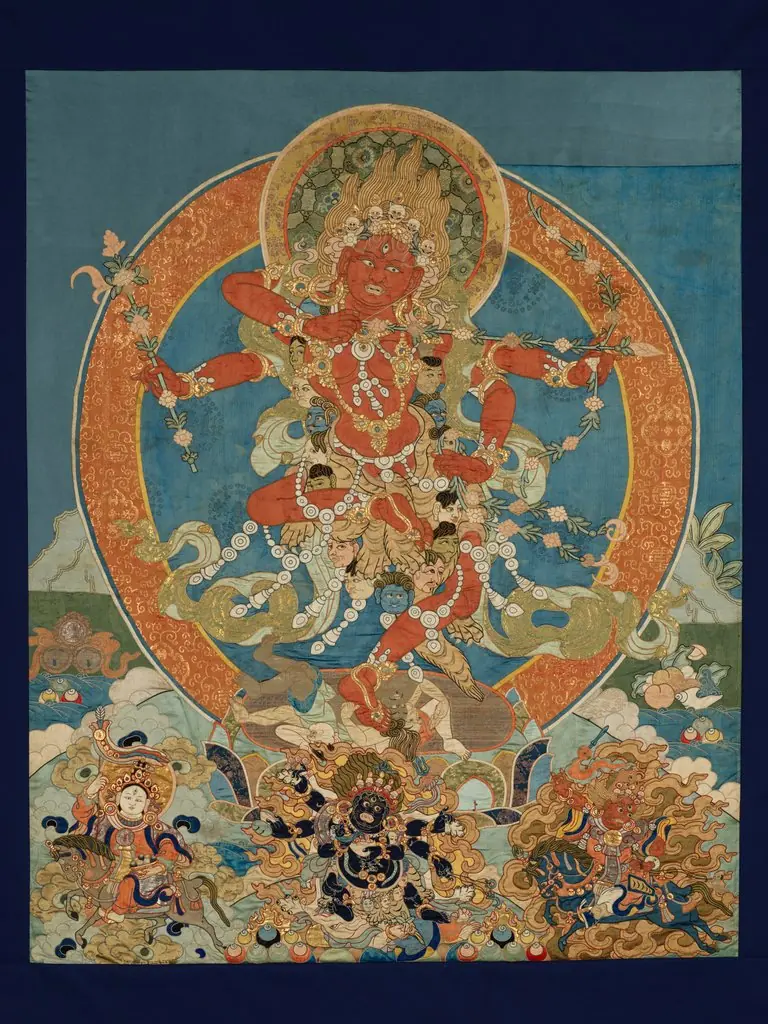 The Goddess Kurukulla
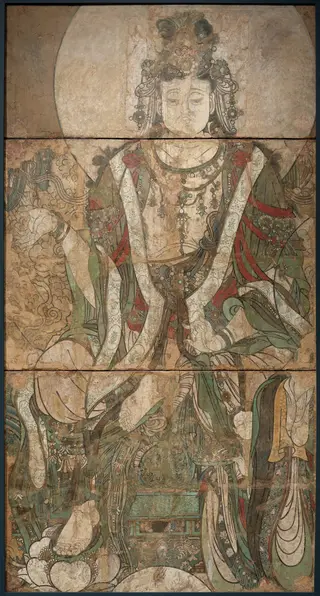 Bodhisattva
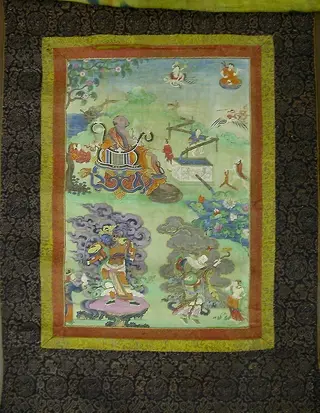 Painted Banner (Thangka) from a Set of Seven Honoring Gayadhara, a Pandit from India
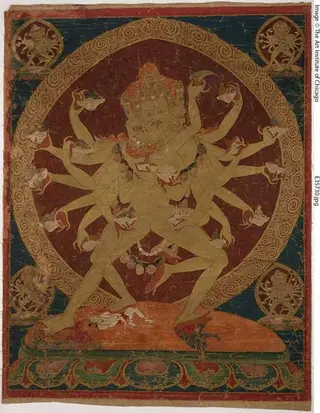 Painted Banner (Thangka) of Skull-Cup Bearing (Kapâladhara) Hevajra
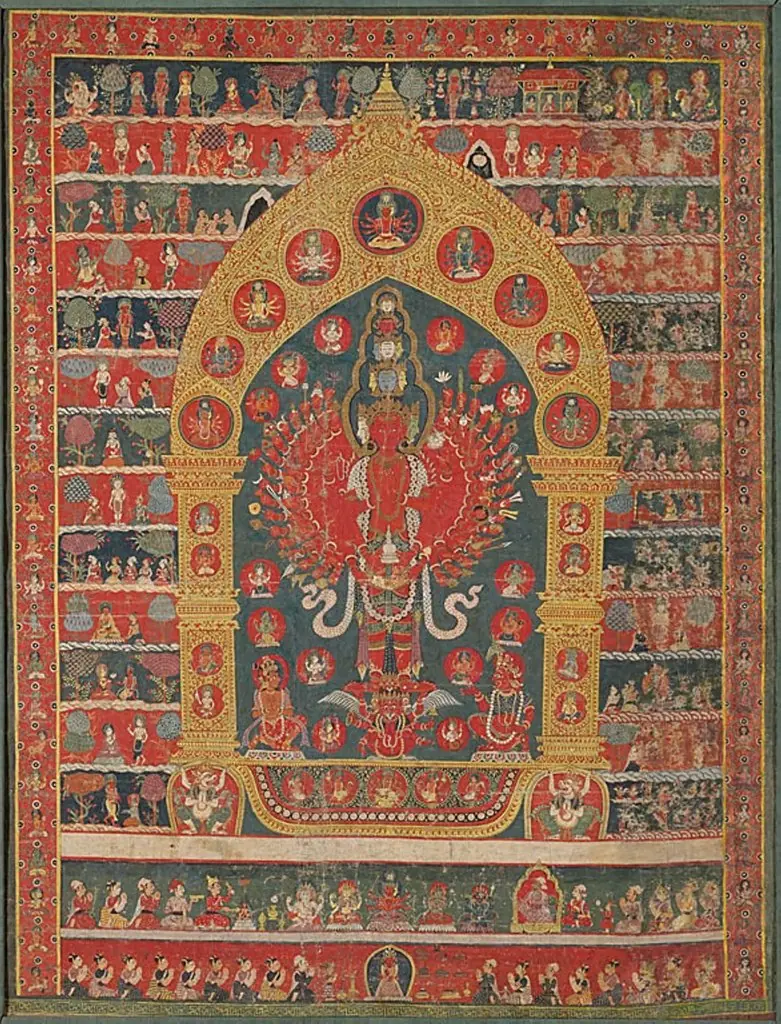 Painted Banner (Thangka) of the Avalokiteshvara Incarnation of the Rain God Rato Matsyendranatha
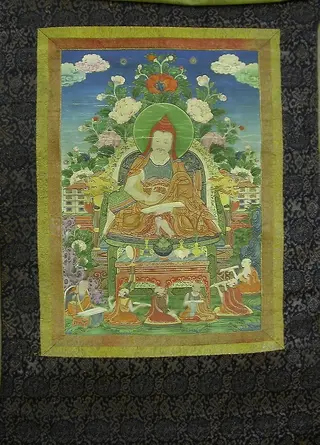 Painted Banner (Thangka) from a Set of Seven Honoring Gayadhara, a Sakya Pandit from India
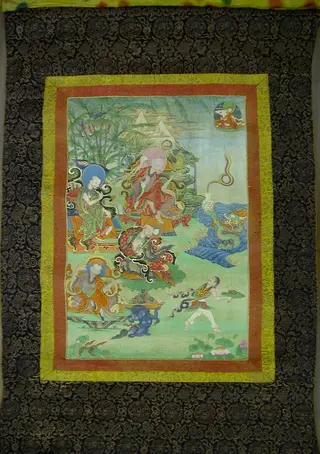 Painted Banner (Thangka) from a Set of Seven Honoring Gayadhara, a Sakya Pandit from India
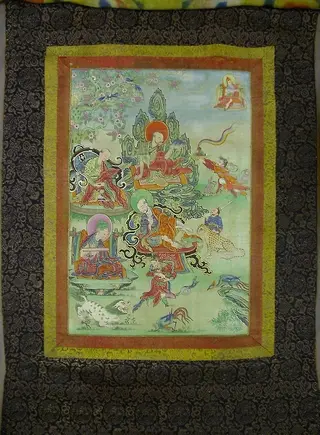 Painted Banner (Thangka) from a Set of Seven Honoring Gayadhara, a Sakya Pandit from India
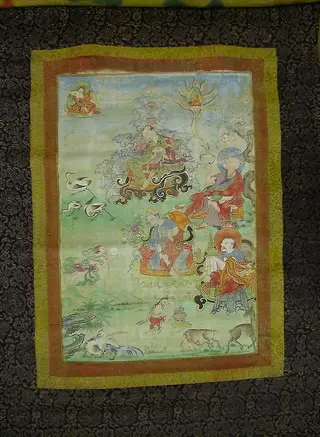 Painted Banner (Thangka) from a Set of Seven Honoring Gayadhara, a Sakya Pandit from India
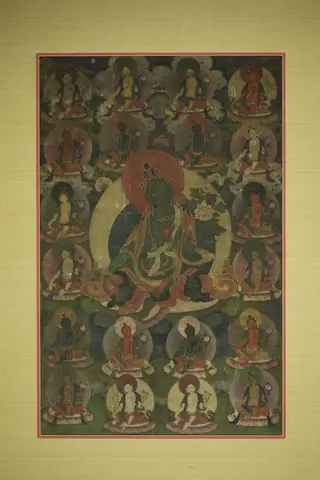 Painted Banner (Thangka) of Green Tara Surrounded by Twenty Manifestations
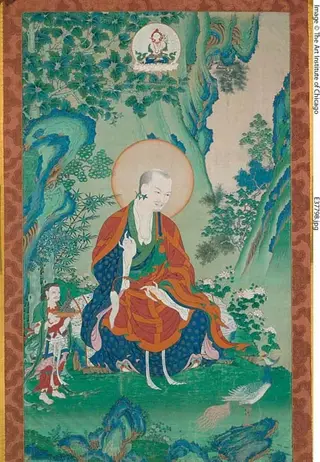 Painted Banner (Thangka) of Vajriputra, One of the Sixteen Great...
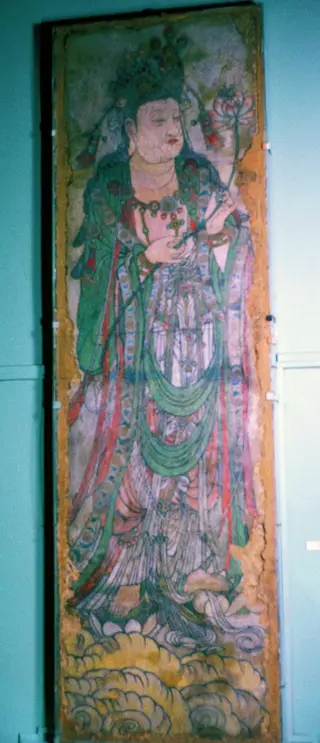 Kuan Yin
 Twin Purities of Bamboo and Plum Blossom
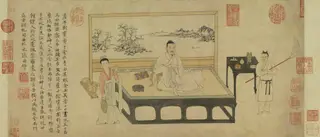 Inscribing a Portrait of Ni Zan
 Text, folio 22 (verso) from a Yoga-shastra of Hemachandra
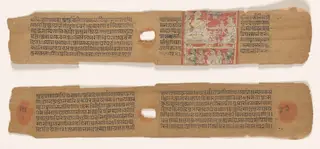 Folio 22 from a Yoga-shastra of Hemachandra: Jain Monk with disciple and two laymen, two Nuns, and a laywoman (recto); Text (verso)
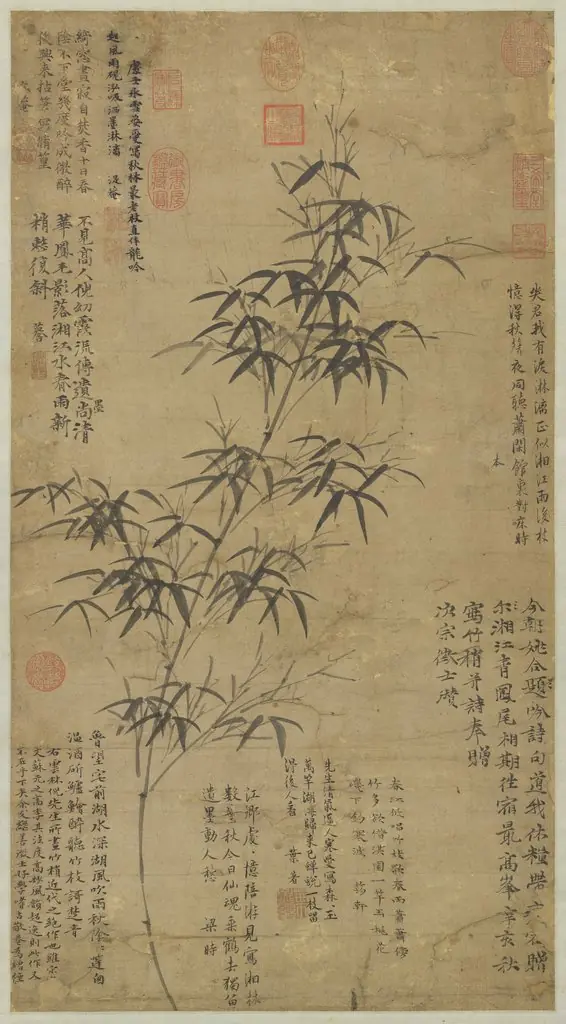 New Bamboo in the Spring Rain
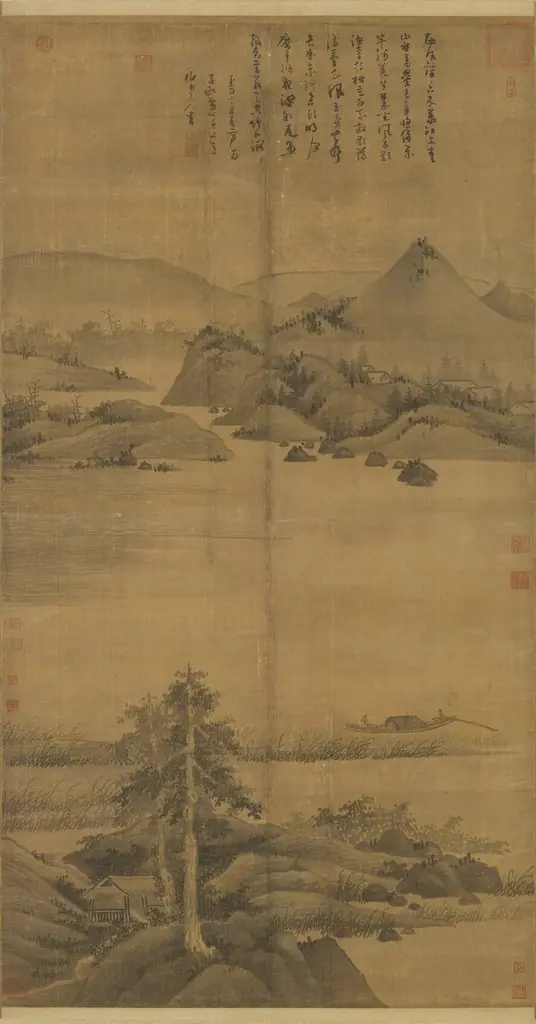 元吳鎮漁父圖 軸
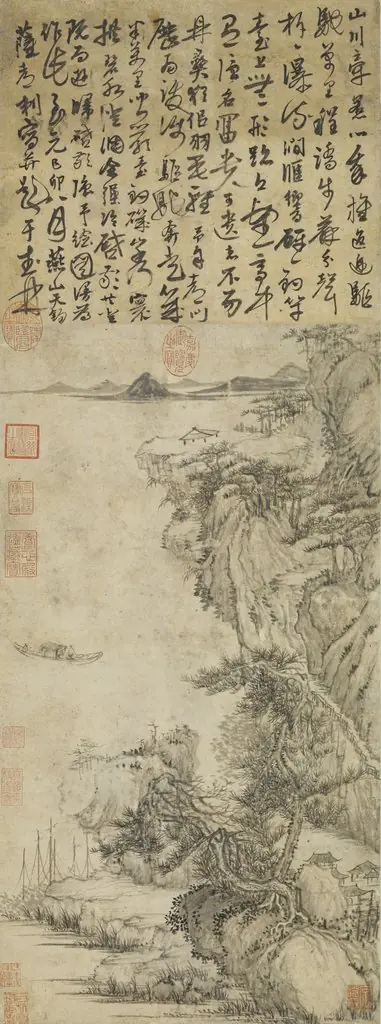 Angling Terrace at Yen-ling
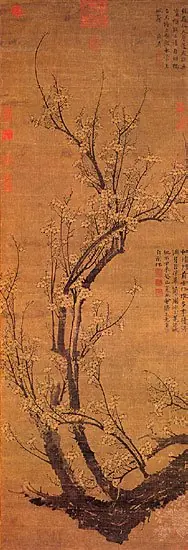 Spring's Earliest Blossoms
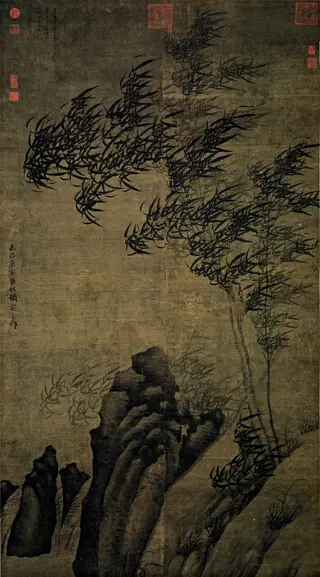 Bamboo and Rock
Frequently asked questions
What is Yōga?
Yōga — the practice of Western-style oil painting in Japan, promoted from the Meiji period (1868) as modernization required artists to master European techniques.
How many Yōga works does Artifact World Gallery have?
Artifact World Gallery holds 44 public-domain Yōga works, all free to view and download.
Who are the key Yōga artists?
Key Yōga artists in the collection include Wu Zhen, Ni Zan and Yamaguchi Sekkei.
When did Yōga take place?
Yōga dates from around 1860.
Where can I see Yōga works?
Yōga works in the collection are held by Cleveland Museum of Art, Art Institute of Chicago and National Palace Museum.