Artwork
Adoration of the Magi (Triptych)
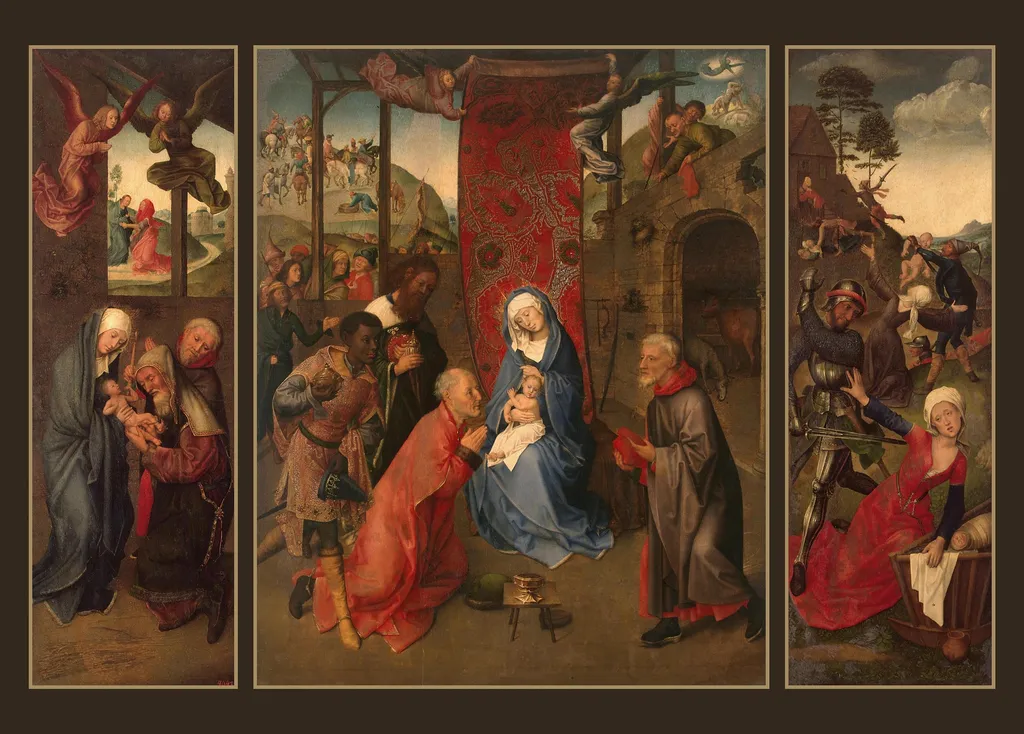
Adoration of the Magi (Triptych) is an oil painting by the Northern Renaissance artist Hugo Van der Goes. It dates from 1460 and is held in the collection of the Hermitage Museum.
About this work
Subject & Meaning
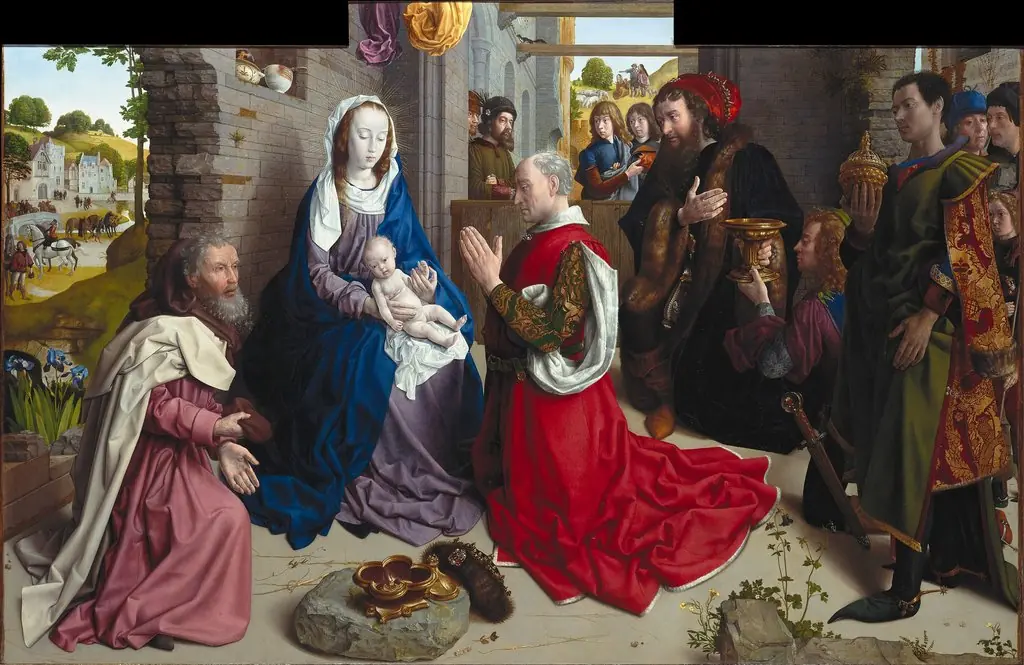
The triptych presents the biblical scene of the Magi's adoration, showing the three wise men presenting gifts to the infant Christ surrounded by attendant figures. Symbolic elements include the circumcision and Massacre of the Innocents panels that frame the central composition, reinforcing themes of Christ's destiny and sacrificial fate. The work functions as a devotional image within the religious art tradition of Early Netherlandish painting, emphasizing the recognition of the divine infant by Gentile representatives.
The depiction draws on established iconographic conventions where the Magi symbolize the offering of the world's wisdom to the newborn Messiah, while the inclusion of the circumcision and Massacre of the Innocents alludes to both the joy and foreshadowing of Christ's future suffering.
Technique & Style
The triptych is executed in oil paint on canvas and measures 96.
The triptych is executed in oil paint on canvas and measures 96.3 cm in height by 109.2 cm in width.
Stylistically, the composition centers on the Adoration of the Magi as its main subject, with the Christ Child and the Massacre of the Innocents forming the devotional and narrative core of the imagery. The religious treatment reflects the devotional function typical of mid-fifteenth-century Netherlandish painting, with the oil medium allowing for the layered handling associated with that tradition.
History & Provenance
The triptych is held in the collection of the Hermitage Museum, St. Petersburg, where it carries the inventory number 932. The available records do not document a detailed earlier provenance, commission, or exhibition history for the work.
Overview
Created around 1460 by the Flemish painter Hugo van der Goes, this oil‑on‑canvas triptych belongs to the Northern Renaissance. It is composed of three panels that together narrate episodes from the early life of Christ, including the adoration by the Magi, the Massacre of the Innocents and the circumcision. The work is part of the collection of the State Hermitage Museum in St. Petersburg.
Context
During the late medieval period, the Adoration of the Magi served as a visual affirmation of Christ’s universal kingship, a motif frequently commissioned for churches and private devotion. Van der Goes’s inclusion of the Massacre of the Innocents and the circumcision reflects a broader narrative strategy, linking the infant’s vulnerability with his later fulfillment of messianic prophecy.
Own this work as a print
Artist & collection
Artist
Hugo van der Goes (c. 1430/1440 – 1482) was a Flemish painter who was one of the most significant and original Early Netherlandish painters of the late 15th century. Van der Goes was an important painter of altarpieces…

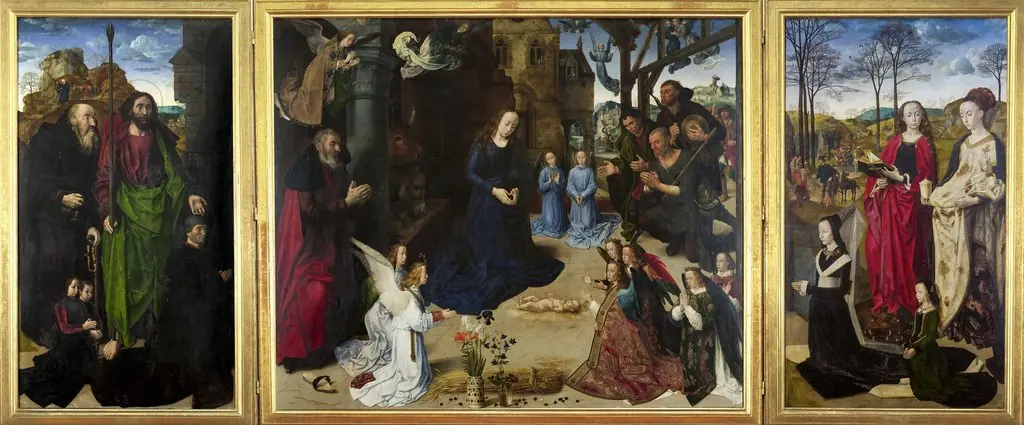
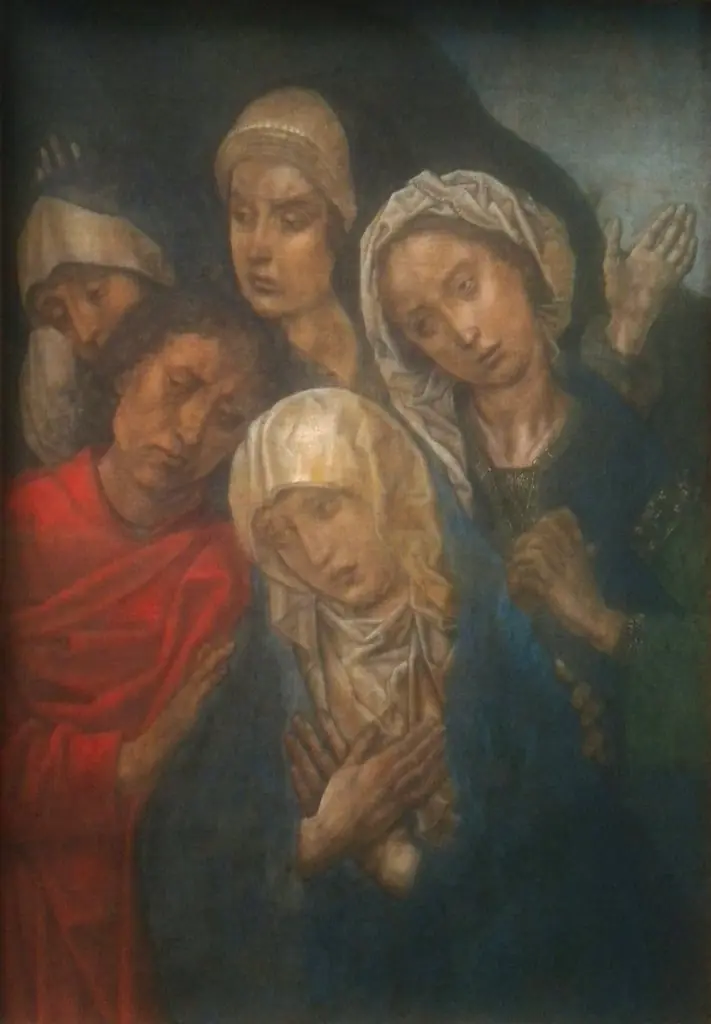
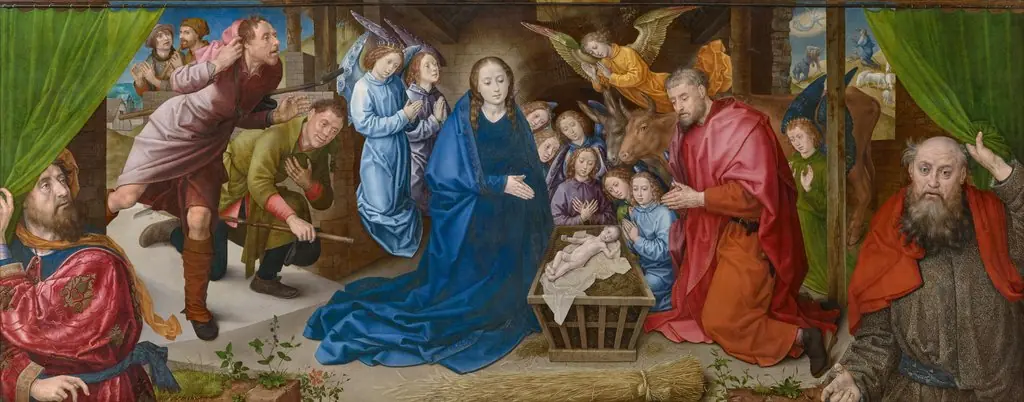
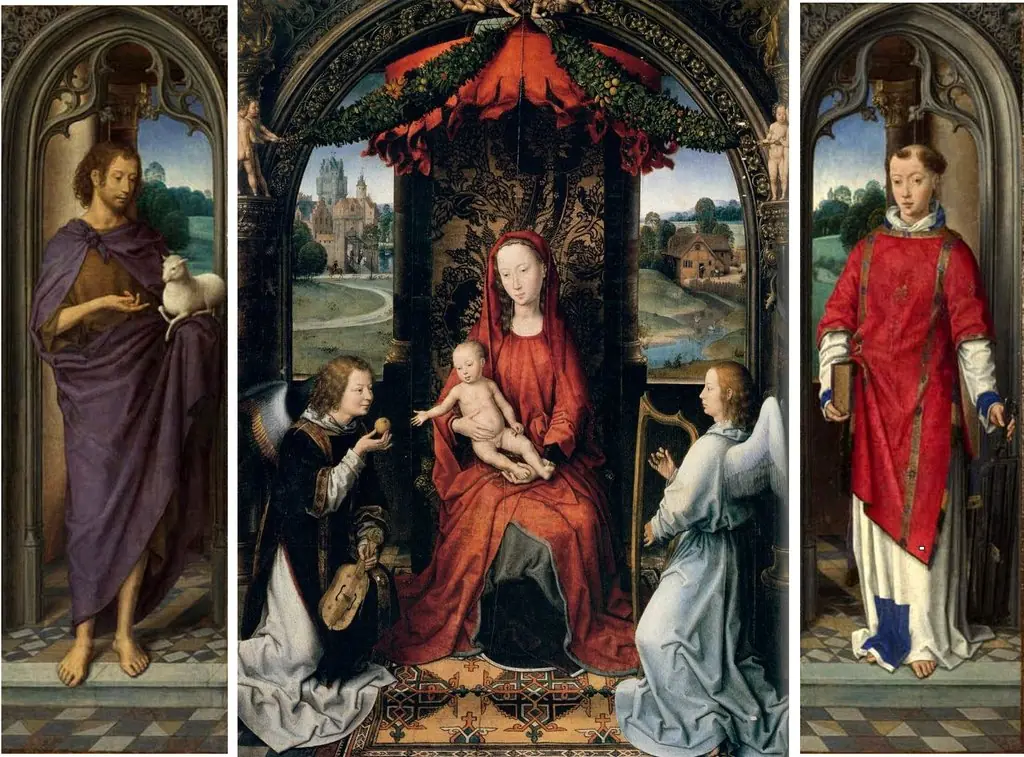 Pagagnotti Triptych
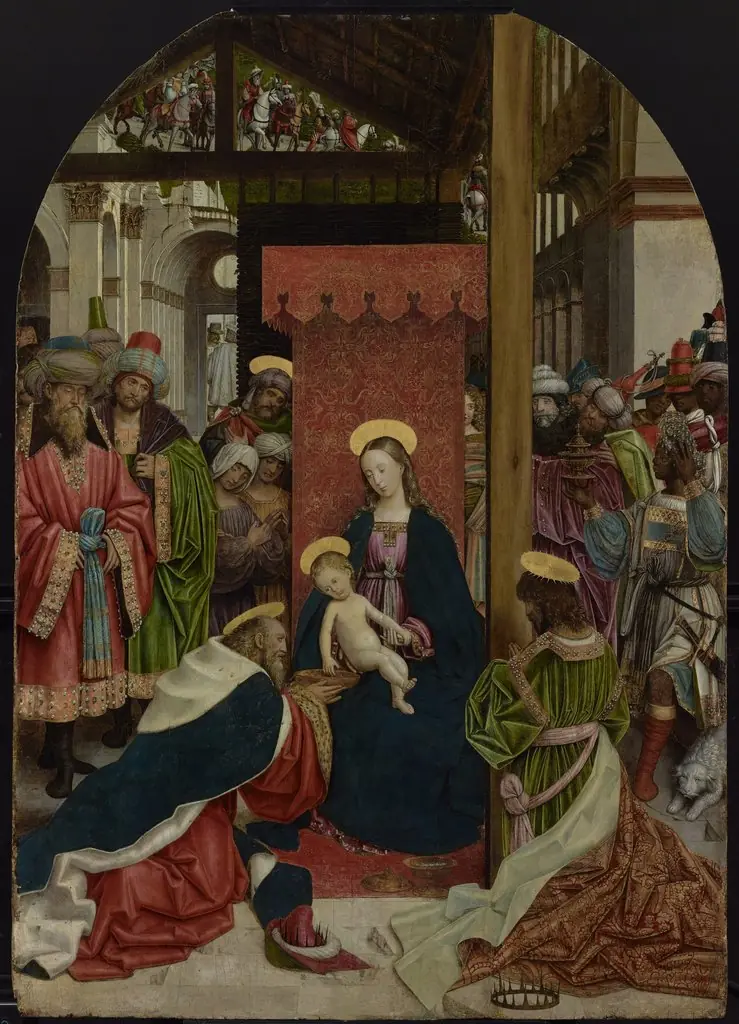 Adoration of the Magi
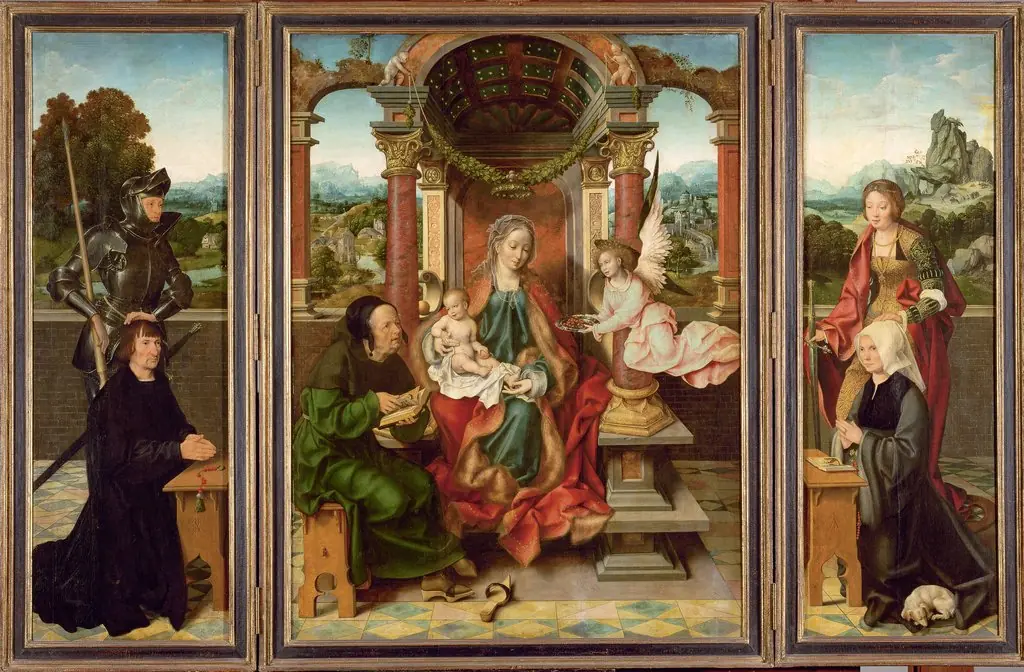 Winged Altar
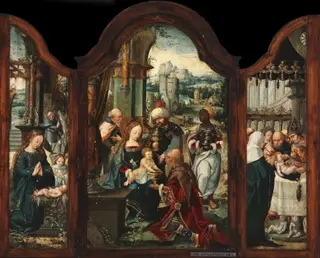 Triptych. Central panel: The Adoration of the Magi; left wing: The Nativity; right wing: The Circumcision
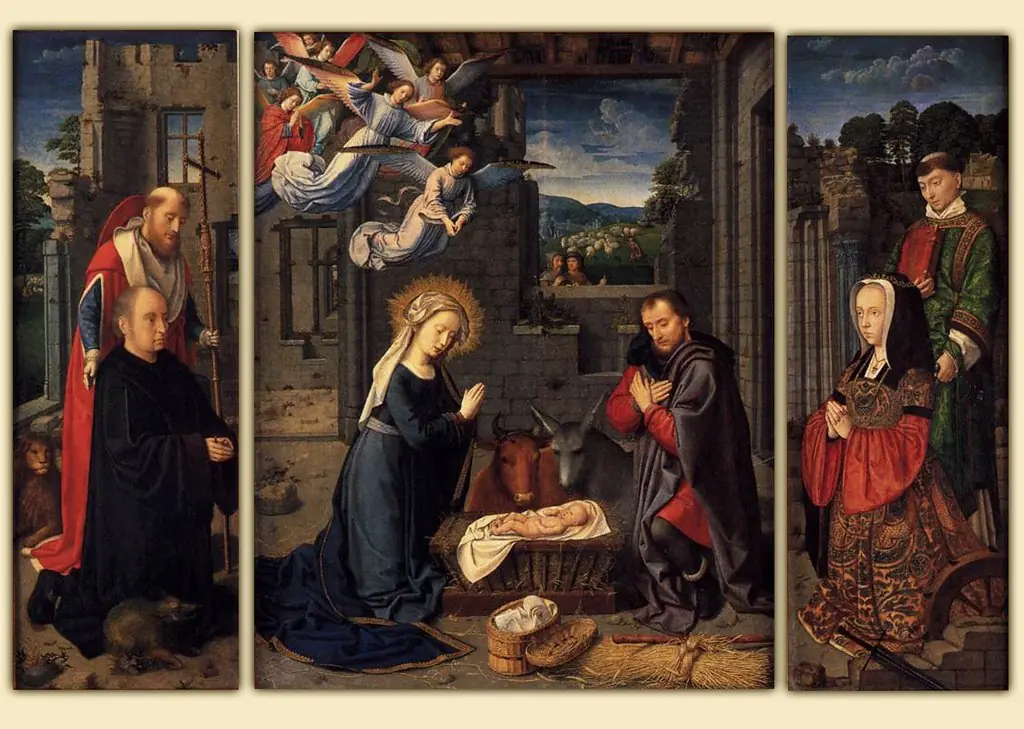 The Nativity with Donors and Saints Jerome and Leonard
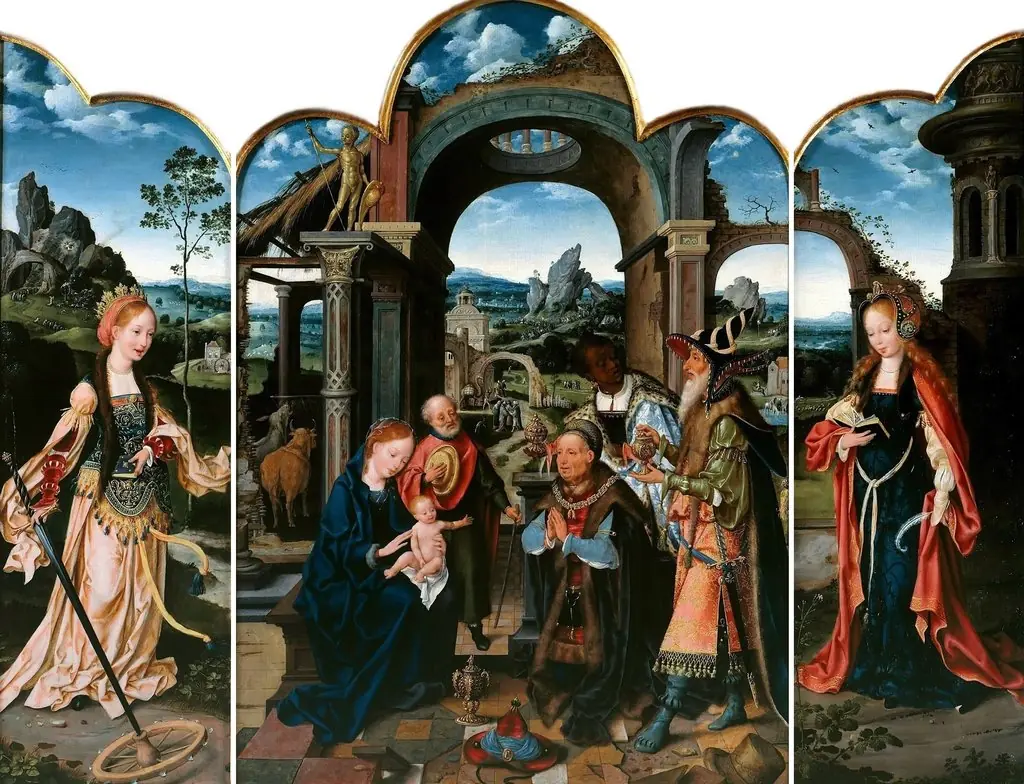 Adoration of the Magi with Sigismund I of Poland.
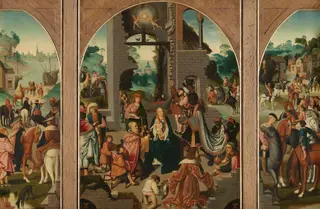 Triptych with Adoration of the Magi (center and inner wings), Saint Antony Abbot (left, outer wing) and Saint Adrian (right, outer wing)