Artwork
Vienna Diptych
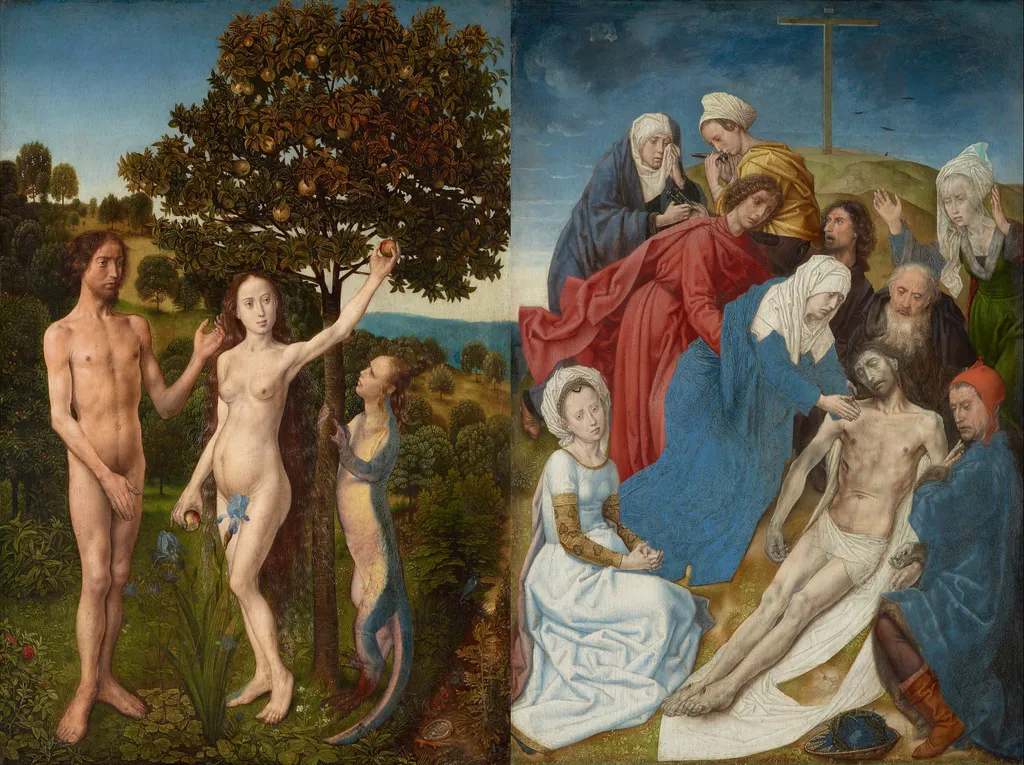
Vienna Diptych is an oil painting by the Northern Renaissance artist Hugo Van der Goes. It dates from 1470 and is held in the collection of the Kunsthistorisches Museum.
About this work
Subject & Meaning
The serpent is rendered as a bipedal, salamander‑like creature with a human head, echoing medieval commentaries that the serpent once walked before the curse.
The diptych juxtaposes the biblical Fall of Man with the Lamentation of Christ, presenting Adam and Eve’s transgression on the left and the crucifixion mourners on the right. The serpent is rendered as a bipedal, salamander‑like creature with a human head, echoing medieval commentaries that the serpent once walked before the curse. Its presence, together with the apple and the tree of knowledge, symbolizes original sin, while the surrounding figures, Jesus, John, Mary, Mary Magdalene, and motifs such as the violet, iris and coral allude to redemption and the Virgin’s role as the new Eve.
The reverse panels bear a saint’s portrait and a heraldic shield, hinting at later ownership. Together the two scenes embody the theological antithesis of fall and salvation that defines the work’s meaning.
History & Provenance
The Vienna Diptych, painted by Hugo van der Goes around 1470 (second half of the 15th century), is an oil‑on‑panel religious diptych depicting the Fall of Man on the left and the Lamentation of Christ on the right. It originally entered a private collection that, as evidenced by a 17th‑century coat of arms with a black eagle on the reverse panels, may have passed to the House of Habsburg. The work remained in that family until it entered the Kunsthistorisches Museum in Vienna, where it has been displayed since at least the early 19th century and was included in the exhibition “Prayers and Portraits: Unfolding the Netherlandish Diptych”.
The reverse sides bear a grisaille Saint Genevieve and the aforementioned heraldic emblem, and art historian Wolfgang Kermer noted its unique antithesis of Fall and Redemption.
The Vienna Diptych is housed in the Kunsthistorisches Museum in Vienna, where it forms part of the museum's collection of Netherlandish painting. Painted by Hugo van der Goes in oil on panel, the diptych's documented exhibition history includes its inclusion in the show "Prayers and Portraits: Unfolding the Netherlandish Diptych." The two panels were separated at some point in their history and were only rejoined around 1890, after which they entered the Kunsthistorisches Museum's holdings.
The reverse of the right panel bears traces of a seventeenth-century coat of arms depicting a black eagle on a shield with two supporters, of which only the feet survive. This heraldic device is recorded in the 1659 inventory of the art collection of Archduke Leopold Wilhelm of Austria, which notes a shield bearing a black eagle on the reverse, suggesting possible Habsburg ownership of the diptych.
Context
Scholarship identifies the Vienna Diptych as unique in the history of diptych painting due to its thematic antithesis of the Fall of Man and Redemption, a subject combination noted by Wolfgang Kermer. The work serves as a critical synthesis of Early Netherlandish styles, with the left panel reflecting the detailed naturalism of Jan van Eyck's Ghent Altarpiece and the right panel evoking the emotional intensity of Rogier van der Weyden. This stylistic divergence is supported by dendrochronological evidence indicating the oak panels were felled in different years, suggesting distinct creation periods or a deliberate artistic contrast.
Iconographic analysis highlights the artist's innovation, such as the bipedal, salamander-like serpent and specific floral symbolism linking Mary to the new Eve. The diptych is frequently cited in studies of Netherlandish devotional art, including exhibitions like Prayers and Portraits, cementing its status as a pivotal work illustrating the transition between artistic masters in the late 15th century.
Legacy
The Vienna Diptych is frequently cited as a singular example of a Northern Renaissance diptych that pairs the Fall of Man with the Lamentation of Christ, a combination that scholars describe as pivotal for understanding devotional panel painting. Its distinctive iconography, including the human‑headed serpent and the reverse‑side portrait of Saint Genevieve, has been repeatedly noted in art‑historical studies as a reference point for later analyses of symbolic programing. The work’s scholarly visibility is underscored by its inclusion in multiple encyclopedic entries and by Wolfgang Kermer’s 1967 study, which has shaped its modern reputation as a turning point in the evolution of diptych art.
Exhibition records such as "Prayers and Portraits: Unfolding the Netherlandish Diptych" further demonstrate its enduring presence in museum discourse.
Overview
The Vienna Diptych, also known as The Fall and Redemption of Man, is an oil painting by the Flemish artist Hugo van der Goes. Created in the latter half of the 15th century, this two-panel work presents a profound religious narrative. It is presently housed in the Kunsthistorisches Museum in Vienna, serving as a significant example of early Netherlandish painting.
Technique & Style
Executed in oil paint, the diptych demonstrates a meticulous application of the medium. Van der Goes utilized smooth, layered colors to achieve subtle gradations of light and shadow, contributing to the atmospheric quality of both scenes. This precise rendering enhances the emotional depth, conveying a sense of quiet anticipation in the Garden of Eden and profound grief in the lamentation scene, characteristic of Flemish artistic practices of the period.
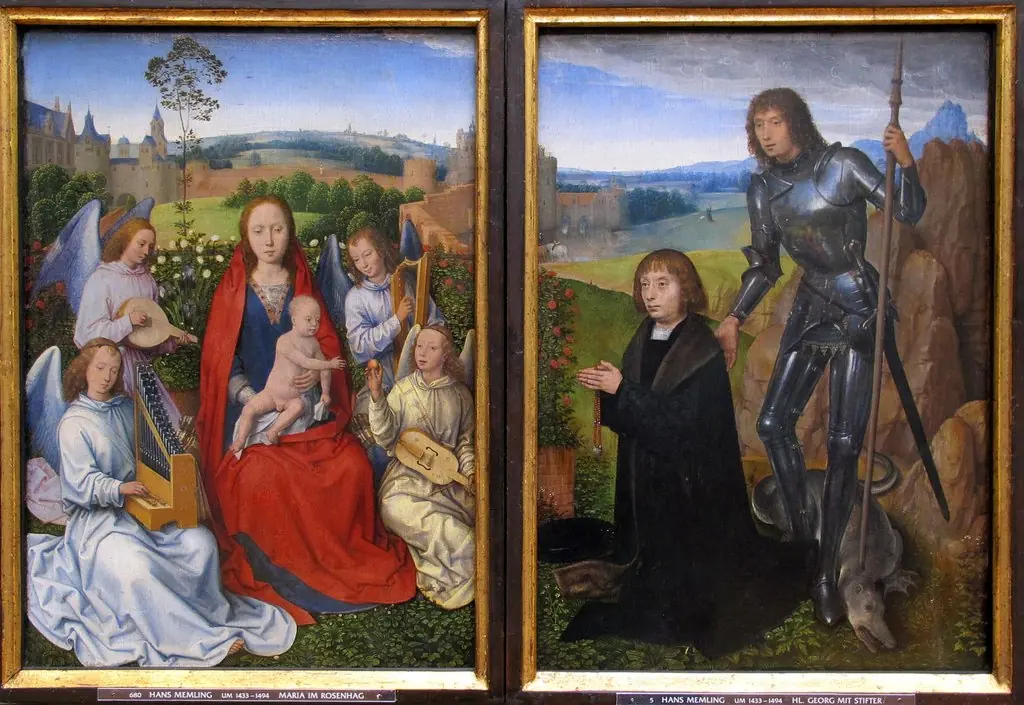
Own this work as a print
Artist & collection
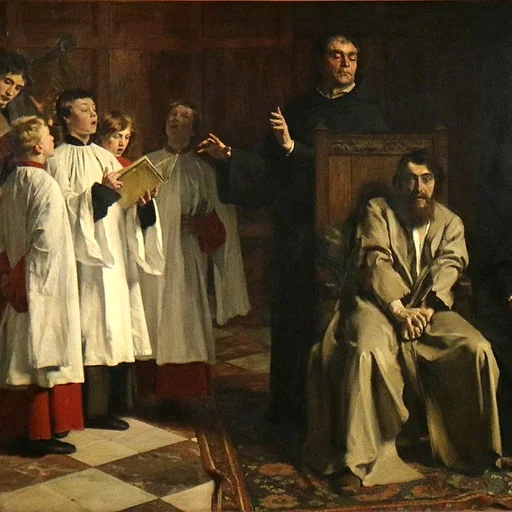
Artist
Hugo van der Goes (c. 1430/1440 – 1482) was a Flemish painter who was one of the most significant and original Early Netherlandish painters of the late 15th century. Van der Goes was an important painter of altarpieces…

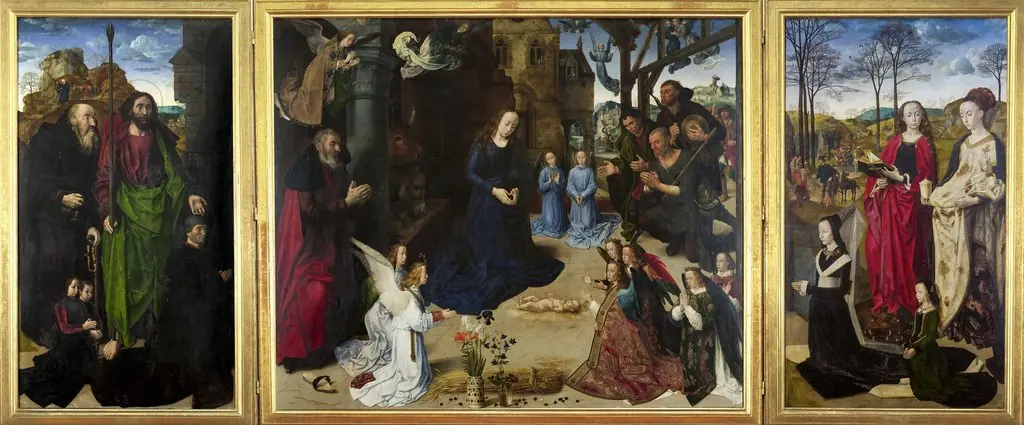
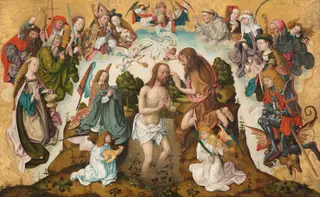 The Baptism of Christ
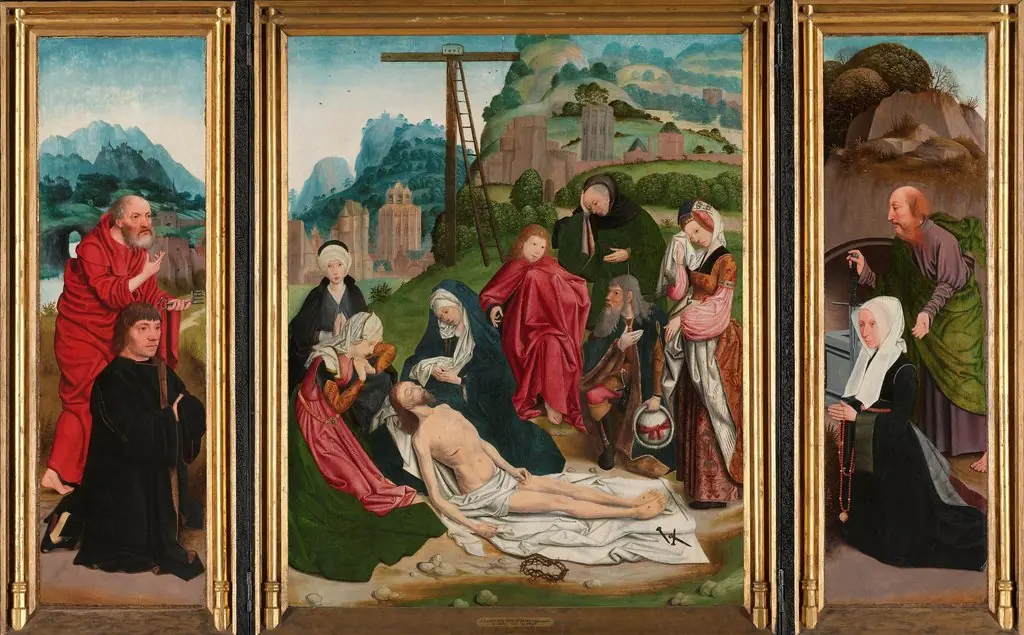 Triptych with the Lamentation (centre panel), the donor with St Peter (inner left wing), the donor’s wife with St Paul (inner right wing) and the donors’ coats of arms (outer wings)
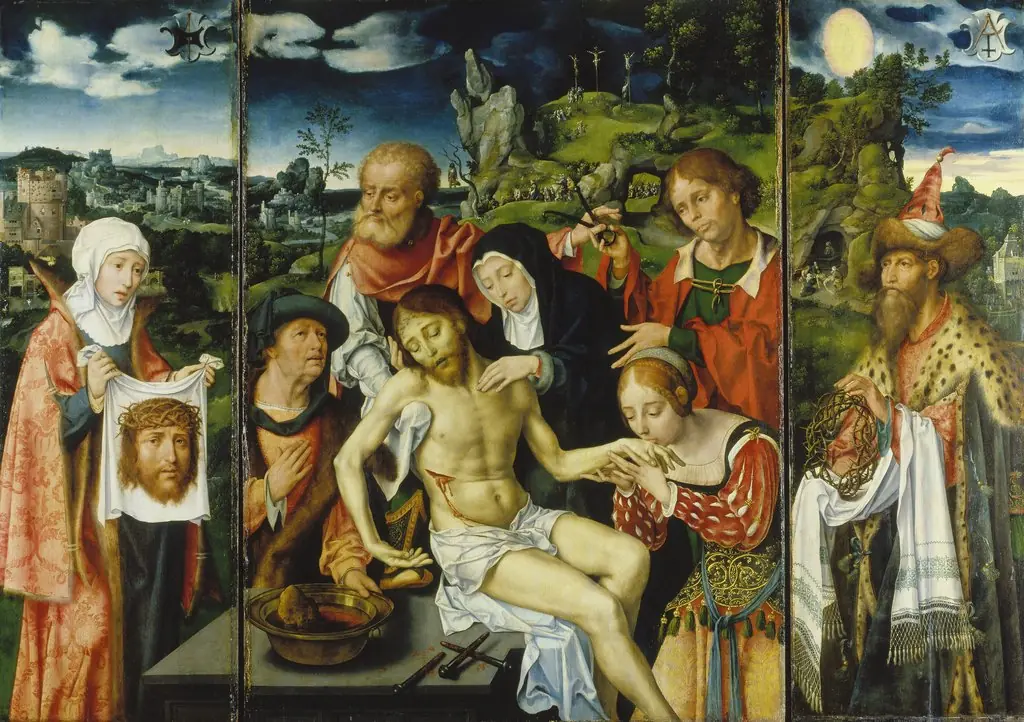 Triptych with the Lamentation of Christ
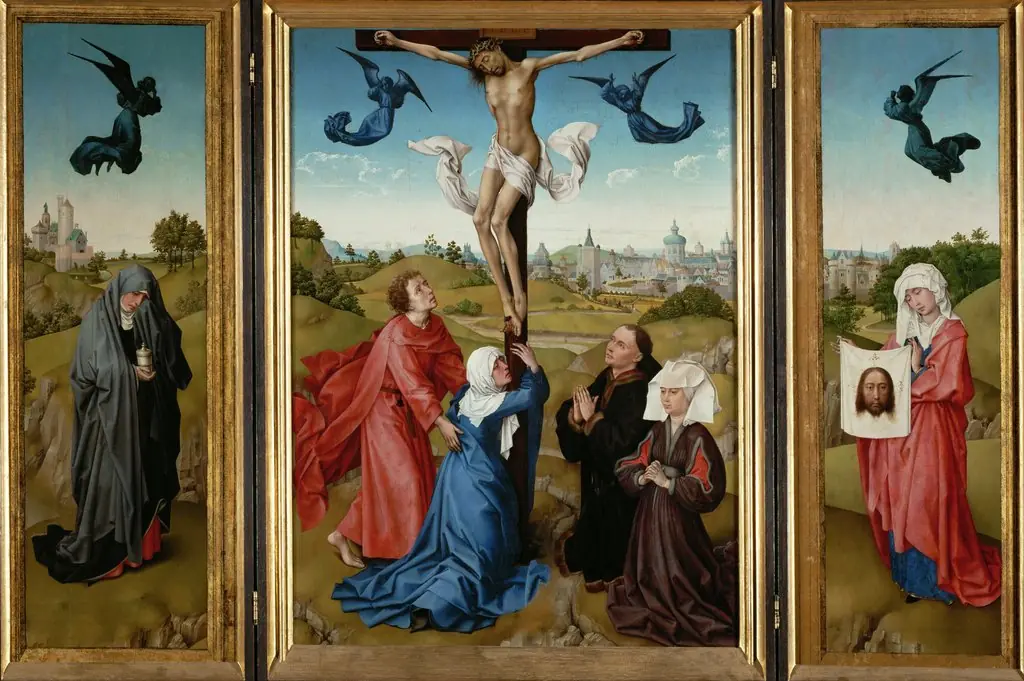 Crucifixion Triptych
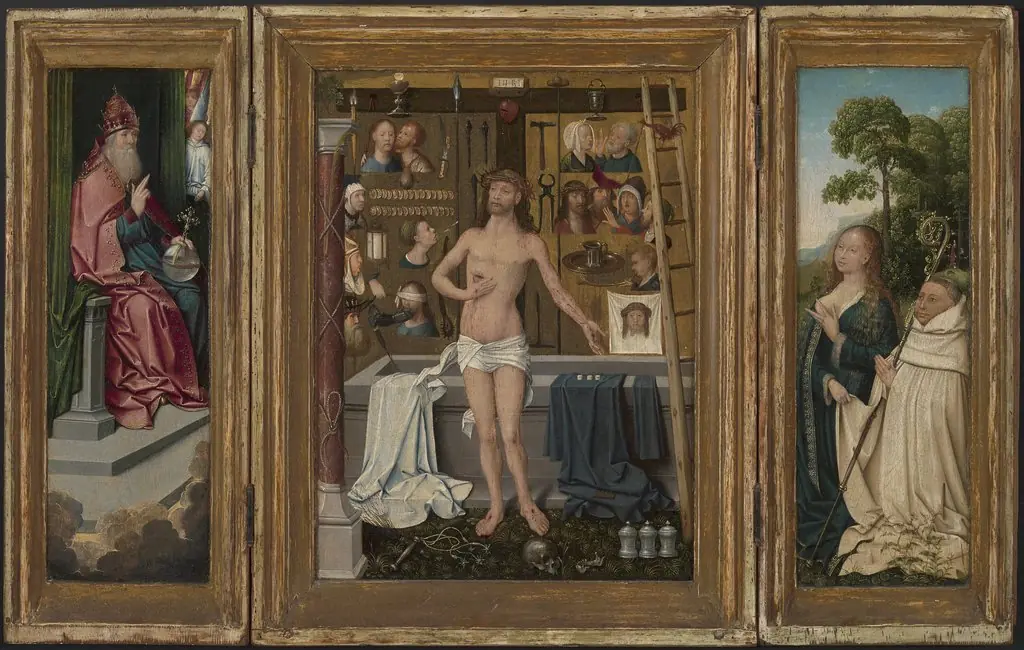 Triptych of Antonius Tsgrooten
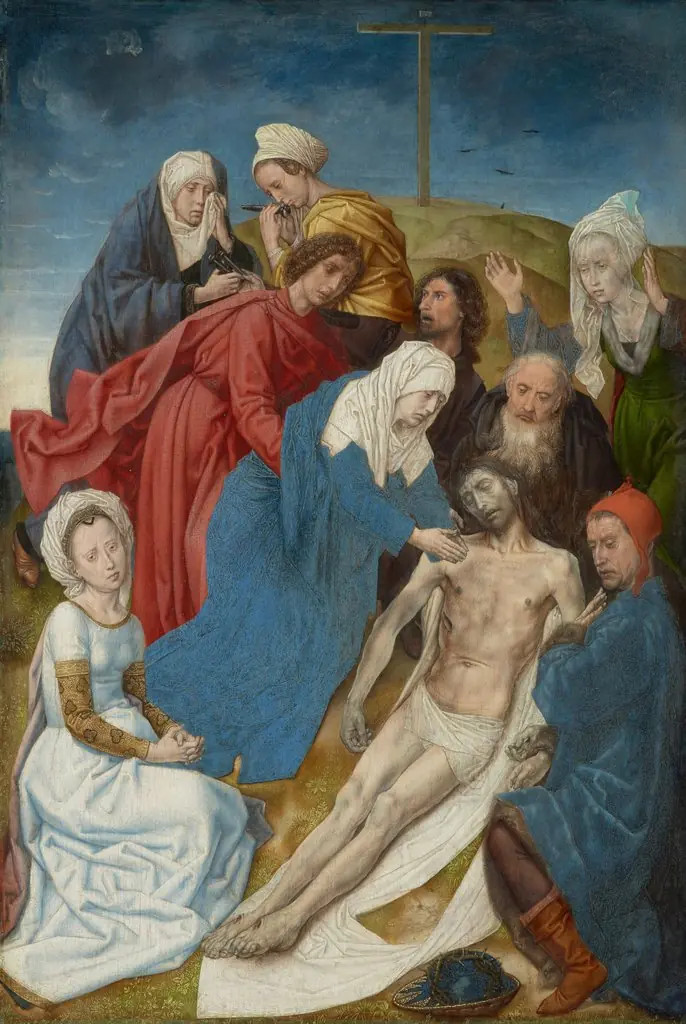 The Lamentation
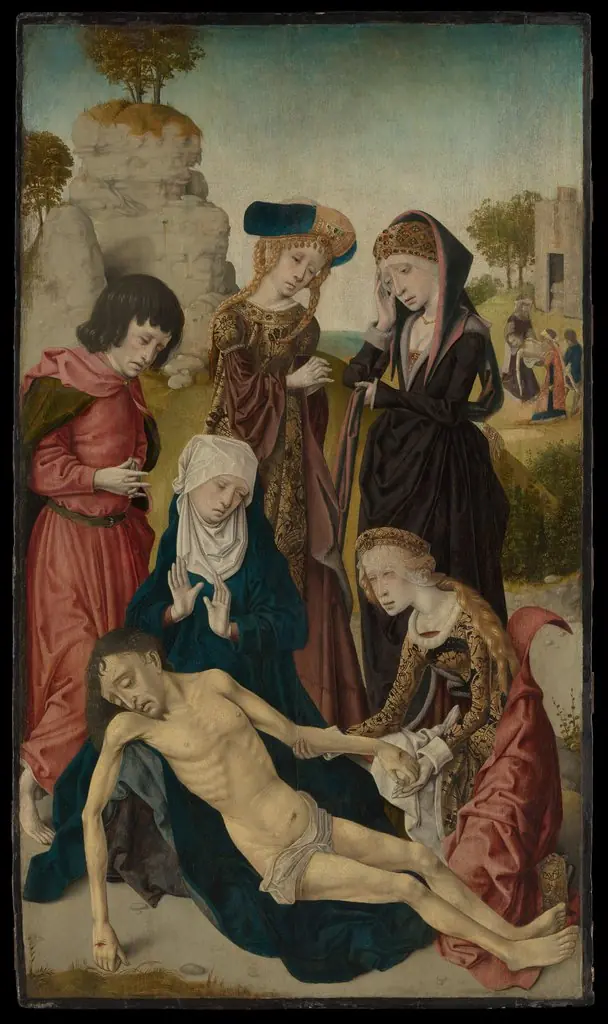 The Lamentation
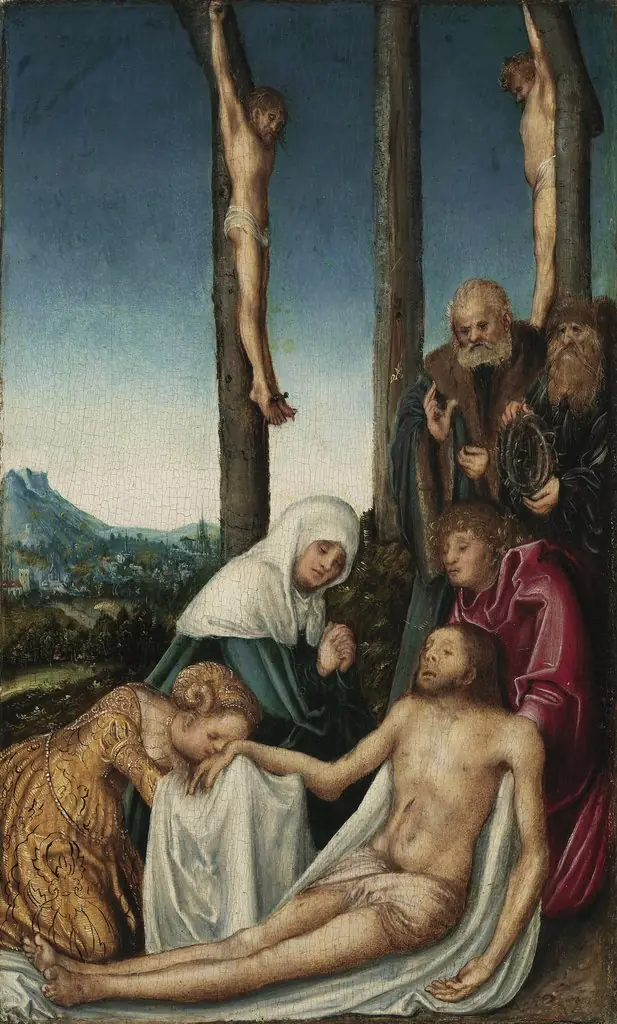 The Lamentation with the Two Thieves Crucified
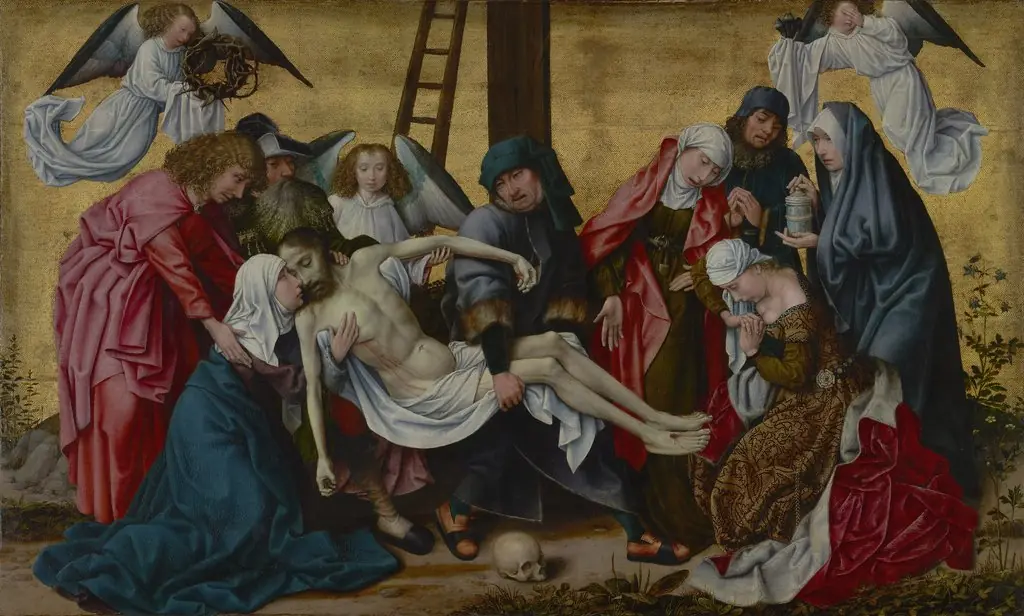 The Deposition
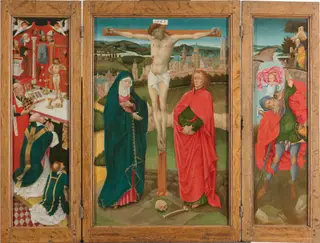 Drieluik met de kruisiging