Artwork
Portrait of Louis XV of France
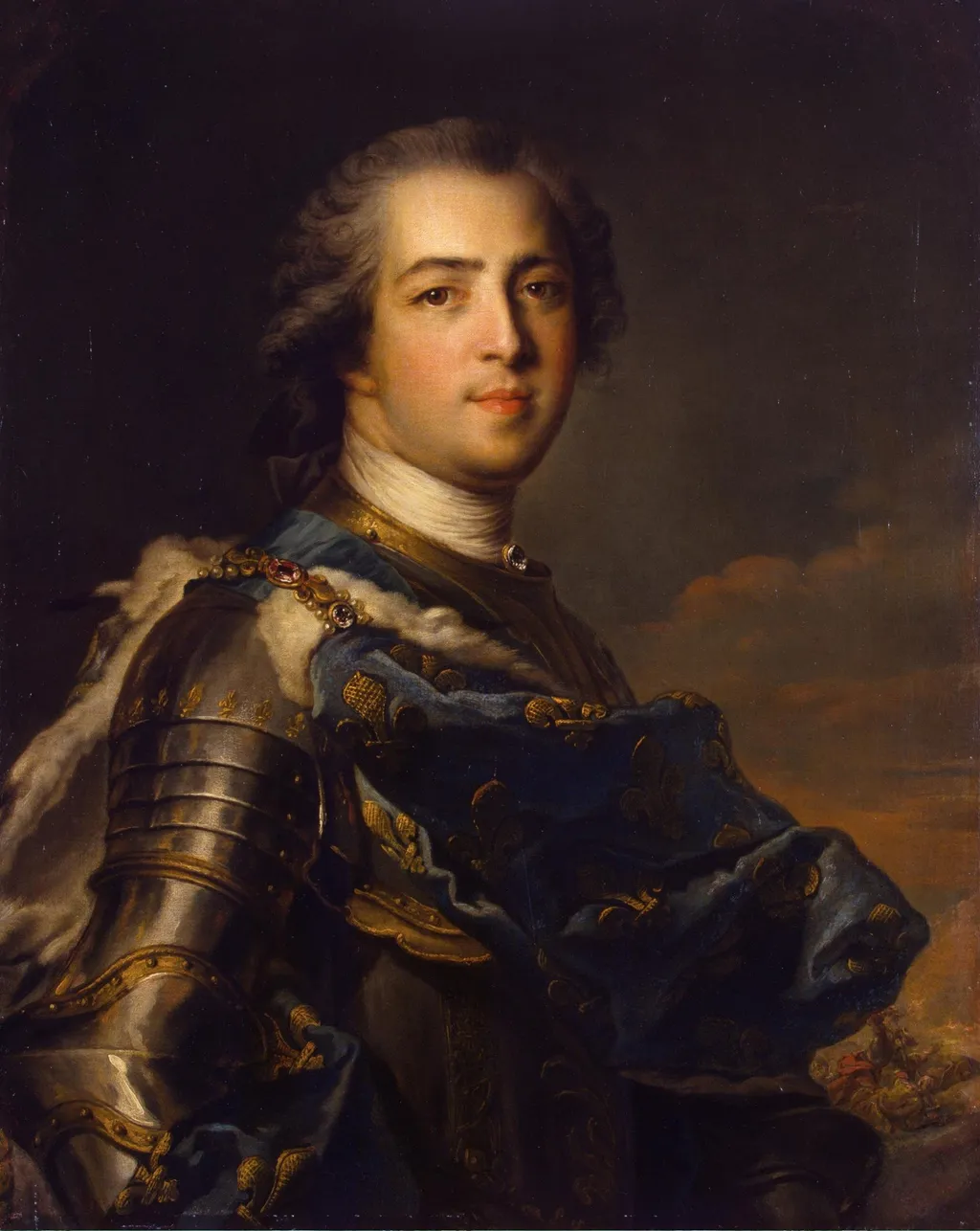
Portrait of Louis XV of France is an oil painting by the Rococo painting artist Jean-Marc Nattier. It dates from 1745 and is held in the collection of the Hermitage Museum.
About this work
Overview
The Portrait of Louis XV of France is an oil on canvas painting by the French Rococo artist Jean-Marc Nattier, dated 1745.
The Portrait of Louis XV of France is an oil on canvas painting by the French Rococo artist Jean-Marc Nattier, dated 1745. Measuring 80 by 64 centimetres, the half-length portrait depicts the French monarch in polished steel armor with gold detailing, a blue velvet cloak embroidered with gold fleur-de-lis, and a jeweled clasp. The work is held in the collection of the Hermitage Museum in Saint Petersburg, where it remains on public display. As a product of Nattier's mature period, the painting exemplifies the conventions of French court portraiture under Louis XV, combining precise likeness with carefully coded symbols of royal authority and military virtue. It stands as a significant document of Nattier's engagement with male sitters and the broader tradition of martial portraiture that he had helped revive earlier in his career.
Subject & Meaning
The portrait depicts Louis XV of France, who reigned from 1715 to 1774, presented as a warrior-king in the tradition of European sovereign portraiture. The king wears polished steel armor with gold detailing on the shoulder and arm, over which drapes a blue velvet cloak embroidered with gold fleur-de-lis patterns and lined with white fur. The fleur-de-lis, the traditional emblem of the French monarchy, asserts dynastic legitimacy, while the jeweled clasp with a red stone at the shoulder adds a note of material splendor. A white cravat and powdered, curled hair complete the costume, marking the sitter's adherence to contemporary court fashion even as he assumes martial garb. In the lower right corner, a small, vague scene of figures suggests a battle or military campaign, reinforcing the monarch's role as protector of the realm. The lighting falls strongly from the left, illuminating the face and armor to create a dramatic contrast with the dark, atmospheric background of warm brown and gray tones. This combination of elements follows a well-established visual language for male sovereigns, princes, and courtiers, one that Nattier had first explored in his 1717 portrait of Peter the Great and that recalled the traditions of Europe's warrior class.
Technique & Style
Nattier executed the portrait in oil on canvas, working on a support measuring 80 by 64 centimetres. The brushwork is smooth and highly finished, particularly in the face and fabrics, with visible texture in the fur lining of the cloak and a convincing metallic sheen on the armor. The palette is dominated by deep blues, golds, silvery grays, and warm flesh tones set against the dark ground. This polished handling reflects the standards of French academic portraiture and the expectations of court patrons for images that were both flattering and immediately legible. The composition adheres to the half-length format, with the figure turned three-quarters toward the viewer, a conventional pose that permits display of costume and insignia while maintaining direct engagement with the spectator. The strong directional lighting and atmospheric background demonstrate Nattier's control of chiaroscuro effects, while his attention to the textures of velvet, fur, and metal showcases the technical accomplishment that had made him one of the leading portraitists of the reign. The overall effect is one of controlled elegance, balancing the gravity of military representation with the refined aesthetic of the Rococo period.
History & Provenance
The painting was created in 1745, during the mature phase of Nattier's career and at a moment when he had already established his reputation as a leading court portraitist. By this date, Nattier had become official painter to the daughters of Louis XV, a position that gave him privileged access to the royal family and the highest circles of the French court. The circumstances of the commission for this particular portrait are not recorded in the available sources, though it falls within the period when Nattier was producing portraits of the most prominent figures of the reign. The work eventually entered the collection of the Hermitage Museum in Saint Petersburg, where it remains today. Its presence in this Russian imperial collection may reflect historical connections between Nattier and Russia dating back to 1717, when the artist had painted portraits of Peter the Great and Catherine I during the Tsar's Grand Embassy, though the specific path by which this canvas reached the Hermitage has not been documented in the sources provided. The painting is accessioned in the museum's holdings as a work depicting Louis XV of France by Jean-Marc Nattier.
Context
Jean-Marc Nattier occupied a central position in French portraiture during the eighteenth century. Born in Paris in 1685 into a family of artists, he received his earliest training from his father, the portraitist Marc Nattier, and from his godfather, the history painter Jean Jouvenet. He enrolled in the Académie Royale de peinture et de sculpture in 1703 and achieved early fame through his drawings and engravings after Rubens's Marie de Médicis cycle. Though he aspired to history painting, financial ruin in the collapse of John Law's Mississippi Bubble in 1720 forced him to concentrate on portraiture, which proved far more lucrative. He was elected to the Academy in 1718 and subsequently developed a distinctive formula that combined recognizable likeness with idealized grace, often through allegorical or mythological disguise. His portraits of the ladies of Louis XV's court in classical attire became particularly fashionable, cementing his association with the visual culture of the Rococo. The Portrait of Louis XV belongs to a different strand of his practice, however, one that looked back to the tradition of military portraiture he had inaugurated with his 1717 portrait of Peter the Great. This genre, which had precedents in the work of Hyacinthe Rigaud, Nicolas de Largillierre, and others, served to affirm the ancient warrior traditions of Europe's ruling class. Nattier's success in this mode, alongside his more famous female portraits, demonstrates his versatility and his ability to adapt established conventions to the needs of different sitters.
Legacy
The Portrait of Louis XV remains in the Hermitage Museum as a testament to Nattier's standing as one of the foremost portraitists of the French eighteenth century and to the international reach of his reputation. While Nattier is now best remembered for his allegorical portraits of women, his military portraits of male sitters represent a significant aspect of his output that helped shape the visual representation of European monarchy in the Rococo period. The work's presence in a major Russian museum also reflects the long-standing Russian interest in French court culture that Nattier himself had helped foster through his early engagement with Peter the Great. In the broader history of art, Nattier's portraits, including this canvas, illustrate the function of court portraiture as a tool of political representation, one that encoded rank, alliance, and proximity to power in a codified visual language. His style, perpetuated by his son-in-law Louis Tocqué, influenced subsequent generations of French portrait painters. The painting continues to serve as a significant document of Louis XV's reign and of the aesthetic values of the French Rococo, even as scholarly attention has tended to concentrate on Nattier's more numerous and celebrated female sitters.
Own this work as a print
Artist & collection
Artist
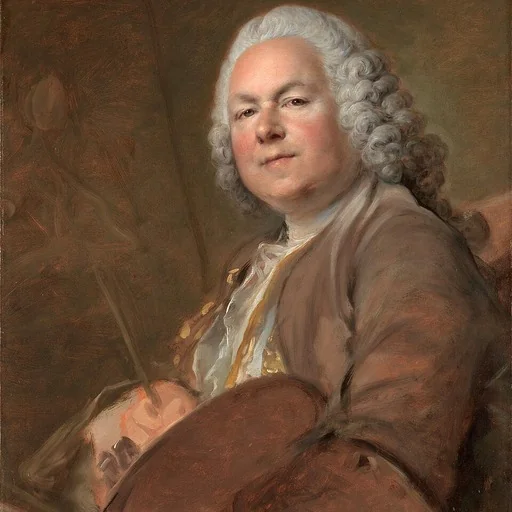
Jean-Marc Nattier (French pronunciation:; 17 March 1685 – 7 November 1766) was a French painter.

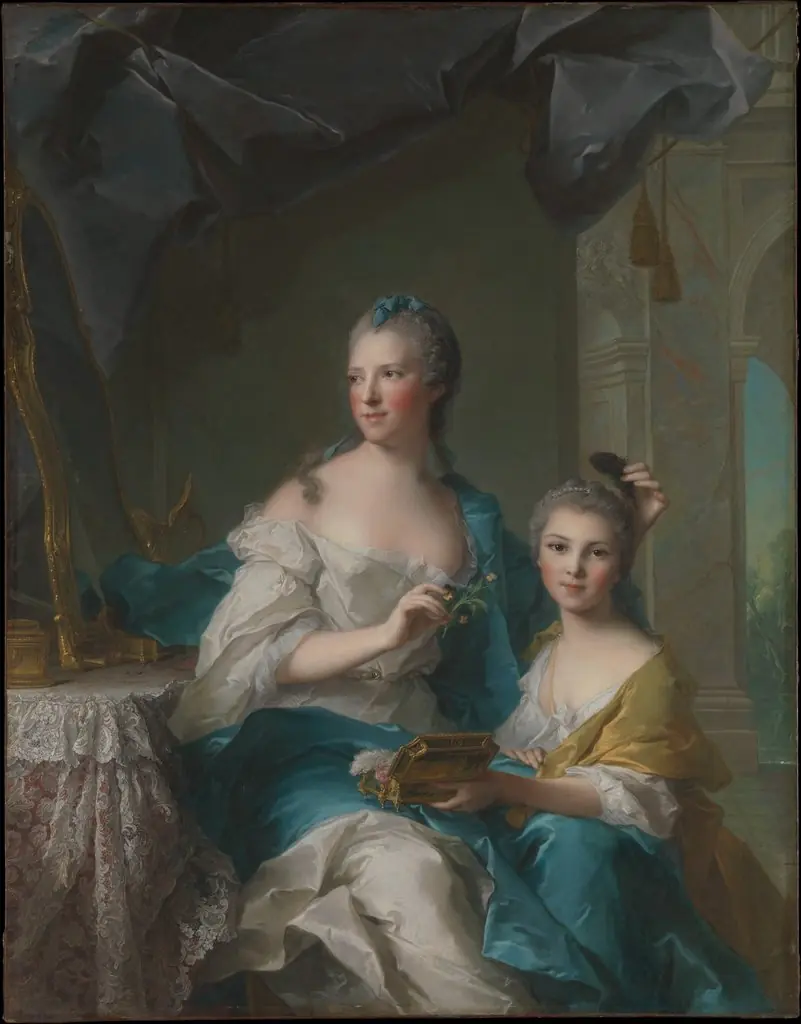 Madame Marsollier and Her Daughter
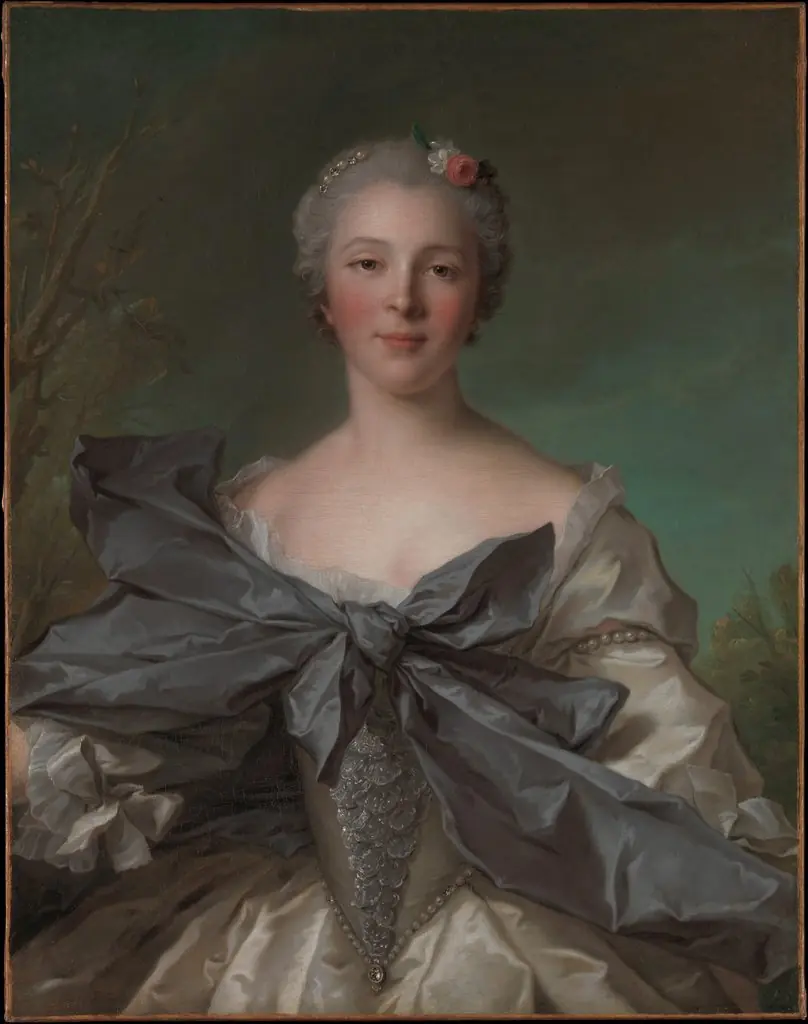 Marie Françoise de La Cropte de St. Abre, Marquise d'Argence
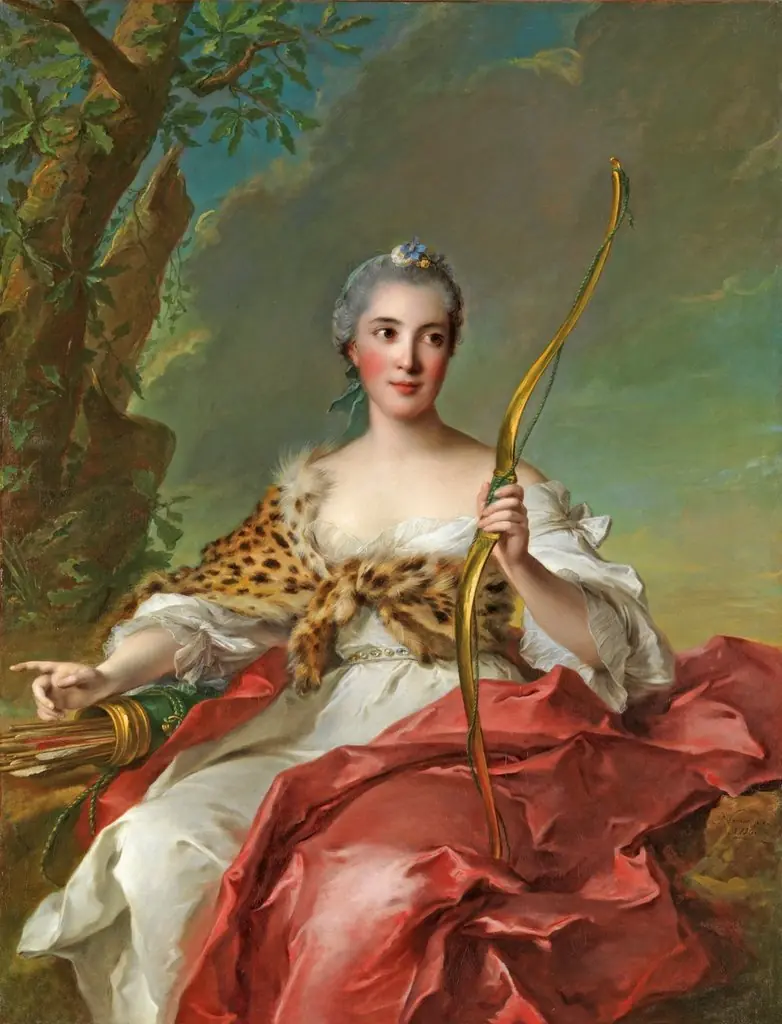 Madame Bergeret de Frouville as Diana
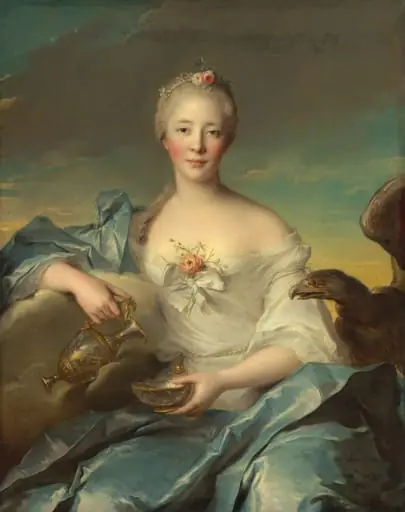 Madame Le Fèvre de Caumartin as Hebe
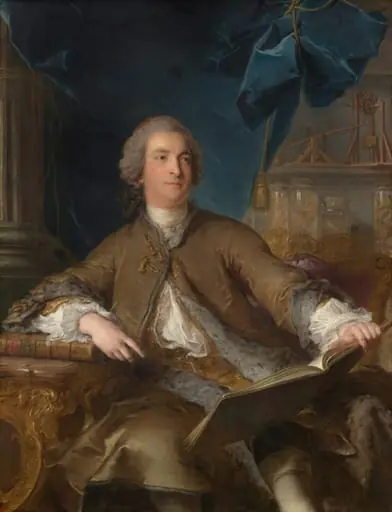 Joseph Bonnier de la Mosson
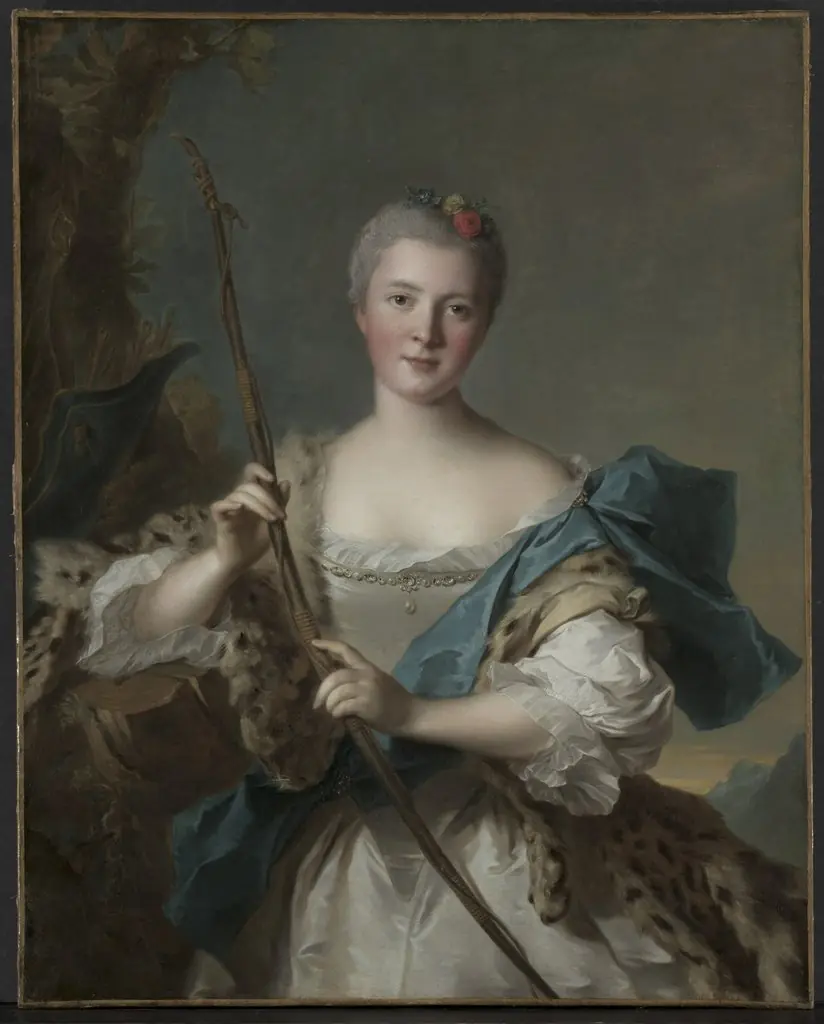 Portrait of a Woman as Diana
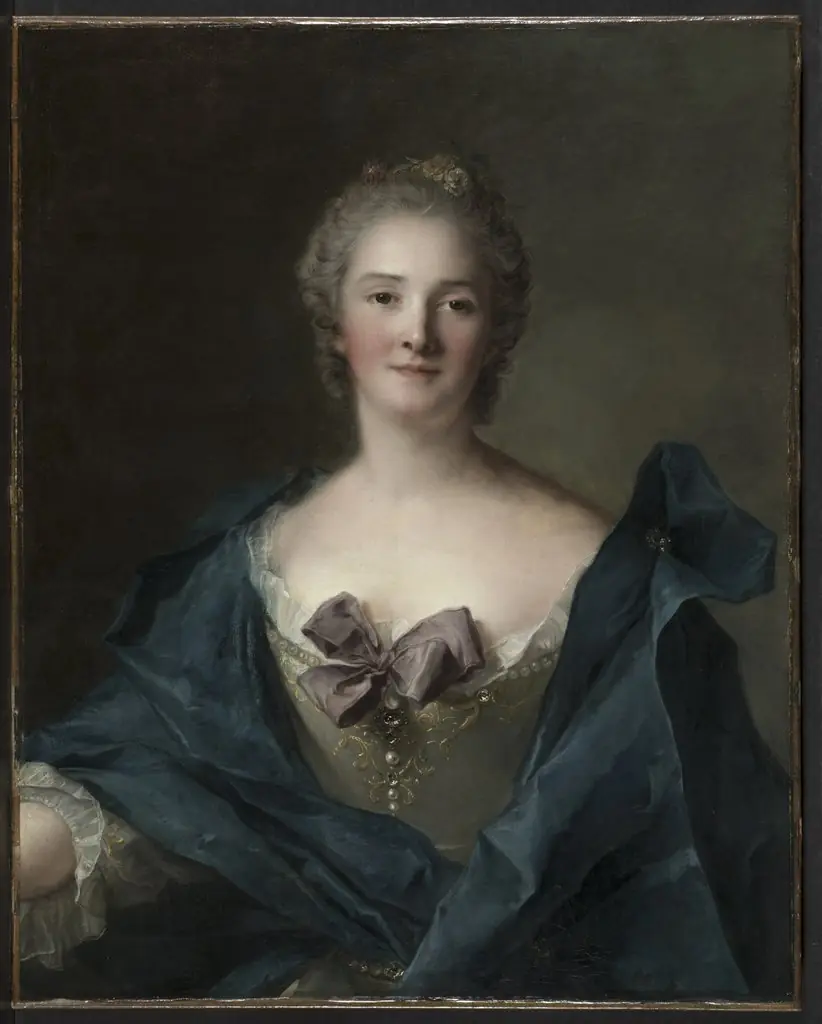 Portrait of a Woman
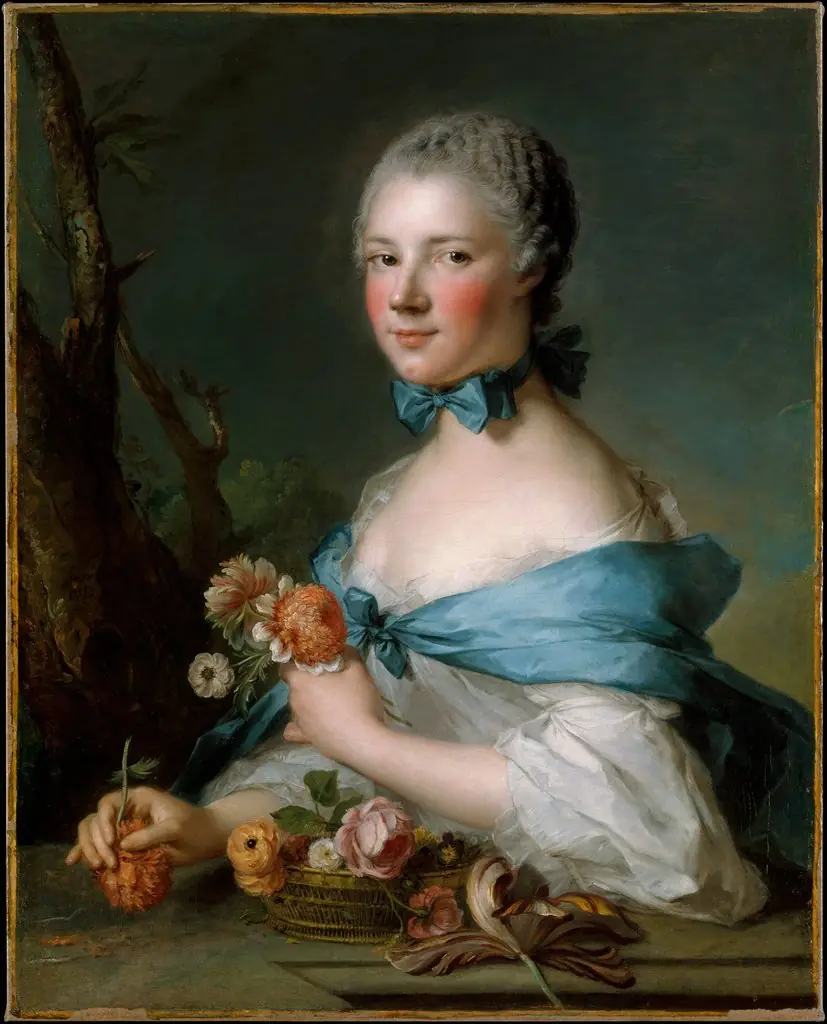 Portrait of a Woman, Called the Marquise Perrin de Cypierre
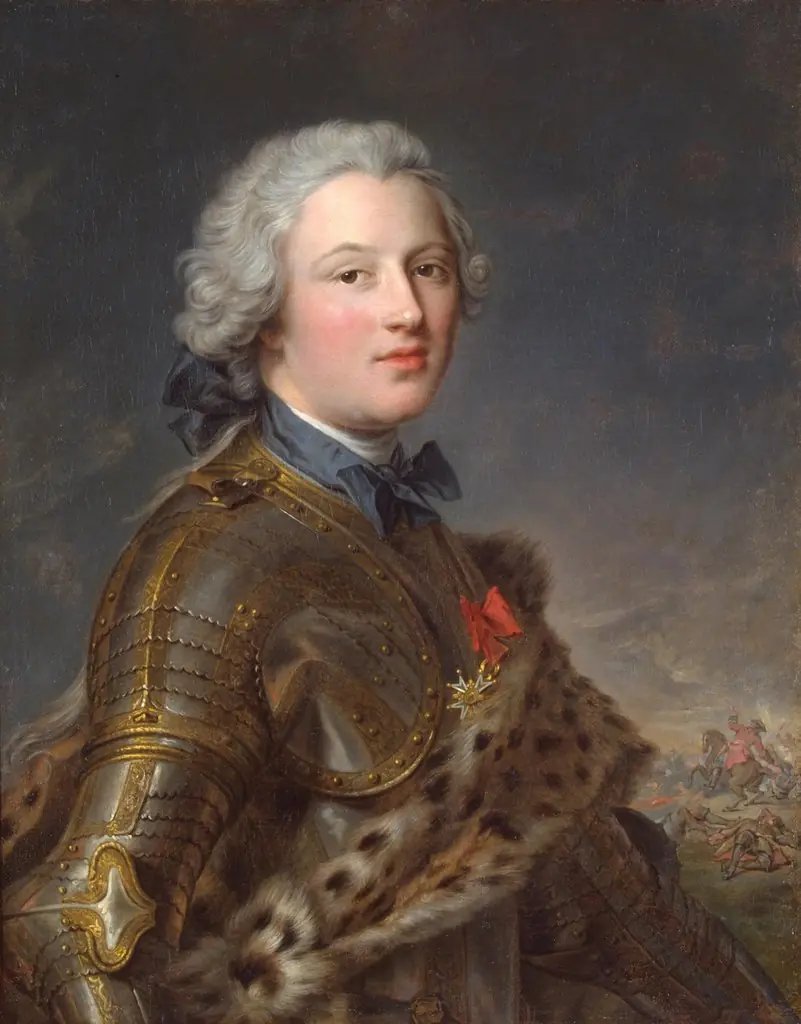 Portrait of Pierre-Victoire, Baron of Besenval
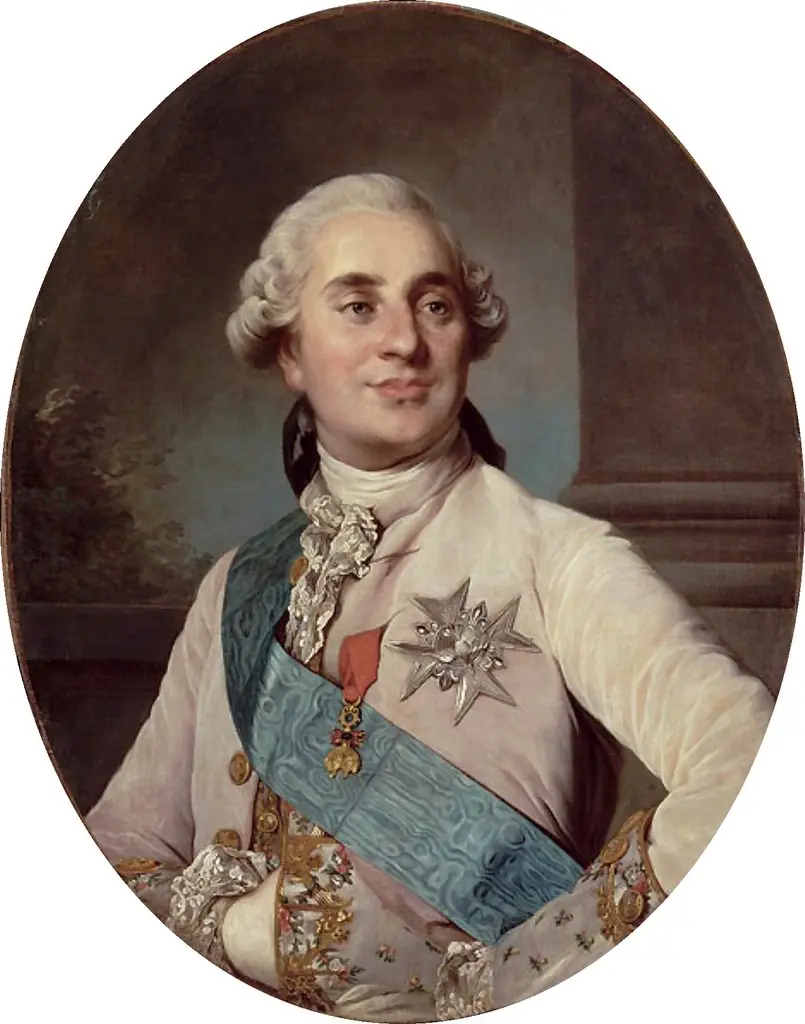 Portrait of Louis XVI, King of France and Navarre (1754-1793)
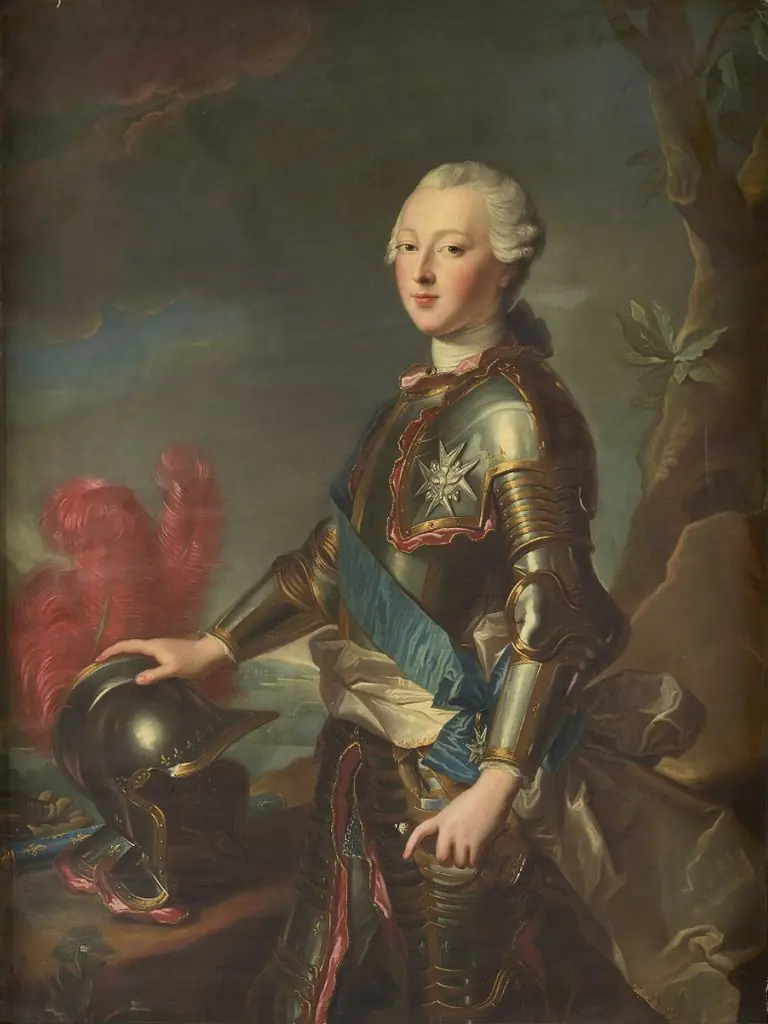 Louis V-Joseph de Bourbon, VIIIe prince de Condé
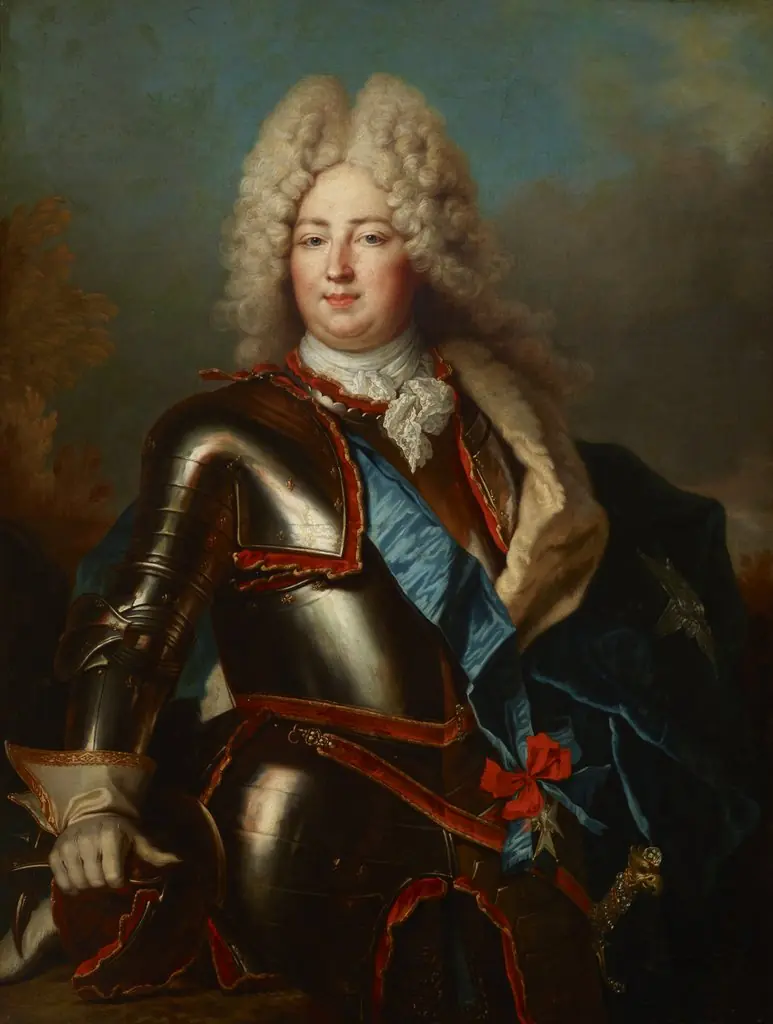 Portrait of Charles de France (1686–1714)
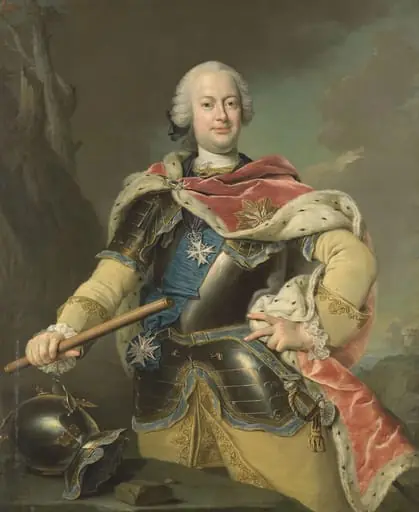 Friedrich Christian, Prince-Elector of Saxony, Prince of Poland
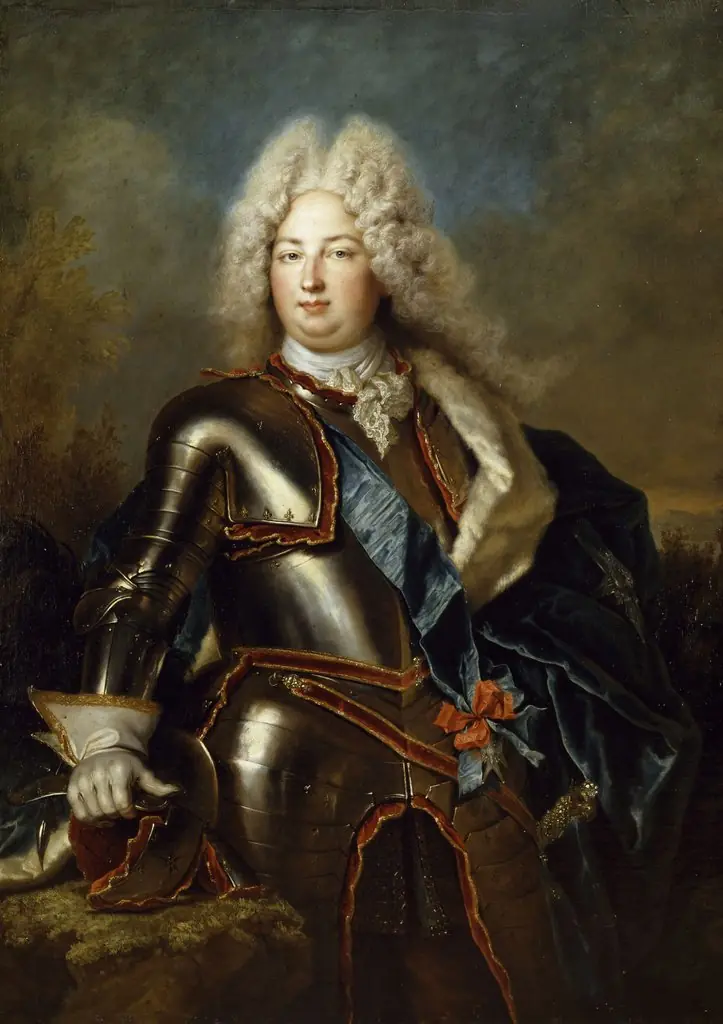 Charles of France, Duke of Berry
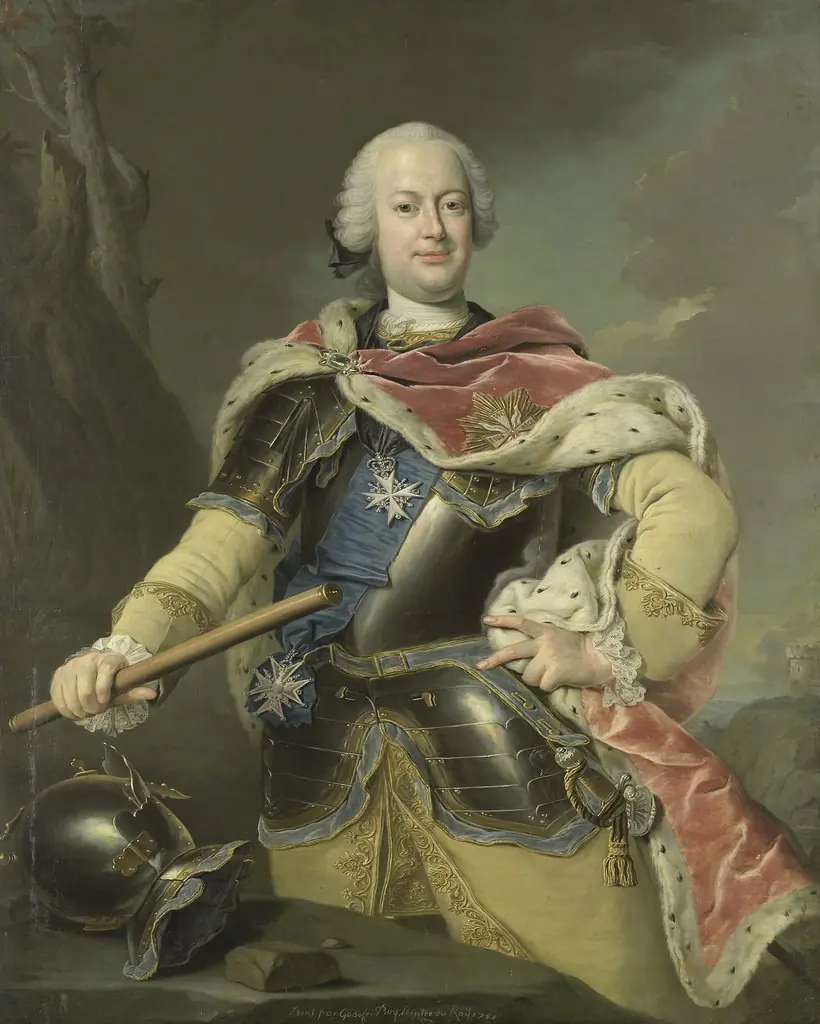 Friedrich Christian (1722-63), Elector of Saxony and King of Poland
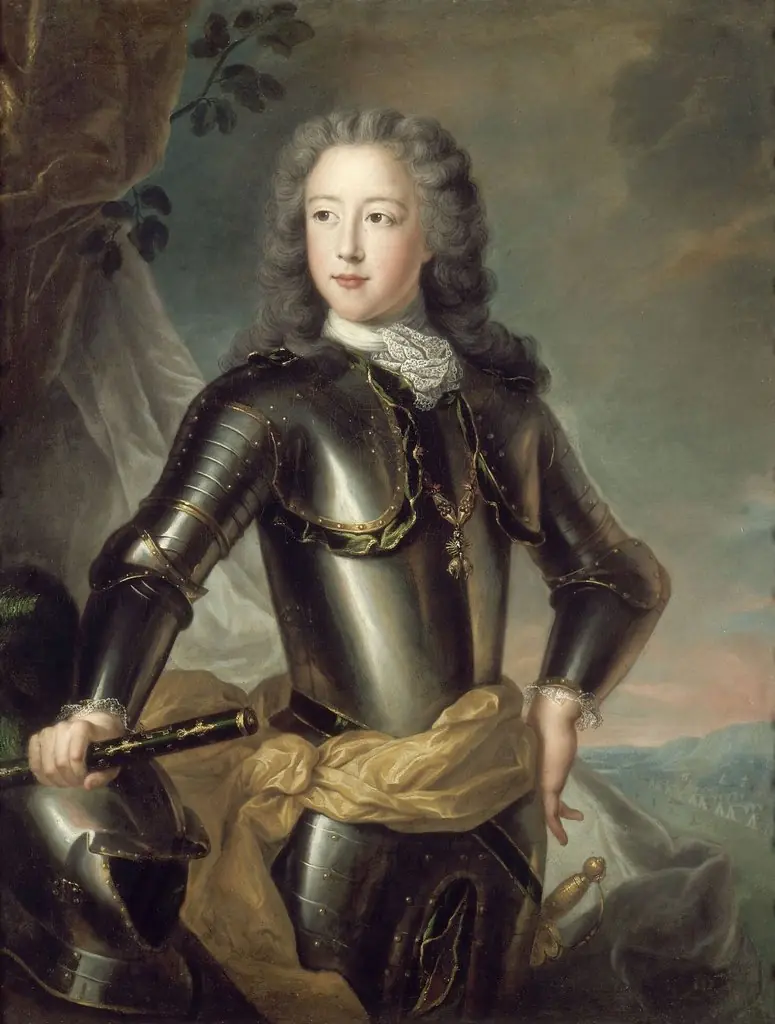 Portrait of Léopold Clément (1707-1723), Hereditary Prince of Lorraine
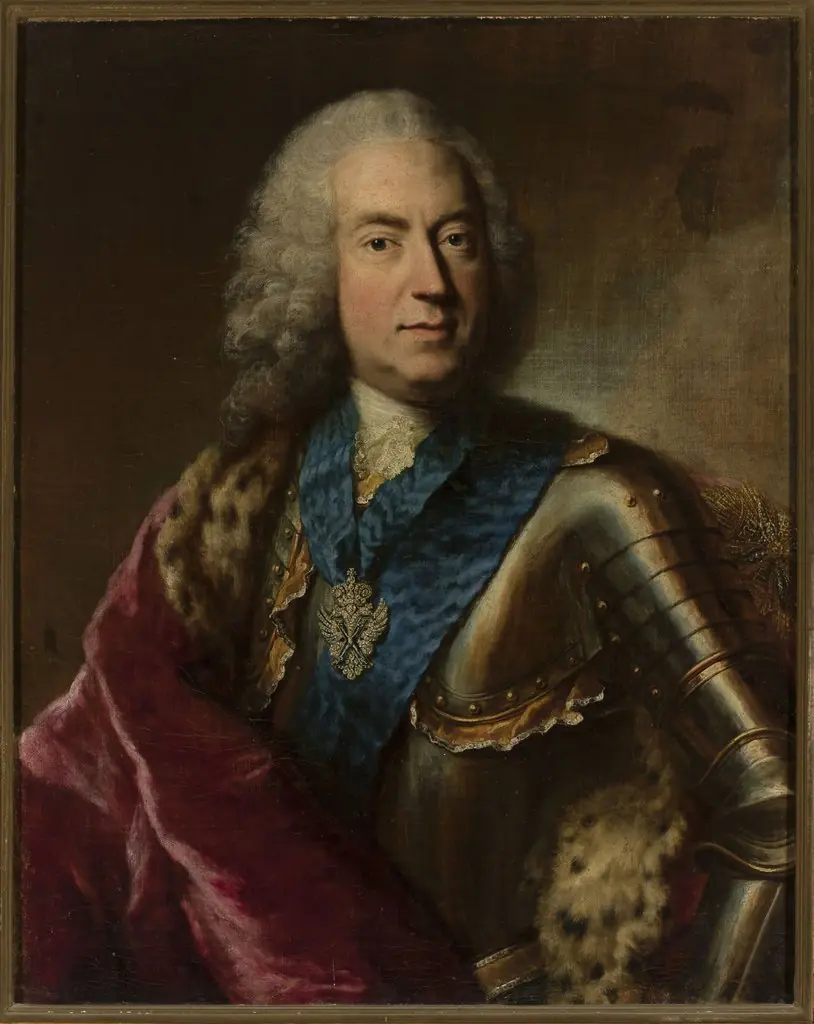 Portrait of Karl August Rex, Saxon minister