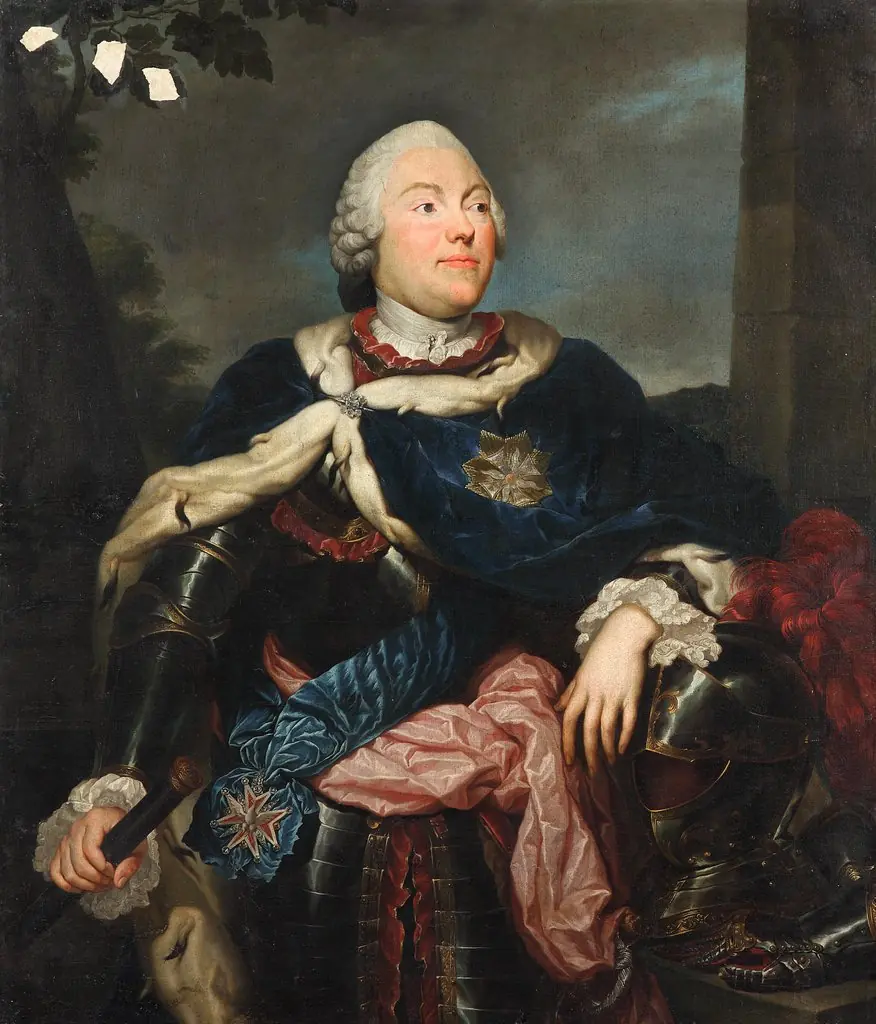
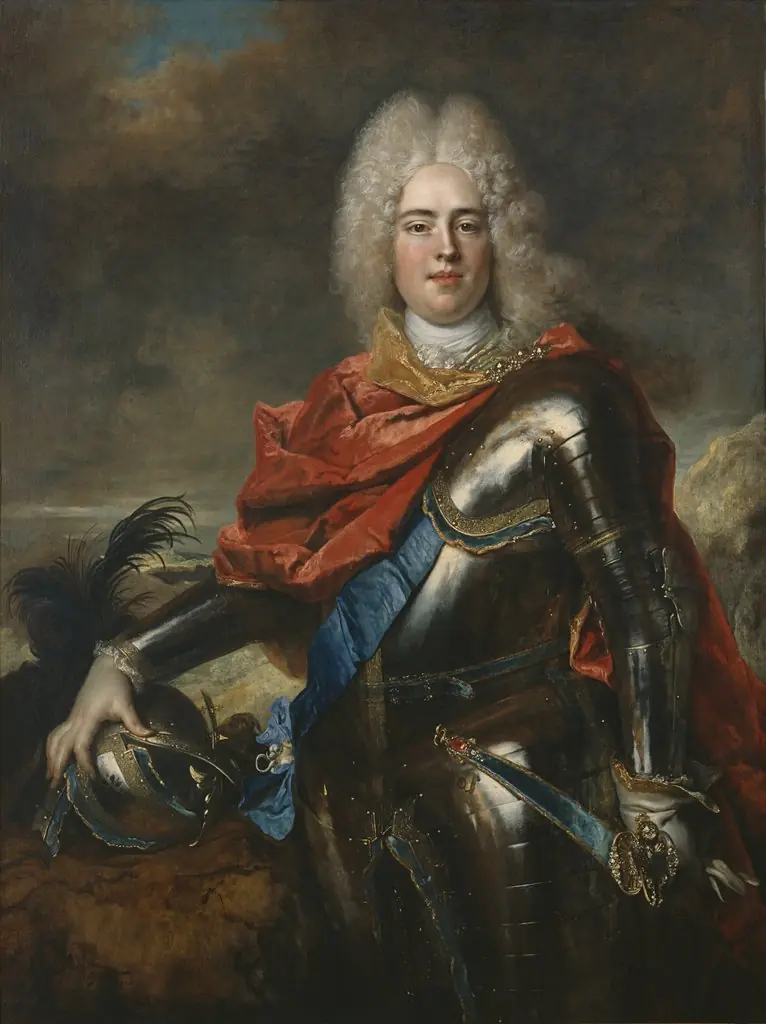
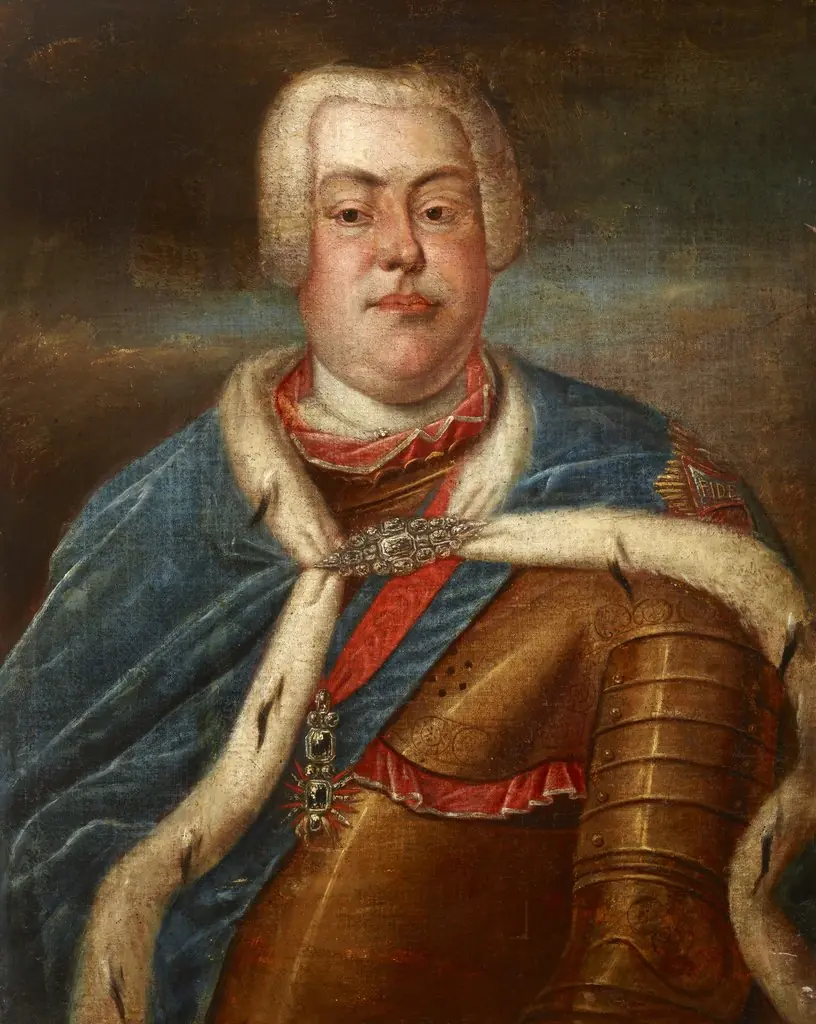
Artwork
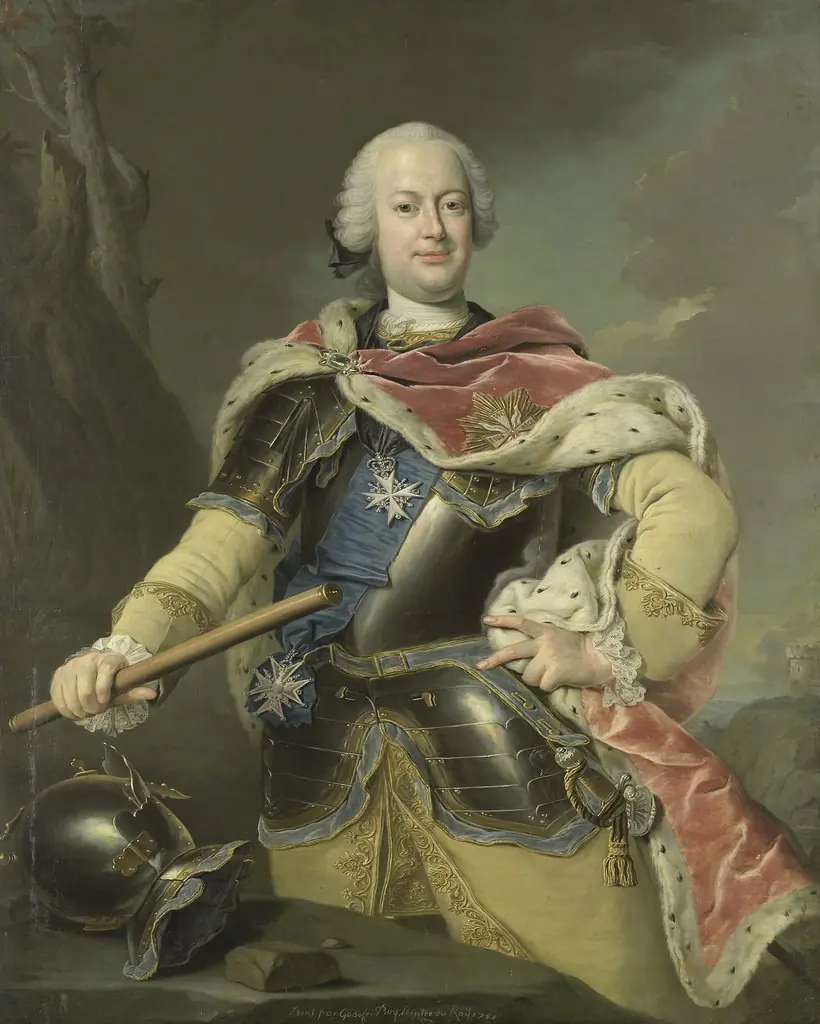
Friedrich Christian, Prince-Elector of Saxony, Prince of Poland
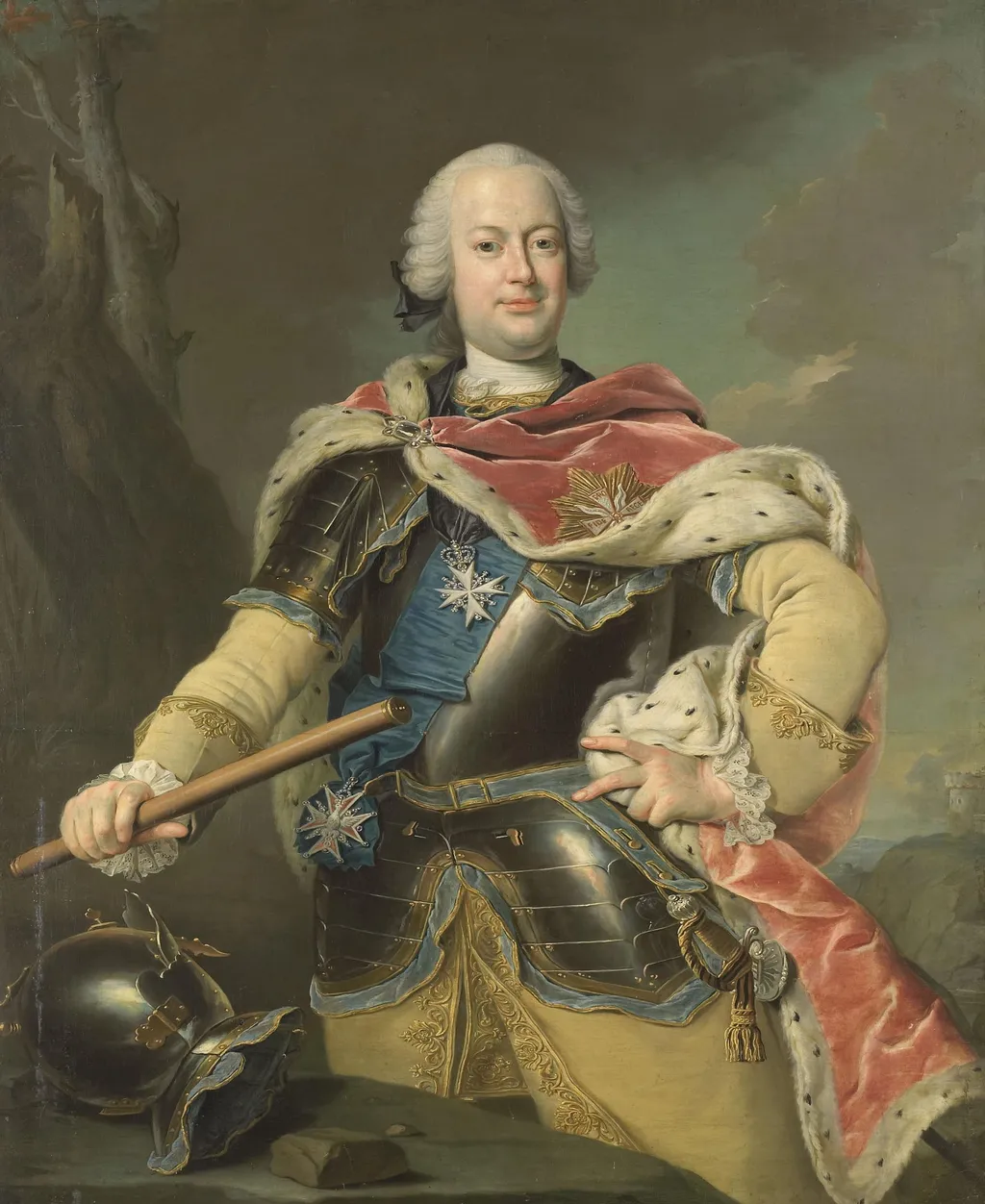
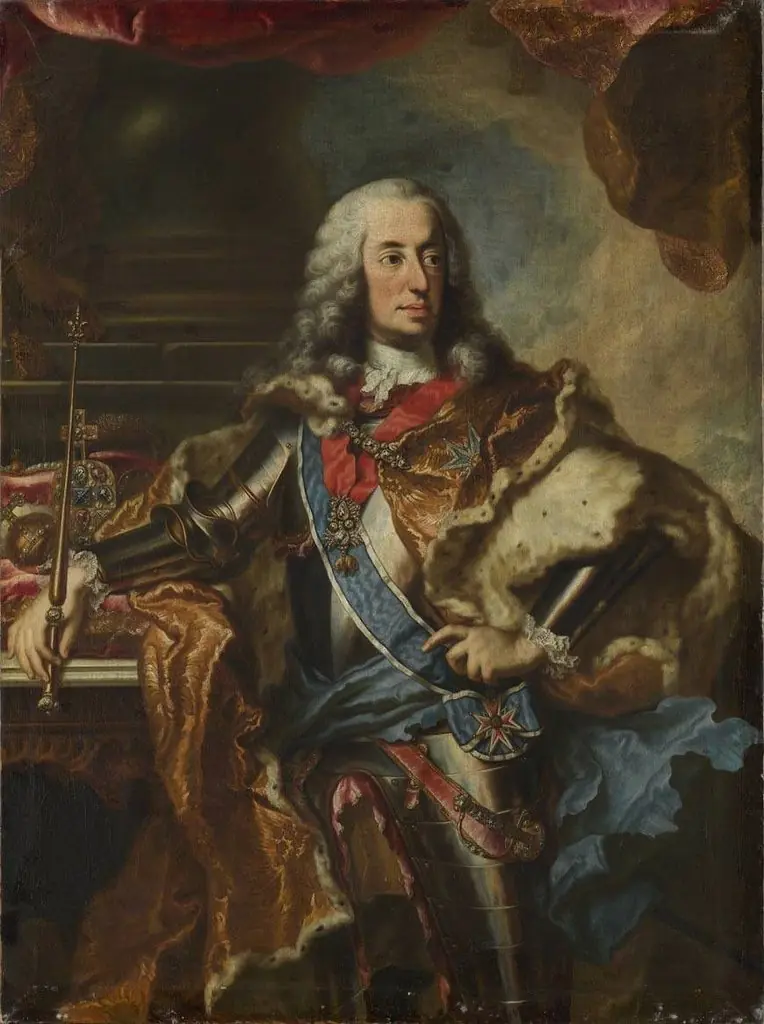
Friedrich Christian, Prince-Elector of Saxony, Prince of Poland is an unspecified painting by the Rococo painting artist Gottfried Boy. It dates from 1751 and is held in the collection of the Rijksmuseum.
About this work
History & Provenance
The portrait of Friedrich Christian, Prince-Elector of Saxony, painted by Gottfried Boy in 1751, is held in the collection of the Rijksmuseum in Amsterdam.
The portrait of Friedrich Christian, Prince-Elector of Saxony, was created by the German painter Gottfried Boy in 1751. Boy, who served as a court painter in Hannover, produced this work during the final years of his life before his death in 1755. The painting is currently held in the collection of the Rijksmuseum in Amsterdam. While the specific commissioning details are not recorded in the available sources, the work is documented as a distinct portrait of the Prince-Elector executed by Boy in that specific year.
The portrait of Friedrich Christian, Prince-Elector of Saxony, painted by Gottfried Boy in 1751, is held in the collection of the Rijksmuseum in Amsterdam. The work is identified in the museum's holdings as a portrait of Frederick IV of Saxony. While specific accession numbers are not provided in the available records, the painting is recognized as a key work by the German artist within this Dutch institution. No specific exhibition history or temporary loan records for this particular portrait are documented in the provided sources.
Context
Friedrich Christian, Prince-Elector of Saxony, was portrayed by Gottfried Boy, a German portrait painter active in the mid-18th century. Boy, born in 1701 in Frankfurt and died in 1755 in Hannover, served as court painter to the Electorate of Hanover and the British Crown. His work circulated among aristocratic patrons, including those connected to the Electorate of Saxony, as evidenced by documented portraits in collections such as the Rijksmuseum and the Städel. The painting fits within the broader tradition of German portraiture of the period, reflecting the political and cultural networks of Electors who held dual claims, such as Friedrich Christian, who also bore the title Prince of Poland. Scholarly references to Boy’s output appear in 19th- and 20th-century lexicons, including entries by Wurzbach and Kurzwelly, which affirm his role in documenting elite sitters of the era.
Legacy
The portrait of Friedrich Christian, Prince-Elector of Saxony, Prince of Poland, painted by Gottfried Boy in 1751, has been recognized as a significant example of 18th-century German portraiture, contributing to the visual legacy of Saxon electoral iconography. Its inclusion in major institutional collections, such as the Rijksmuseum in Amsterdam, underscores its enduring reputation as a representative work of the period's aristocratic representation. The painting's provenance and scholarly attention, documented in auction records and art historical literature, reflect its lasting presence in European art narratives. Gottfried Boy's broader influence as a portraitist, noted in references to his workshop activities and reproductions of his subjects, further cements the work's place within the trajectory of German portrait painting.
Own this work as a print
Artist & collection

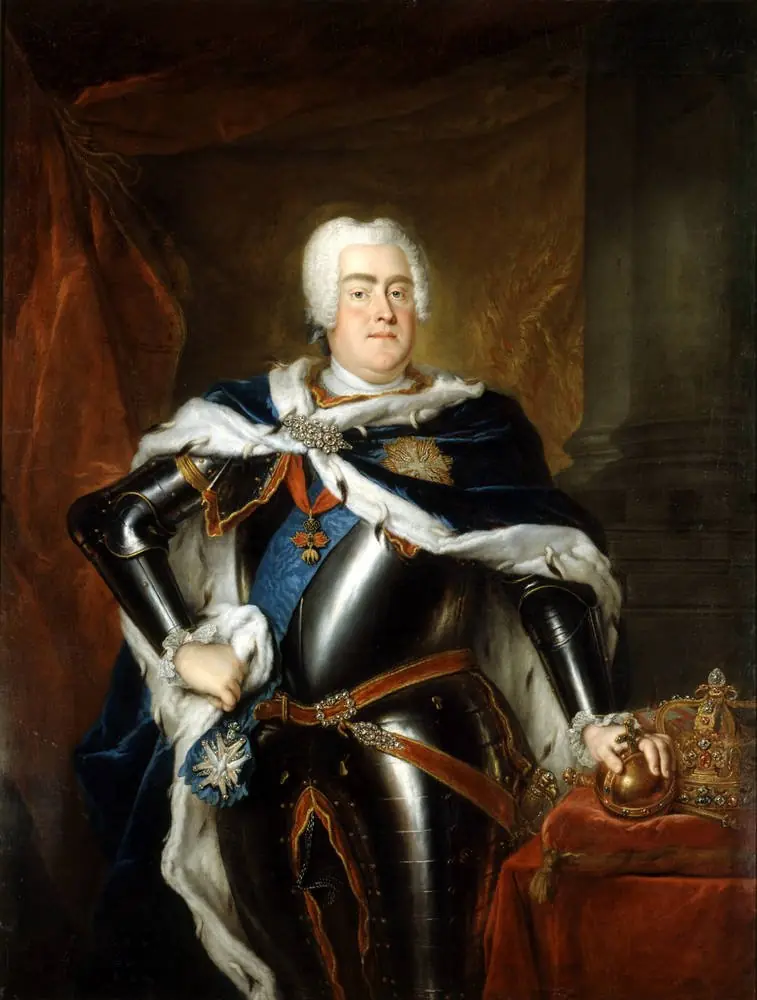 König August III. von Polen (1696–1763)
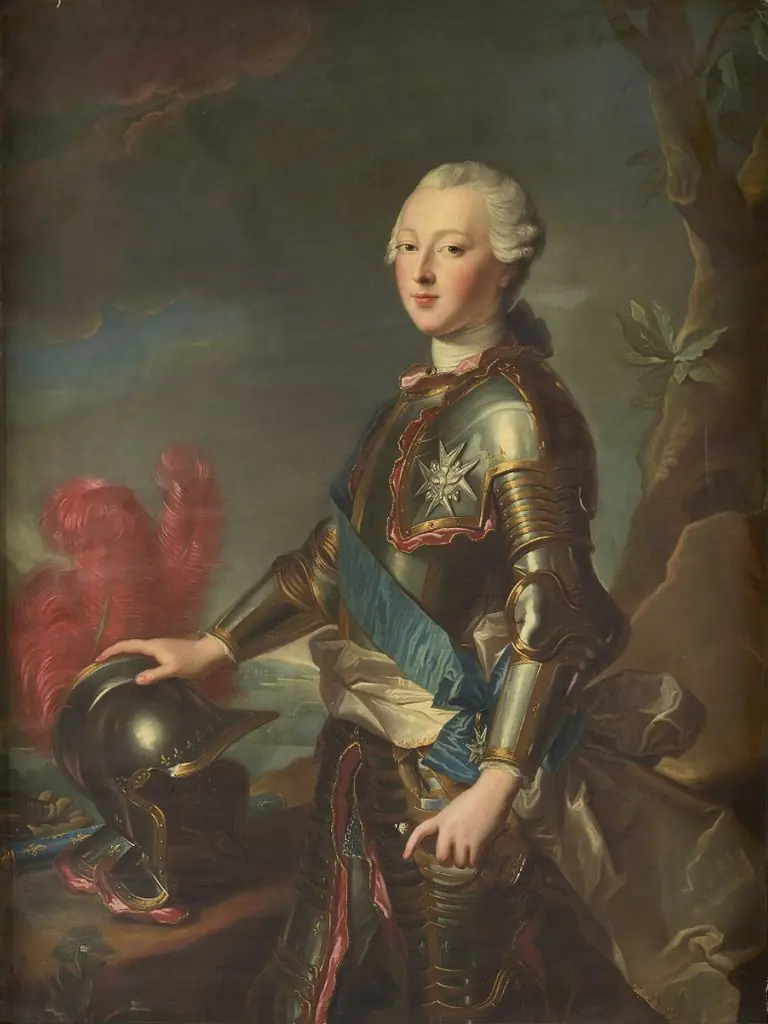 Louis V-Joseph de Bourbon, VIIIe prince de Condé
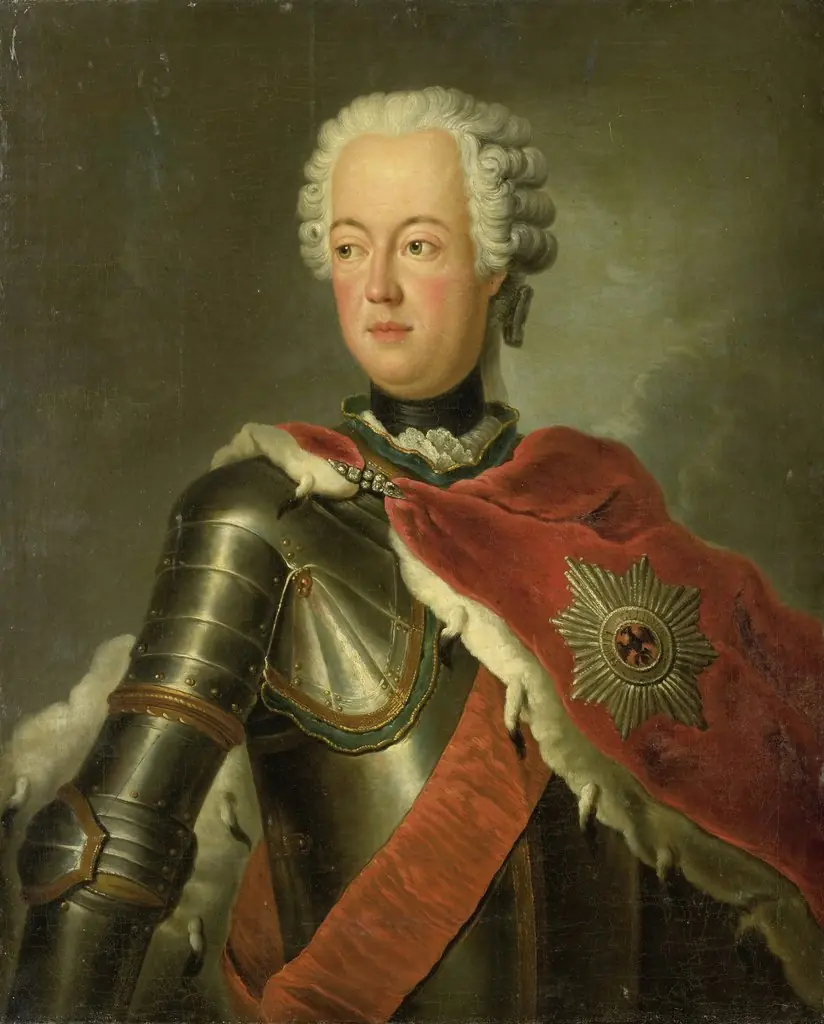 Portrait of Prince August Wilhelm of Prussia
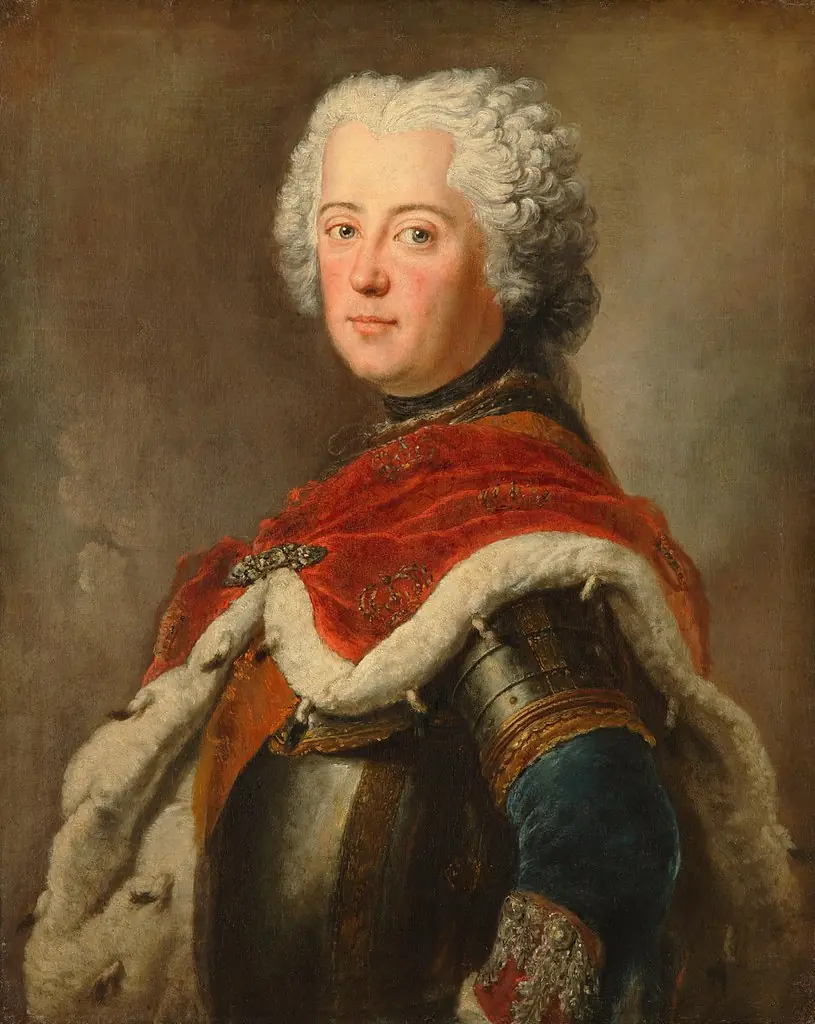 Crown prince Frederik de Great in Armour
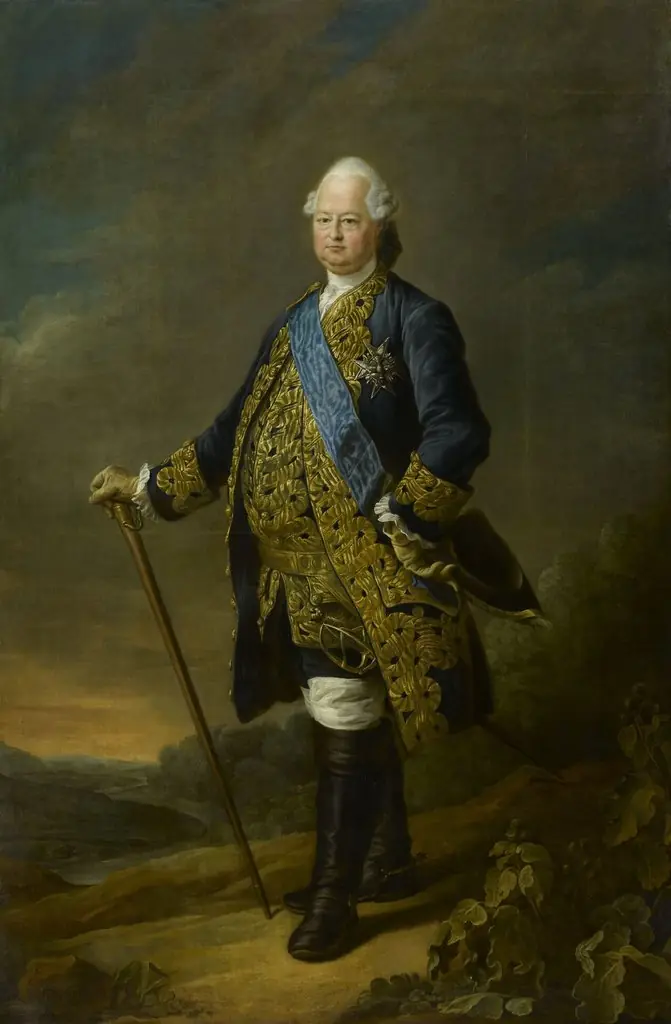 Louis de Bourbon-Condé, Count of Clermont (1709-1771)
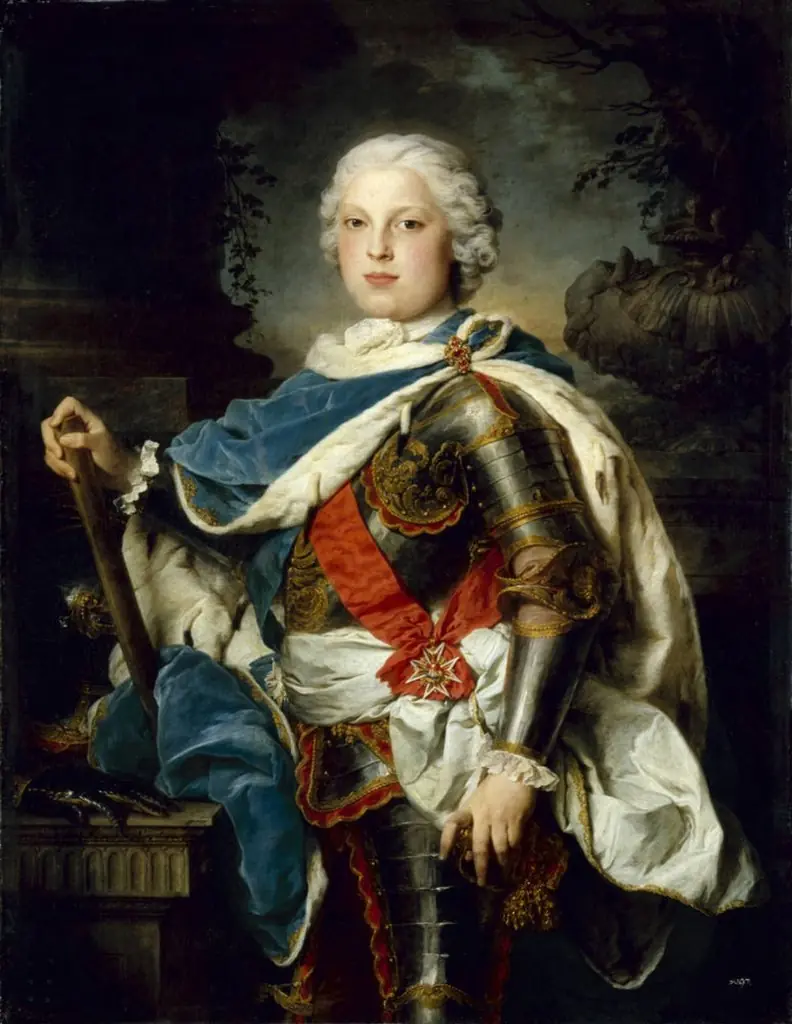 Kurprinz Friedrich Christian von Sachsen (1722-1763)
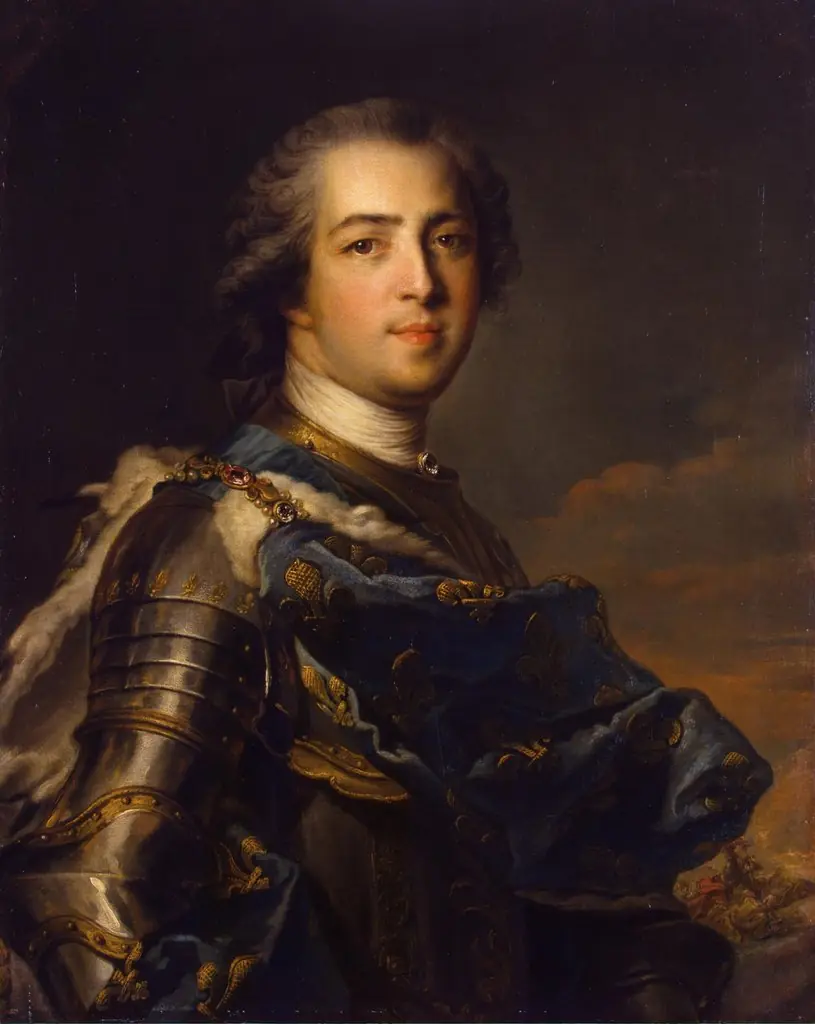 Portrait of Louis XV of France
 Kurfürst Karl Albrecht als Kaiser Karl VII. (1697-1745)