Artwork
Reading Don Quixote
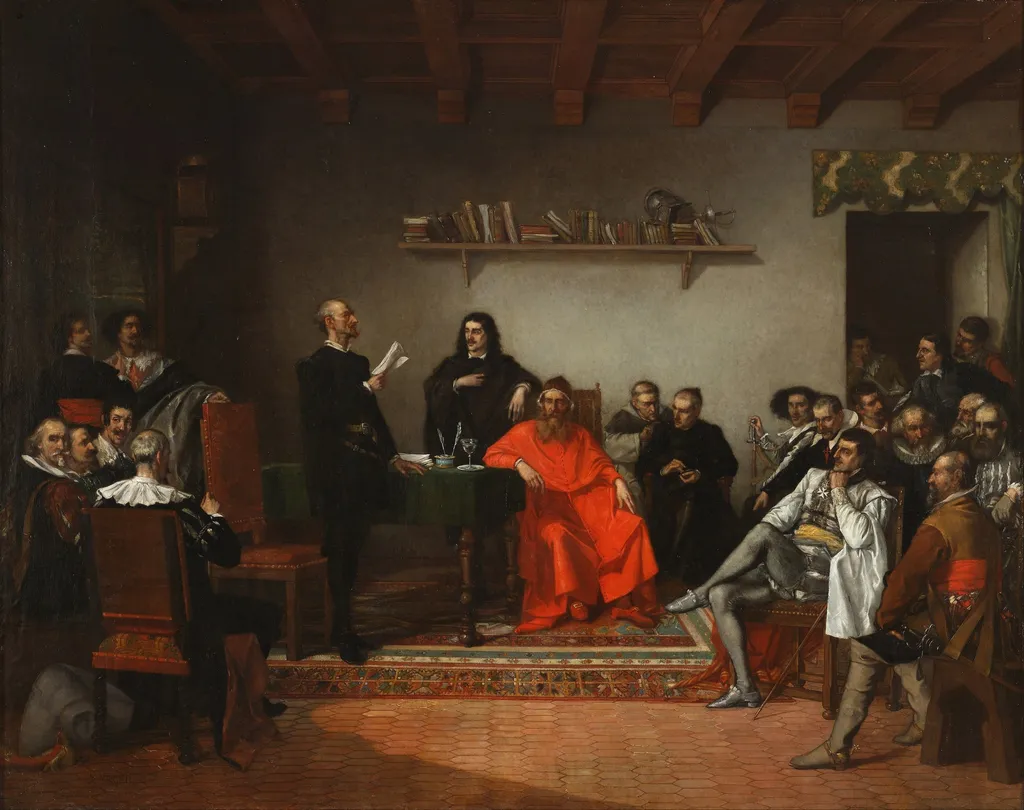
Reading Don Quixote is an oil painting by the Realist artist Ignacio Merino. It dates from 1861 and is held in the collection of the Lima Art Museum.
About this work
Overview
Painted in 1861 by Peruvian artist Ignacio Merino, Reading Don Quixote is an oil-on-canvas work created during his extended stay in Paris.
Painted in 1861 by Peruvian artist Ignacio Merino, Reading Don Quixote is an oil-on-canvas work created during his extended stay in Paris. Merino, recognized for his historical and genre scenes, aligned his approach with the realist tradition of the time. The painting captures a quiet moment of literary engagement, rendered with careful attention to atmosphere and detail. It is now part of the permanent collection at the Lima Art Museum.
Subject & Meaning
The scene depicts a group of men in 17th-century Spanish attire gathered around a table as one reads aloud from Cervantes’ novel. The act of communal reading suggests a cultural reverence for literature, transforming the private experience of storytelling into a shared ritual. The choice of Don Quixote, a tale of idealism and illusion, hints at broader themes of imagination and identity, resonating with 19th-century Latin American intellectuals seeking cultural roots.
Technique & Style
Merino employs chiaroscuro to model forms and direct focus toward the central reader, whose figure is illuminated by a soft, directional light from a window on the right. The dim interior, rendered with muted tones and textured brushwork, enhances the intimacy of the moment. Clothing and furnishings are detailed with precision, reflecting the artist’s training in European academic traditions while maintaining a restrained, observational realism.
History & Provenance
Merino painted this work during his years in Paris, where he studied and absorbed European artistic currents before returning to Peru. The painting remained in his possession until it entered the collection of the Lima Art Museum, where it has been preserved as a key example of 19th-century Peruvian art. Its journey reflects the transatlantic cultural exchanges that shaped Latin American visual identity during the post-independence era.
Context
In mid-19th century Peru, artists like Merino sought to define a national identity through historical and literary subjects. By depicting a scene from a Spanish classic, Merino connected Peru’s cultural heritage to broader European traditions, even as the region asserted its independence. The painting’s focus on literacy and communal reflection mirrored contemporary intellectual movements valuing education and cultural continuity.
Legacy
As one of the earliest Peruvian paintings to engage deeply with European literary themes, Reading Don Quixote helped establish a precedent for narrative painting in the country. It remains a touchstone in discussions of how Latin American artists negotiated colonial legacies and forged new artistic voices. The work continues to be studied for its synthesis of technique, subject, and cultural commentary.
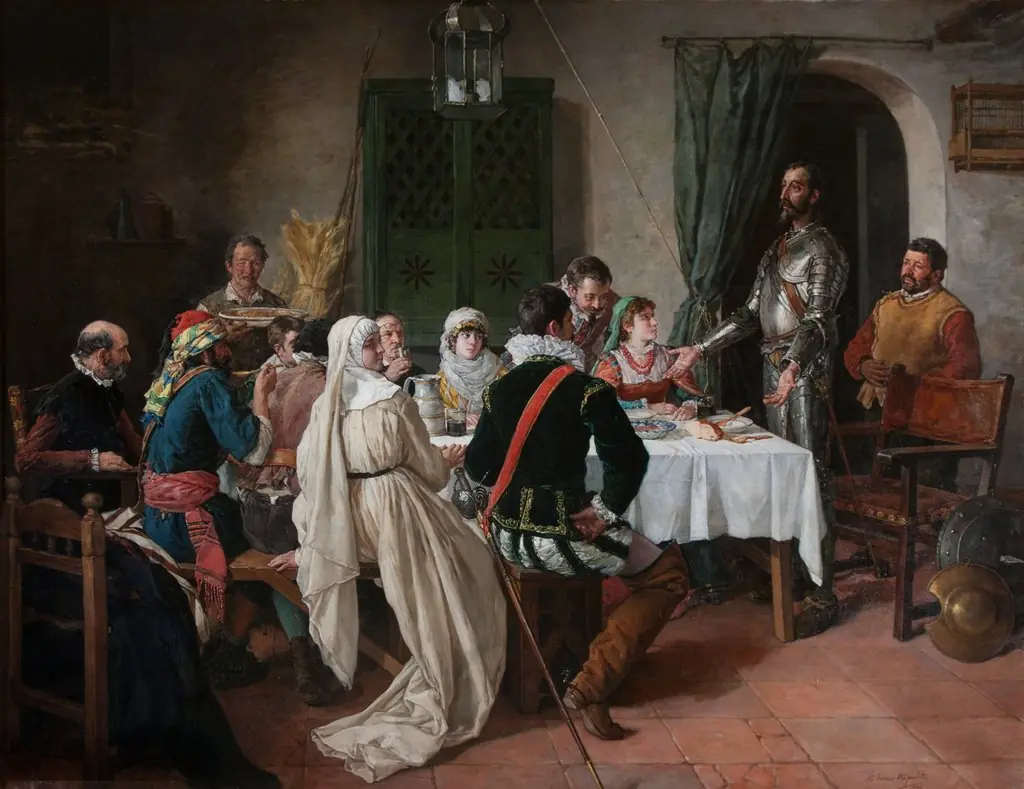
Own this work as a print
Artist & collection
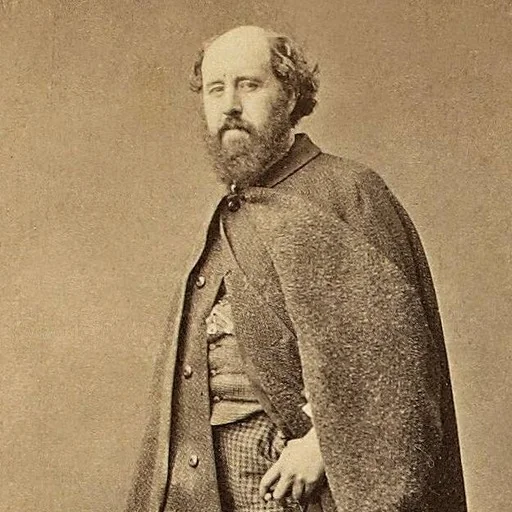
Artist
Ignacio Merino Muñoz (30 January 1817 – 17 March 1876) was a Peruvian painter notable for historical and costumbrista works, and considered the founder of the Peruvian school of painting.

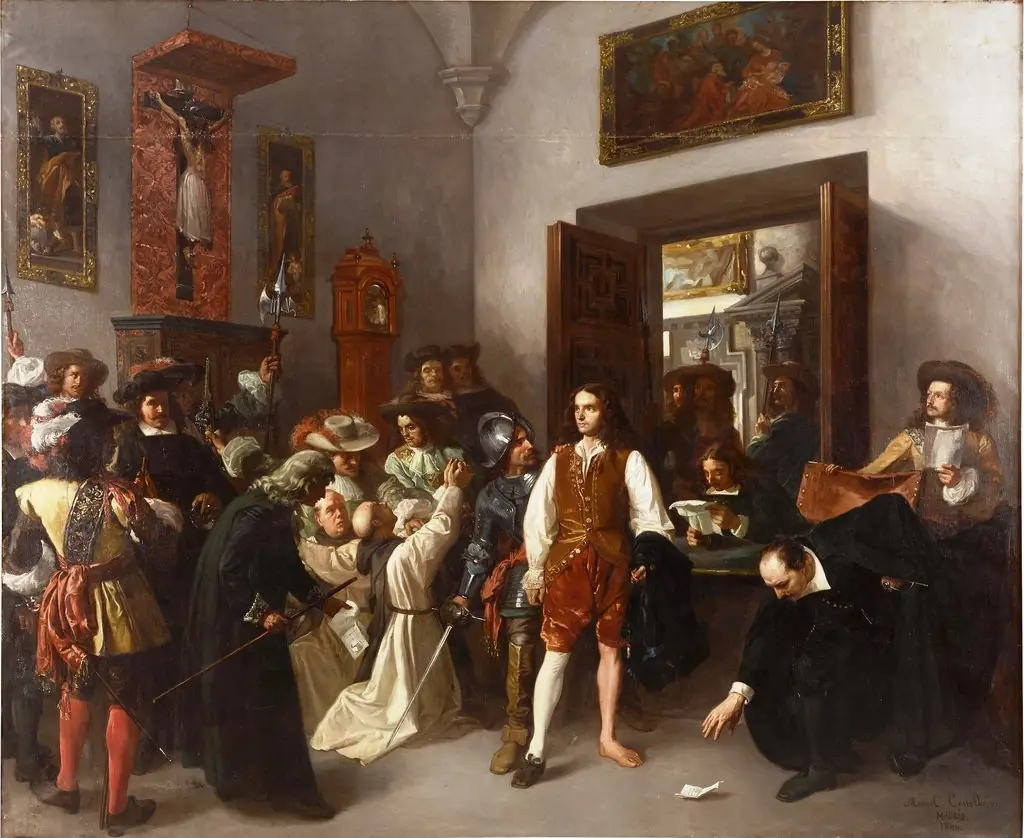 Prisión de don Fernando de Valenzuela
 Charles V at Yuste
 Jan Hus at Constance
 Carlos V recibe en Yuste la visita de San Francisco de Borja
 Capuchinos en el coro
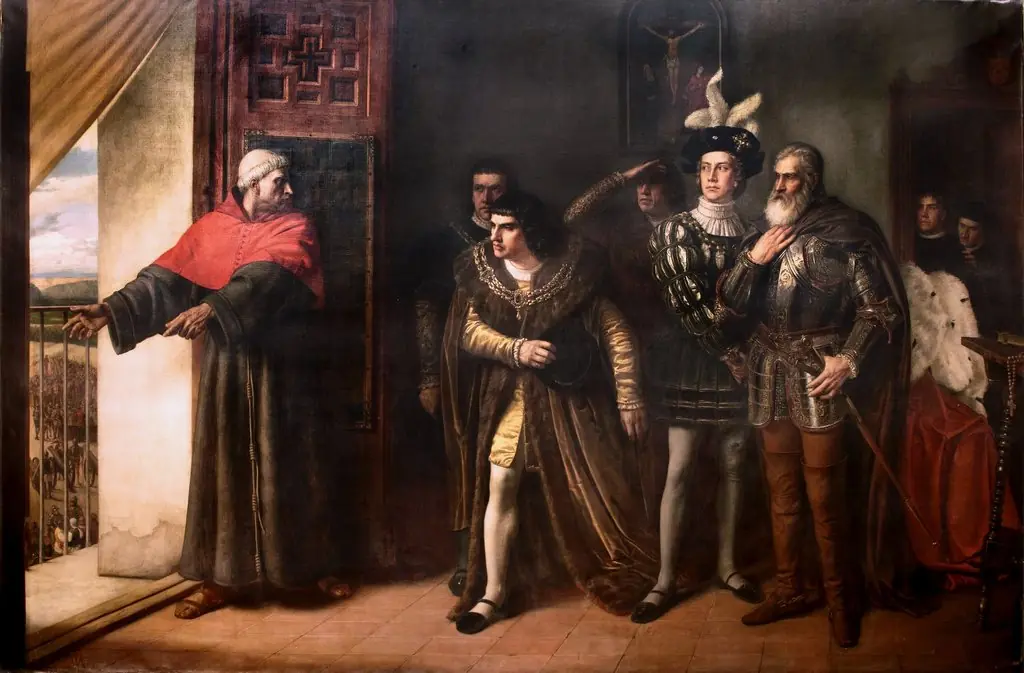 Cisneros y los Grandes
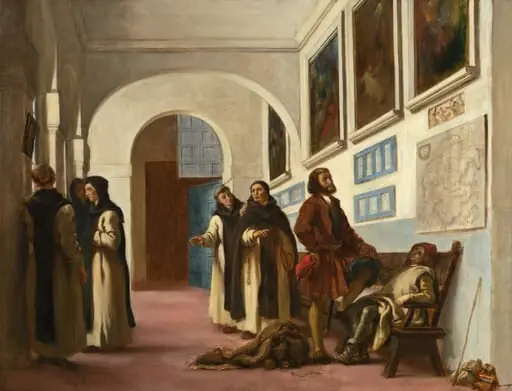 Christopher Columbus and His Son at La Rábida
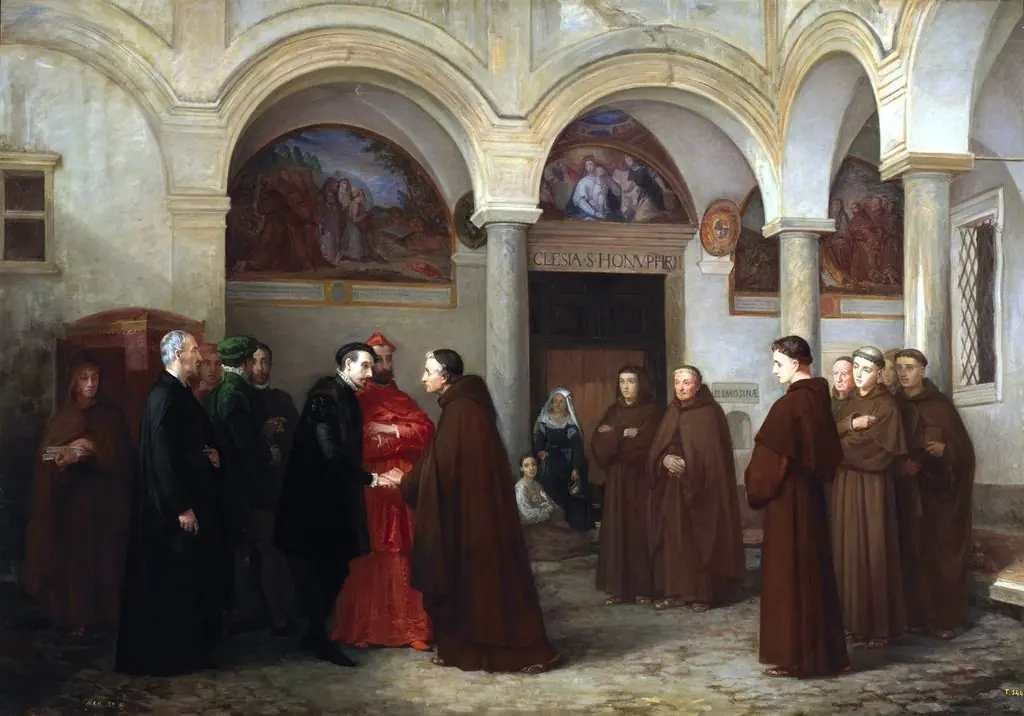 Torcuato Tasso se retira al convento de San Onofre en el Janículo
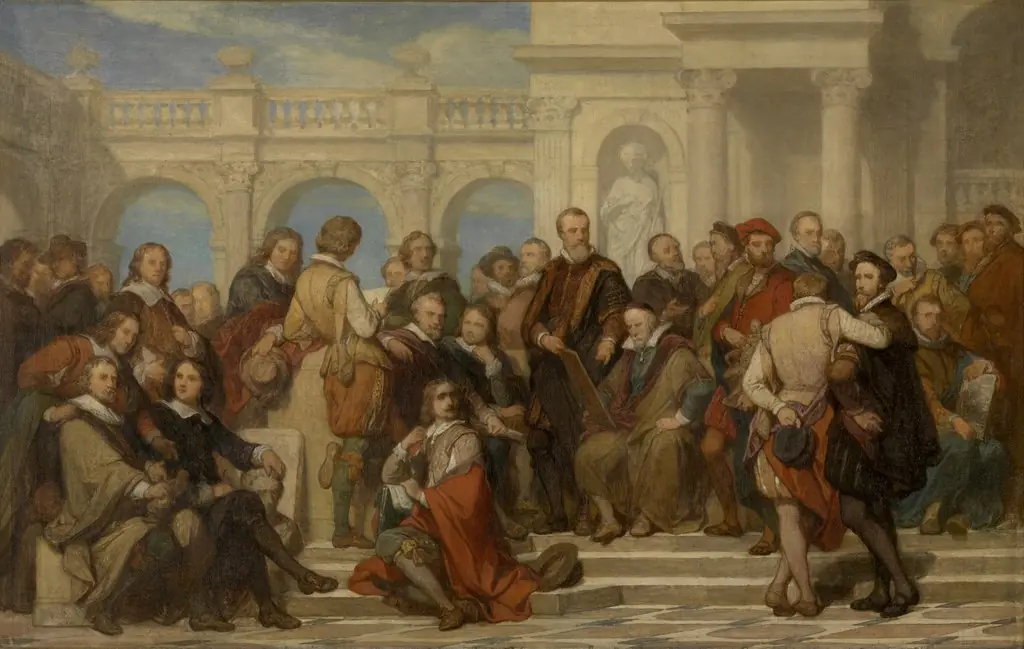 Painters and Sculptors
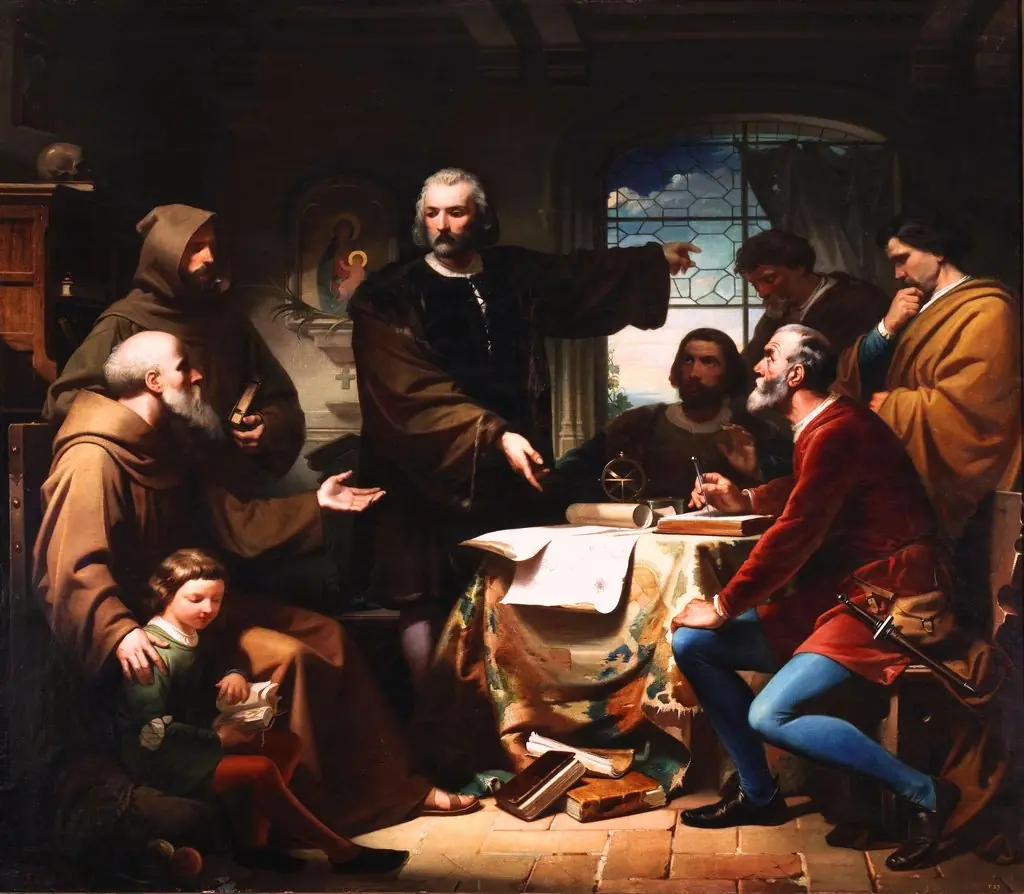 Christopher Columbus in the Convent of La Rábida
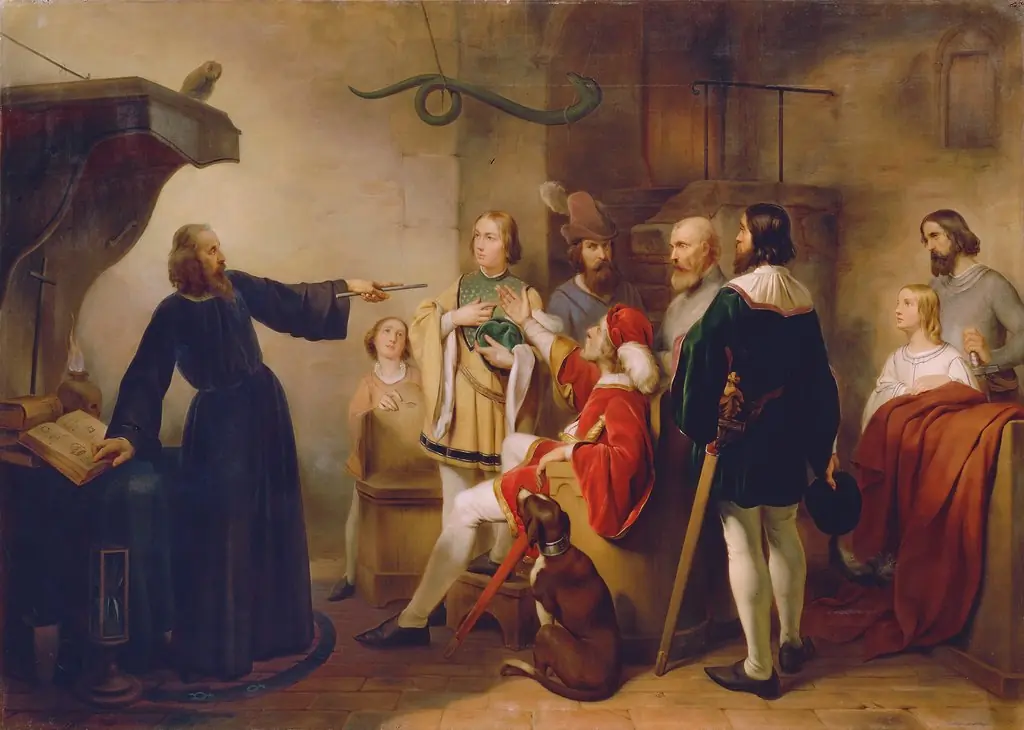 Ein Astrologe weissagt Rudolf von Habsburg
- Don Quixote's Speech of Arms and Letters