Artwork
池田孤邨筆 四季花鳥画|Flowers and Birds of the Four Seasons
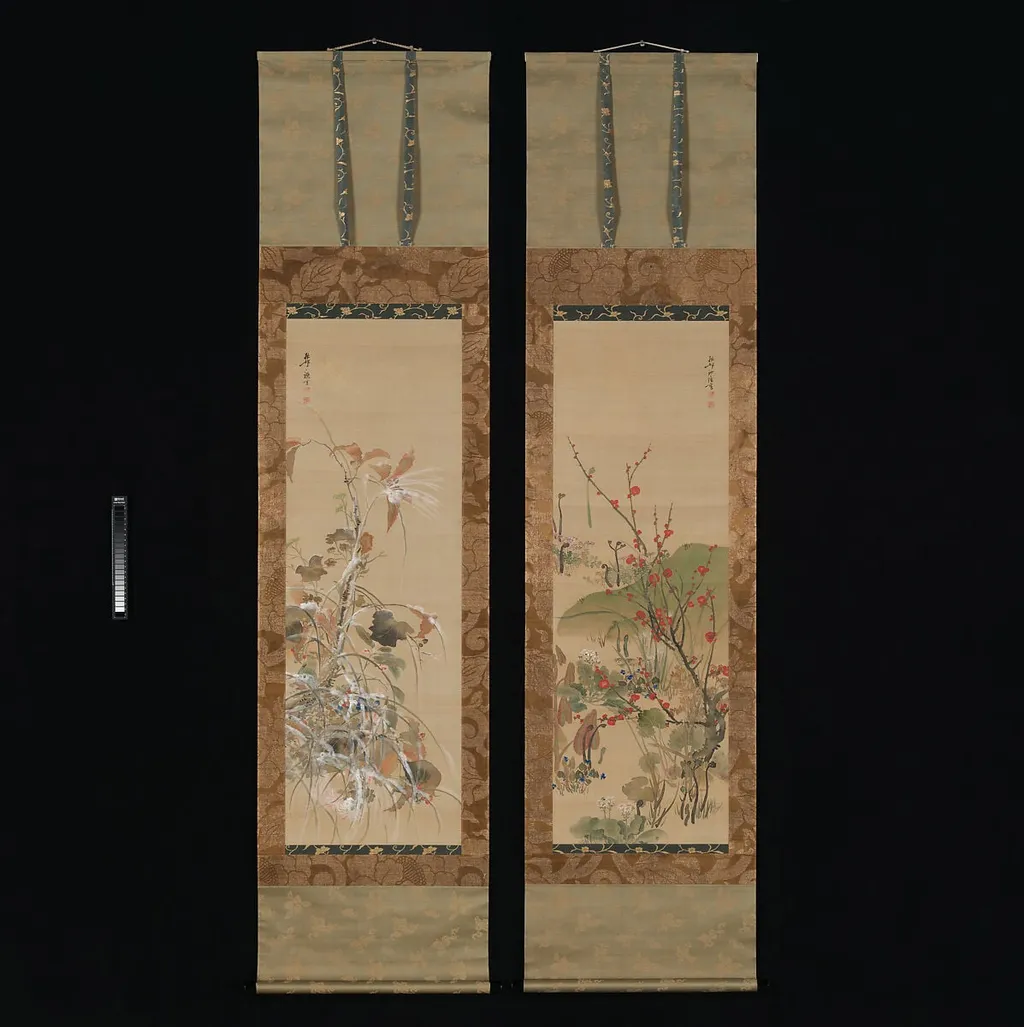
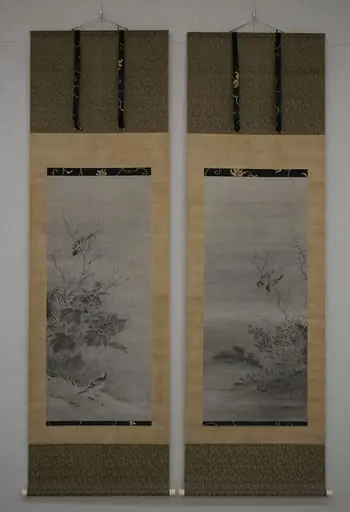
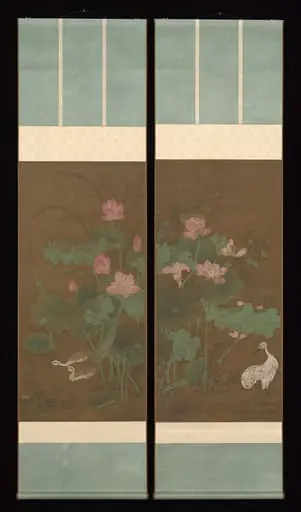
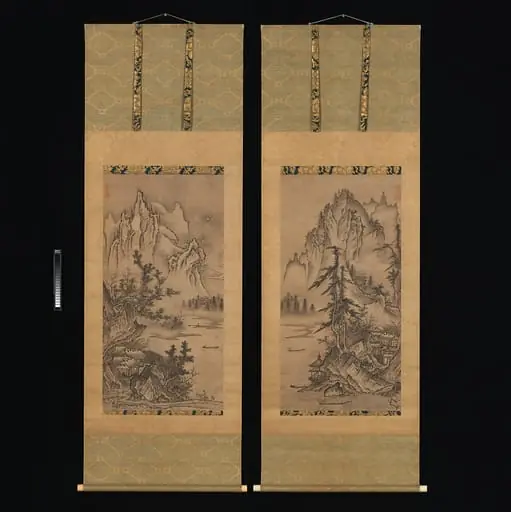
池田孤邨筆 四季花鳥画|Flowers and Birds of the Four Seasons is an ink painting by the Nihonga artist Ikeda Koson. It dates from 1850 and is held in the collection of the Metropolitan Museum of Art.
About this work
Subject & Meaning
Rendered as a pair of hanging scrolls, the piece combines ink, color and gold on silk, a technique typical of mid‑19th‑century Japanese painting.
The work presents a seasonal arrangement of blossoms, identified in the sources as the primary depicted motif. Rendered as a pair of hanging scrolls, the piece combines ink, color and gold on silk, a technique typical of mid‑19th‑century Japanese painting. Created in 1850 by Ikeda Koson, the composition reflects the cyclical nature of the natural world through the imagery of flowers that symbolize renewal and transience.
The scrolls were produced in Japan and now reside in the Metropolitan Museum of Art, where they are catalogued under the title Flowers and Birds of the Four Seasons.
Technique & Style
The work is executed as a pair of hanging scrolls, a support format typical of Japanese scroll painting, with the image rendered in ink and subtle color washes accented by gold leaf.
The composition follows the bird‑and‑flower genre, arranging seasonal flora in a balanced, lyrical arrangement that emphasizes line and texture.
The medium combines ink, pigment and gold on silk, reflecting Edo‑period techniques for achieving luminous detail on a flexible support.
The formal qualities reveal a restrained palette, delicate brushwork, and a decorative use of gold that heightens the decorative effect while maintaining the scholarly aesthetic of landscape painting.
The piece was created in Japan in 1850 and is part of the Metropolitan Museum of Art collection.
History & Provenance
The work titled "Flowers and Birds of the Four Seasons" was created in 1850 in Japan by Ikeda Koson as a pair of hanging scrolls using ink, color, and gold on silk. It is classified as a painting within the landscape genre and depicts a flower. The piece was made in Japan and later entered the collection of the Metropolitan Museum of Art, where it is currently housed.
Its inception date is recorded as 1850-01-01. The sources do not provide further details on commissioning or previous owners, so only the documented creation context and current ownership are described.
The pair of hanging scrolls titled Flowers and Birds of the Four Seasons, painted by Ikeda Koson in 1850, is part of the collection of the Metropolitan Museum of Art in New York. The work is catalogued in the museum’s records as belonging to the institution’s holdings, but no specific accession or inventory number is published in the available documentation. No exhibition history for this piece is recorded in the sources consulted, indicating that it has not been included in publicly listed exhibitions to date.
Legacy
The work is regarded as an exemplary piece of 19th‑century Japanese bird‑and‑flower painting, and its preservation in a prominent public collection has contributed to the scholarly appreciation of Ikeda Koson’s role in the seasonal‑theme genre. As part of the Metropolitan Museum of Art’s holdings, the pair of hanging scrolls exemplifies the technical mastery of ink, color, and gold on silk characteristic of mid‑1800s Japanese art, reinforcing the artist’s reputation among specialists in ukiyo‑e and Nihonga. Its continued display underscores the lasting interest in seasonal motifs and informs contemporary studies of how such works influenced later decorative painting practices.
Overview
Ikeda Koson’s pair of hanging scrolls, dating from around 1850, present a seasonal tableau of flowers and birds. Executed on silk with ink, pigments and gold leaf, the works are arranged as two vertical panels: one illustrating spring and summer, the other autumn and winter. The composition balances delicate botanical detail with small avian figures, creating a harmonious view of nature’s cycle.
Context
During the late Edo period, secular decorative arts flourished among the urban merchant class, who favored seasonal motifs for interior decoration. Koson’s work reflects this trend, merging the refined elegance of courtly painting with the tastes of affluent, non‑noble patrons.
Artist & collection