Artwork
尾形光琳筆 梅花・秋草図|Flowers of Spring and Autumn
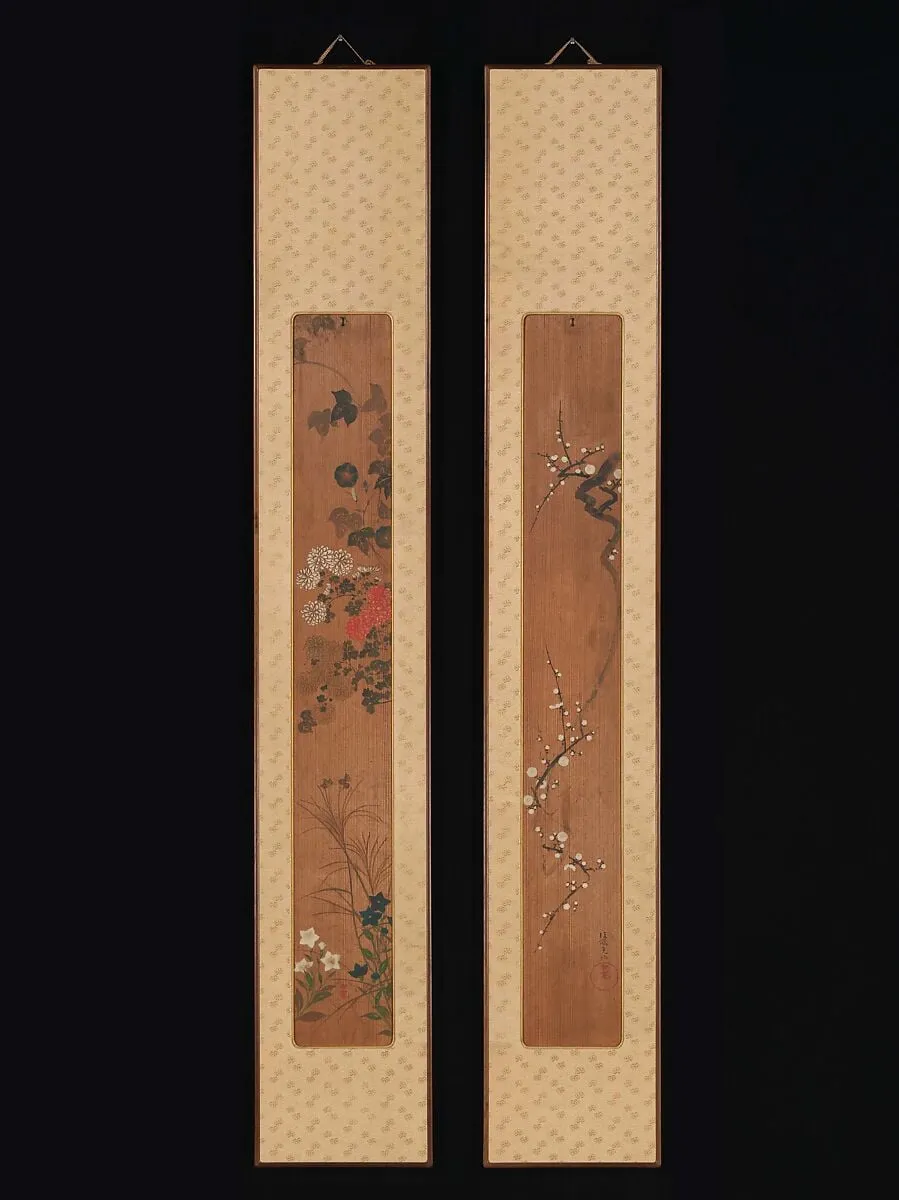
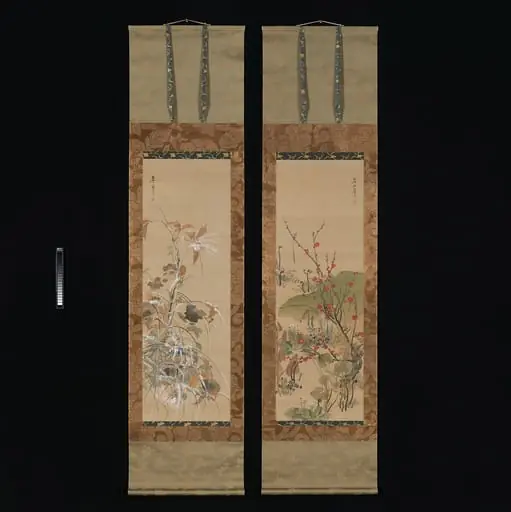
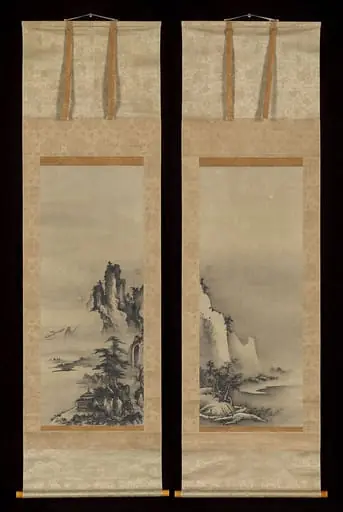
尾形光琳筆 梅花・秋草図|Flowers of Spring and Autumn is an ink painting by the Baroque artist Ogata Kōrin. It dates from 1701 and is held in the collection of the Metropolitan Museum of Art. Created in 1701, Flowers of Spring and Autumn consists of two vertically oriented panels painted with ink and color on cryptomeria wood.
About this work
Technique & Style
The two-panel format allows the spring blossoms and autumn plants to be presented as complementary compositions rather than a single continuous scene.
Flowers of Spring and Autumn is executed as a pair of panels using ink and color on cryptomeria wood. The work is classified as a painting, with a still-life genre focused on floral motifs, consistent with Ogata Kōrin's Rinpa-school approach to seasonal flower-and-plant imagery. The two-panel format allows the spring blossoms and autumn plants to be presented as complementary compositions rather than a single continuous scene.
History & Provenance
The pair of panels titled Flowers of Spring and Autumn, attributed to Ogata Kōrin and dated 1750, is held by the Metropolitan Museum of Art in New York City. The work consists of ink and color applied to cryptomeria wood panels. While the specific inventory or accession number is not provided in the available records, the museum's collection identifies the piece as a painting by the artist depicting flowers. The work is recognized as originating from Japan.
Context
Ogata Kōrin's Flowers of Spring and Autumn, painted in 1750, exemplifies his role in the Rinpa school and his influence on later decorative artists. The work's subject matter, depicting seasonal flowers, aligns with traditional Japanese still-life genres while showcasing his signature bold composition and use of gold leaf. It is part of the Metropolitan Museum of Art's collection in New York City, reflecting its significance within the broader context of Edo-period painting and ongoing scholarly study of Rinpa's legacy.
Overview
Created in 1701, Flowers of Spring and Autumn consists of two vertically oriented panels painted with ink and color on cryptomeria wood. The work is attributed to Ogata Kōrin, a central figure of the Rinpa school, and exemplifies the school’s emphasis on decorative yet restrained compositions.
Subject & Meaning
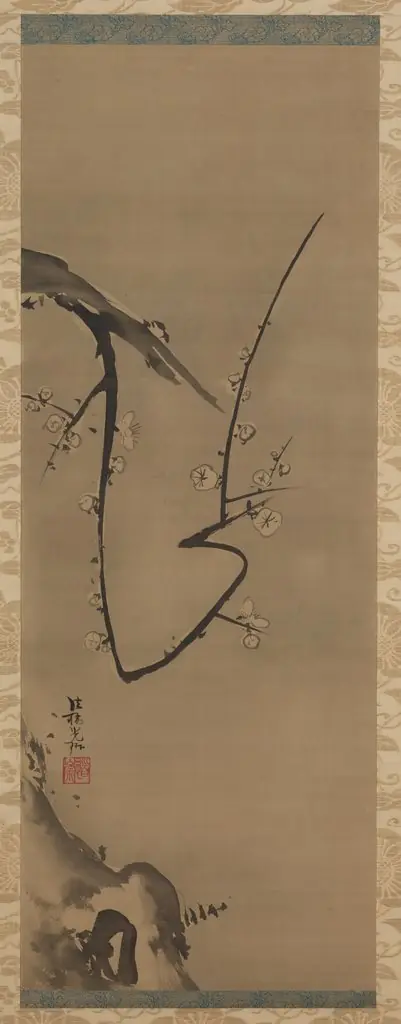
Each panel presents a distinct seasonal bouquet: the left panel displays vivid red plum blossoms, while the right panel features white chrysanthemums accompanied by golden grasses. The juxtaposition of spring and autumn flora reflects a traditional Japanese appreciation of the cyclical nature of the seasons.
Artist & collection

Artist
Ogata Kōrin (Japanese: 尾形光琳; 1658 – June 2, 1716) was a Japanese landscape illustrator, lacquerer, painter, and textile designer of the Rinpa School.