Artwork
Portrait of Count Piotr Valuyev
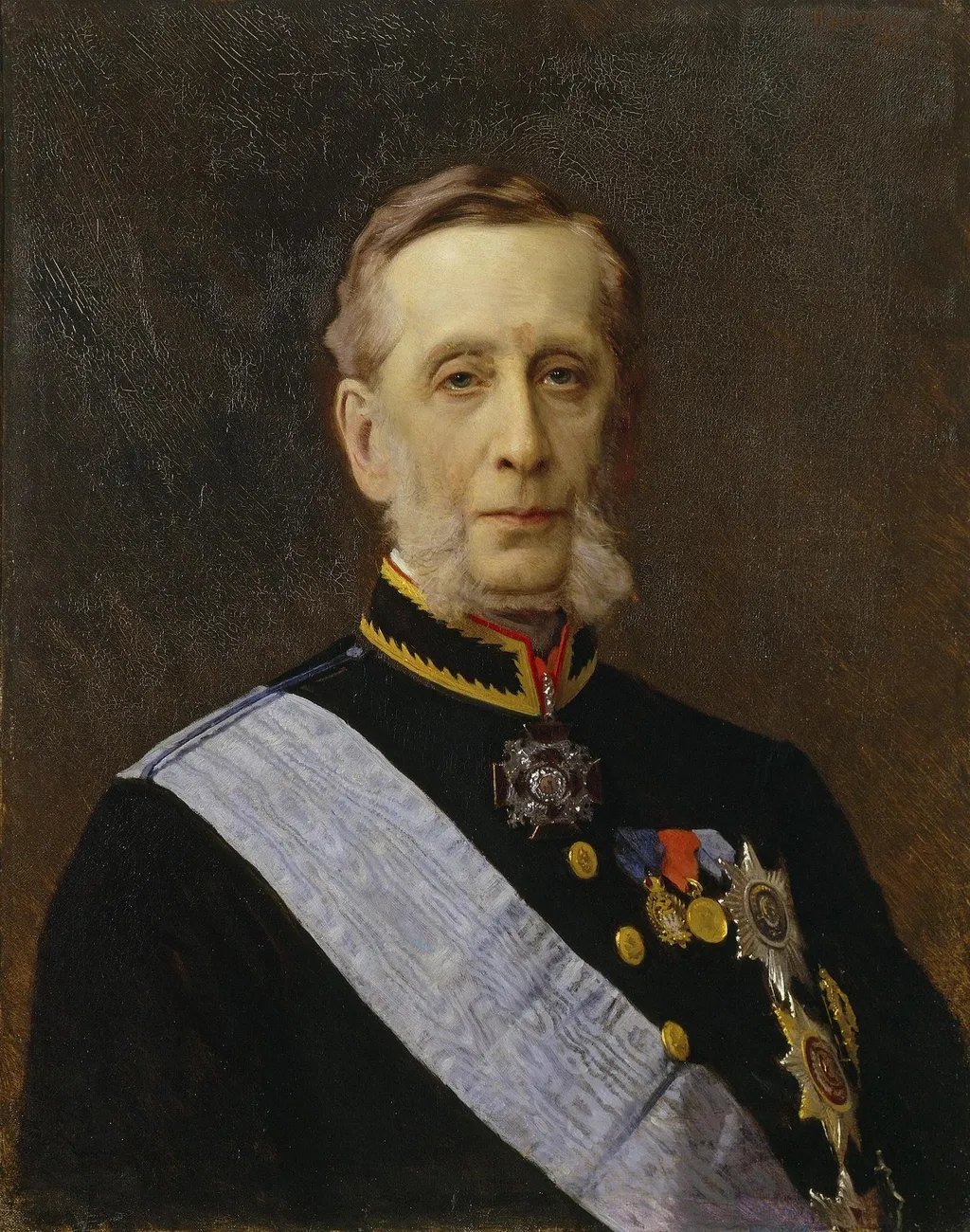
Portrait of Count Piotr Valuyev is an oil painting by the Realist artist Ivan Kramskoi. It is held in the collection of the Hermitage Museum.
About this work
Overview
The Portrait of Count Piotr Valuyev is an oil on canvas painting by the Russian Realist artist Ivan Kramskoi, executed in 1880.
The Portrait of Count Piotr Valuyev is an oil on canvas painting by the Russian Realist artist Ivan Kramskoi, executed in 1880. Measuring 71.2 by 56 centimetres, the work depicts the statesman and intellectual Piotr Aleksandrovich Valuyev in bust-length format. It is held in the collection of the State Hermitage Museum in St. Petersburg, where it is catalogued under accession number 168154. The portrait exemplifies Kramskoi's mature approach to aristocratic portraiture during his association with the Peredvizhniki, or Society for Traveling Art Exhibitions, offering a document of Russia's political elite rendered with the psychological acuity for which the artist was celebrated.
Subject & Meaning
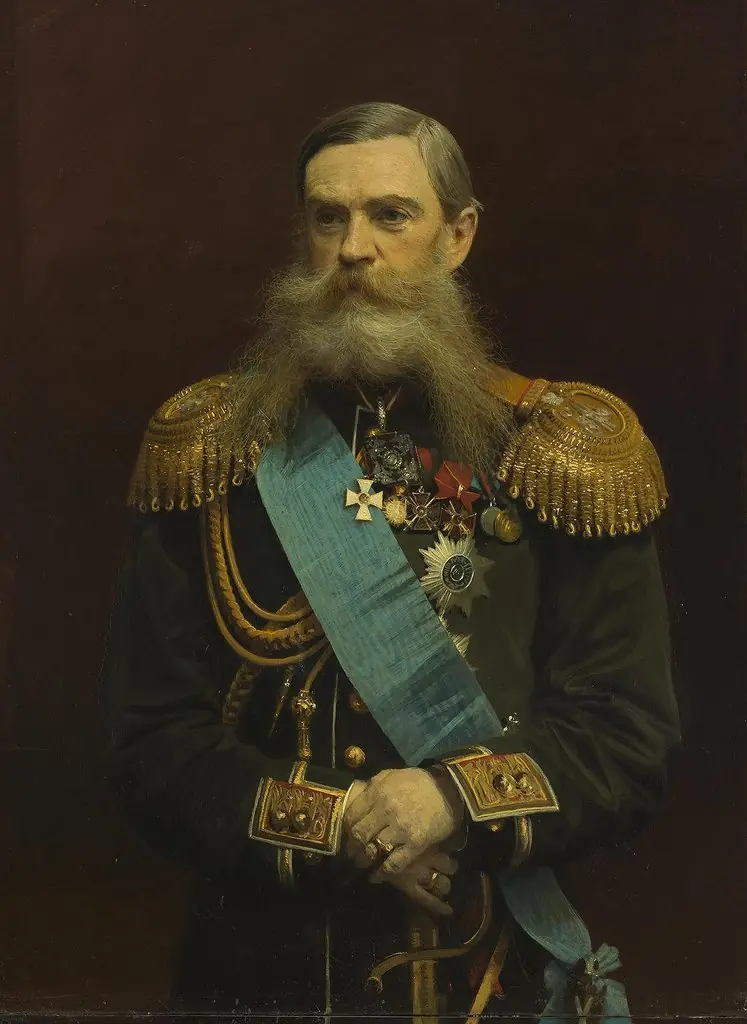
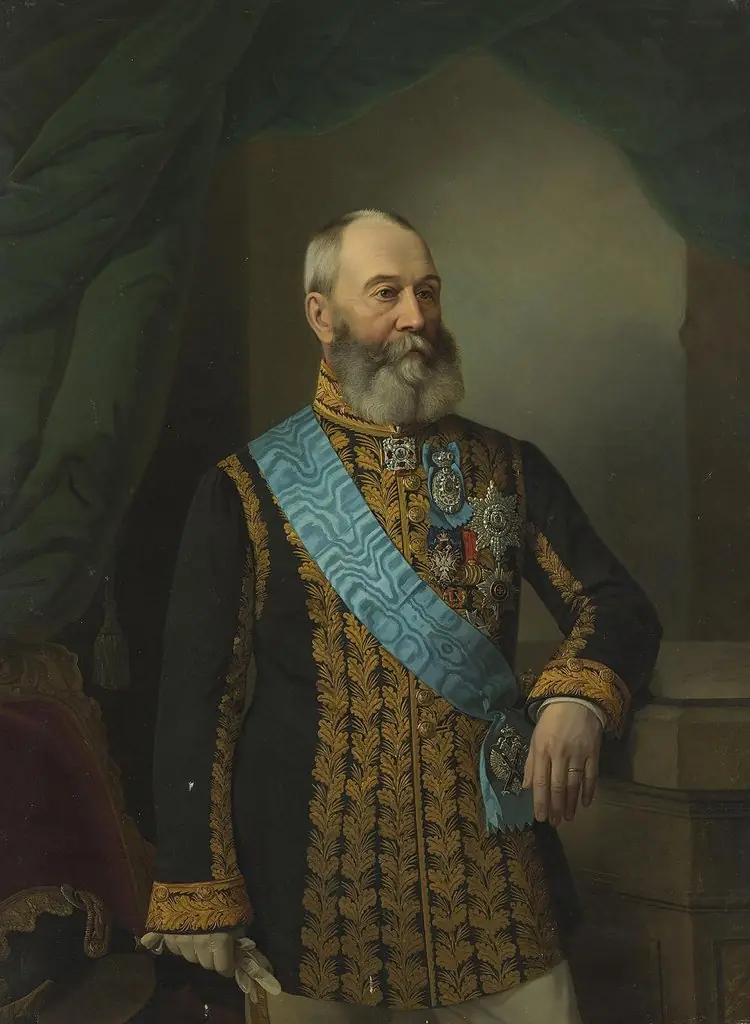
The sitter, Piotr Aleksandrovich Valuyev (1815-1890), was a prominent statesman, diarist, and man of letters who served in various high governmental capacities under the Russian Empire. Kramskoi presents him as a dignified member of the imperial establishment. The artist depicts Valuyev in a dark military-style uniform with a high collar trimmed in gold and red, a wide light blue sash crossing his chest from right shoulder to left hip, and several decorations and medals on his left breast, including a star-shaped badge and circular gold elements. These insignia signal Valuyev's rank and service to the state. The sitter's gaze is directed toward the viewer with the composed bearing of a seasoned administrator. The plain, dark brown background with subtle tonal variations isolates the figure and focuses attention on the face and regalia, a compositional strategy that underscores the subject's social position while inviting scrutiny of his individual character.
Technique & Style
The painting is executed in oil on canvas, a medium Kramskoi employed with characteristic refinement. The surface exhibits fine craquelure throughout, consistent with its age and medium. The artist's handling varies across the picture: the face is rendered with smooth, refined brushwork that models the pale complexion, light brown hair parted on the side, and full white sideburn with subtle gradations of tone, while the sash and background receive more visible textural treatment. Light falls evenly from the left, creating soft shadows on the right side of the face that gently articulate the structure without dramatic contrast. This restrained lighting scheme, combined with the bust-length format and frontal orientation, aligns with Kramskoi's Realist commitment to direct, unidealised representation of his subjects. The overall effect is one of measured naturalism tempered by the formality appropriate to a statesman portrait.
History & Provenance
The portrait was painted in Russia in 1880, during the mature phase of Kramskoi's career. The circumstances of its commission remain unrecorded in the available sources, though the artist's established reputation as a portraitist to the intelligentsia and political class suggests it was likely a direct engagement. The work entered the collection of the State Hermitage Museum in St. Petersburg, where it remains today. The painting has been reproduced photographically since at least 2006, when it was uploaded to Wikimedia Commons, with subsequent higher-resolution versions sourced from the Hermitage's own website appearing in 2013 and 2016. The work's presence in the Hermitage, Russia's premier museum, indicates its recognition as a significant example of late nineteenth-century Russian portraiture.
Context
Ivan Kramskoi (1837-1887) was a central figure in Russian Realism and a founding member of the Peredvizhniki, the Society for Traveling Art Exhibitions that sought to bring art to the provinces and challenge the academic establishment. His pupil Ilya Repin would surpass him in international fame, yet Kramskoi's port contemporaries valued his intellectual rigour and technical precision. The portrait of Valuyev belongs to a period when Kramskoi was increasingly occupied with commissioned portraits of notable Russians, a practice that supported him financially while allowing him to explore the social types of his era. The work can be situated within a broader corpus of 1880s paintings by the artist, a decade that saw him consolidate his reputation as the preeminent portraitist of Russia's educated elite. Critical reception of the painting itself is not documented in the available sources, though its preservation in the Hermitage attests to its institutional valuation.
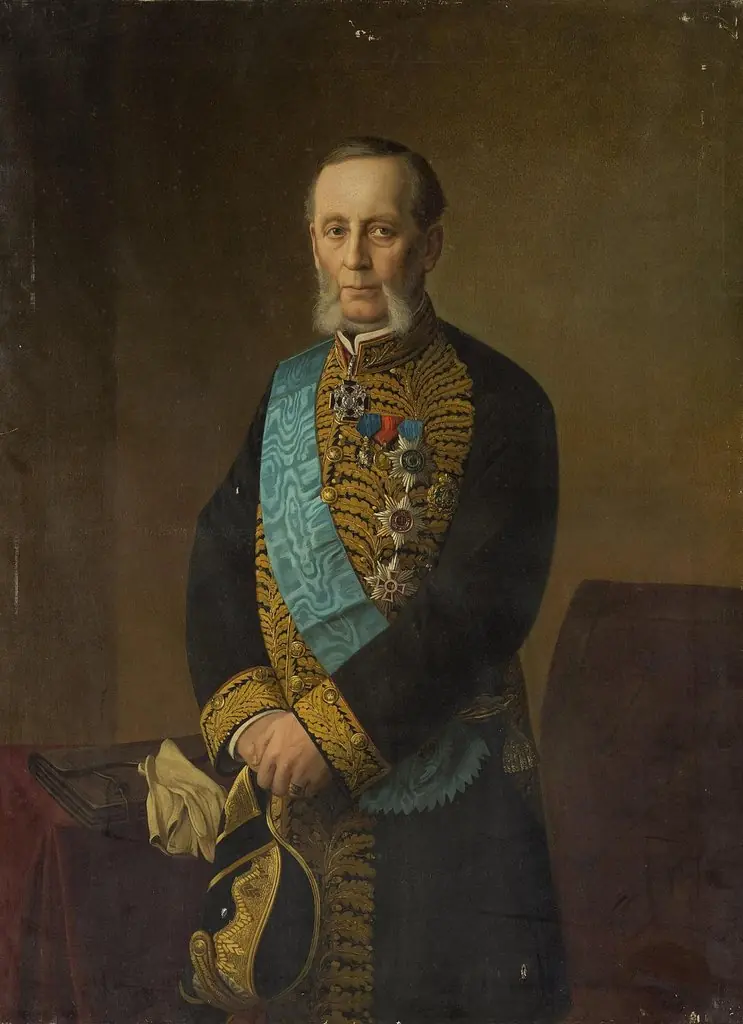
Own this work as a print
Artist & collection
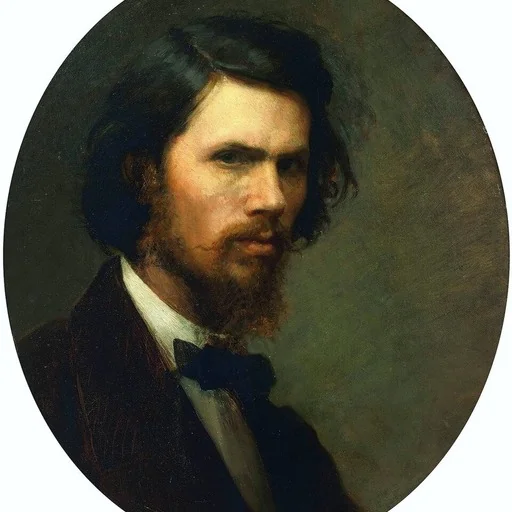
Artist
Ivan Nikolayevich Kramskoi (Russian: Иван Николаевич Крамской; 8 June 1837 – 5 April 1887) was a Russian Realist painter and art critic.

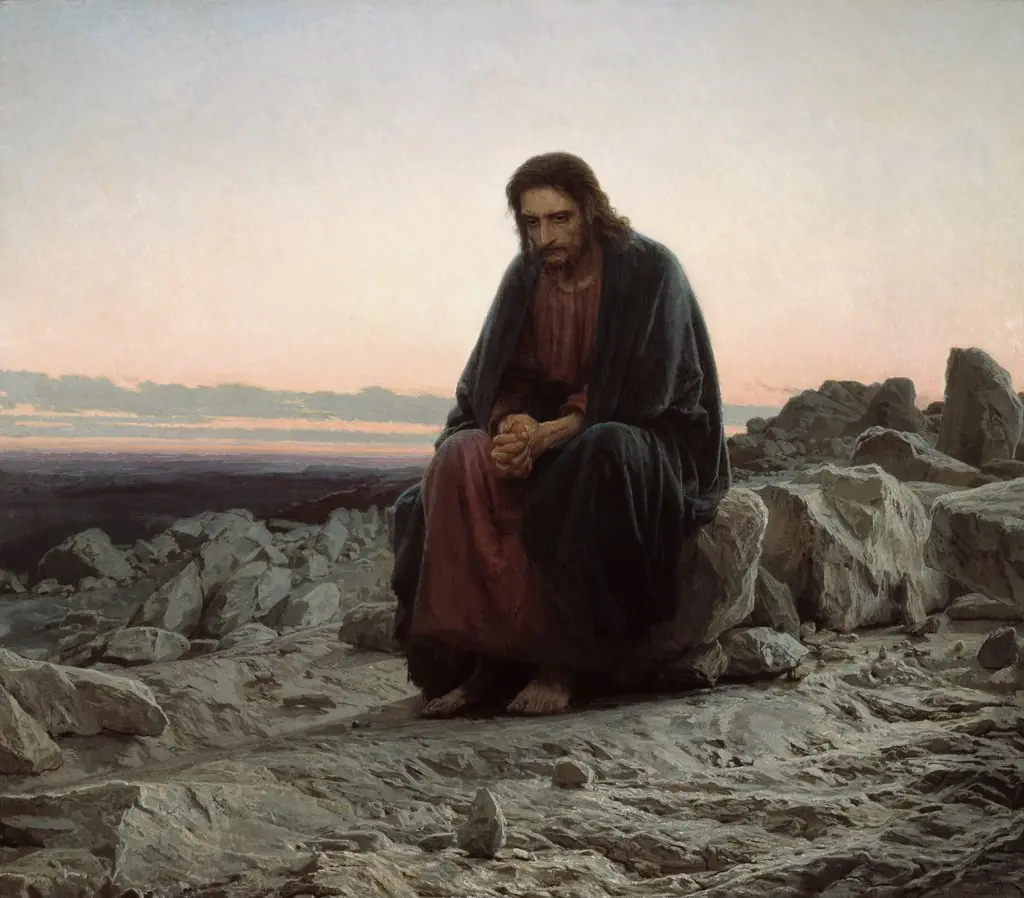
 Portrait of P.P. Gagarin
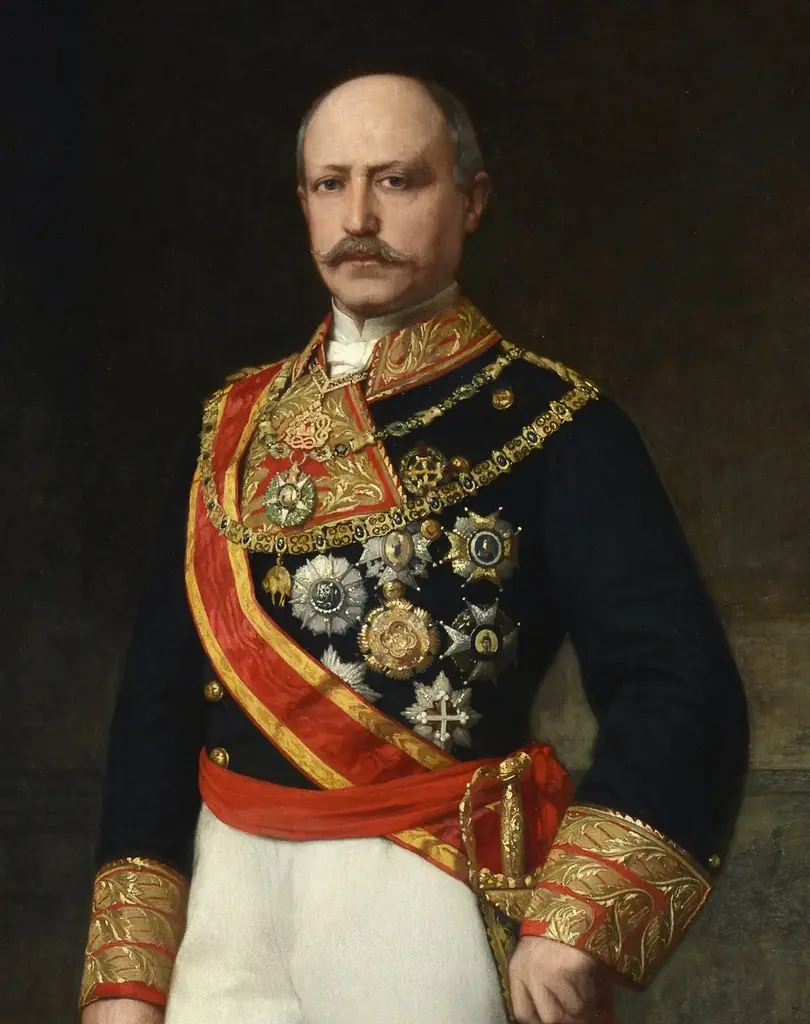 El capitán general Francisco de Serrano y Domínguez I duque de la Torre
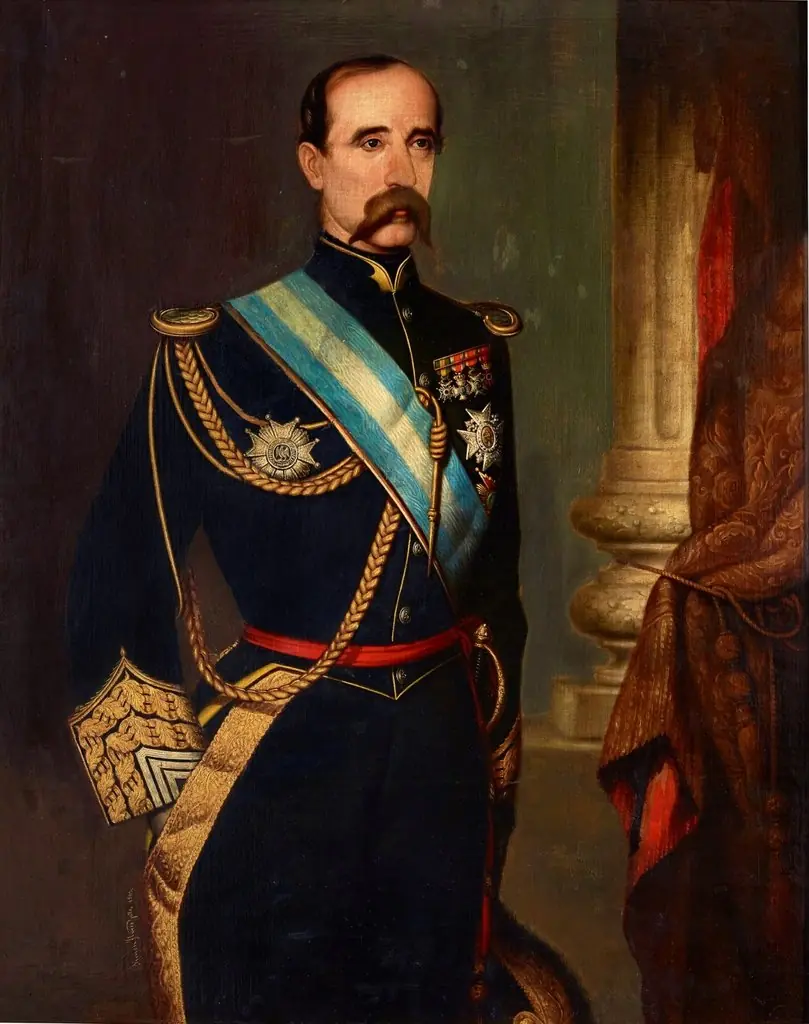 José Lemery e Ibarrola Ney y González
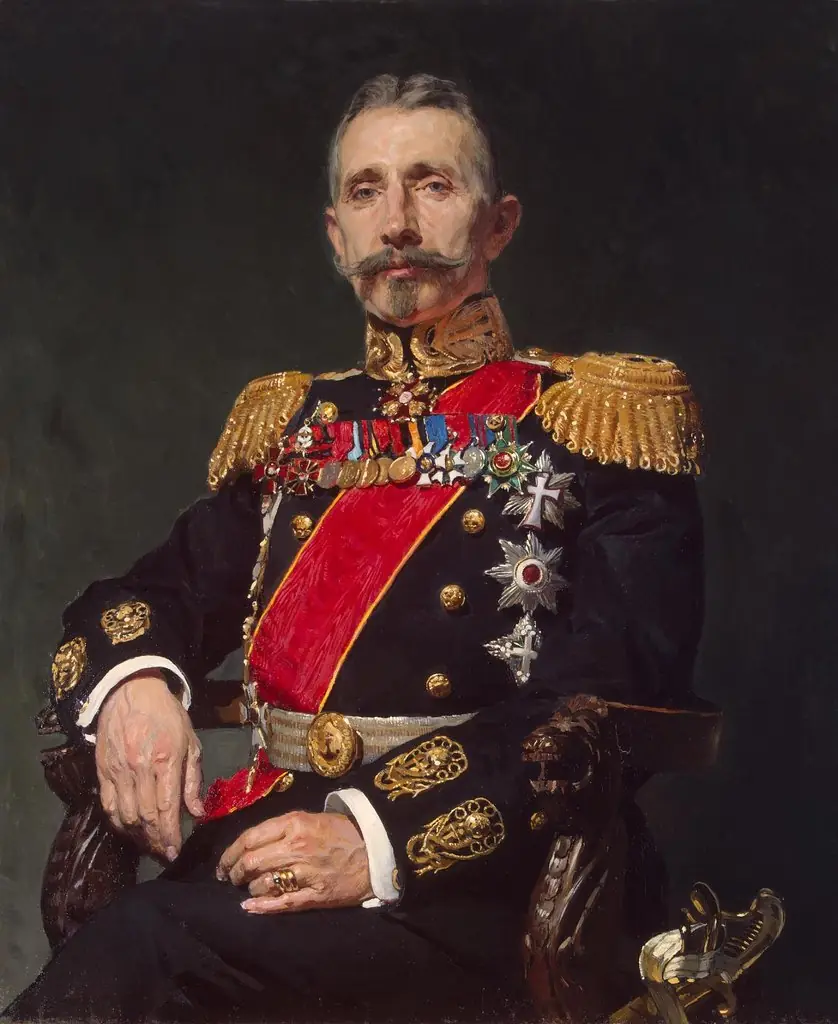 Portrait of Admiral A. I. Rusin
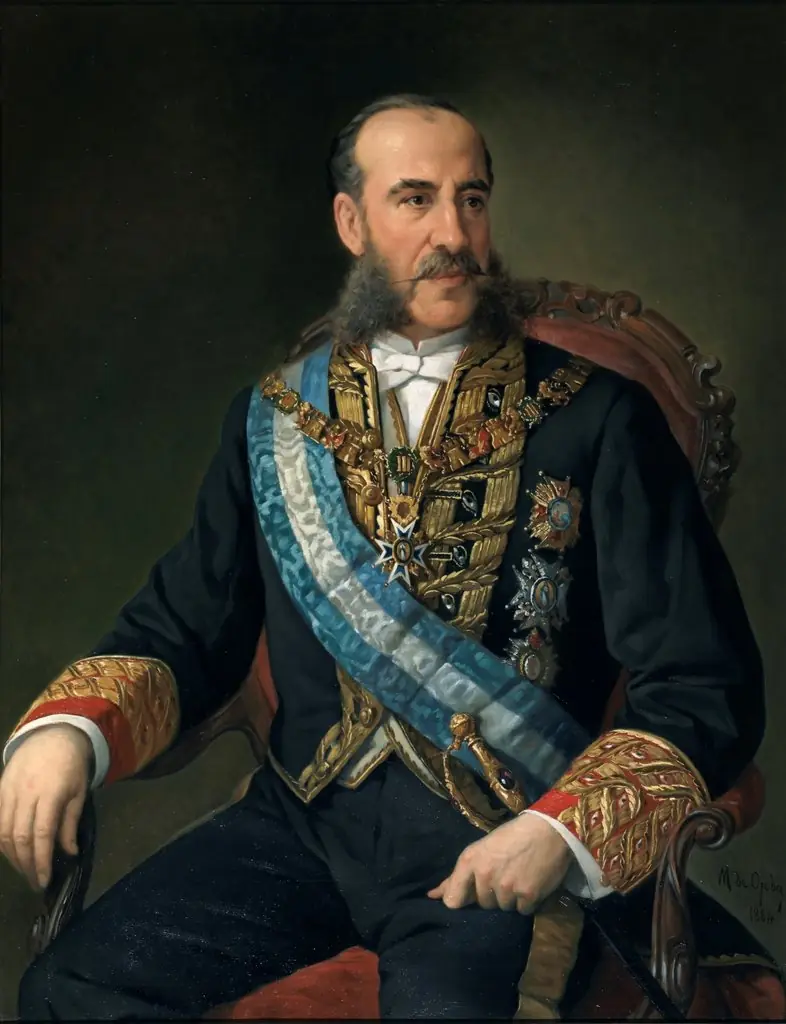 Carlos Marfori ministro de Ultramar
 Otto Linthoe
 Erster Obersthofmeister Fürst Rudolf Colloredo-Mannsfeld (1772-1843)
 Untitled
 Portrait of General-Lieutenant F.F. Beger