Artwork
Peace – Burial at Sea
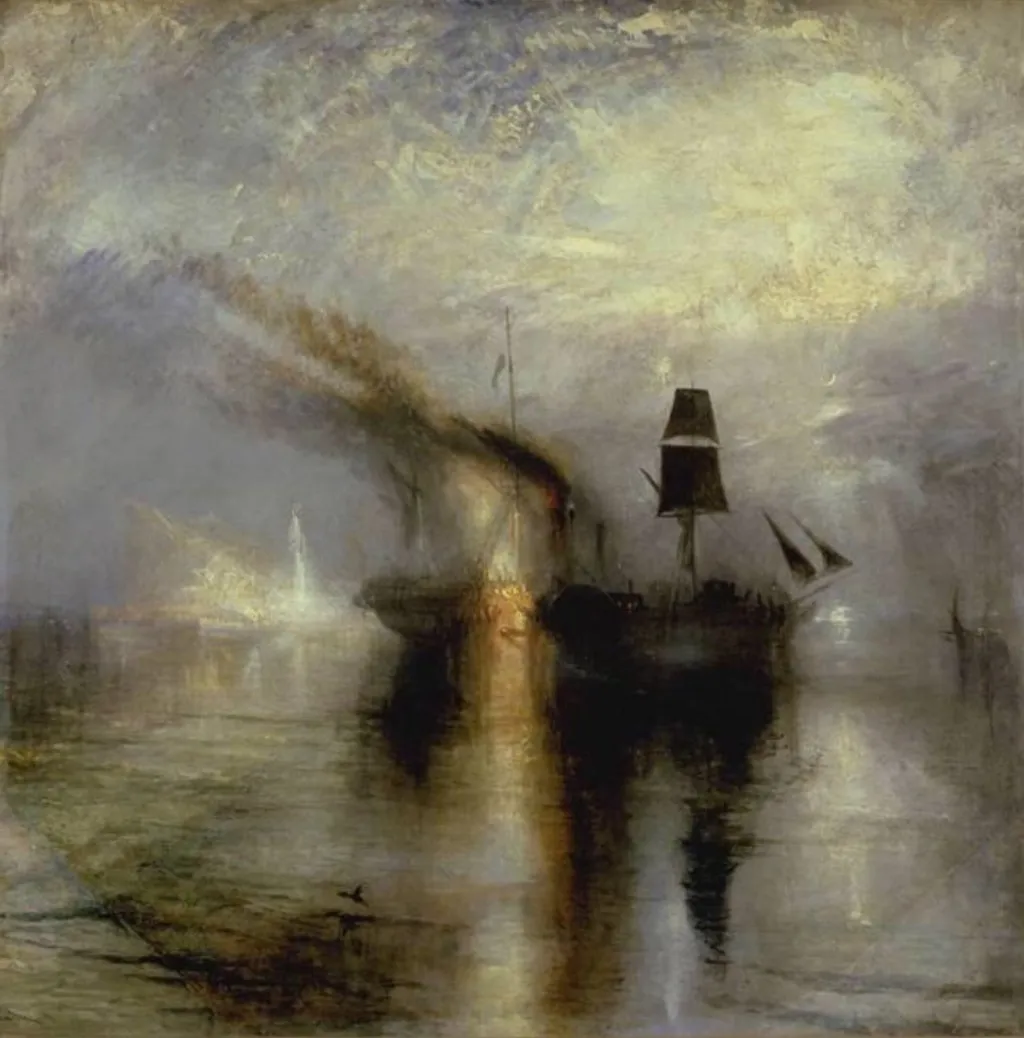
Peace – Burial at Sea is an oil painting by Joseph Mallord William Turner. It dates from 1842 and is held in the collection of the National Gallery. J.
About this work
Overview
J. M. W. Turner’s oil on canvas, titled Peace – Burial at Sea, was first shown to the public in 1842. The work commemorates the death of Scottish painter Sir David Wilkie, portraying his interment in a vessel offshore near Gibraltar. It was conceived as a visual counterpart to Turner’s contemporary piece War, together forming a pair that juxtaposes conflict and calm.
Subject & Meaning
The composition centers on a modest boat bearing a raised flag, set against a setting sun that bathes the scene in muted light. The tranquil sea mirrors the sky’s gradient, suggesting a solemn yet serene passage for the departed. The painting invites reflection on mortality through the lens of natural beauty and quiet resignation.
Technique & Style
Turner employs a cool palette of whites, blues, and deep blacks, contrasting sharply with the vivid yellows and reds of his companion work War. The sky is rendered with delicate, feathery brushstrokes that transition from pale blue to orange near the horizon, while the water reflects these tones, creating a harmonious, atmospheric effect.
History & Provenance
After Turner’s death, the painting entered the Turner bequest, a donation to the British nation made in 1859. It has remained in public ownership since, forming part of the permanent collection at Tate Britain, where it is displayed alongside other works from the artist’s extensive legacy.
Context
Created in the late stage of Turner’s career, the piece reflects his preoccupation with the interplay of light, color, and emotion. By pairing it with War – The Exile and the Rock Limpet, which alludes to Napoleon’s exile, Turner explored the duality of human experience: conflict and its resolution through peace.
Artist & collection
Artist
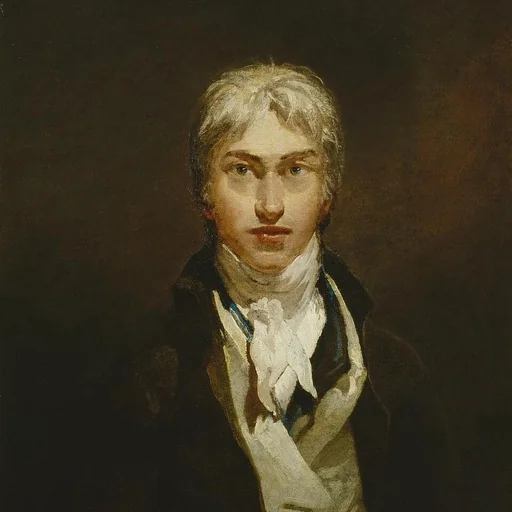
Joseph Mallord William Turner was born in 1775 at Maiden Lane, Covent Garden, where his father kept a barber and wig-making shop.

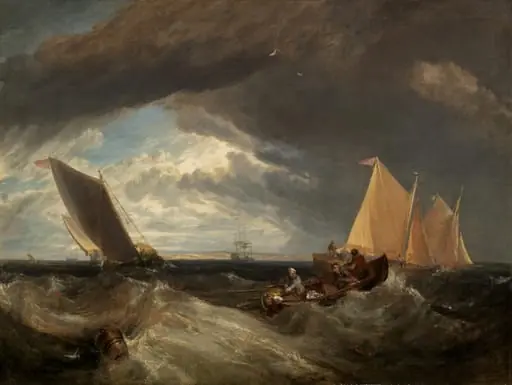
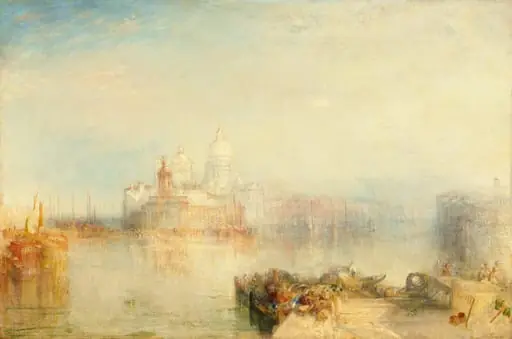
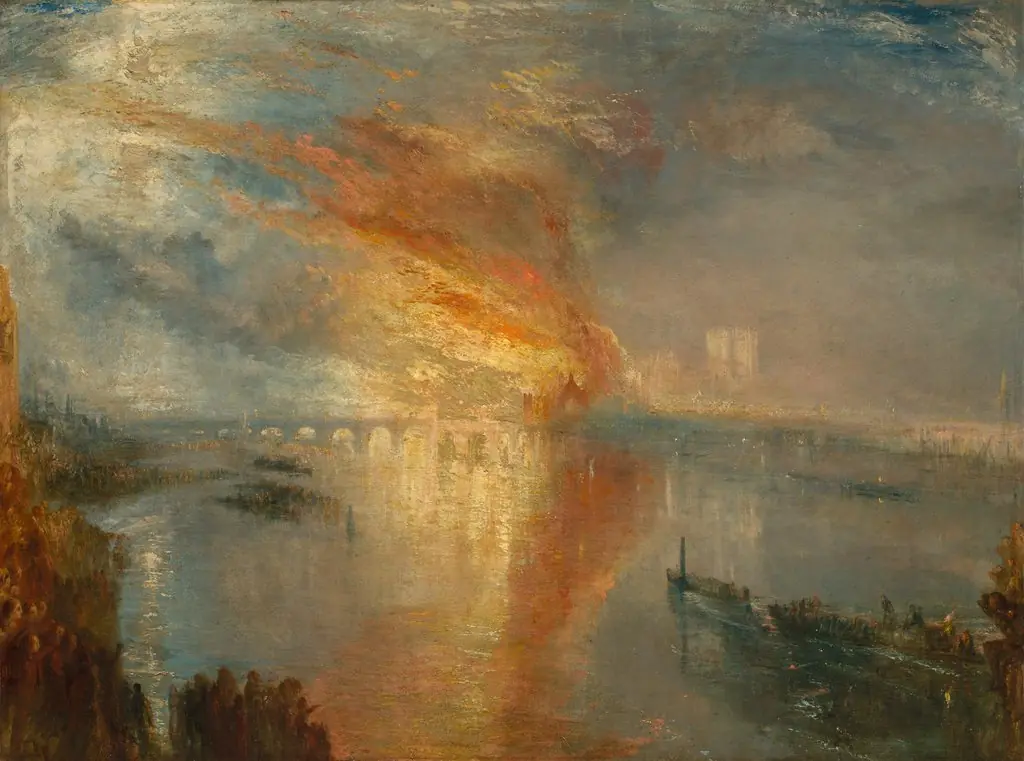
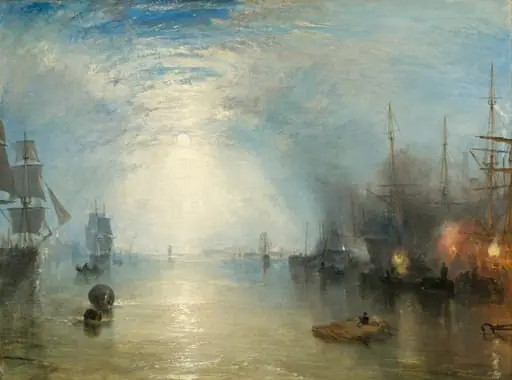 Keelmen Heaving in Coals by Moonlight
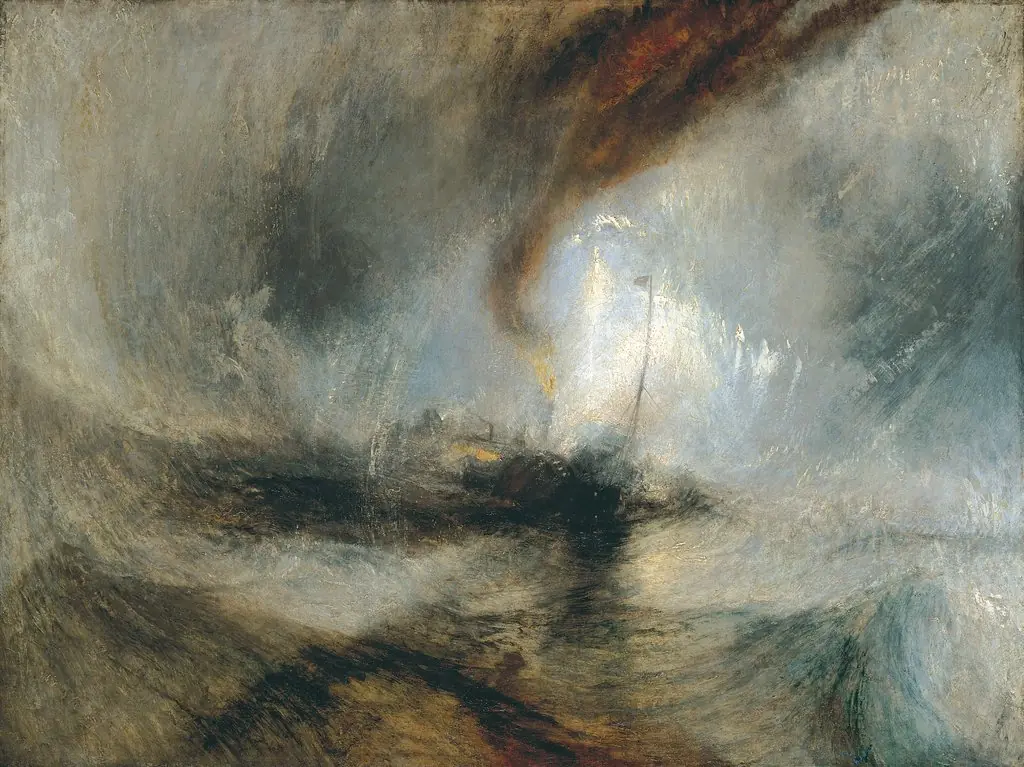 Snow Storm: Steam-Boat off a Harbour's Mouth
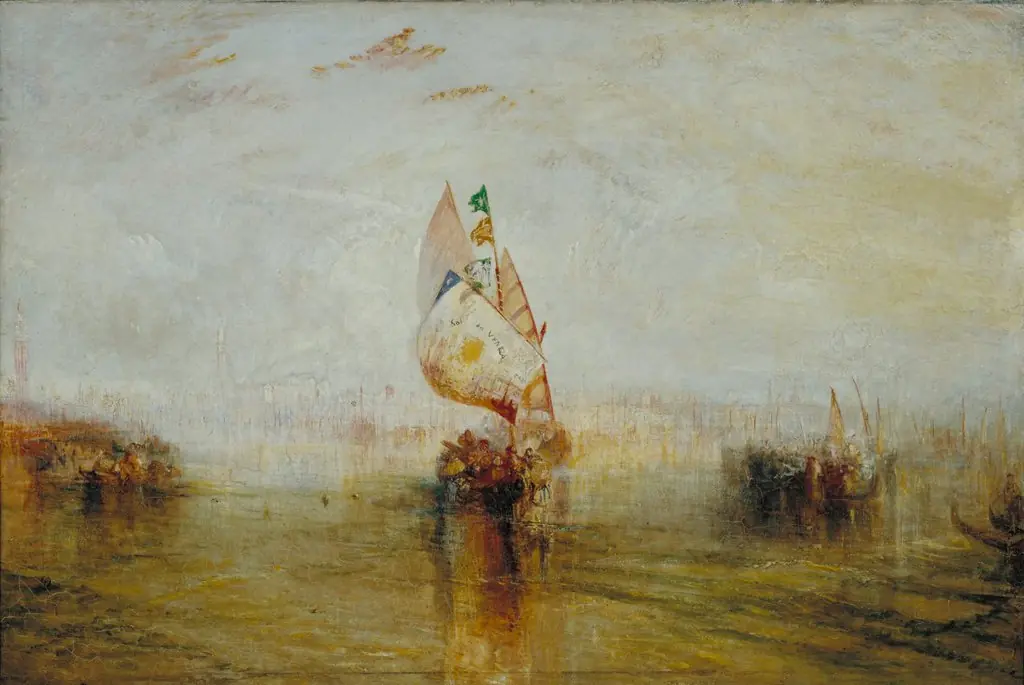 The Sun of Venice Going to Sea
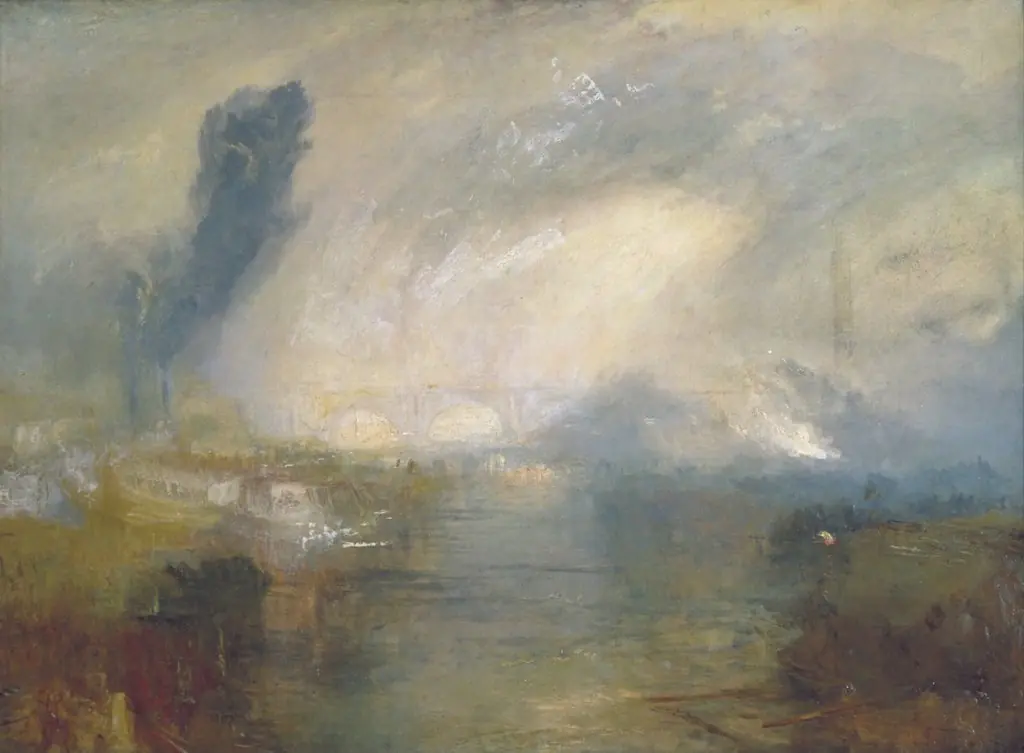 The Thames above Waterloo Bridge
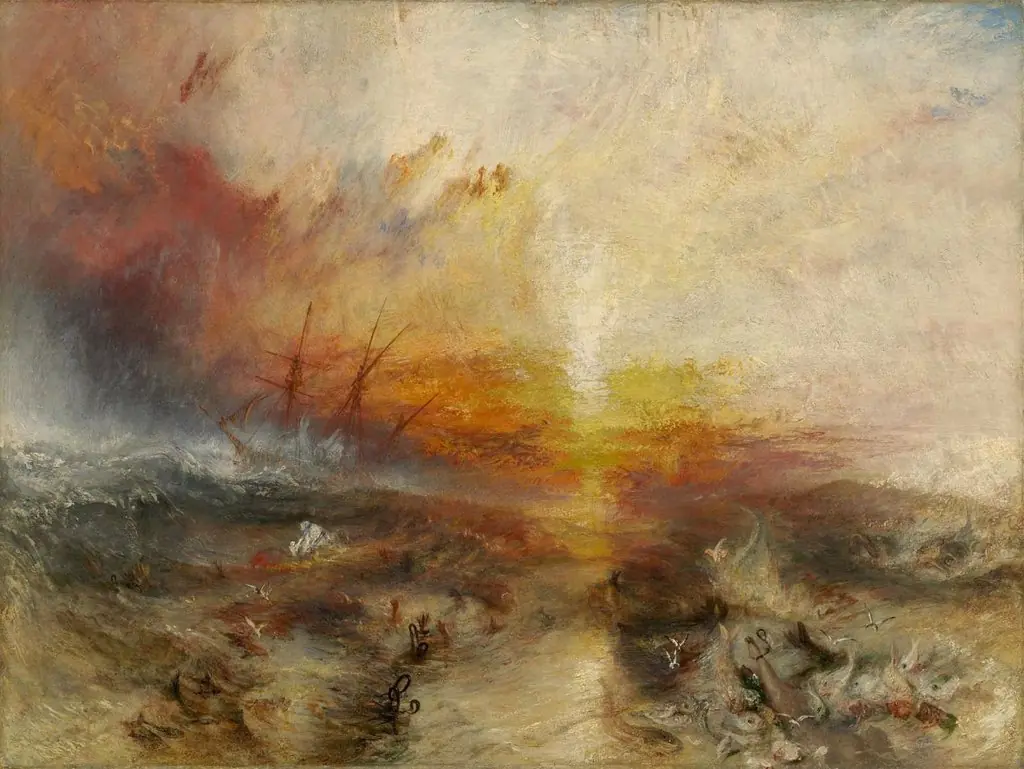 The Slave Ship
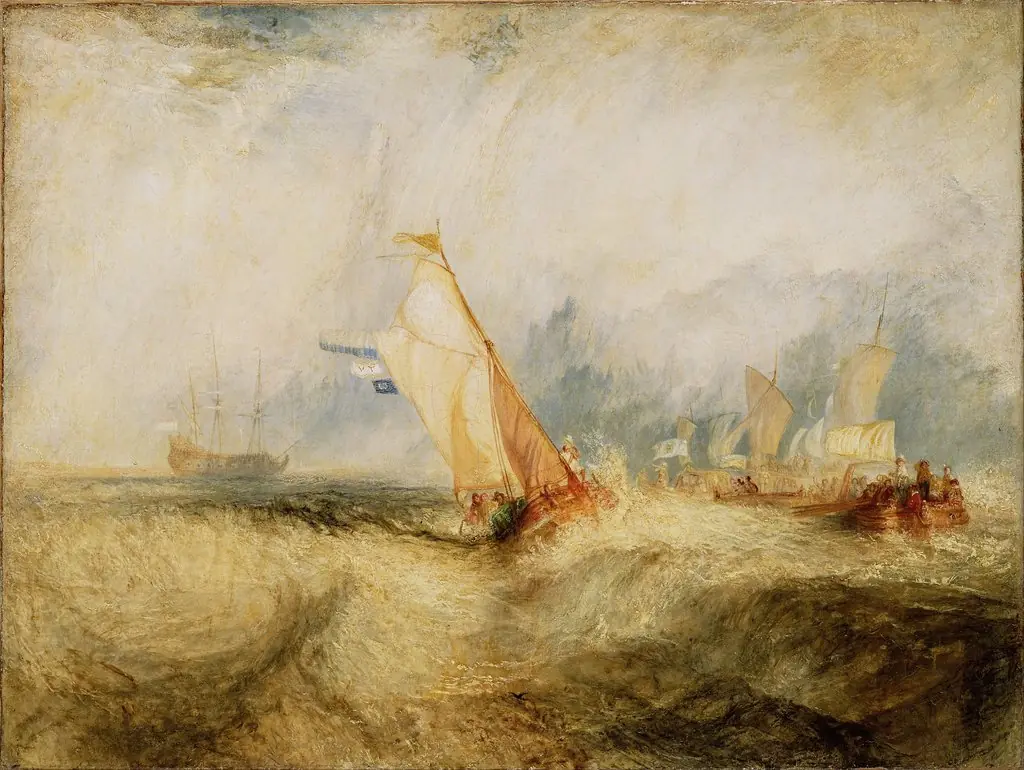 Van Tromp
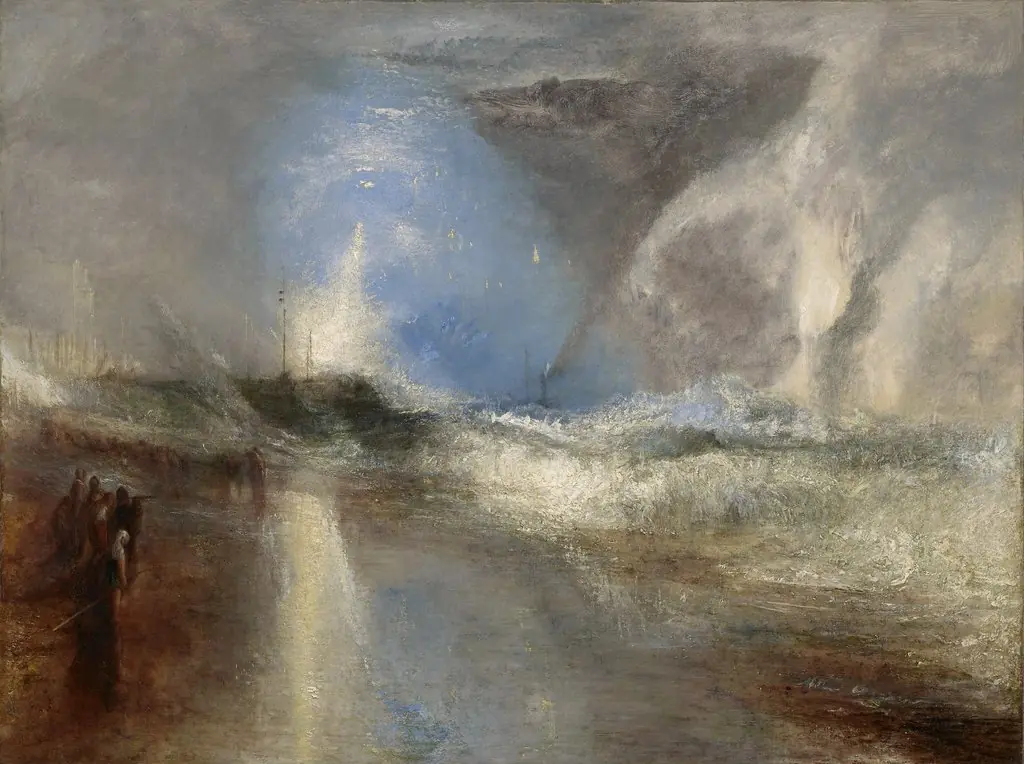 Rockets and Blue Lights (Close at Hand) to Warn Steamboats of Shoal
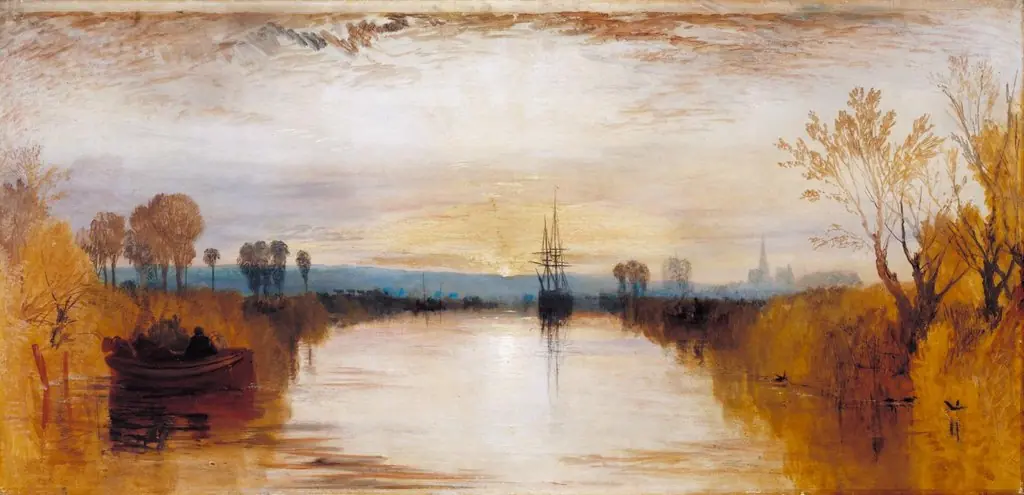 Chichester Canal
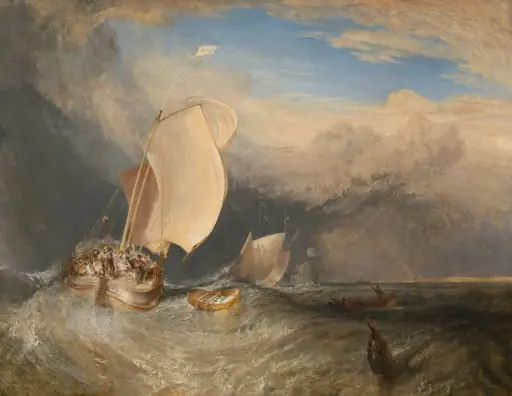 Fishing Boats with Hucksters Bargaining for Fish
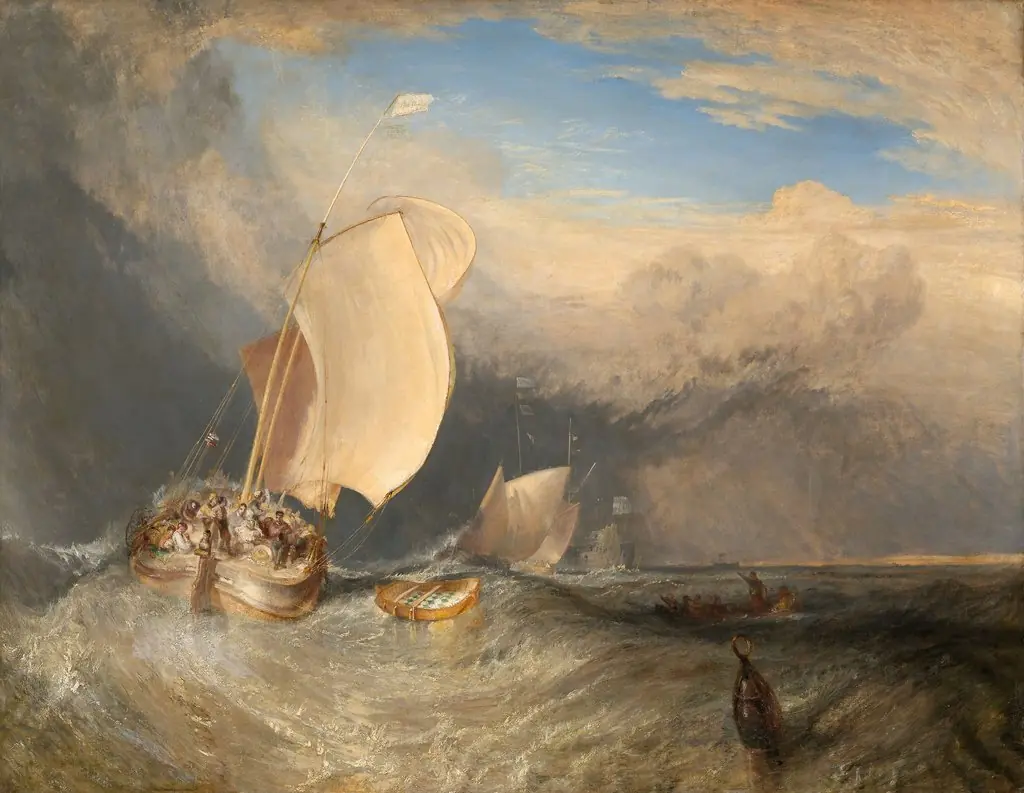 Fishing Boats with Hucksters Bargaining for Fish
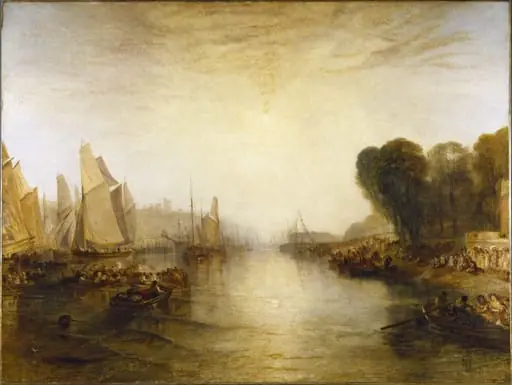 East Cowes Castle
- At Sea