Artwork
Self-portrait
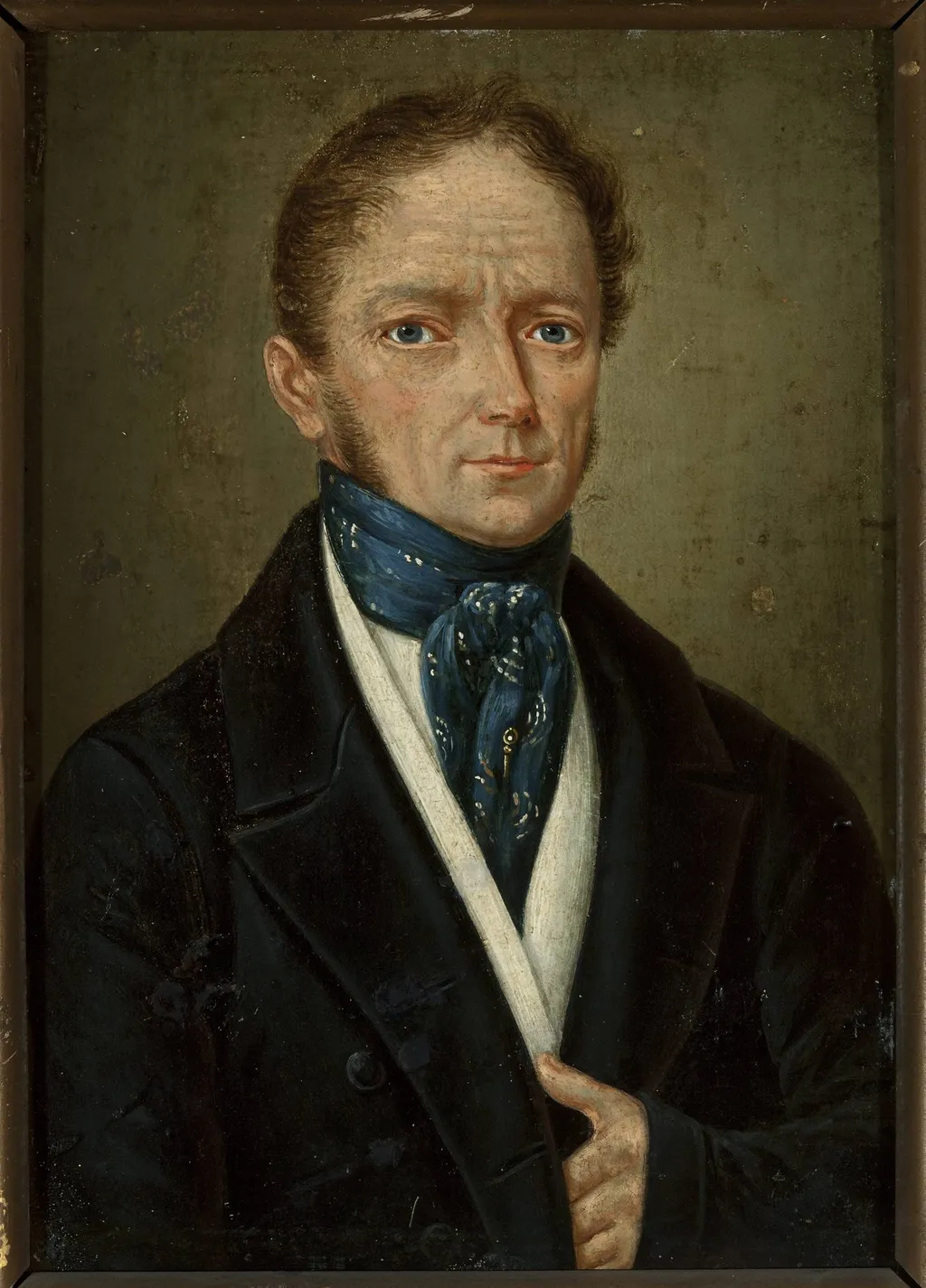
Self-portrait is an unspecified painting by the Biedermeier artist Józafat Ignacy Łukaszewicz. It dates from 1845 and is held in the collection of the National Museum in Warsaw.
About this work
This portrait painting features a man with dark hair, dressed in a black coat over a white shirt and a blue scarf with a white pattern.
This portrait painting features a man with dark hair, dressed in a black coat over a white shirt and a blue scarf with a white pattern. The background is a muted brown color.
The man's attire suggests a formal or professional setting, possibly from the 19th century. His expression is neutral, with a slight hint of seriousness.
The painting's style and subject matter evoke a sense of realism, characteristic of the time period. To learn more about the artist's techniques and style, explore the works of Józafat Ignacy Łukaszewicz.
Overview
Self-portrait is an 1845 painting by the Polish artist Józafat Ignacy Łukaszewicz. Executed as a small-scale work measuring 15.5 by 11 centimeters, the painting is a half-length depiction of the artist himself. Created in oil on a vertical rectangular support, the artwork is classified within the portrait genre. It is currently held in the collection of the National Museum in Warsaw. The painting stands as a concise representation of the artist during the later period of his life, reflecting his dual identity as both a creator and a veteran of the Napoleonic wars.
Subject & Meaning
The painting depicts Józafat Ignacy Łukaszewicz facing slightly to the right while directing his gaze toward the viewer. He is dressed in a dark coat with wide lapels worn over a white waistcoat, accented by a blue patterned cravat tied at his neck. His right hand, visible at the lower edge of the composition, grasps the lapel of his coat. The act of grasping the lapel, combined with the military associations of his dark coat, may allude to his earlier career as a soldier in the Napoleonic elite honor guard and his subsequent specialization as a battle painter. The direct gaze conveys a sense of self-possession and professional identity, presenting the artist as a figure of both artistic and martial experience.
History & Provenance
The painting was created in 1845, during the final decade of Łukaszewicz's life. While the specific commission or circumstances of its creation are not documented, the work eventually entered the collection of the National Museum in Warsaw, where it remains today. The broader provenance chain leading to its accession at the museum is not established in the available records. The artist's wider body of work is dispersed across multiple institutions, including the Lviv National Museum, the Polish Army Museum, the National Museum in Szczecin, the Belweder, and the Russian Museum in Saint Petersburg, indicating his historical significance across Poland and Eastern Europe.
Context
Józafat Ignacy Łukaszewicz lived from 1789 to 1850, navigating a tumultuous period of Polish history shaped by the Napoleonic era and the subsequent Congress Poland. After serving in the third Lithuanian regiment and retreating with the Grande Armée to Saxony, he returned to Warsaw to study art under Józef Kosiński, Antoni Brodowski, and Antoni Blank at the Department of Fine Arts at Warsaw University between 1814 and 1818. He became renowned as a battle painter with a capacity for describing weapons and uniforms with photographic accuracy, a skill that secured him patronage from Count Konstanty Zamoyski, Grand Duke Konstantin Pavlovich, and Joanna Grudzińska. Łukaszewicz exhibited at the Warsaw Exhibitions of Fine Arts in 1819, 1821, and 1825, earning a gold medal in 1819 and a diamond ring awarded by Tsar Alexander I alongside Fryderyk Chopin in 1825. His self-portrait diverges from his detailed military compositions, offering a personal reflection by an artist firmly established in the artistic and aristocratic circles of his time.
Legacy
The self-portrait has maintained a presence in visual culture through modern commercial reproduction. Museum-quality art prints of the 1845 painting are widely available for purchase, indicating a sustained public interest in the artist's likeness. This commercial afterlife underscores the painting's role as the primary visual identifier for Łukaszewicz, anchoring his historical identity more firmly than his larger battle scenes or portrait miniatures. The continued circulation of his image allows the legacy of a painter who bridged the Napoleonic military world and the Russian Imperial court to persist in contemporary visual memory.
Own this work as a print
Artist & collection
Artist
Józefat Ignacy Łukaszewicz (Lithuanian: Juozapas Ignotas Lukaševičius; 6 November 1789 – 3 January 1850) was a Polish-Lithuanian painter.

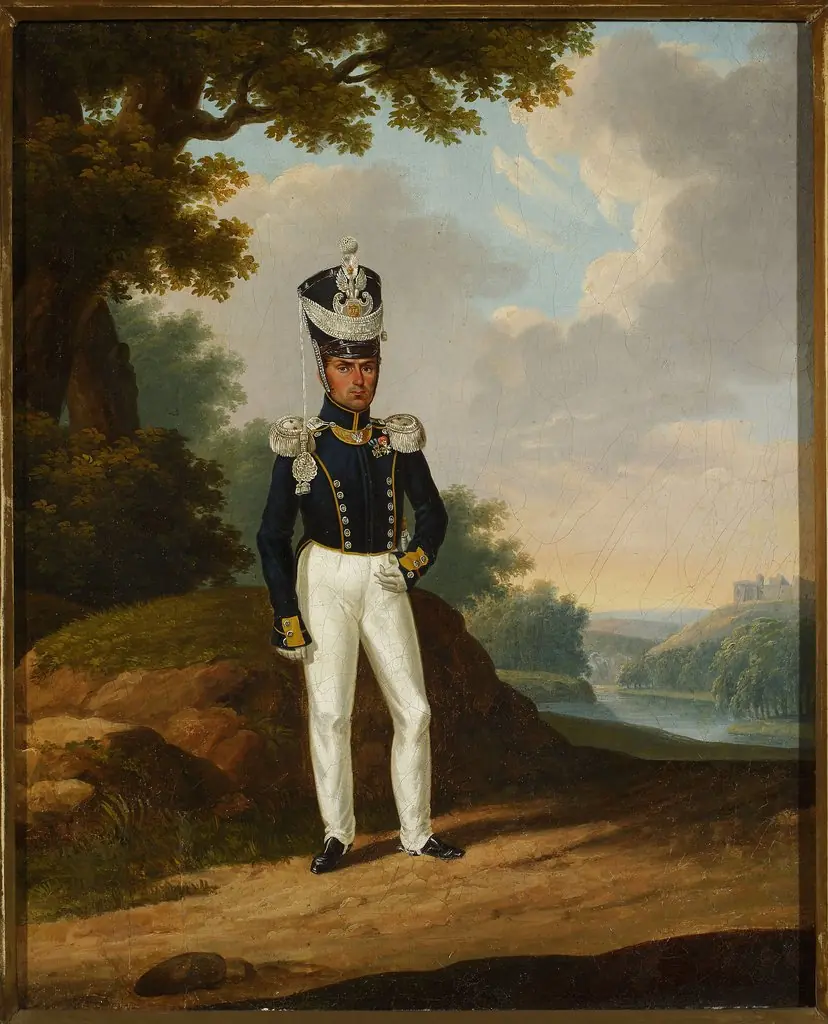
- Portrait of a man
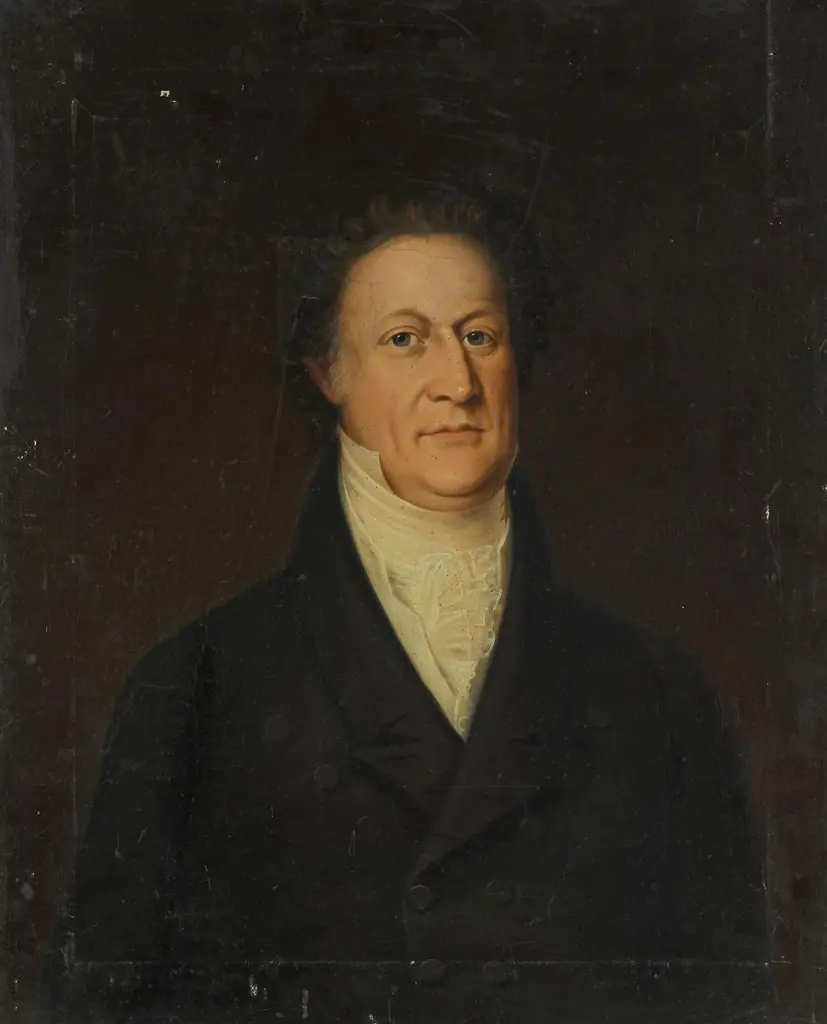 Portrait of Walter Petersen
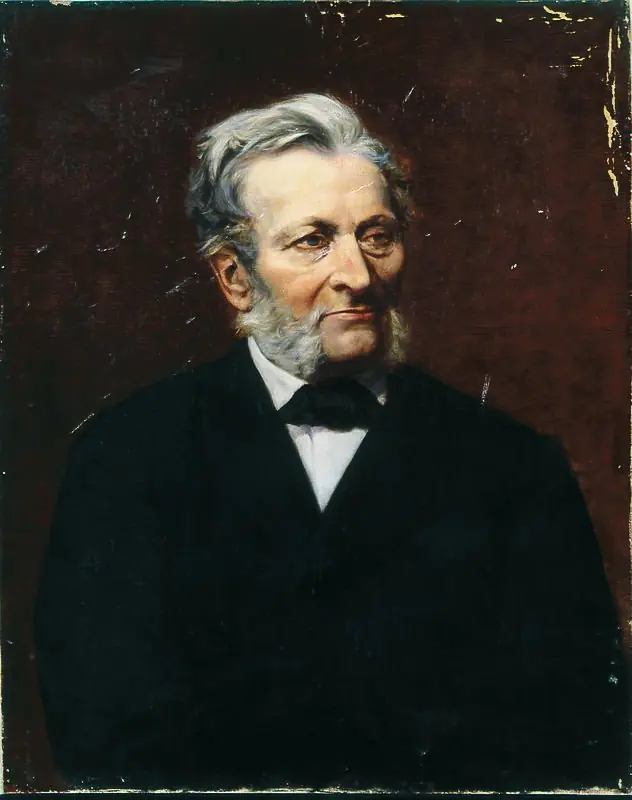 Portrait of Justynian Karnicki, president of Society of Fine Arts
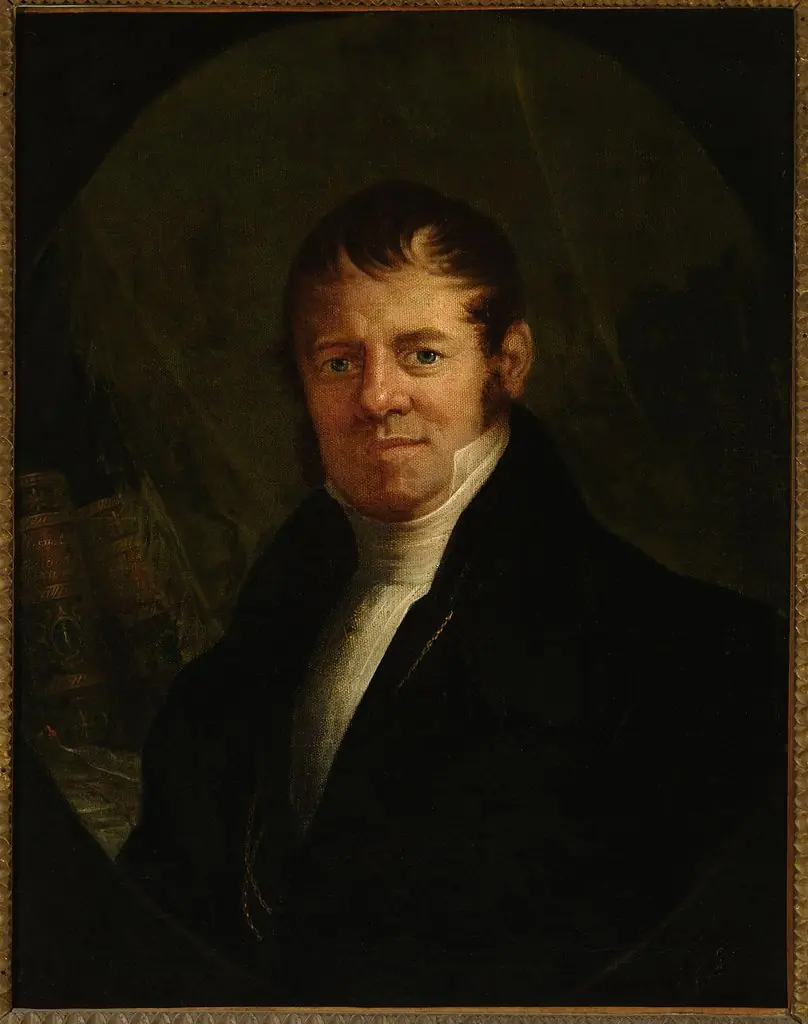 Portrait of Mikołaj Tyrchowski, professor at St. Anne's Secondary School
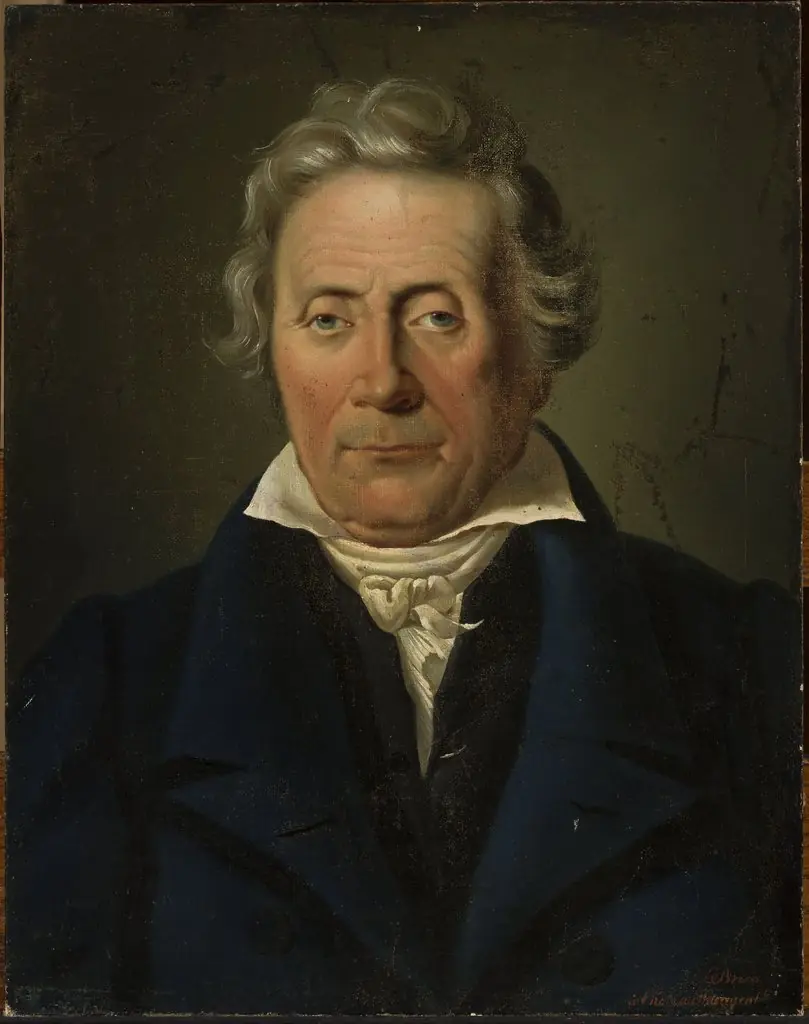 Portrait of Nicolas Demimuid
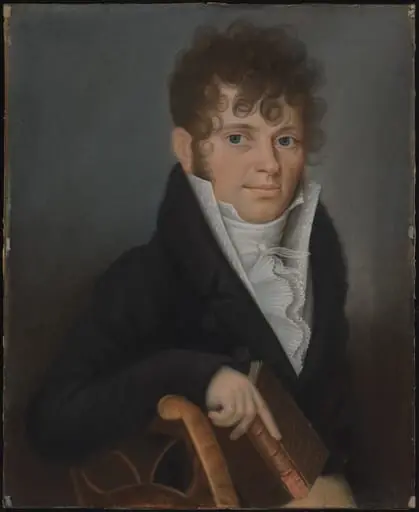 Adolph Friedrich Theodor Gritzner
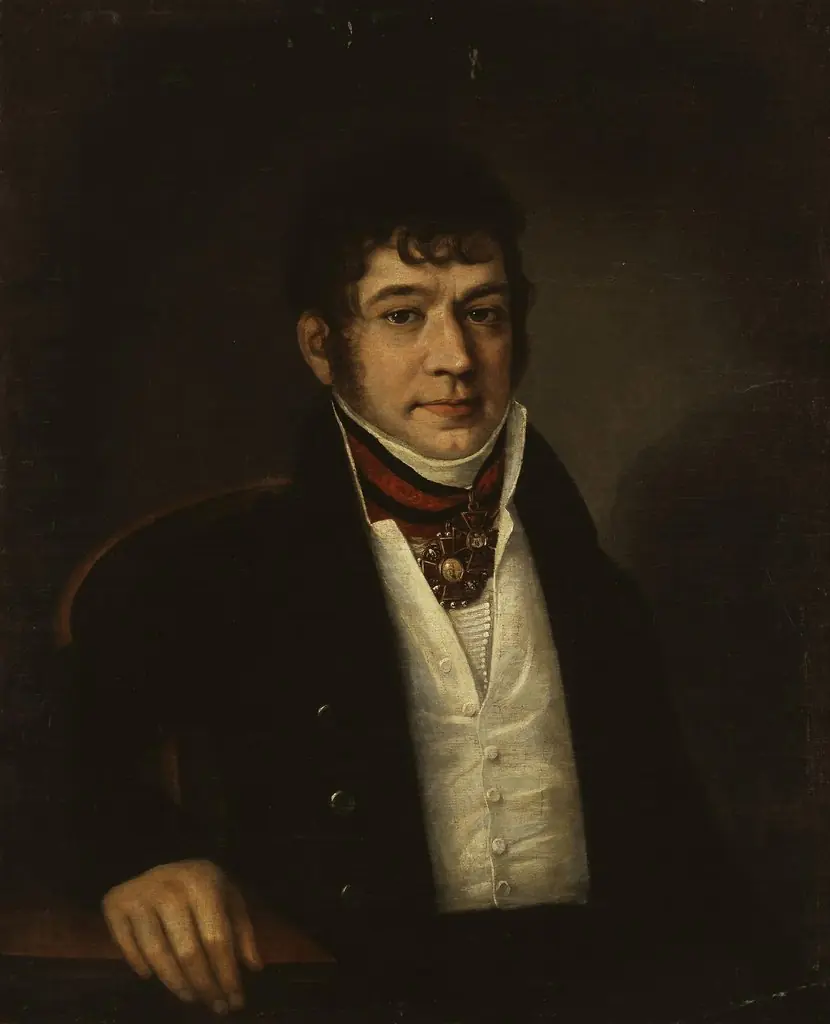 "Portrait of an Unknown Man from the Ogariov Family" (Platon Bogdanovich Ogariov?)
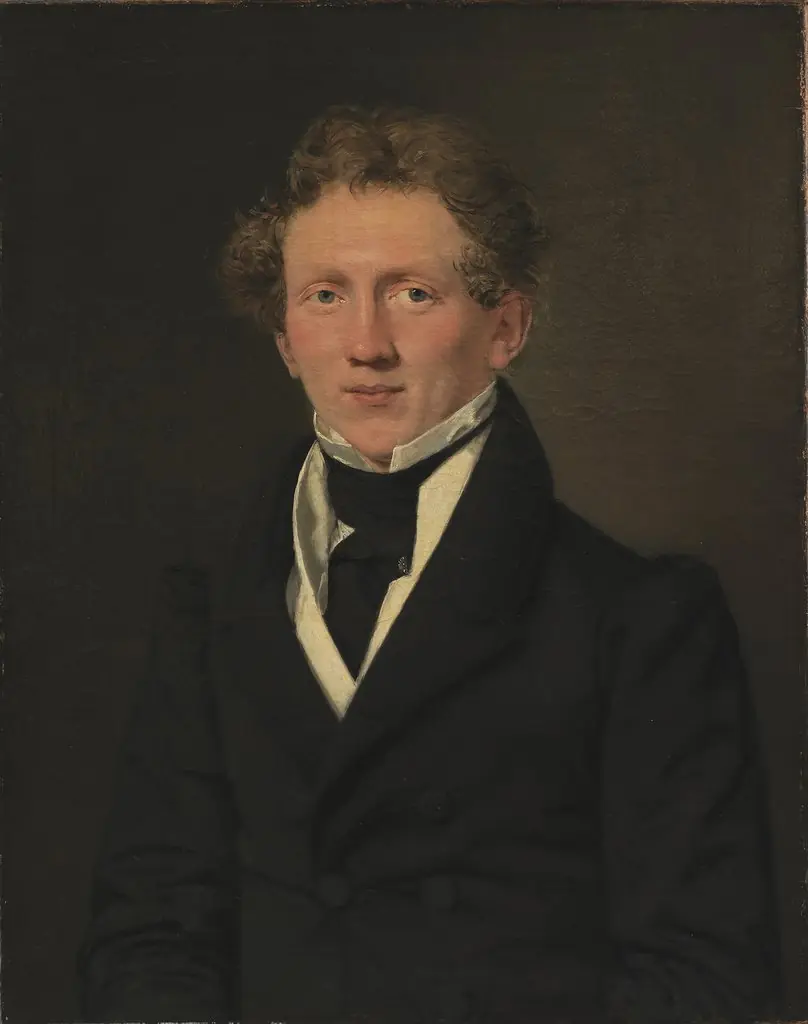 Skibsintendant Theodor Emil Ludvigsen
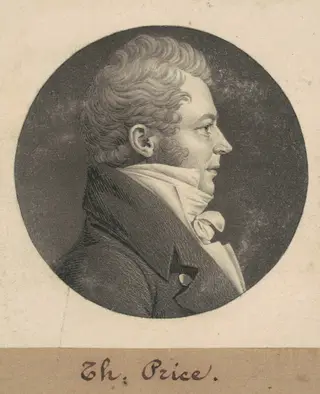 Thomas Price
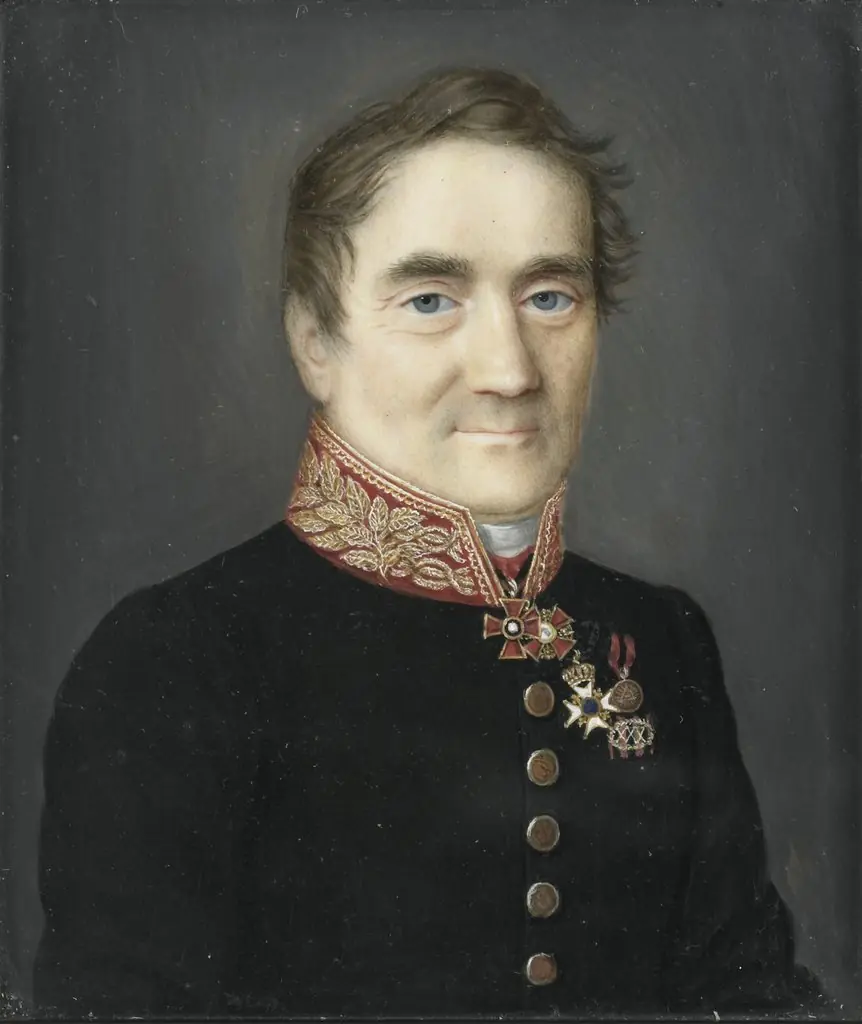 Portrait of Jean Casimir de Brunet ( -1861)
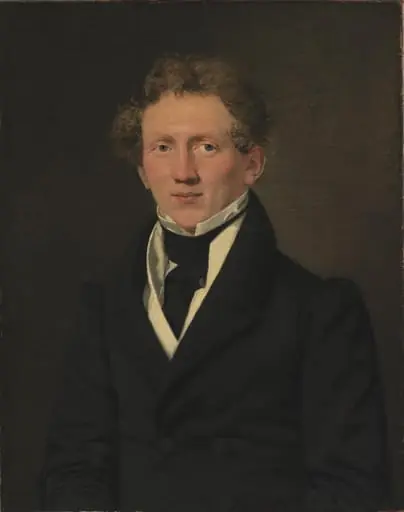 The Paymaster Theodor Emil Ludvigsen
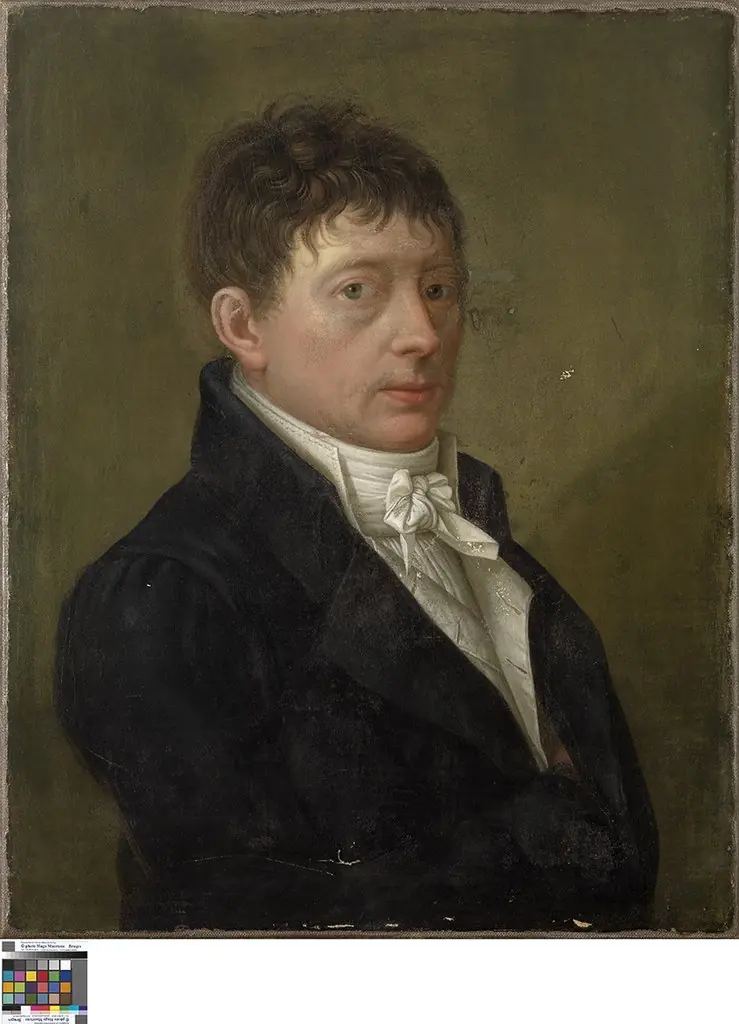 Portret van een man