Artwork
Portrait of a man
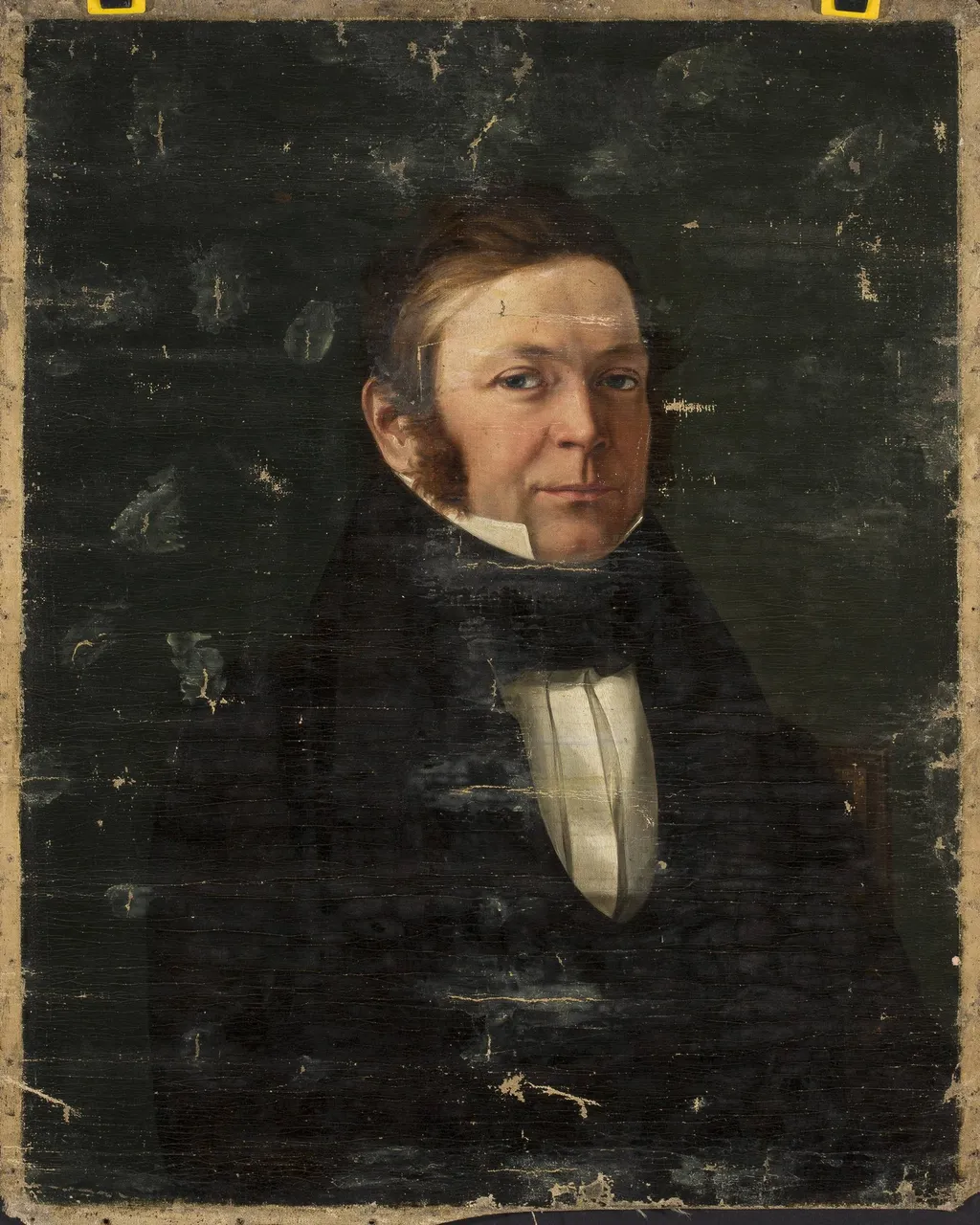
Portrait of a man is an oil painting by the Realist artist Unknown. It dates from 1850 and is held in the collection of the National Museum in Warsaw. The work is an oil painting that presents a man's face and shoulders emerging from a coarse, dark brick wall.
About this work
Overview
Portrait of a Man is an oil-on-canvas painting by an unknown artist, dated to 1850 and held in the National Museum in Warsaw.
Portrait of a Man is an oil-on-canvas painting by an unknown artist, dated to 1850 and held in the National Museum in Warsaw. Measuring 66 by 52 centimetres, this bust-length depiction of a gentleman exemplifies mid-nineteenth-century European portraiture while remaining unattributed to any specific hand. Its presence in a major Polish national collection underscores its standing as a document of period conventions, even as the anonymity of its maker has precluded more focused art historical study. The work is catalogued under inventory number MNW MP 3346 MNW.
Subject & Meaning
The sitter is an unidentified man presented in conventional bust-length format. He faces slightly to his left, his gaze directed outward toward the viewer in a manner typical of formal portraiture of the era. His light brown or auburn hair is parted and combed back, with sideburns visible, and his fair complexion carries ruddy tones on the cheeks and nose. His attire consists of a dark, almost black coat with a high collar and a large white cravat or stock tied at the neck. The stark contrast between the white linen and the dark garments and background creates a visual focus on the face and collar, while the absence of any furniture, props, or background details removes contextual clues that might identify the sitter's social status or profession. This very lack of identifying information, combined with the unknown identity of both artist and subject, lends the work an unintended resonance with literary explorations of anonymity and the limits of representation.
Technique & Style
The painting is executed in oil on canvas, employing a restricted palette dominated by blacks, deep browns, and off-whites, with subtle flesh tones in the face. Light falls evenly across the face and cravat, leaving most of the clothing and background in shadow, a treatment consistent with academic portraiture conventions of the mid-nineteenth century. The paint surface, however, shows significant age damage: extensive craquelure, scratches, and losses are visible throughout, particularly in the background and along the edges. The finish appears matte in areas where the paint layer has deteriorated, and no brushwork is clearly distinguishable due to the worn condition. The canvas edges are visible as a light border around the painted image. This state of preservation complicates stylistic attribution and makes it difficult to assess the original handling or quality of execution.
History & Provenance
The painting's creation in 1850 places it within a period of significant development in European portraiture, though no documentation of its commission or original ownership has been identified. Its provenance prior to acquisition by the National Museum in Warsaw remains unrecorded in the available sources. The work is now held in that institution, catalogued as MNW MP 3346 MNW, and is accessible as part of the public collection. No exhibition history is documented in the provided sources.
Context
The anonymity of both artist and sitter places this work in a sizeable category of nineteenth-century portraiture that resists easy integration into standard art historical narratives of named masters and documented commissions. Its attribution to an unknown Polish painter, indicated by the Wikidata designation "nieznany malarz polski," suggests a possible origin within the partitioned Polish territories, where artistic production operated under complex political and cultural conditions. The work's conventional composition and dress align it with broader European portrait traditions rather than distinctive national schools. The painting has achieved a curious second life in cultural consciousness through its titular coincidence with Nathalie Sarraute's 1948 novel Portrait of a Man Unknown, a foundational text of the French nouveau roman. In Sarraute's novel, the eponymous painting, encountered in a poorly lit gallery, becomes a catalyst for the narrator's rejection of Balzacian literary conventions; its vague, fragmentary outlines, with only the eyes clearly rendered, symbolise an alternative to fully determined characterisation. While Sarraute's painting is a fictional construct, the convergence of titles has created an associative network between this actual canvas and avant-garde literary theory. The term "anti-roman," applied to Sarraute's work in Jean-Paul Sartre's preface, has linked the novel to broader experimental fiction of the 1950s and 1960s, including writers such as Claude Simon, Alain Robbe-Grillet, Marguerite Duras, and Michel Butor.
Legacy
The painting's cultural afterlife has been shaped almost entirely by its nominal connection to Sarraute's novel rather than by its own artistic reputation. The novel Portrait of a Man Unknown, first published in 1948 by Robert Marin and translated into English by Maria Jolas for George Braziller in 1958, has been recognised as a major work by one of the twentieth century's significant French writers, with Sarraute's complete works later admitted to the prestigious Pleiade series. In the novel, the painting functions as a pivotal symbol: the narrator's encounter with this portrait of an unknown man by an unknown artist validates his aspiration to depict characters without the full, determinate characterisation associated with Honoré de Balzac. The painting's fragmentary, uncertain outlines, its eyes alone preserving intensity and life, become a model for narrative form. This literary appropriation has effectively detached the title from any fixed referent, allowing the actual National Museum canvas to circulate within a field of meaning generated by Sarraute's fiction. The work thus occupies a dual position: as a material object in Warsaw, bearing the physical marks of age and anonymity, and as a conceptual figure in debates about representation, character, and the limits of artistic knowledge.
Artist & collection









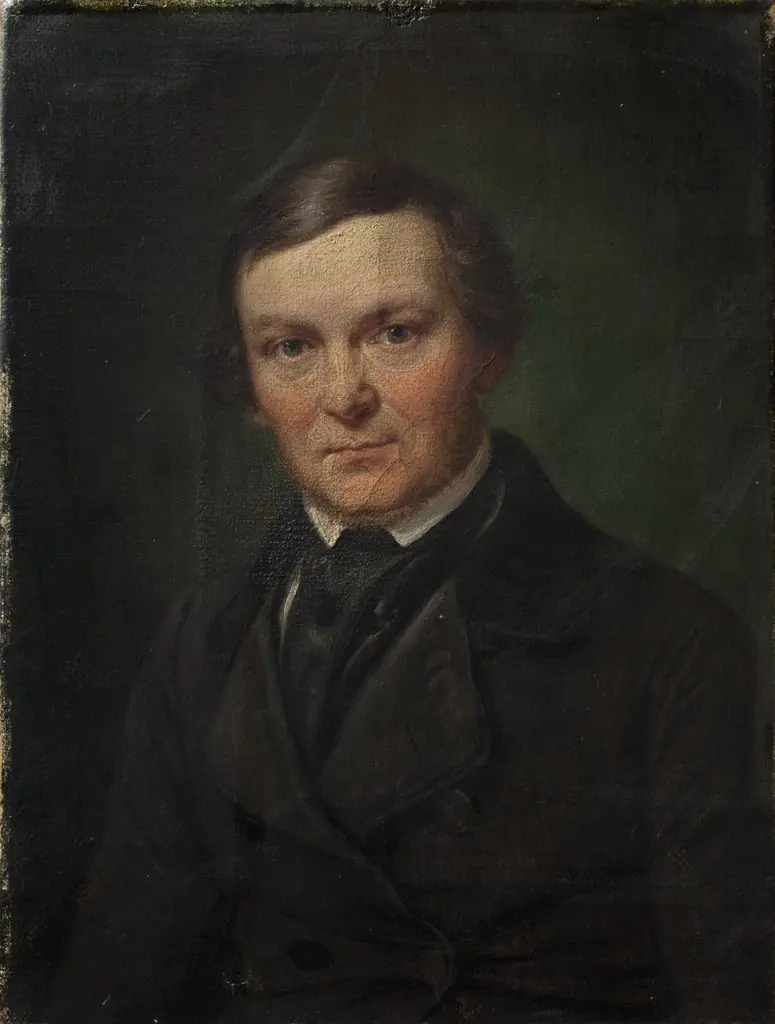
- The Architect Gottlieb Bindesbøll
 The Architect Gottlieb Bindesbøll
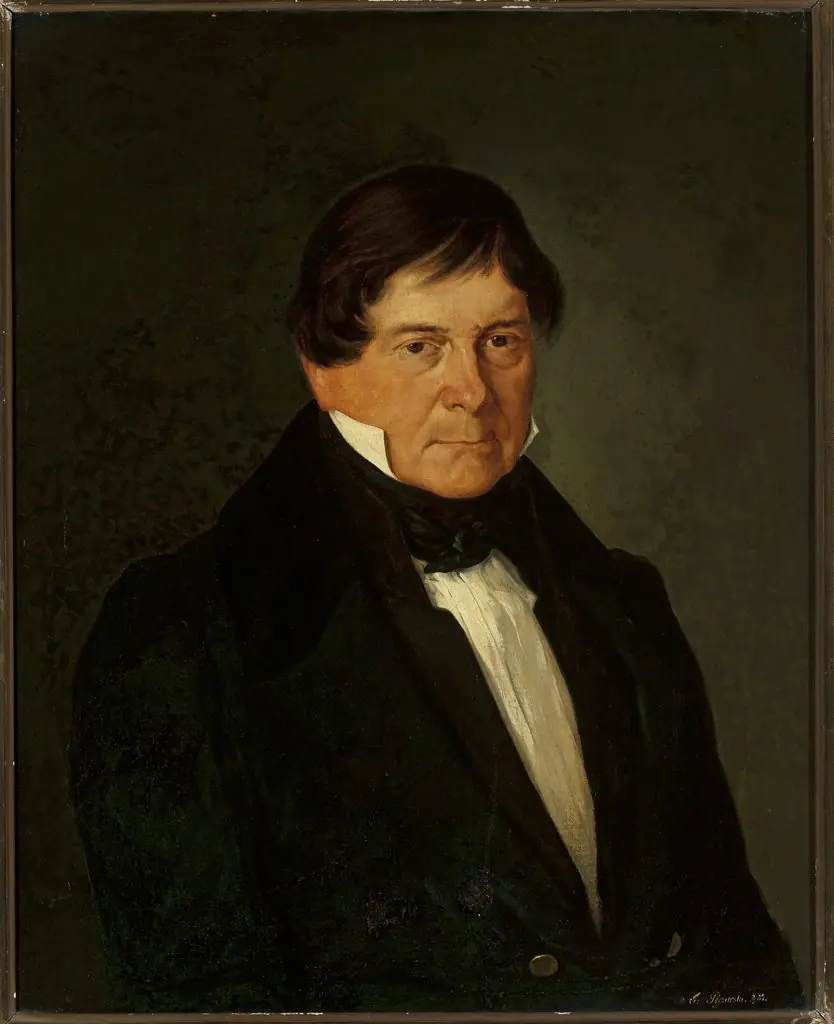 Portrait of Ksawery Dybowski
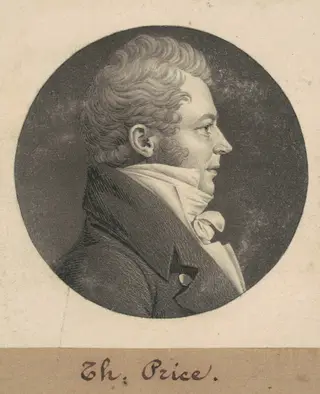 Thomas Price
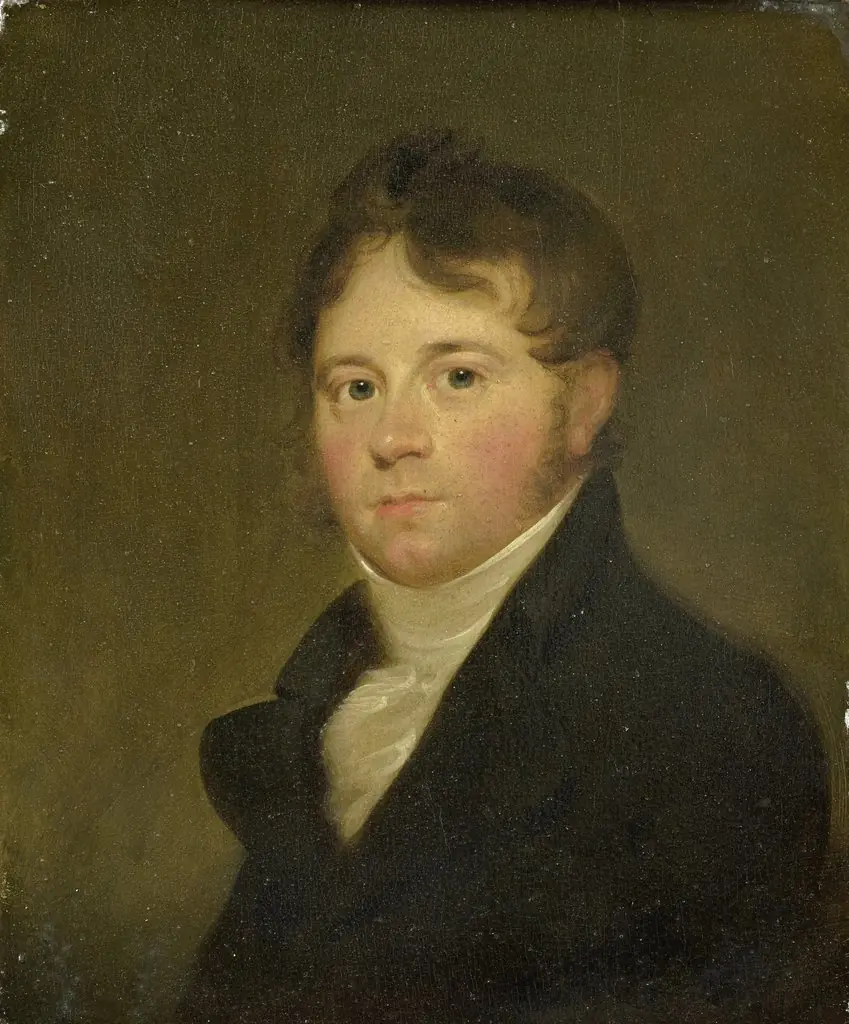 Portrait of Laurens de Witte van Citters, Father of Jhr. J de Witte van Citters (who bequeathed a number of family portraits to the museum)
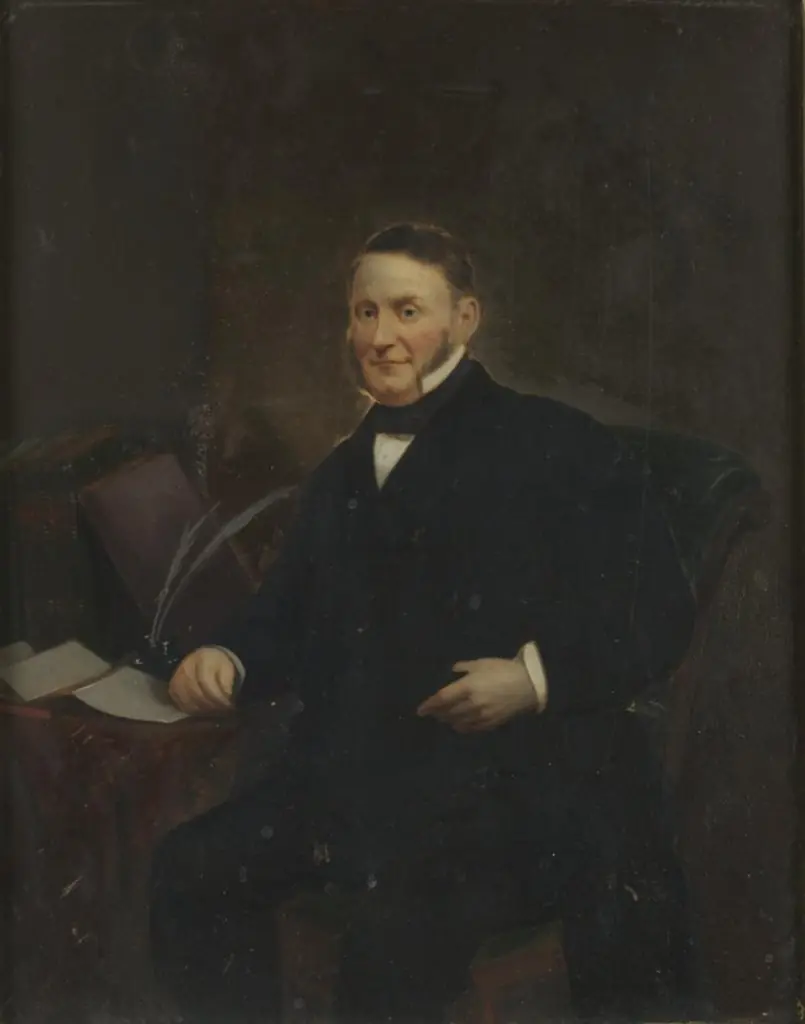 Ebenezer Cooper, Llangollen
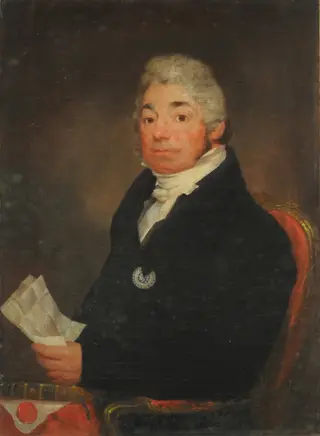 Portrait of David C. de Forest
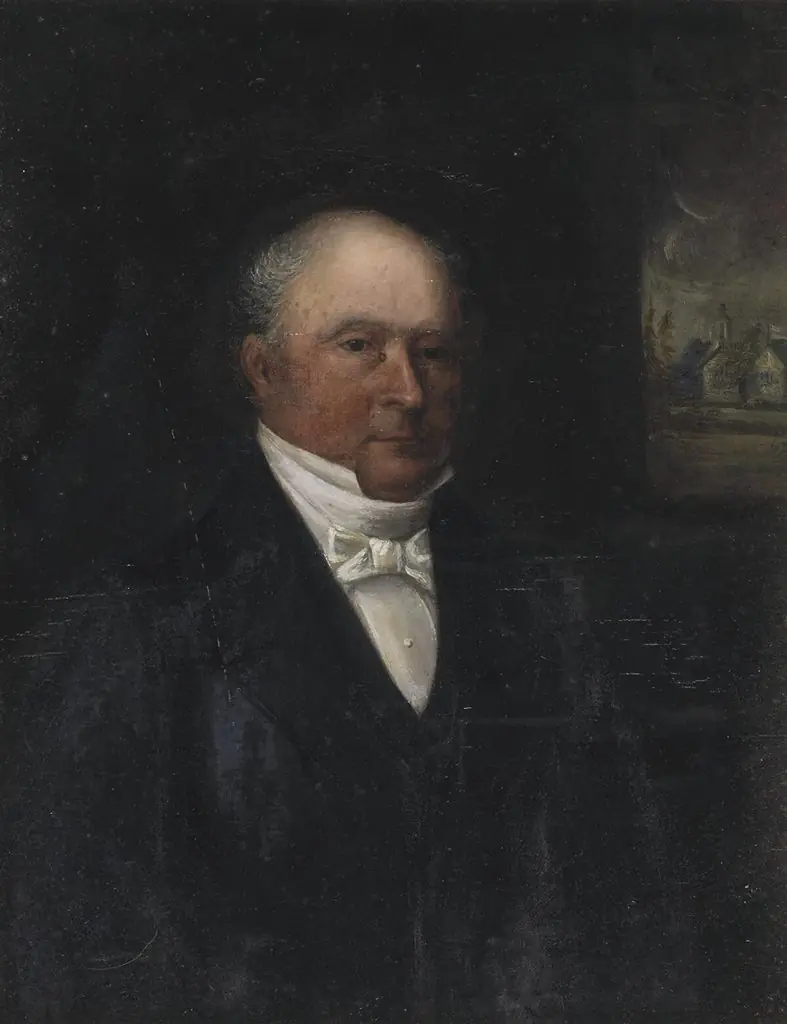 Rev. Thomas Davies
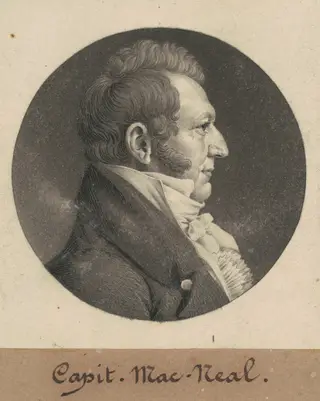 Neil McNeill
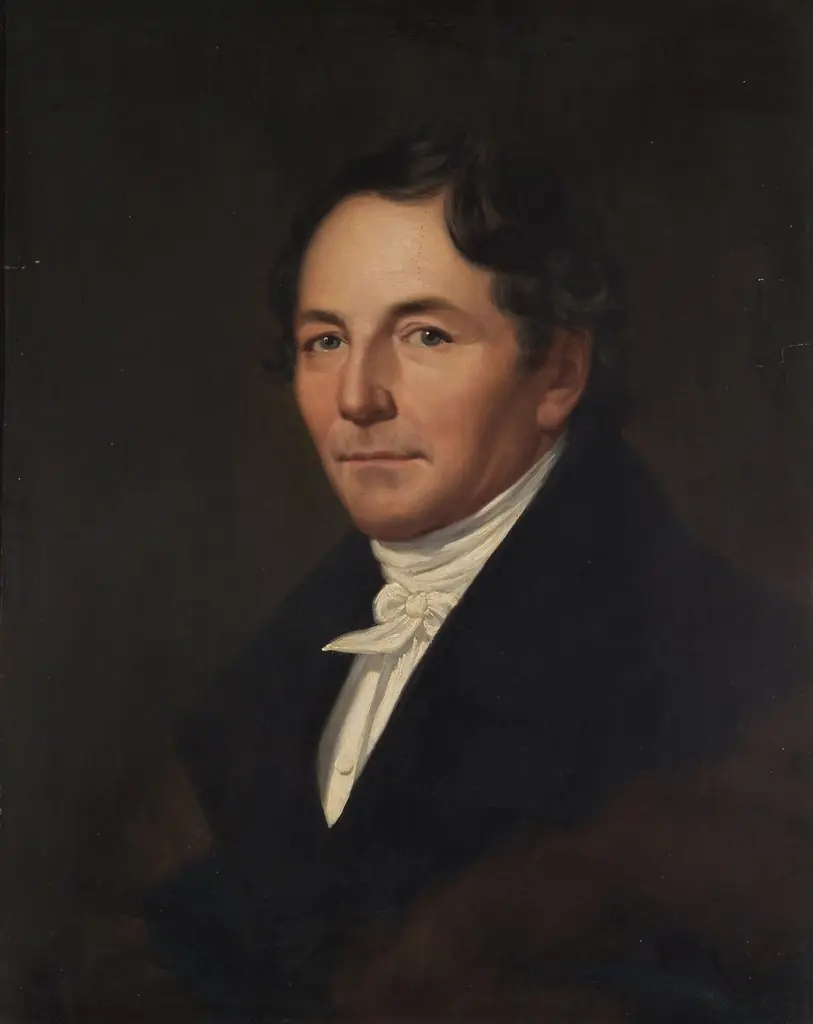 Bildnis Joseph Nigg
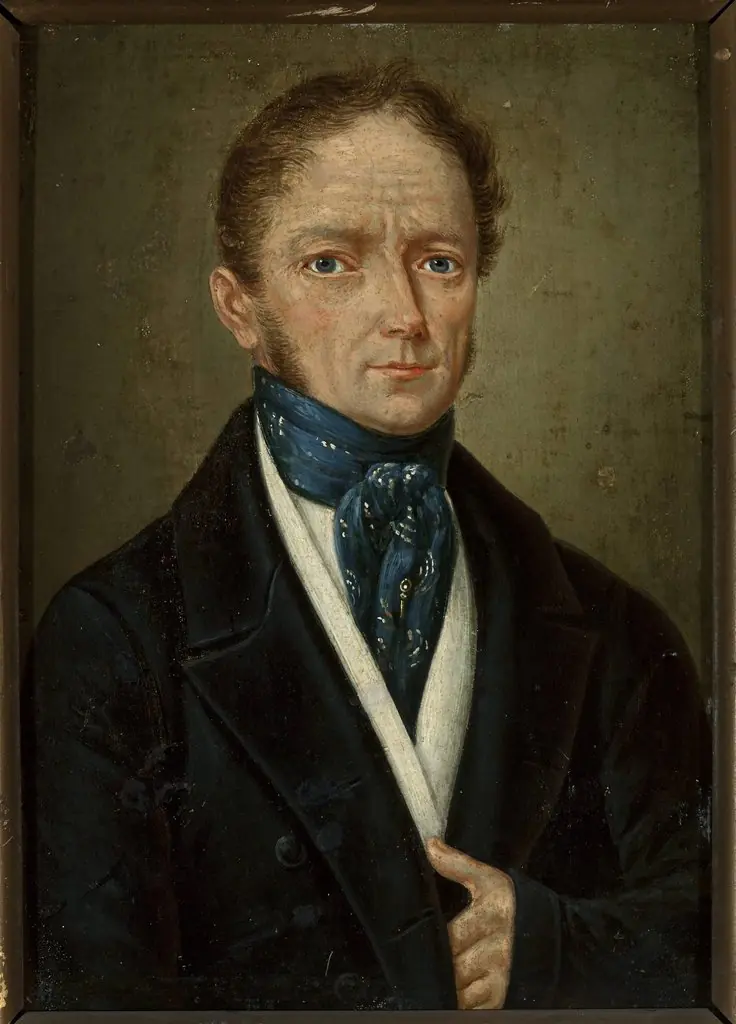 Self-portrait
 Overton Anderson