Artwork
Phantom
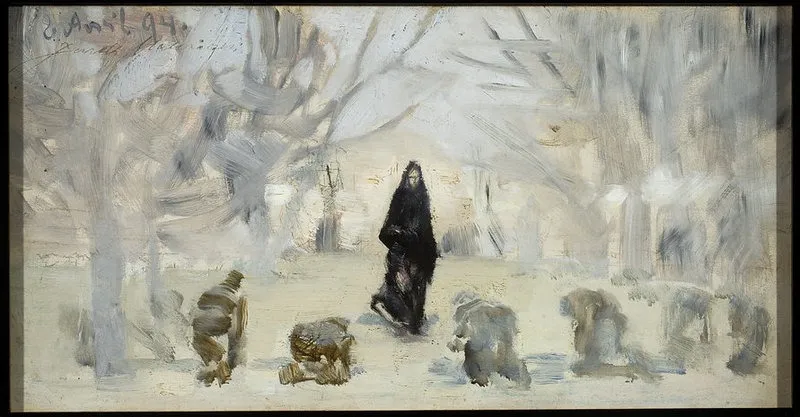
Phantom is an oil painting by the Post-Impressionist artist Jacek Malczewski. It dates from 1898 and is held in the collection of the National Museum in Warsaw.
About this work
Overview
Though painted during a period influenced by post-impressionism, the piece diverges from naturalism, favoring emotional resonance over literal representation.
Jacek Malczewski completed Phantom in 1898, a work rooted in the symbolic language of the Young Poland movement. Though painted during a period influenced by post-impressionism, the piece diverges from naturalism, favoring emotional resonance over literal representation. Executed in oil, it belongs to the National Museum in Warsaw’s permanent collection and exemplifies Malczewski’s preoccupation with spiritual and national themes through allegorical imagery.
Subject & Meaning
The painting presents a solitary woman in dark robes kneeling within a wooded clearing, surrounded by a group of figures in varied postures, some kneeling, others standing or seated. Their collective stillness suggests ritual or mourning. The absence of clear narrative cues invites interpretation: the scene may allude to Polish collective grief, spiritual invocation, or the haunting presence of history. The woman’s central position implies she is both witness and vessel for unseen forces.
Technique & Style
Malczewski employs chiaroscuro to sculpt forms from deep shadows and muted light, giving the figures a sculptural presence against the pale, almost spectral trees. The palette is restrained, grays, whites, and dark tones dominate, enhancing the atmosphere of quiet solemnity. Brushwork is controlled yet expressive, avoiding detail in favor of suggestive silhouettes. This stylized approach aligns with Symbolist priorities, where mood and metaphor override realistic depiction.
History & Provenance
Created in 1898, Phantom entered the National Museum in Warsaw’s holdings early in its history, likely acquired during the artist’s active years. Malczewski was a respected figure in Polish cultural circles, and his works were systematically collected by national institutions. The painting has remained in public ownership since its creation, with no documented private transactions, reflecting its recognized cultural significance within Poland.
Context
In late 19th-century Poland, under partition, art became a vessel for preserving national identity. Malczewski, like many of his contemporaries, turned to myth, history, and allegory to express collective longing and resilience. Phantom emerges from this climate, not as direct political commentary, but as a poetic meditation on memory, loss, and the unseen forces shaping a nation’s spirit.
Legacy
Though not widely reproduced outside Poland, Phantom remains a touchstone in studies of Polish Symbolism. Its quiet intensity and layered symbolism influenced later generations of artists seeking to convey national consciousness through non-literal means. The work endures as a quiet, contemplative counterpoint to more overtly heroic depictions of Polish history, emphasizing introspection over spectacle.
Artist & collection
Artist
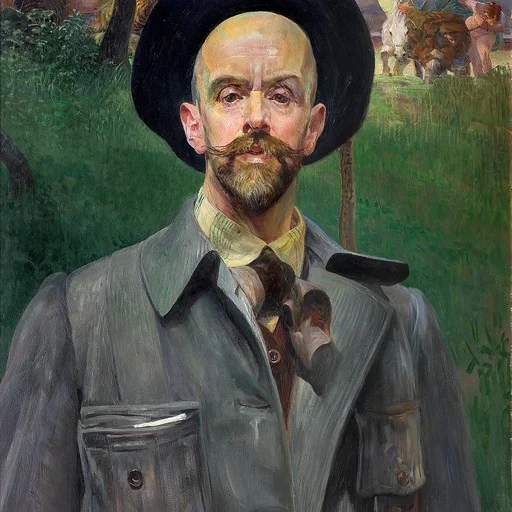
Jacek Malczewski (Polish:; 15 July 1854 – 8 October 1929) was a Polish symbolist painter who was one of the central figures of the patriotic Young Poland movement.

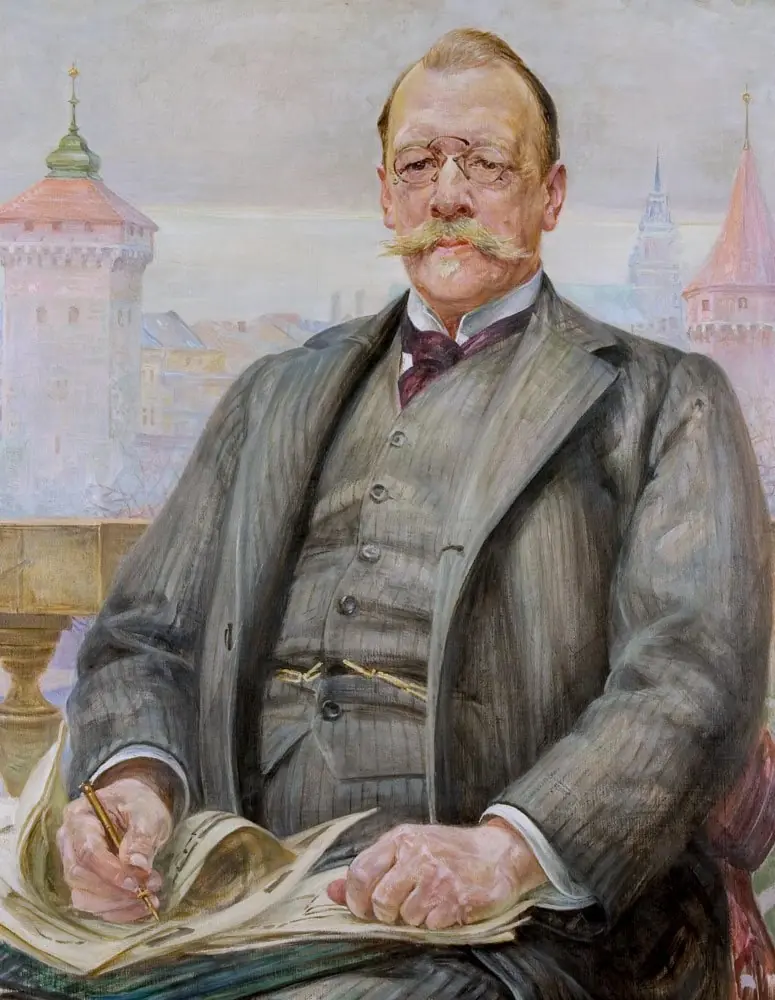
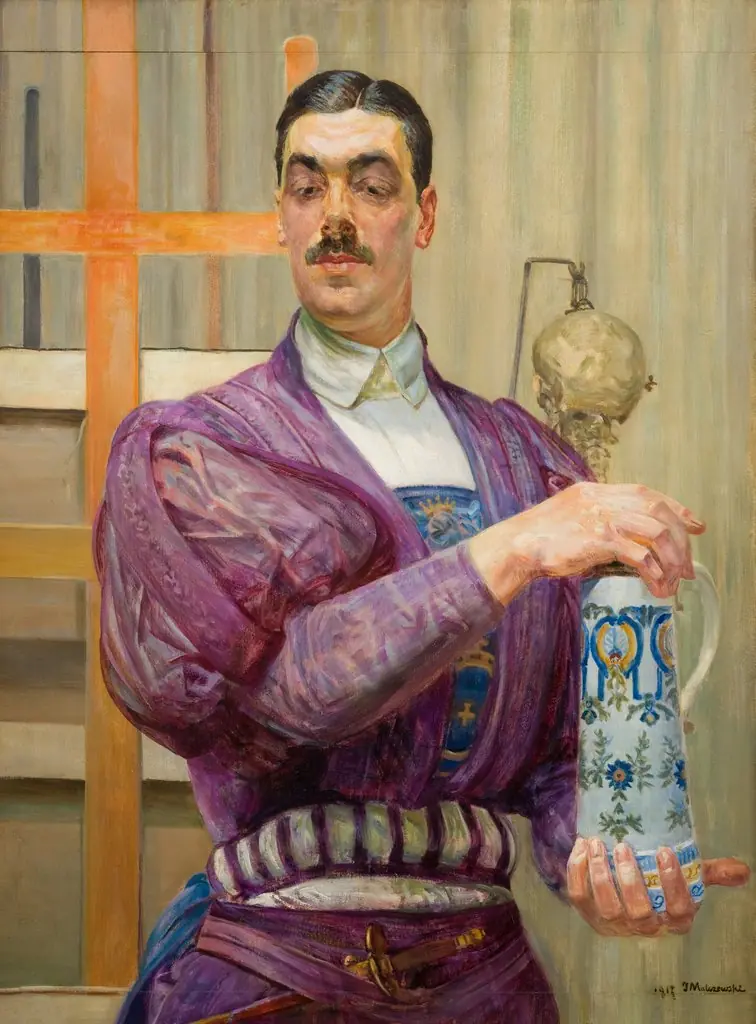
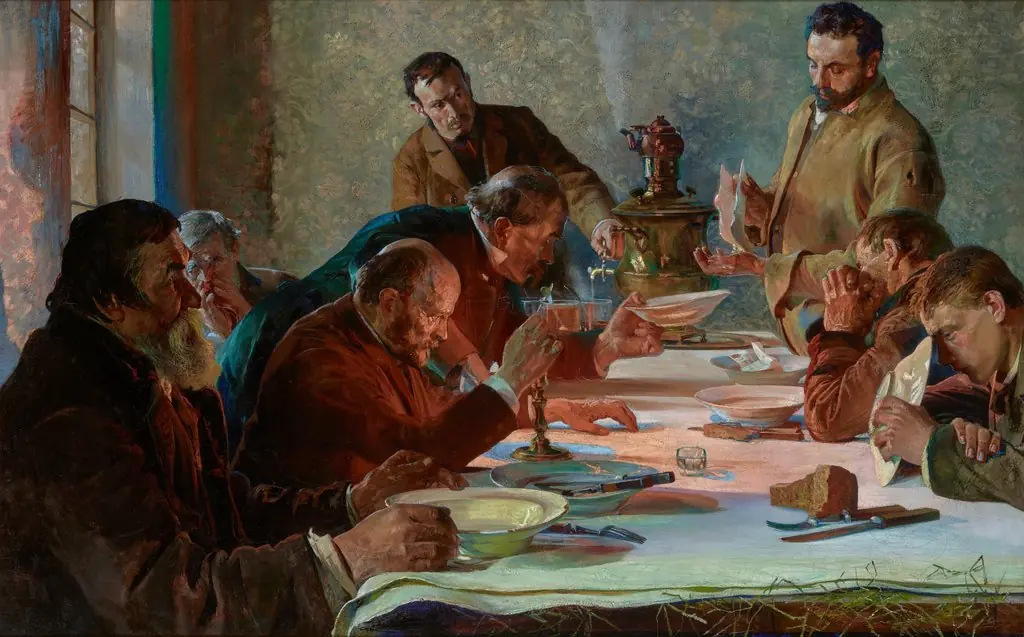
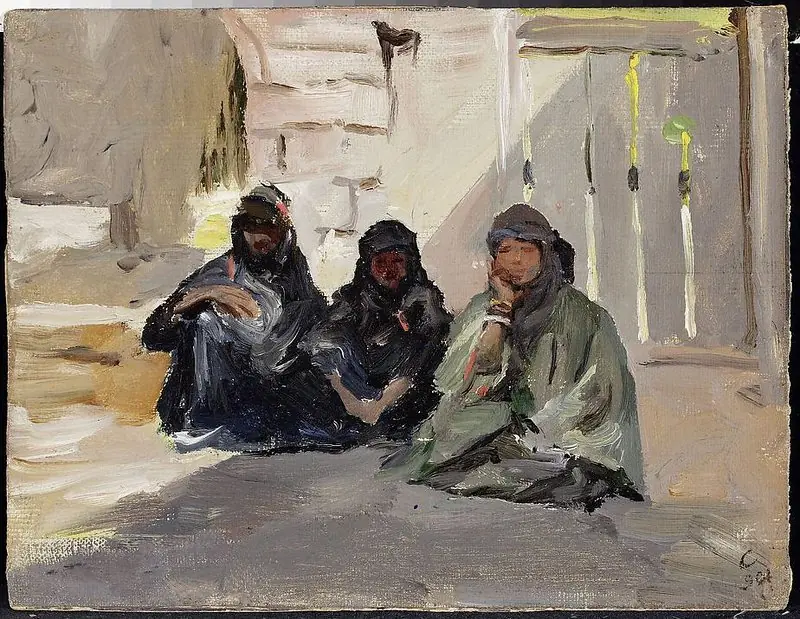
- Demor – Bedouin women. From the journey to Palestine
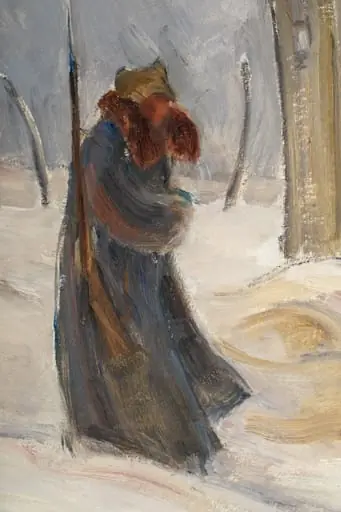 Santinelă în post
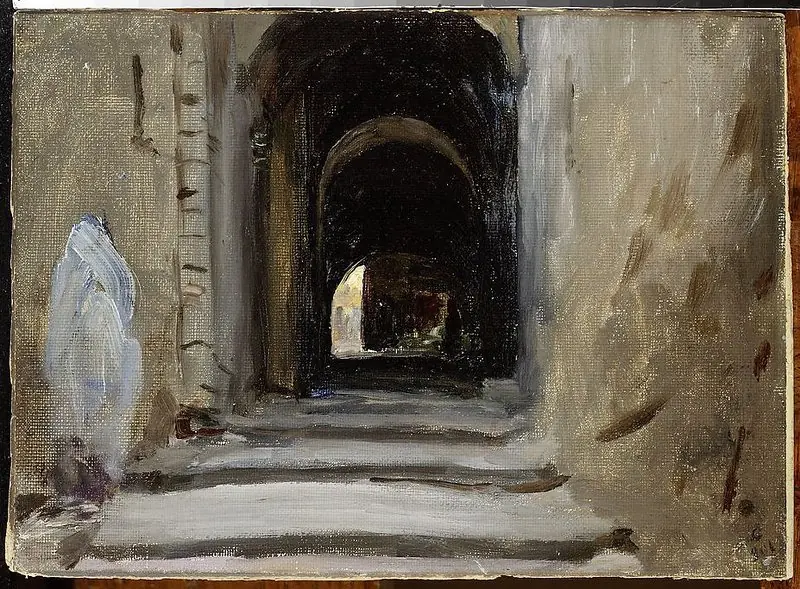 Via Dolorosa in Jerusalem. From the journey to Palestine
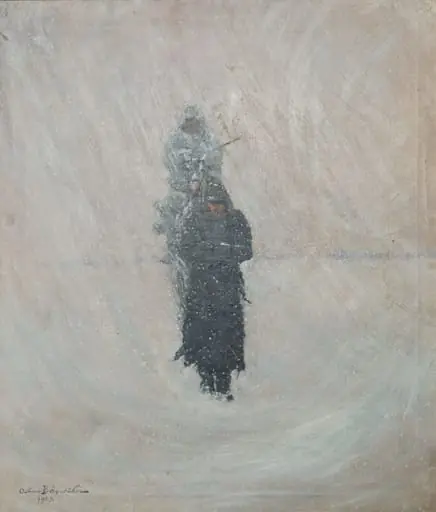 Compoziție cu doi soldați iarna (Dezertorul)
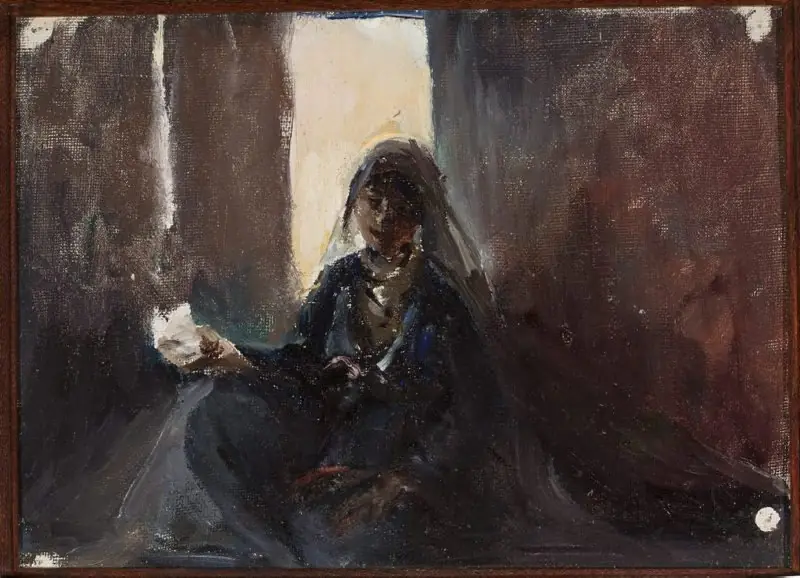 From the first stop in the desert. From the journey to Palestine
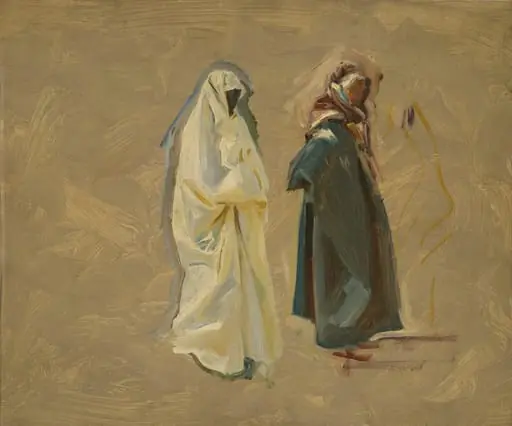 Study of Two Bedouins
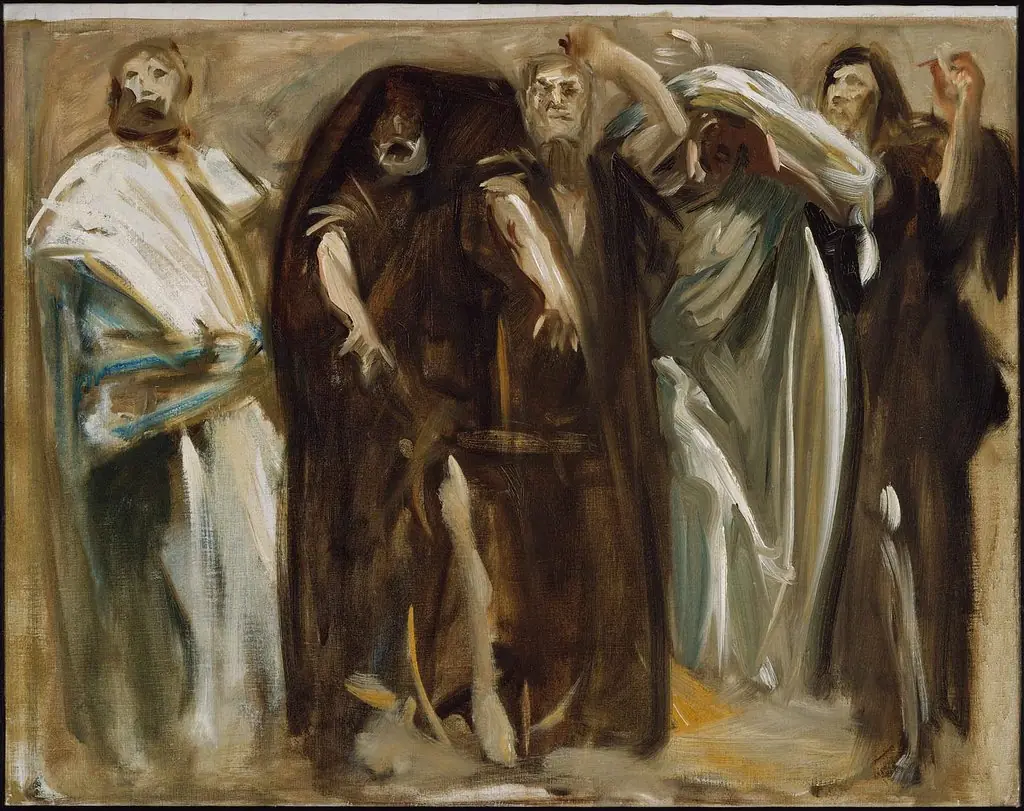 Frieze of the Prophets
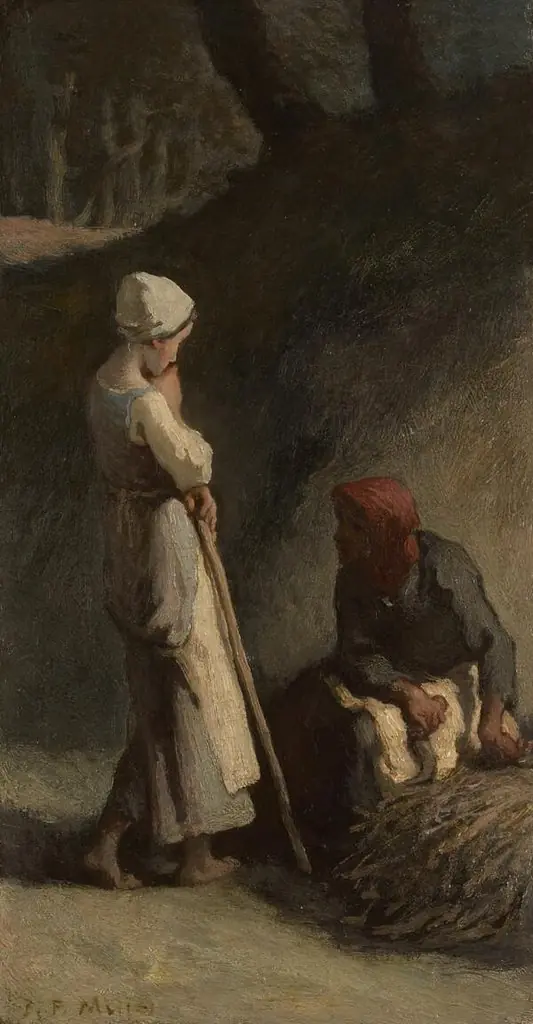 The Faggot Gatherers
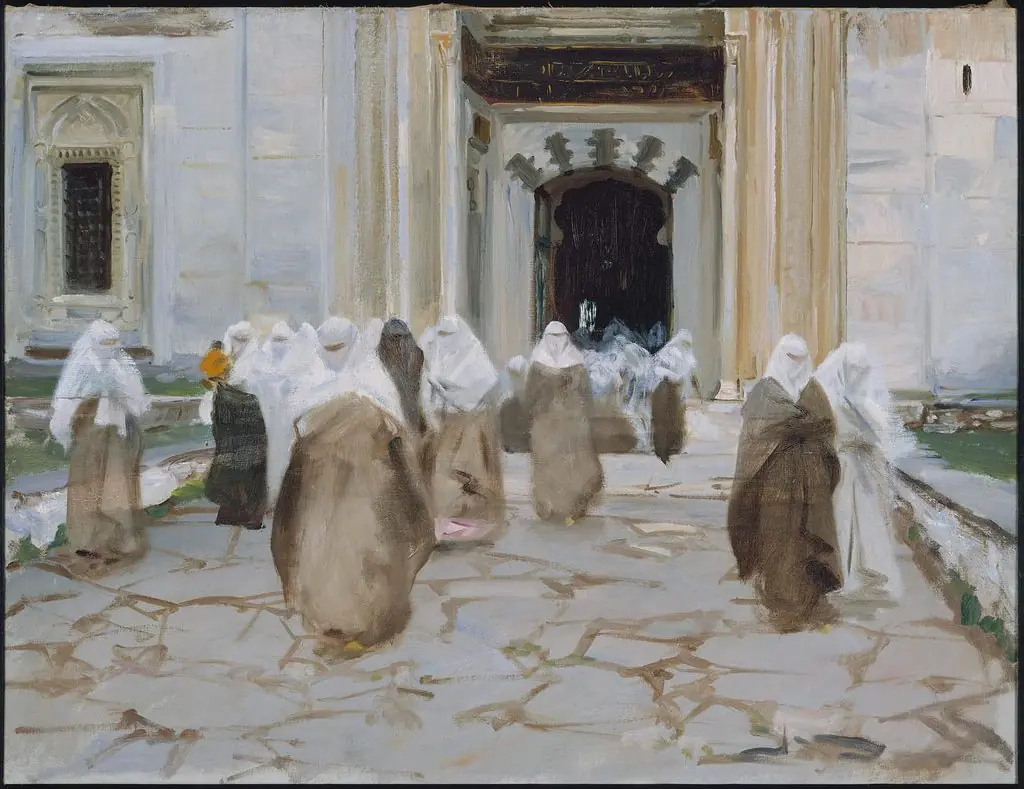 Door of a Mosque
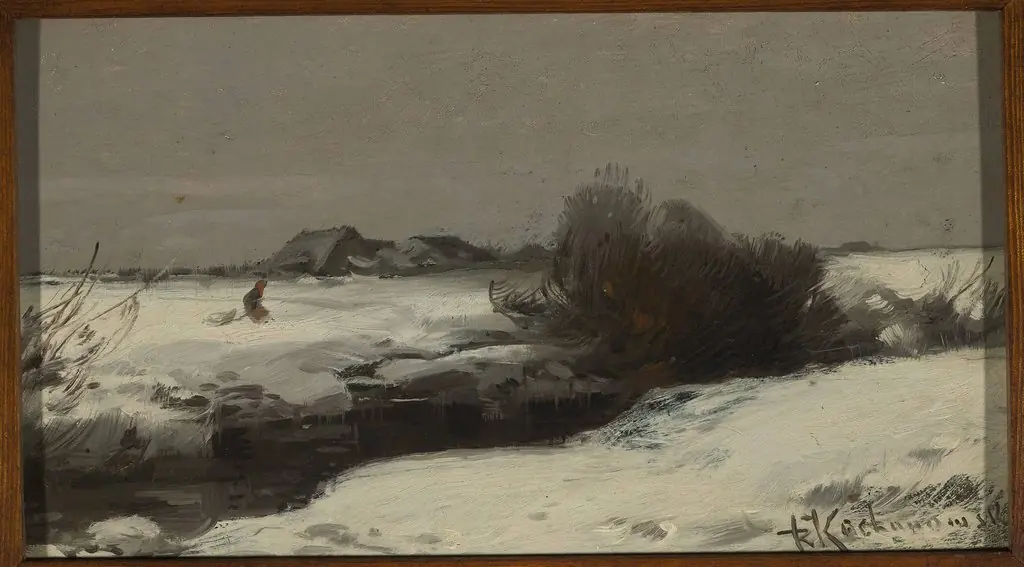 Winter landscape with a stream
 Arab Gypsies in a Tent
 Study for Prophets