Artwork
Samuel Humes
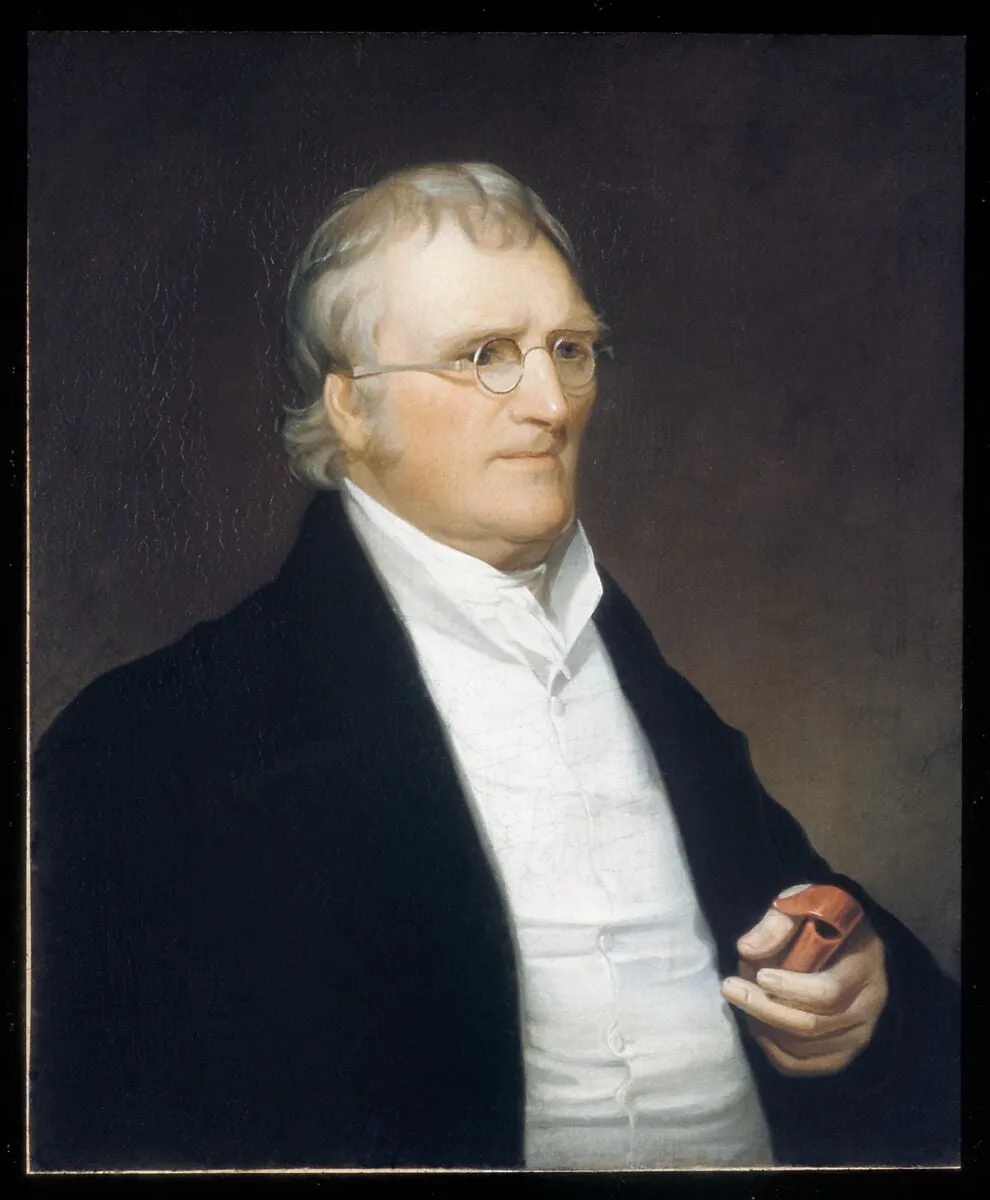
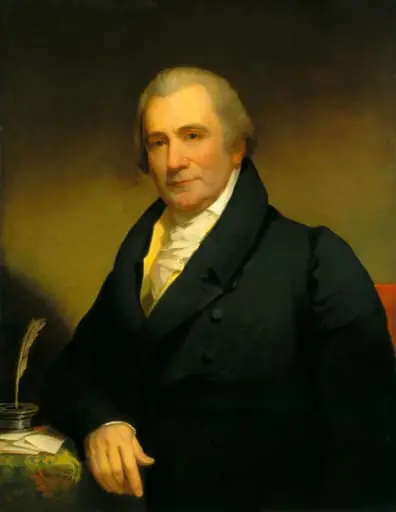
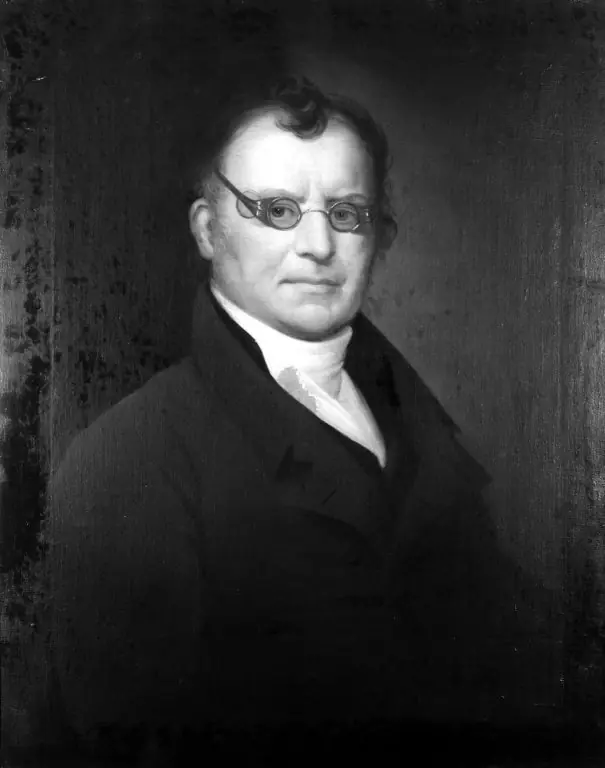
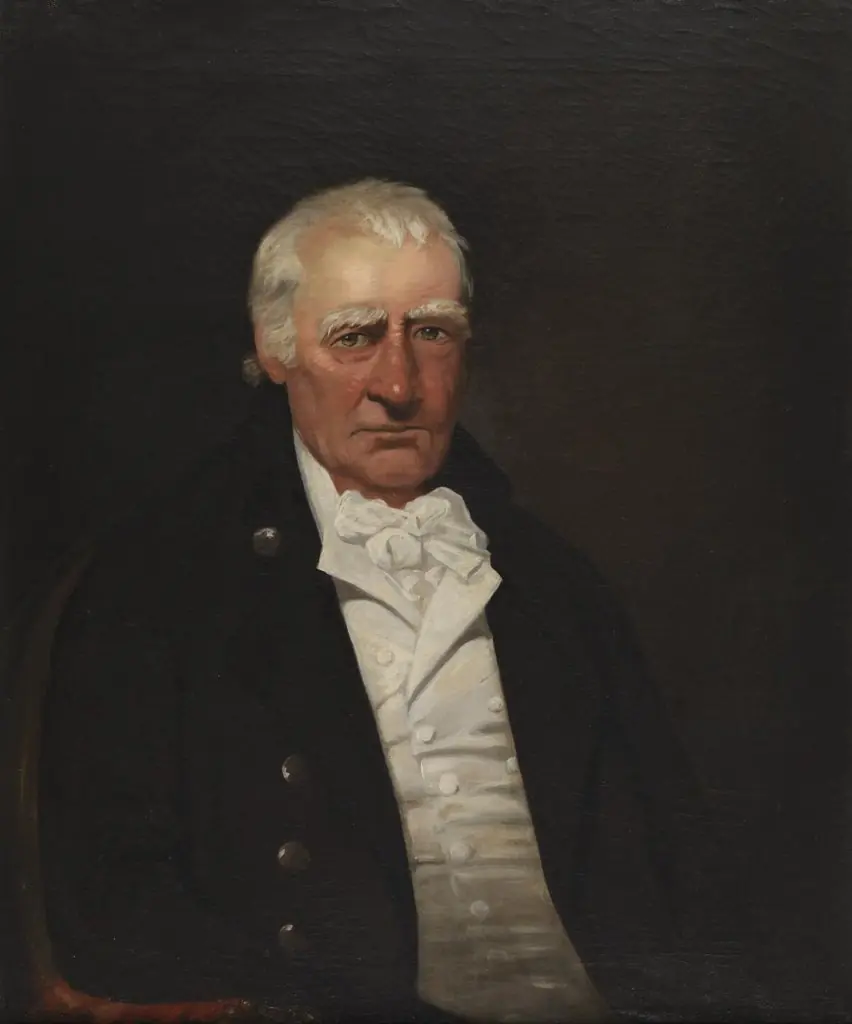
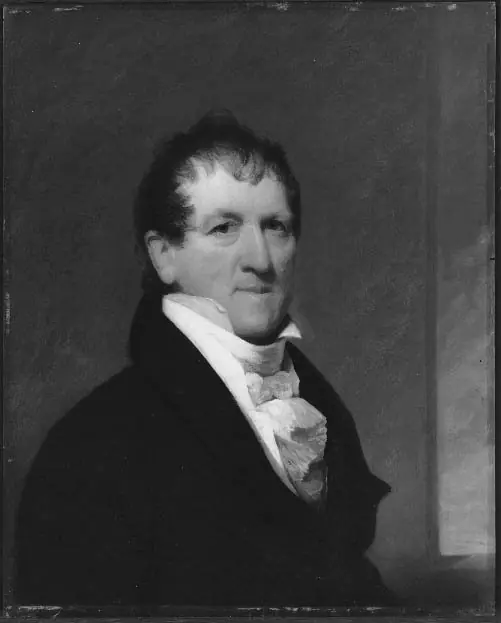
Samuel Humes is an oil painting by the American Folk Art artist Jacob Eichholtz. It dates from 1825 and is held in the collection of the Metropolitan Museum of Art.
About this work
Technique & Style
Samuel Humes is an 1825 oil portrait executed by Jacob Eichholtz on a canvas support, as recorded in the Metropolitan Museum of Art’s catalogue.
Samuel Humes is an 1825 oil portrait executed by Jacob Eichholtz on a canvas support, as recorded in the Metropolitan Museum of Art’s catalogue. The painting, listed in The American Wing collection, depicts a seated man rendered in a conventional portrait genre. Technical analysis of the work notes its dimensions of roughly 73.7 cm by 61.3 cm, confirming the use of oil paint applied to a stretched canvas.
The surface shows typical handling of 19th‑century portraiture, with a smooth finish and restrained brushwork that emphasizes anatomical accuracy and muted tonal modeling. The composition follows established academic conventions of the period, presenting the sitter in a dignified pose against a neutral background.
History & Provenance
The portrait of Samuel Humes was created in 1825 by the American artist Jacob Eichholtz. Executed in oil on canvas, the work measures 73.7 cm in height and 61.3 cm in width. The painting was commissioned as a formal likeness of the sitter, a man depicted in the genre of portraiture.
Since its creation, the artwork has entered the permanent collection of the Metropolitan Museum of Art, where it is currently housed in The American Wing. The piece remains attributed to Eichholtz, who was active during the early nineteenth century, and serves as a documented example of his portraiture from that specific year.
Overview
Jacob Eichholtz, a self-taught artist, created this oil on canvas portrait of Samuel Humes around 1825. Originally a coppersmith, Eichholtz transitioned to painting and became a prolific portraitist in early 19th-century America, primarily in Philadelphia. This work exemplifies American folk art, capturing an individualized likeness with a directness characteristic of the period. It offers a glimpse into the lives of ordinary citizens rather than prominent figures.
Subject & Meaning
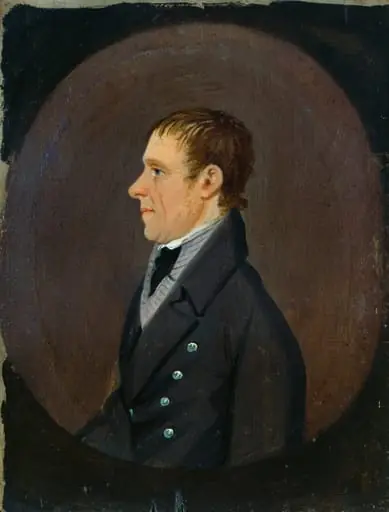
The painting presents Samuel Humes in a direct, unembellished manner. His gaze meets the viewer, his face illuminated from the side, highlighting details like his slightly disheveled hair and askew collar. Eichholtz often depicted ordinary individuals rather than figures of high status, and this work embodies that approach.
It conveys a sense of an authentic, unposed moment, emphasizing the subject's personal presence over any grand narrative.
Context
Jacob Eichholtz was a prominent portraitist in early 19th-century America, particularly active in Philadelphia. His career began after a transition from coppersmithing, a common path for self-taught artists of the era who adapted practical skills to artistic endeavors. He became known for his prolific output, completing over 800 portraits that captured the faces of his contemporaries, contributing significantly to the visual record of the period.
Artist & collection