Artwork
Thomas W. Dyott
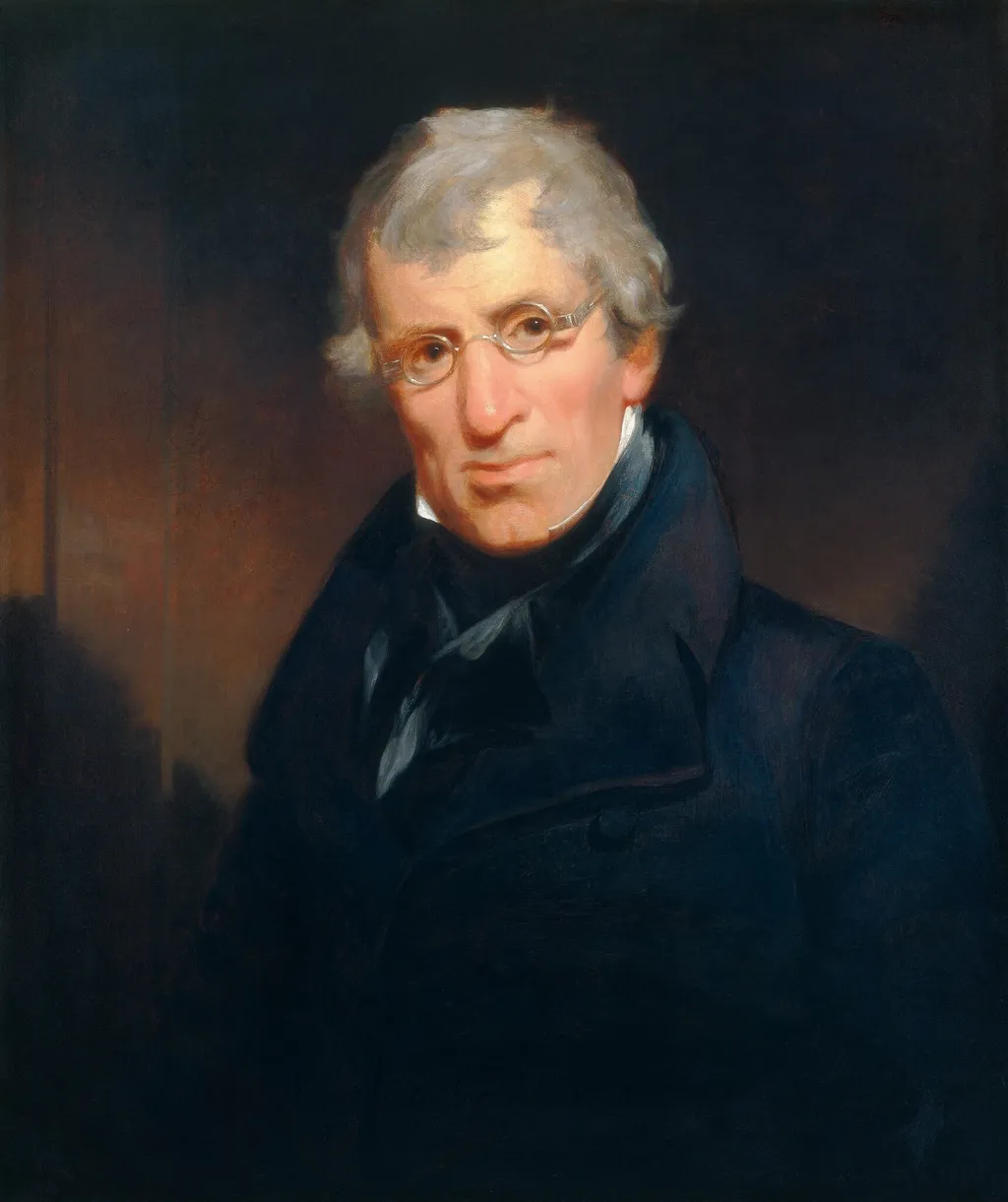
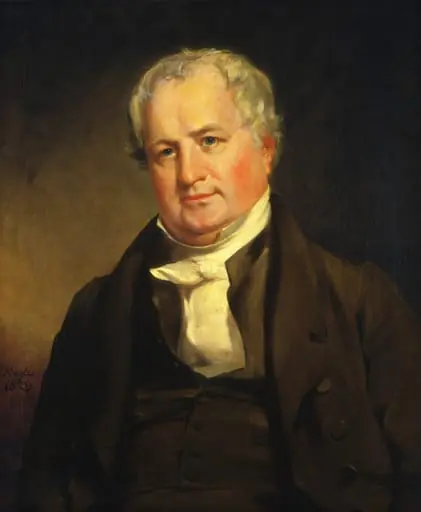
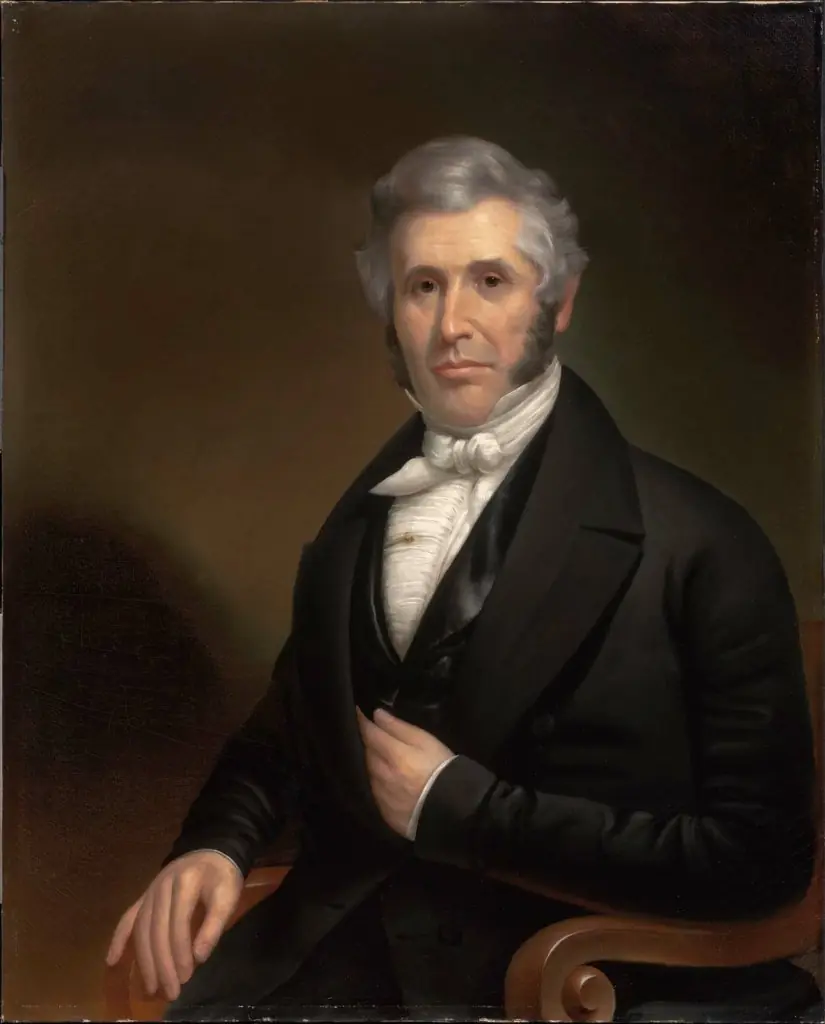
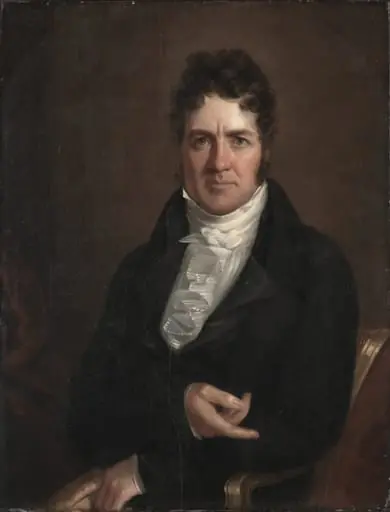
Thomas W. Dyott is an oil painting by the American Impressionist artist John Neagle. It dates from 1836 and is held in the collection of the National Gallery of Art.
About this work
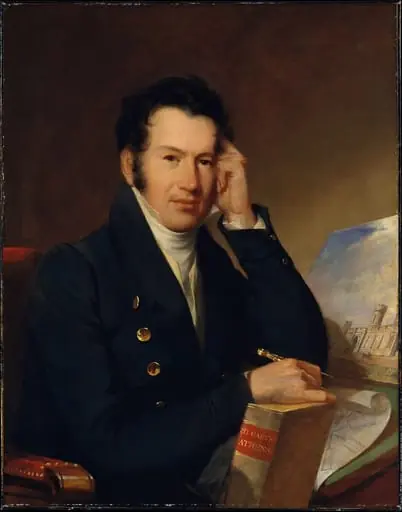
Thomas W. Dyott sits facing out in old-fashioned dress, his face and hands clearly drawn. John Neagle's attention to expression and clothing gives the portrait an honest, direct feel. Oil on canvas, 1836.
Technique & Style
Dyott by John Neagle, the piece relies on the traditional medium of oil on canvas to render its subject.
Executed in 1836, this portrait utilizes oil paint applied to a canvas support. The work measures approximately 75.5 by 63.5 units, presenting a formal composition typical of the genre. As a painted likeness of Thomas W. Dyott by John Neagle, the piece relies on the traditional medium of oil on canvas to render its subject.
The sources confirm the material composition and dimensions but do not provide specific details regarding the artist's brushwork, surface condition, or distinct stylistic handling beyond the general classification as a portrait.
History & Provenance
Thomas W. Dyott was painted in 1836 by John Neagle as an oil‑on‑canvas portrait. The work entered the collection of Philadelphia businessman Ferdinand J. Dreer, who bequeathed it to his estate; the estate sold the painting at auction in June 1913 (lot 93, listed as “_Dr. F. W. Dyott_ by Nagle”).
It subsequently belonged to collector Thomas B. Clarke of New York, passed to his estate, and was sold through M. Knoedler & Co. in January 1936 to the A. W. Mellon Educational and Charitable Trust, which gifted the piece to the National Gallery of Art in 1947. The painting’s inception is recorded as 1836, and it remains part of the Gallery’s Andrew W. Mellon collection.
The work is housed in the National Gallery of Art in Washington, D.C., where it is part of the Andrew W. Mellon collection and was acquired in 1947 as a gift from the A.W. Mellon Educational and Charitable Trust. Its provenance traces from the estate of Thomas B. Clarke, through a 1936 sale to the Trust, to the museum. The painting’s dimensions are recorded as 75.5 cm by 63.5 cm. No specific exhibition records are mentioned in the consulted sources, so exhibition history is not documented in the available material.
Overview
John Neagle painted this oil on canvas portrait, titled Thomas W. Dyott, around 1836. The artwork captures the likeness of its namesake, Thomas W. Dyott, presenting him in a formal yet direct manner. As a painting, it exemplifies Neagle's approach to portraiture during the mid-19th century, focusing on the individual's presence and character through detailed observation.
Subject & Meaning
The painting depicts Thomas W. Dyott seated, his gaze directed outward, engaging the viewer directly. He is dressed in period attire, rendered with careful attention to fabric and form. Neagle emphasized the sitter's facial features and hands, conveying a sense of authenticity.
This focus on specific details, combined with the man's composed expression, contributes to the portrait's overall impression of candor and personal presence.
Own this work as a print
Artist & collection

Artist
John Neagle (November 4, 1796 – September 17, 1865) was a fashionable American painter, primarily of portraits, during the first half of the 19th century in Philadelphia.