Artwork
Christopher Colles
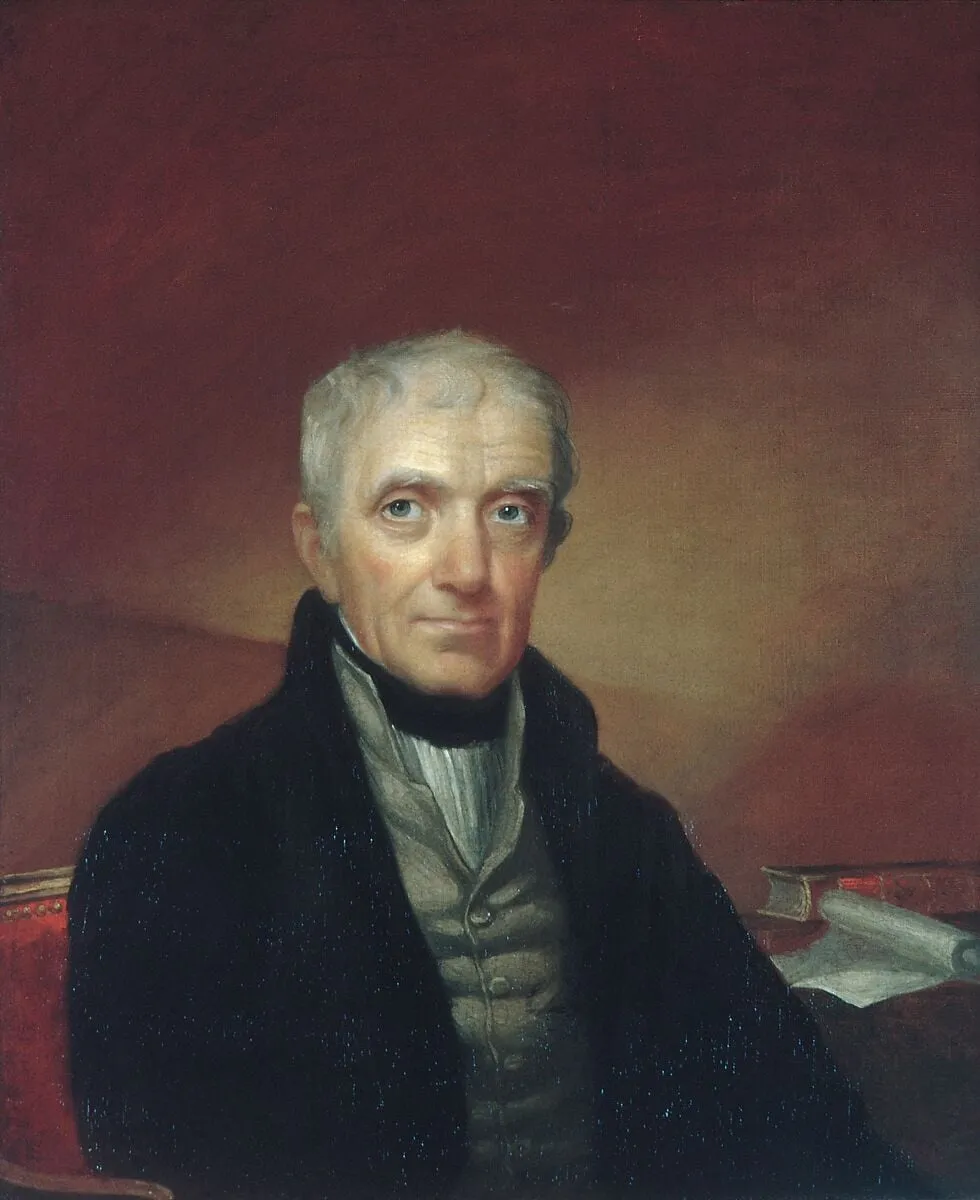
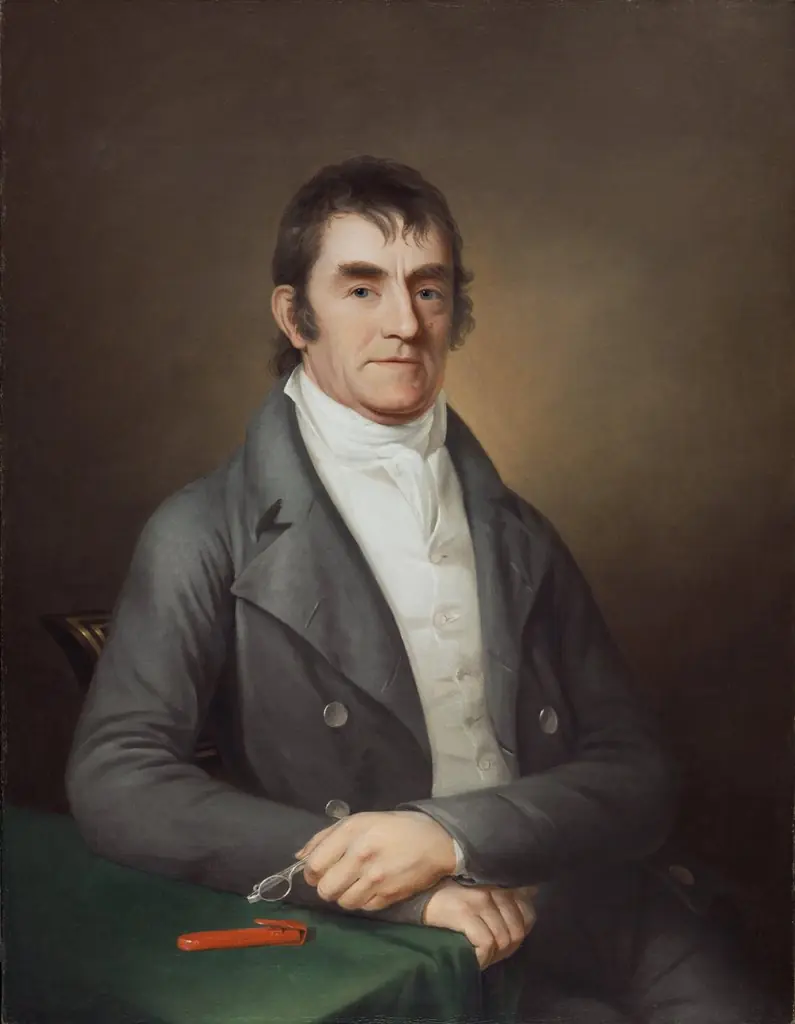
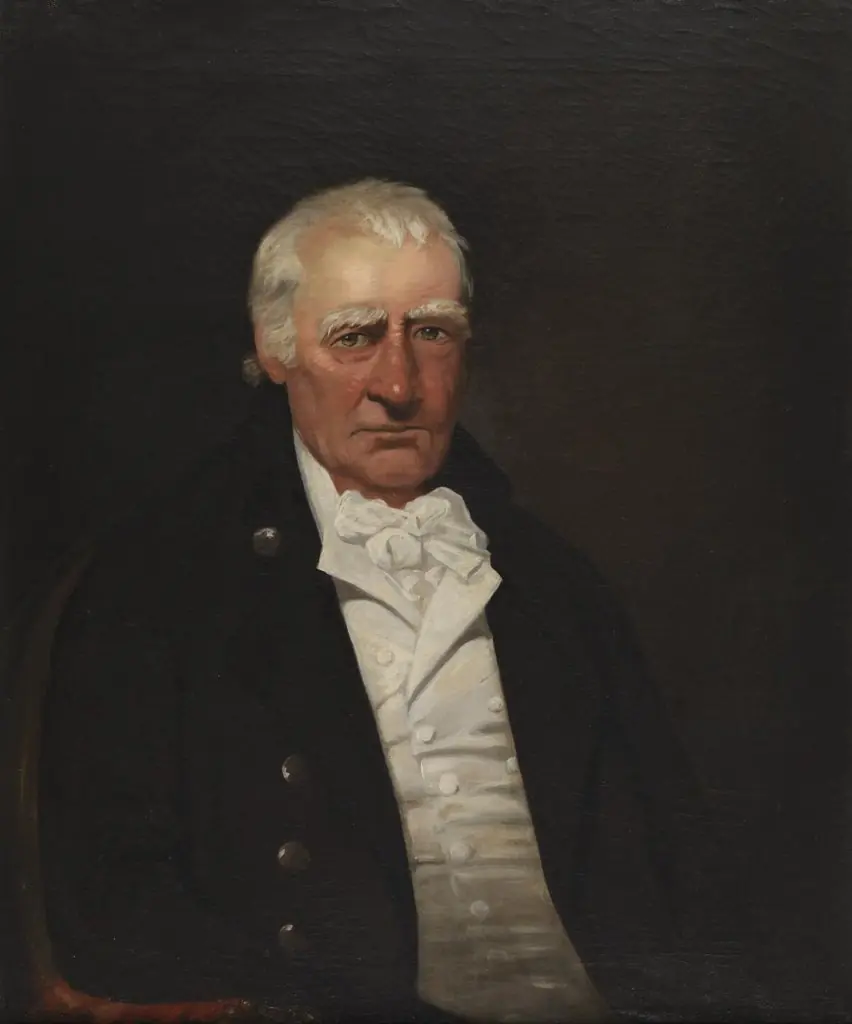
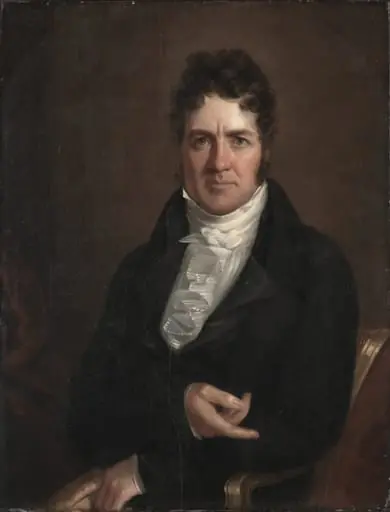
Christopher Colles is an oil painting by the American Folk Art artist James Frothingham. It dates from 1814 and is held in the collection of the Metropolitan Museum of Art.
- Accession no.
- 17.160
- Credit line
- Gift of Dr. Christopher J. Colles, 1917
About this work
The painting was made around 1812, when portraits like this were how people remembered important figures.
A man in a dark coat looks straight at you. His face is lit softly, almost like candlelight. The background is plain, so nothing pulls your eyes away from him.
This is Christopher Colles, an inventor who helped plan New York’s water system. The painting was made around 1812, when portraits like this were how people remembered important figures. The artist didn’t sign it, so we’re not sure if it’s by James Frothingham or John Wesley Jarvis.
If you like this, look up other early American portraits at The Metropolitan Museum of Art.
Technique & Style
The portrait of Christopher Colles is executed in oil on canvas, a medium documented for the work. Measuring roughly 77.2 cm in height and 64.8 cm in width, the painting was completed in 1814 and belongs to the portrait genre. The composition presents a male sitter rendered with the smooth brushwork and subtle chiaroscuro typical of early-American portraiture, employing the rich tonal range afforded by oil pigments on canvas.
As part of The American Wing at the Metropolitan Museum of Art, the piece exemplifies the formal conventions of size, material support, and stylistic realism characteristic of the period.
History & Provenance
The portrait of Christopher Colles, painted by James Frothingham in 1814, is held in the collection of the Metropolitan Museum of Art. Within the museum, the work is classified under The American Wing. While the sources confirm the institution's possession of the oil-on-canvas piece and its creation date, they do not supply a specific inventory or accession number for the artwork.
The available documentation does not contain details regarding the painting's exhibition history or past display locations beyond its current status in the collection.
Context
The 1814 oil on canvas portrait by James Frothingham exemplifies early Federal-era American portraiture. Classified within The American Wing, the work measures 77.2 × 64.8 cm and is part of the Metropolitan Museum of Art's collection. Its formal composition and execution reflect the stylistic trends of the young republic, positioning the piece as a representative example of portrait production in the United States during the second decade of the 19th century.
Overview
This oil on canvas depicts Christopher Colles, an inventor known for his contributions to New York's water infrastructure. Created around 1814, the portrait is attributed to James Frothingham, though its authorship has also been considered to be by John Wesley Jarvis. It serves as a representative example of early American portraiture, a common method for commemorating notable individuals of the era.
Subject & Meaning
The painting captures Christopher Colles, an inventor instrumental in the early planning of New York City's water supply system. During the early 19th century, commissioned portraits were a primary means of honoring and preserving the likenesses of prominent citizens, ensuring their legacy and contributions were visually remembered by future generations.
Artist & collection
Artist
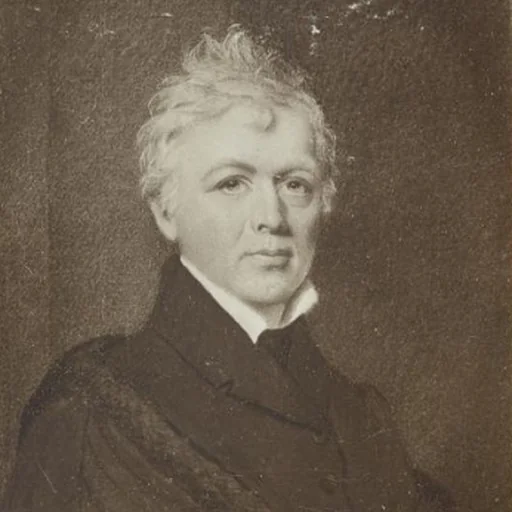
James Frothingham (1786–1864) was an American portrait painter in Massachusetts and New York. He was the father of the painter Sarah C. Frothingham.