Artwork
Phoebe Cassidy Freeman (Mrs. Clarkson Freeman)
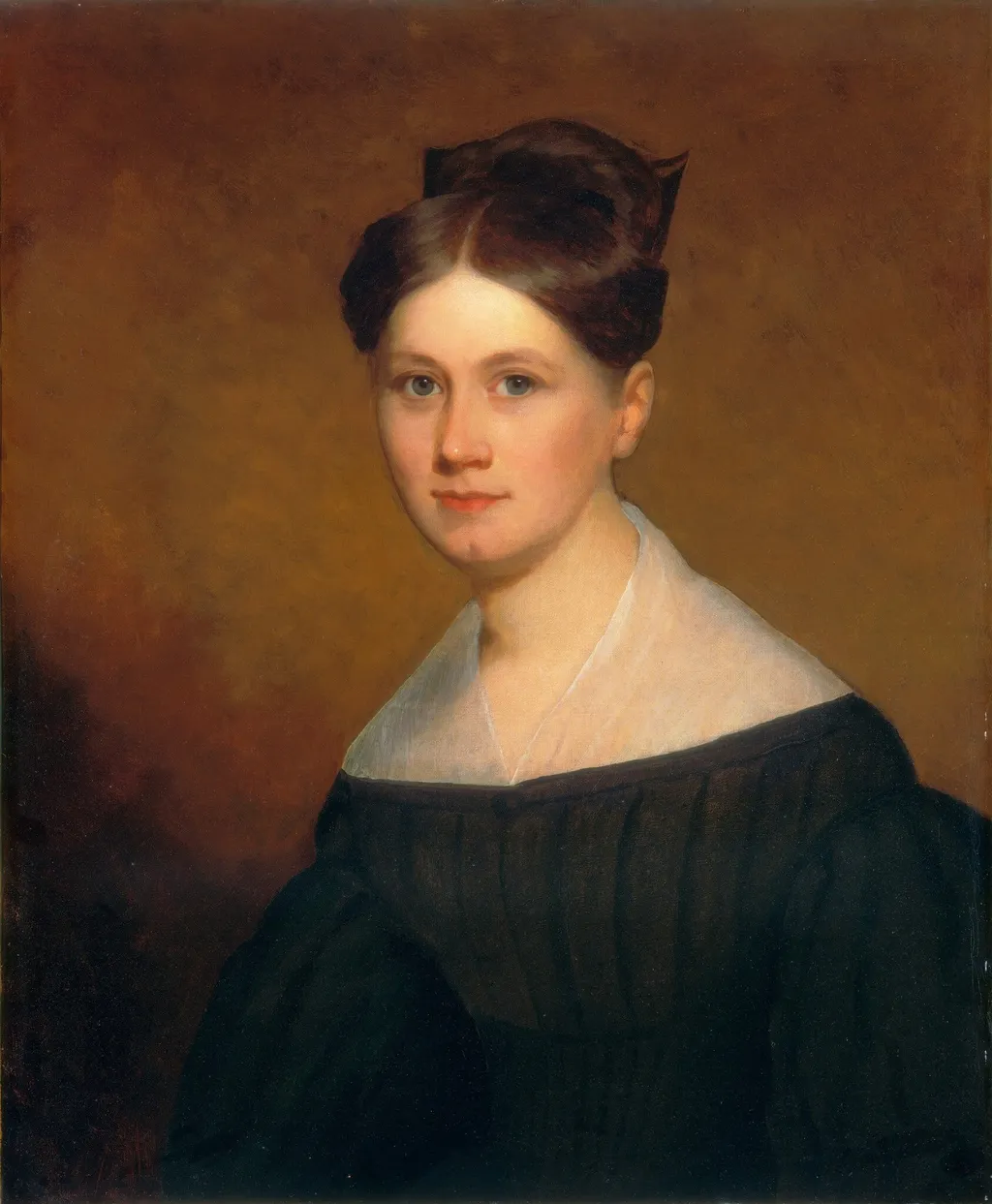
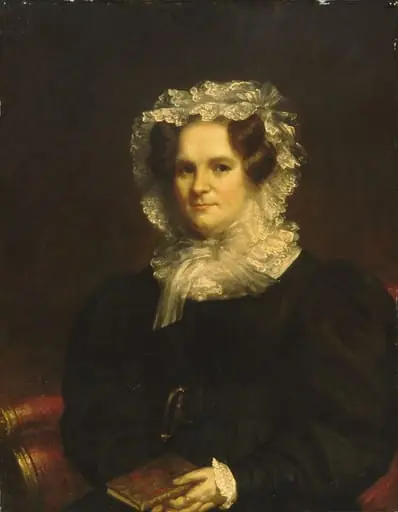
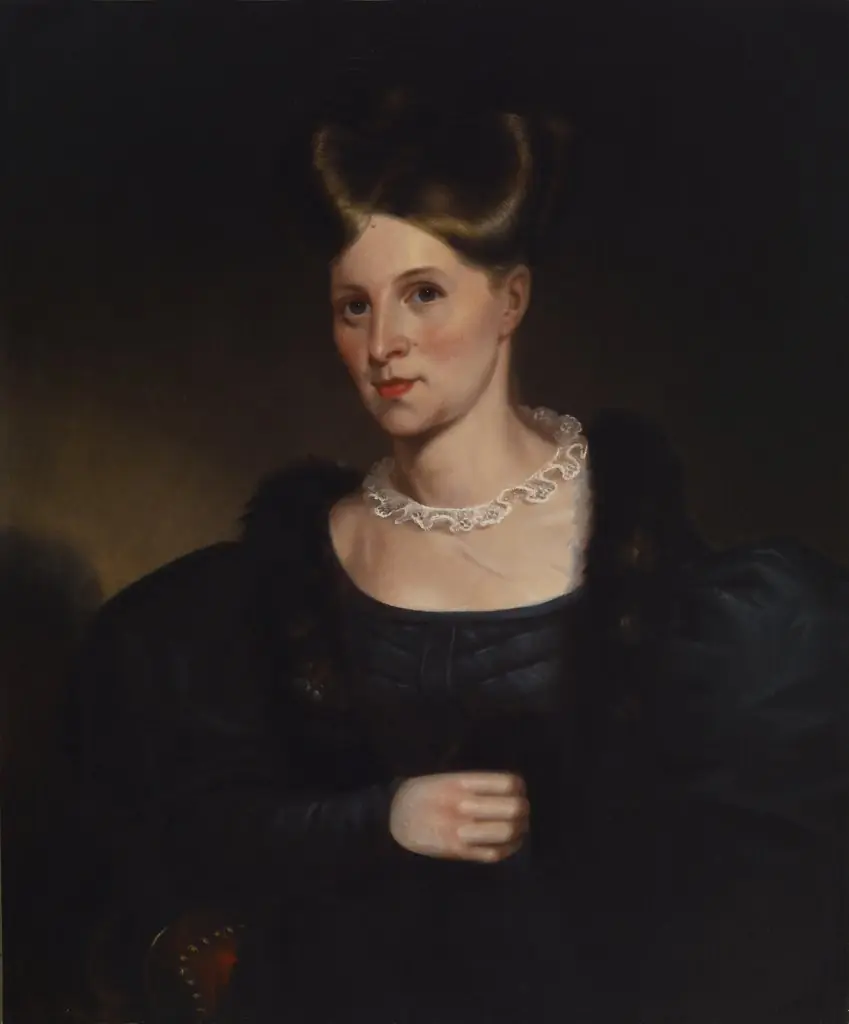
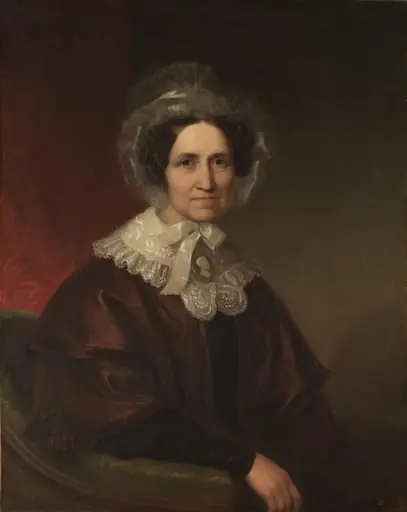
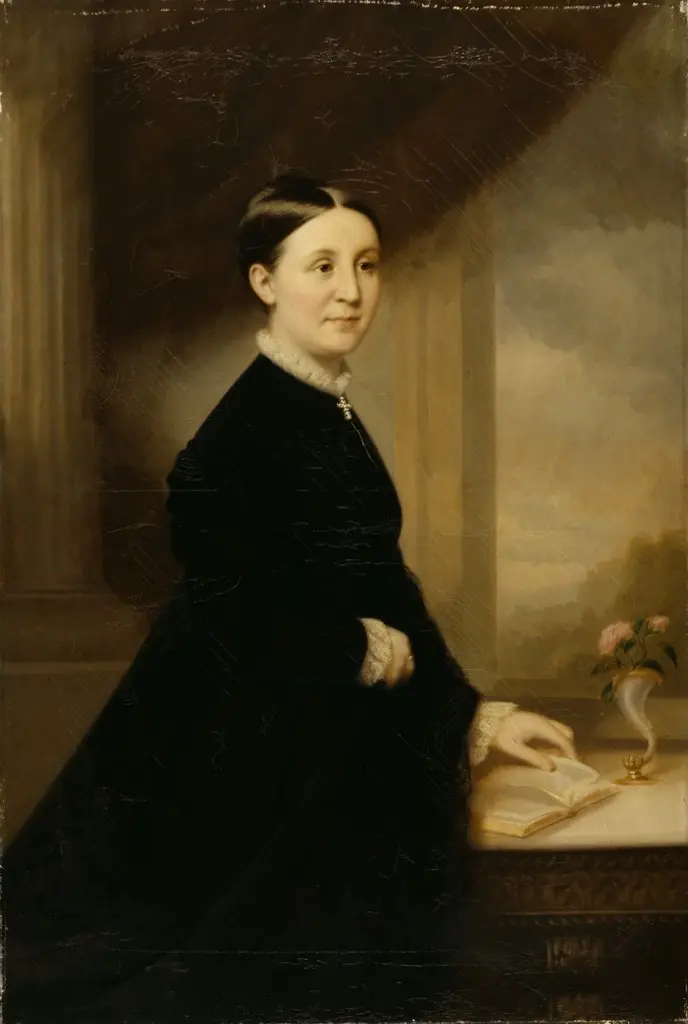
Phoebe Cassidy Freeman (Mrs. Clarkson Freeman) is an oil painting by the American Folk Art artist Jacob Eichholtz. It dates from 1830 and is held in the collection of the National Gallery of Art.
About this work
Subject & Meaning
Held in the National Gallery of Art, the painting entered the collection through a series of transactions involving the Clarke family and the Andrew W.
The portrait of Phoebe Cassidy Freeman (Mrs. Clarkson Freeman), painted circa 1830 by Jacob Eichholtz, depicts a woman in a manner typical of early American portraiture, emphasizing domestic refinement and social standing. The work reflects the sitter's role within her family and community, aligning with the era's emphasis on virtue and propriety. Held in the National Gallery of Art, the painting entered the collection through a series of transactions involving the Clarke family and the Andrew W. Mellon Educational and Charitable Trust, underscoring its significance in American art history.
Technique & Style
The work is an oil painting executed on canvas, reflecting the classical portraiture style characteristic of early 19th-century American art. Its dimensions measure 68.9 centimeters in height by 56.6 centimeters in width, aligning with the recorded physical specifications of the piece.
History & Provenance
Jacob Eichholtz painted Phoebe Cassidy Freeman (Mrs. Clarkson Freeman) in 1830 using oil on canvas. The work likely entered the collection of Robert Lindsay Eichholtz of Lancaster by 1833, subsequently passing to his stepdaughter, Susan L. Ziegler. It was sold in December 1920 to Thomas B. Clarke of New York.
Following Clarke's death, the painting was offered as part of his estate sale on January 29, 1936, through M. Knoedler & Co. to The A.W. Mellon Educational and Charitable Trust in Pittsburgh. The Trust transferred the artwork to the National Gallery of Art in Washington, D.C., as a gift in 1947.
The painting is held by the National Gallery of Art in Washington, D.C. Its accession was through a gift from the A.W. Mellon Educational and Charitable Trust in 1947. Exhibition history includes its appearance in the 1928 Clarke exhibition catalogue, documented with annotations from M. Knoedler & Co. files.
Context
Jacob Eichholtz painted Phoebe Cassidy Freeman (Mrs. Clarkson Freeman) in 1830, depicting a portrait that entered the National Gallery of Art through the Andrew W. Mellon collection in 1947. The work's provenance traces from Robert Lindsay Eichholtz to Susan L. Ziegler, then to Thomas B. Clarke, and finally to the museum via the Clarke collection sale in 1936. Its placement within early American portraiture reflects the genre's evolution during the 19th century, situating Eichholtz's contribution amid contemporaries shaping American artistic identity.
Scholarship on the painting remains sparse, with limited critical discourse documented in exhibition records rather than extensive art historical analysis.
The portrait exemplifies mid-19th century American realism, characterized by precise detail and restrained composition, aligning with broader trends in portraiture of the era. Its acquisition by a major institution underscores the growing recognition of American artists within national collections during the early 20th century, a context that informs its enduring significance within the narrative of American art history.
Legacy
The painting remained in the Mellon family collection and was donated to the National Gallery of Art in 1947, where it has been part of the permanent collection ever since. Its provenance through the Clarke family and subsequent sale to the A.W. Mellon Educational and Charitable Trust helped secure its preservation and public accessibility. As a representative example of early 19th-century American portraiture, the work continues to be referenced in studies of early American art and the evolution of portrait painting in the United States.
Overview
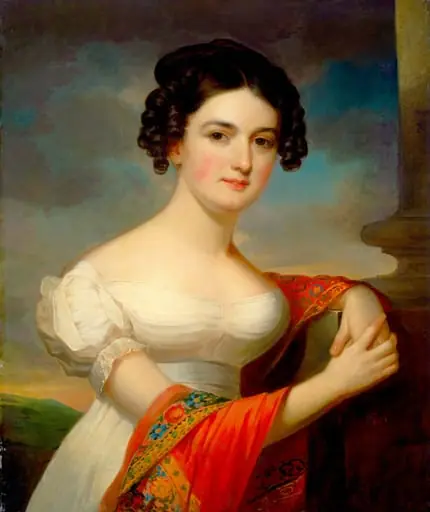
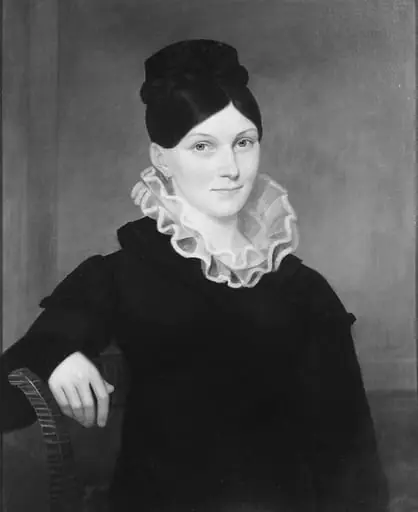
Jacob Eichholtz’s oil portrait of Phoebe Cassidy Freeman, also identified as Mrs. Clarkson Freeman, dates to around 1830. Executed on canvas, the work presents a seated woman in a dark, smoothly rendered dress with a prominent white collar, set against a warm brown backdrop. Her dark hair is gathered back, and she gazes directly at the viewer with a composed expression.
Own this work as a print
Artist & collection