Artwork
Tomb with Inscription
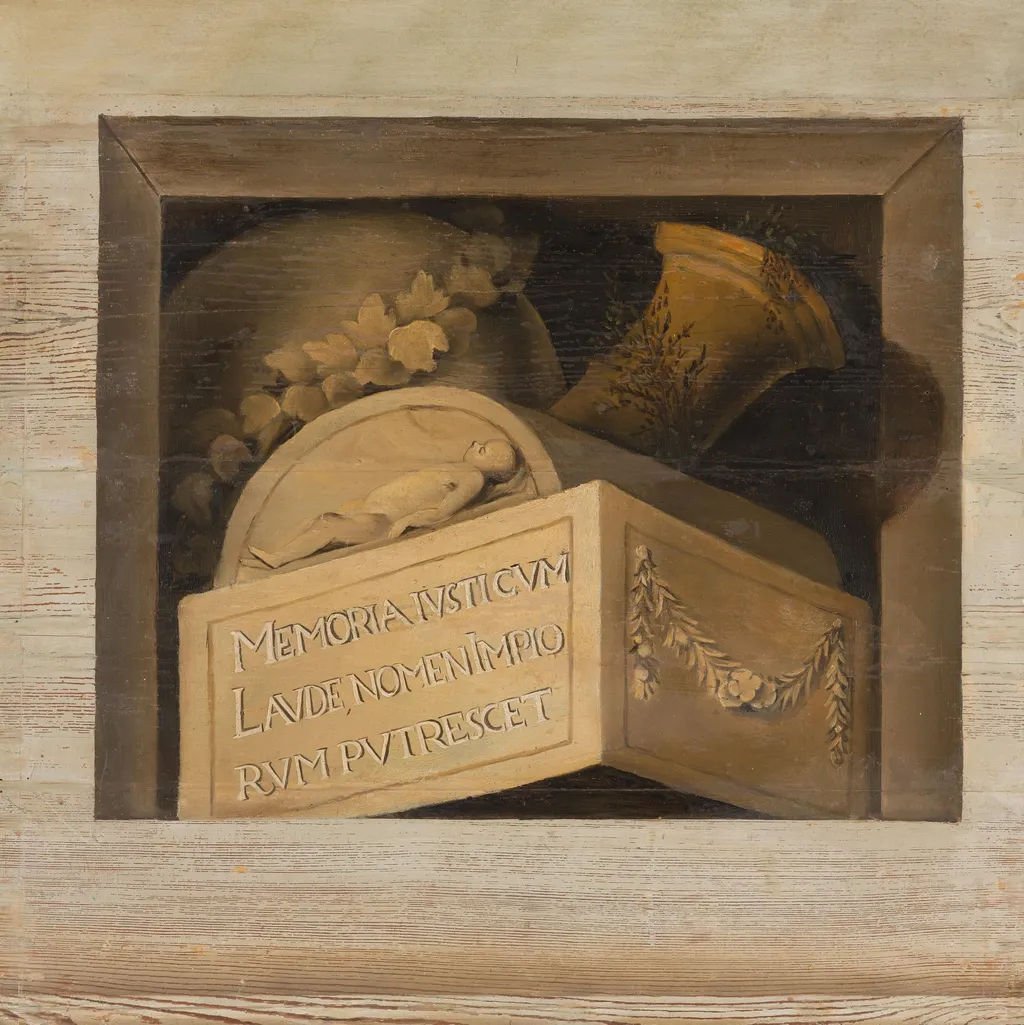
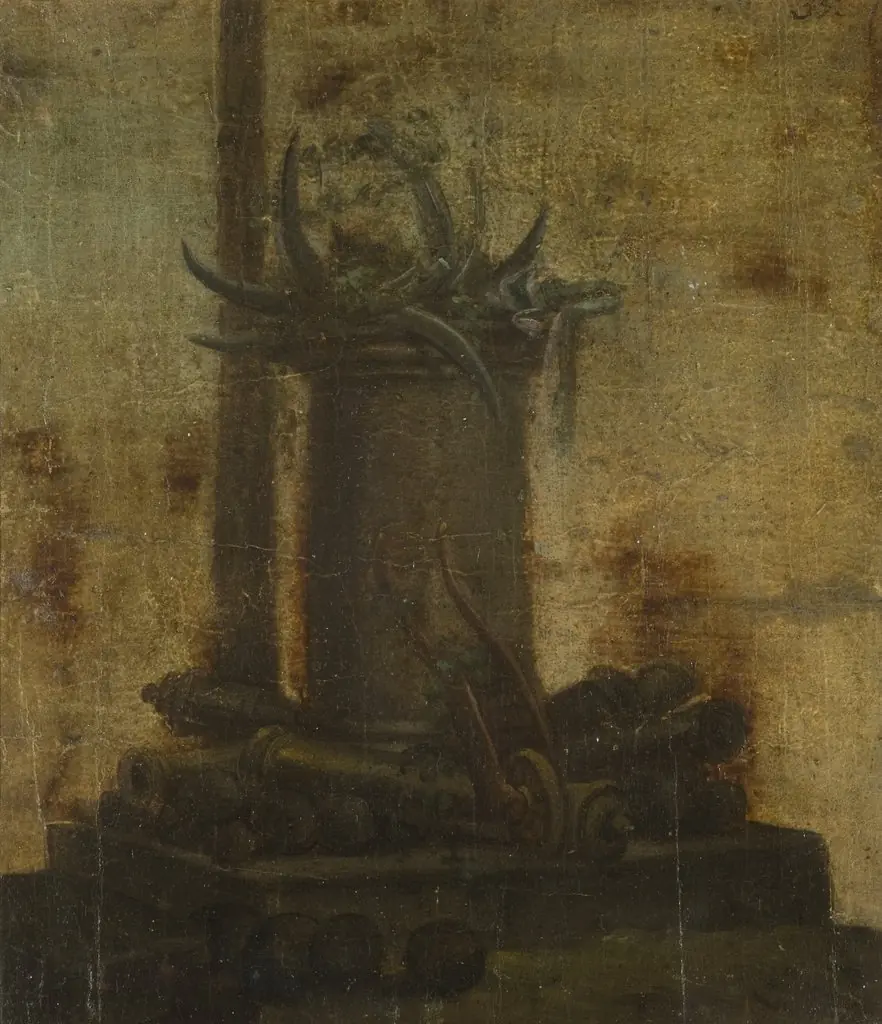
Tomb with Inscription is an unspecified painting by the Dutch Golden Age artist Jacob van Campen. It dates from 1648 and is held in the collection of the Rijksmuseum.
About this work
Subject & Meaning
The painting's meaning is rooted in its allegorical content, though specific symbolic details are not elaborated in the provided sources.
The Tomb with Inscription is an allegorical painting by Jacob van Campen created between 1645 and 1650. It belongs to the Dutch Baroque period and reflects the classical revival style that van Campen introduced to the Netherlands, blending Vitruvian principles with Dutch brick architecture. The work embodies themes of mortality and commemoration typical of funerary art, using symbolic iconography to convey moral and social messages about status and legacy. As part of van Campen's broader artistic practice, which included painting, architecture, and decorative schemes, this piece demonstrates his mastery of proportion and restrained ornamentation, principles he also applied to his architectural masterpieces such as Amsterdam's Town Hall. The painting's meaning is rooted in its allegorical content, though specific symbolic details are not elaborated in the provided sources.
History & Provenance
The work Tomb with Inscription is held in the Rijksmuseum Amsterdam, where it is listed under inventory number SK-A-1365. It was exhibited in the 1939 exhibition "Dutch Seventeenth-Century Painting" at the Rijksmuseum and later featured in the 1976 retrospective "Jacob van Campen: Architecture and Painting" at the same institution.
Context
Jacob van Campen is recognized as the founder and leading figure of Dutch Classicism, a style that merged native brick construction with the Vitruvian principles and Palladian proportions he encountered during his Italian travels. While he began painting as a pastime under the influence of Frans de Grebber and Utrecht Caravaggisti, his architectural achievements, particularly the Amsterdam Town Hall, defined the visual language of the Dutch Golden Age. Contemporary critics and figures like Constantijn Huygens hailed the Town Hall as the "eighth wonder of the world," praising its strict proportions and sober decoration, though the ground-level entrance without stairs drew some censure. His work exerted a profound international influence, inspiring later architects such as Christopher Wren and shaping the designs of the Potsdam city palace under the patronage of Frederick William, Elector of Brandenburg.
Own this work as a print
Artist & collection

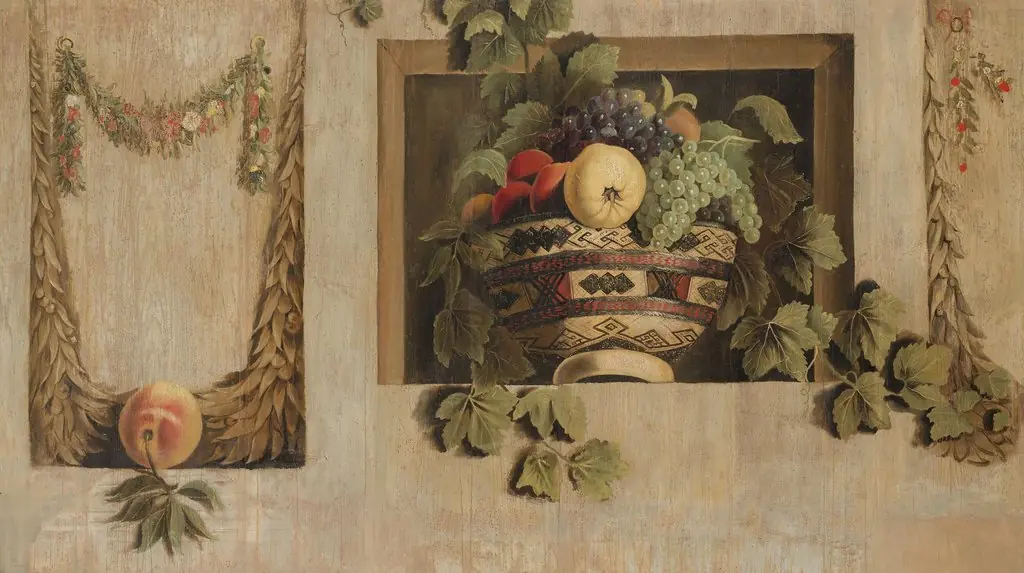 Still Life with Fruit and Flower Garlands
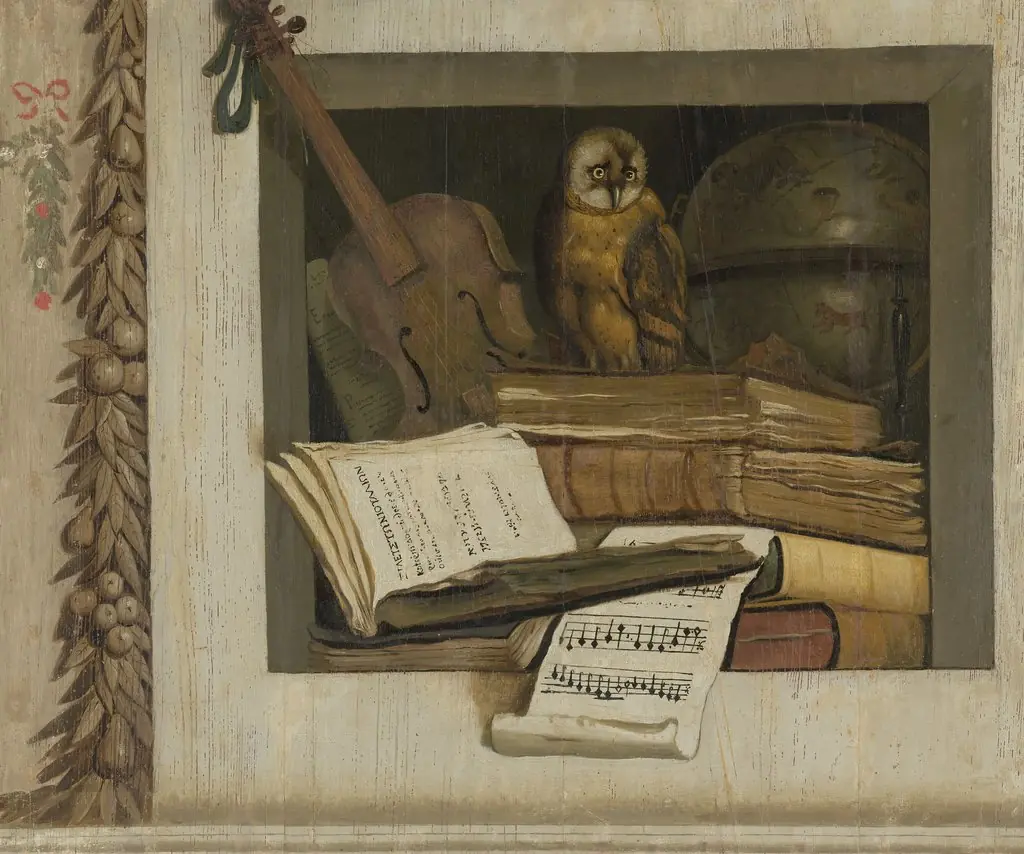 Still Life with Books, Sheet Music, Violin, Celestial Globe and an Owl
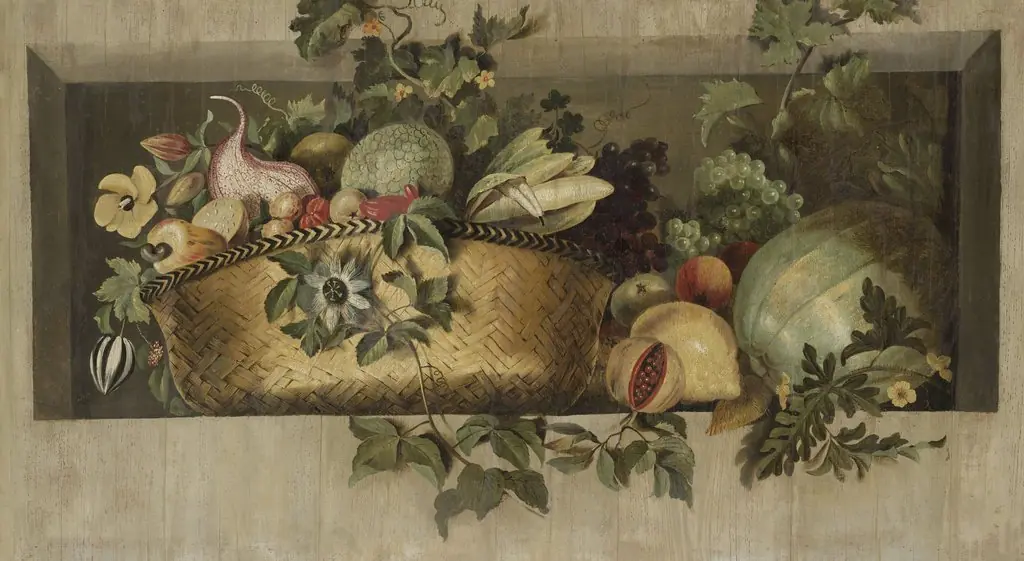 Still Life with Fruit and Flower Garlands
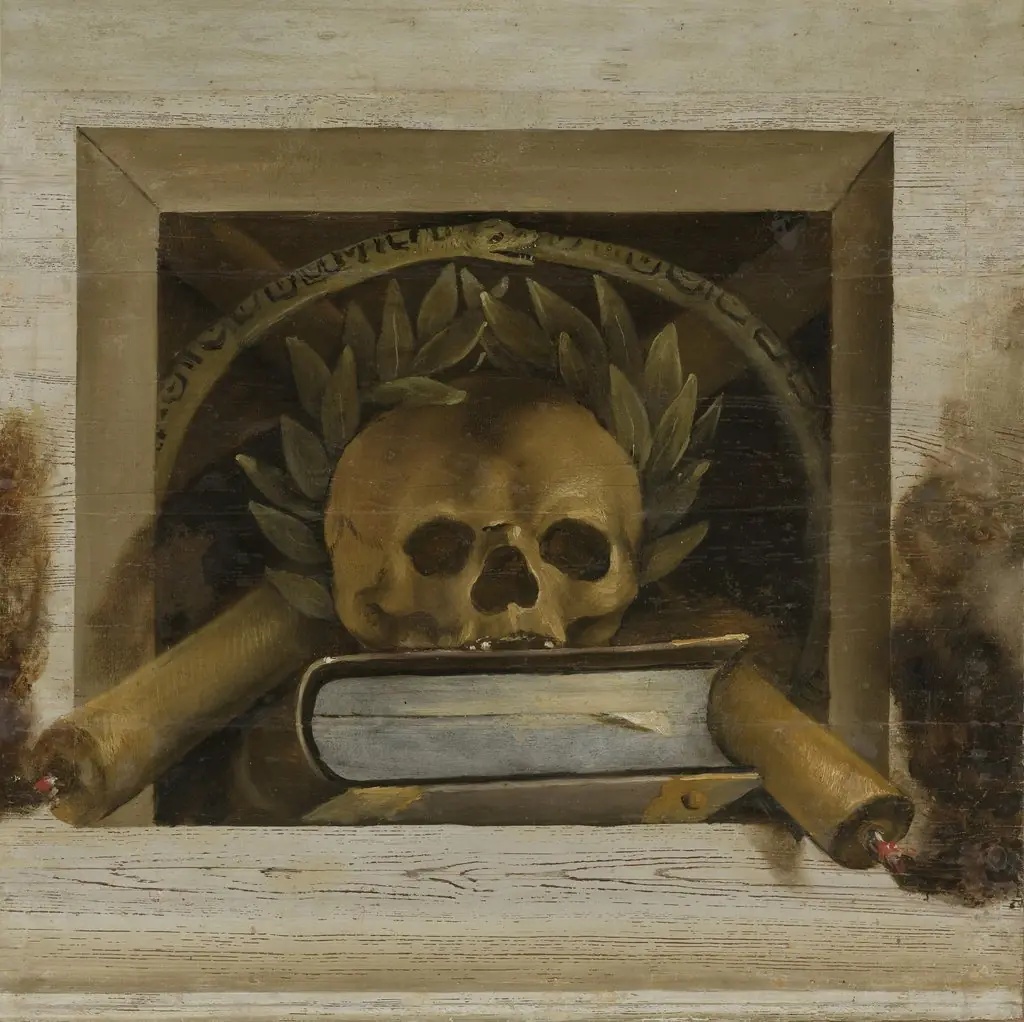 Vanitas Still Life with Skull with a Laurel Wreath and Two Burning Candles
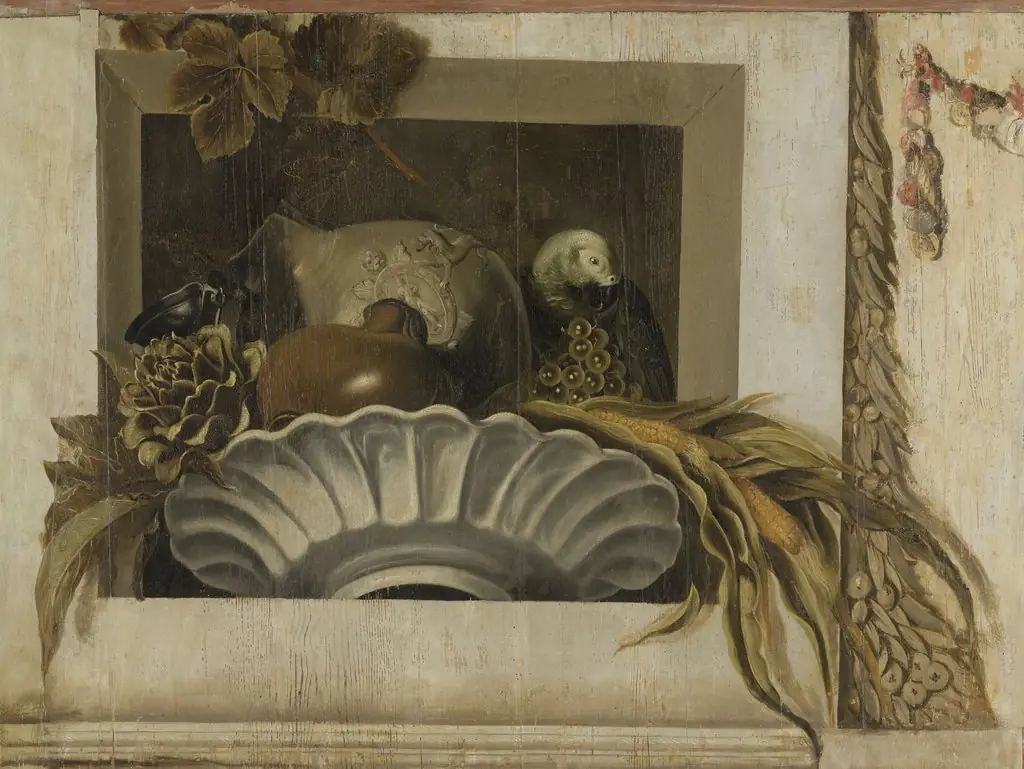 Still a Bowl of Corn, Artichokes, Grapes and a Parrot
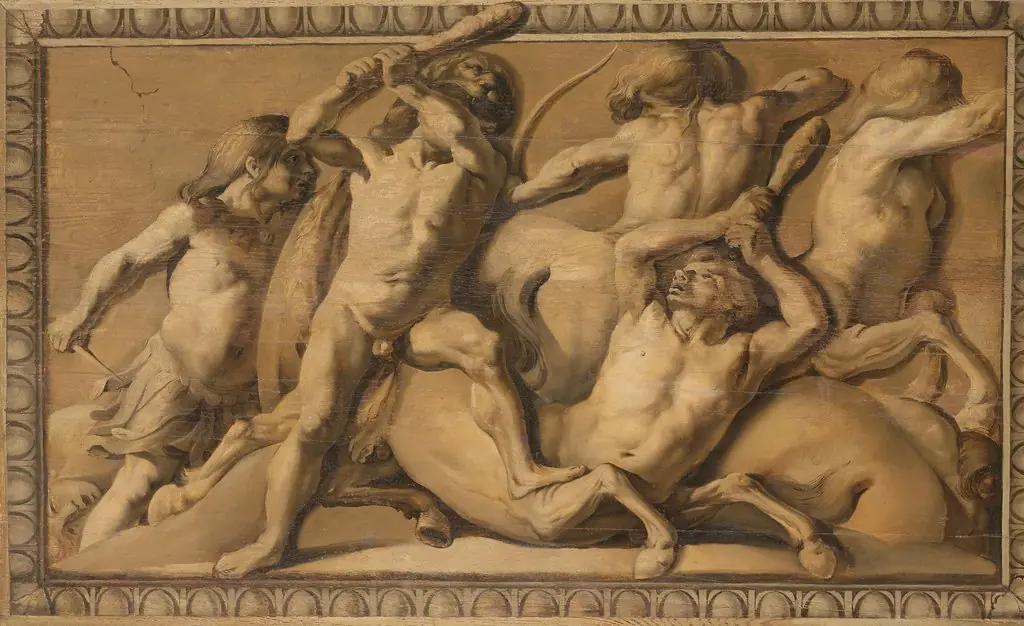 Hercules Defeated the Centaurs
- Tomb with Inscription