Artwork
Portrait of a Theologue and his Secretary
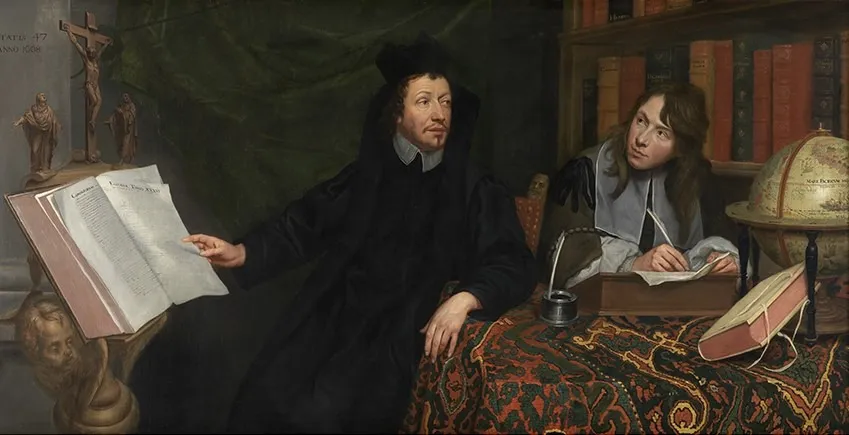
Portrait of a Theologue and his Secretary is an oil painting by the Flemish Baroque painting artist Jacob van Oost. It dates from 1668 and is held in the collection of the Groeningemuseum.
About this work
Subject & Meaning
The painting portrays a theologian accompanied by his secretary, presenting a double portrait that situates the learned sitter within a working scholarly environment. Surrounding the figures is a carefully arranged set of attributes drawn from the theologian's intellectual and devotional life: a sculpture, a globe, a book, a crucifix, a quill, and an inkwell. Together these objects function as conventional iconographic signs of erudition and faith, signalling the sitter's command of learning, through the globe and book, while the crucifix anchors his identity in Christian devotion.
The inclusion of writing tools and a secretary figure suggests the theologian is shown not in solitary contemplation but in the active production of texts, with the assistant poised to record or transcribe. The pairing of sacred and scholarly emblems reflects a 17th-century conception of theology as a discipline uniting humanist learning with religious commitment, presenting the sitter as both a man of letters and a man of the Church.
Technique & Style
The work is an oil painting executed on canvas, measuring 116 cm by 222 cm.
The work is an oil painting executed on canvas, measuring 116 cm by 222 cm. Jacob van Oost renders the scene with a restrained palette that emphasizes crisp delineation of the theologian’s black habit and the secretary’s delicate gestures, while subtle tonal modeling conveys depth in the drapery and the surrounding furnishings. The composition balances meticulous detail, such as the quill, inkwell, crucifix, and globe, with a compositional stillness that underscores the devotional context of the portrait. Formal analysis notes a clear spatial organization, a restrained chiaroscuro, and a focus on material texture that together convey a sober, narrative realism characteristic of mid‑17th‑century Flemish portraiture.
History & Provenance
The work titled Portrait of a Theologue and his Secretary was created by Jacob van Oost in 1668. It is an oil on canvas painting housed in the Groeningemuseum as part of the Flemish Art Collection. The composition includes a theologian, a sculpture, a globe, a book, a crucifix, a quill, and an inkwell. The painting measures 116 centimeters in height and 222 centimeters in width.
Portrait of a Theologue and his Secretary is part of the Groeningemuseum's collection and is catalogued under the inventory number 1876. It was exhibited in the museum's "Masterpieces of Flemish Painting" exhibition in 2018.
The work was created by Jacob van Oost in 1668 and is housed in the Groeningemuseum in Bruges, where it remains on public display.
Legacy
The painting's legacy is anchored in its continued presence at the Groeningemuseum, where it remains part of the permanent collection. Its detailed depiction of theological symbols and scholarly objects has informed studies of 17th-century portraiture and the representation of learned figures. Art historians cite its composition as an influential example within the corpus of Flemish Baroque portraiture.
Overview
Jacob van Oost the Elder completed the oil painting Portrait of a Theologue and his Secretary in 1668. Executed in the Flemish Baroque idiom, the work presents two figures within a dimly lit study, surrounded by books, a globe, a crucifix and writing implements. The canvas is part of the collection of the Groeningemuseum in Bruges.
Context
The work belongs to the broader Flemish Baroque movement, which responded to the Counter‑Reformation’s demand for didactic and devotional imagery. By portraying a theologian alongside his secretary, van Oost highlights the intellectual labor supporting the Church’s mission, aligning with contemporary expectations that art reinforce religious authority and scholarly rigor.
Artist & collection
Artist
Jacob van Oost or Jacob van Oost the Elder (1603–1671) was a Flemish painter of history paintings and portraits.

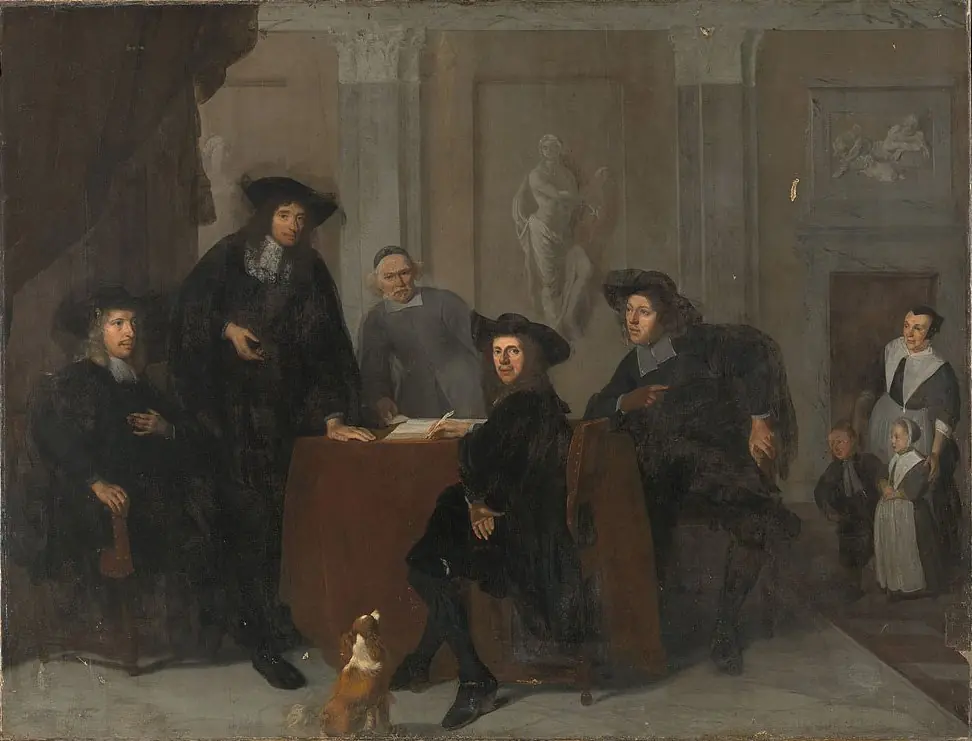 Regents of the Leper's house in Amsterdam
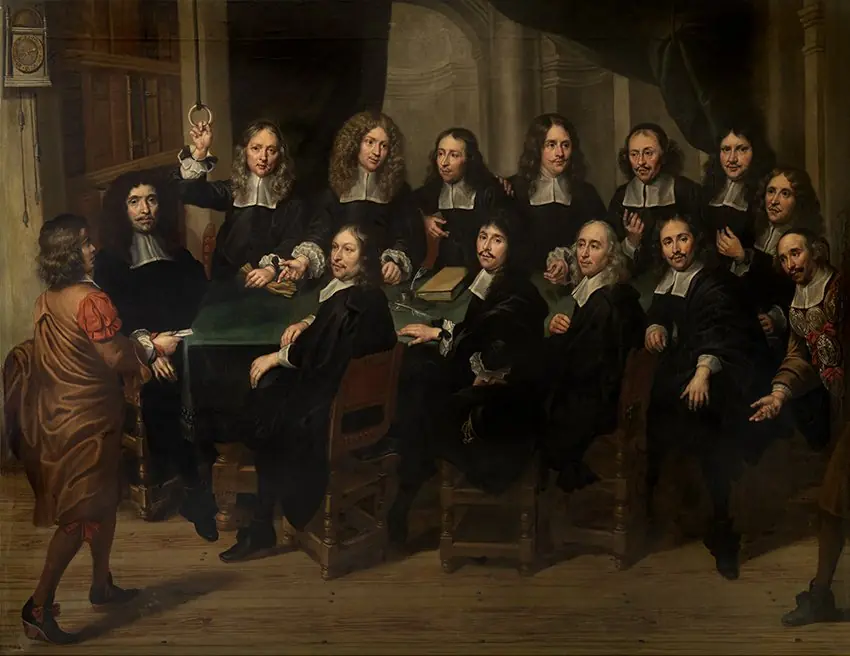 Het bestuur van het Brugse chirurgijnsambacht
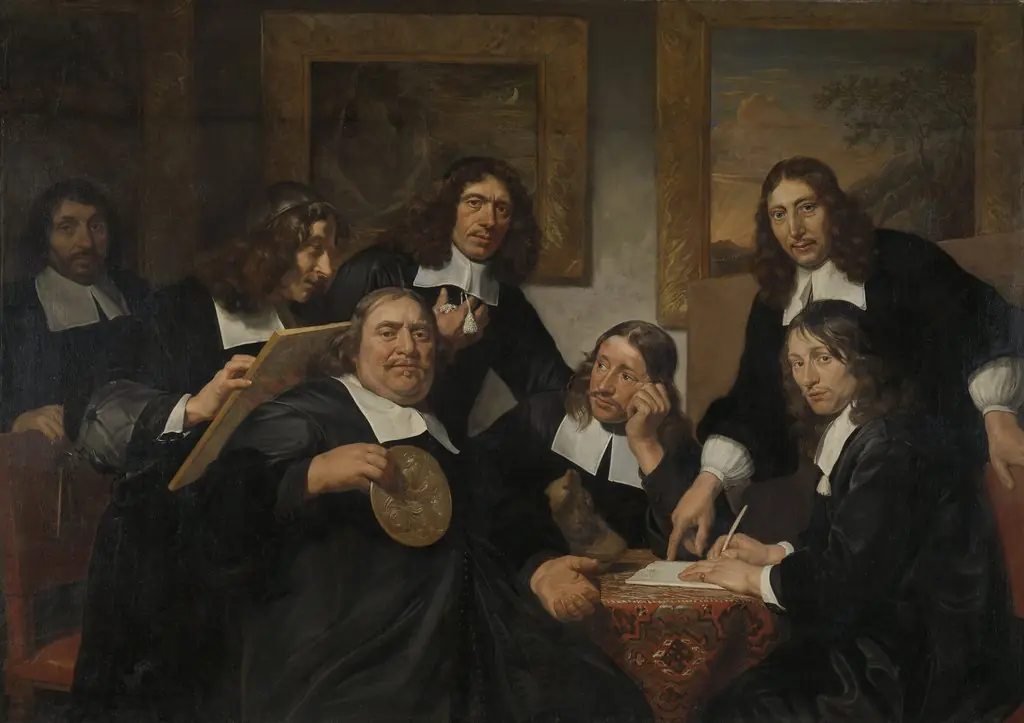 The governors of the guild of St. Luke, Haarlem, 1675
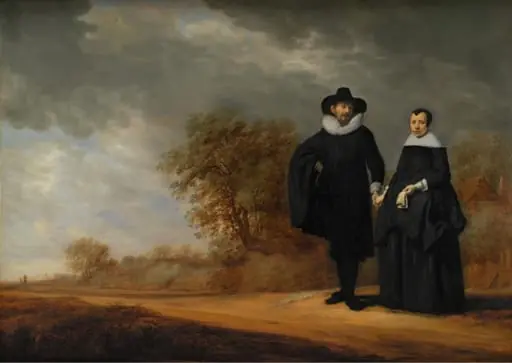 Burgomaster Cornelis Damasz. van der Gracht and his Wife, Jopken Jacobs, in a Landscape
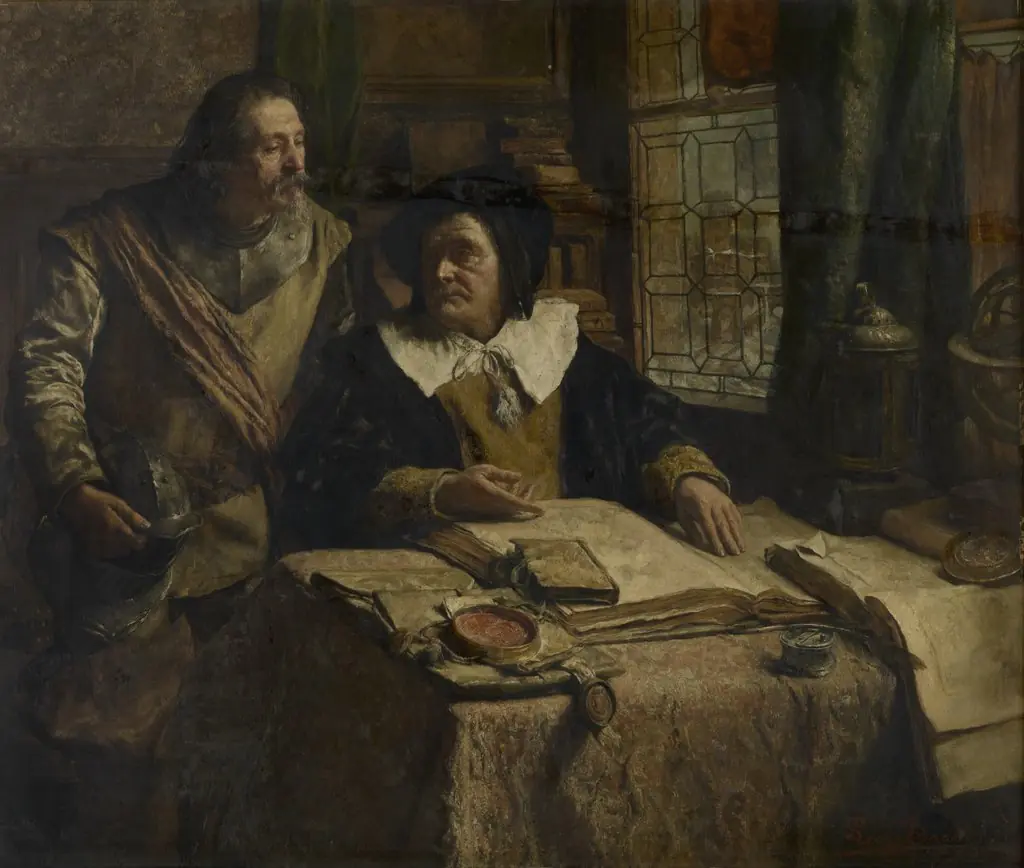 The Geographer
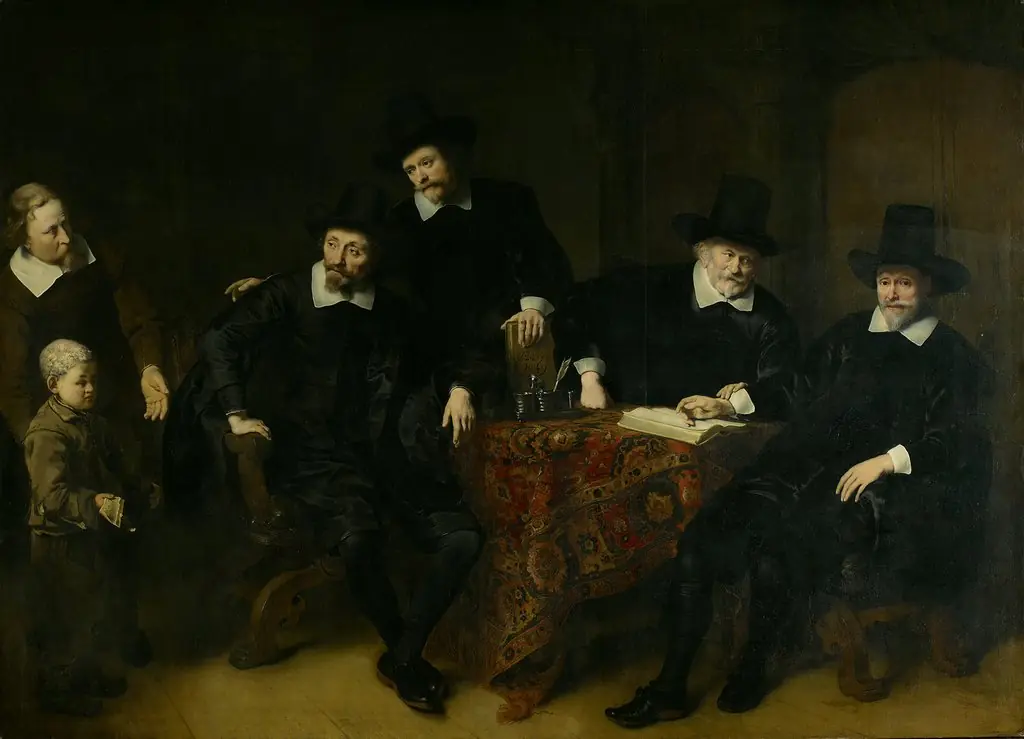 The Regents of the Leper's house in Amsterdam in 1649
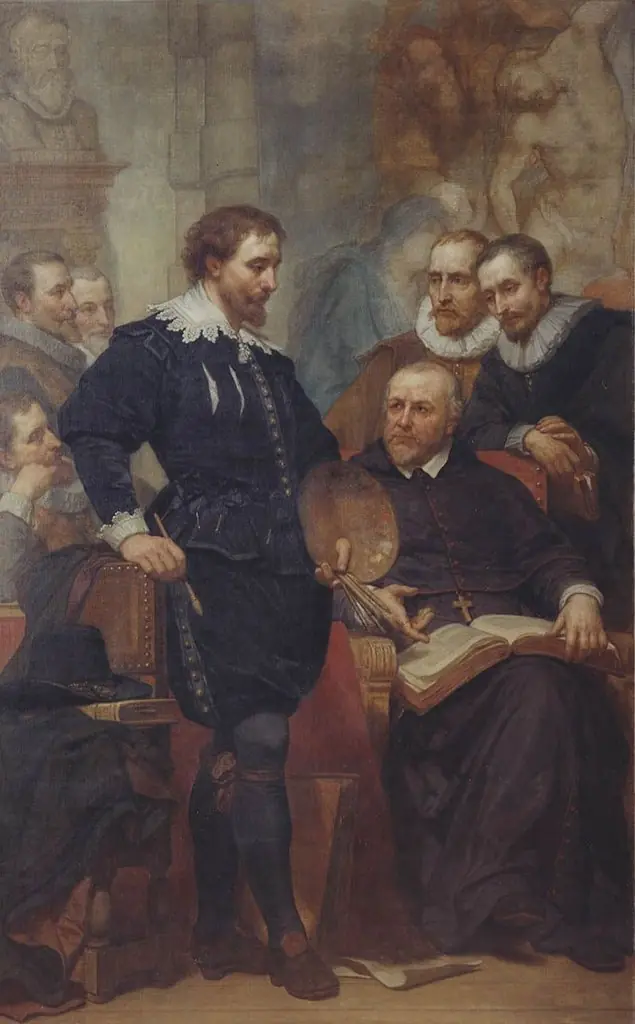 Peter Paul Rubens in his Studio
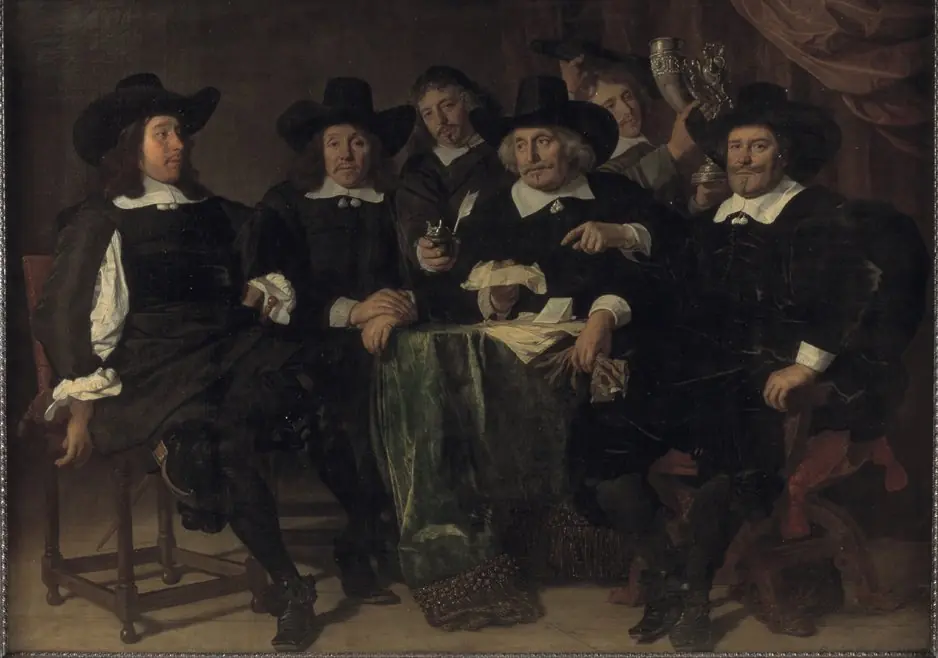 The directors of the Amsterdam civic guard of St. George in 1656
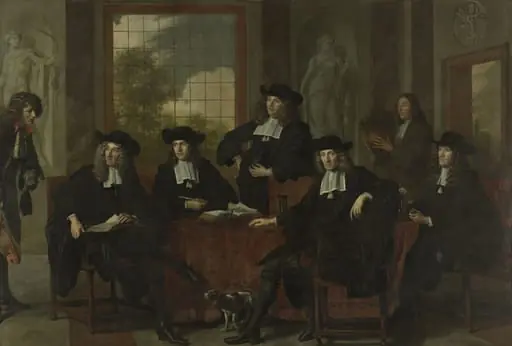 The Superintendents of the Collegium Medicum in Amsterdam, 1683
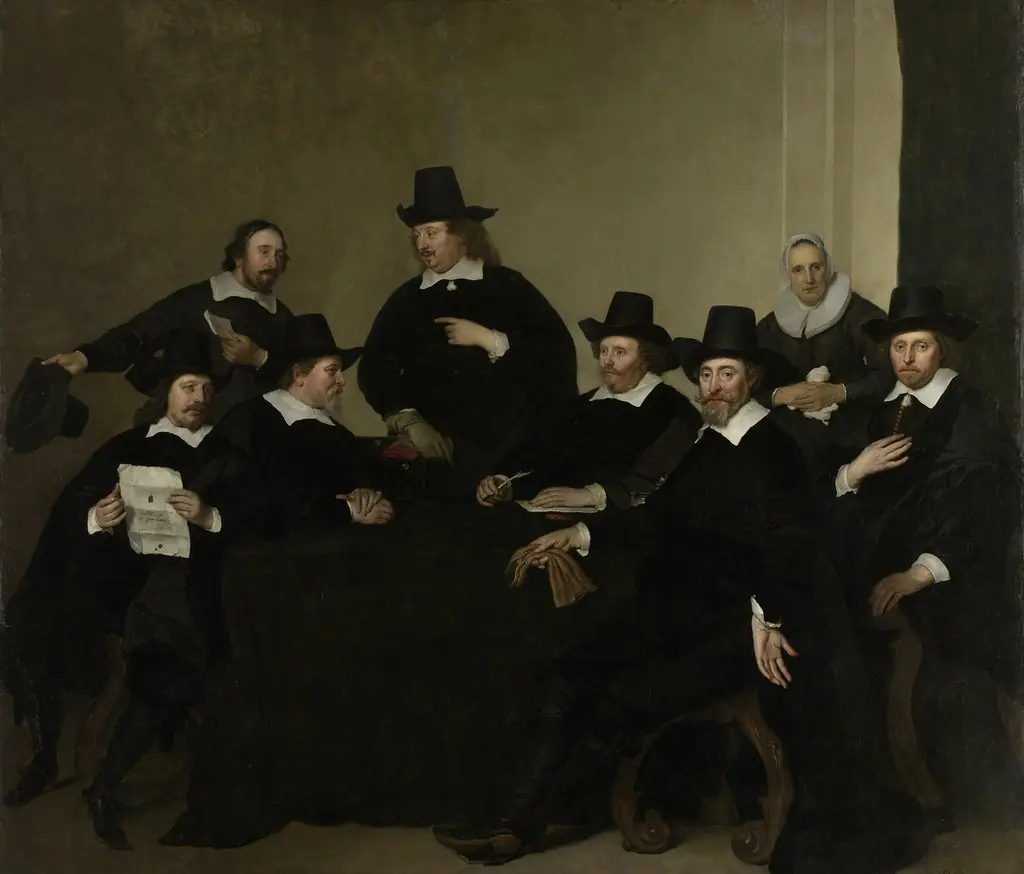 The regents of the Nieuwe Zijds institute for the outdoor relief of the poor, Amsterdam, ca 1650
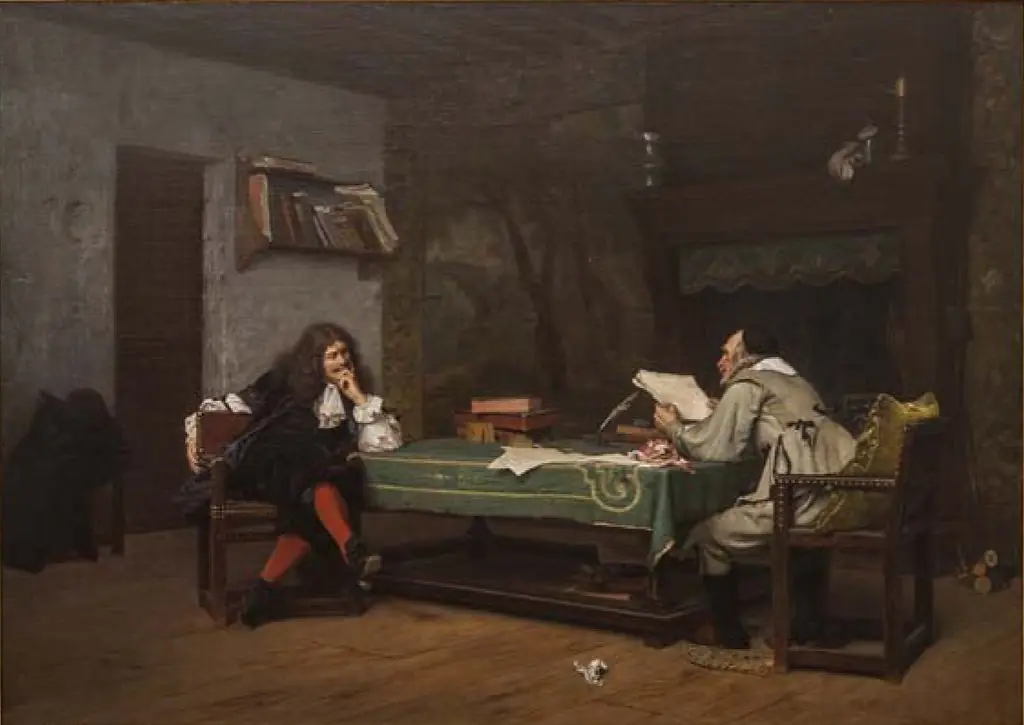 A Collaboration (Molière and Corneille
- Portrait of a Scholar