Artwork
Landscape with a Wheatfield
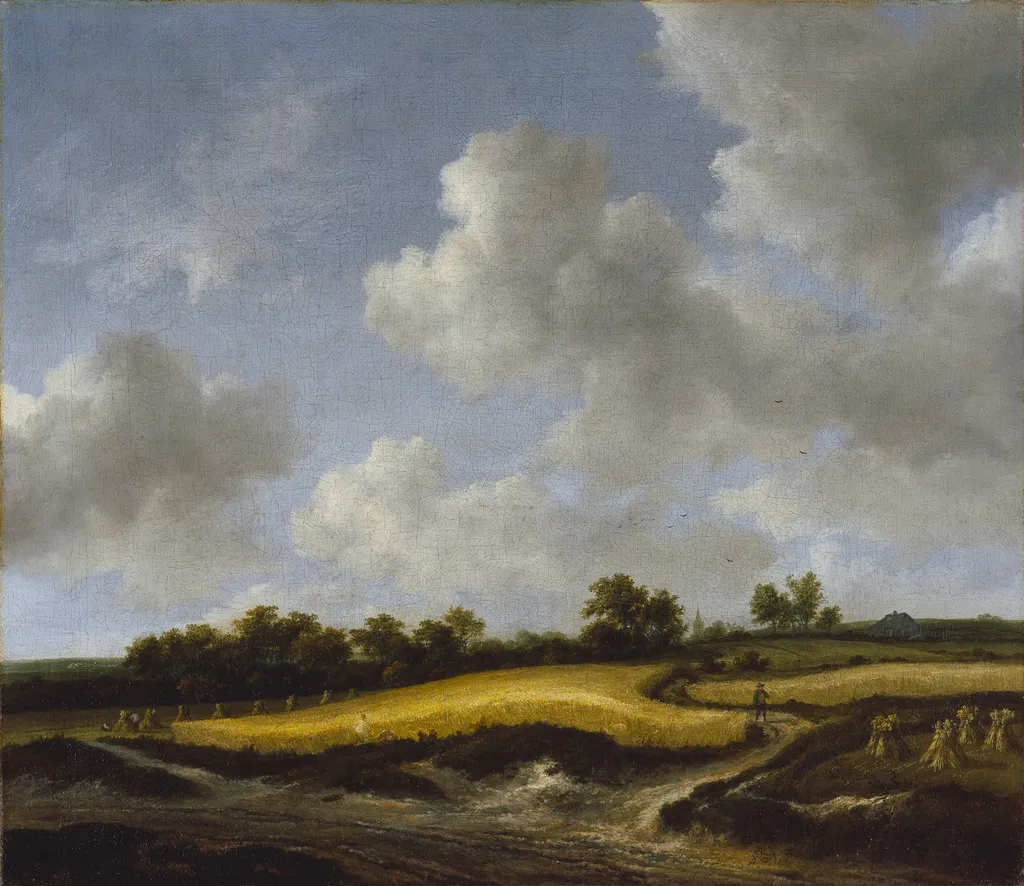
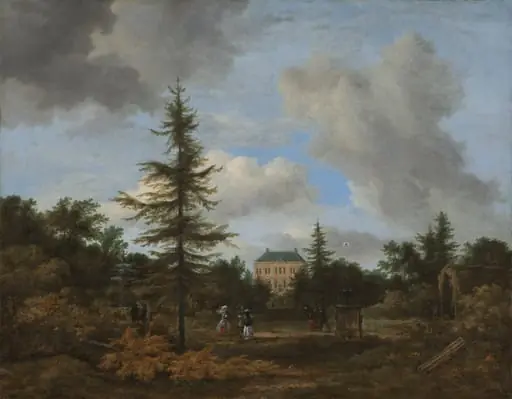
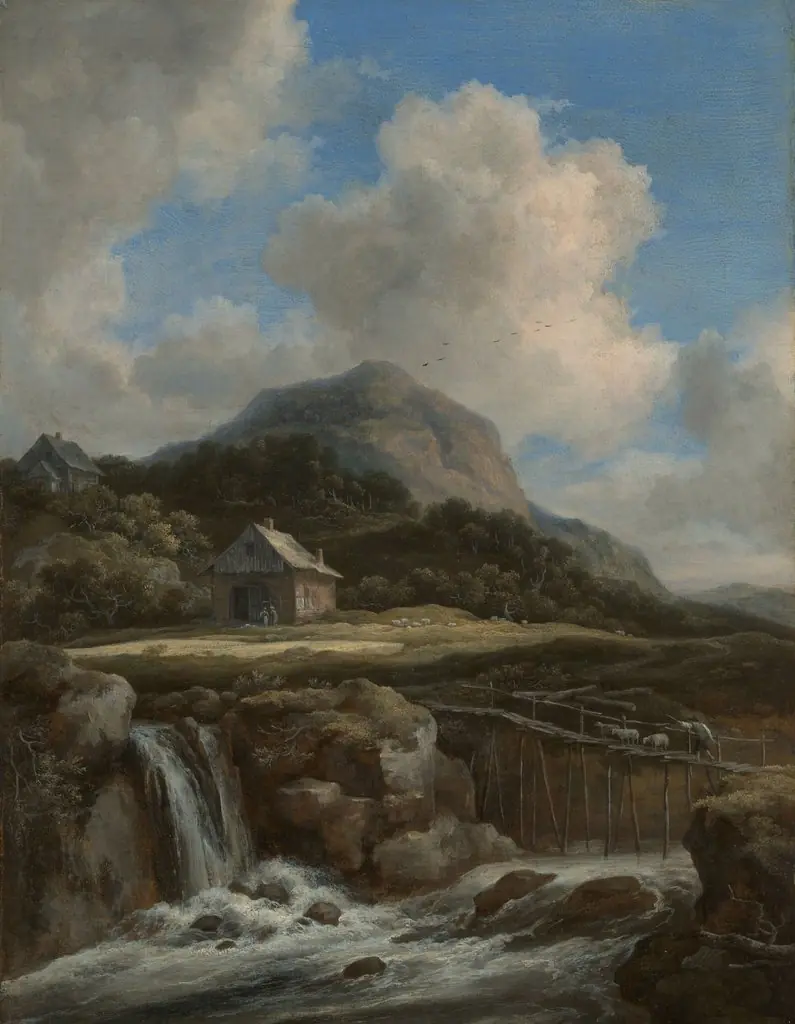
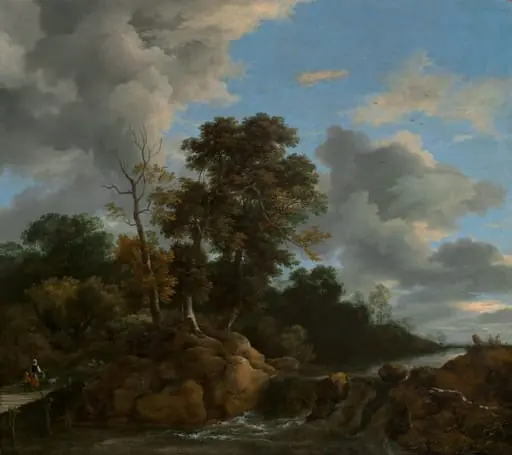
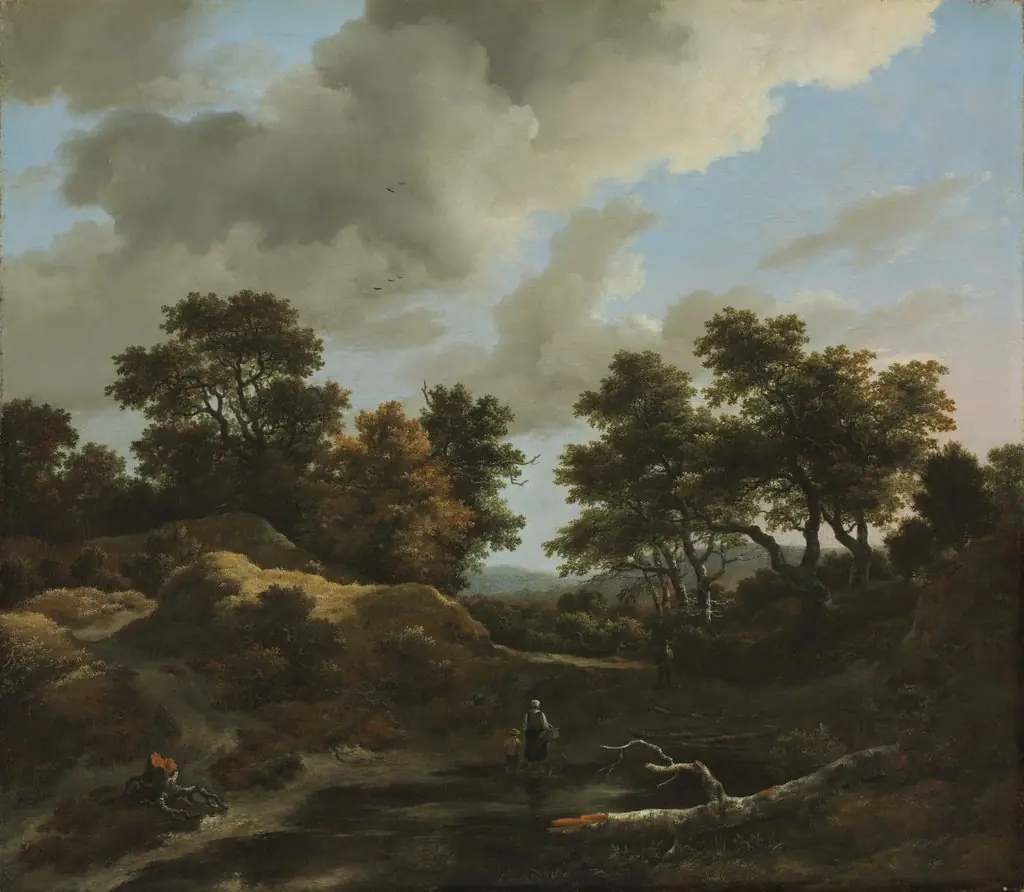
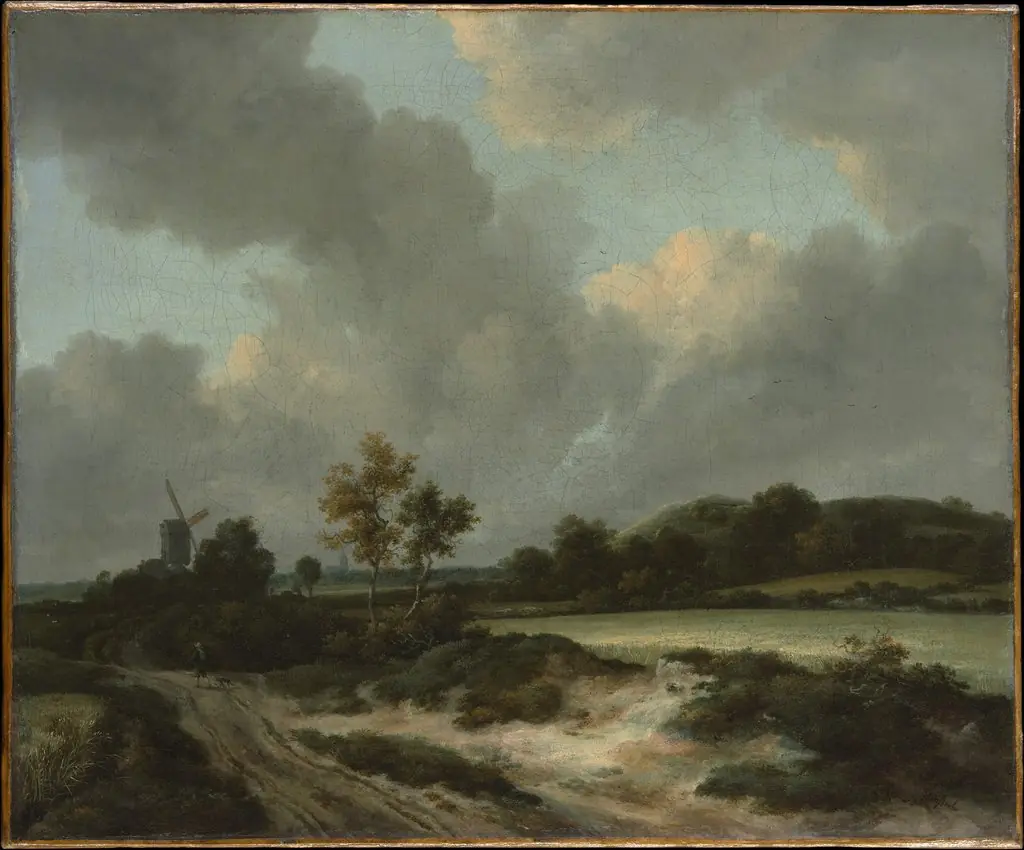
Landscape with a Wheatfield is an oil painting by the Dutch Golden Age artist Jacob van Ruisdael. It dates from 1650 and is held in the collection of the J. Paul Getty Museum.
About this work
Subject & Meaning
Jacob van Ruisdael's 1650 oil painting portrays a rural landscape dominated by a wheatfield.
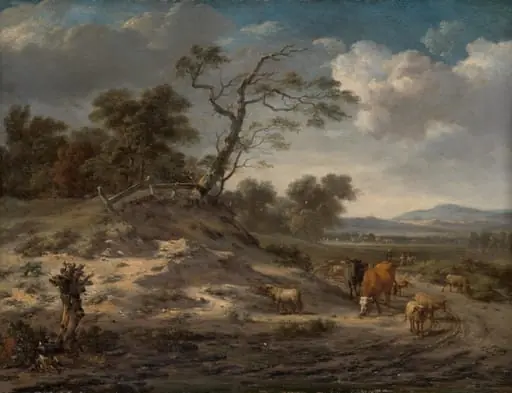
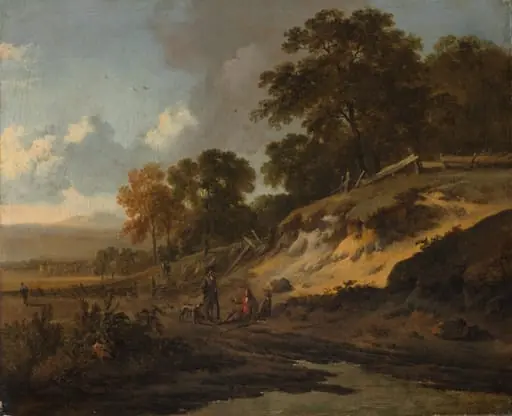
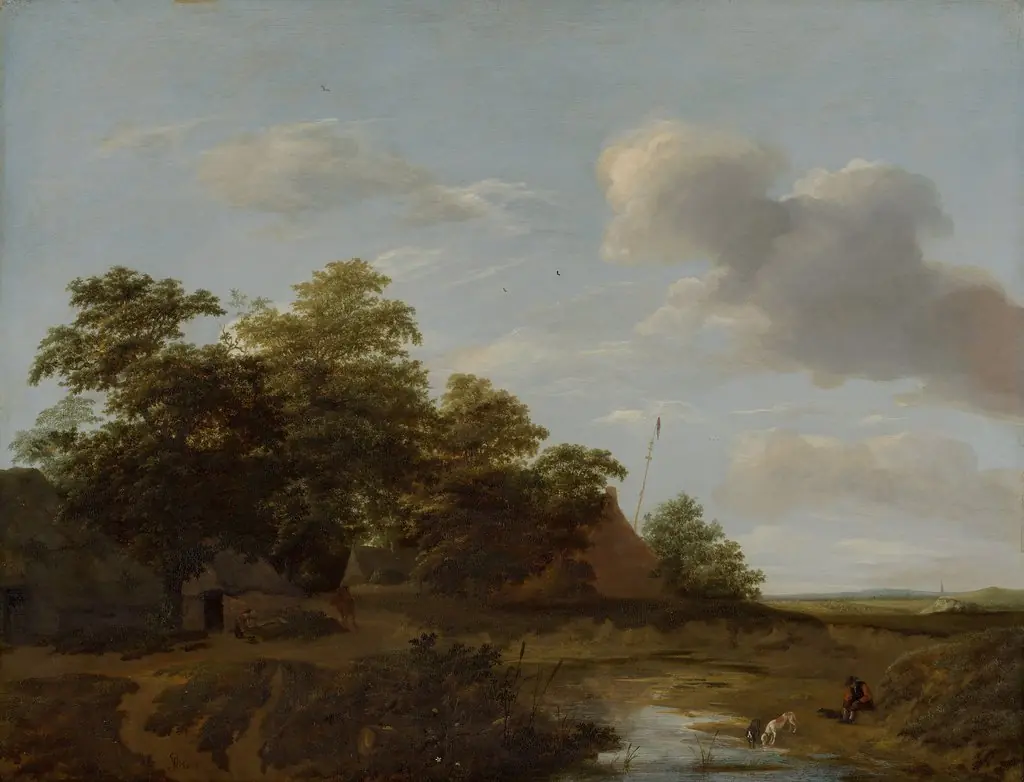
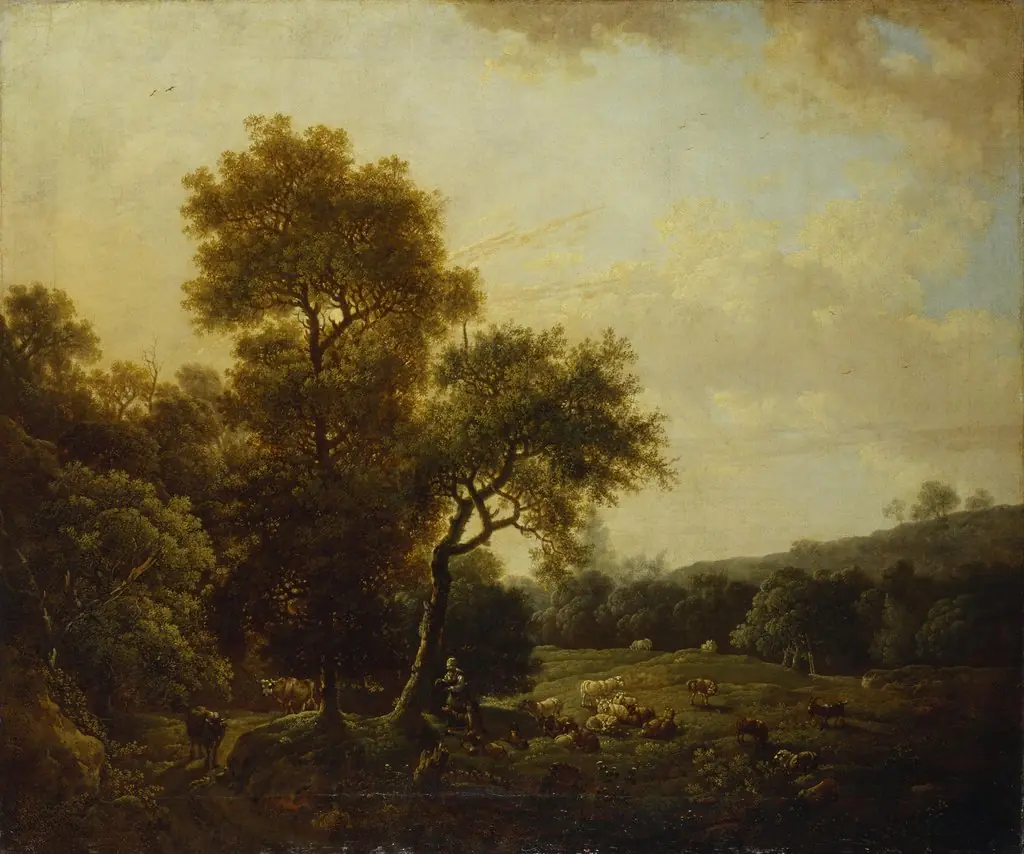
Jacob van Ruisdael's 1650 oil painting portrays a rural landscape dominated by a wheatfield. The composition features specific agricultural and architectural elements, including sheaves of grain, a road, a grove, a house, and a distant steeple rising against a cloudy sky. Human presence is indicated by the depiction of a man within the scene.
Created in Haarlem, the work functions as a genre landscape that documents the tangible features of the countryside, focusing on the interplay between cultivated land, natural vegetation, and settlement structures.
Technique & Style
Landscape with a Wheatfield is an oil painting on canvas, executed in 1650 by Jacob van Ruisdael in Haarlem. The work belongs to the landscape genre and combines a range of naturalistic motifs within a single composition, including an open field, drifting clouds, bound sheaves, a figure, a steeple, a house, a road, and a grove.
The handling of oil paint on canvas allowed Ruisdael to render the varied textures of the Dutch countryside, from the cultivated grain and clustered trees to the architectural elements and atmospheric sky, within a unified landscape format. As a painting held in the J. Paul Getty Museum's collection, the canvas support and oil medium are consistent with the standard seventeenth-century Dutch landscape practice in which Ruisdael worked.
History & Provenance
Jacob van Ruisdael created the oil painting Landscape with a Wheatfield in 1650. The work was executed in Haarlem, utilizing oil paint on canvas to depict a rural scene featuring a field, sheaves of wheat, and architectural elements such as a steeple and house. Currently, the painting is held in the collection of the J. Paul Getty Museum. No specific commission details or earlier ownership records are provided in the available sources.
Landscape with a Wheatfield, painted by Jacob van Ruisdael in 1650, is housed at the J. Paul Getty Museum. The work entered the collection with accession number 2006.5.5 and has been part of the museum's exhibitions, including 'Dutch and Flemish Masterpieces' (2006).
Context
Jacob van Ruisdael's 1650 Landscape with a Wheatfield exemplifies Dutch Golden Age landscape painting, reflecting his mastery of atmospheric perspective and compositional complexity. The work depicts a expansive field with sheaves of wheat, a distant steeple, and a winding road under dynamic clouds, rendered in oil on canvas. It belongs to the broader tradition of 17th-century Dutch landscape genre, emphasizing naturalistic observation of rural environments.
The painting's significance lies in its synthesis of empirical detail and poetic mood, influencing later landscape artists. It is housed in the J. Paul Getty Museum collection, underscoring its recognized art historical value.
Scholarly analysis highlights its technical innovation in depicting light and space, positioning it within van Ruisdael's mature period following his Haarlem residency. The work's iconography, incorporating elements like a man, grove, and road, demonstrates the genre's narrative depth beyond mere topography. Its classification as a landscape painting aligns with contemporary Dutch artistic conventions while showcasing the artist's unique approach to spatial depth and natural observation.
Overview
Landscape with a Wheatfield is an oil painting by Jacob van Ruisdael, created around 1650. It is a landscape that captures a serene scene.
Own this work as a print
Artist & collection
Artist
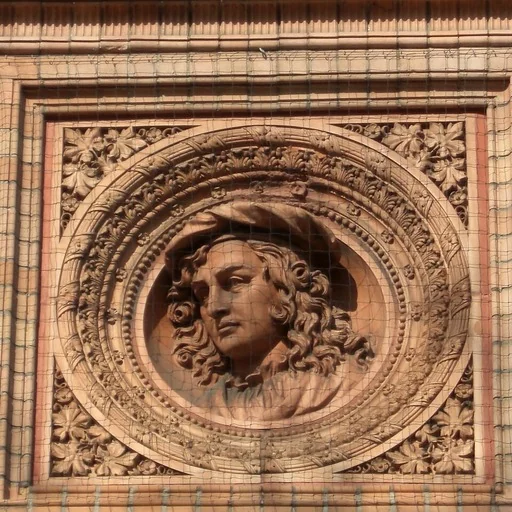
Jacob Isaackszoon van Ruisdael was a Dutch painter, draughtsman, and etcher. He is generally considered the pre-eminent landscape painter of the Dutch Golden Age, a period of great wealth and cultural achievement when…