Artwork
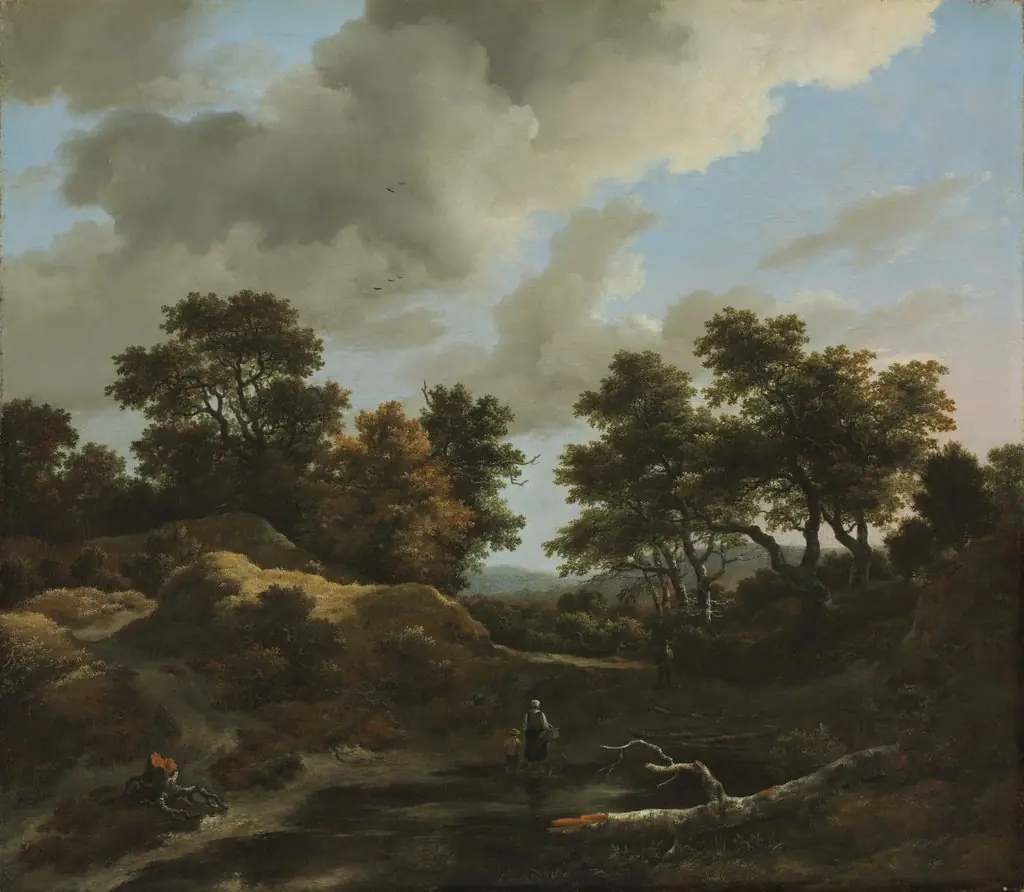
Small Woodland Landscape
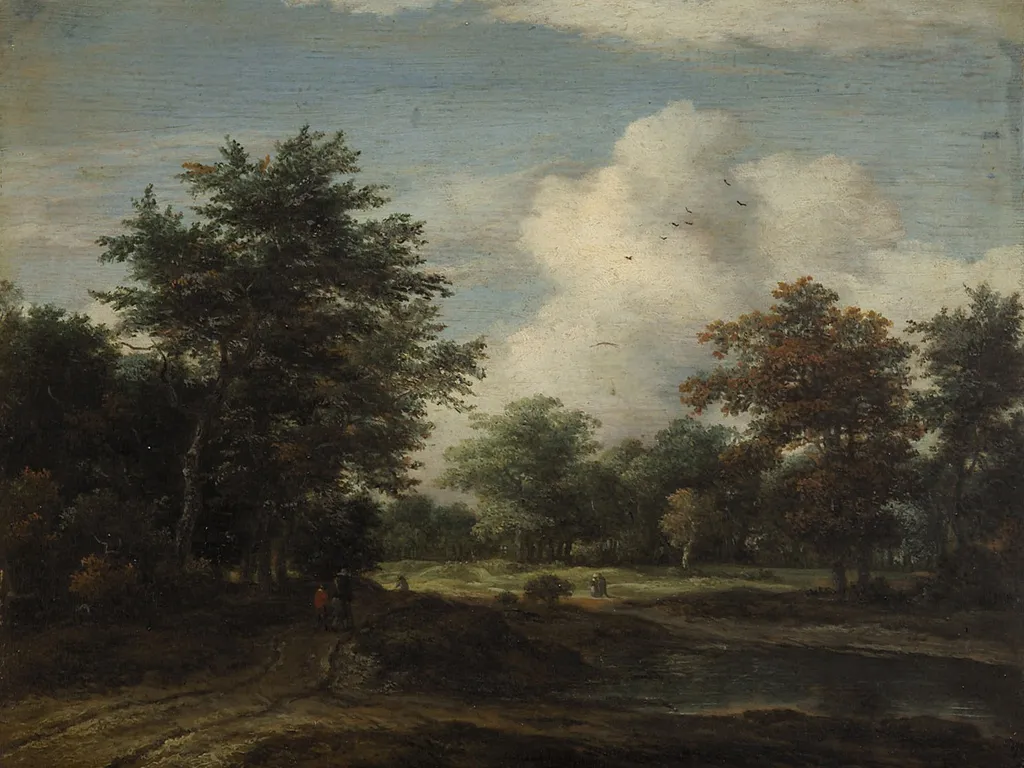
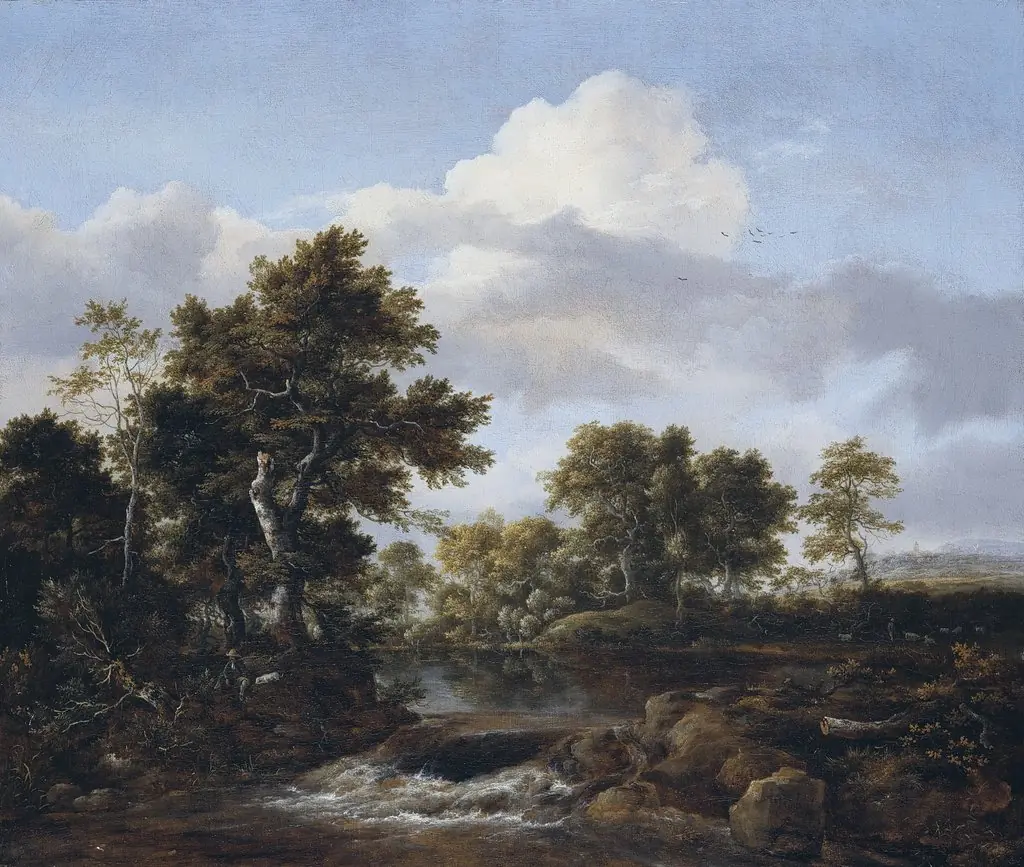
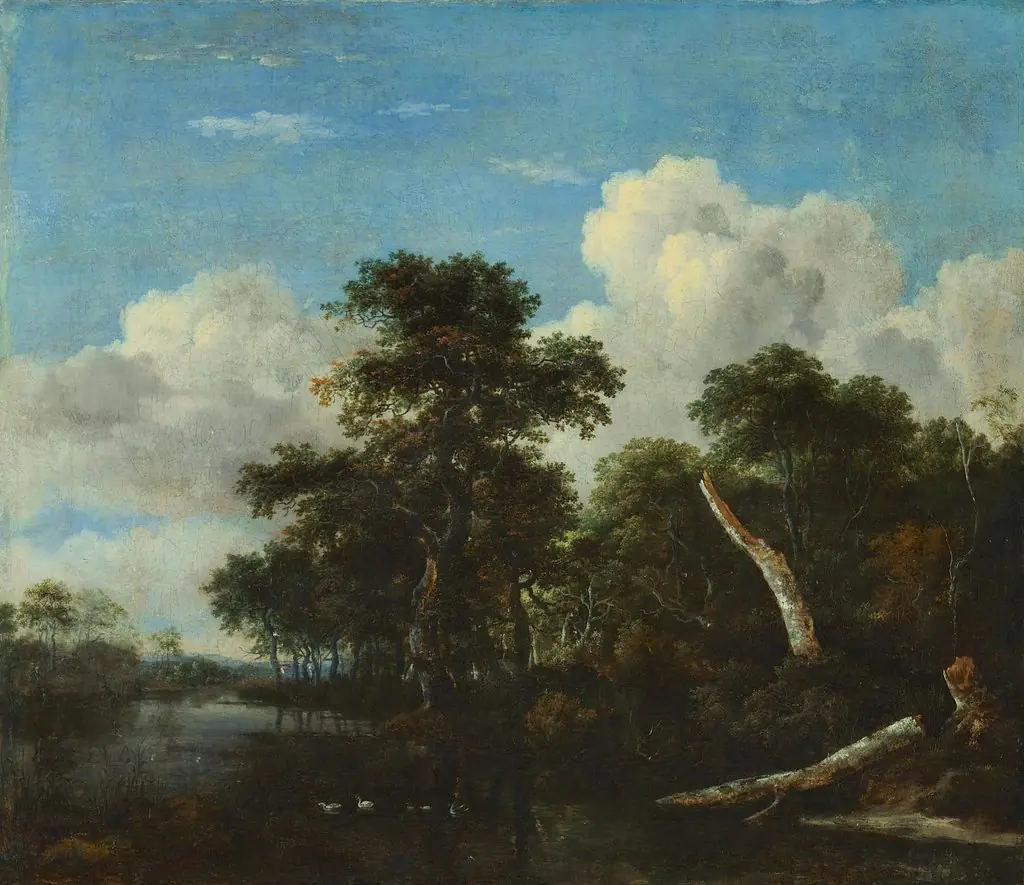
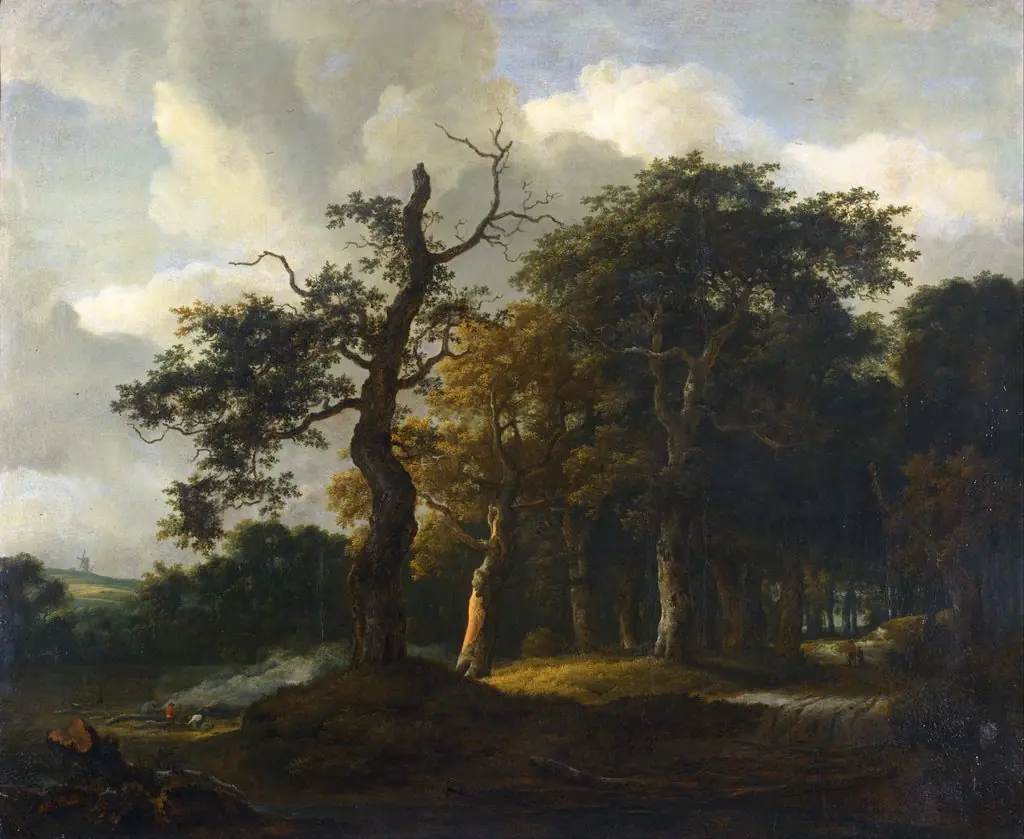
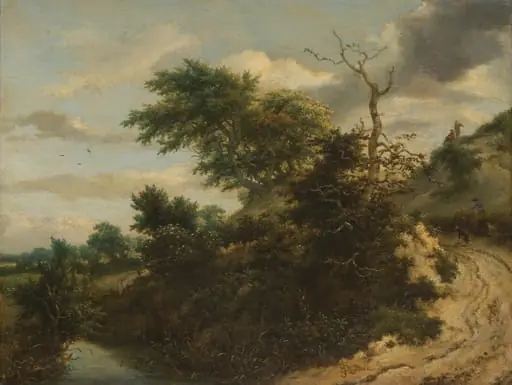
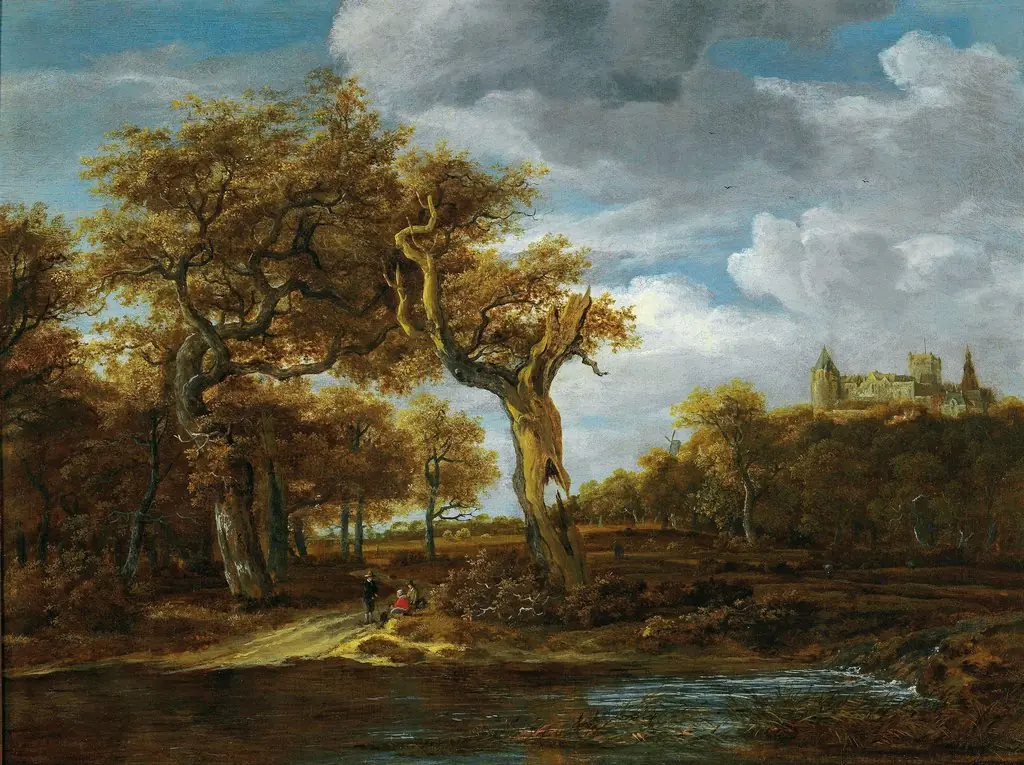
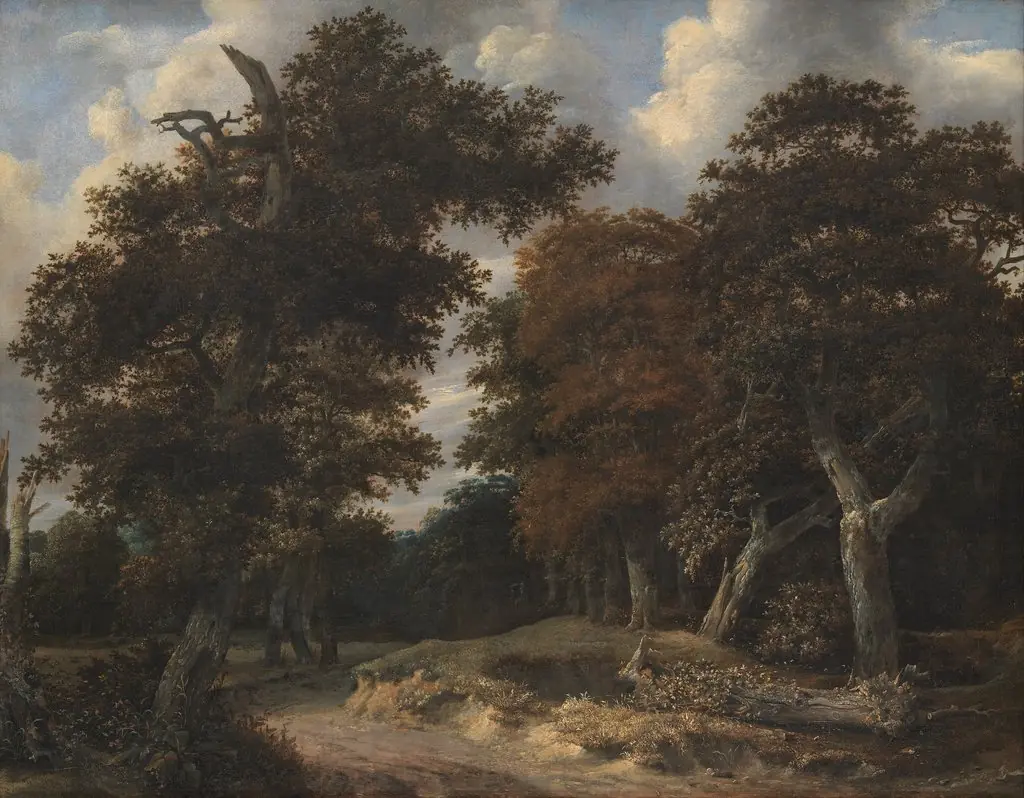
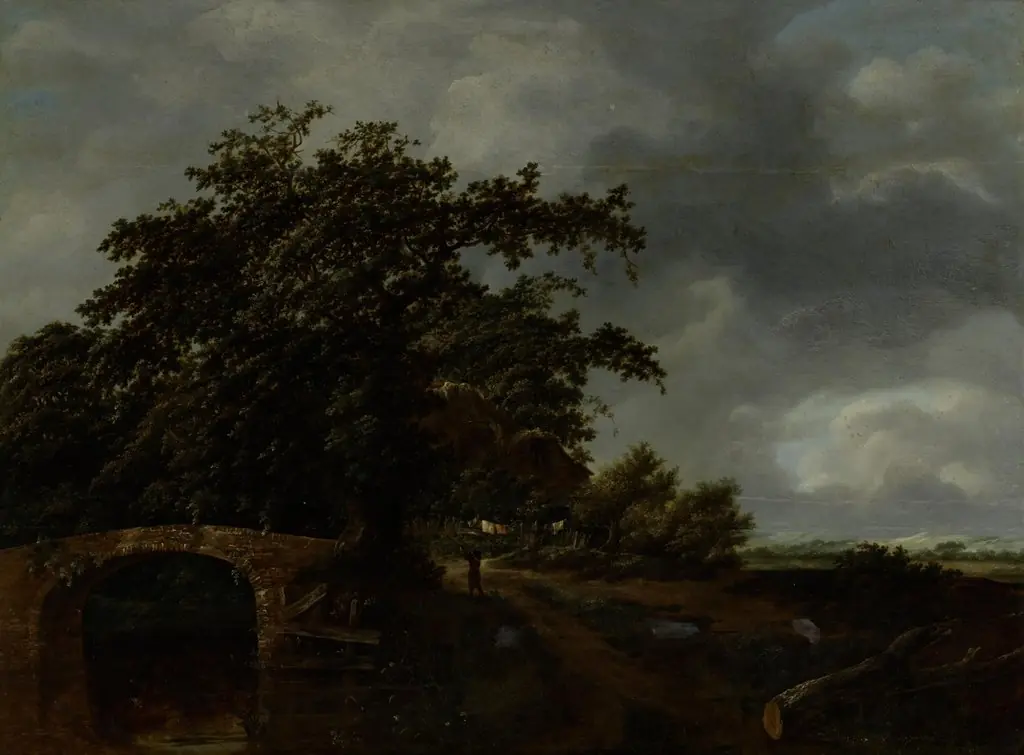
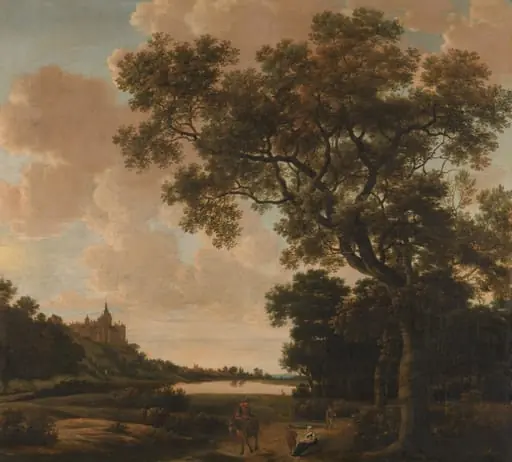
Small Woodland Landscape is an oil painting by the Dutch Golden Age artist Jacob van Ruisdael. It dates from 1660 and is held in the collection of the Kunsthistorisches Museum.
About this work
Subject & Meaning
The road serves as a visual guide, suggesting a journey toward spiritual clarity within the enclosed woodland.
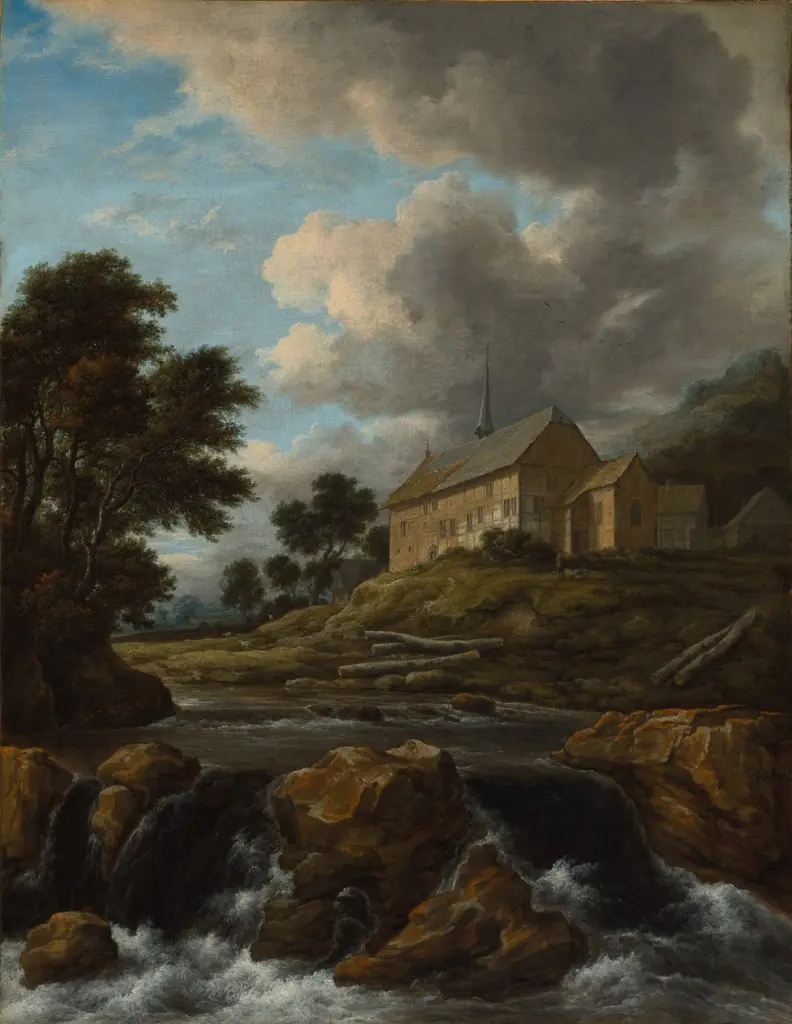
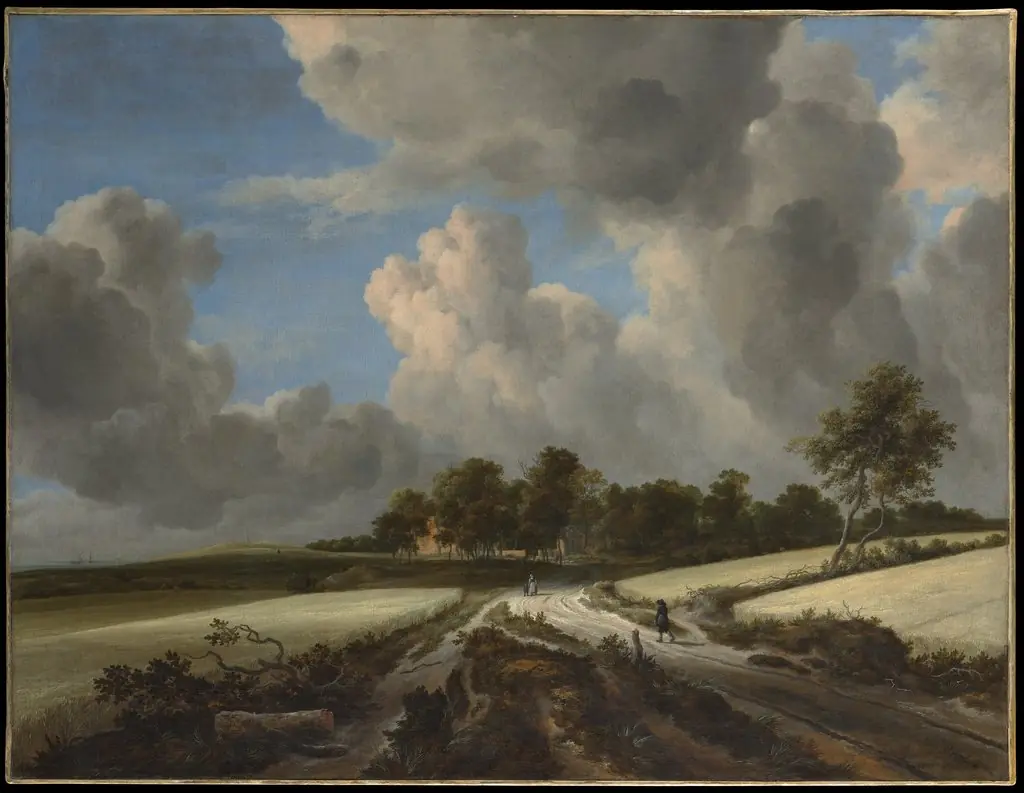
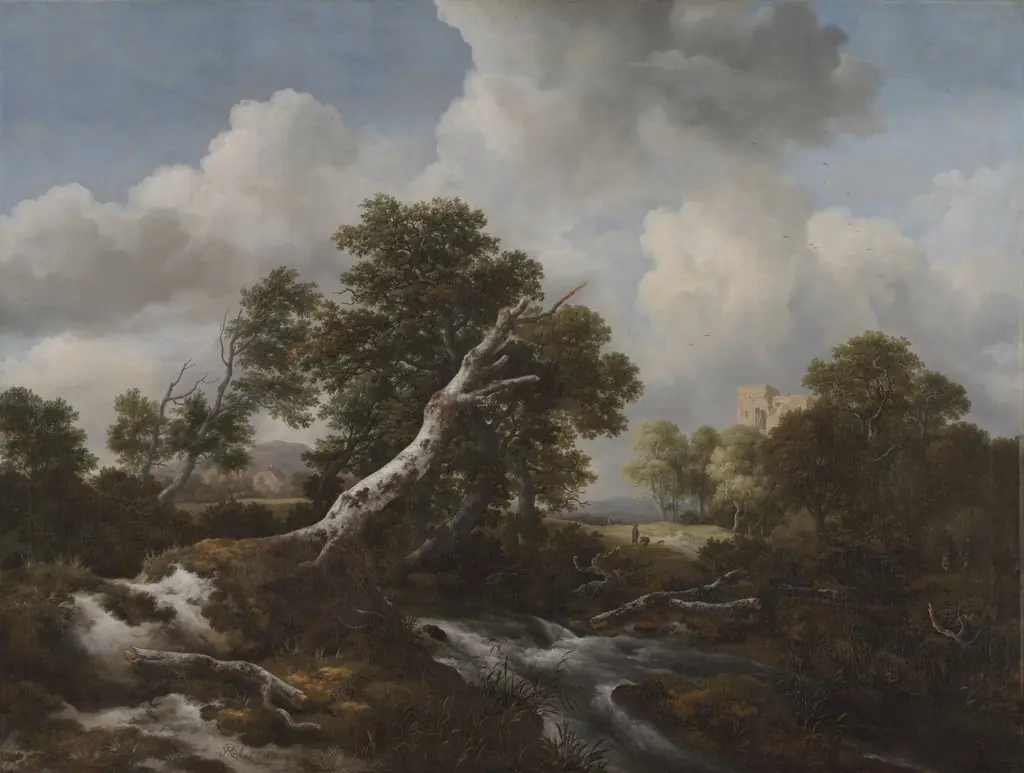
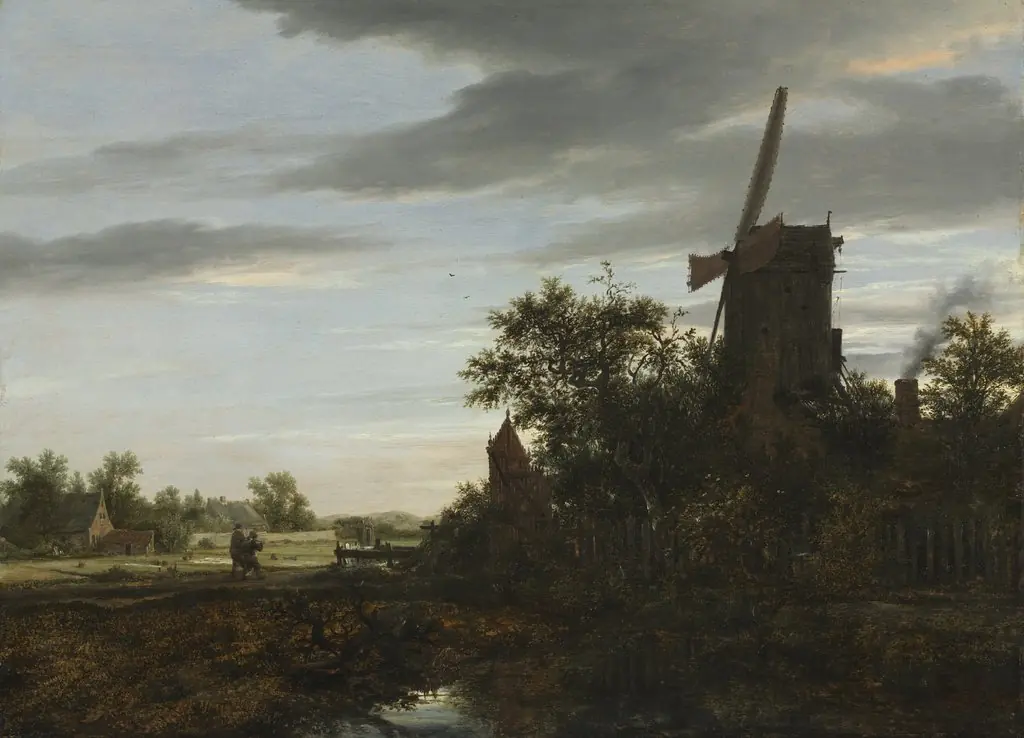
The work depicts a quiet forest scene with a winding road disappearing into shadowy trees, a compositional motif that emphasizes the contemplative order of nature. The forest functions as a symbolic space of refuge and moral introspection, reflecting 17th‑century Dutch landscape ideals of harmony between humanity and the natural world. The road serves as a visual guide, suggesting a journey toward spiritual clarity within the enclosed woodland.
The painting belongs to the landscape painting genre and showcases Ruisdael’s mastery of atmospheric perspective, using subtle tonal shifts to render depth and mood.
Technique & Style
Small Woodland Landscape is executed in oil paint on a wooden panel, a common support for Ruisdael’s small-scale landscapes. The sources record the medium as oil paint and the support as panel, and classify the work as a landscape painting. They do not provide further details about the artist’s handling, the painting’s condition, or its formal and stylistic qualities. The panel measures 22.8 cm in height and 29.8 cm in width overall.
History & Provenance
Small Woodland Landscape is an oil painting on panel created by Jacob van Ruisdael in 1660. The work depicts a forest scene with a road and measures 22.8 cm in height and 29.8 cm in width. It is currently part of the collection at the Kunsthistorisches Museum.
The sources do not provide specific details regarding the original commission, the initial owner, or the subsequent chain of ownership leading to its current location.
Overview
Created in 1660, this oil on canvas by Jacob van Ruisdael portrays a quiet woodland corridor. A narrow, earthen track snakes through a dense stand of trees, vanishing toward a hazy horizon. The work is part of the collection of Vienna’s Kunsthistorisches Museum, where it remains on display as an example of the Dutch Golden Age’s landscape tradition.
Context
Ruisdael was a leading figure in 17th‑century Dutch landscape art, known for his meticulous observation of natural settings. This piece aligns with his broader oeuvre, which often juxtaposes tranquil rural scenes with subtle atmospheric effects, illustrating the period’s fascination with the Dutch countryside and its moral associations of simplicity and order.
Artist & collection
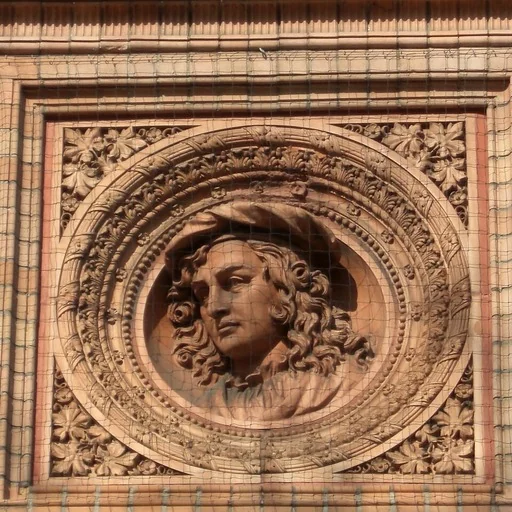
Artist
Jacob Isaackszoon van Ruisdael was a Dutch painter, draughtsman, and etcher. He is generally considered the pre-eminent landscape painter of the Dutch Golden Age, a period of great wealth and cultural achievement when…