Artwork
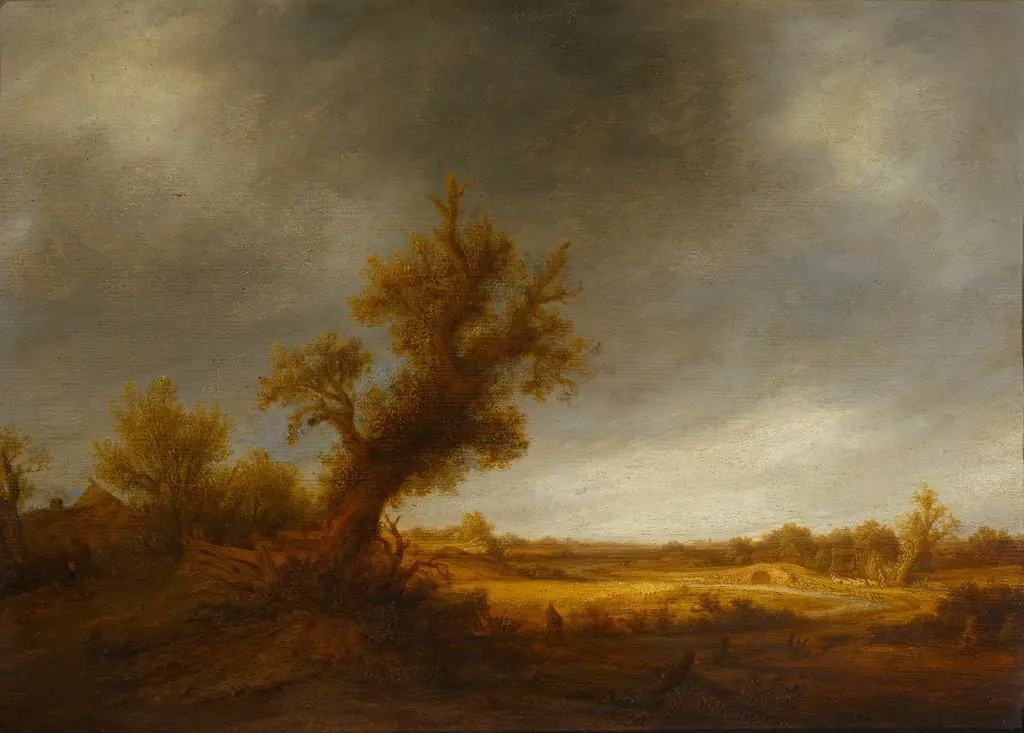
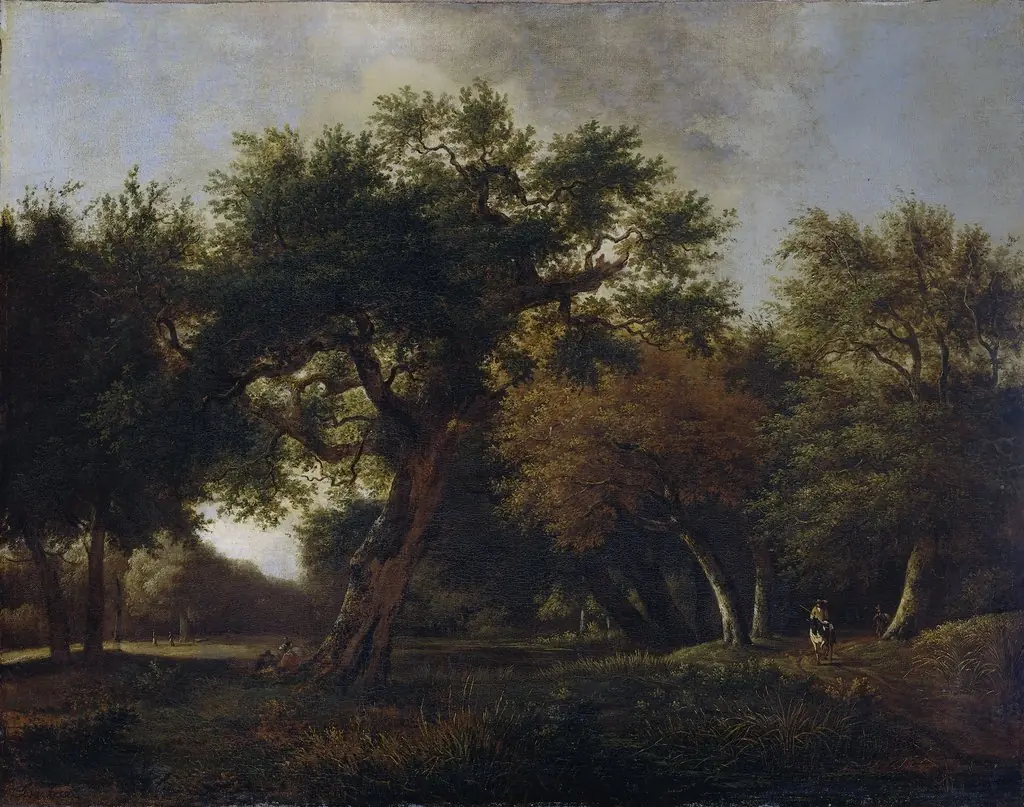
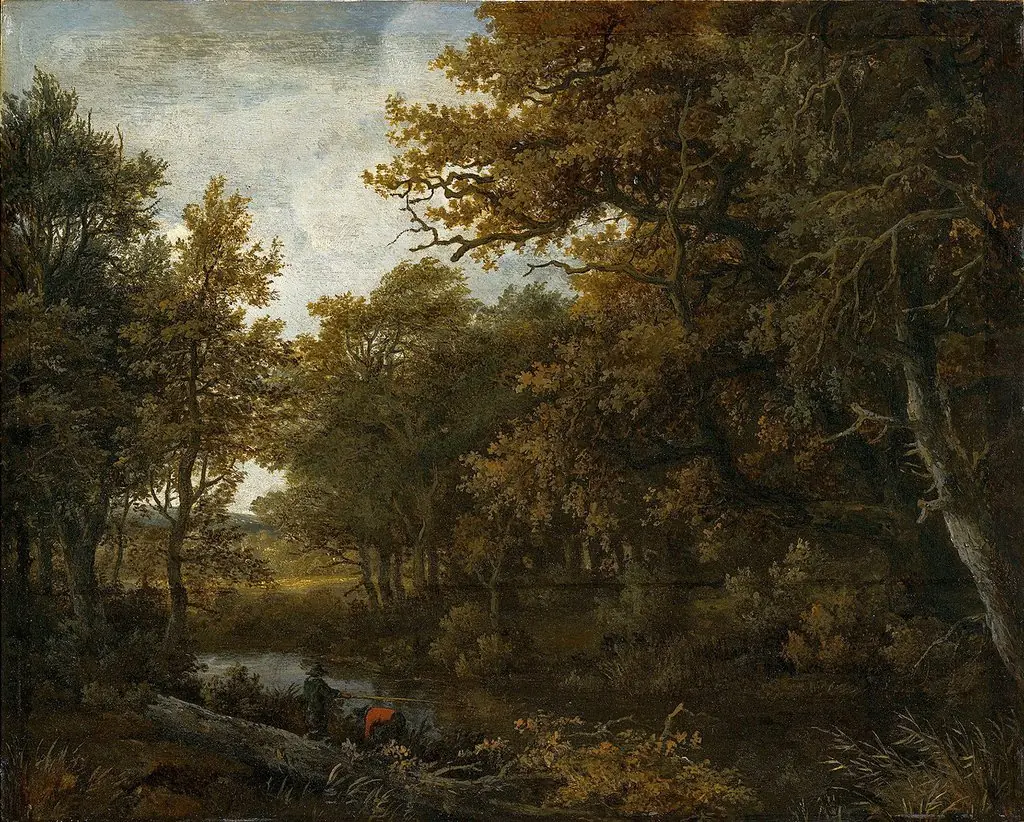
Winter landscape with dead tree
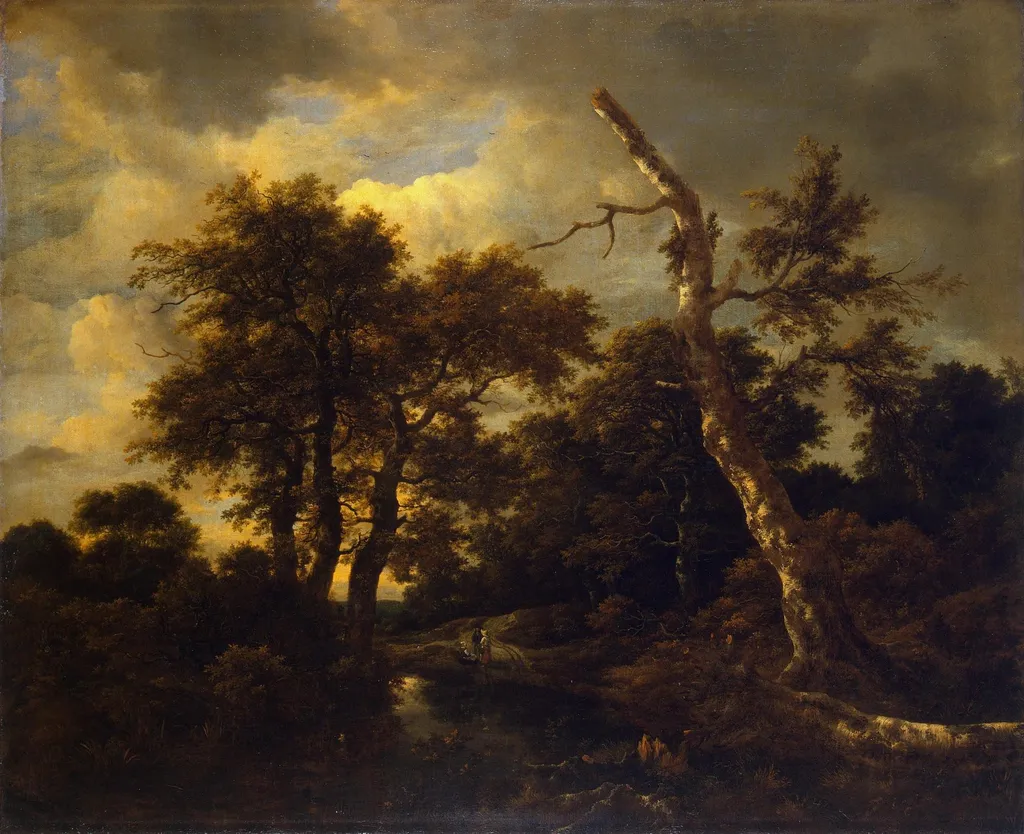
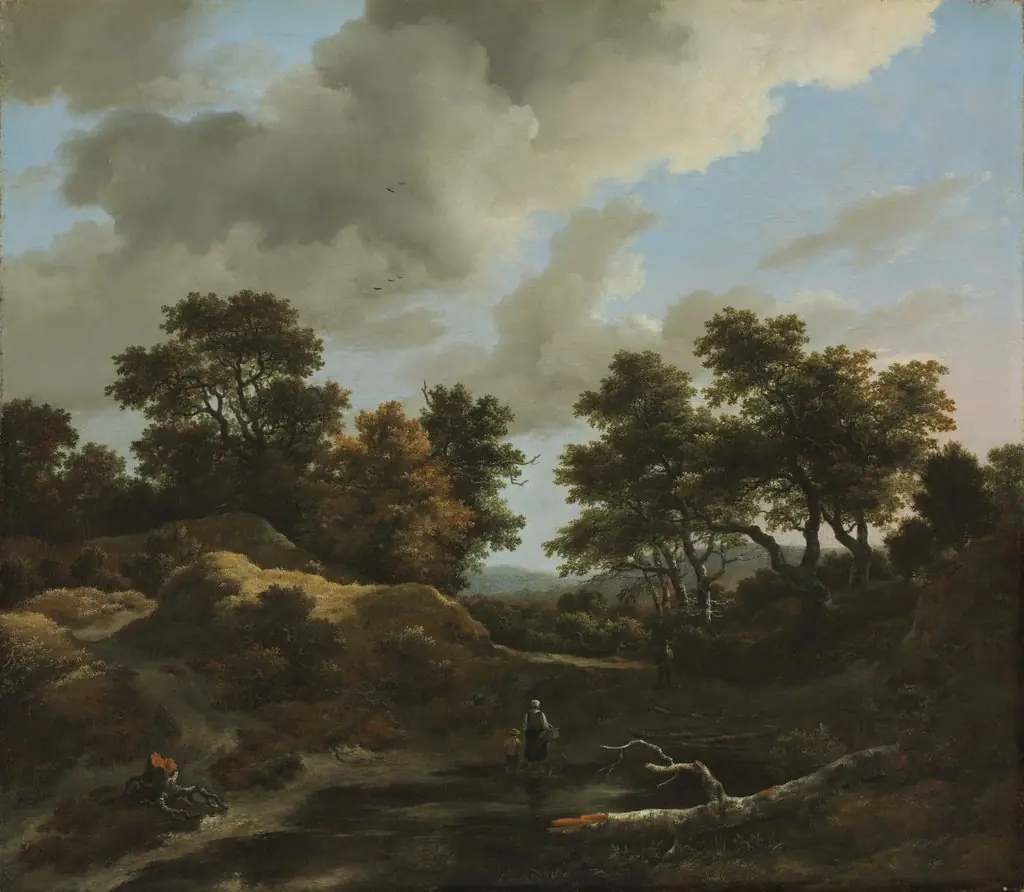
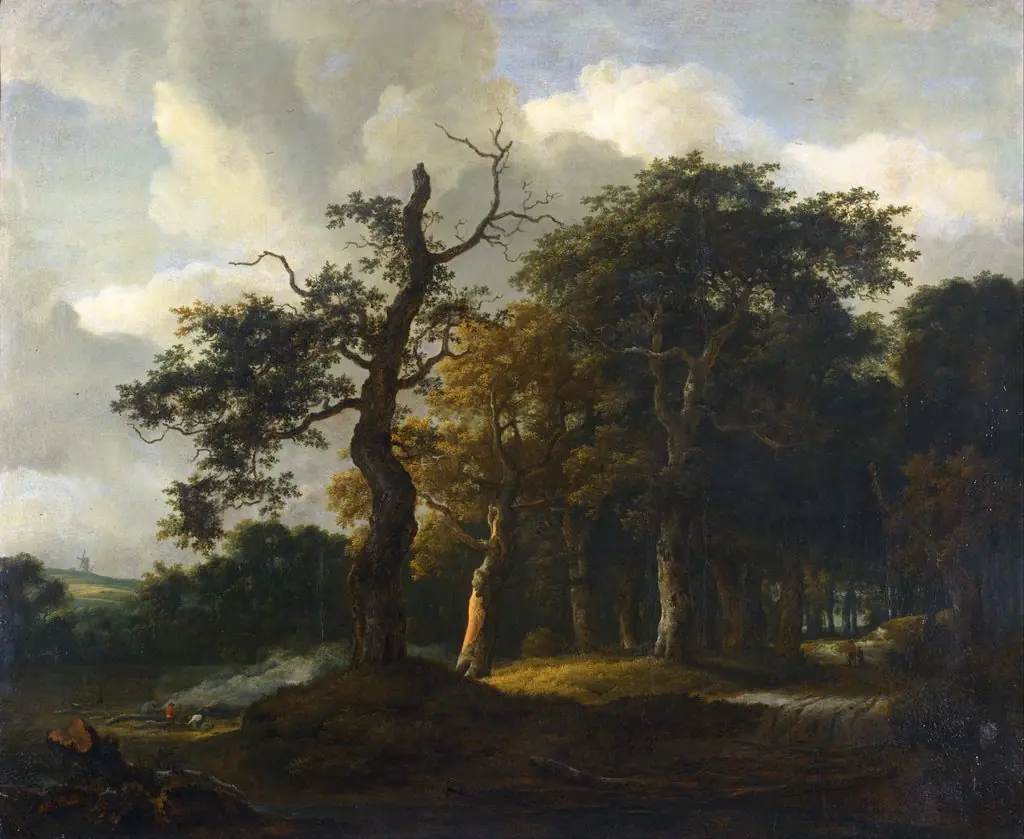
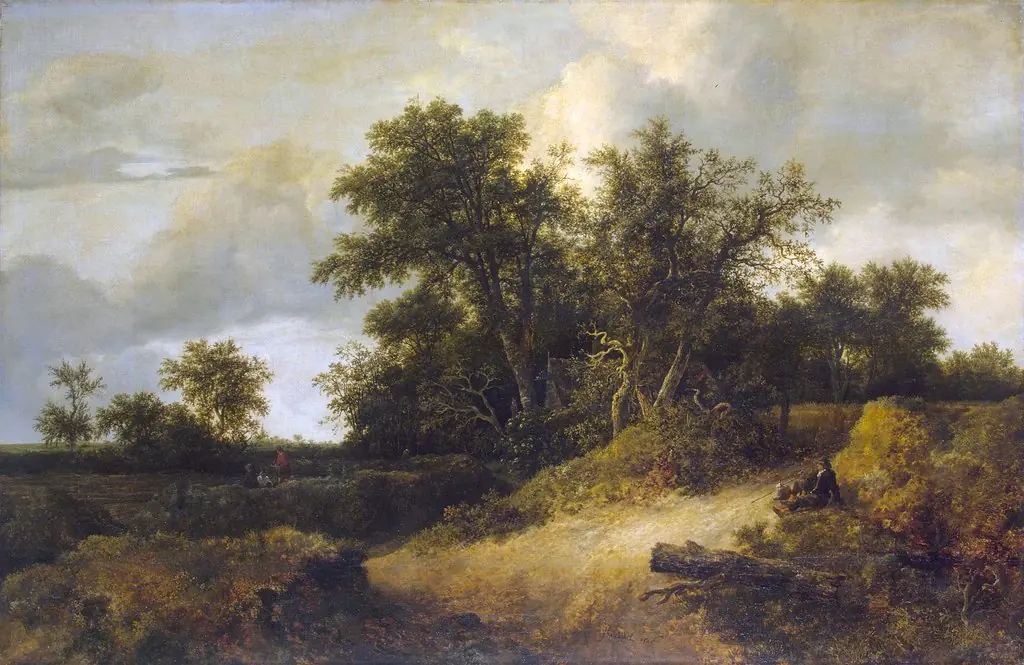
Winter landscape with dead tree is an oil painting by the Dutch Golden Age artist Jacob van Ruisdael. It dates from 1660 and is held in the collection of the Hermitage Museum.
About this work
Technique & Style
Stylistically, the composition focuses on a forest setting, prominently featuring a dead tree as a central motif within the wintry scene.
Executed in 1660, this landscape by Jacob van Ruisdael is an oil painting on canvas. The work measures 104.5 cm in height and 128 cm in width. Stylistically, the composition focuses on a forest setting, prominently featuring a dead tree as a central motif within the wintry scene.
The handling of the oil medium allows for the detailed rendering of the natural elements typical of the artist's approach to the landscape genre during this period.
History & Provenance
Jacob van Ruisdael painted Winter Landscape with Dead Tree in 1660, as established by its inception date. The work was created in the Netherlands using oil on canvas, measuring 104.5 by 128 centimeters.
The painting entered the collection of Heinrich von Brühl, a prominent Saxon statesman and art collector. Following his ownership, it was acquired by the Hermitage Museum, where it remains part of the institution’s holdings.
Jacob van Ruisdael's Winter landscape with dead tree is held in the collection of the Hermitage Museum in St. Petersburg. The work, created in 1660, is an oil painting on canvas depicting a forest scene with a prominent dead tree. Historical records indicate the painting was previously owned by Heinrich von Brühl before entering the Hermitage's holdings. The piece measures 104.5 cm in height and 128 cm in width.
Context
Jacob van Ruisdael painted Winter landscape with dead tree in 1660, a work reflecting his mastery of Dutch Golden Age landscape painting and his influence on later Romantic artists. The piece, housed in the Hermitage Museum, showcases his innovative treatment of light and atmospheric depth within the landscape genre. Scholarship emphasizes its significance within his broader oeuvre and its role in shaping European landscape traditions.
Overview
Jacob van Ruisdael’s oil painting, dated to 1660, presents a winter scene that is now part of the State Hermitage Museum’s collection. The composition centers on a bleak forest at twilight, where a solitary, leaf‑less tree dominates the middle ground. A fallen log rests in the lower right corner, near a diminutive human figure, while a heavy sky glows with a warm, golden light that filters through the tangled branches.
Subject & Meaning
The work captures a moment of stillness in a cold landscape, emphasizing the stark contrast between life and desolation. The naked tree, isolated among its peers, draws attention to themes of mortality and endurance, while the faint illumination suggests a subtle hope or renewal despite the surrounding darkness.
Own this work as a print
Artist & collection
Artist
Jacob Isaackszoon van Ruisdael was a Dutch painter, draughtsman, and etcher. He is generally considered the pre-eminent landscape painter of the Dutch Golden Age, a period of great wealth and cultural achievement when…