Artwork
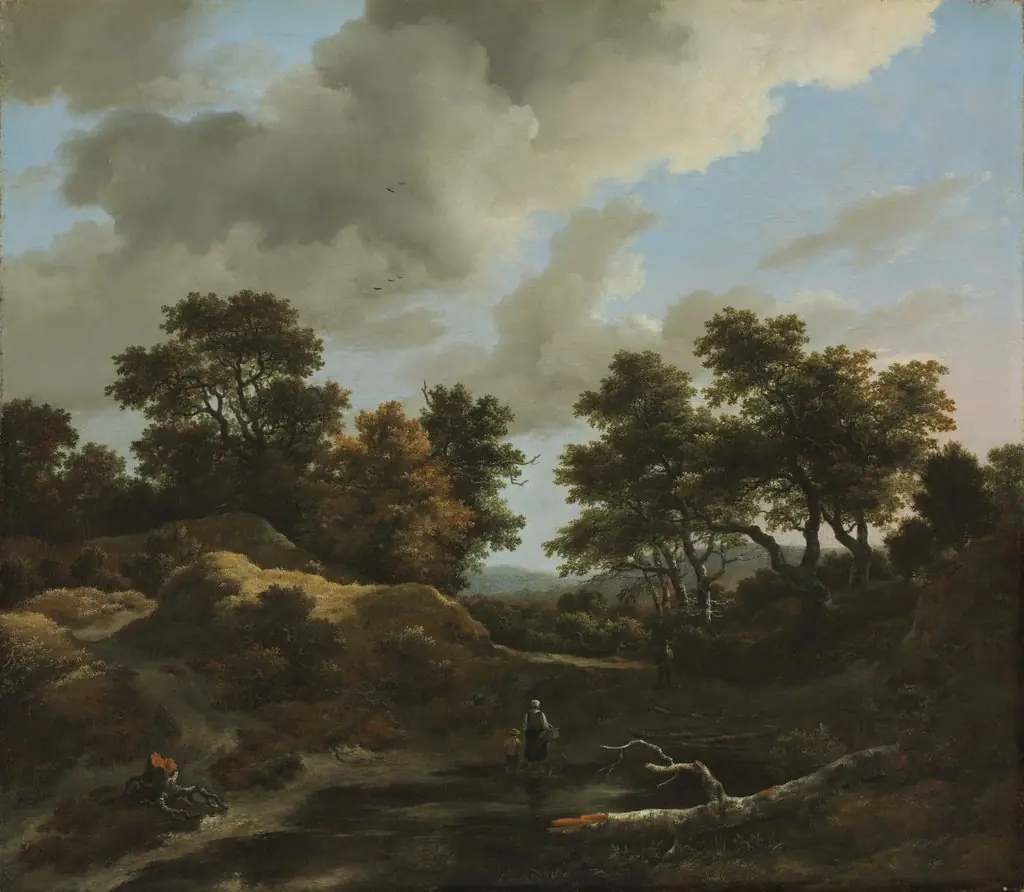
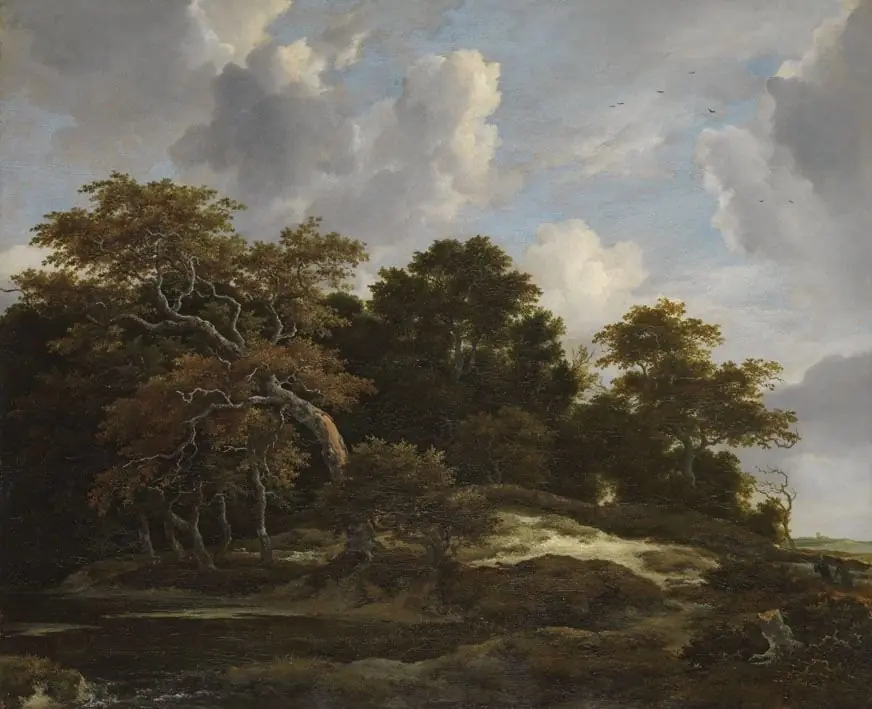
Wooded Landscape with Oncoming Storm
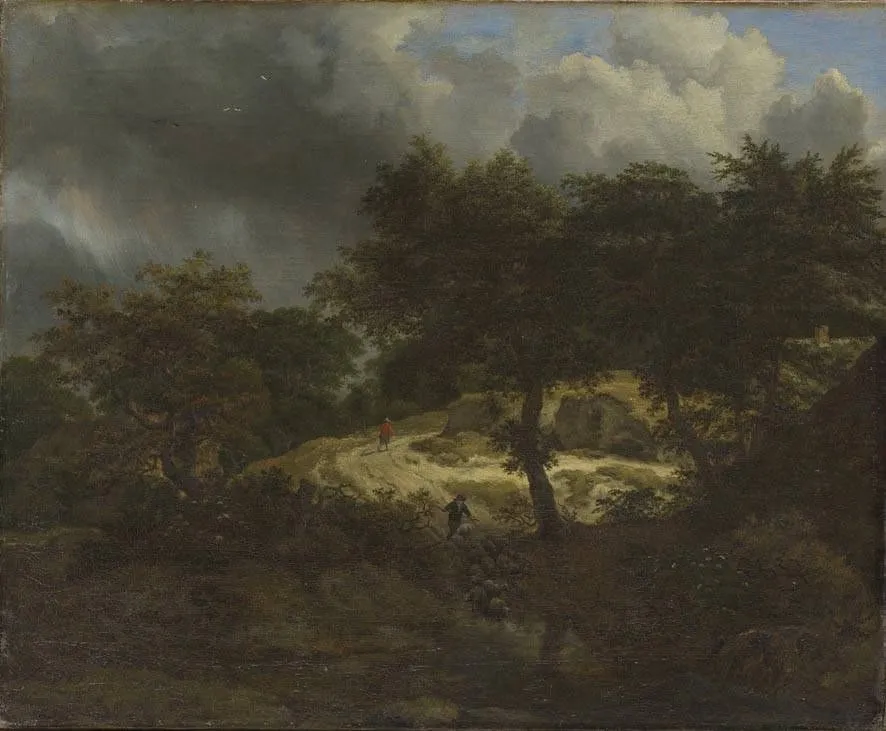
Wooded Landscape with Oncoming Storm is an unspecified painting by the Dutch Golden Age artist Jacob van Ruisdael. It dates from 1665 and is held in the collection of the Bavarian State Painting Collections.
About this work
Subject & Meaning
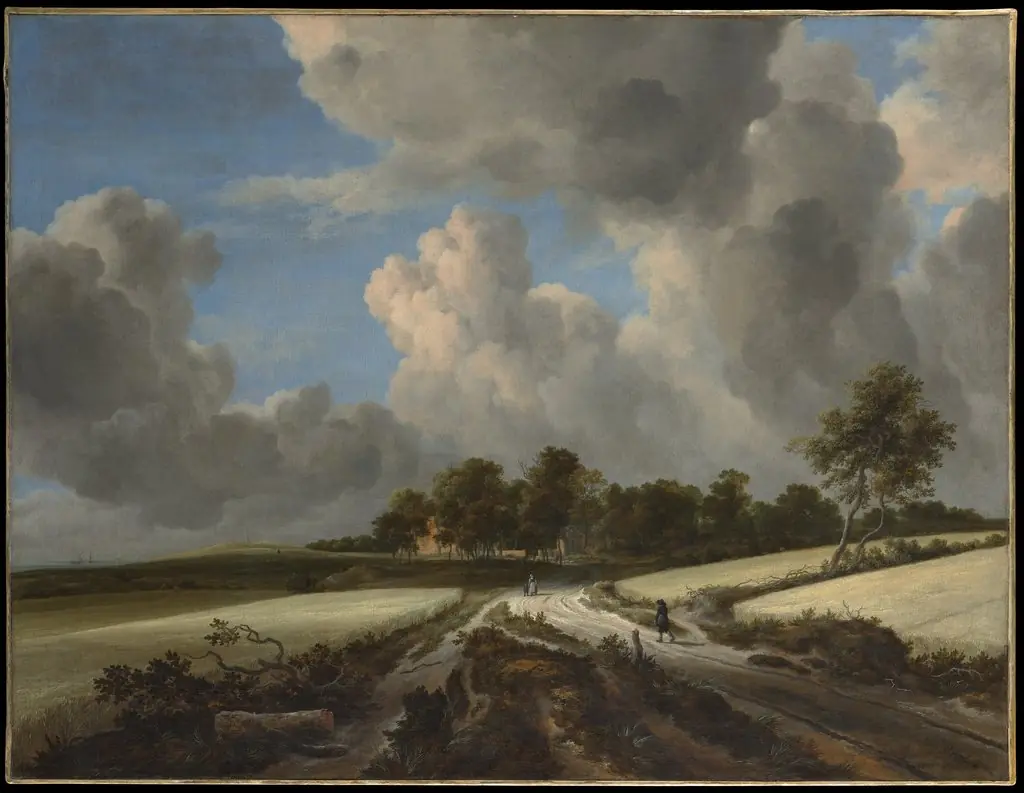
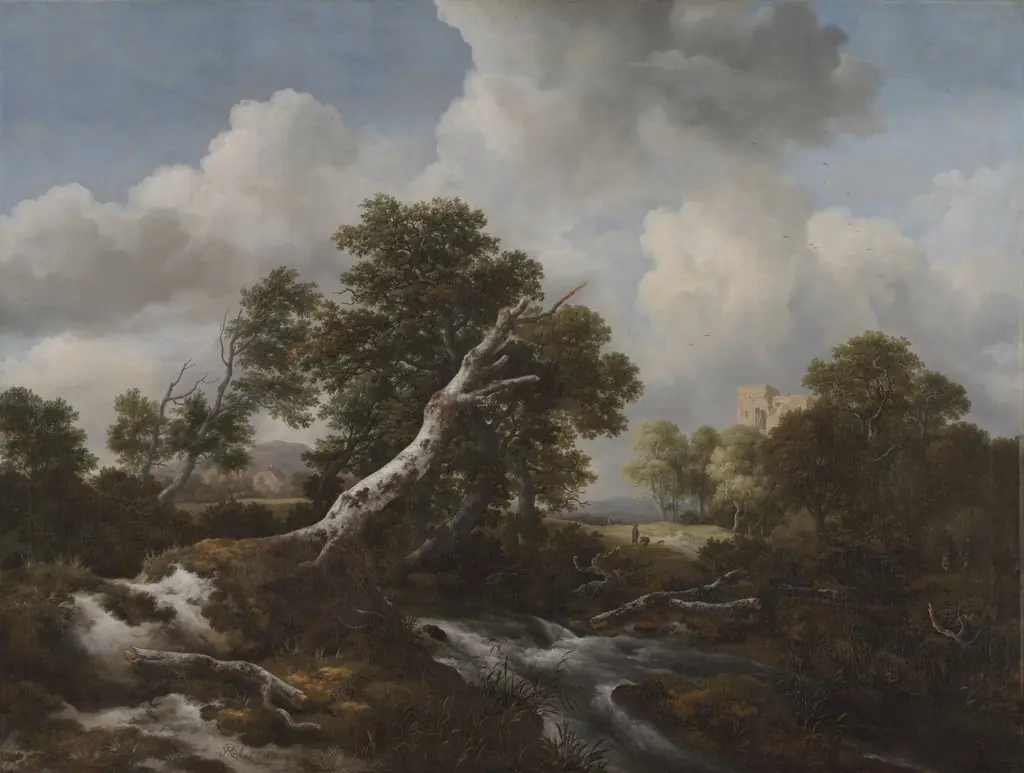
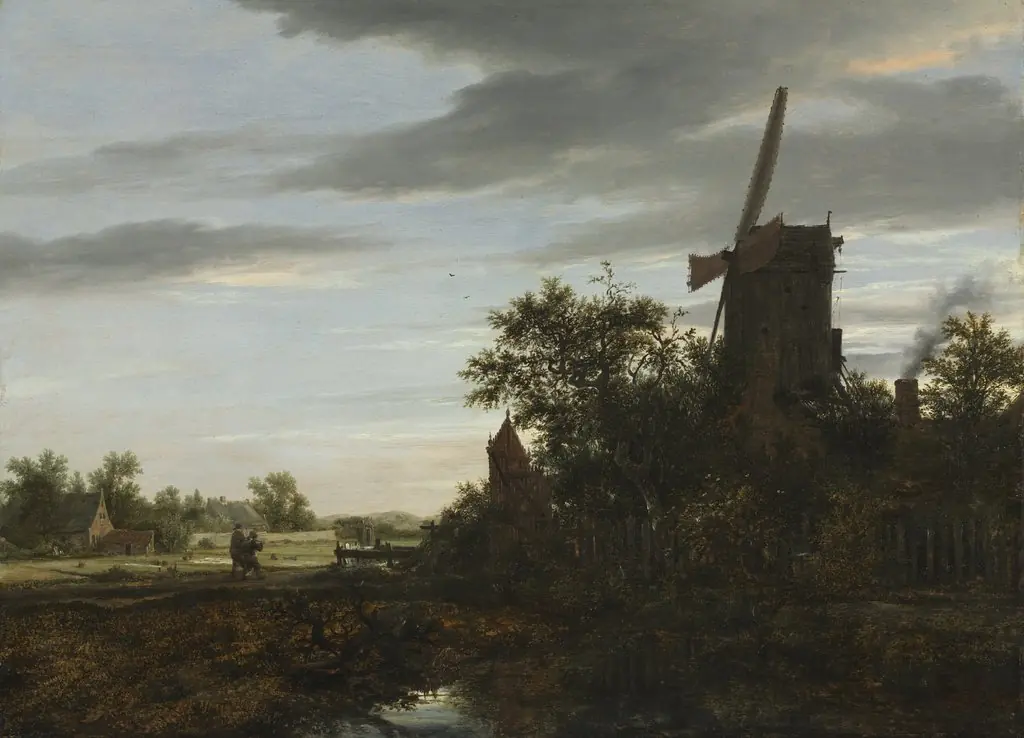
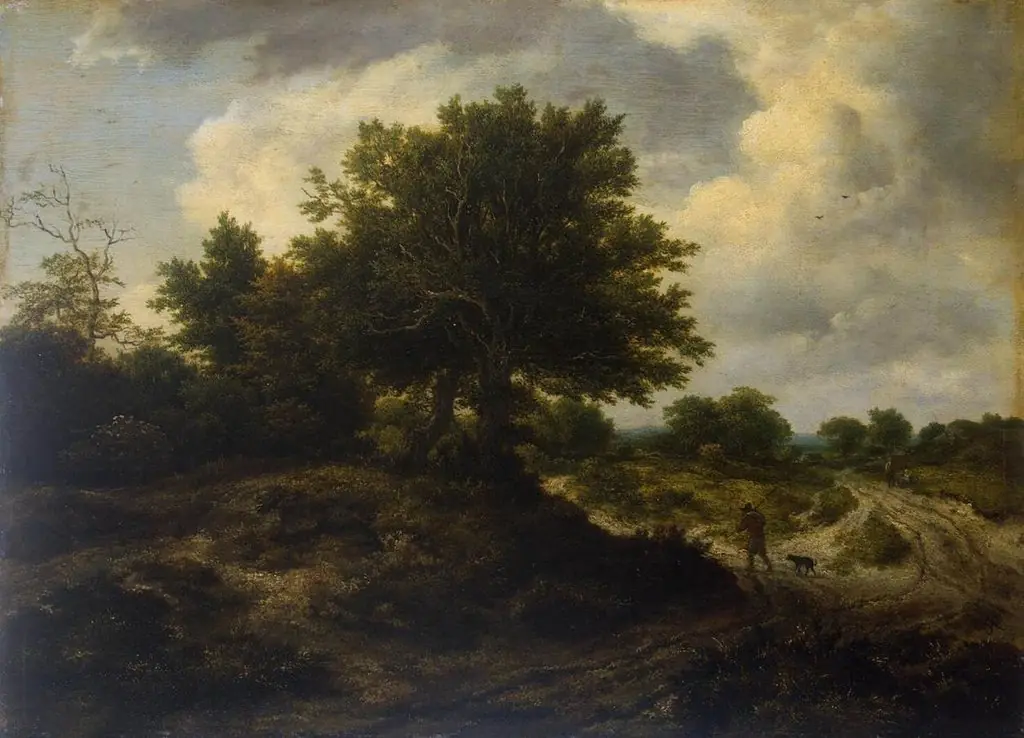
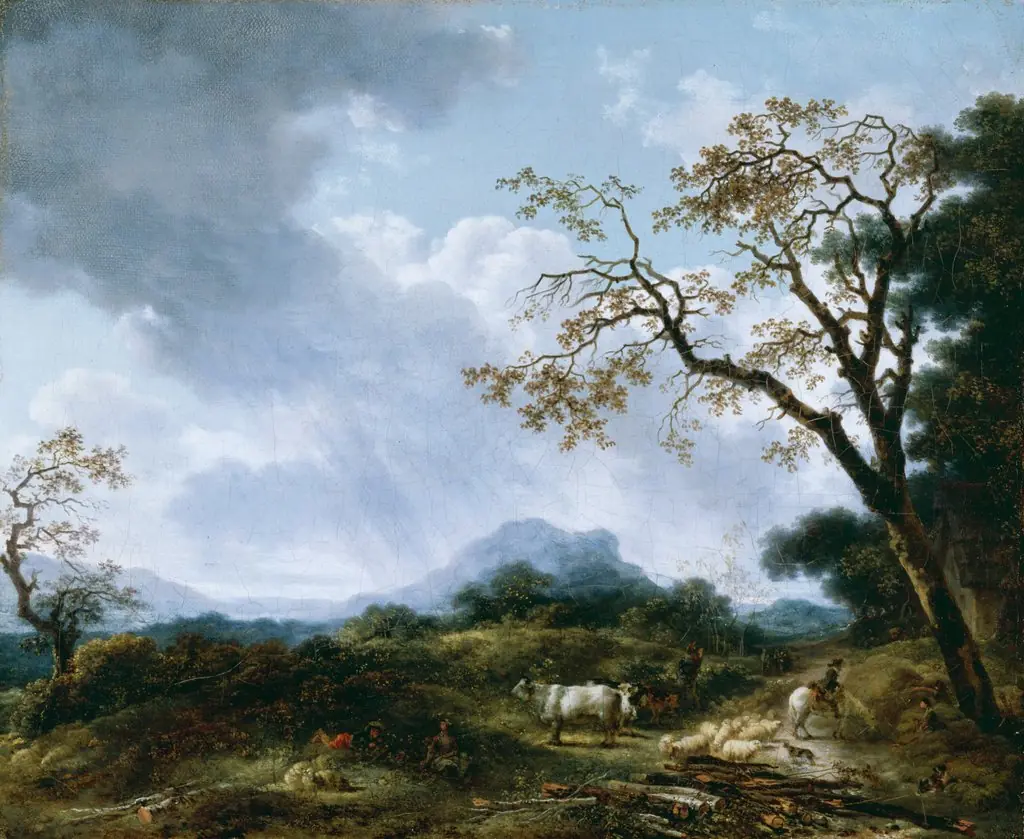
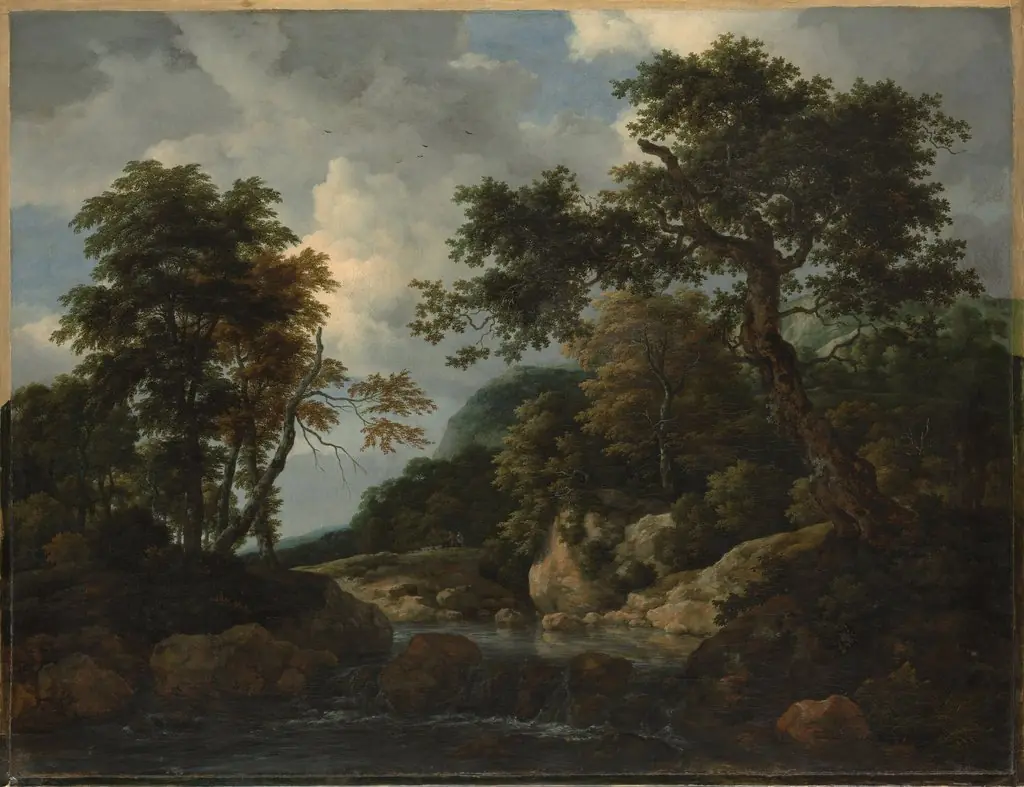
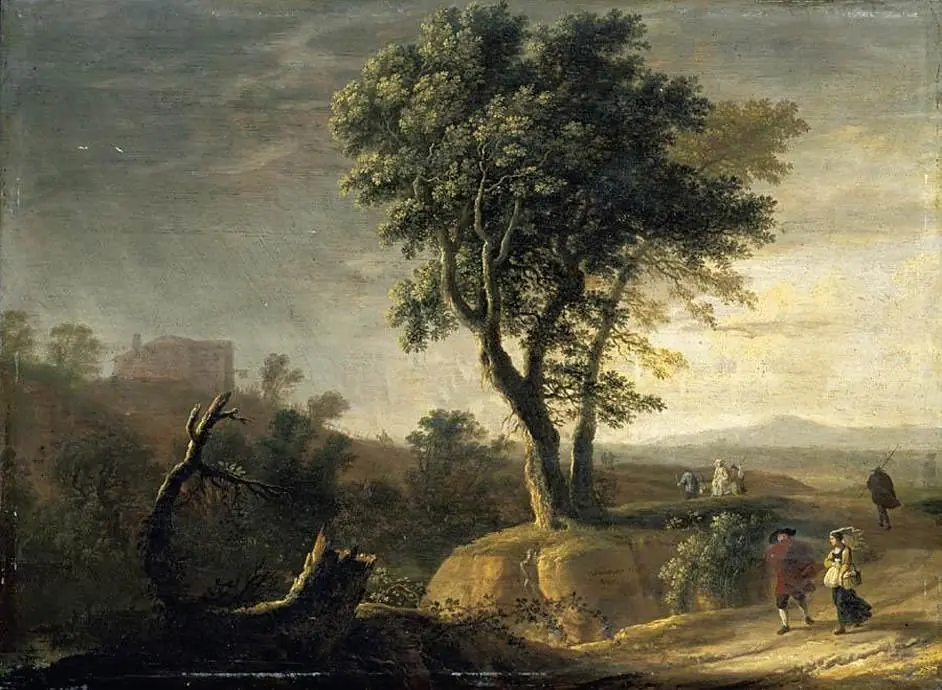
The work shows a rural scene that includes a shepherd guiding a flock of sheep along a forest path that winds toward a dune, with a man and a road also present.
The work shows a rural scene that includes a shepherd guiding a flock of sheep along a forest path that winds toward a dune, with a man and a road also present. The composition combines natural elements, trees, a forest, a dune, and a road, within the landscape genre. These figures and terrain are rendered in the style of Jacob van Ruisdael, reflecting the Dutch Golden Age interest in detailed observation of nature.
The painting is part of the Bavarian State Painting Collections, housed in the Alte Pinakothek, and was once owned by Maximilian I Joseph of Bavaria.
History & Provenance
Wooded Landscape with Oncoming Storm is held in the collection of the Bavarian State Painting Collections and is located at the Alte Pinakothek. The work was formerly owned by Maximilian I Joseph of Bavaria. No specific inventory number or exhibition history for this painting is provided in the available sources.
Overview
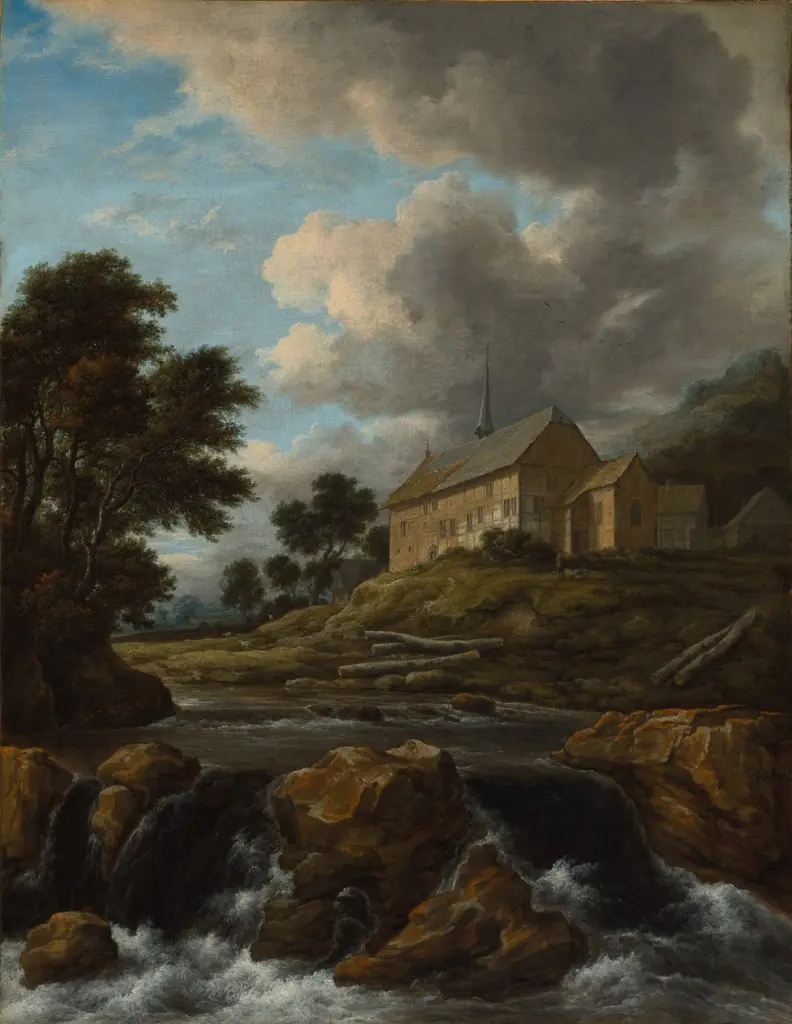
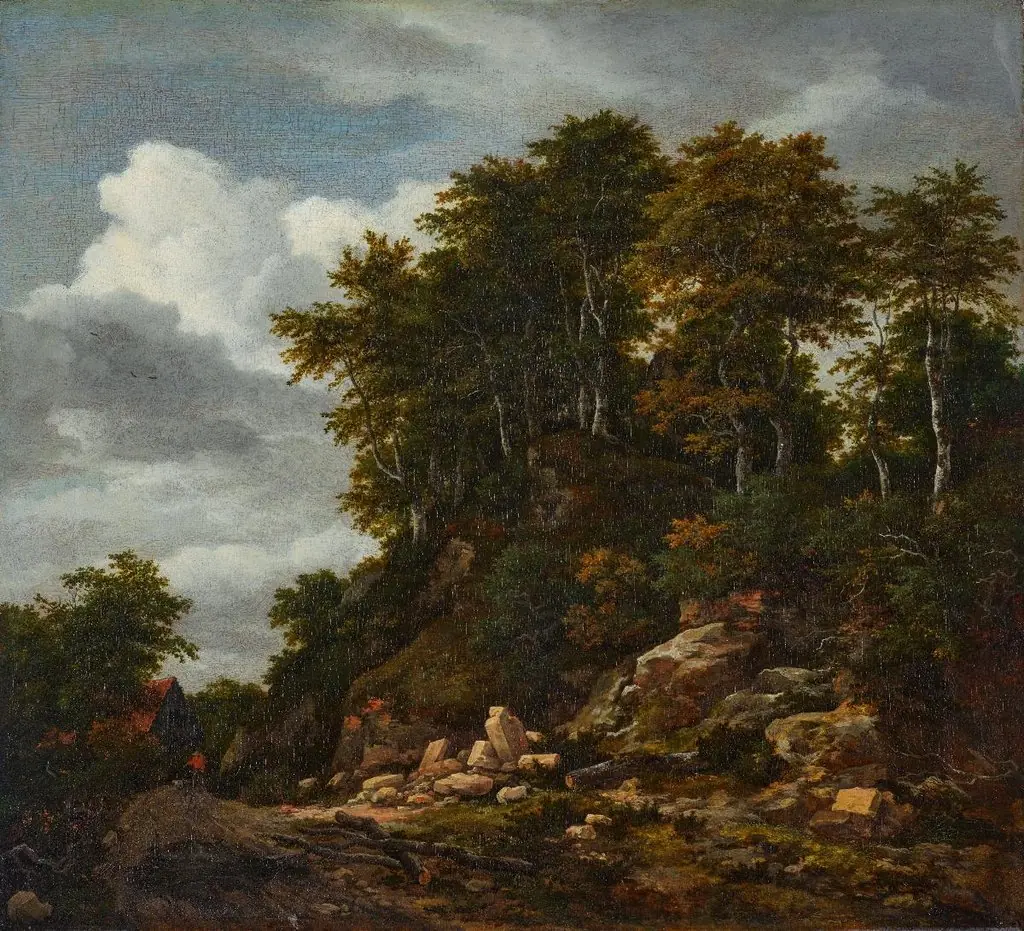
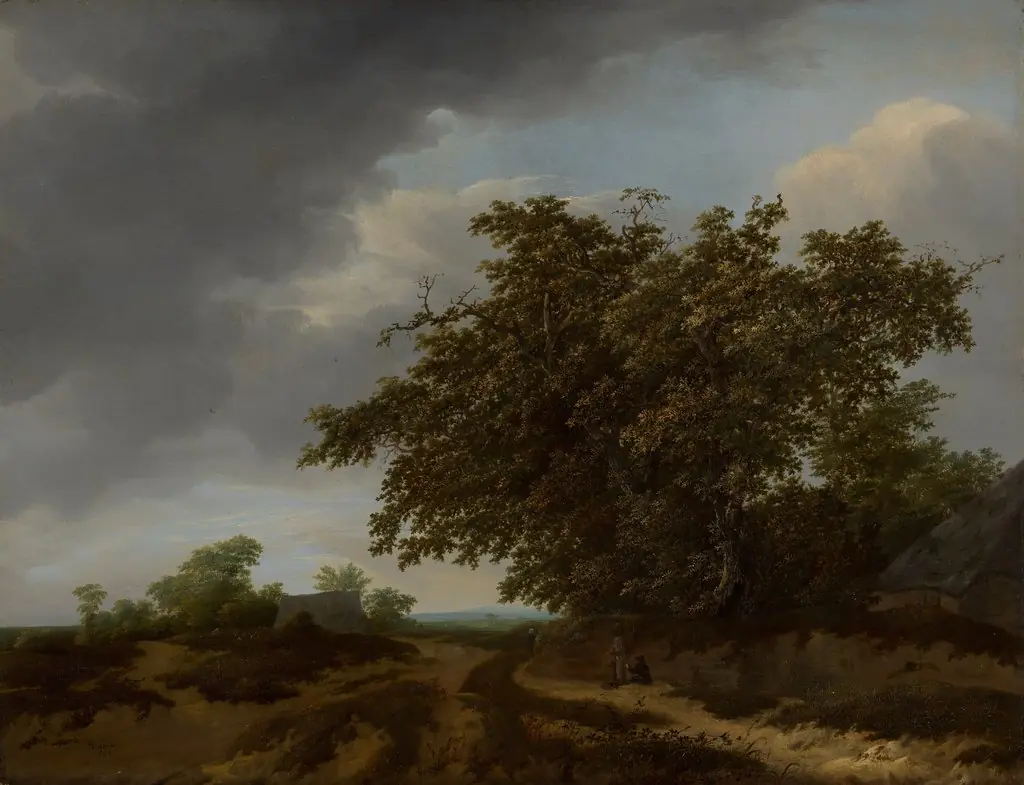
Jacob van Ruisdael's Wooded Landscape with Oncoming Storm, dated 1665, exemplifies the Dutch Golden Age's mastery of atmospheric drama and naturalistic detail. The composition centers on a dense, turbulent forest where gnarled oaks and tangled undergrowth dominate the foreground, their dark foliage contrasting sharply with the heavy, brooding clouds that fill the upper register. A winding dirt path traverses the rocky terrain, guiding the viewer's eye toward a distant horizon where a faint rainbow signals the storm's potential passage.
Two diminutive figures traverse this path, their small scale emphasizing the overwhelming power and scale of the natural world. Ruisdael employs a dynamic interplay of light and shadow, known as chiaroscuro, to model the rugged textures of the rocks and the voluminous forms of the clouds. This work reflects the artist's mature style, characterized by a shift from the idealized landscapes of his early career to a more somber, monumental vision of nature's raw force.
Created during a period when Ruisdael was at the height of his powers in Haarlem and later Amsterdam, the painting demonstrates his ability to imbue the landscape with a sense of sublime grandeur and emotional weight, cementing his reputation as the preeminent landscape painter of the seventeenth-century Netherlands.
Technique & Style
Ruisdael meticulously rendered the interplay of light and shadow, emphasizing how illumination strikes the rugged trees and rock formations, creating areas of stark contrast and luminosity. This dramatic use of light, coupled with the heavy, atmospheric clouds, contributes to the painting's intense mood. The artist's distinctive style captures the dynamic forces of the natural world, particularly the fleeting moments of a changing sky.
Artist & collection
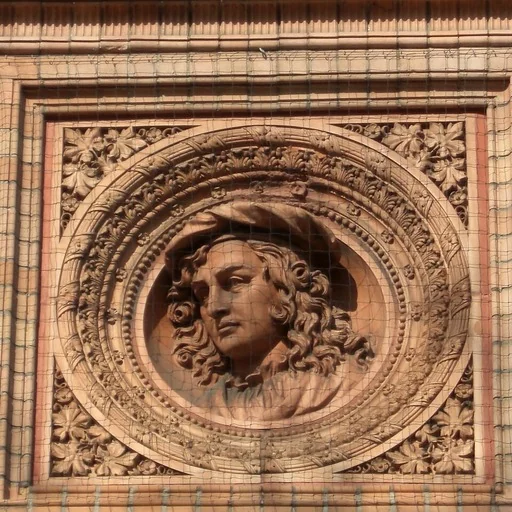
Artist
Jacob Isaackszoon van Ruisdael was a Dutch painter, draughtsman, and etcher. He is generally considered the pre-eminent landscape painter of the Dutch Golden Age, a period of great wealth and cultural achievement when…