Artwork
Dionijs Wijnands (1628-73). Amsterdam merchant, son of Hendrick Wijnands and Aeltje Denijs
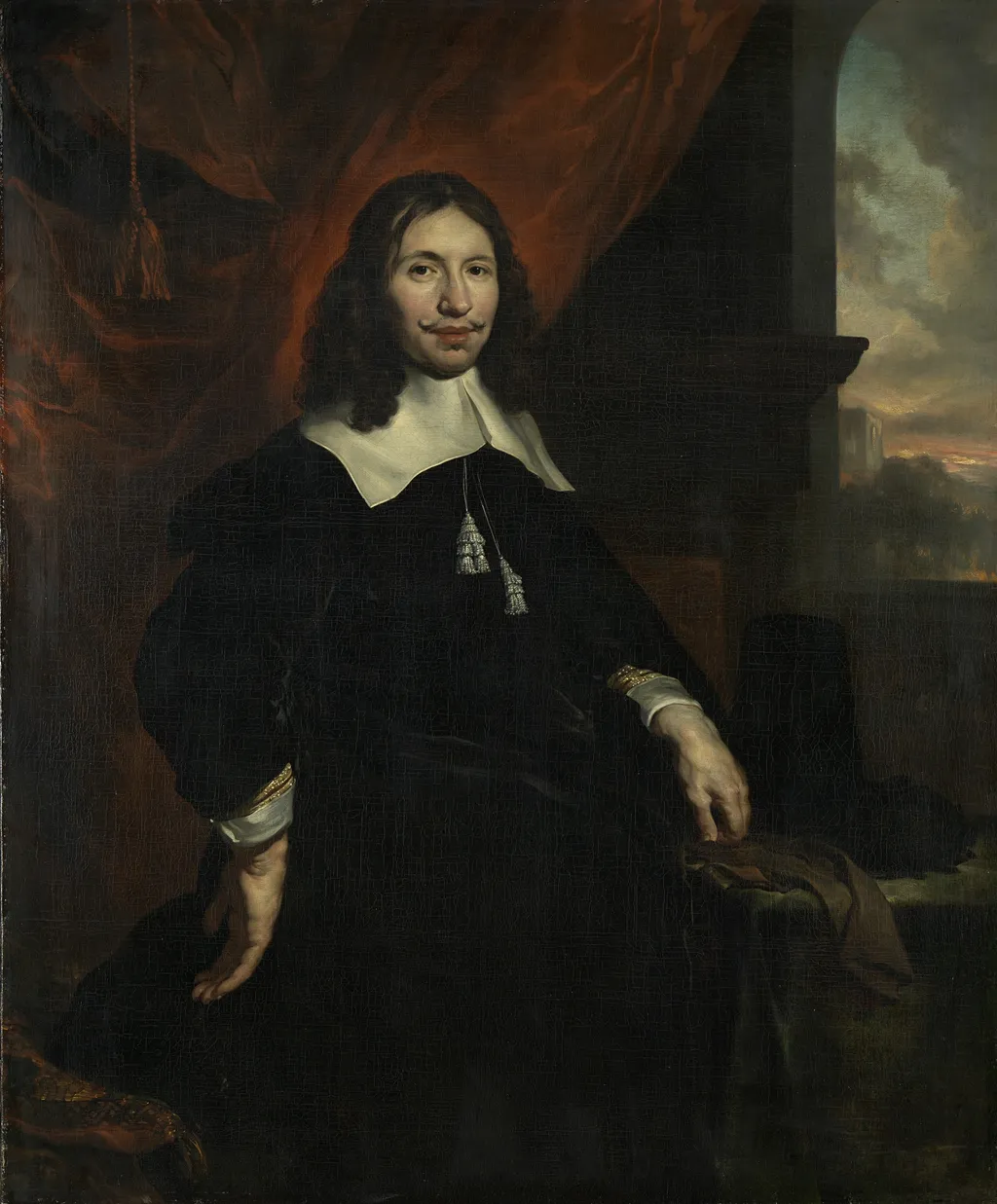
Dionijs Wijnands (1628-73). Amsterdam merchant, son of Hendrick Wijnands and Aeltje Denijs is an oil painting by the Dutch Golden Age artist Jan van Noordt. It dates from 1664 and is held in the collection of the Rijksmuseum.
About this work
Technique & Style
The painting was created by Jan van Noordt in 1664 and is part of the Rijksmuseum's collection, currently owned by Jacobus Salomon Hendrik van de Poll.
The portrait is executed in oil paint on canvas and is classified as a painting. It depicts Dionijs Wijnands, an Amsterdam merchant born in 1628, who was the son of Hendrick Wijnands and Aeltje Denijs. The work measures 124 cm in height and 103.5 cm in width, reflecting a formal composition typical of 17th-century portraiture.
The painting was created by Jan van Noordt in 1664 and is part of the Rijksmuseum's collection, currently owned by Jacobus Salomon Hendrik van de Poll.
History & Provenance
The portrait of Dionijs Wijnands was painted by Jan van Noordt in 1664, executed in oil on canvas. The work depicts the Amsterdam merchant who was the son of Hendrick Wijnands and Aeltje Denijs. The painting entered the collection of Jacobus Salomon Hendrik van de Poll, and it is now held by the Rijksmuseum, where it remains part of the museum's holdings.
Context
Dionijs Wijnands (1628–1673) was an Amsterdam merchant active during the Dutch Golden Age, the son of Hendrick Wijnands and Aeltje Denijs. His portrait, painted by Jan van Noordt in 1664, exemplifies the era's emphasis on civic identity and mercantile prominence. The work, housed in the Rijksmuseum, reflects the broader cultural context of portraiture among wealthy burghers, linking individual status to Amsterdam's economic ascent.
Scholarship highlights its significance within van Noordt's oeuvre, particularly in relation to contemporary portrait conventions and Amsterdam's social fabric.
Critical reception of the painting has been shaped by its provenance and attribution history, with recent research contextualizing its role in 17th-century Dutch portraiture. Its inclusion in major collections underscores its recognized value in understanding the artistic and commercial networks of the period.
Overview
Painted in 1664 by Jan van Noordt, this oil portrait depicts Dionijs Wijnands, a merchant from Amsterdam and the son of Hendrick Wijnands and Aeltje Denijs. The composition presents the sitter in a three-quarter view, standing against a dark background where a heavy curtain partially reveals a dim landscape featuring a bridge and water. Wijnands is dressed in a dark coat with a prominent white collar, accessorized with a silver cuff and chain.
His neatly trimmed mustache and direct gaze convey a sense of quiet dignity typical of Dutch Golden Age portraiture. The artist employs deep shadows to model the man's face, creating a strong contrast that highlights his features and the texture of his clothing. This work exemplifies Noordt's mature style, characterized by a somber palette and a focus on the psychological presence of the sitter.
Created during the height of the Dutch Republic's economic prosperity, the portrait reflects the status and identity of the Amsterdam merchant class. It stands as a significant example of Noordt's portraiture, demonstrating his ability to capture both the physical likeness and the social standing of his subjects through careful attention to detail and dramatic lighting.
Subject & Meaning
The work presents Wijnands as a respectable member of the mercantile class, his neatly trimmed mustache, silver cuff, and chain signifying wealth and social standing. The restrained pose and sober attire reflect the Protestant ethic of modesty combined with subtle markers of prosperity, typical of Dutch portraiture that aimed to convey both personal virtue and economic success.
Own this work as a print
Artist & collection

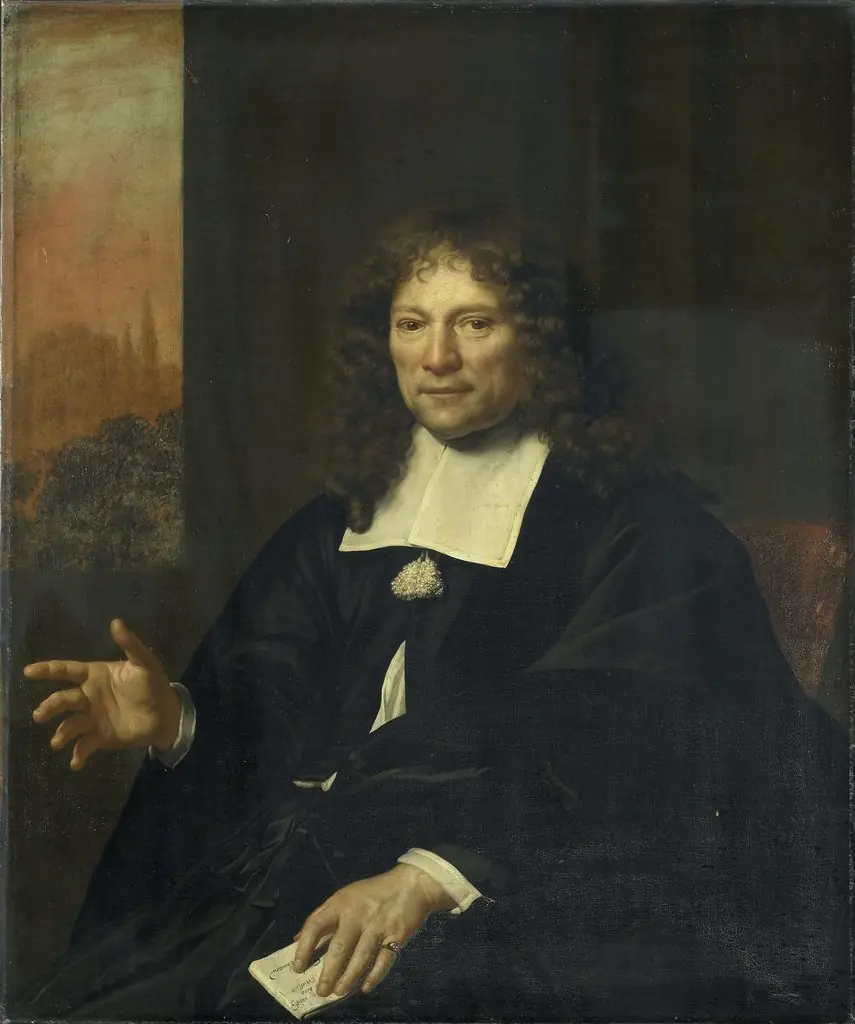 Portrait of Daniel Nellius, elder of the Remonstrant church and sampling official of Alkmaar
 Portrait of Daniel Niellius. Elder of the Remonstrant Church and Sampling Official of Alkmaar
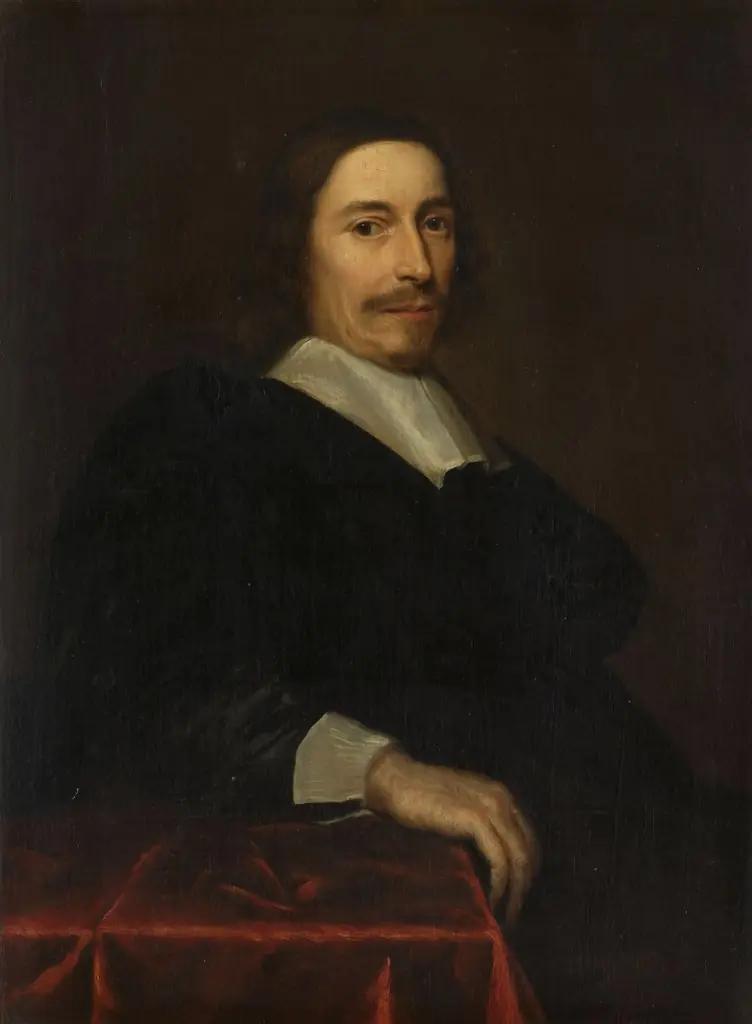 Jacob de Witt (1589-1674)
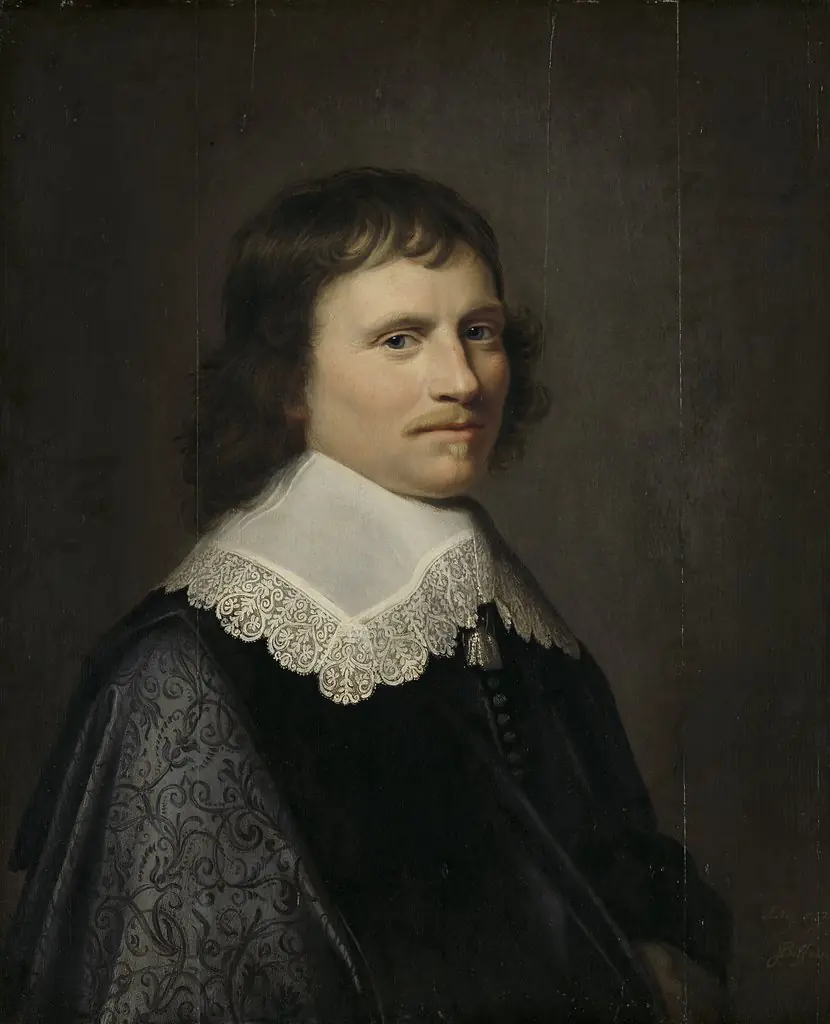 Portrait of a man, thought to be Salomon van Schoonhoven (1617-53), lord lieutenant of Putten
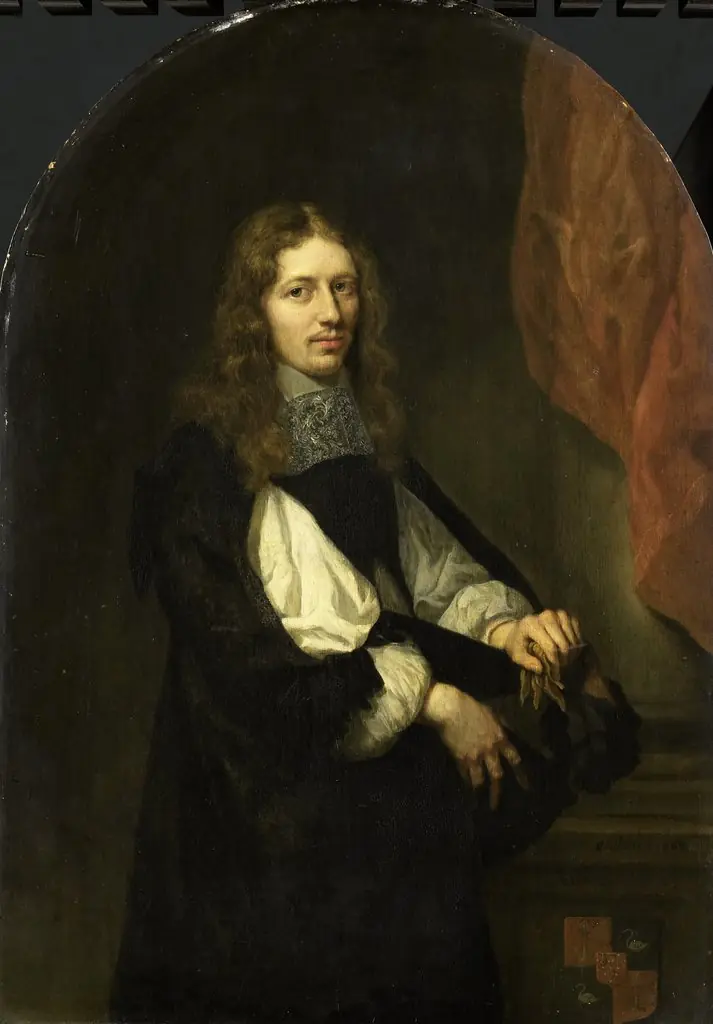 Portrait of Pieter de Graeff (1638-1707), lord of Zuid-Polsbroek, Purmerland, and Ilpendam. Alderman of Amsterdam
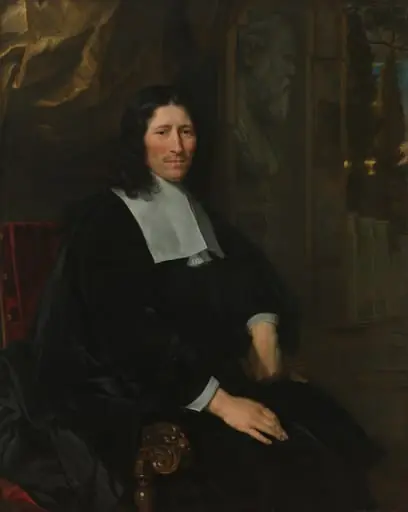 Portrait of Pieter de la Court
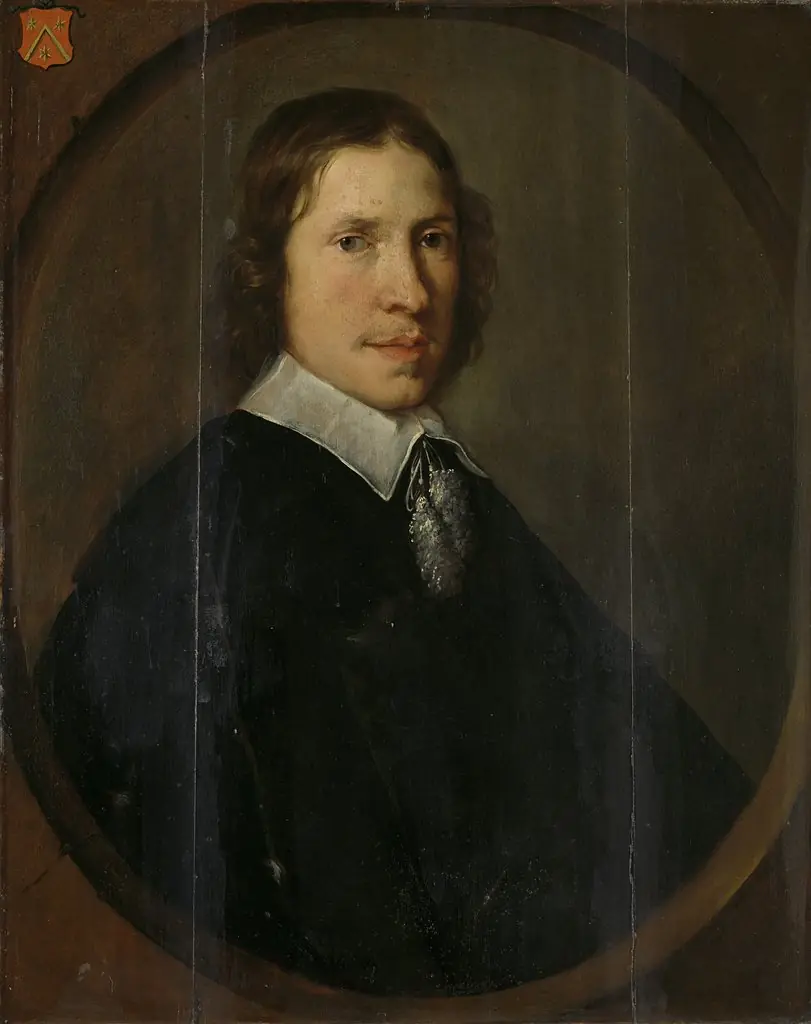 François Leydecker (1626-88). Burgomaster of Tholen