Artwork
Jean Baptiste Tavernir
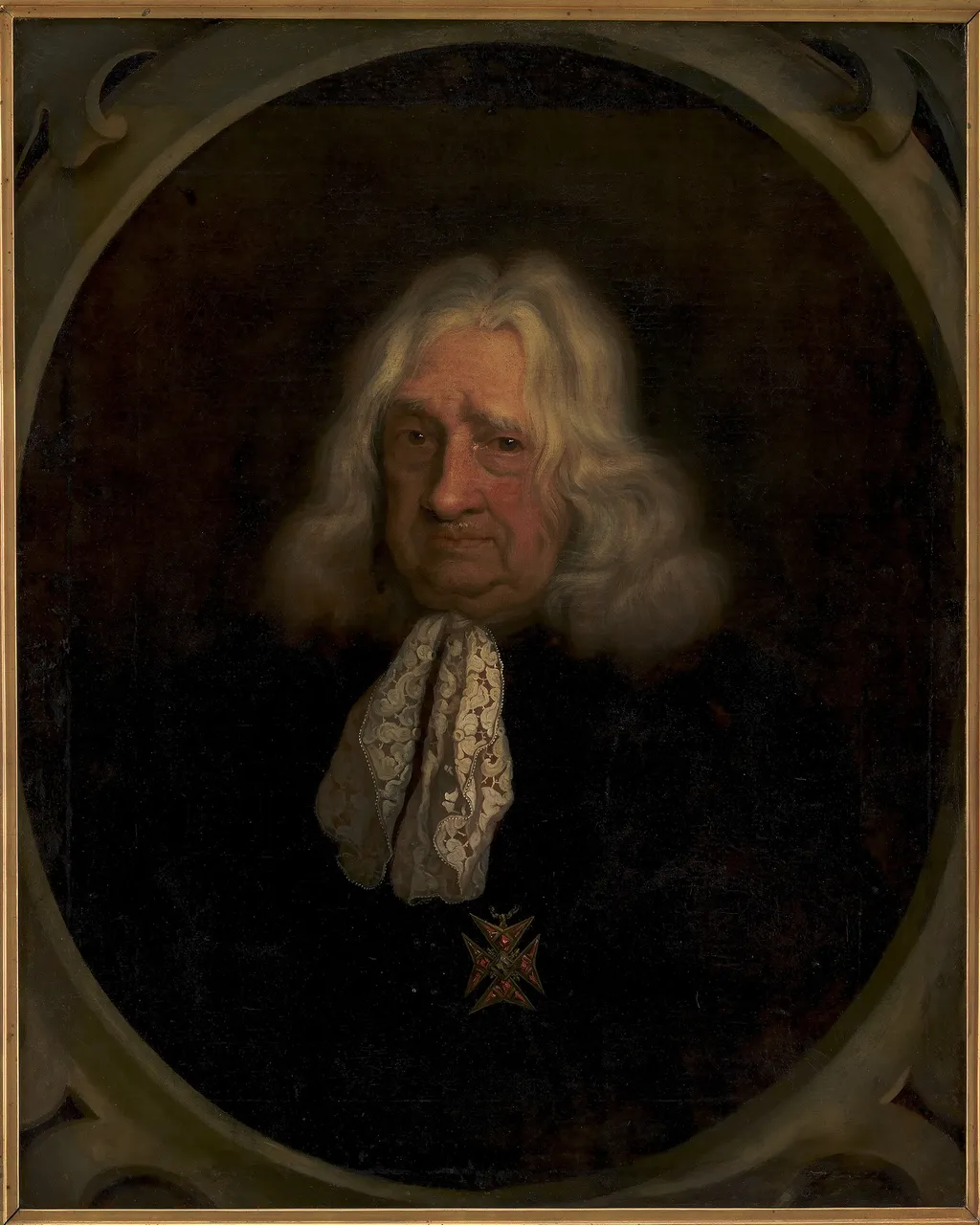
Jean Baptiste Tavernir is an oil painting by the French Classical Baroque artist Jacques d'Agar. It dates from 1694 and is held in the collection of the Statens Museum for Kunst.
About this work
Subject & Meaning
The absence of additional iconographic elements suggests the portrait’s primary function was to record the likeness and social standing of Tavernier himself.
The painting depicts Jean Baptiste Tavernier, a historical figure known for his travels and writings on the East Indies and the Ottoman Empire. Presented in a three-quarter pose, the portrait emphasizes the sitter’s identity through costume and setting rather than allegorical attributes, aligning with the conventions of elite portraiture of the late seventeenth century.
The work’s composition and restrained execution reflect the status of the sitter as a gentleman of means and learning, rather than conveying religious or mythological symbolism. The absence of additional iconographic elements suggests the portrait’s primary function was to record the likeness and social standing of Tavernier himself.
Technique & Style
Created in 1688, the portrait of Jean-Baptiste Tavernier by Jacques d'Agar is executed in oil paint on a canvas support. The work adheres to the formal conventions of portraiture, depicting its main subject in a composition measuring 98.3 cm in height and 82 cm in width. The painting is currently held in the collection of the Statens Museum for Kunst.
History & Provenance
The painting titled Jean Baptiste Tavernir was created in 1688 by Jacques d'Agar as an oil portrait. It entered the collection of the Statens Museum for Kunst, where it remains on display.
The work was commissioned to depict the French merchant Jean-Baptiste Tavernier and has been part of the museum's holdings since its creation.
The painting measures 98.3 cm in height and 82 cm in width, and is categorized as a portrait genre work.
Overview
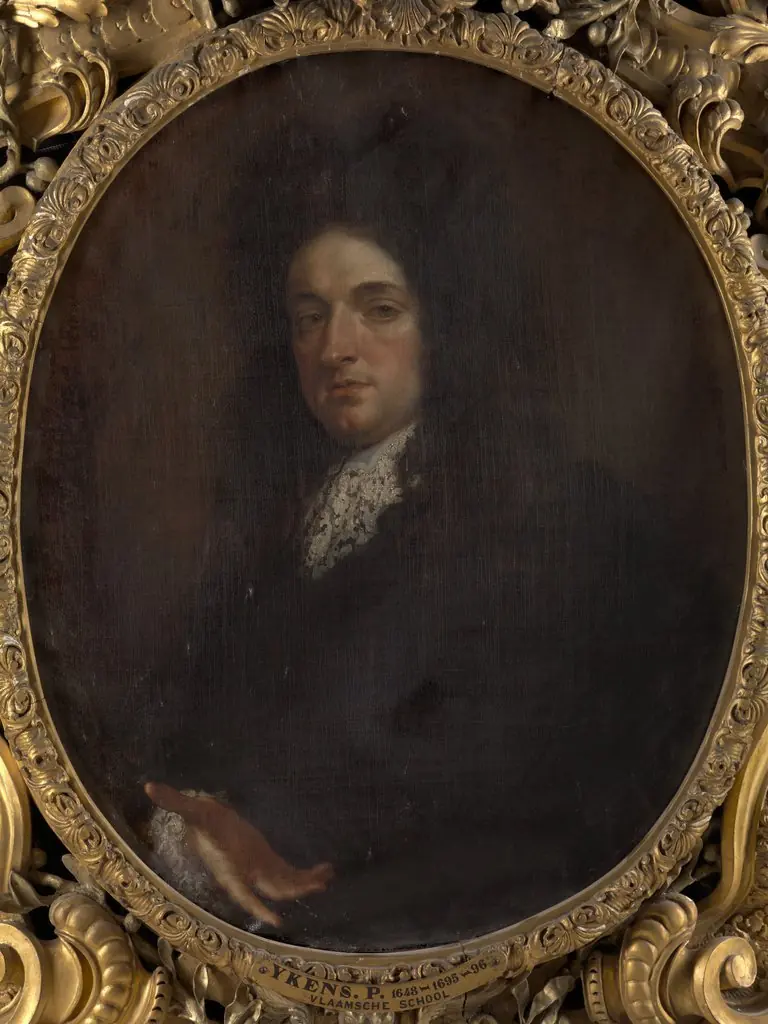
Jean Baptiste Tavernier is a portrait painted in oil by Jacques d'Agar in 1694, exemplifying the French Classical Baroque style. The work depicts an older man in a dark robe and lace neckerchief, adorned with a gold medal featuring a red cross, set against a dark background with a subtle oval frame.
Context
The painting reflects the artistic transitions of its creator, from history to portrait painting, and the broader cultural shifts influencing European artists during the late 17th century, including the impact of religious persecutions on artistic communities.
Legacy
As a 17th-century portrait, Jean Baptiste Tavernier contributes to the understanding of Baroque portraiture techniques and the career trajectory of Jacques d'Agar, though its broader impact on the art historical canon is not extensively highlighted in provided sources.
Own this work as a print
Artist & collection
Artist
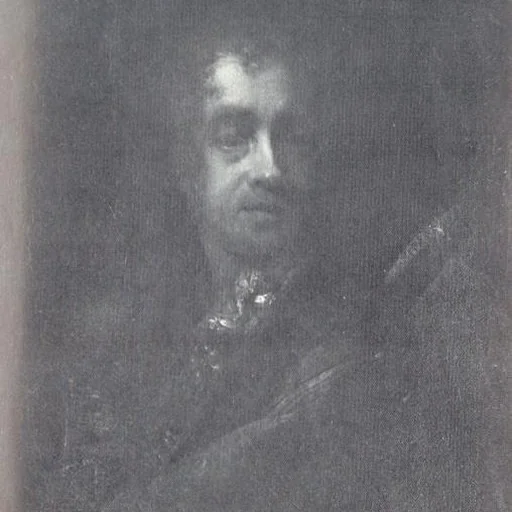
Jacques d'Agar (Danish: Jacob d'Agar; 9 March 1640 – 16 November 1715) was a French portrait painter born in Paris.

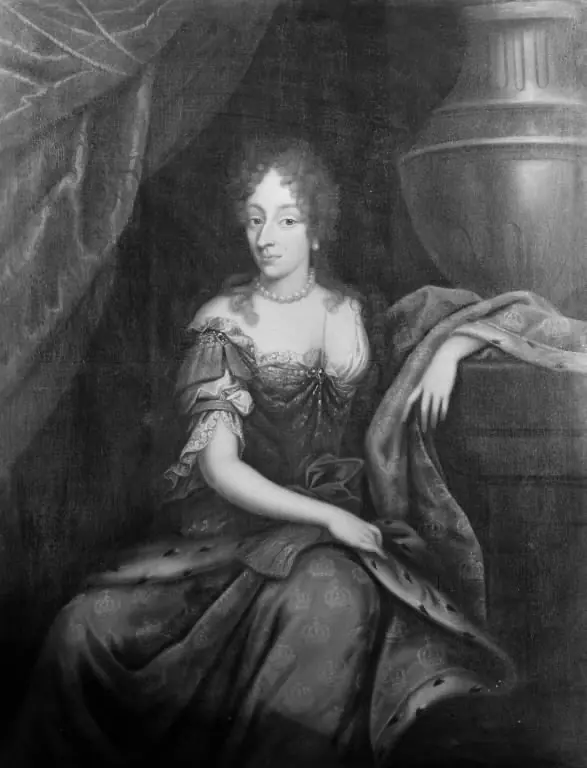 Dronning Charlotte Amalie (knæstykke)
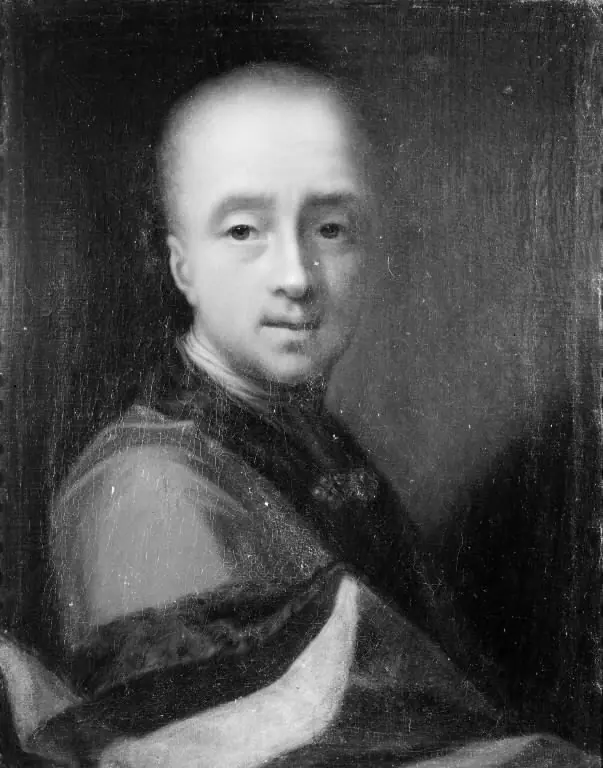 Portræt af en midaldrende mand
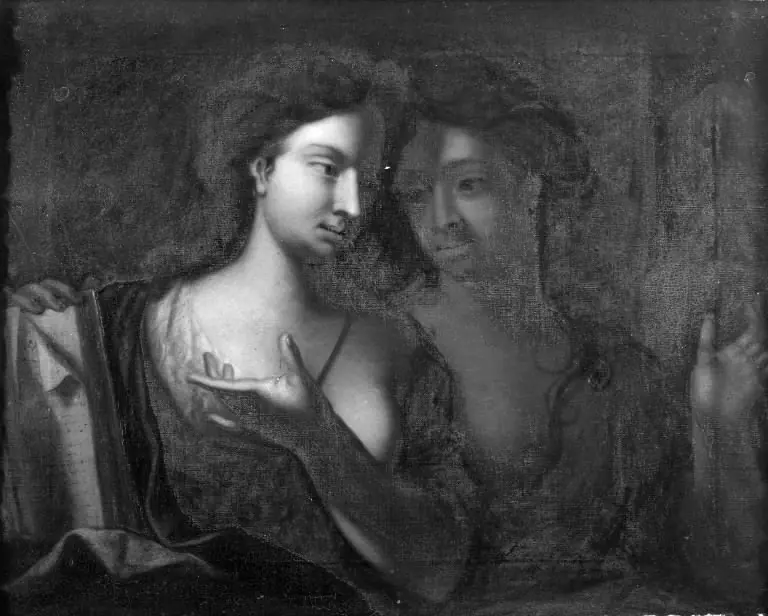 Tvende fruentimmer, hvoraf den forreste holder en bog i sin hånd
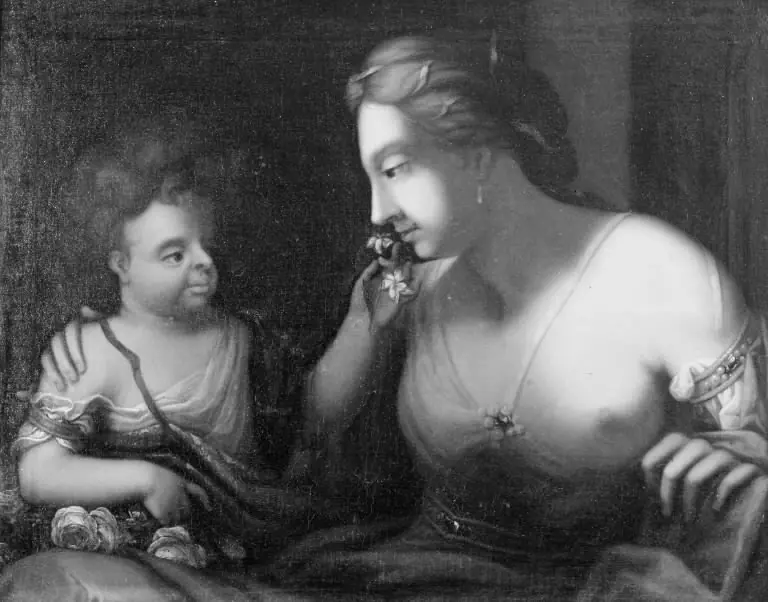 Et barn lader sin moder lugte til nogle blomster
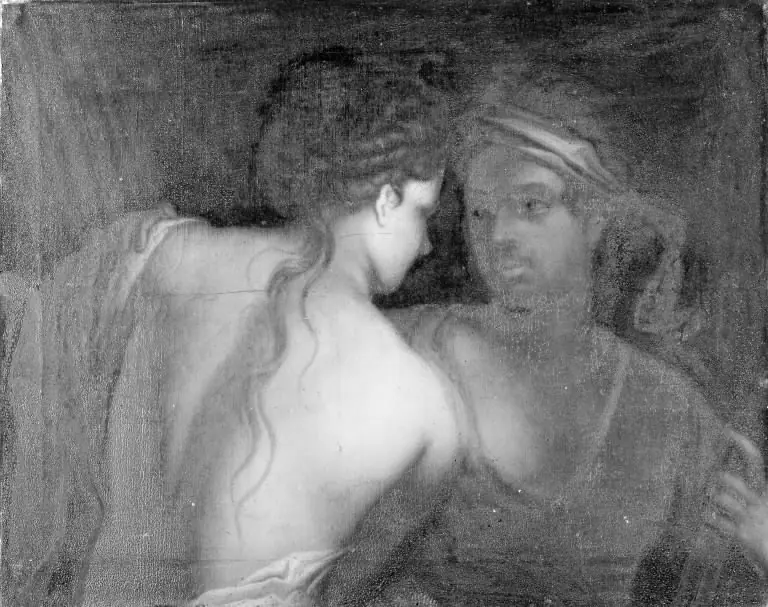 Tvende fruentimmere taler sammen
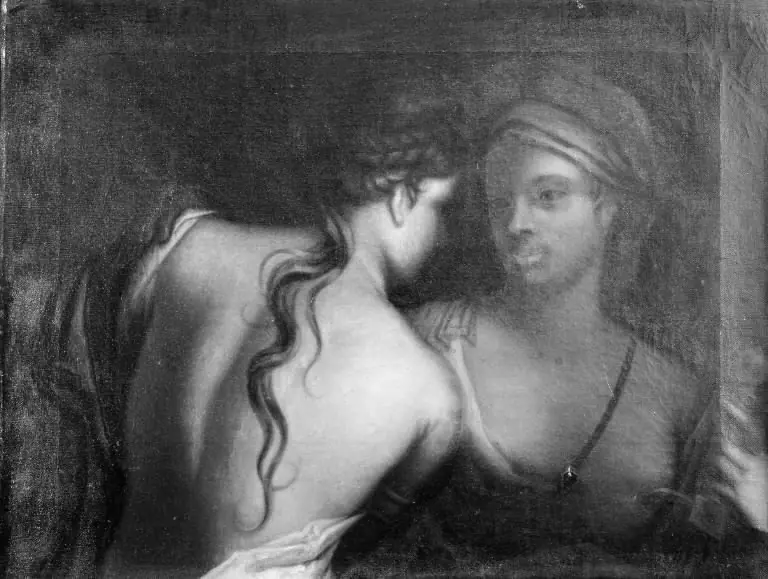 Tvende fruentimmere i samtale
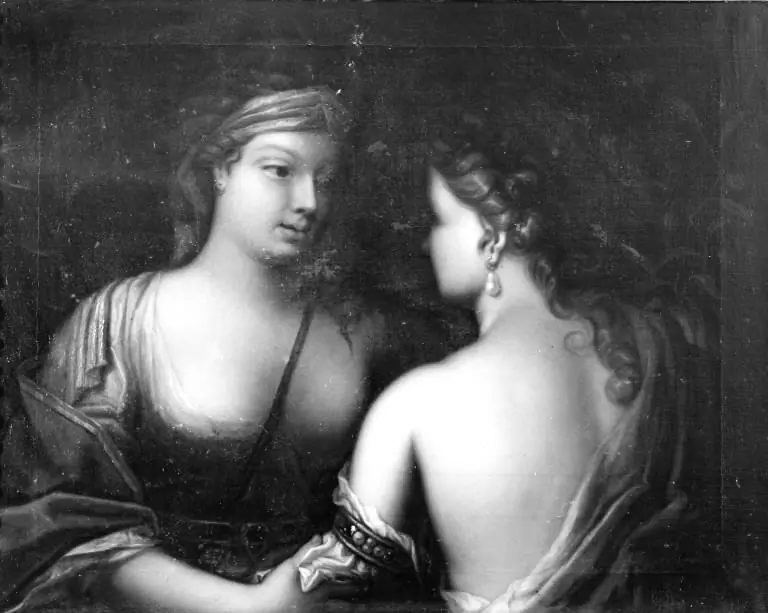 Tvende fruentimmer i halv figur
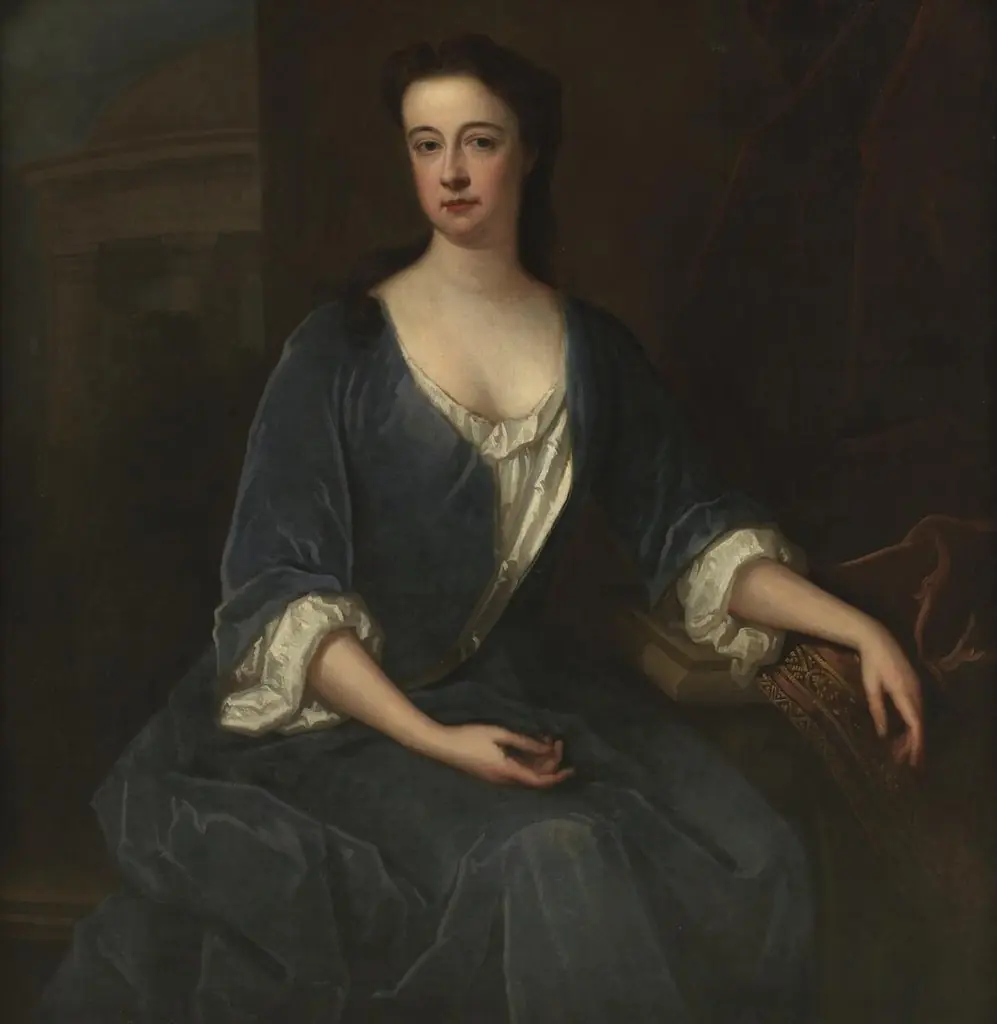 Barbara, Countess of Pembroke & Mont
 Steven Cornelis Janssens van Hujoel, Dean of the Guild of St. Luke and of the Chamber of Rhetoric De Olijftak
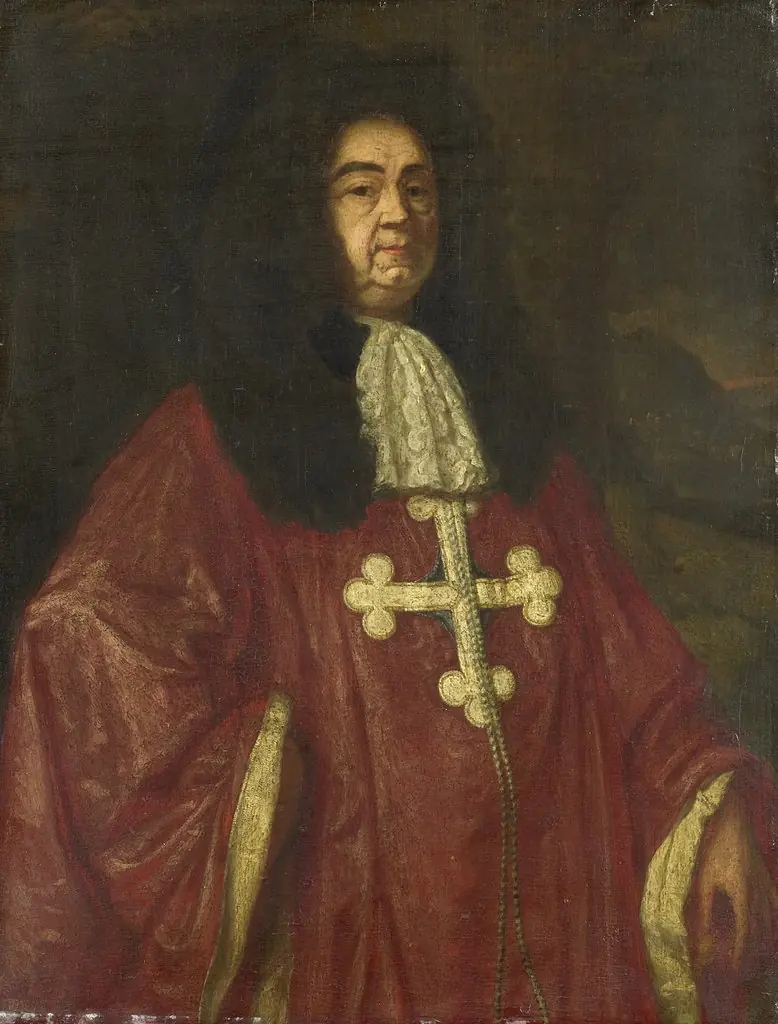 Portrait of Johannes Camprich van Cronefelt, Knight of the Order of St. Maurice and St. Lazarus, Imperial German Ambassador to The Hague
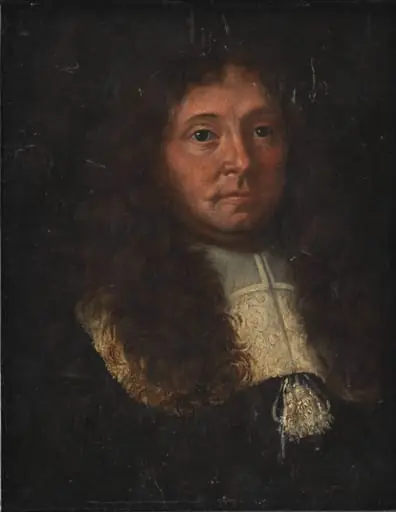 Mandsportræt
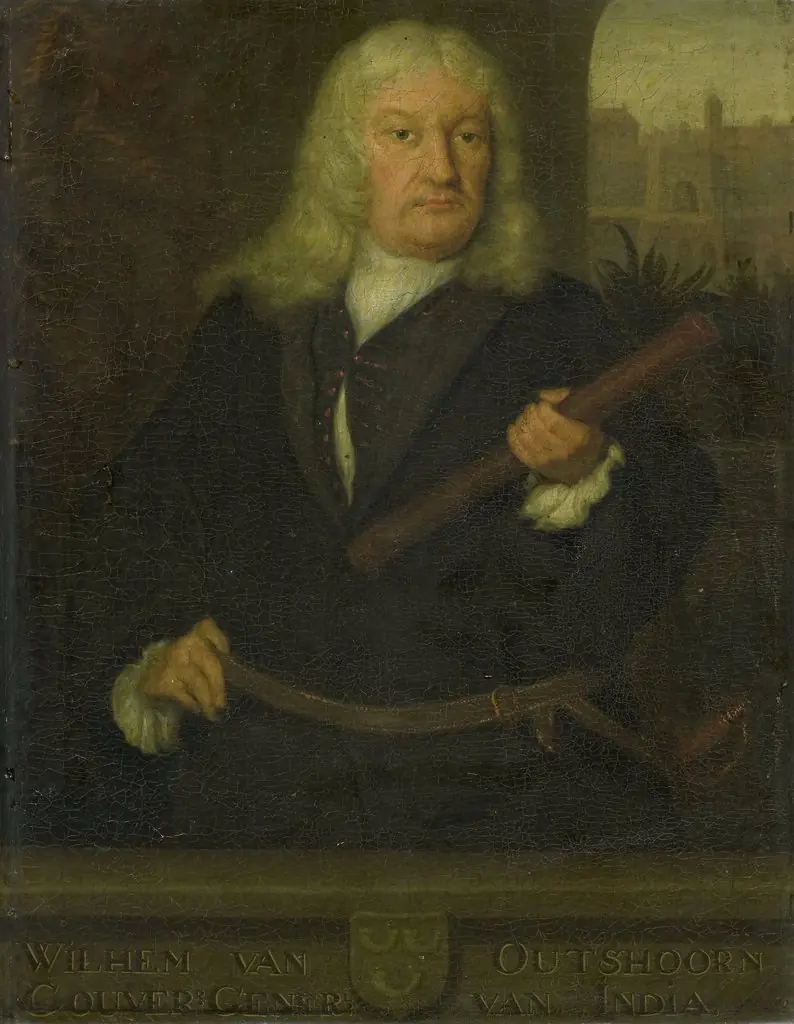 Portrait of Willem van Outhoorn, Governor General of the Dutch East Indies
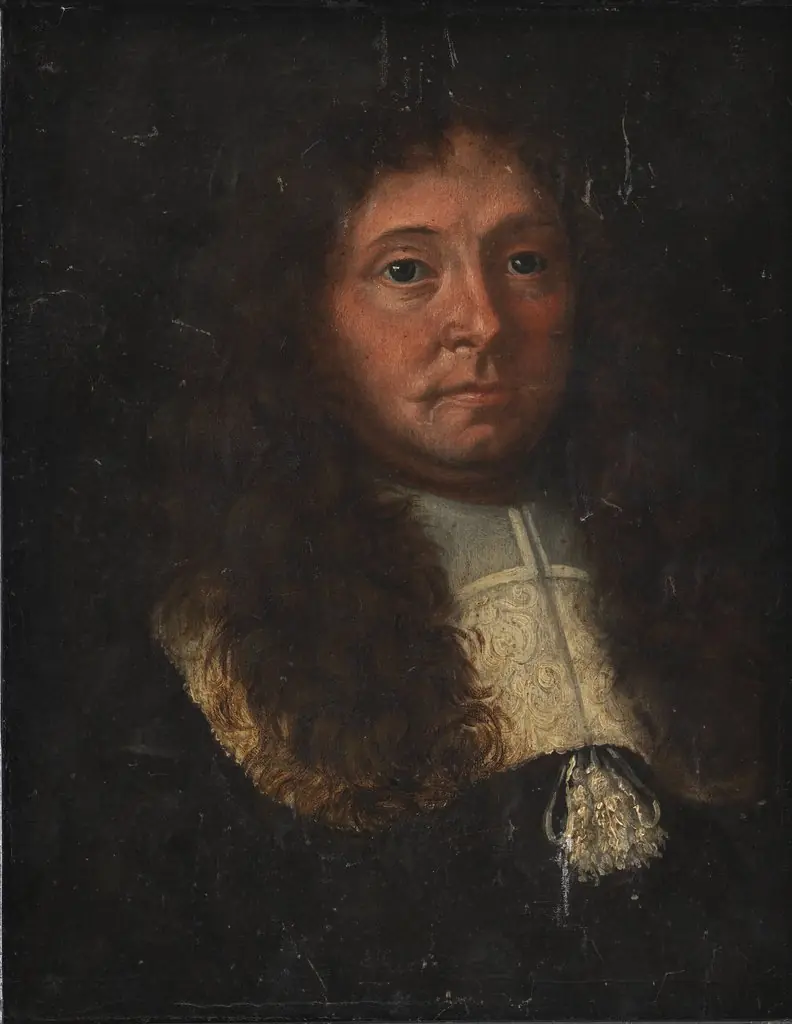 Mandsportræt
 Ulrik Frederik Gyldenløve
 Portrait of Bishop Van Susteren
 Portret van Henricus Josephus van Susteren, bisschop van Brugge
 Ulrik Frederik Gyldenløve
 Portrait of Johannes Camphuys (1634-95). Gouverneur-generaal (1684-91)
 Portrait of gouverneur-generaal Abraham Patras
- Jean Baptiste Tavernier