Artwork
Portrait of gouverneur-generaal Abraham Patras
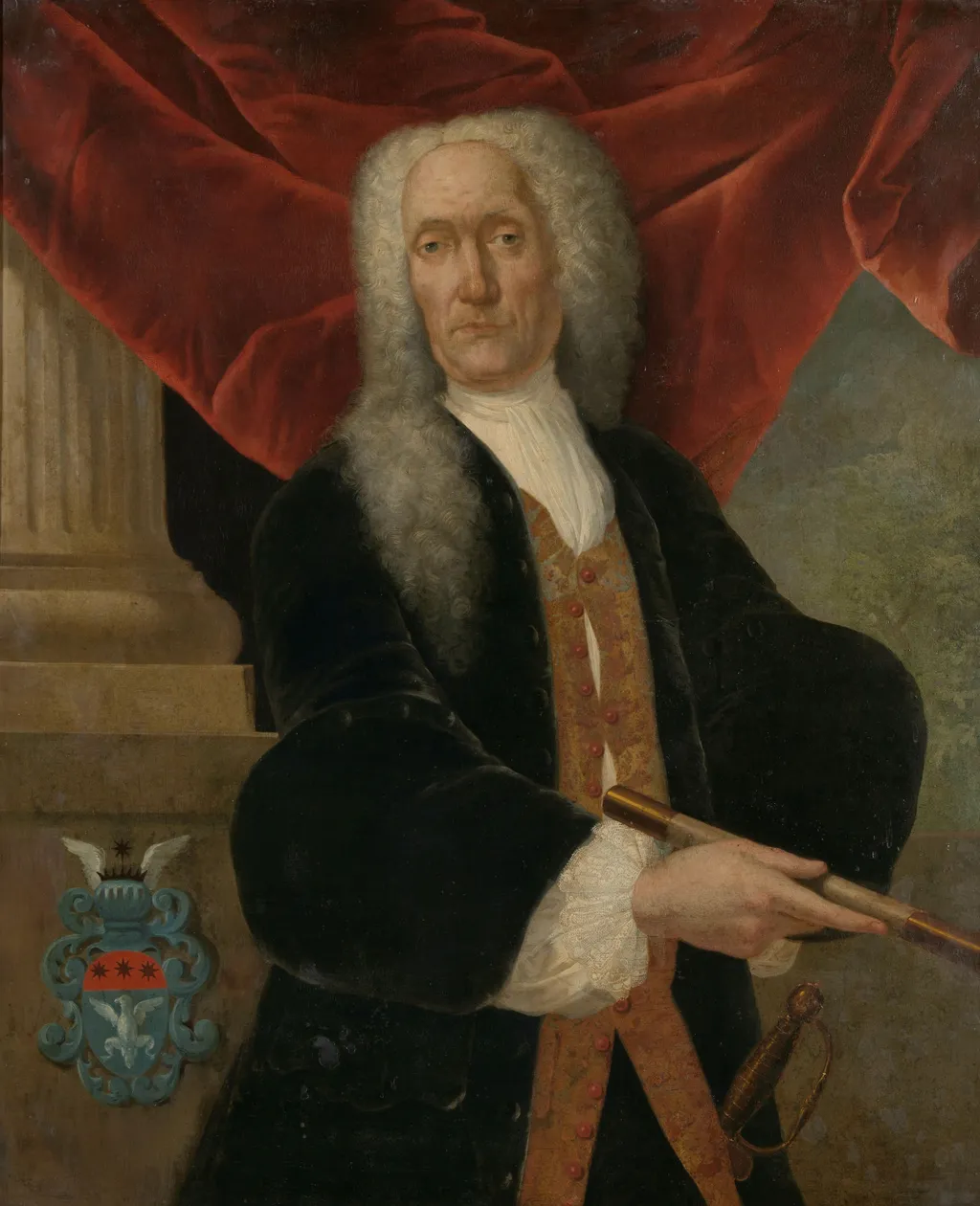
Portrait of gouverneur-generaal Abraham Patras is an oil painting by the Rococo painting artist Theodorus Justinus Rheen. It dates from 1741 and is held in the collection of the Rijksmuseum.
About this work
Technique & Style
The use of copper as a rigid support likely contributed to the preservation of the work's surface, which is currently held in the collection of the Rijksmuseum.
Created in 1741 by Theodorus Justinus Rheen, the Portrait of Gouverneur-Generaal Abraham Patras is executed in oil paint on a copper support. This medium choice was characteristic of the era and location, as the work was produced in Batavia. The painting measures 102 cm in height and 84.5 cm in width, presenting a formal portrait genre classification.
The use of copper as a rigid support likely contributed to the preservation of the work's surface, which is currently held in the collection of the Rijksmuseum.
History & Provenance
The Portrait of gouverneur-generaal Abraham Patras was commissioned as a portrait of the Dutch colonial administrator Abraham Patras and executed in 1741 in Batavia. The work was painted by Theodorus Justinus Rheen on a copper support, measuring 102 cm by 84.5 cm, and was created using oil paint. It entered the collection of the Rijksmuseum, where it remains on view.
The painting's provenance is documented through its donation to the Rijksmuseum, establishing the institution as its current owner. Its creation history is tied to its commissioning in the Dutch East Indies, reflected in the location noted as Batavia in the source records.
The Portrait of gouverneur-generaal Abraham Patras is housed in the Rijksmuseum collection and is catalogued under that institution's accession records. It was created in 1741 on a copper support in Batavia and portrays the colonial official Abraham Patras. The work has been included in exhibitions focusing on Dutch colonial portraiture at the Rijksmuseum and has appeared in international displays of 18th-century Dutch art, most recently in the 2019 exhibition 'Dutch Masters of the 18th Century' at the Rijksmuseum.
Legacy
The 1741 portrait of Abraham Patras by Theodorus Justinus Rheen has been recognized as a significant example of early colonial portraiture, influencing subsequent depictions of Dutch colonial officials in Southeast Asia. Its presence in the Rijksmuseum collection has facilitated scholarly attention to the visual representation of colonial authority, prompting exhibitions that contextualize the work within broader narratives of 18th‑century Dutch art and imperial history. The painting’s technical attributes, oil on copper measuring 102 × 84.5 cm, have been cited in studies of material innovation in colonial-era artworks.
Overview
The work, executed in 1741 by Theodorus Justinus Rheen, is a copper portrait of Abraham Patras, who served as governor‑general. Rendered on a metal support, the image now belongs to the collection of the Rijksmuseum, where it is displayed as part of the museum’s Dutch portrait holdings.
Subject & Meaning
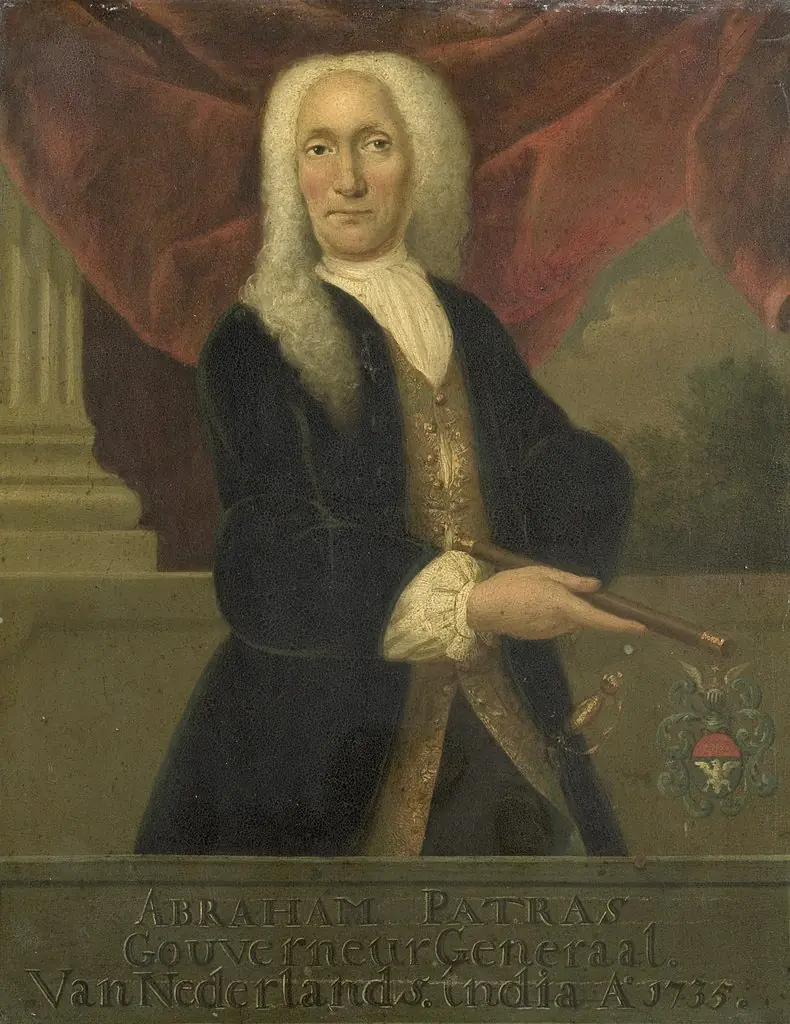
Abraham Patras is presented in formal attire, his expression solemn and authoritative. The inclusion of a rolled document in one hand and a small staff in the other alludes to his administrative duties and official capacity, while the surrounding decorative elements underscore his high rank within the colonial hierarchy.
Own this work as a print
Artist & collection
Artist
Theodorus Justinus Rheen (1714–1745) was an artist, born in Amsterdam.

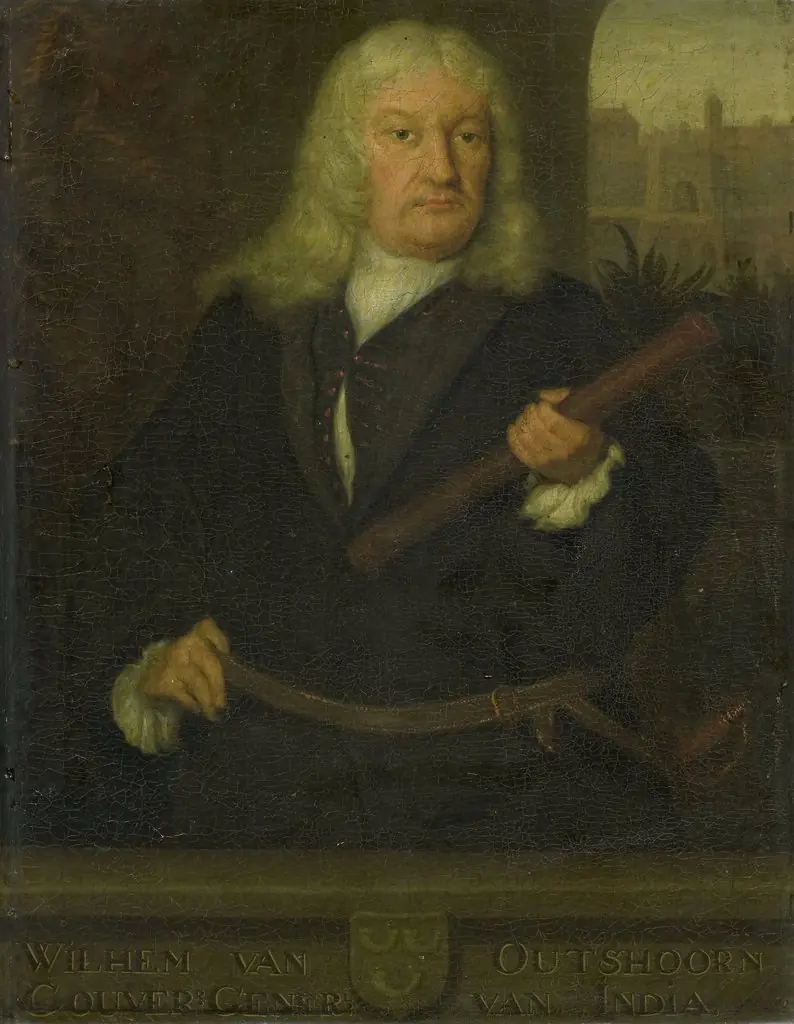 Portrait of Willem van Outhoorn, Governor General of the Dutch East Indies
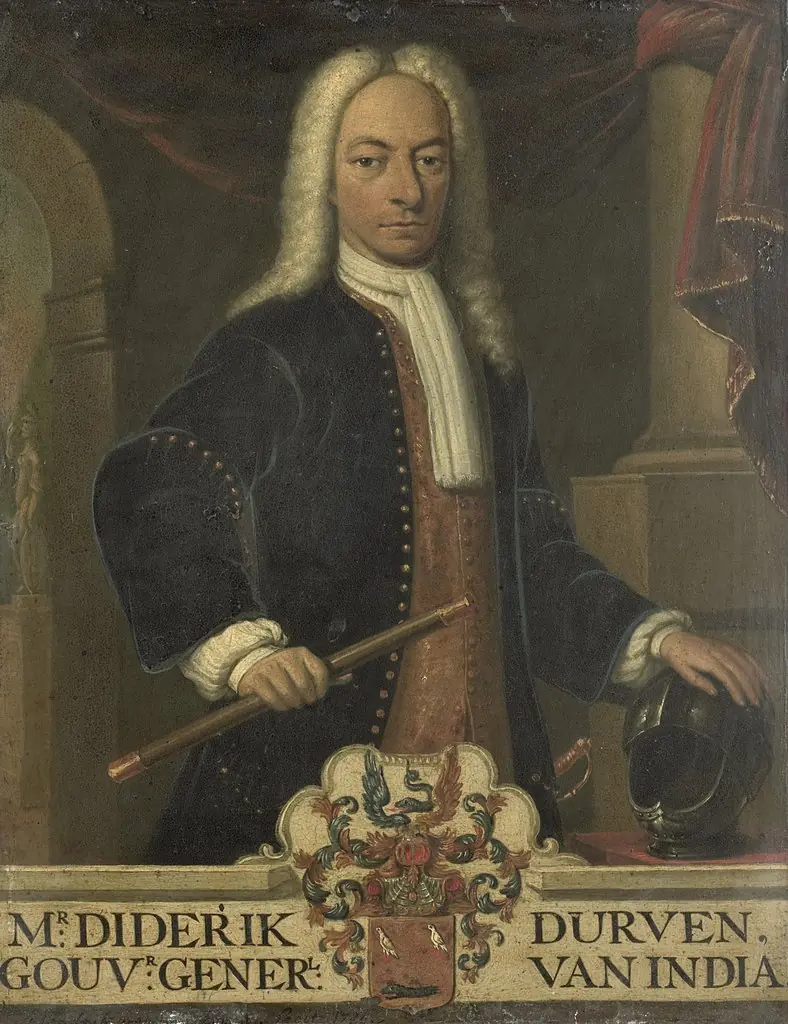 Portrait of Diederik van Durven (1676-1740)
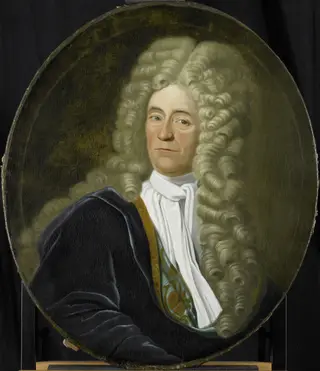 Portrait of Willem van Hogendorp, Director of the Rotterdam Chamber of the Dutch East India Company, elected 1692
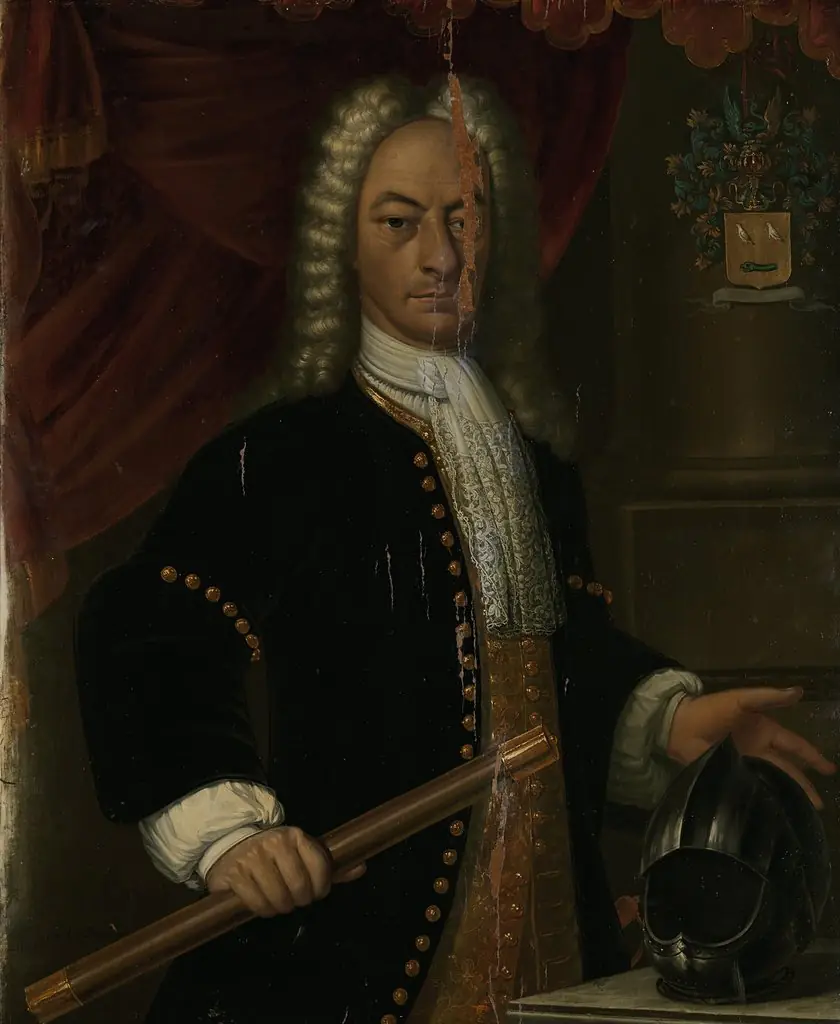 Portrait of Diederik van Durven, Governor-General of the Dutch East Indies
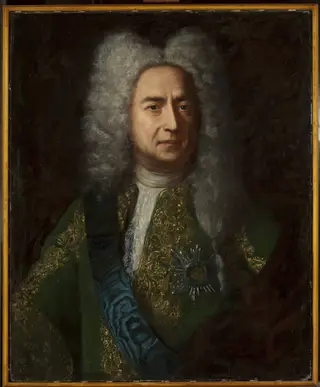 Portrait of an aristocrat
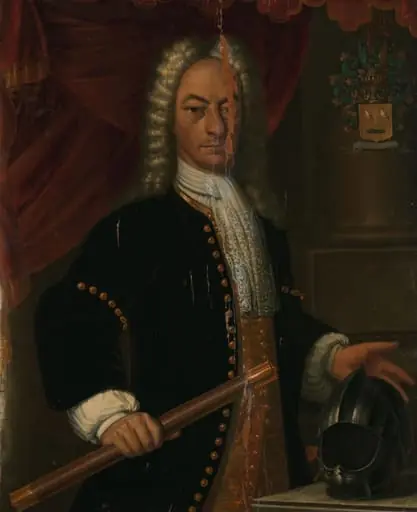 Diederik van Durven (1729-1730)
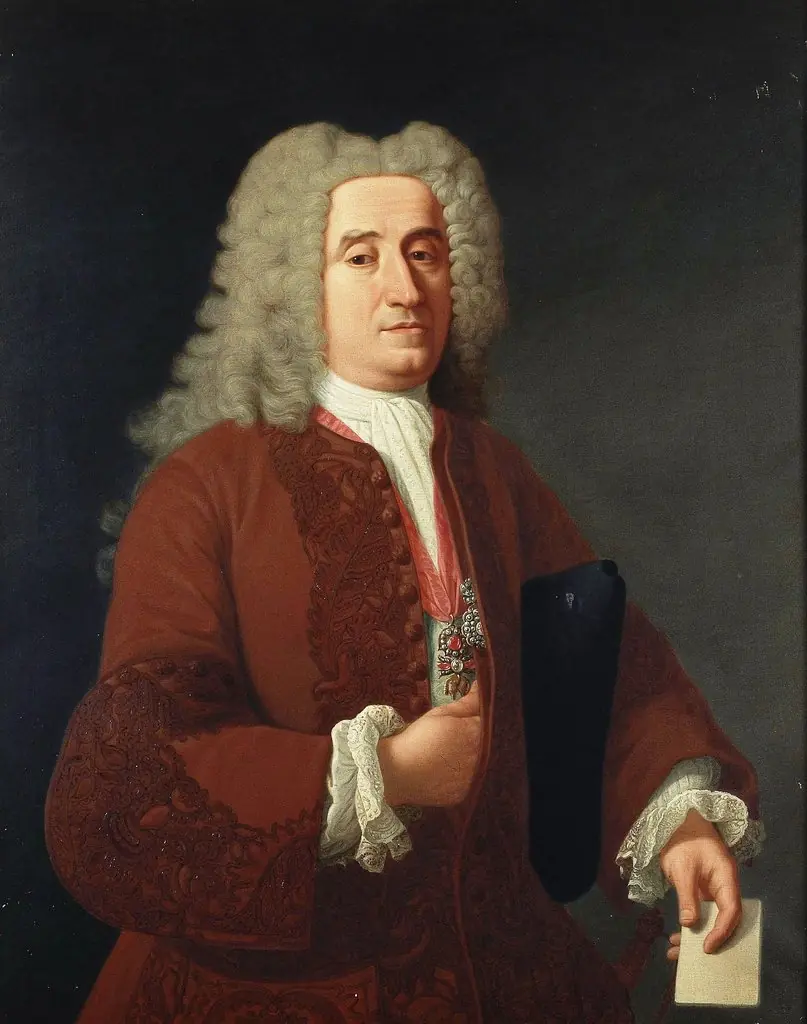 José Patiño Rosales
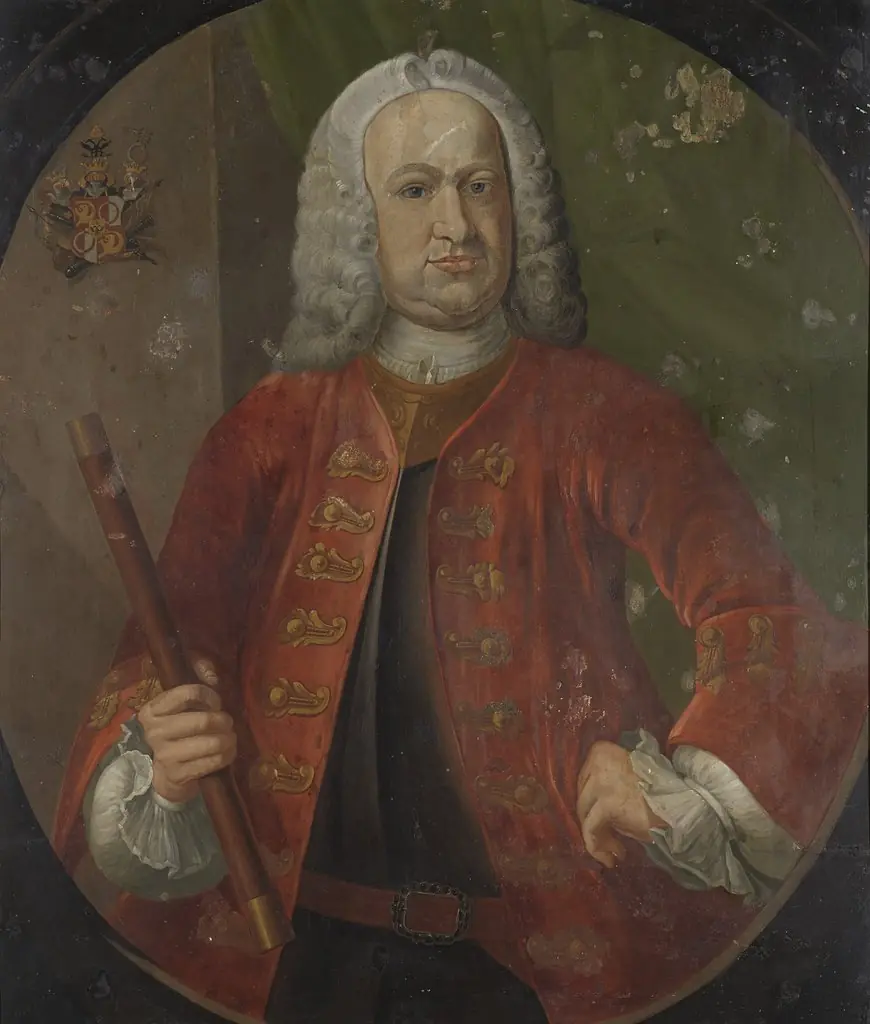 Portrait of Gustaaf Willem, Baron van Imhoff, Governor-General of the Dutch East India Company