Artwork
The Prisoner
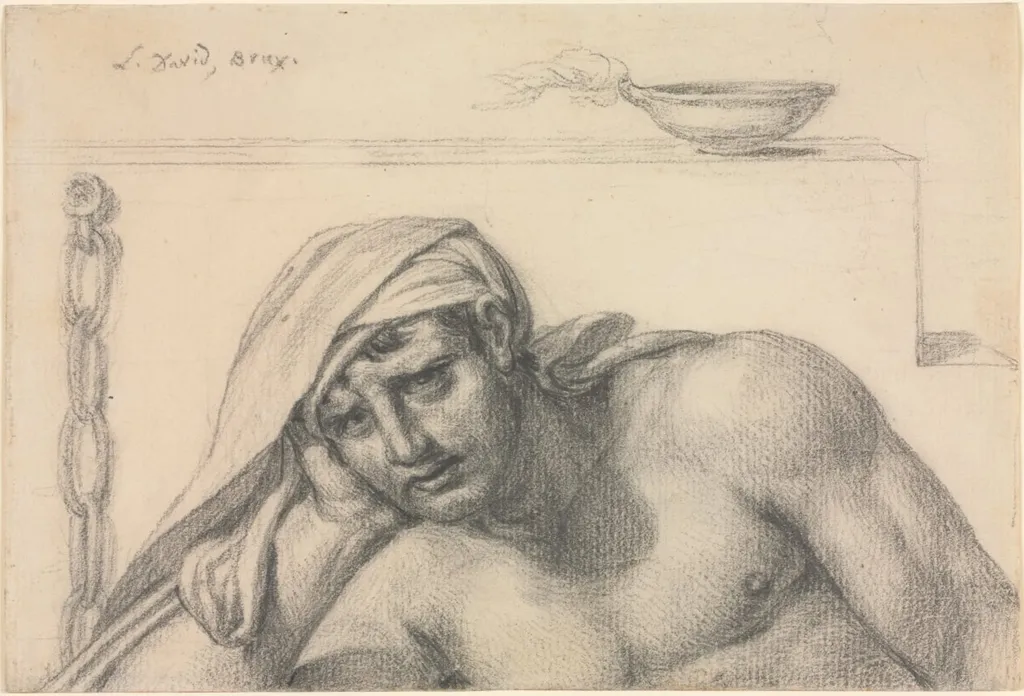
The Prisoner is a drawing by the Romanticist artist Jacques-Louis David. It dates from 1819 and is held in the collection of the Cleveland Museum of Art.
- Accession no.
- 1973.36
- Credit line
- Purchase from the J. H. Wade Fund
About this work
Overview
The drawing is part of a group of intimate studies made by Jacques‑Louis David during his exile in Brussels between 1816 and his death in 1825. Untitled and given to acquaintances, the sheet shows a solitary figure in a turban, illuminated by a single oil lamp, with a heavy chain hanging nearby.
Subject & Meaning
The composition presents a lone man whose gaze is directed downward, his face partially lit by the lamp’s glow. The presence of the turban and the chain evokes a sense of confinement or contemplation, suggesting an inner psychological state rather than a narrative episode.
Technique & Style
Executed in a loose, sketch‑like manner, the drawing relies on strong chiaroscuro to model the features. David’s line work is fluid, emphasizing the contrast between light and shadow, while the minimal detail creates a focused, almost private atmosphere.
History & Provenance
Created while David lived in Brussels after his forced departure from France, the work was among several studies he distributed to friends. It remained in private hands for much of the 19th century before entering the museum’s collection in the early 20th century.
Context
The image alludes subtly to David’s earlier painting The Intercession of Saint Roch (1780), yet it strips away the grand religious setting, leaving only a solitary figure. This shift reflects the artist’s later preoccupation with personal, introspective subjects during his exile.
Artist & collection
Artist
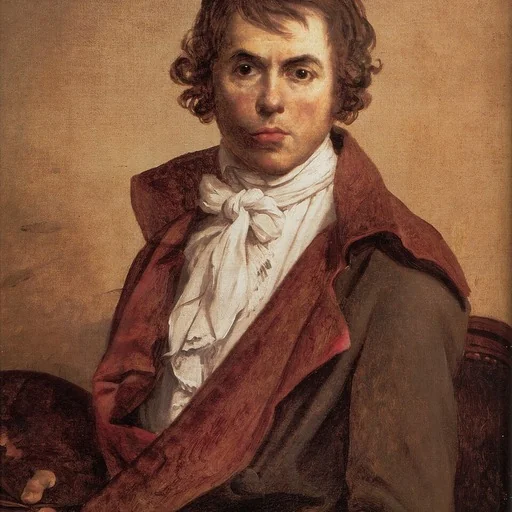
Jacques-Louis David was born in Paris on 30 August 1748 into a bourgeois family; his father died in a duel when the boy was nine, and a maternal uncle guided his education.

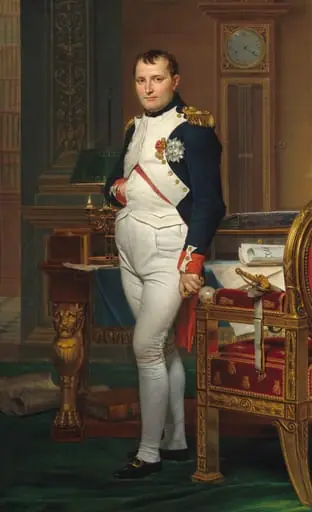 The Emperor Napoleon in His Study at the Tuileries
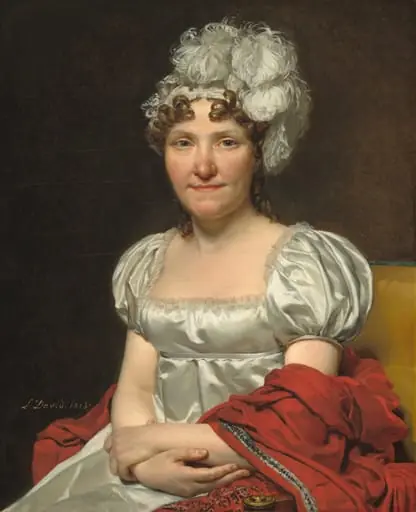 Madame David
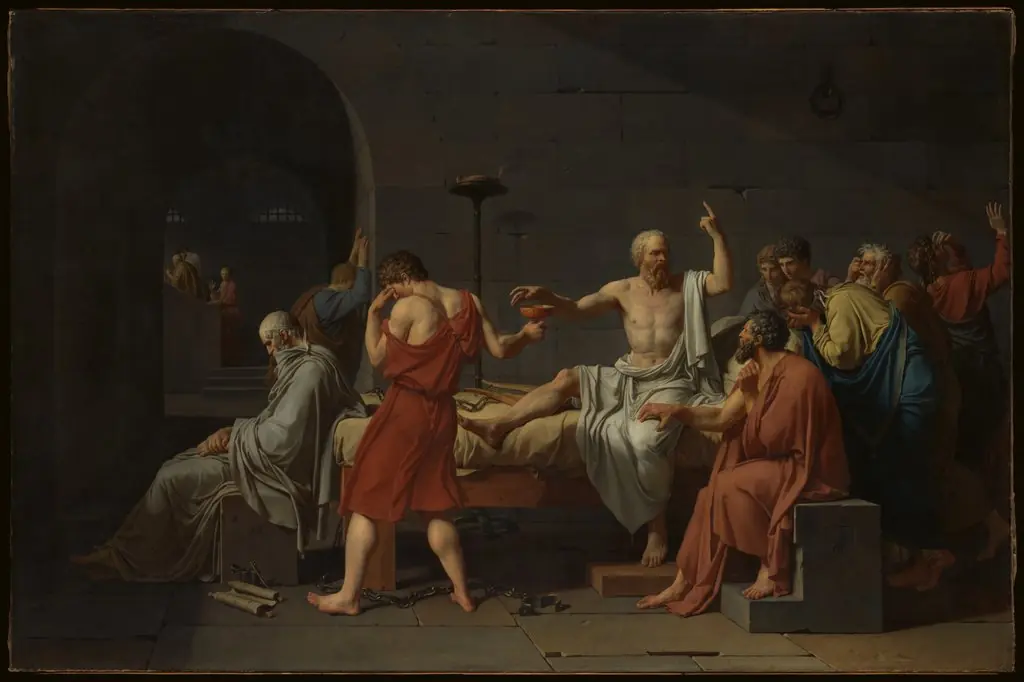 The Death of Socrates
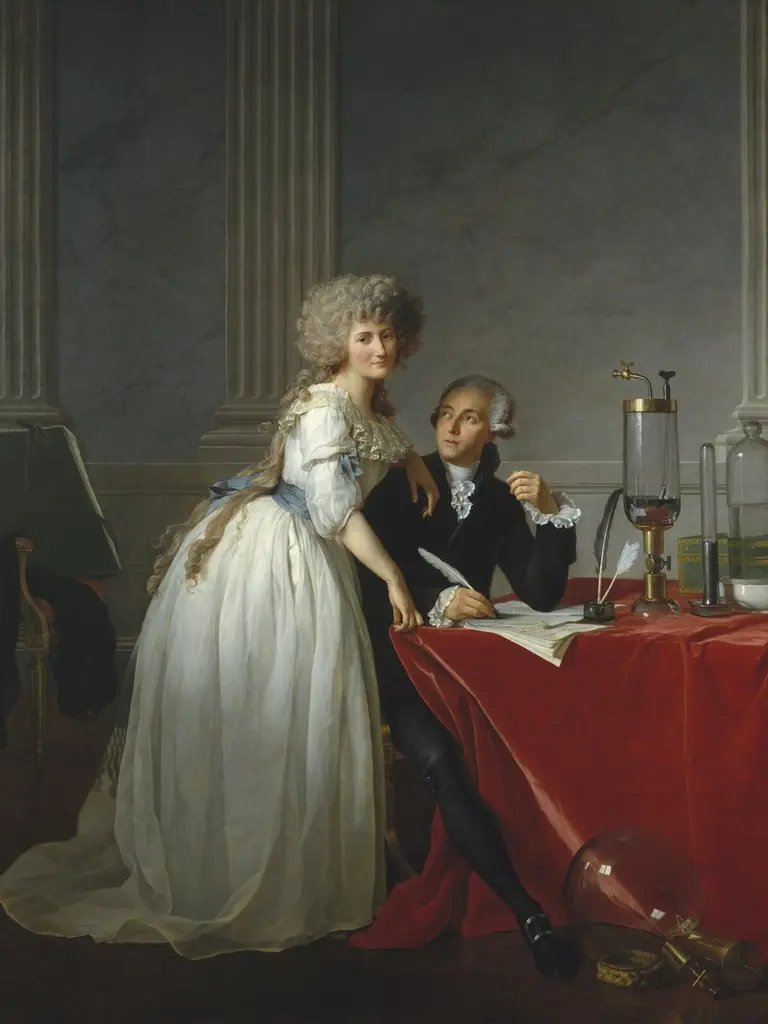 Portrait of Antoine-Laurent Lavoisier and his wife
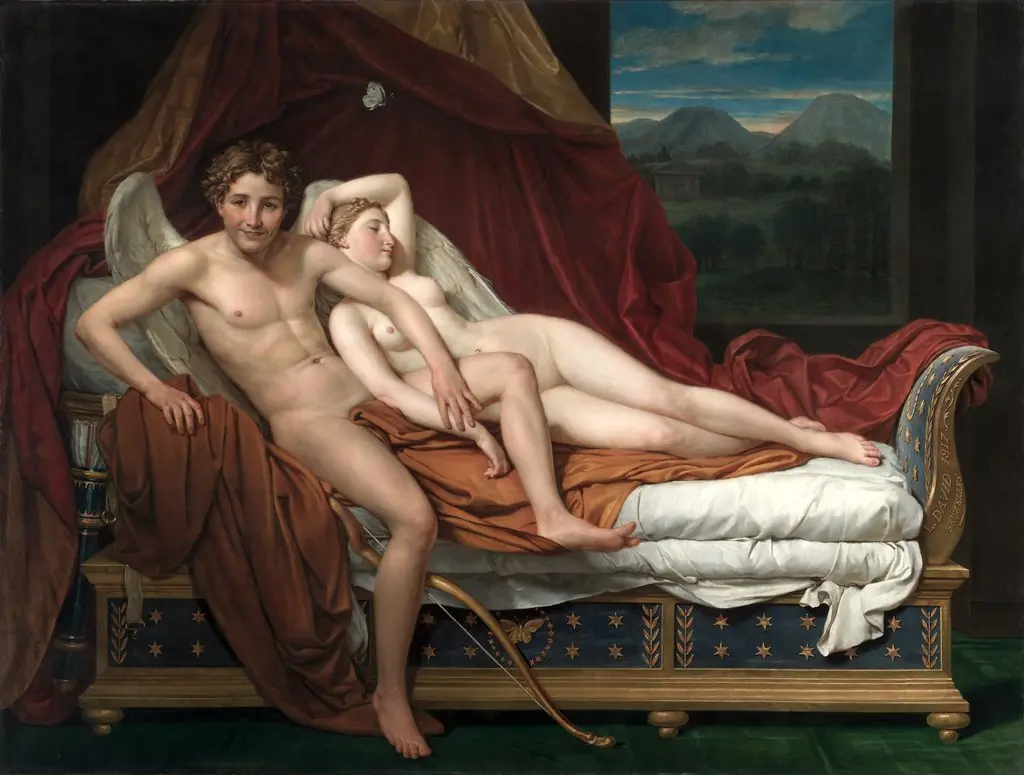 Cupid and Psyche
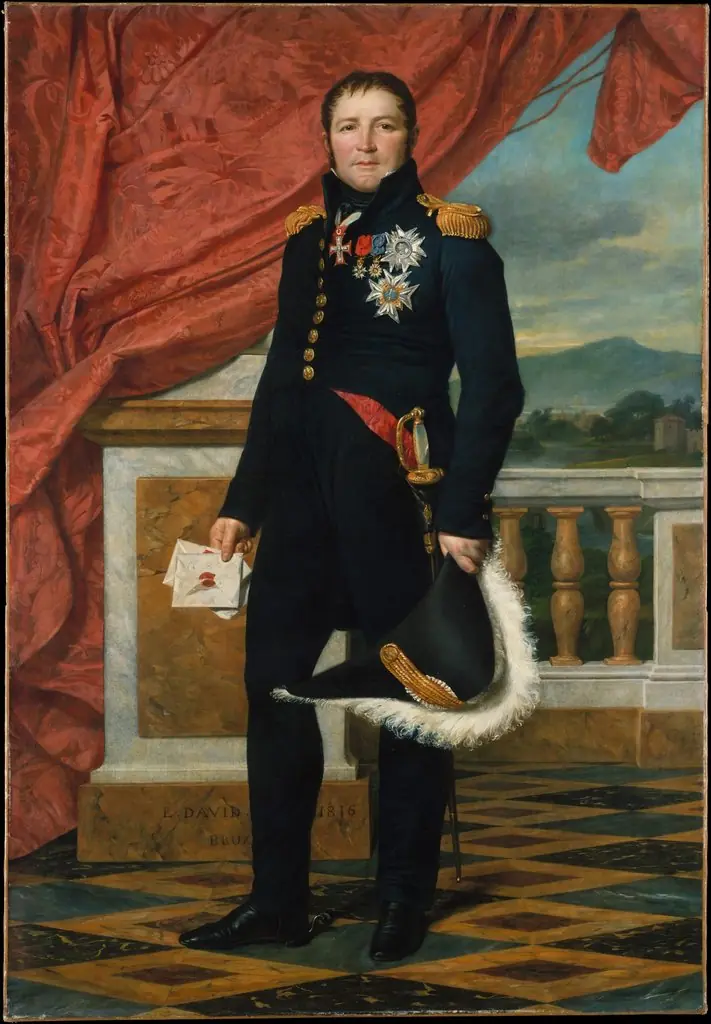 General Étienne-Maurice Gérard (1773–1852), Marshal of France
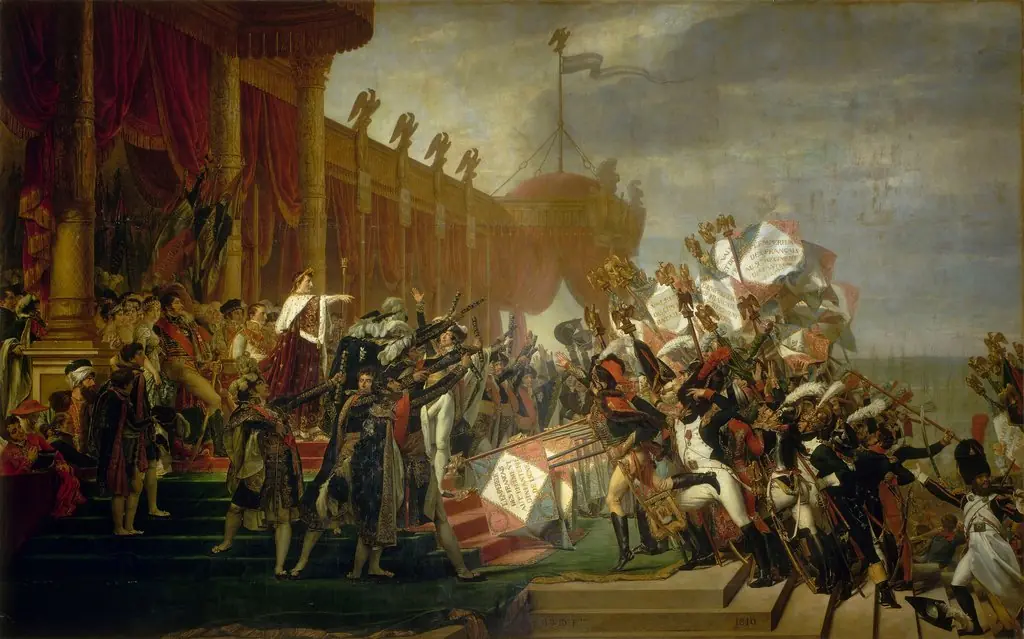 The Distribution of the Eagle Standards
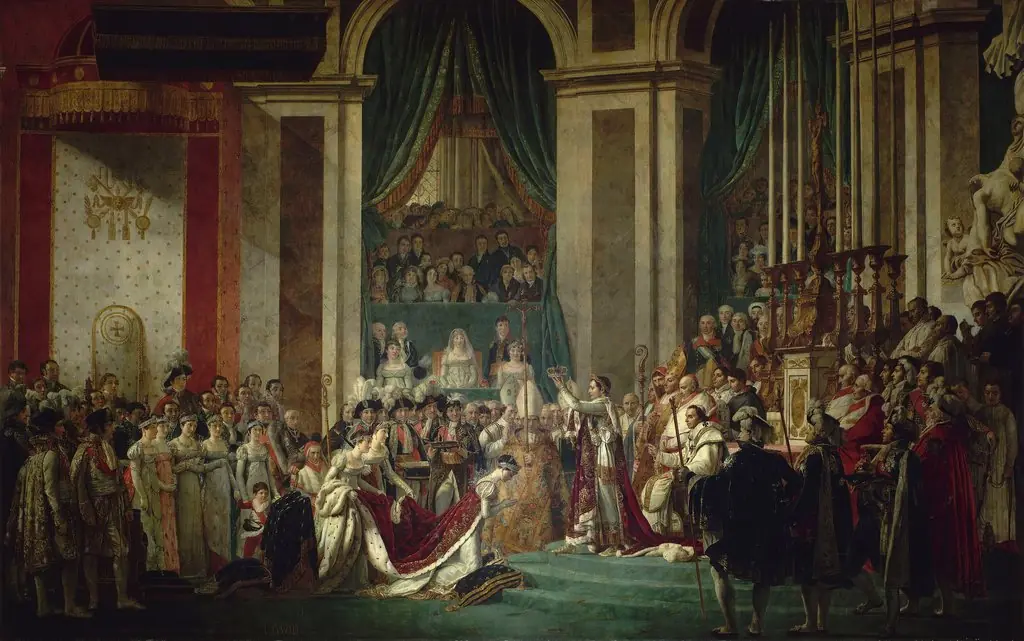 Coronation of Emperor Napoleon I and Coronation of the Empress Josephine
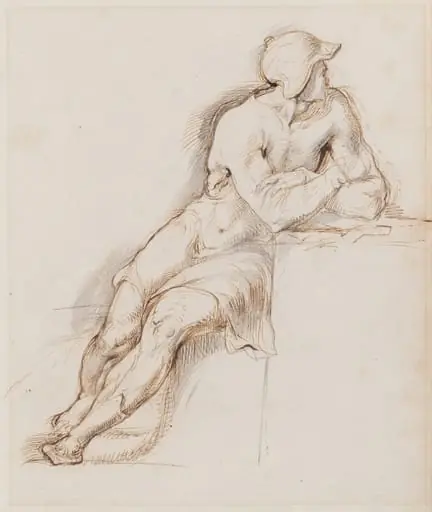
- Study of a Seated Man Wearing a Helmet
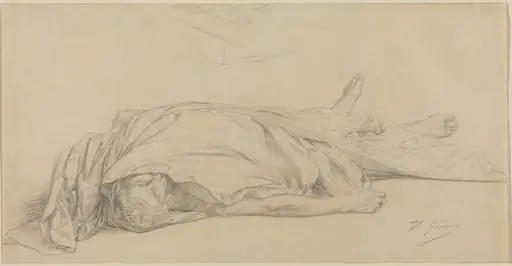 The Dead Caesar
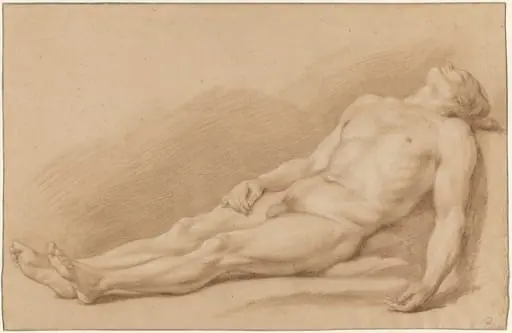 An Academy Study of a Reclining Male Nude
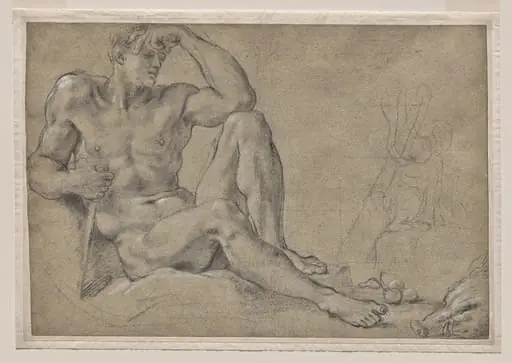 Hercules Resting (recto)
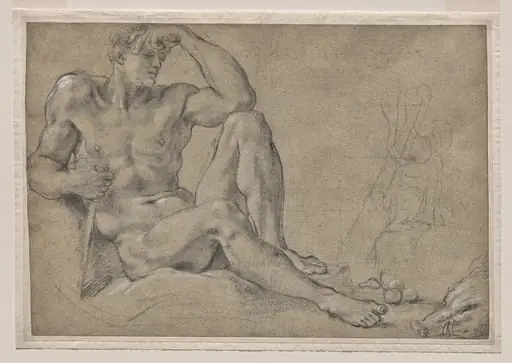 Hercules Resting (recto); Footed Vessel with Handle (verso)
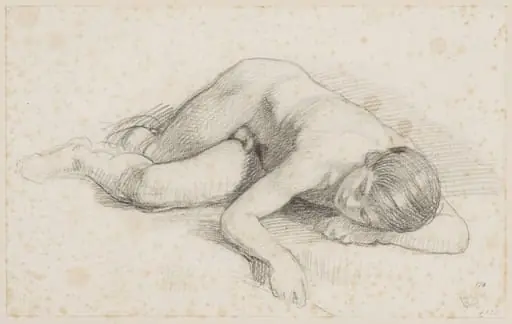 Study of a reclining nude youth
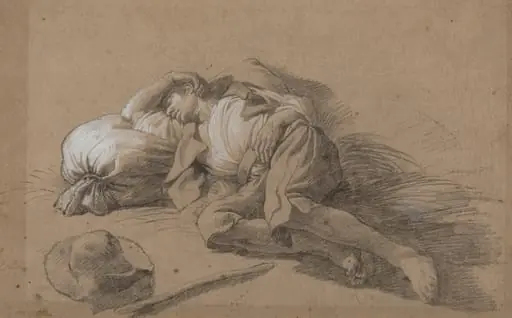 Sleeping Peasant
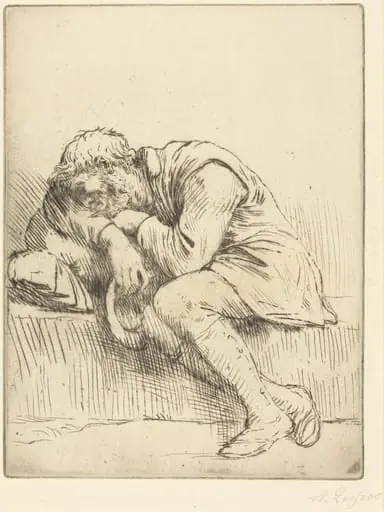 Sleeping Beggar (Mendiant endormi)
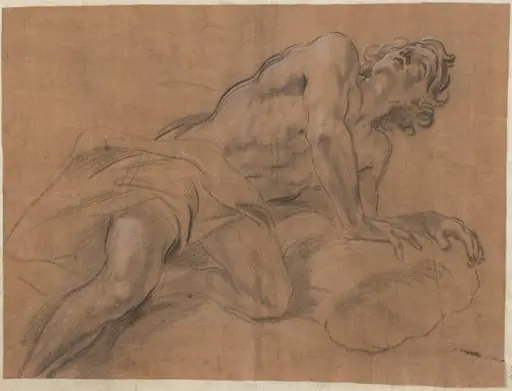 Nude Youth Leaning on a Cloud and Gazing Upward
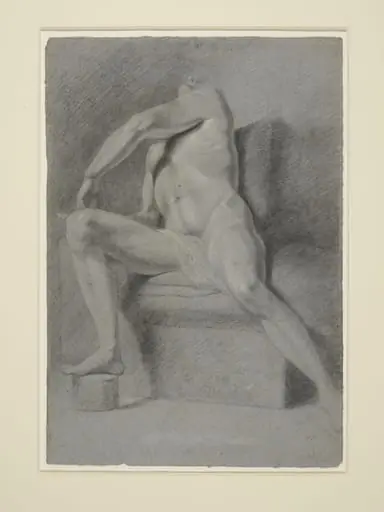 Study of a male nude figure, seated, with his right foot on a round block and his head thrown back.
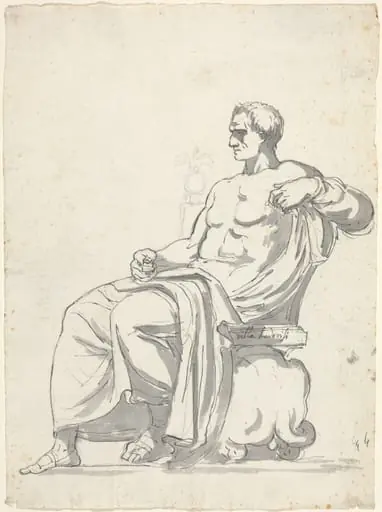 The Ludovisi Menander
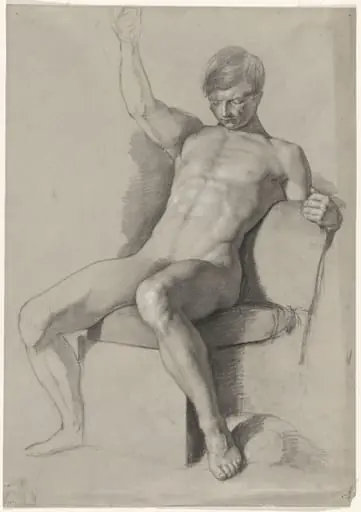 Seated Male Nude with Raised Right Hand