Artwork
Cupid and Psyche
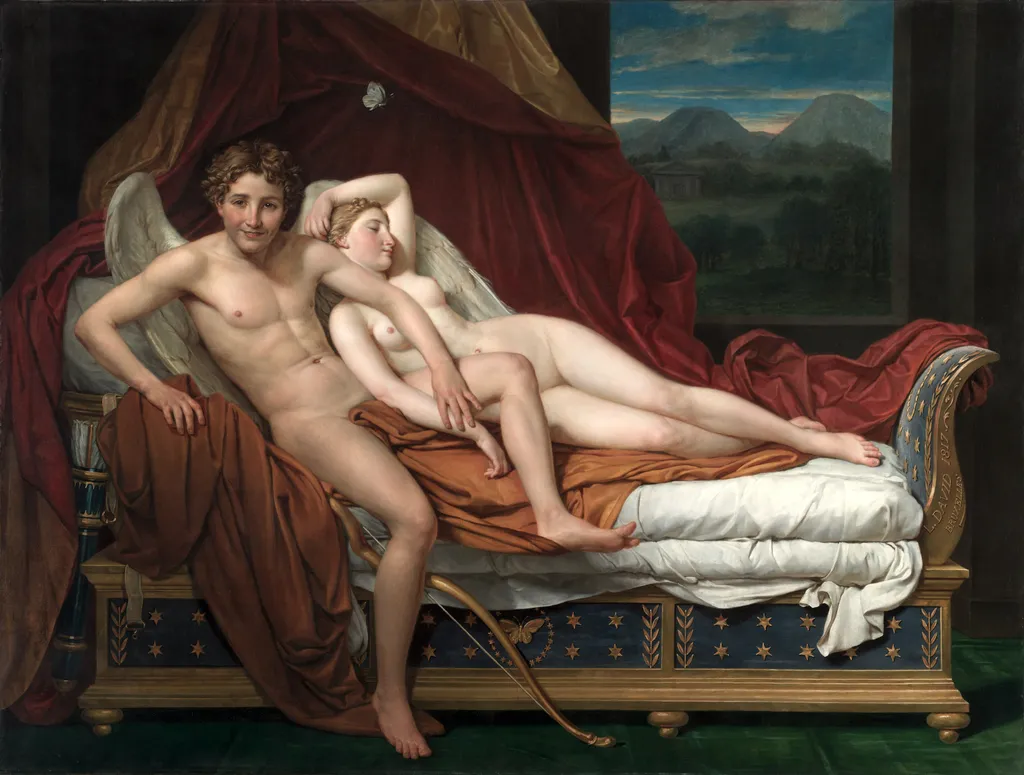
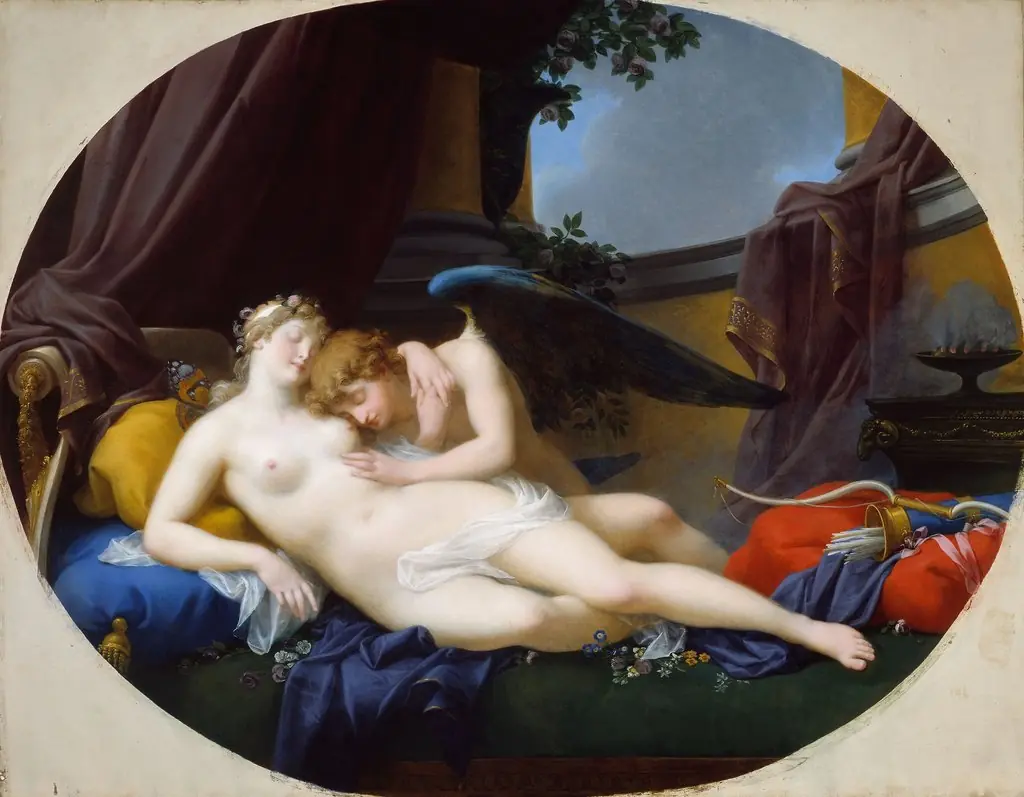
Cupid and Psyche is an oil painting by the Neoclassicist artist Jacques-Louis David. It dates from 1817 and is held in the collection of the Cleveland Museum of Art.
About this work
In a dimly lit chamber, an ungainly teenage Cupid smirks beside the sleeping Psyche, two butterflies playing on the Greek meaning of her name. Painted in 1817 during Jacques-Louis David's exile in Brussels, the large canvas trades the idealized young god for a gawky, mean-spirited brat with flashing eyes, drawn from the Hellenistic poet Moschus. The Cleveland Museum of Art acquired it in 1962.
Subject & Meaning
David’s painting depicts the moment Cupid secretly departs at dawn after spending the night with Psyche, drawn from Apuleius's Metamorphoses.
David’s painting depicts the moment Cupid secretly departs at dawn after spending the night with Psyche, drawn from Apuleius's Metamorphoses. The work subverts traditional mythological idealization: Cupid is rendered hyper-realistically, scrawny, muddied, with worn wings, making him appear mortal and sinister, while Psyche sleeps vulnerably. A butterfly above Psyche symbolizes both death and transcendence, commenting on Cupid’s daily abandonment.
The landscape in the background, representing journey, renewal, and illumination, contrasts with the dark, cluttered interior that suggests Psyche’s imprisonment. Art historians argue David intentionally engaged with the ambiguity and reversals of meaning in the original myth, creating an uncomfortable dynamic that implicates the viewer in the power imbalance between the figures.
Technique & Style
The work is executed in oil paint on canvas. David departed from his neoclassical idealization by employing a hyper-realistic treatment of Cupid's body and expression, a deliberate stylistic choice that contemporary viewers found disturbing. The figures are brightly lit against a dark, deep-colored background and an overwhelming canopy, creating strong chiaroscuro.
The setting is cluttered and decorative, painted in an Empire style that David added after transferring the design to canvas. Cupid's wings are rendered as worn and ugly, reinforcing the mortal, unidealized quality. A small white butterfly above Psyche serves as a symbolic detail. The condition is not discussed in the sources.
History & Provenance
Jacques-Louis David began planning Cupid and Psyche in Paris in 1813 and completed it in 1817 while in exile in Brussels following Napoleon's fall, making it his first finished painting in exile. The work was commissioned by the Italian collector Gian Battista Sommariva, who amassed his wealth through dubious financial operations and likely sought the painting to display his status. David's correspondence reveals his interest in the myth of Cupid and Psyche; he aimed to give the well-worn theme a new, realistic treatment.
The seventeen-year-old James Gallatin, son of an American diplomat, posed for the figure of Cupid. The painting remained in Sommariva's collection and later entered the Cleveland Museum of Art in 1962, where it resides today.
The painting is in the collection of the Cleveland Museum of Art (accession number not specified in the sources), having entered the museum in 1962. It was first publicly exhibited at the museum in Brussels, where it surprised contemporary viewers with its realistic treatment of Cupid. The work was originally commissioned by the patron and collector Gian Battista Sommariva and completed by Jacques-Louis David in 1817 during his exile in Brussels.
Context
When first exhibited in Brussels in 1817, Cupid and Psyche surprised viewers with its stark realism, particularly in the unidealized depiction of Cupid. Contemporary critics largely interpreted the painting’s unconventional style as evidence of Jacques-Louis David’s artistic decline during his exile following Napoleon’s fall, viewing the work as a symptom of his isolation from Parisian neoclassical orthodoxy. However, later scholarship has reevaluated the painting as a deliberate artistic choice, a conscious departure from the idealized, Winckelmann-influenced forms that had defined David’s earlier career.
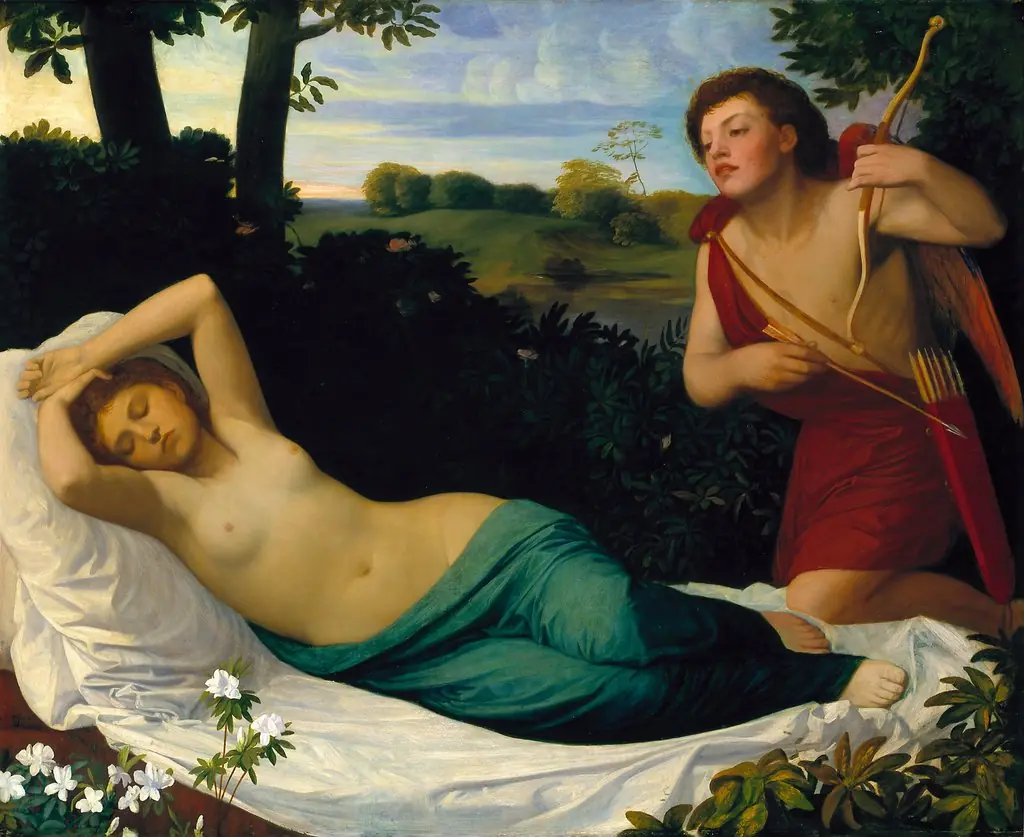
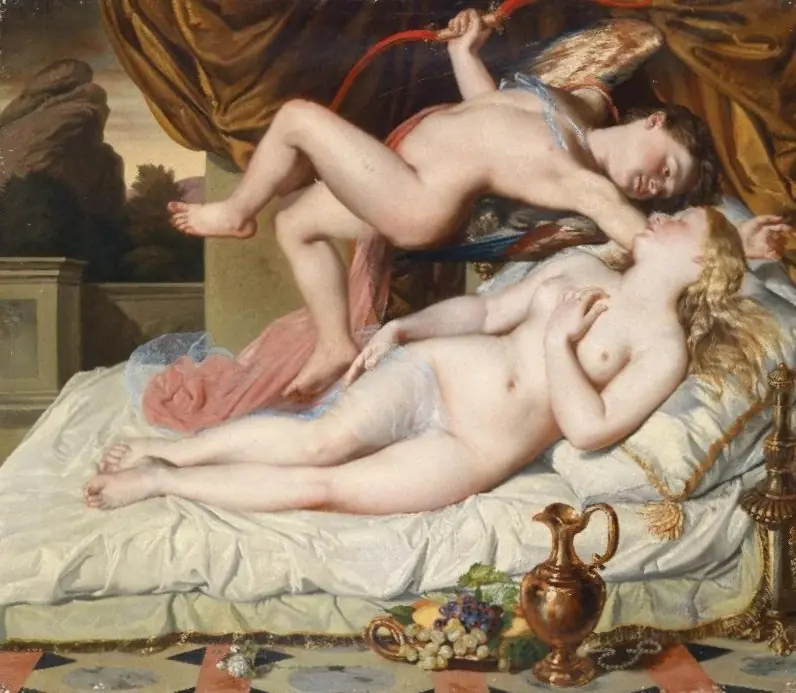
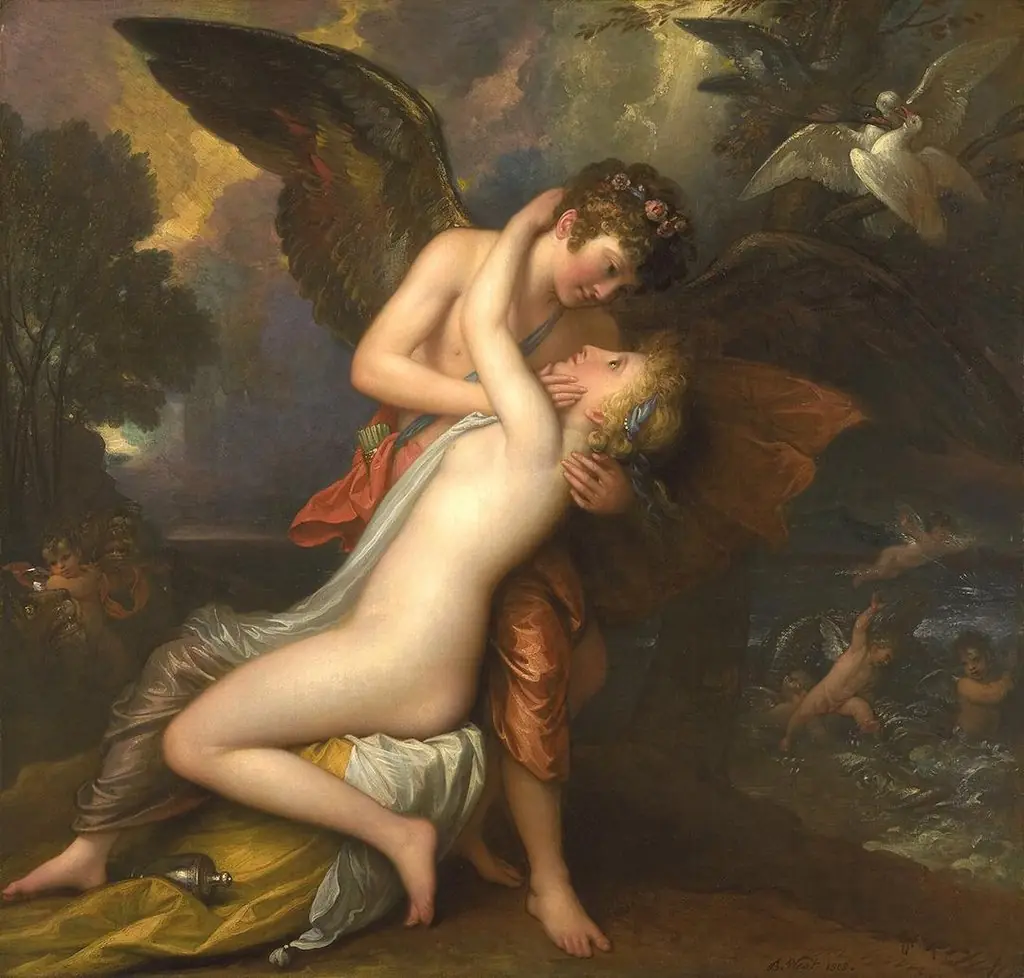
Art historians now often see the work as a pointed critique of mythological conventions, contrasting it with François Gérard’s idealized Cupid and Psyche (1798) and François Édouard Picot’s concurrent treatment (1817). This revisionist reading places Cupid and Psyche as a pivotal, if initially misunderstood, experiment in realism within the broader neoclassical tradition.
Legacy
Upon its initial exhibition in Brussels in 1817, the painting's starkly realistic portrayal of Cupid startled viewers and led many critics to interpret the work as symptomatic of David's artistic decline during his exile. Over time, however, art historians have reassessed the piece, recognizing it as a deliberate and innovative break from neoclassical conventions of idealized mythological representation. The painting has been held by the Cleveland Museum of Art since 1962, where it continues to be studied for its unconventional treatment of a classical theme.
Overview
Jacques-Louis David's oil painting, Cupid and Psyche, completed in 1817, is presently housed at the Cleveland Museum of Art. This work portrays the mythological figures of Cupid and Psyche within a dimly lit setting. Created during the artist's period of exile in Brussels, the canvas is recognized for its distinctive and less idealized interpretation of the divine character, challenging established artistic conventions for mythological subjects.
Own this work as a print
Artist & collection
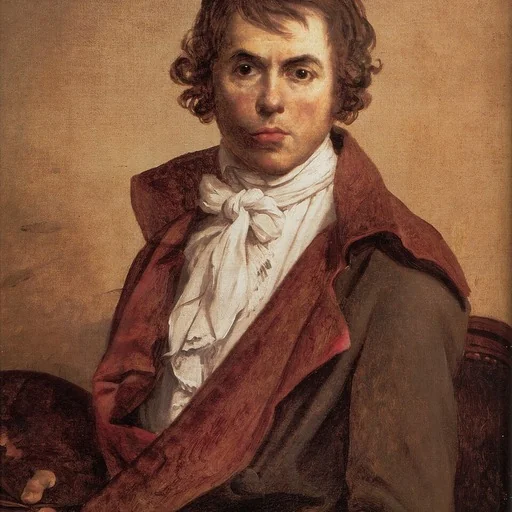
Artist
Jacques-Louis David was born in Paris on 30 August 1748 into a bourgeois family; his father died in a duel when the boy was nine, and a maternal uncle guided his education.

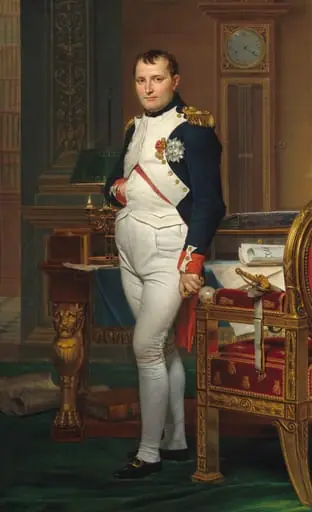 The Emperor Napoleon in His Study at the Tuileries
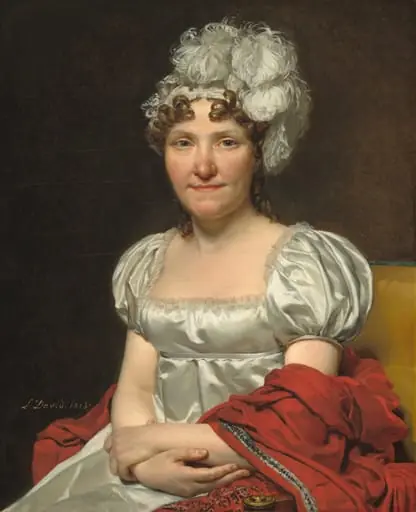 Madame David
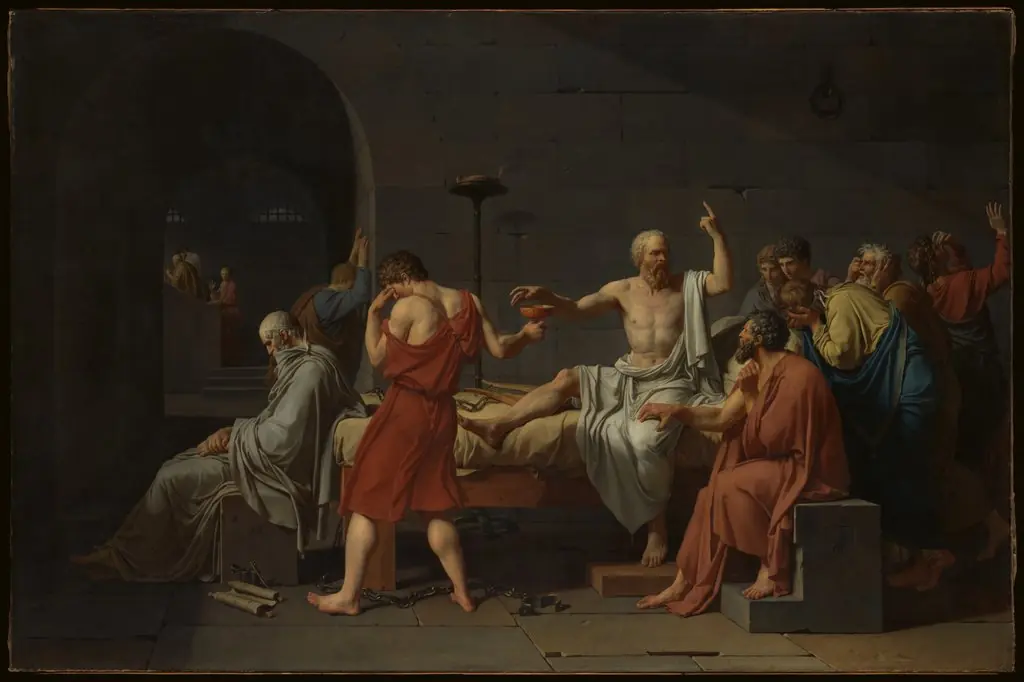 The Death of Socrates
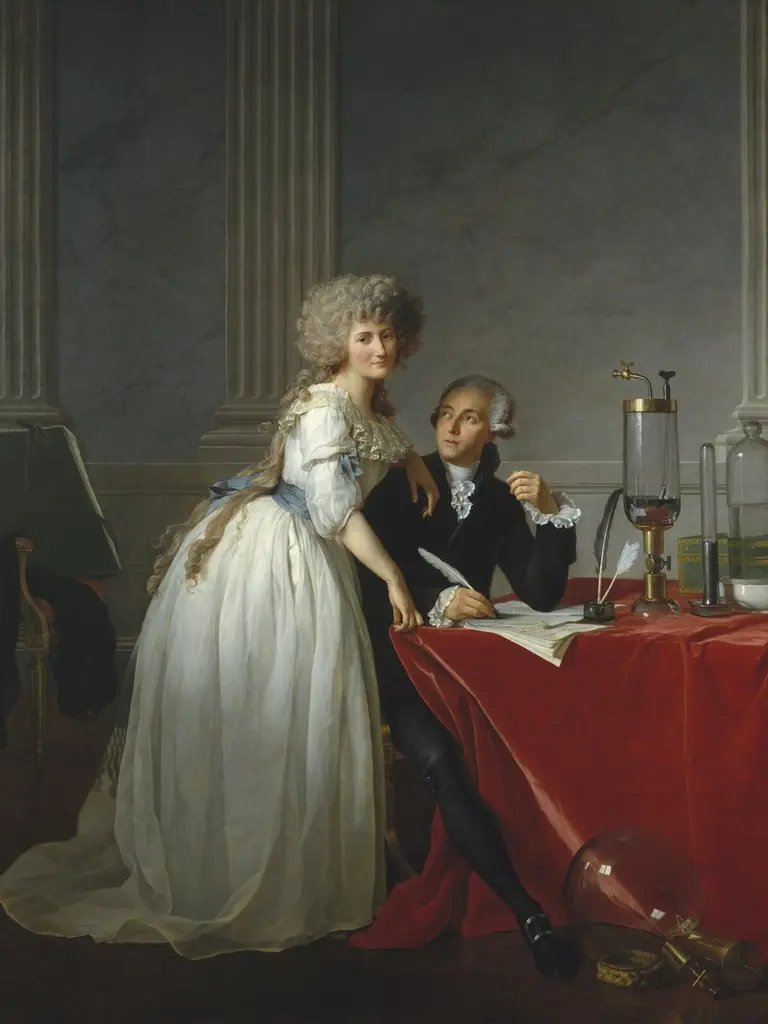 Portrait of Antoine-Laurent Lavoisier and his wife
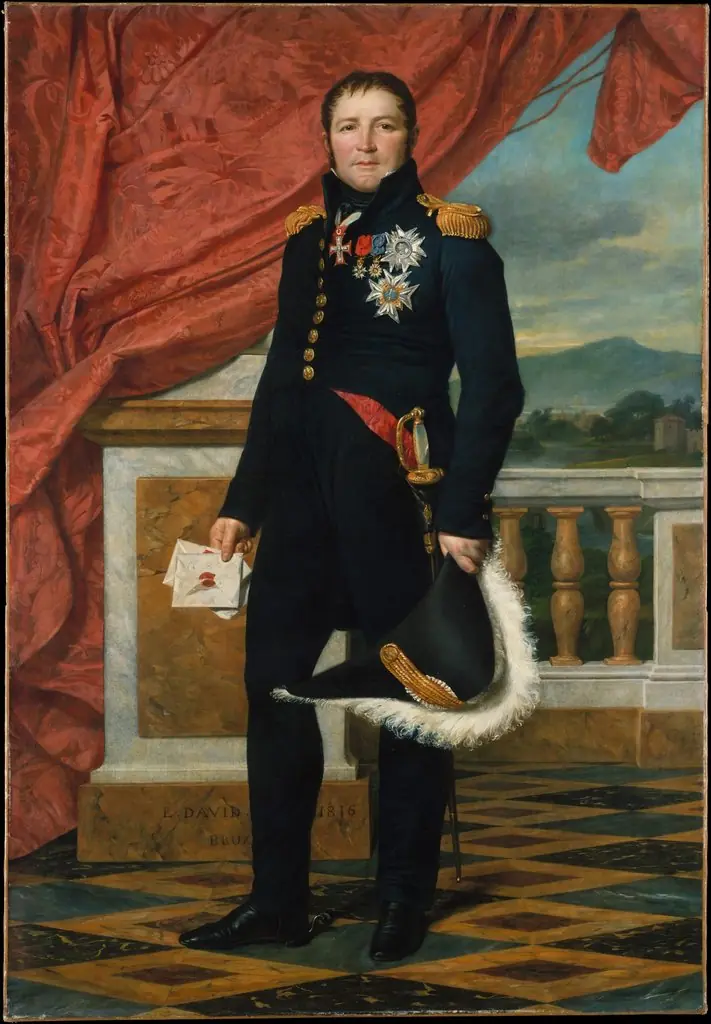 General Étienne-Maurice Gérard (1773–1852), Marshal of France
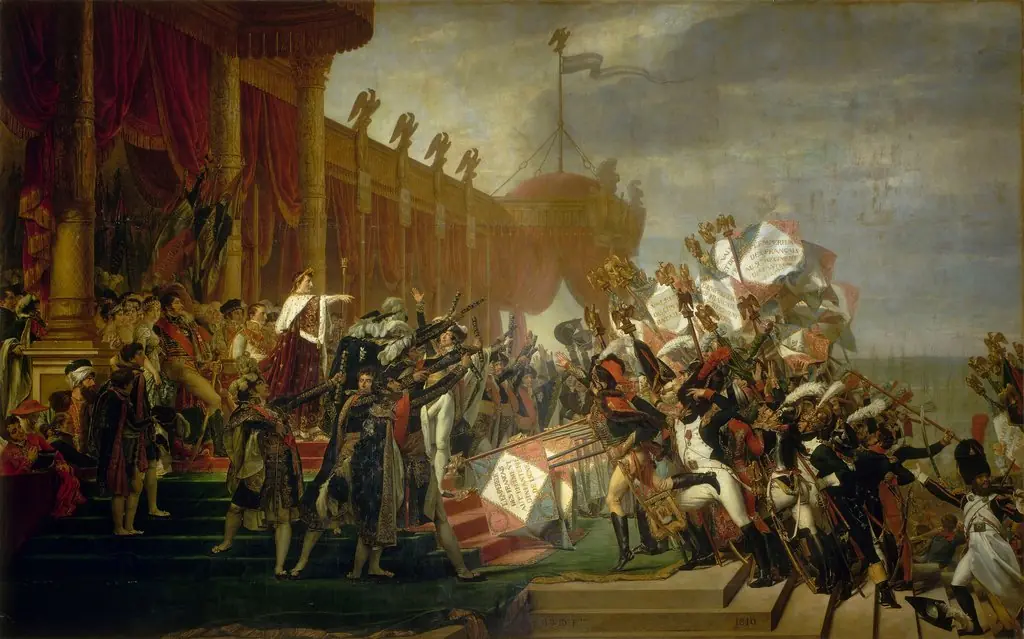 The Distribution of the Eagle Standards
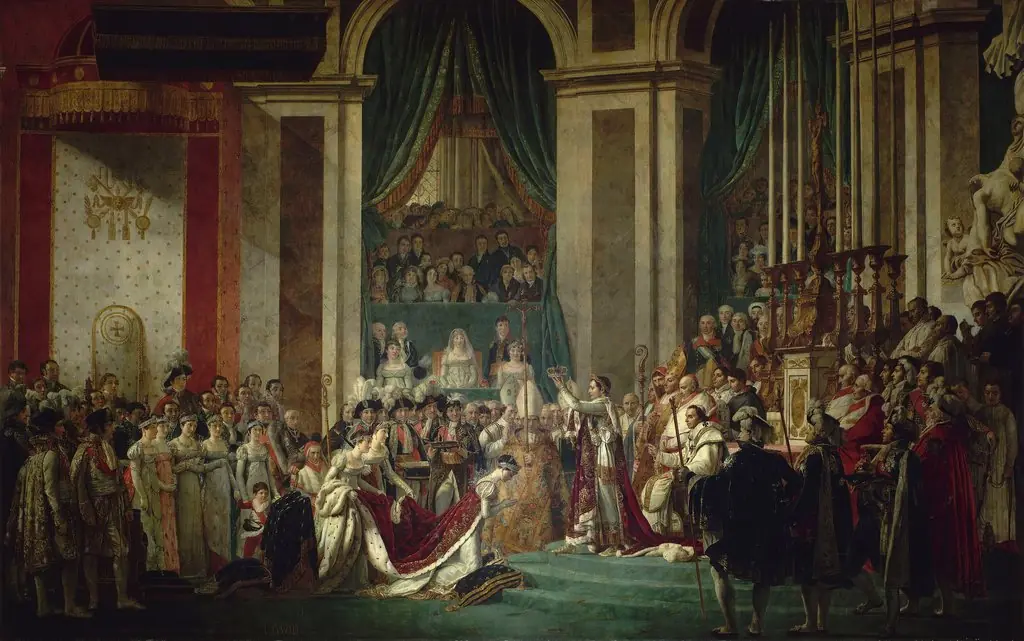 Coronation of Emperor Napoleon I and Coronation of the Empress Josephine
 The Death of Marat