Artwork
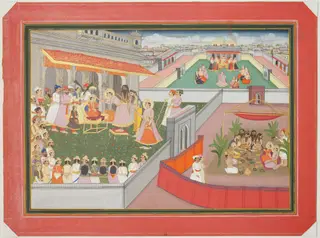
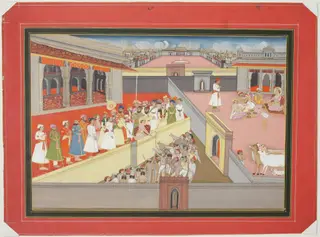
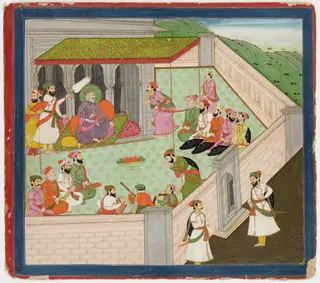
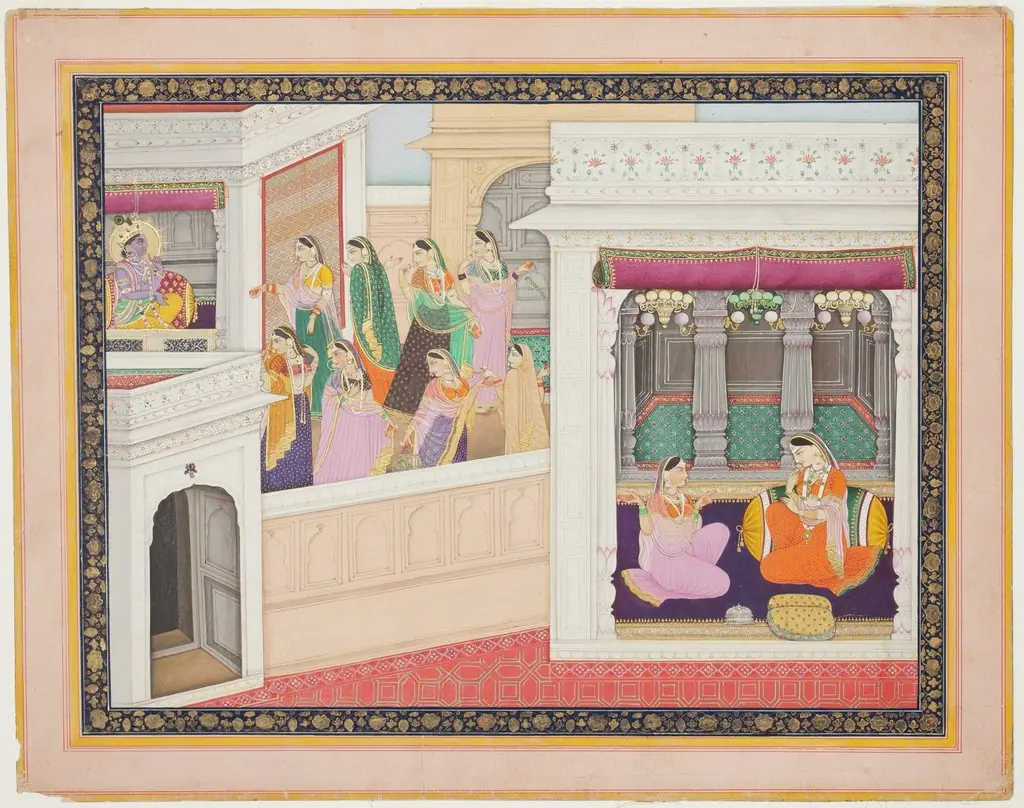
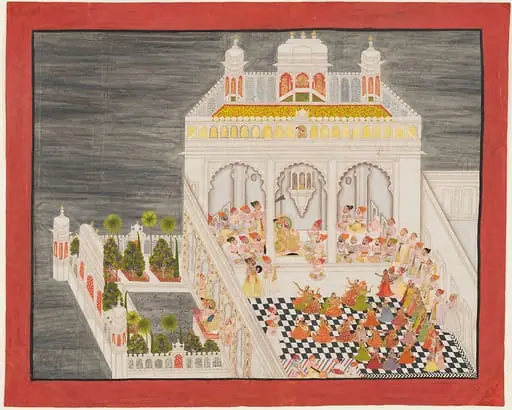
Maharana Jagat Singh Attending the Raslila
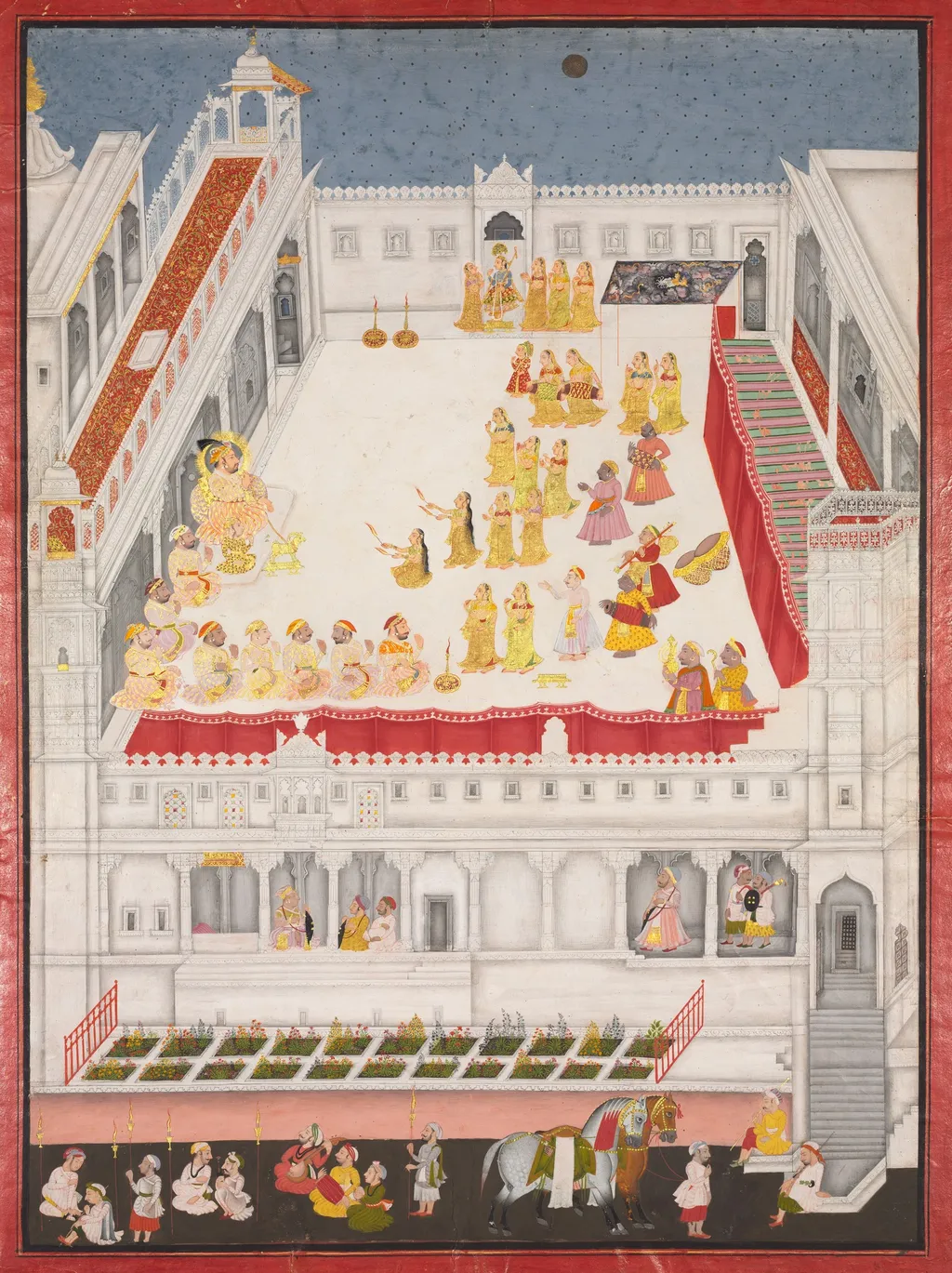
Maharana Jagat Singh Attending the Raslila is an unspecified painting by the Rajput painting artist Jai Ram. It dates from 1736 and is held in the collection of the Cleveland Museum of Art.
About this work
This painting is called Maharana Jagat Singh Attending the Raslila. It was made by Jai Ram, an Indian artist, in 1736. The artist's work from this time is not well-known to me, but I can tell you that Jai Ram was active during the early 18th century. You can learn more about this style of art at The Cleveland Museum of Art.
History & Provenance
No further information about earlier ownership, commission, or subsequent transfers is provided in the supplied sources.
Maharana Jagat Singh Attending the Raslila is a painting dated to 1736, created by the artist Jai Ram, who was active between 1710 and 1740, with possible collaboration from Jiva as indicated by the work’s accession details. The painting entered the Cleveland Museum of Art’s collection and bears the accession number 2011.141; it is currently housed there. No further information about earlier ownership, commission, or subsequent transfers is provided in the supplied sources.
The painting Maharana Jagat Singh Attending the Raslila is held in the collection of the Cleveland Museum of Art. It was acquired by the institution under the accession number 2011.141. The work dates to 1736 and is attributed to the artists Jai Ram and Jiva. The provided sources do not contain specific information regarding the exhibition history of this artwork.
Overview
Created in 1736 by the Indian painter Jai Ram, this work records the presence of Maharana Jagat Singh at a Raslila performance. The painting is part of the collection of the Cleveland Museum of Art, where it is displayed as an example of early eighteenth‑century courtly art.
Subject & Meaning
The composition depicts Maharana Jagat Singh, a regional ruler, observing a Raslila, a devotional dance drama that enacts the life of the deity Krishna. By placing the ruler among the performers, the image underscores the patron’s piety and his role as a protector of religious and cultural traditions.
Technique & Style
Executed in the traditional Indian miniature manner, the painting employs fine brushwork, vibrant pigments, and intricate detailing of costume and architecture. The flat spatial arrangement and stylized figures reflect the aesthetic conventions of Rajput court painting prevalent in the early 1700s.
Context
During Jai Ram’s career, regional courts commissioned paintings that celebrated both secular authority and devotional practices. The Raslila scene was a popular motif, symbolizing the harmonious relationship between political power and Hindu devotional culture in the early eighteenth century.
Own this work as a print
Artist & collection