Artwork
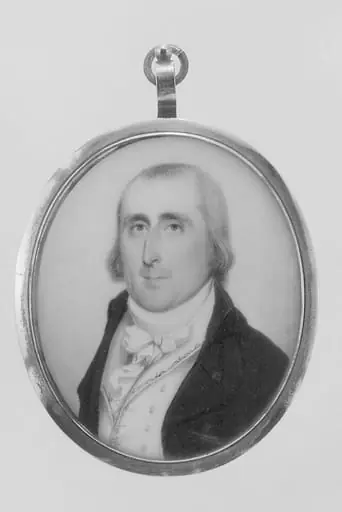
Portrait of a Gentleman
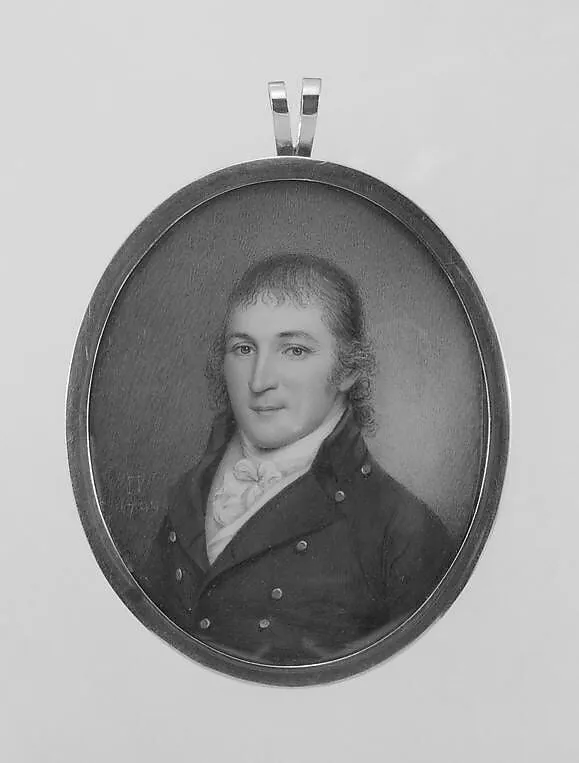
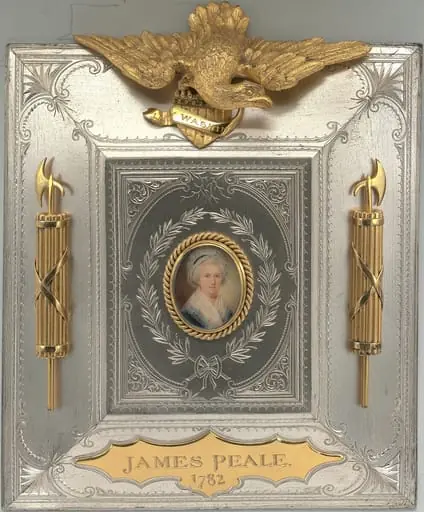
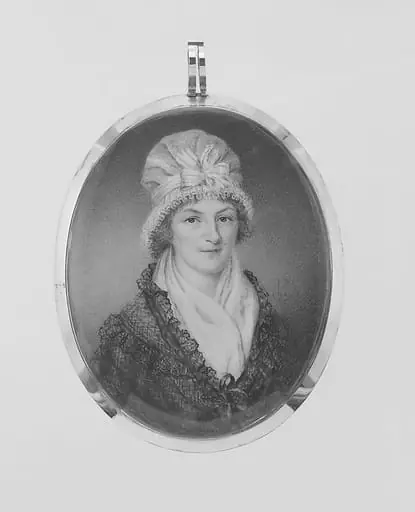
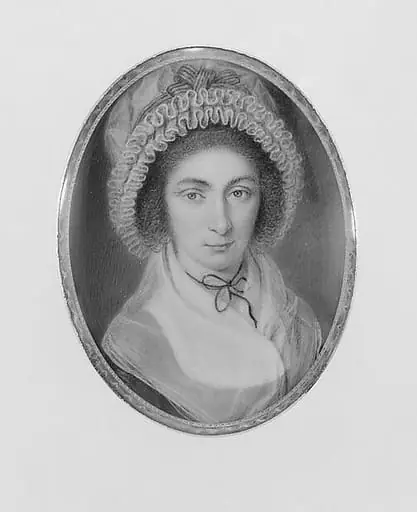
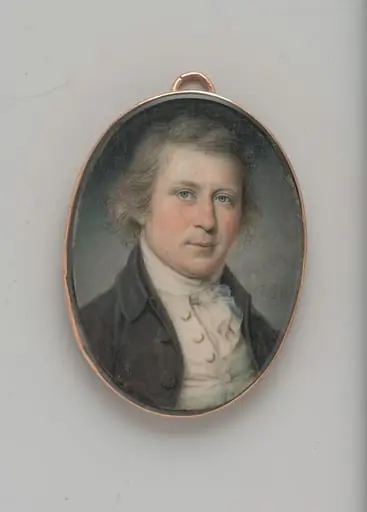
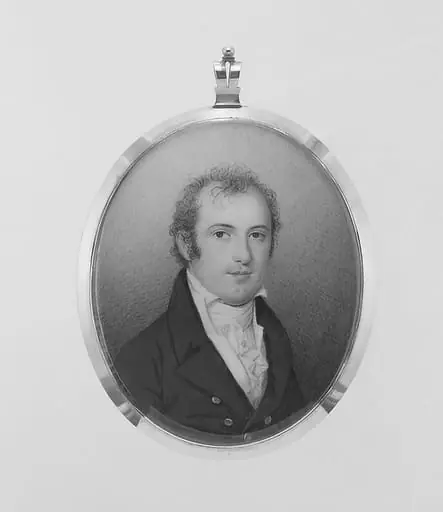
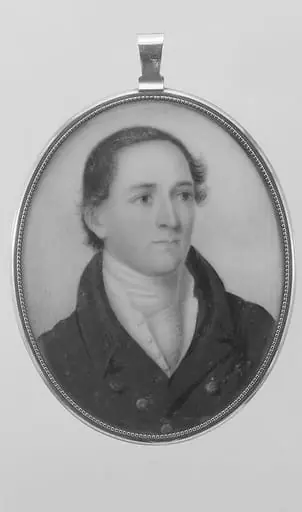
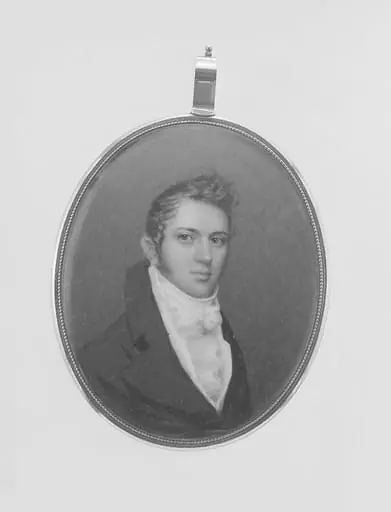
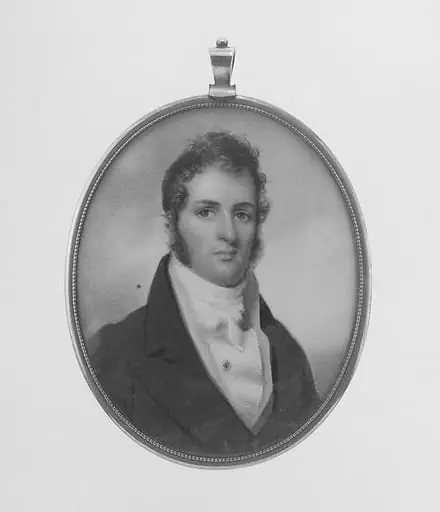
Portrait of a Gentleman is a watercolor painting by the American Folk Art artist James Peale. It dates from 1799 and is held in the collection of the Metropolitan Museum of Art.
- Accession no.
- 2006.235.142
- Credit line
- Gift of Gloria Manney, 2006
About this work
Technique & Style
The Portrait of a Gentleman by James Peale, painted in 1799, is executed in watercolor on an ivory support, a technique that produces a luminous surface characteristic of early American portrait miniatures. Measuring roughly 7 cm by 5.8 cm, the work exemplifies the delicate brushwork and restrained palette typical of the genre, with fine linear detail used to render facial features and clothing. Its composition follows the conventions of formal portraiture while retaining the intimate scale of a miniature, and the piece is housed in the American Wing of the Metropolitan Museum of Art, where it is catalogued as a miniature portrait.
History & Provenance
No documented commission or early provenance prior to its acquisition by the Museum has been recorded in available sources.
The miniature Portrait of a Gentleman by James Peale is dated 1799, aligning with the artist’s mature period when he specialized in small-scale portraiture in watercolor on ivory. The work entered the collection of The Metropolitan Museum of Art in 2006 as accession 2006.235.142, where it remains housed. No documented commission or early provenance prior to its acquisition by the Museum has been recorded in available sources.
Context
The Portrait of a Gentleman (1799) by James Peale exemplifies early American portraiture, combining delicate watercolor on ivory with a restrained composition that reflects the neoclassical taste of the period. Scholars have noted its significance as one of Peale’s mature works, situating the piece within his prolific output of miniatures for elite patrons and highlighting the artist’s role in bridging colonial portraiture and the emerging American aesthetic. Contemporary reviews praised the painting’s subtle rendering of character, while later scholarship emphasizes its contribution to the development of portrait miniatures in the United States and its placement in The American Wing’s collection at the Metropolitan Museum of Art.
Overview
James Peale's Portrait of a Gentleman, created in 1799, is a miniature painting executed with watercolor on ivory. This work exemplifies Peale's skill in portraiture, a genre he frequently explored alongside his well-known still lifes. It offers a detailed depiction of an unidentified man, reflecting the artistic trends of the late 18th century in America and showcasing the artist's precision in small-scale works.
Subject & Meaning
The artwork presents an unnamed male sitter, rendered with a serious demeanor. He is dressed in period-appropriate formal attire, characteristic of the late 18th century. The composition focuses intently on the subject's face, with a simple, unadorned background that ensures the viewer's attention remains on the individual's features and expression, conveying a sense of directness and gravity.
Artist & collection

Artist
James Peale (1749 – May 24, 1831) was an American painter, best known for his miniature and still life paintings, and a younger brother of noted painter Charles Willson Peale.