Artwork
The Digging Out of the Ghent-Bruges Canal
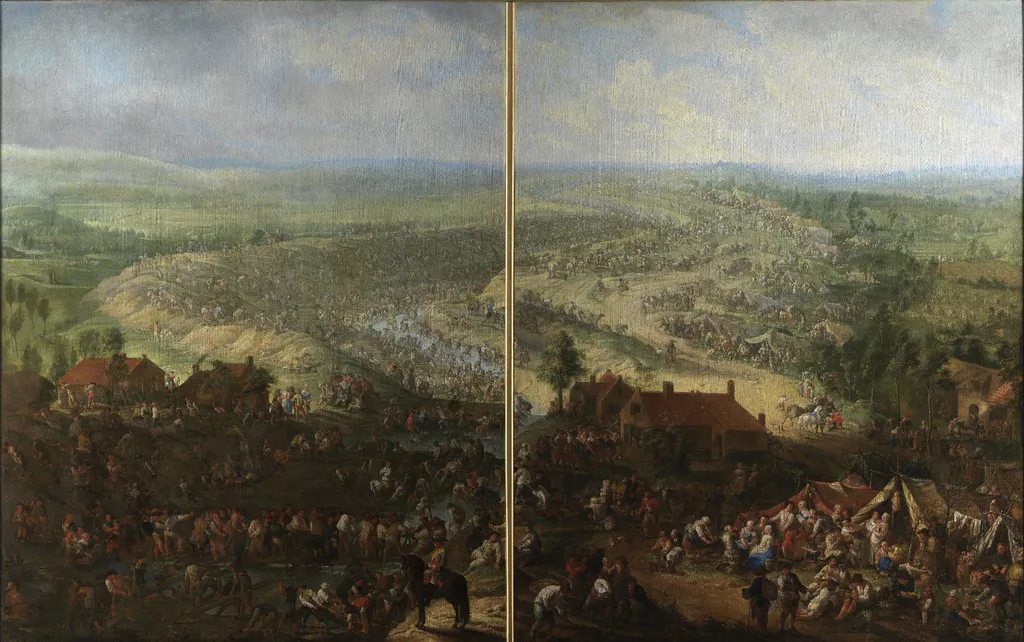
The Digging Out of the Ghent-Bruges Canal is an oil painting by the Rococo painting artist Jan Anton Garemyn. It dates from 1753 and is held in the collection of the Groeningemuseum.
About this work
Overview
Measuring 218 cm in height and 349 cm in width, the work presents a sweeping, panoramic view of a massive infrastructural construction project.
The Digging Out of the Ghent-Bruges Canal is an oil on canvas painting executed by the Flemish artist Jan Anton Garemyn in 1753. Measuring 218 cm in height and 349 cm in width, the work presents a sweeping, panoramic view of a massive infrastructural construction project. Originally conceived as a single, monumental canvas, the painting was later divided into two vertical panels. It is held in the collection of the Groeningemuseum in Bruges, Belgium, where it remains a significant record of 18th-century civic engineering and collective labor.
Subject & Meaning
The composition captures the excavation and deepening of the canal linking Ghent and Bruges, a vital trade route initiated in 1751 under the Austrian administration. Hundreds of tiny figures swarm across the terrain, engaged in the collective effort of digging and moving earth. The foreground shows dense clusters of workers near tents with red and white fabric, while horses, wooden structures, and brick buildings with reddish-brown roofs dot the lower and middle zones. A waterway cuts through the scene, flanked by mounds of earth. By focusing on ordinary laborers clearing the canal rather than elevated historical or mythological subjects, Garemyn emphasizes the communal, practical aspects of Flemish life and the integration of agriculture and transport during the era.
Technique & Style
Executed in oil on canvas, the painting reflects Garemyn's Rococo sensibilities while maintaining a grounded realism in its depiction of tools and terrain. The palette is dominated by muted greens, browns, and dusty blue earth tones, which allow the vivid reds of clothing and tent fabrics to draw the viewer's eye to individual participants. Brushwork varies from detailed, precise handling of the small figures to looser, more atmospheric treatment in the distant green fields and pale, cloudy sky. Light is diffused without strong shadows, suggesting an overcast day. The surface exhibits fine vertical craquelure throughout. No single figure dominates the scene; the formal emphasis rests entirely on the expansive landscape and the scale of human industry.
History & Provenance
In 1753, Garemyn received a commission from Johann Karl Philipp von Cobenzl, the minister plenipotentiary of the Austrian Netherlands, to document this major public works project. To create the overwhelming panorama, the artist first made sketches from life, including red chalk studies of workmen on laid paper, which he later synthesized into the final composition. The deepening of the Ghent canal had begun in 1751, requiring a massive temporary construction site with a tent camp to house approximately 3,500 laborers. The resulting masterpiece originally hung in the cabinet of Count Karl von Coblenz. The painting eventually entered the collection of the Groeningemuseum in Bruges, where it is inventoried under the number 0000.GRO0067.I-0068.I.
Context
Jan Anton Garemyn was a prominent Flemish Rococo painter, draftsman, and engraver born in Bruges in 1712. He trained under several local masters and was introduced to Italian painting and the elegant salon art of Antoine Watteau and François Boucher by Matthias de Visch. Garemyn also drew inspiration from 17th-century genre painters, particularly David Teniers, which informed his lively depictions of everyday life. A central figure in the Bruges art world, he became a teacher and director at the city's art academy in 1765, playing an important role in its revival. While he produced numerous conventional religious works and decorative salon paintings, his spontaneous portrayals of picturesque, coarse, or even grotesque details of daily life set him apart. The Digging Out of the Ghent-Bruges Canal stands out as a sociological and historical document of a major civic improvement, aligning with contemporary interests in infrastructural progress.
Legacy
The Digging Out of the Ghent-Bruges Canal is widely regarded as Garemyn's lone masterpiece and a remarkable artistic tour de force. Its significance extends beyond its documentary value of an 18th-century engineering project; the painting is celebrated for its ambitious, populous panorama. Scholars have noted that to find a similarly vast and crowded landscape, one must look back over two centuries to Albrecht Altdorfer's Battle of Issus of 1529. The work remains a cornerstone of the Groeningemuseum's 18th-century Flemish collection, securing Garemyn's reputation as more than a mere popular narrator, but as a talented craftsman capable of orchestrating monumental scenes, a skill he later revisited in his 1778 painting, The Vegetable Market on the Pandreitje.
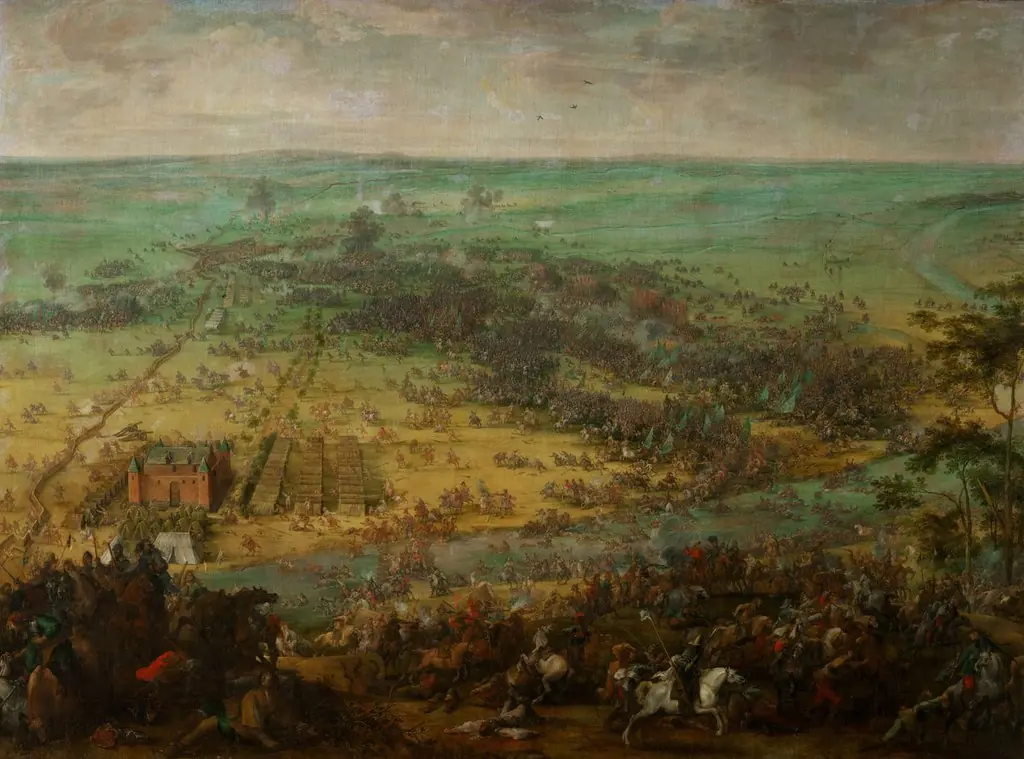
Artist & collection
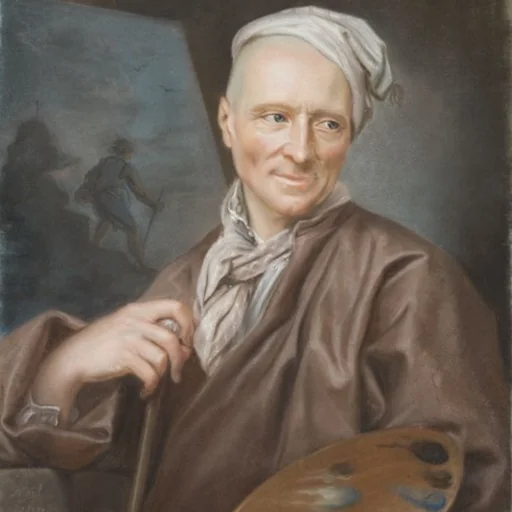
Artist
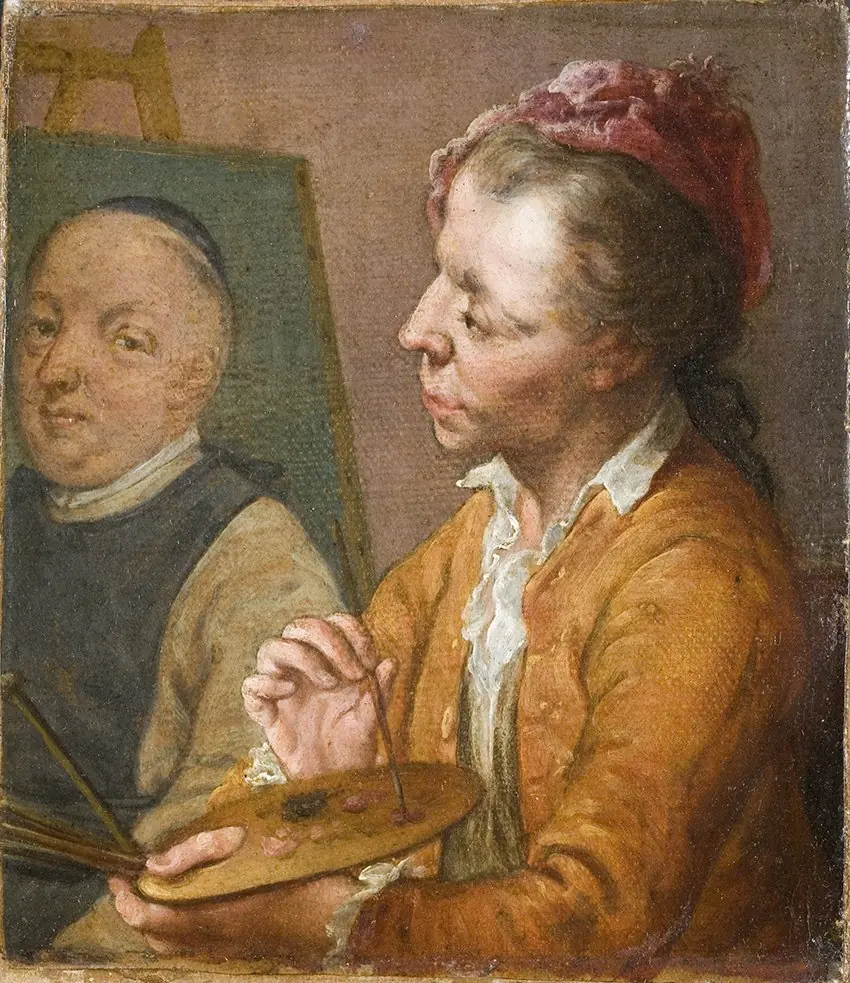
Jan Anton Garemijn or Jan Anton Garemyn (15 April 1712, Bruges – 23 June 1799, Bruges) was a Flemish painter and engraver and draftsman.

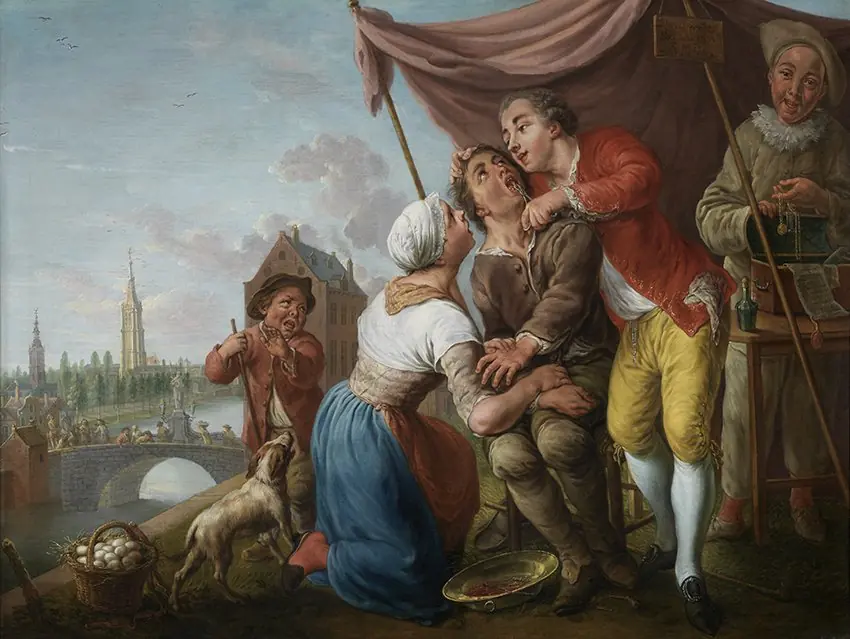
- The defeat at Grancourt, 1639
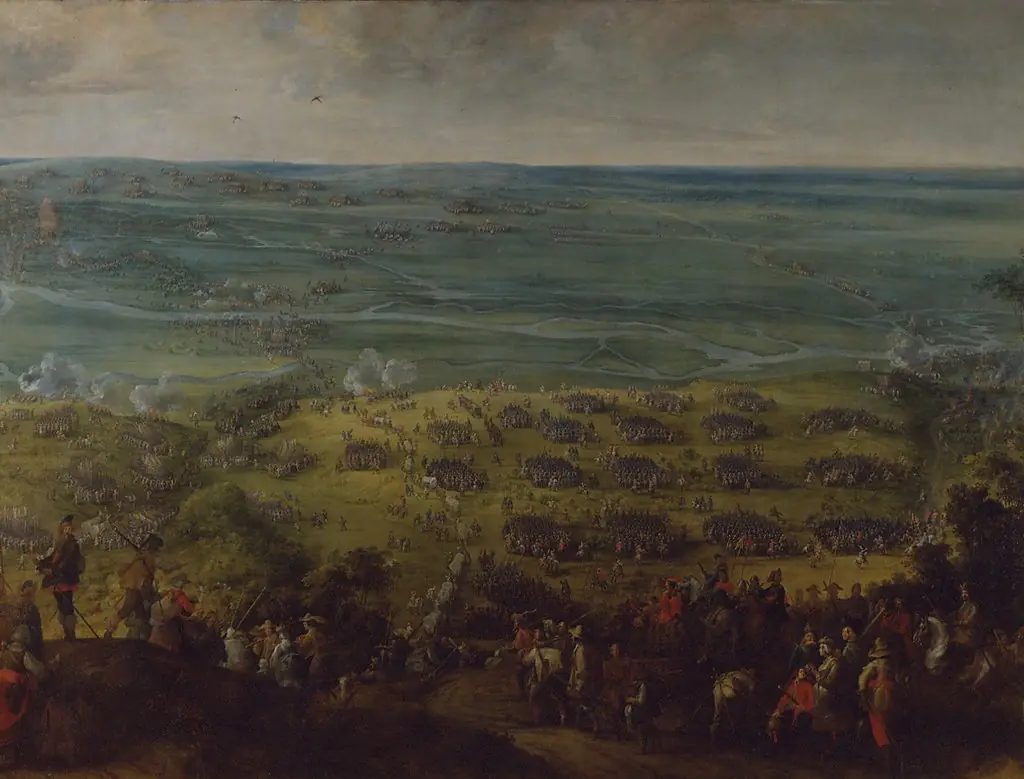 The crossing of the Somme
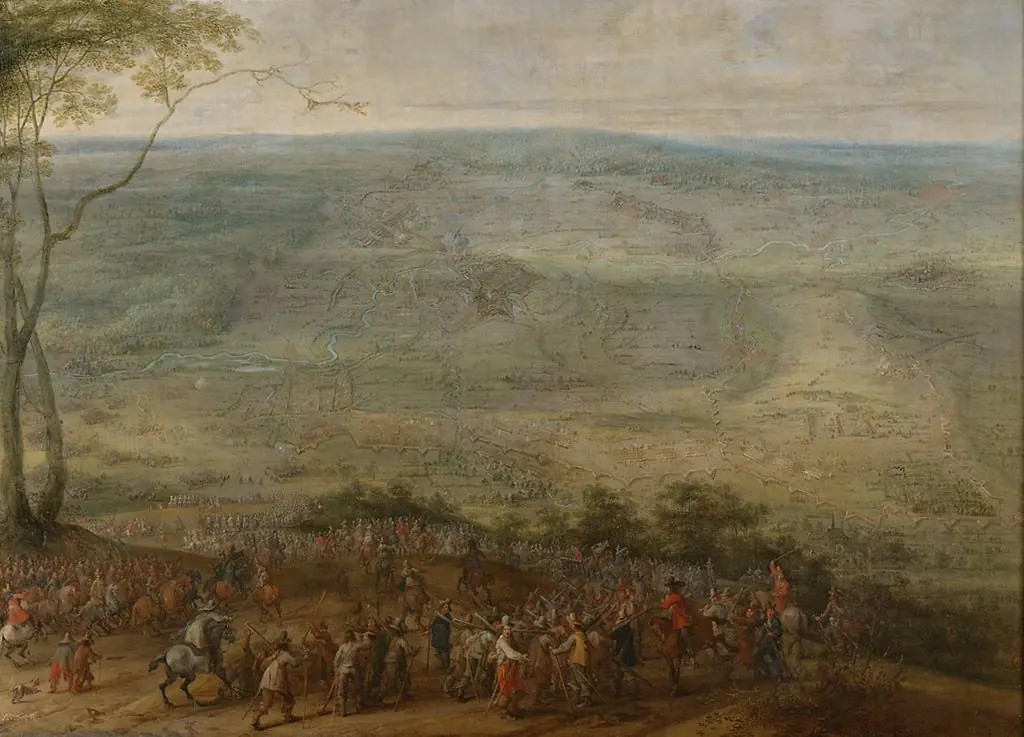 Scene from the Thirty Years' War
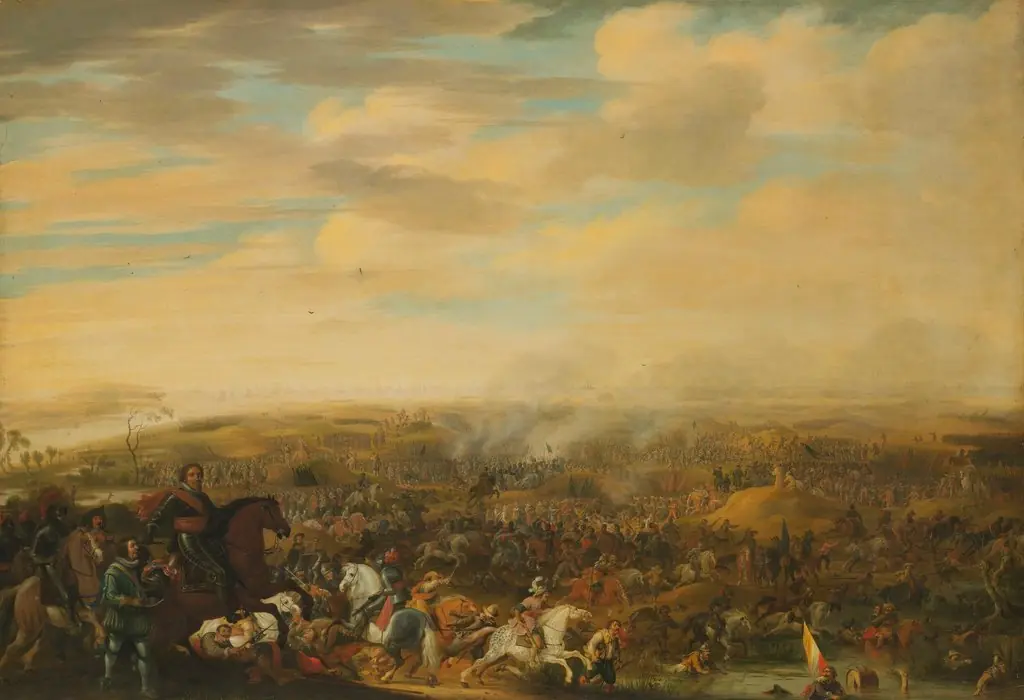 Prince Maurits at the Battle of Nieuwpoort, 2 July 1600
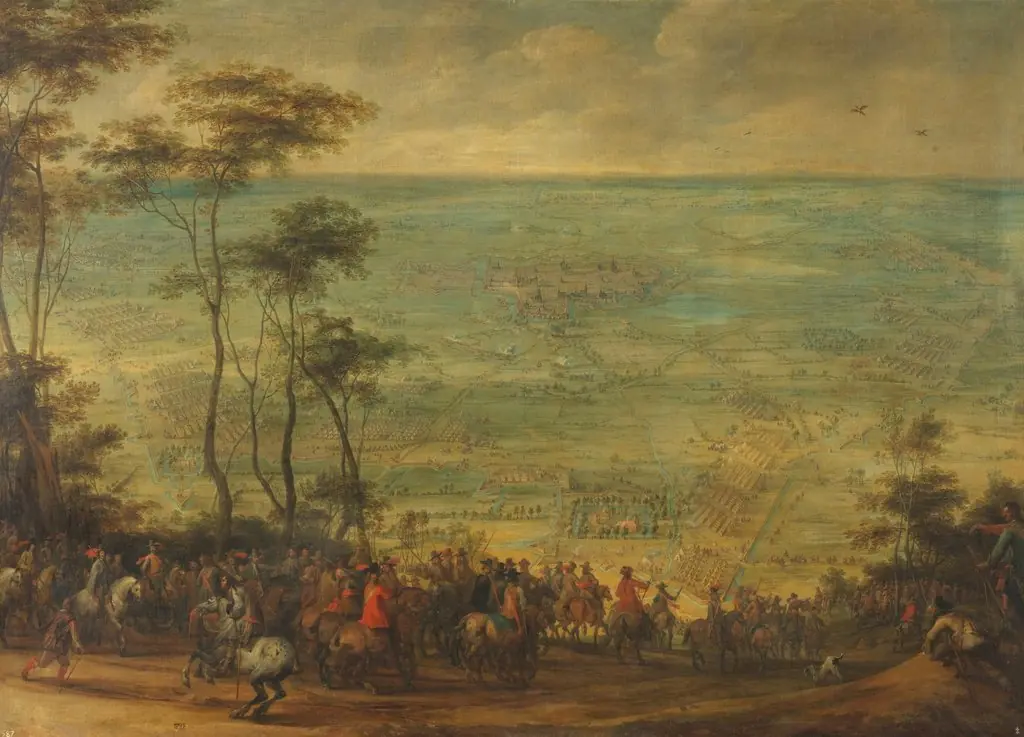 The taking of Ypres
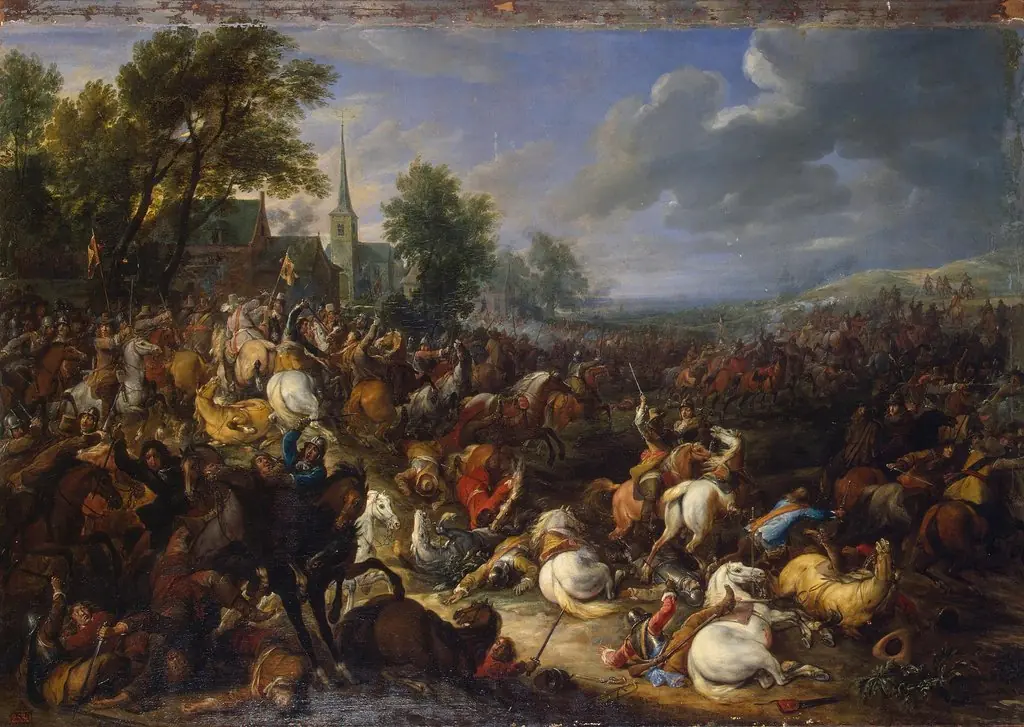 Cavalery in the Battle
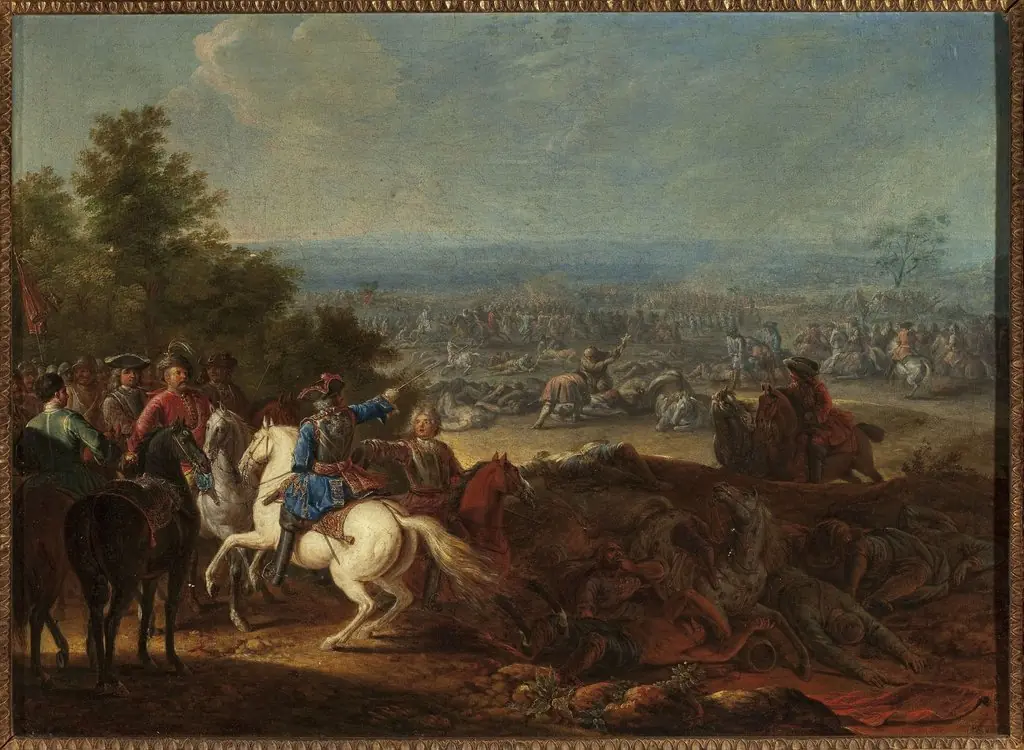 After the battle
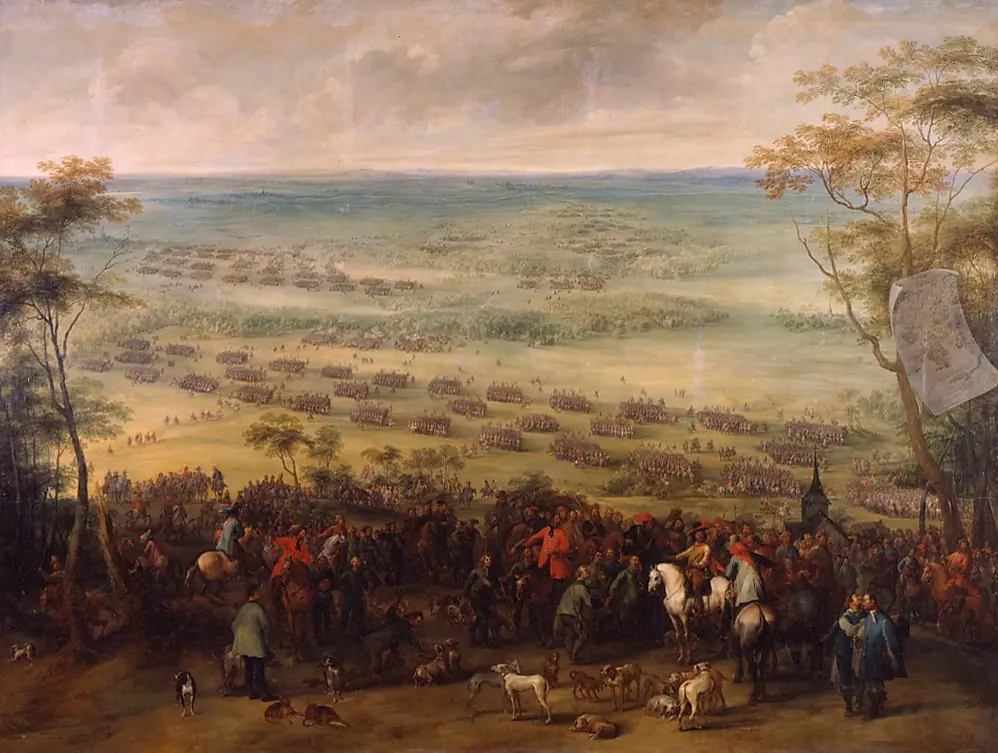 The Munich Affair
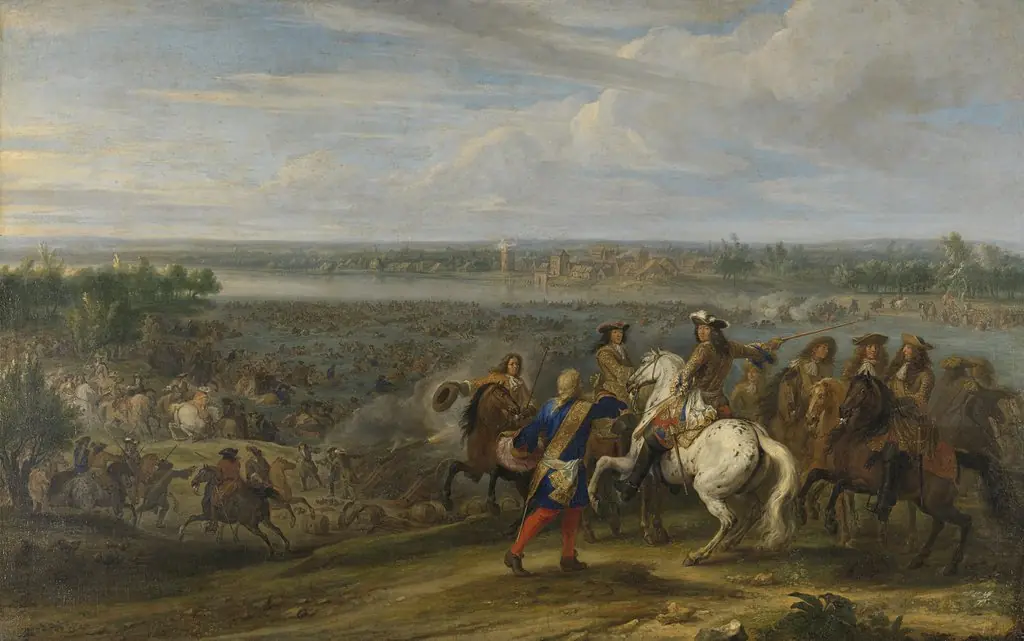 Louis XIV Crossing into the Netherlands at Lobith
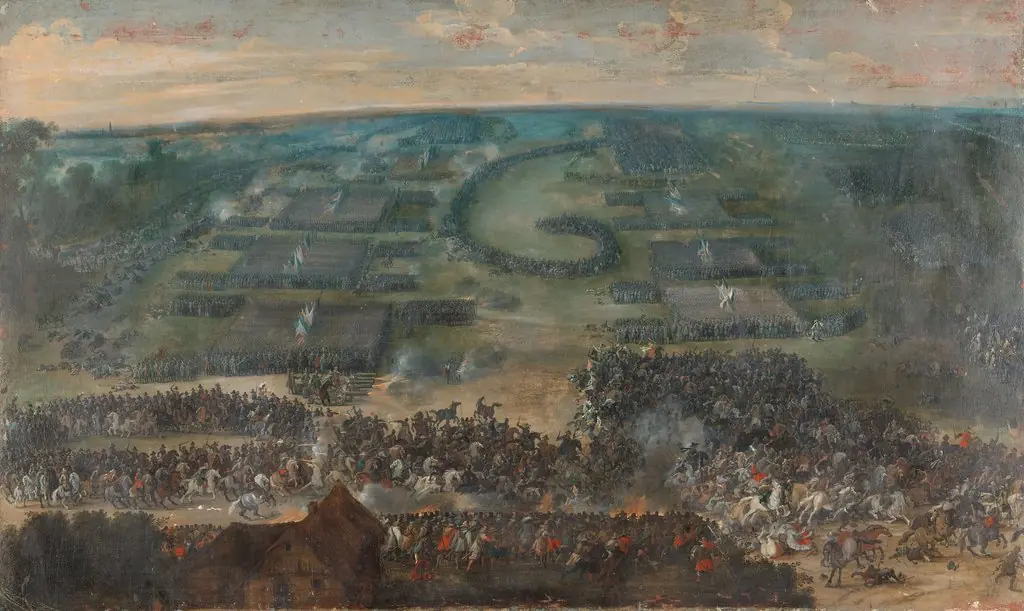 The Battle of Fleurus, 1622
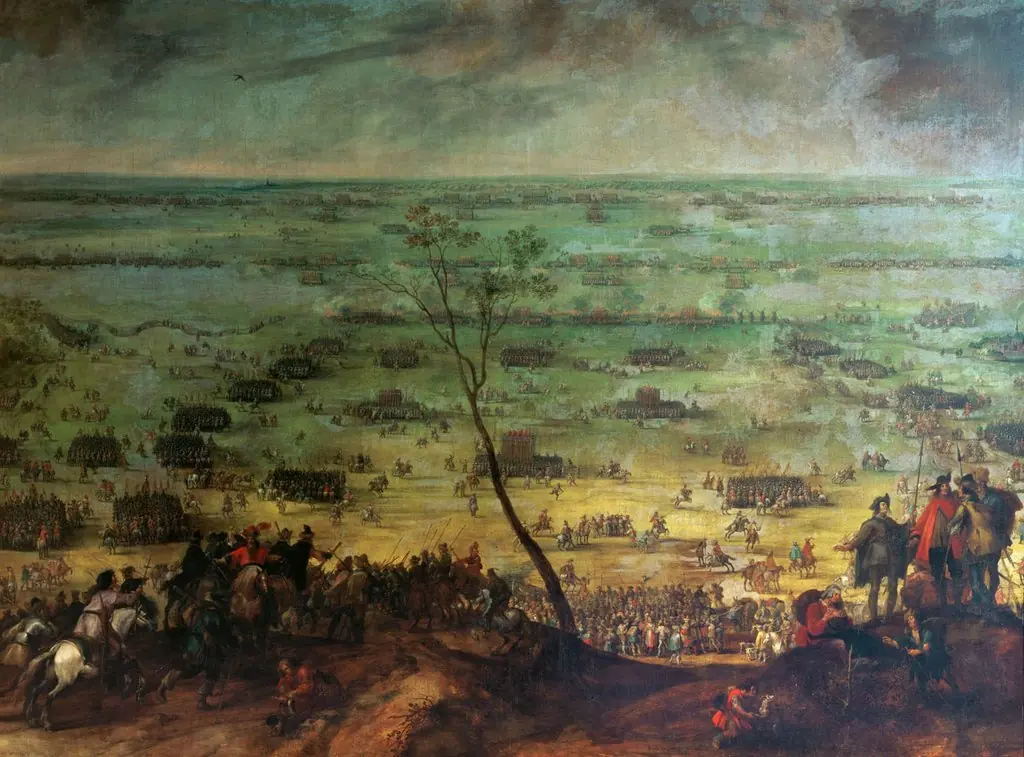 The battle at Lützen, 1632
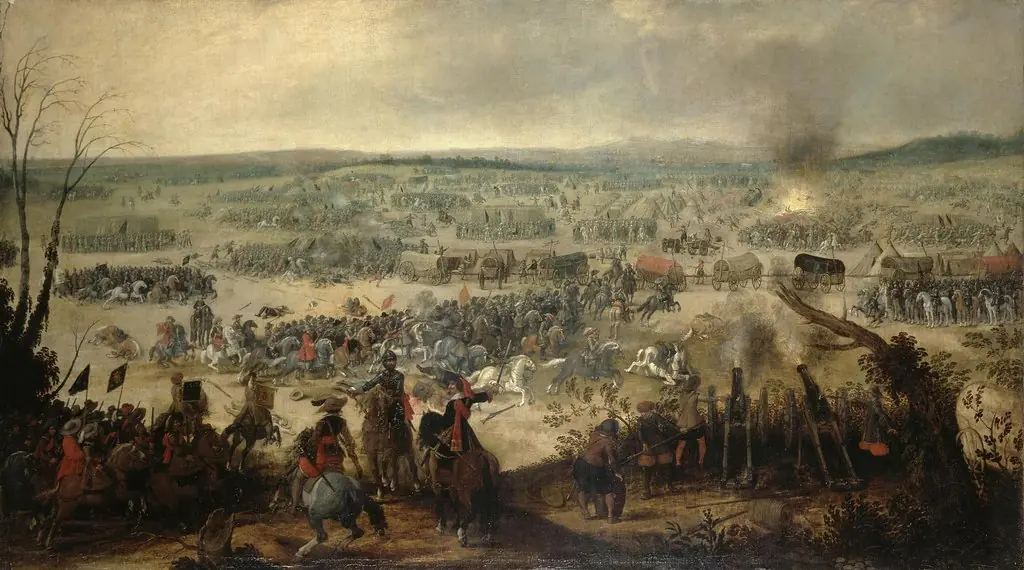 Battle of Vimpfen on 6 May 1622