Artwork
Still Life with Flowers in a Glass
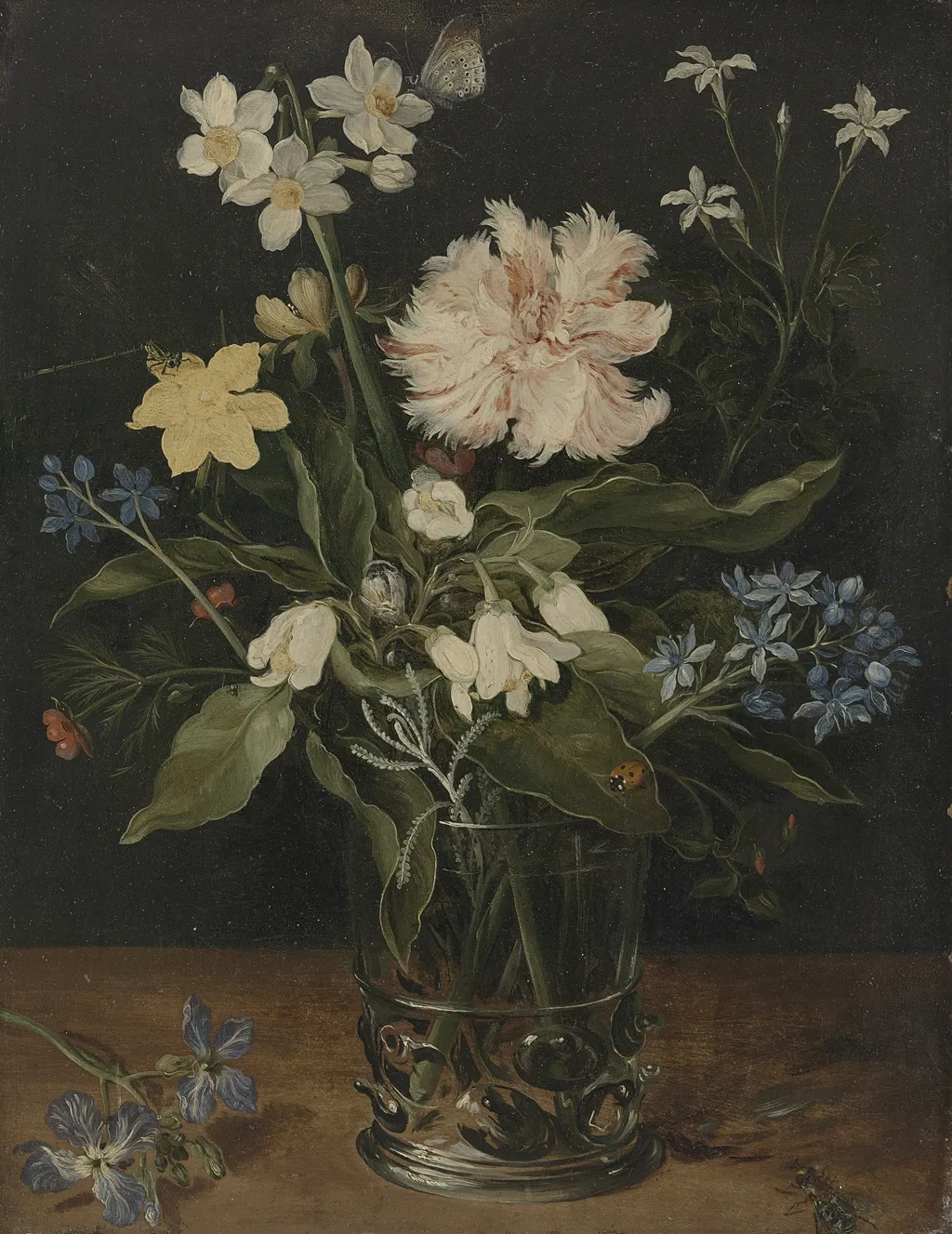
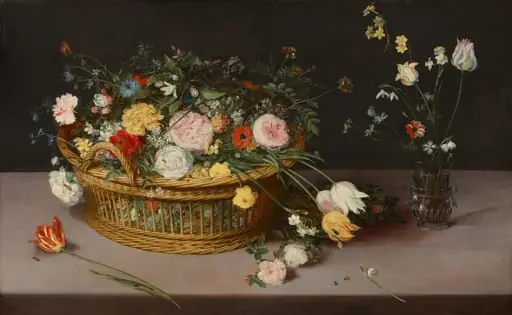
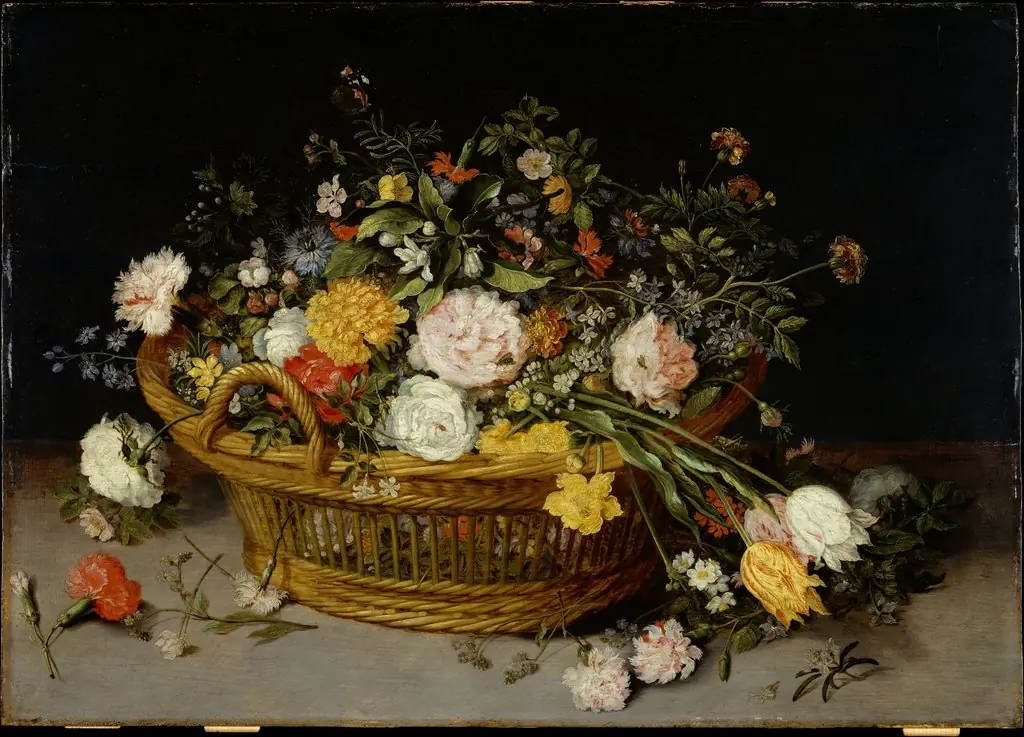
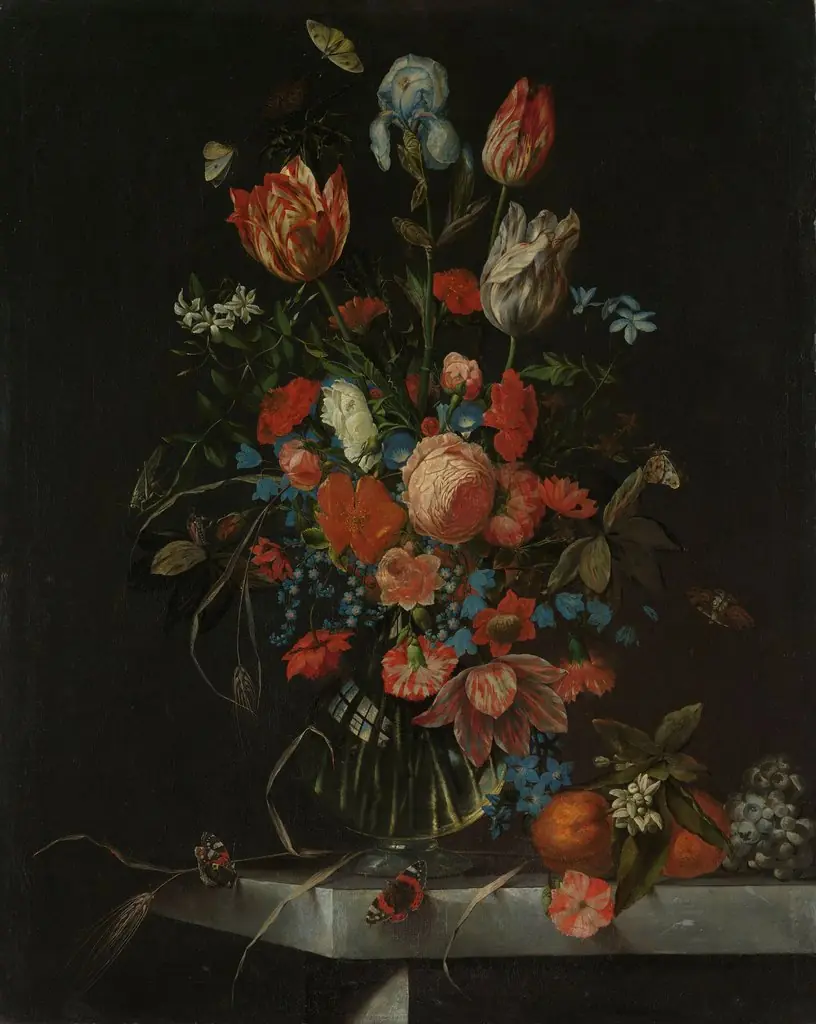
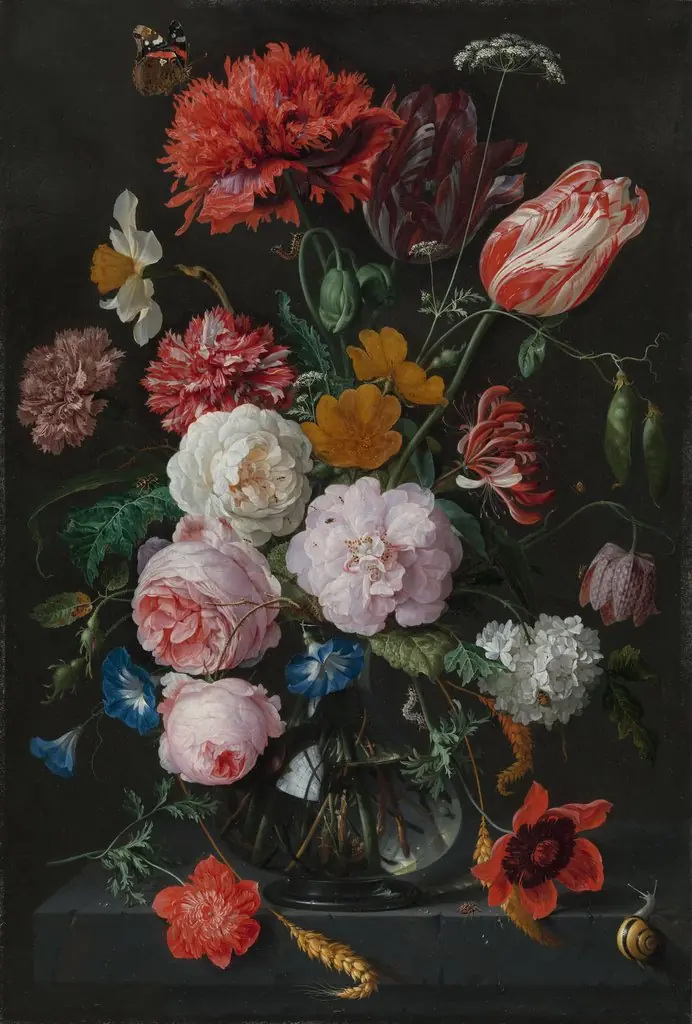
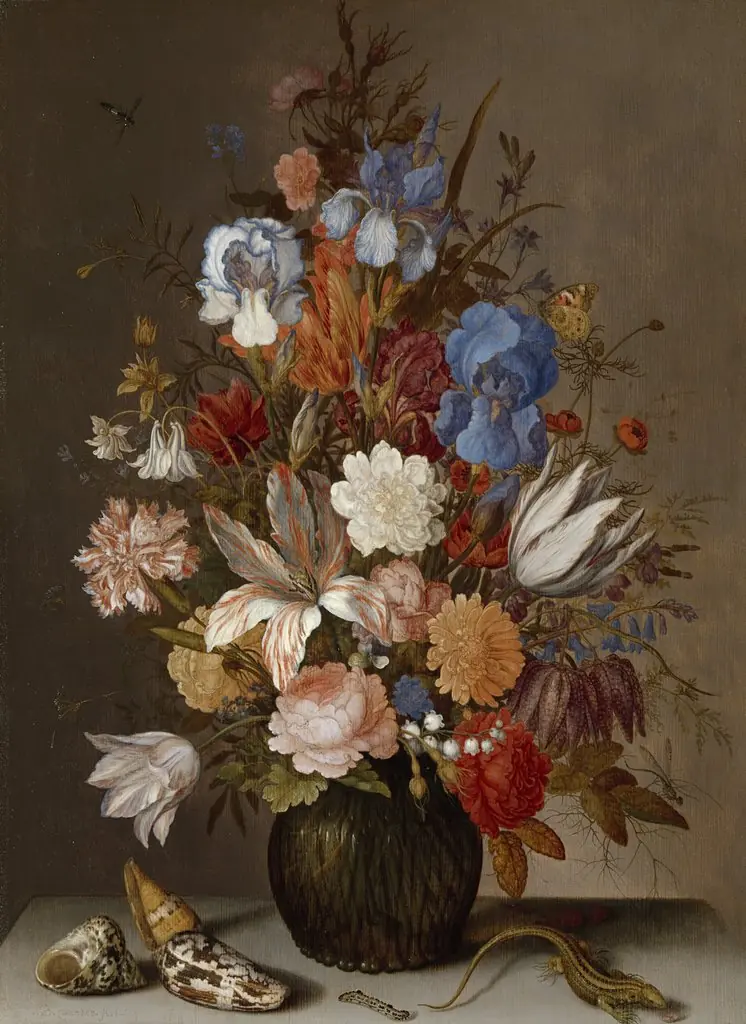
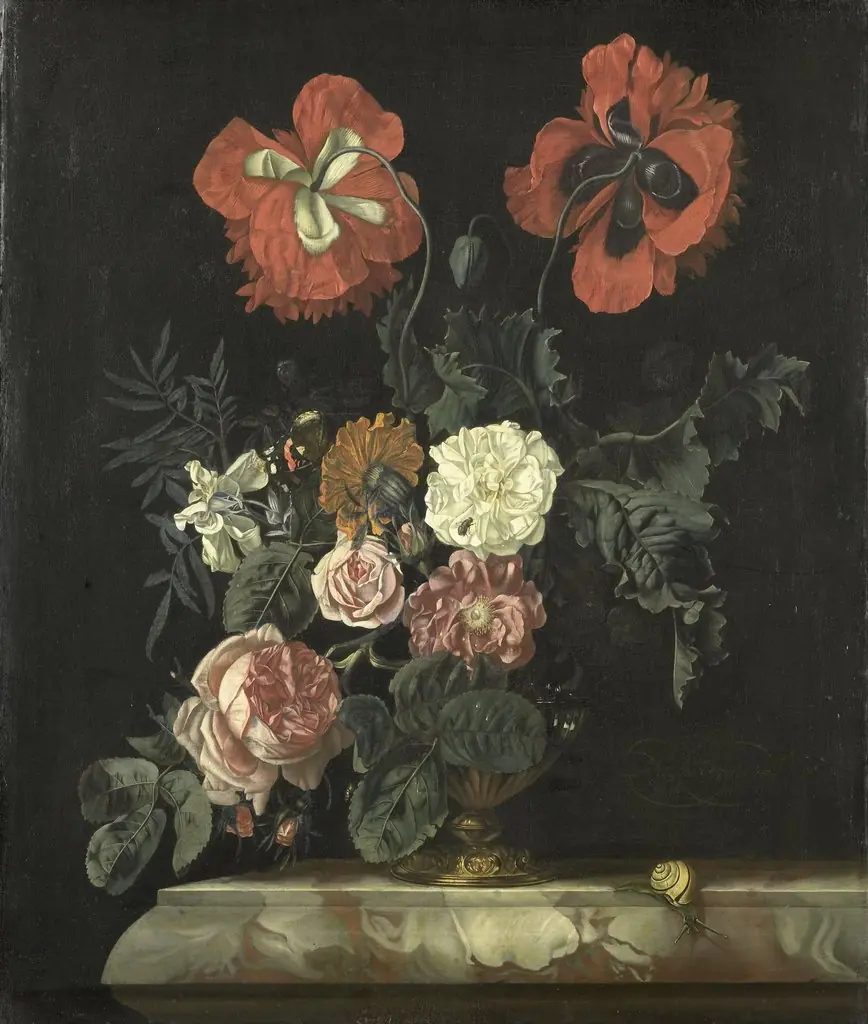
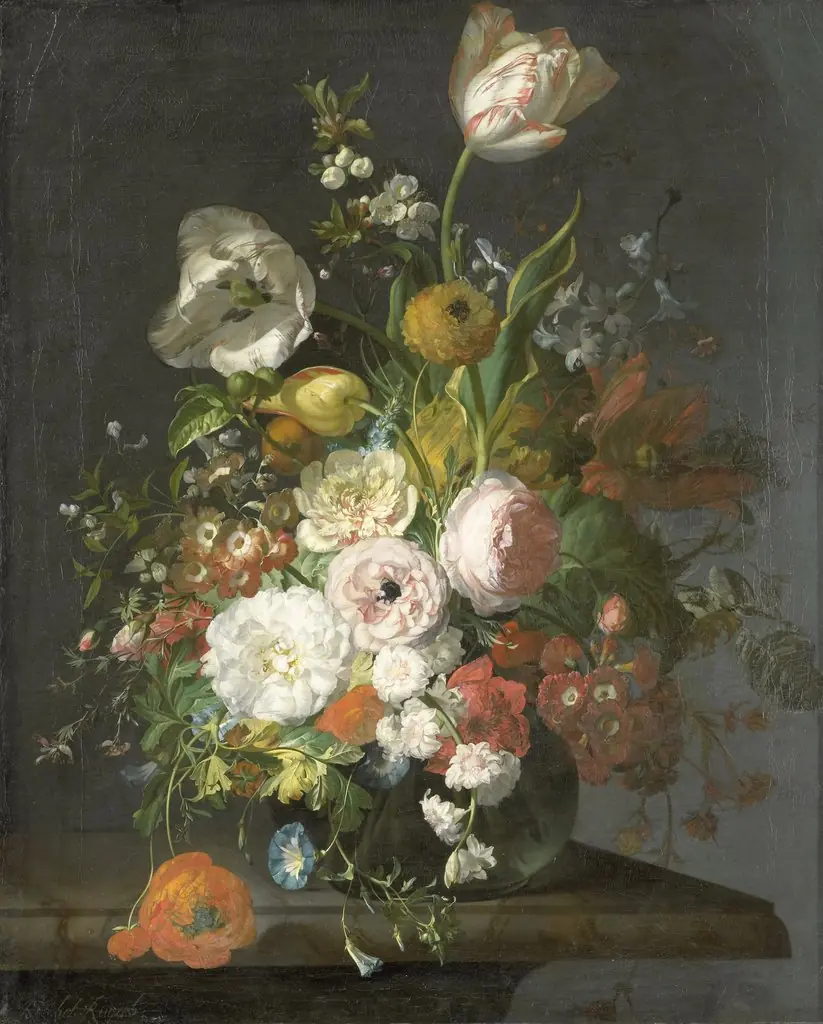
Still Life with Flowers in a Glass is an oil painting by the Flemish Baroque painting artist Jan Brueghel, the elder. It is held in the collection of the Rijksmuseum. Created circa 1650, this small copper painting presents a delicate bouquet arranged in a transparent vase set upon a dark wooden surface.
About this work
Technique & Style
Painted in oil on a copper support, the work is a small-format floral still life measuring 24.
Painted in oil on a copper support, the work is a small-format floral still life measuring 24.5 cm in height by 19 cm in width. The copper panel provides a smooth, enamel-like ground that allowed for the precise, jewel-like finish associated with Jan Brueghel the Elder's flower pieces, in which individual blossoms, petals and leaves are rendered with delicate, miniaturist detail against a dark background.
The medium and scale support the cabinet-picture tradition of seventeenth-century Flemish still life, in which such finely handled oil-on-copper compositions were prized for their luminous surface and meticulous botanical observation.
Context
Jan Brueghel the Elder painted Still Life with Flowers in a Glass in 1650 on copper, depicting a bouquet of assorted blooms in a glass vase. The work entered the collection of Arnoldus Andries des Tombe before being acquired by the Rijksmuseum, where it remains on display. Scholarship situates the painting within the artist's broader output of floral still lifes, highlighting his role in elevating the genre through meticulous detail and compositional innovation.
Its creation aligns with mid-seventteenth-century Dutch still-life traditions while reflecting evolving botanical interests and the commercial art market of the period.
Overview
Created circa 1650, this small copper painting presents a delicate bouquet arranged in a transparent vase set upon a dark wooden surface. The composition centers on white and pink blossoms, accented by green foliage and a few blue flowers that spill beyond the rim, while a butterfly and a ladybug rest on the stems, adding subtle natural details.
Subject & Meaning
The work exemplifies the 17th‑century Flemish fascination with the transience of beauty, using fresh flowers and insects to suggest the fleeting nature of life. By isolating the arrangement against a muted background, the artist invites contemplation of the intricate forms and colors, emphasizing the quiet drama of everyday objects.
History & Provenance
The piece is attributed to Jan Brueghel the Elder, a leading figure in Flemish Baroque painting and son of Pieter Bruegel the Elder. Known for collaborations with Peter Paul Rubens, Brueghel’s still lifes contributed to the period’s artistic prestige. Today the painting belongs to the collection of the Rijksmuseum in Amsterdam, where it is displayed among other works from the Dutch Golden Age.
Own this work as a print
Artist & collection
Artist
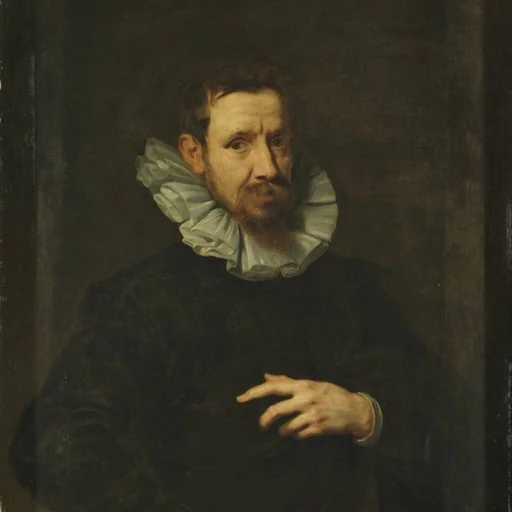
Jan Brueghel the Elder ( BROY-gəl, US also BROO-gəl; Dutch:; 1568 – 13 January 1625) was a Flemish painter and draughtsman.