Artwork
Portrait of a Man and his Daughter
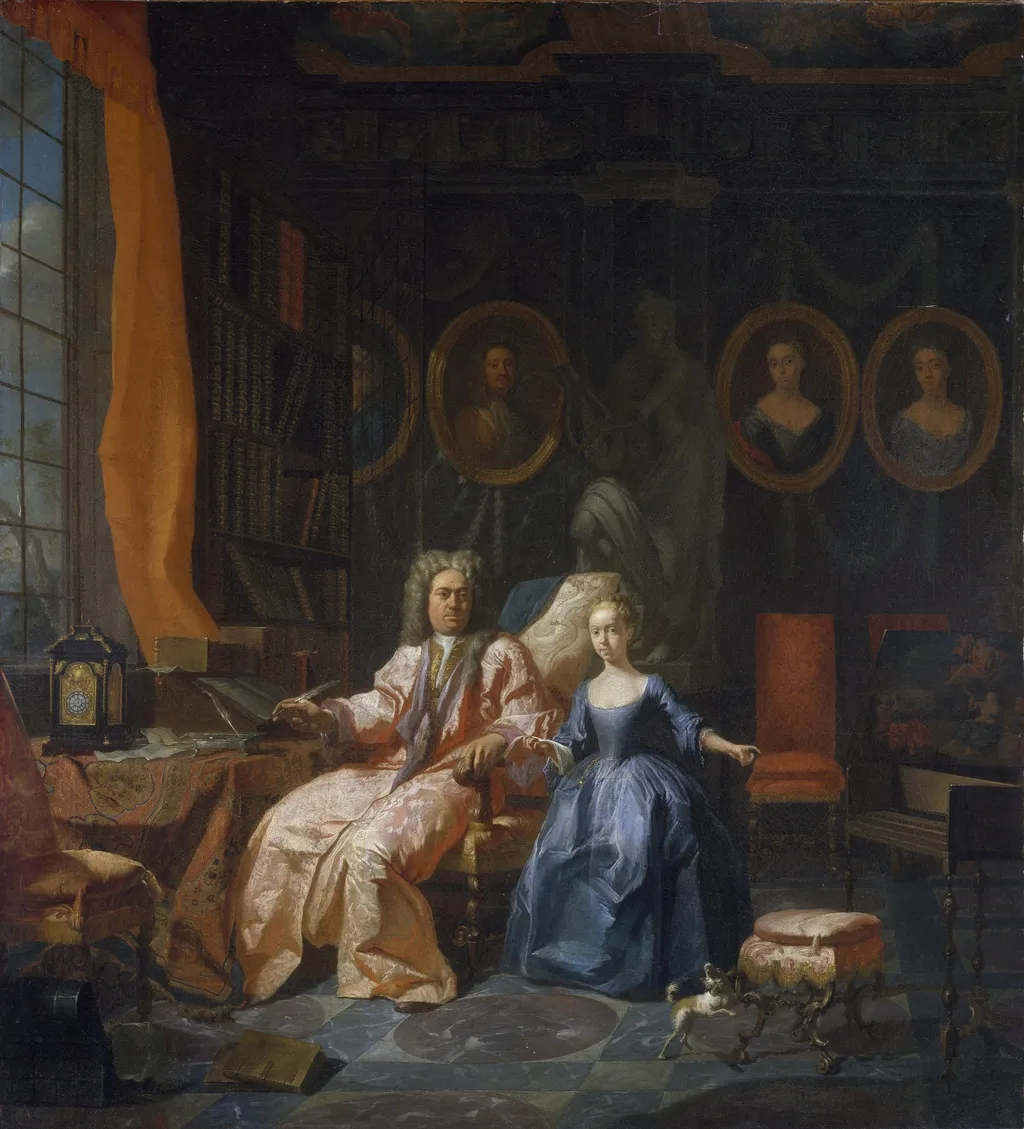
Portrait of a Man and his Daughter is an oil painting by the Rococo painting artist Jan Carel Vierpeyl. It dates from 1721 and is held in the collection of the National Gallery of Ireland.
About this work
Overview
4 cm, the work is held in the collection of the National Gallery of Ireland in Dublin, where it was purchased in 1940.
Portrait of a Man and his Daughter is an oil on canvas painting by the Flemish artist Jan Carel Vierpeyl, dated 1721. Measuring 91.2 by 82.4 cm, the work is held in the collection of the National Gallery of Ireland in Dublin, where it was purchased in 1940. The painting is a significant example of early eighteenth-century Flemish domestic portraiture, offering insight into the representation of prosperous families during the period. It is signed in the lower right: J.C. vierpÿl inventor Fec. / 1721.
Subject & Meaning
The painting depicts a seated man and a young girl in an elaborately furnished interior. The man, positioned to the left, wears a long pink silk robe with a long gray wig and holds a quill over an open book on a draped table. The girl, seated to his right, is dressed in a blue satin gown with a low neckline. A small dog stands near her skirt beside a cushioned stool. The domestic setting includes four oval portrait paintings on a dark paneled wall, a tall window with an orange curtain revealing sky and trees, a bookshelf filled with books, and a tiled geometric floor with an open book. On the table rest a decorative clock, papers, and an inkwell, while to the right a red upholstered chair and an easel holding a painting appear in shadow. The identity of the sitters remains unknown, though the work was once believed to depict the philosopher Francis Hutcheson and his daughter. The presence of books, writing implements, and the easel suggests a family of learning and cultural refinement, while the dog may symbolize fidelity and domestic virtue common in portraiture of this era.
Technique & Style
Vierpeyl executed the work in oil on canvas, employing a palette dominated by deep browns, warm oranges, and contrasting pinks and blues in the costumes. Light enters from the left window, illuminating the figures and creating strong shadows in the background. The brushwork demonstrates careful rendering of silk textures and polished surfaces, particularly evident in the pink robe and blue satin dress. The composition balances the intimate grouping of the two figures against the detailed accumulation of objects and furnishings that signify wealth and status. The handling of interior space, with its receding tiled floor and layered wall decorations, shows awareness of perspective and atmospheric depth. The overall effect combines the formality of portraiture with the material richness of genre painting, characteristic of Flemish domestic imagery in the early eighteenth century.
History & Provenance
The painting is dated 1721 and was acquired by the National Gallery of Ireland in 1940. It is listed in the museum's online collection with the accession number 367. The work represents a crucial piece of evidence for Vierpeyl's possible activity in Great Britain, as its subject matter and former identification as depicting Francis Hutcheson, an Irish philosopher who worked in Glasgow and Dublin, may point to a stay by the artist in Great Britain. No earlier provenance has been firmly established. The painting has been exhibited and reproduced as part of the National Gallery of Ireland's permanent collection, though specific exhibition history beyond its acquisition is not documented in the available sources.
Context
Jan Carel Vierpeyl was enrolled in 1698 at the Antwerp Guild of Saint Luke as a pupil of Jacob Balthasar Peeters, an architectural painter, with Balthasar van den Bossche also mentioned as another master. The artist was active in Antwerp between 1697 and 1717, and his last known dated work is from 1723. He is known mainly for family portraits and genre scenes of merry and gallant companies. The 1721 date of this portrait places it near the end of his documented career. The work reflects the conventions of Flemish portraiture for the prosperous merchant class, combining the detailed interior settings associated with Dutch Golden Age painting with the more direct family-group format. The former misidentification of the sitters as Francis Hutcheson and his daughter indicates how portraits of this period could be subject to speculative attribution based on perceived intellectual or social connections, rather than documentary evidence. After 1723, all trace of the artist is lost, making this painting one of the final secure works in his oeuvre.
Legacy
The painting's significance extends beyond its aesthetic qualities to its value as documentary evidence for Vierpeyl's biography. As one of the artist's last dated works and a possible indicator of British activity, it has contributed to scholarly discussion of Flemish artistic migration and the international market for portraiture in the early eighteenth century. The work remains in the public collection of the National Gallery of Ireland, accessible for study and reproduction. Its digital presence through museum and commercial platforms has maintained its visibility, though critical literature specifically devoted to the painting appears limited. The portrait exemplifies the challenges of researching secondary Flemish painters of the period, where documentary records are sparse and attribution histories can be speculative. The painting continues to serve as a key work for understanding the conventions of family portraiture and the representation of domestic space in early eighteenth-century Flemish art.
Own this work as a print
Artist & collection

Artist
Jan Carel Vierpeyl or Jan Carel Vierpyl (c. 1675 – in or after 1723) was a Flemish painter known mainly for his family portraits and genre scenes of merry and gallant companies.

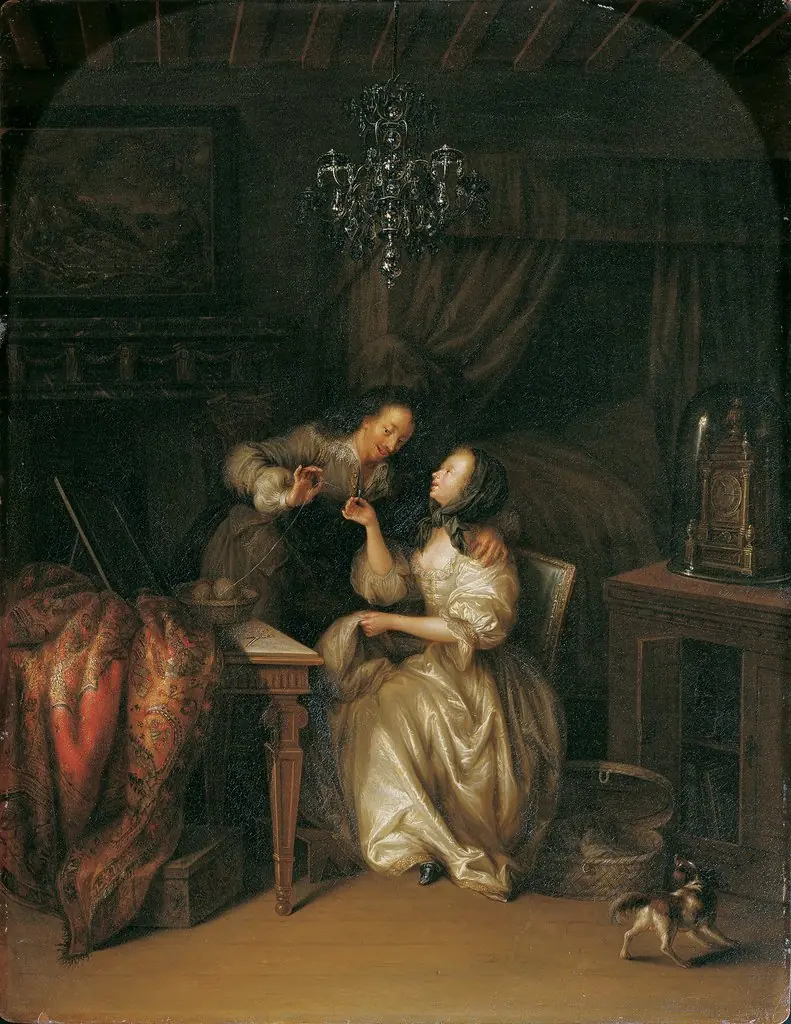 Gallant helper
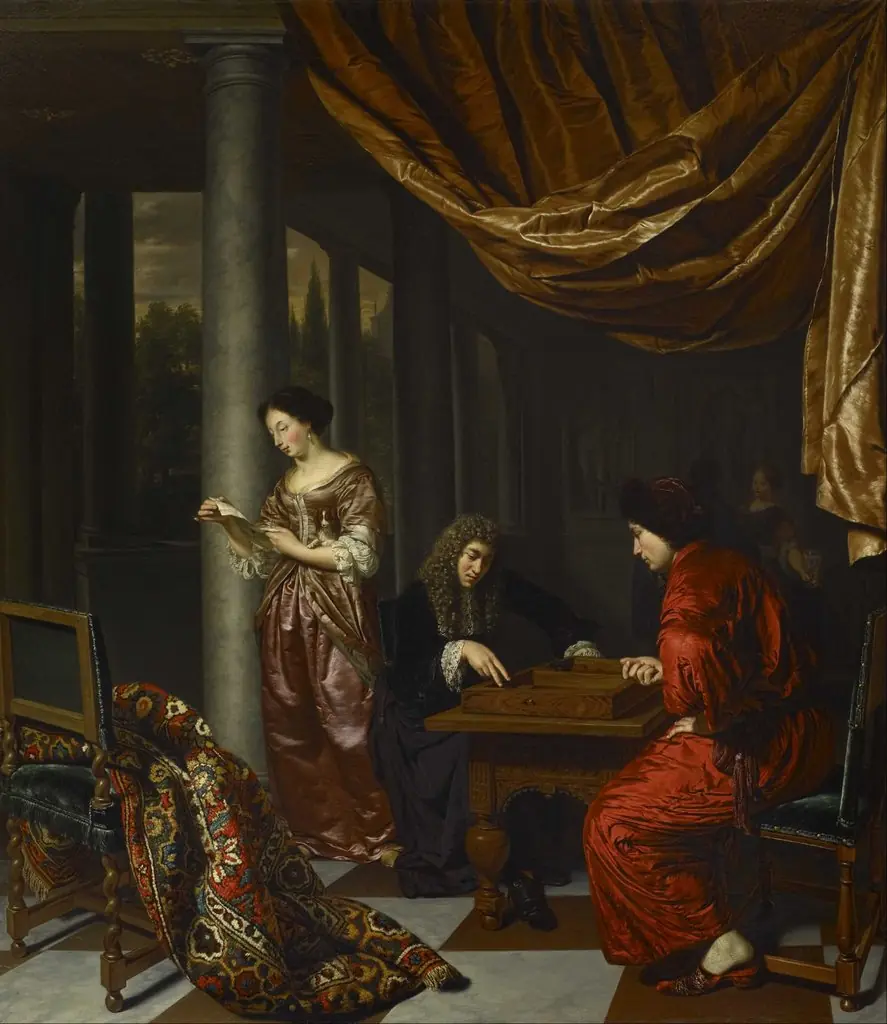 Interior with Figures Playing Tric-trac
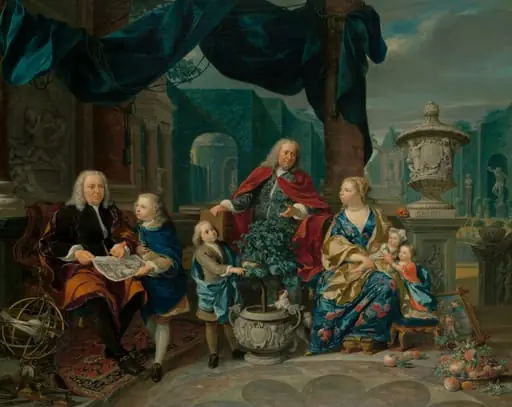 Portrait of David van Mollen and Son-in-Law Jacob Sydervelt with his Family
 Domestic Scene
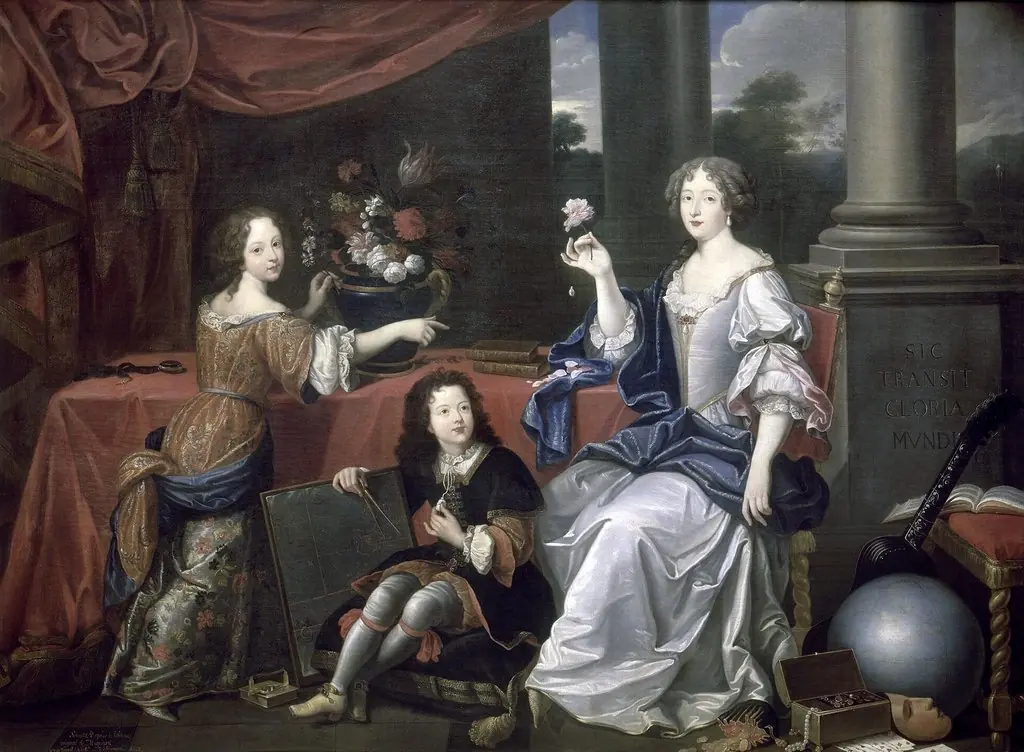 Portrait of Louise de La Vallière and her children
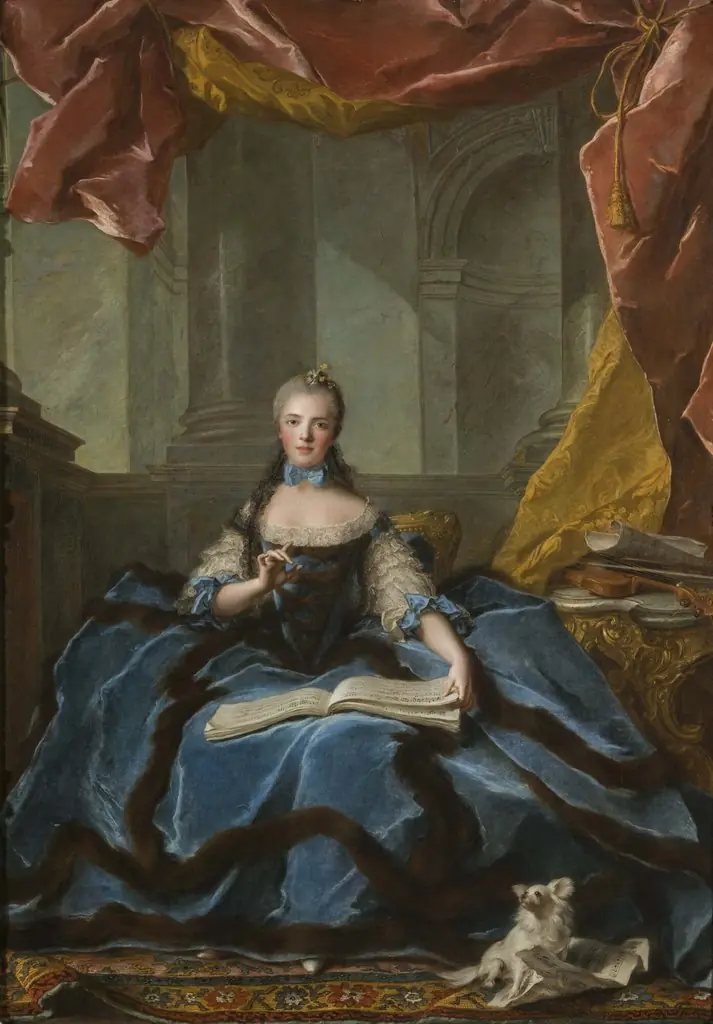 Marie-Adélaïde of France, known as Madame Adélaïde
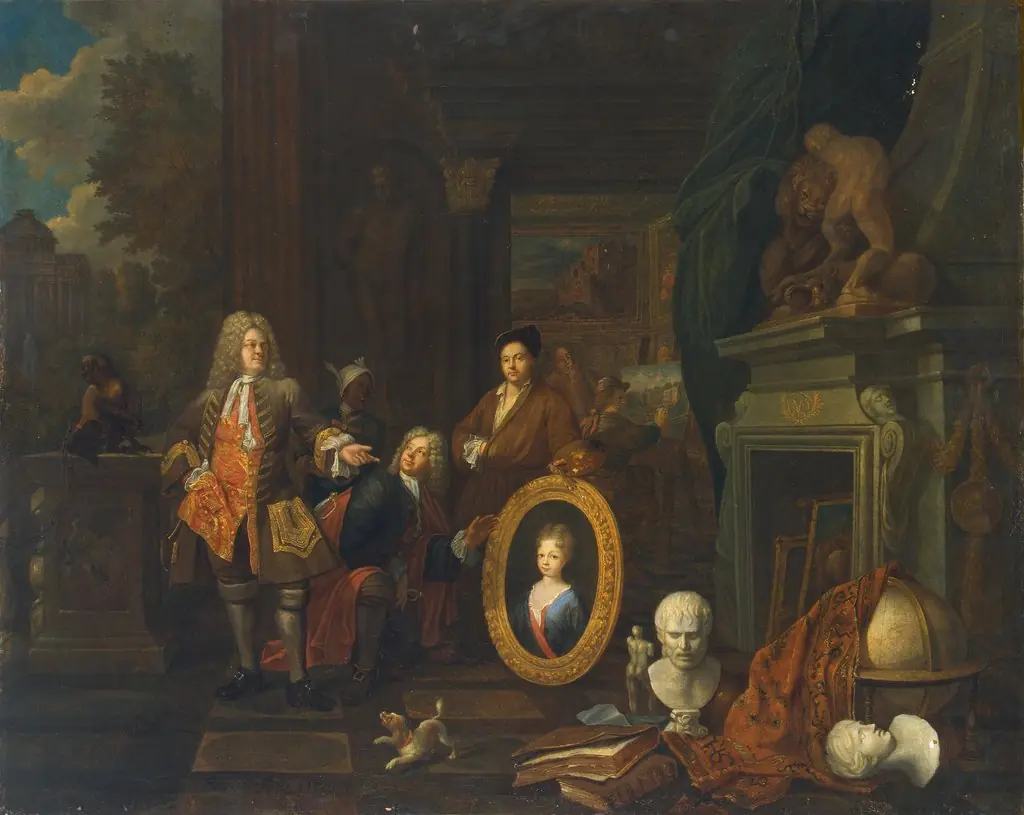 Studio of an Artist
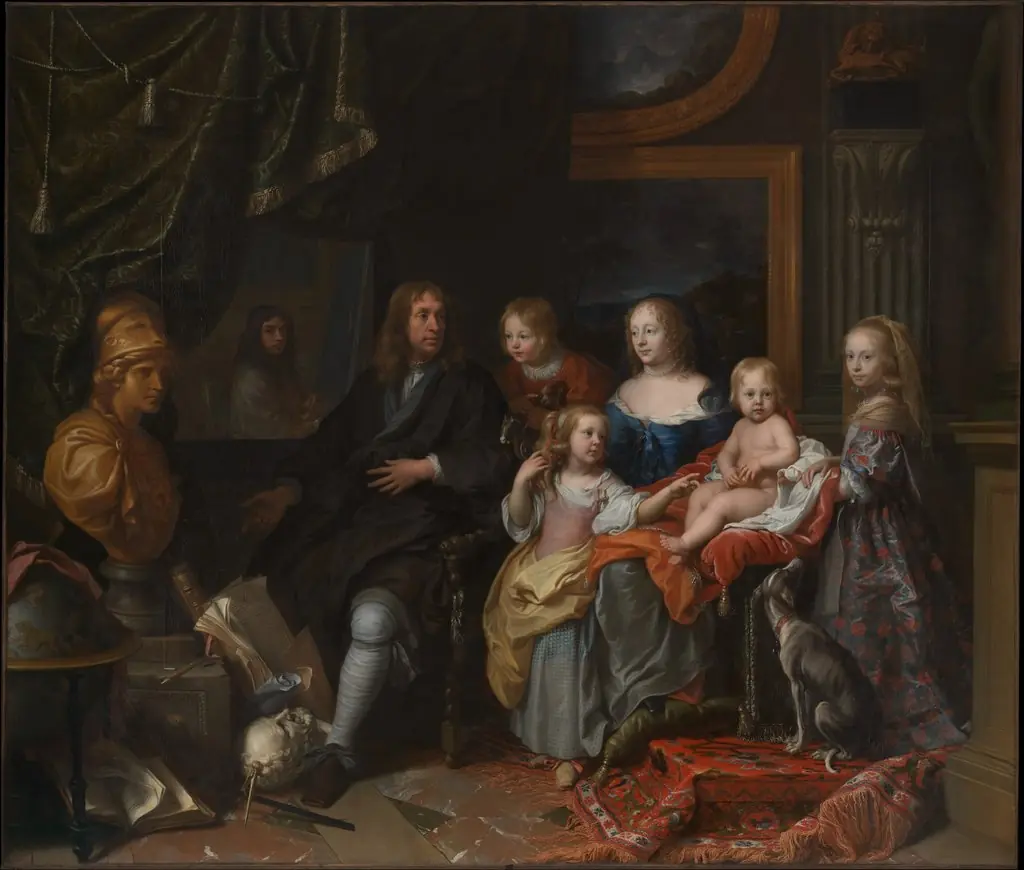 Everhard Jabach (1618–1695) and His Family
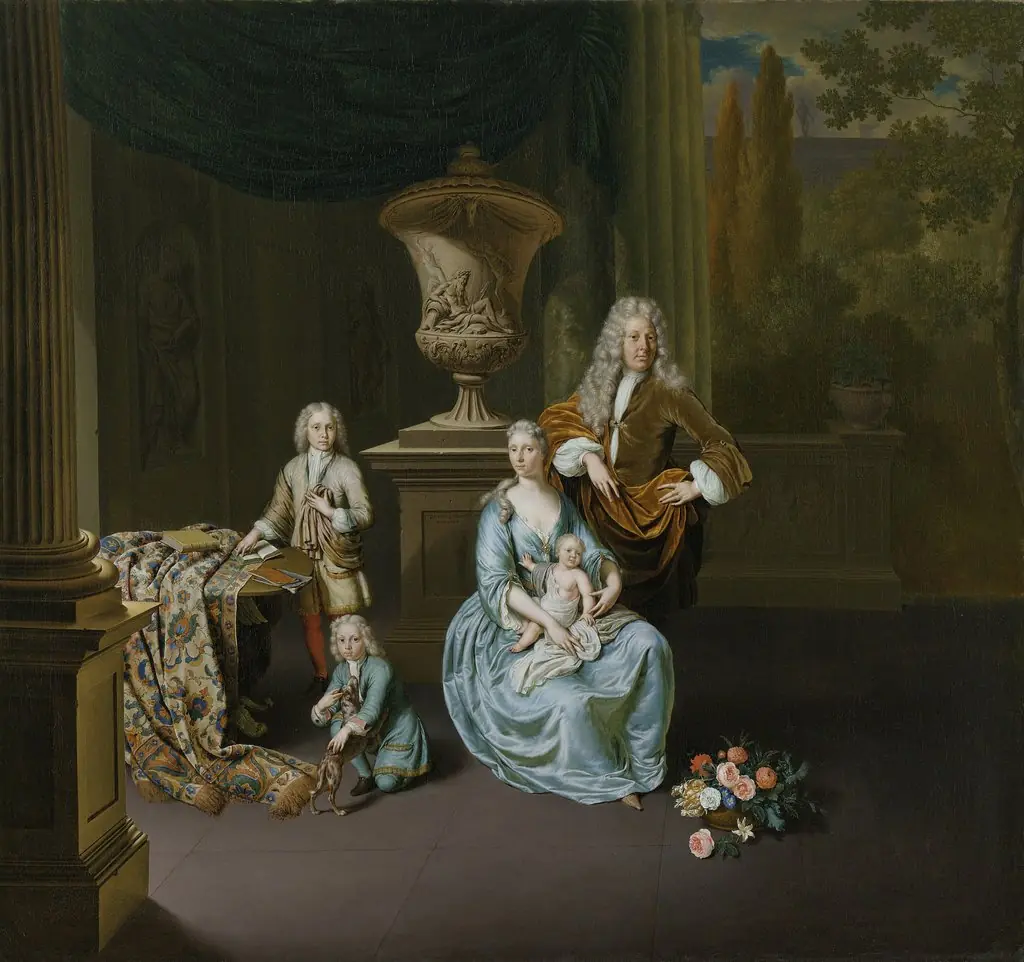 Portrait of Diederik, Baron van Leyden van Vlaardingen with his Wife and three Sons
 A Musical Company
 The Card Party
- Self-Portrait with His Daughters