Artwork
Everhard Jabach (1618–1695) and His Family
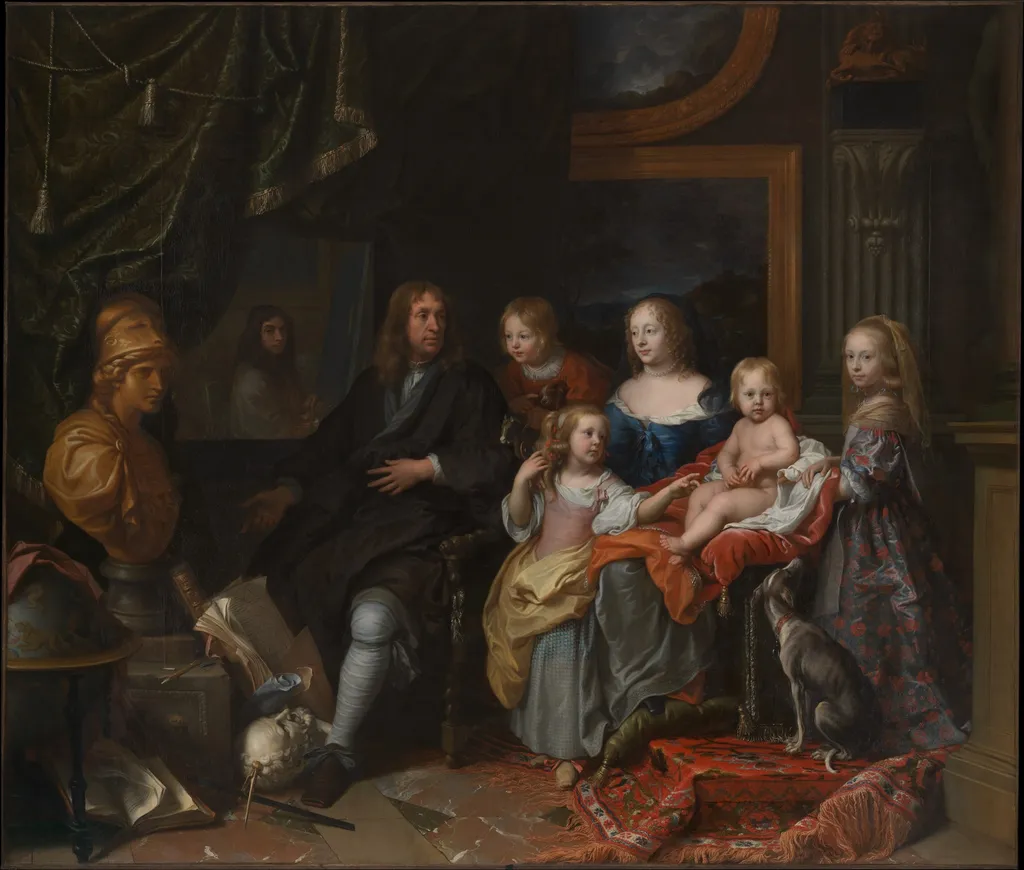
Everhard Jabach (1618–1695) and His Family is an oil painting by the French Classical Baroque artist Charles Le Brun. It dates from 1660 and is held in the collection of the Metropolitan Museum of Art.
About this work
Nearly three meters wide, the canvas vanished from view for over a century before the Metropolitan Museum of Art acquired it in 2014.
In 1660, Charles Le Brun painted the German banker Everhard Jabach with his wife Anna Maria de Groote and their four children among books, globes, and a gilded bust of Minerva. Le Brun set himself into the scene as a reflection in a black-framed mirror, brush in hand. Nearly three meters wide, the canvas vanished from view for over a century before the Metropolitan Museum of Art acquired it in 2014.
Subject & Meaning
As a family portrait, the work presents Everhard Jabach with his wife, children, and a dog in an interior adorned with paintings and sculptures. These art objects directly reference Jabach's identity as a major collector, and a self-portrait within the composition reinforces his artistic engagement. The dog, a traditional emblem of loyalty, underscores family unity. Overall, the painting serves as a statement of wealth, cultural discernment, and dynastic pride.
Technique & Style
Executed in oil paint on canvas, the monumental portrait measures 280 × 328 cm, a format suited to its formal family subject. The composition assembles Everhard Jabach with a woman, children, an infant, and a dog in an interior filled with paintings, a sculpture, and a self-portrait of the artist, creating a layered scene that conveys the family's wealth and cultural engagement. Stylistically, the work functions as both a group portrait and a display of domestic treasures, characteristic of Baroque portraiture's emphasis on narrative and status.
Overview
This large-scale oil painting, created by Charles Le Brun around 1660, portrays the German financier and art collector Everhard Jabach alongside his wife, Anna Maria de Groote, and their four children. Executed during Le Brun's tenure as premier peintre du roi to Louis XIV, the work serves as a testament to the family's status and cultural aspirations. The artist also subtly included his own image within the composition, reflecting his prominent position in French art at the time.
History & Provenance
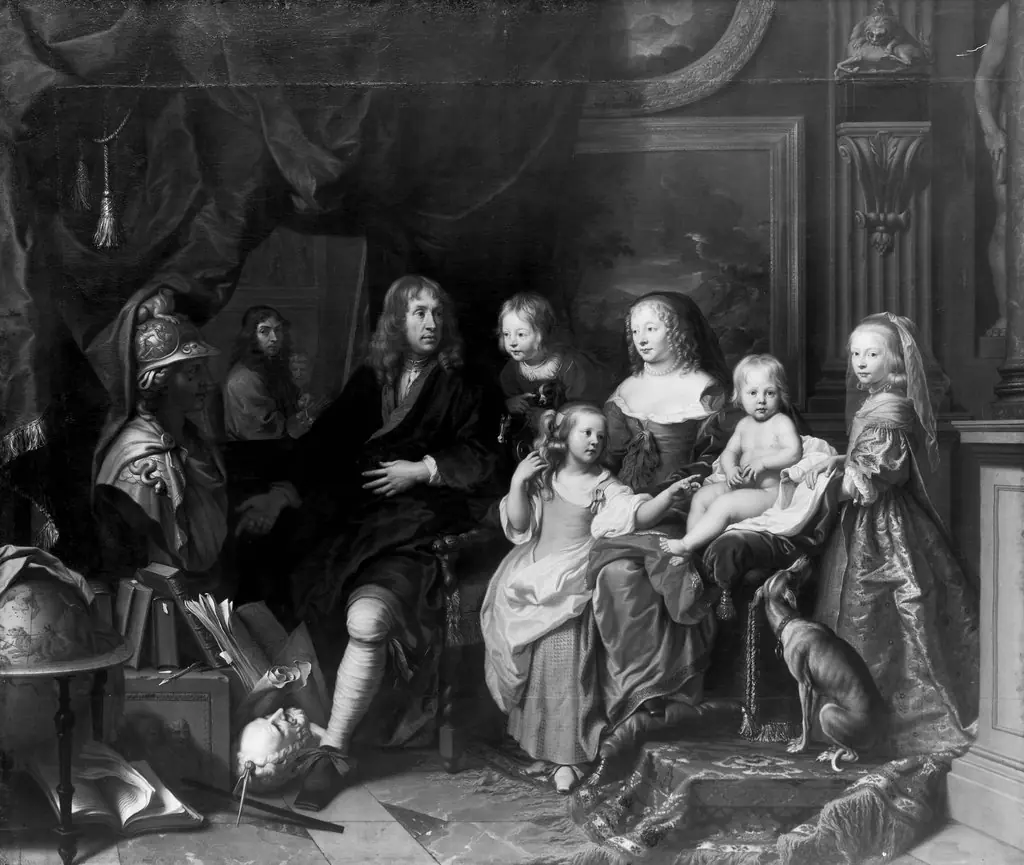
This particular version of the portrait, long considered lost, originally adorned Everhard Jabach's residence in Paris. Following his death, it moved to Cologne, where it was admired by notable figures like Goethe and Reynolds. In the late 1790s, a descendant sold the painting, leading to its disappearance into a British private collection for over a century, during which its top edge was folded to fit a smaller space. The Metropolitan Museum of Art acquired the canvas in 2014, subsequently undertaking extensive conservation work.
Own this work as a print
Artist & collection
Artist
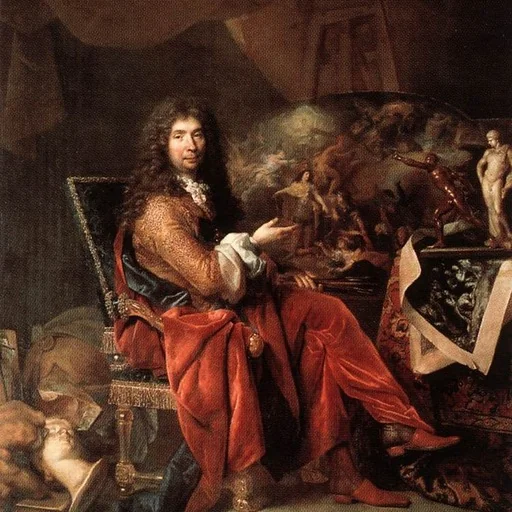
Charles Le Brun (French pronunciation:; baptised 24 February 1619 – 12 February 1690) was a French painter, physiognomist, art theorist, and a director of several art schools of his time.

- Portrait of the Cologne banker and collector Everhard Jabach with his family
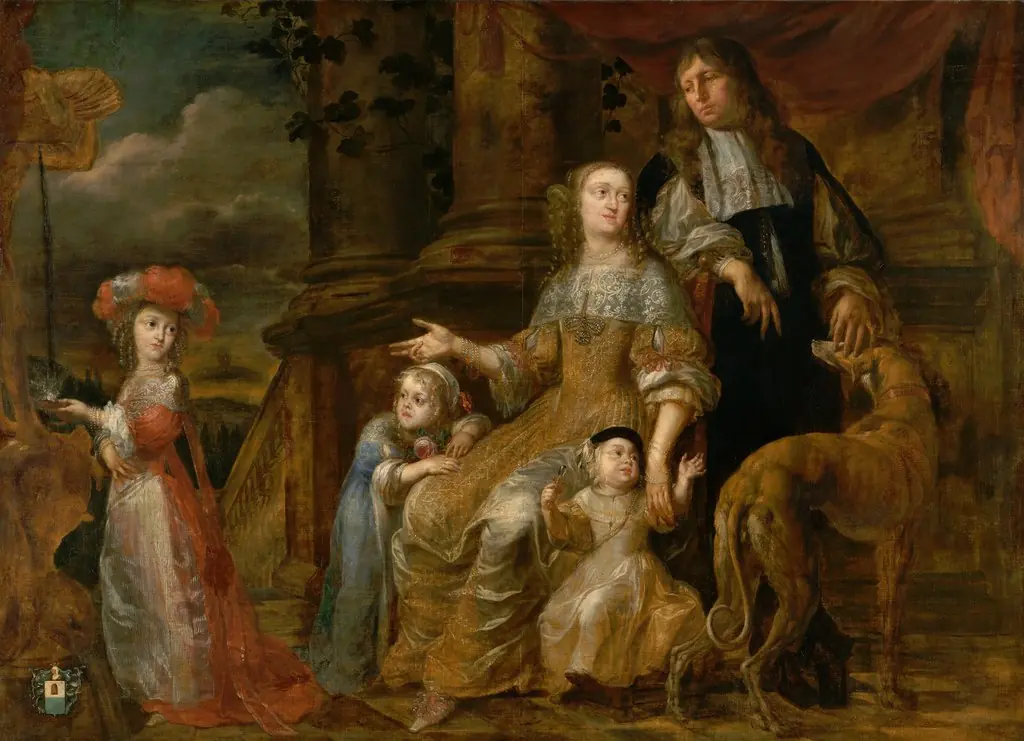 Portrait of the Family de Bie
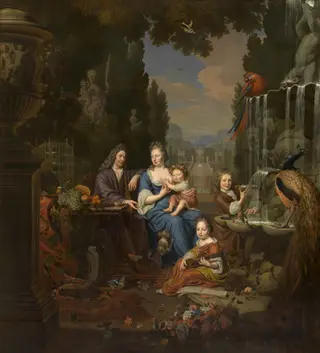 Self portrait of Michiel van Musscher (1645-1705) with his family
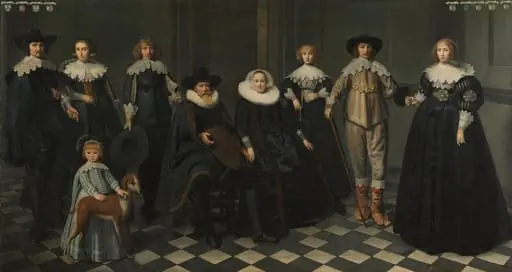 Portrait of the Family of Dirck Jacobsz Bas (1569-1637), Burgomaster of Amsterdam, and Margriet Snoeck (1588-1645)
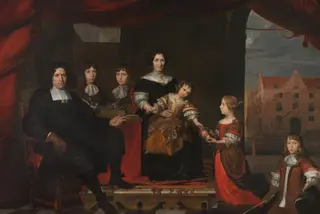 Reyer Reyersz van der Burch (1630-1695), Ammunition Officer attached to the Arsenal of the States-General, Delft, with his Wife Geertruid Graswinckel and their Children Frank, Cornelis, Reyer, Maria and Alida
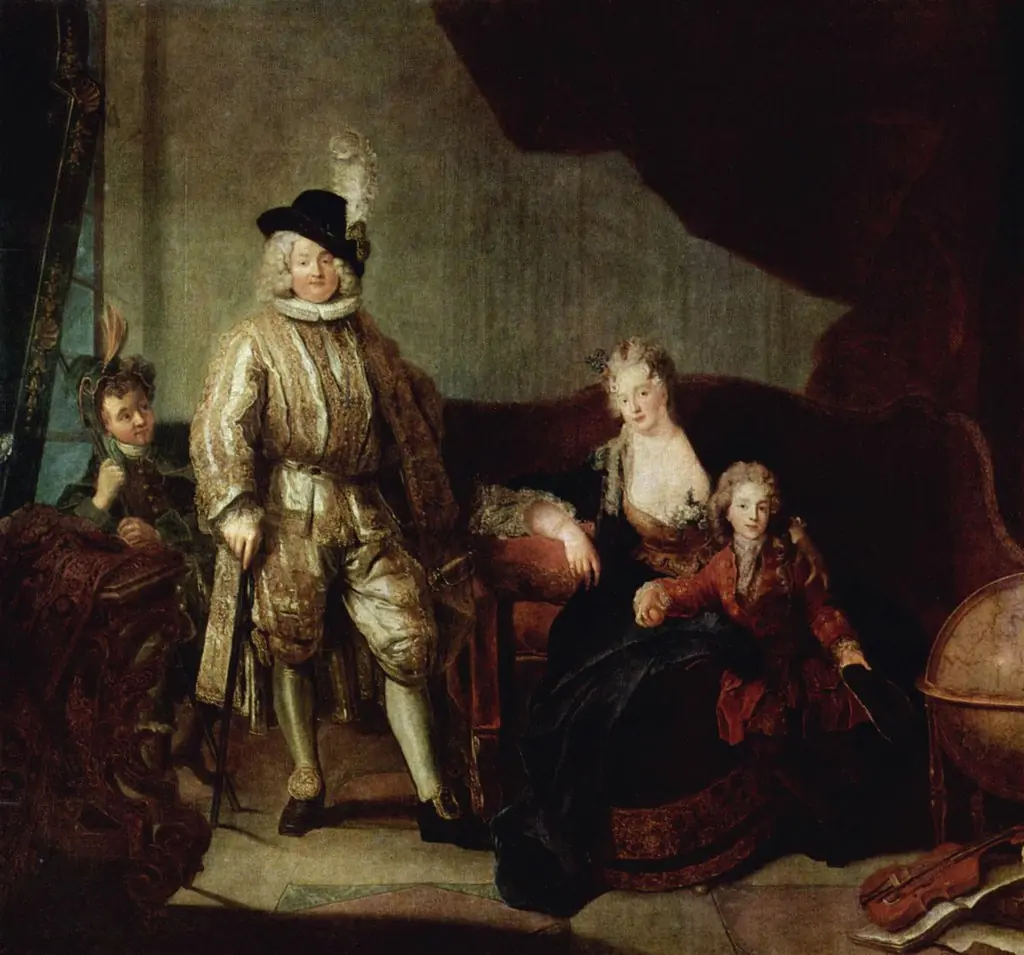 Portrait von Erlach with his Family