Artwork
Signorum Veterum Icones
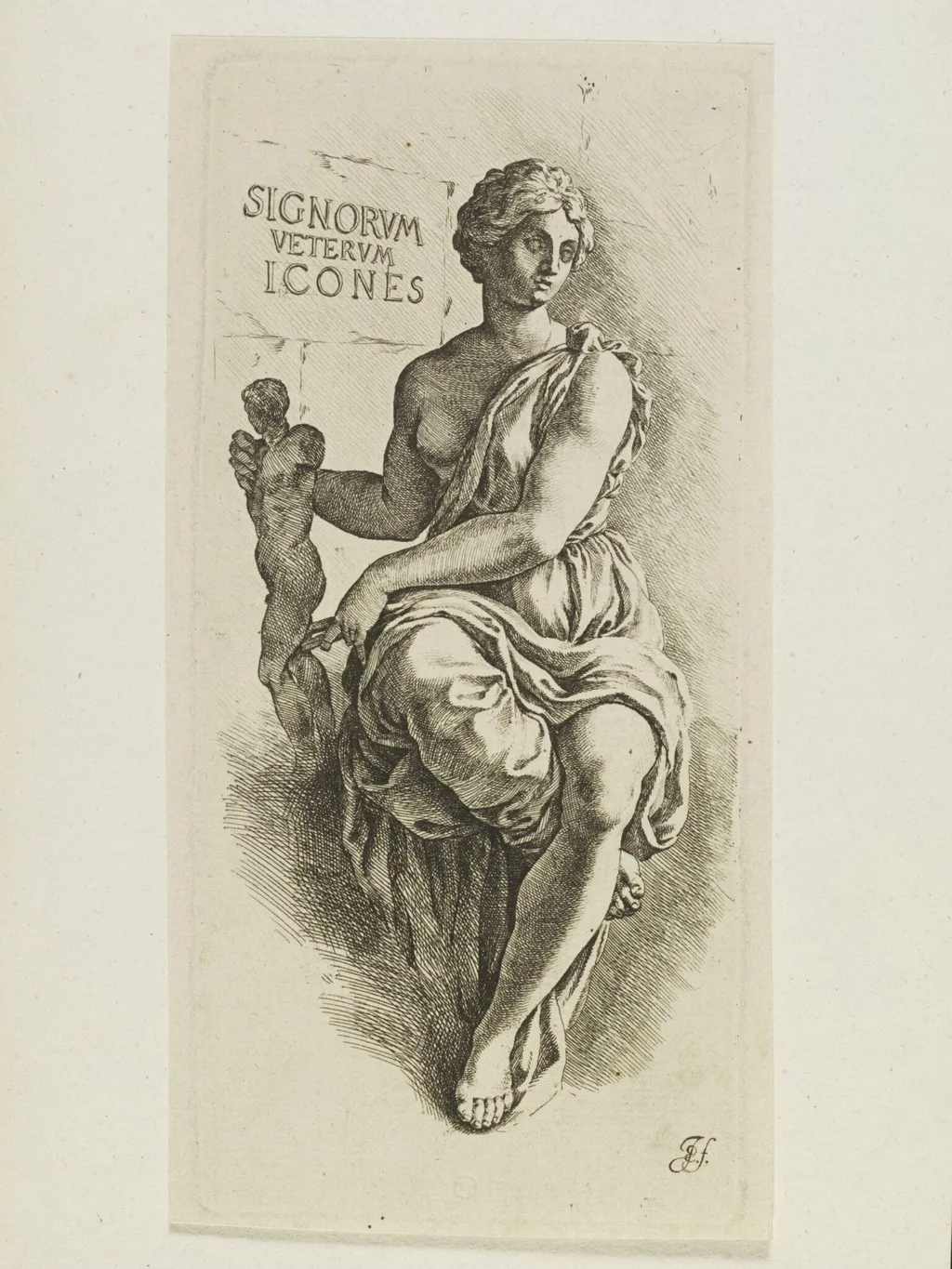
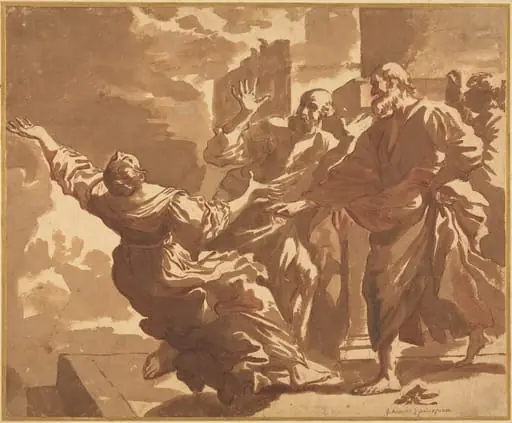
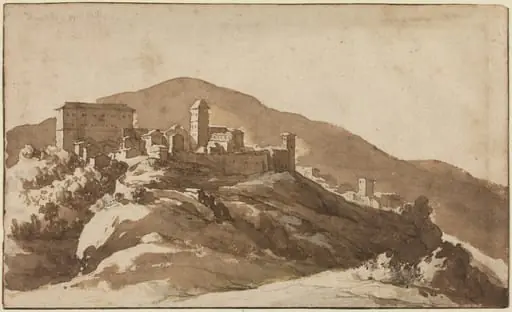
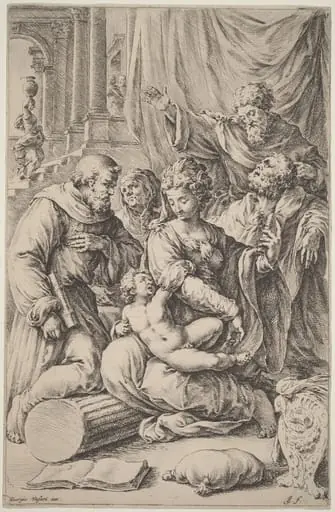
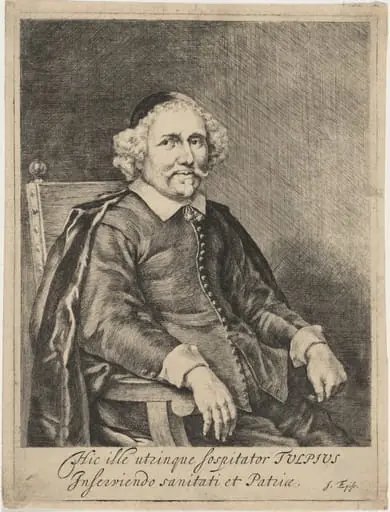
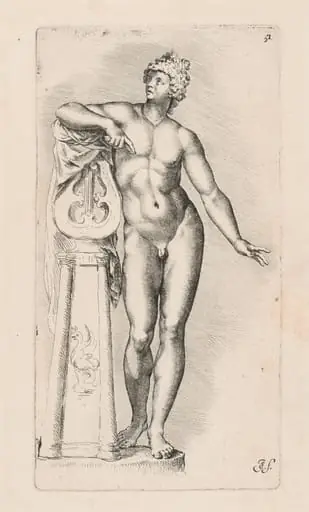
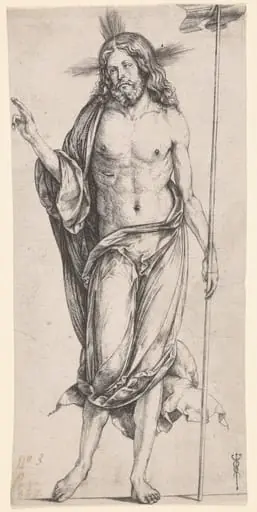
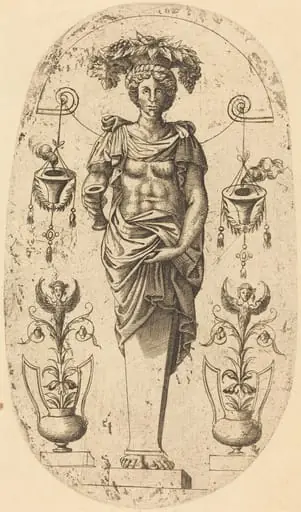
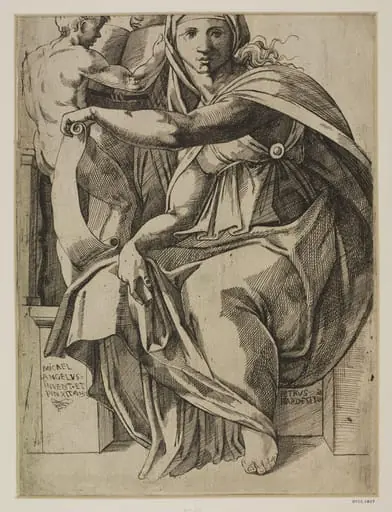
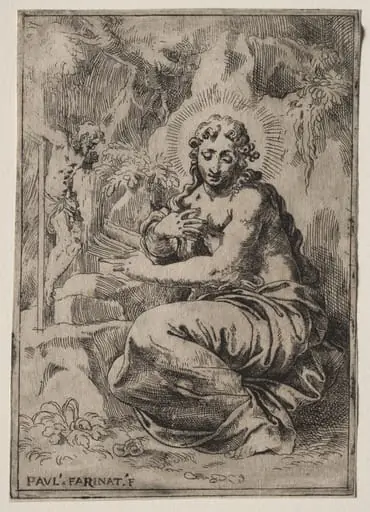
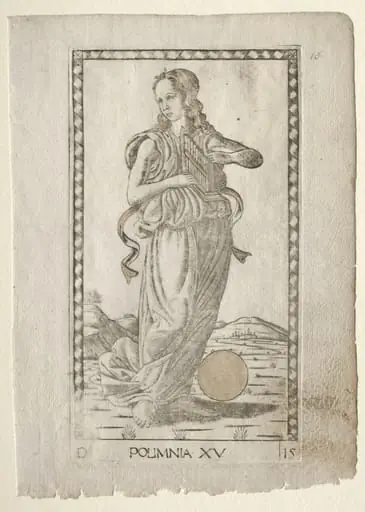
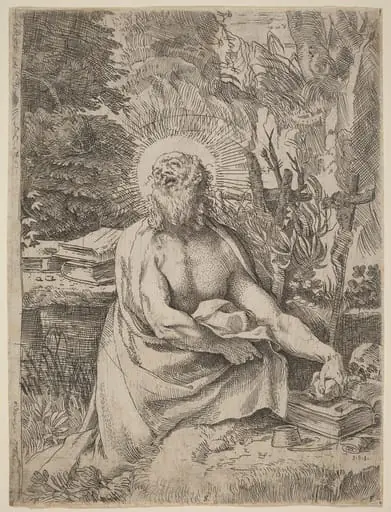
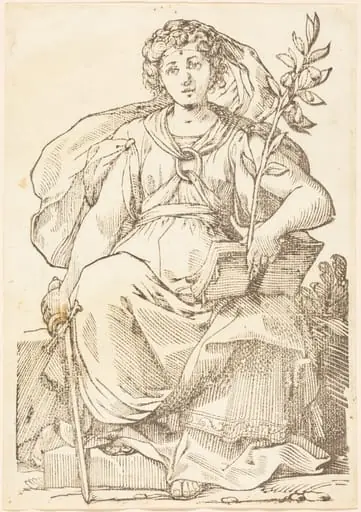
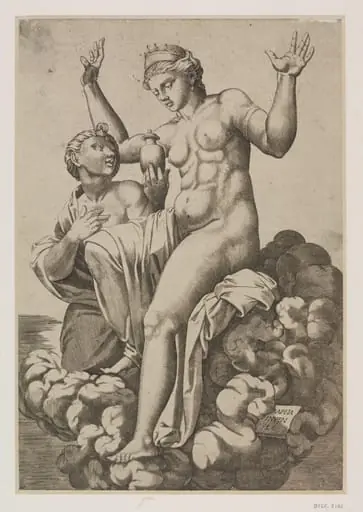
Signorum Veterum Icones is an ink print by the Baroque artist Jan de Bisschop. It dates from 1670 and is held in the collection of the Victoria and Albert Museum.
About this work
Overview
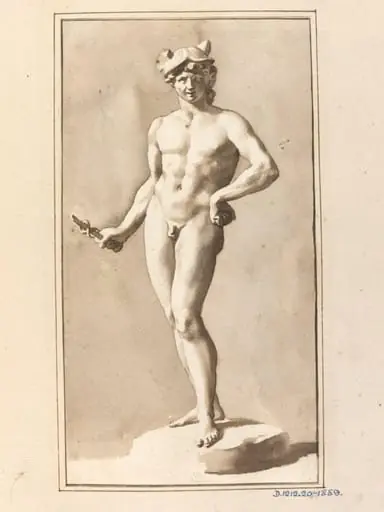
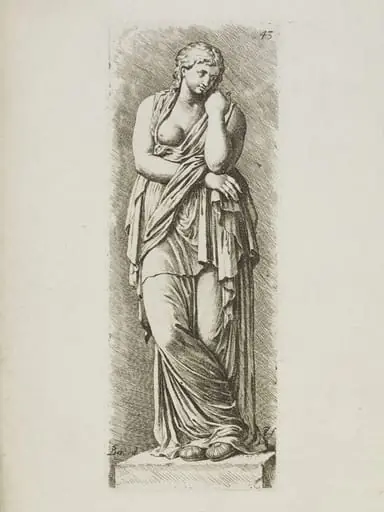
Each plate presents a single sculpture with careful attention to its physical presence and spatial orientation.
In the 1660s and 1670s, Jan de Bisschop produced a series of one hundred etchings documenting classical sculptures held in private and public collections across the Netherlands and Italy. These prints were not mere reproductions but systematic studies, intended as reference material for artists seeking to understand the formal qualities of ancient statuary. Each plate presents a single sculpture with careful attention to its physical presence and spatial orientation.
Subject & Meaning
The sculptures depicted range from well-known Roman copies of Greek originals to lesser-known antiquities, selected for their exemplary treatment of the human form. Emphasis was placed on anatomical precision, dynamic poses, and the rendering of fabric. These works served as pedagogical tools, reflecting the period’s reverence for classical ideals as models of artistic excellence and technical discipline.
Technique & Style
De Bisschop employed fine, controlled lines in etching to capture subtle contours, surface textures, and the interplay of light and shadow on marble. The compositions avoid decorative embellishment, favoring clarity and neutrality. Multiple viewpoints of the same sculpture were often included, allowing viewers to analyze volume and proportion from various angles without physical access to the originals.
History & Provenance
The prints were likely compiled from direct observation of sculptures in collections such as those of the Medici in Florence and Dutch patrons like Constantijn Huygens. De Bisschop’s access to these private holdings suggests his standing among scholarly and artistic circles. The suite circulated among artists and collectors, functioning as a portable archive of classical sculpture during a time when travel to Italy remained difficult.
Context
During the mid-seventeenth century, Dutch artists increasingly turned to classical antiquity for formal instruction, even as their own cultural identity emphasized realism and everyday subjects. De Bisschop’s project aligned with broader European efforts to systematize the study of ancient art, bridging humanist scholarship and artistic training in a period when print culture democratized access to visual knowledge.
Legacy
The suite remained a reference for generations of artists and students, influencing how classical sculpture was taught and understood in Northern Europe. Though less celebrated than contemporary print cycles, its methodical approach and fidelity to the originals established a precedent for later archaeological documentation and art-historical illustration.
Own this work as a print
Artist & collection
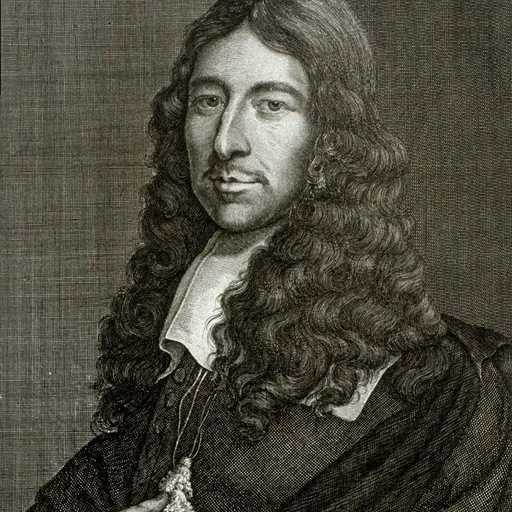
Artist
Jan de Bisschop, also known as Johannes Episcopius (1628–1671), was a lawyer, who became a Dutch Golden Age painter and engraver.