Artwork
Portrait of Gijsbert Tijssens, Playwright in Amsterdam
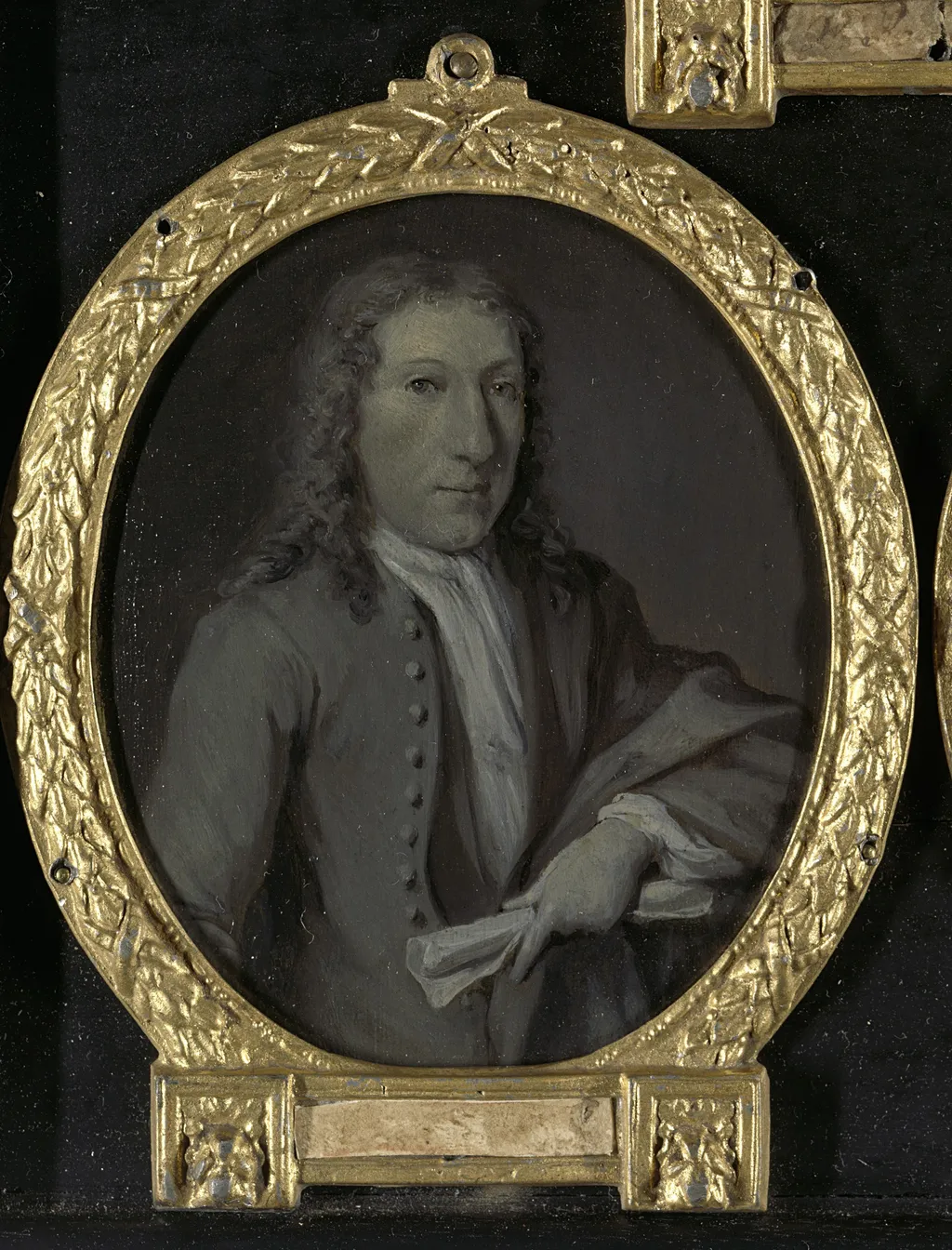
Portrait of Gijsbert Tijssens, Playwright in Amsterdam is an oil painting by the Rococo painting artist Jan Maurits Quinkhard. It dates from 1750 and is held in the collection of the Rijksmuseum.
About this work
Technique & Style
The choice of copper as a ground suggests a desire for a smooth, durable surface capable of supporting fine brushwork typical of mid-18th-century portraiture.
Jan Maurits Quinkhard executed the 1750 portrait of Gijsbert Tijssens using oil paint applied to a copper support. This small-scale work measures 11 cm in height and 9.5 cm in width, reflecting the artist's practice of creating detailed miniatures on metal rather than traditional canvas or panel. The choice of copper as a ground suggests a desire for a smooth, durable surface capable of supporting fine brushwork typical of mid-18th-century portraiture.
History & Provenance
The painting Portrait of Gijsbert Tijssens, Playwright in Amsterdam was created by Jan Maurits Quinkhard in 1750. Executed in oil paint on a copper support, the work measures 11 cm in height and 9.5 cm in width. The piece is currently held within the collection of the Rijksmuseum in Amsterdam.
While the specific circumstances of its commission or the original patron remain undocumented in the available records, the work has been identified as a portrait from the mid-eighteenth century.
Overview
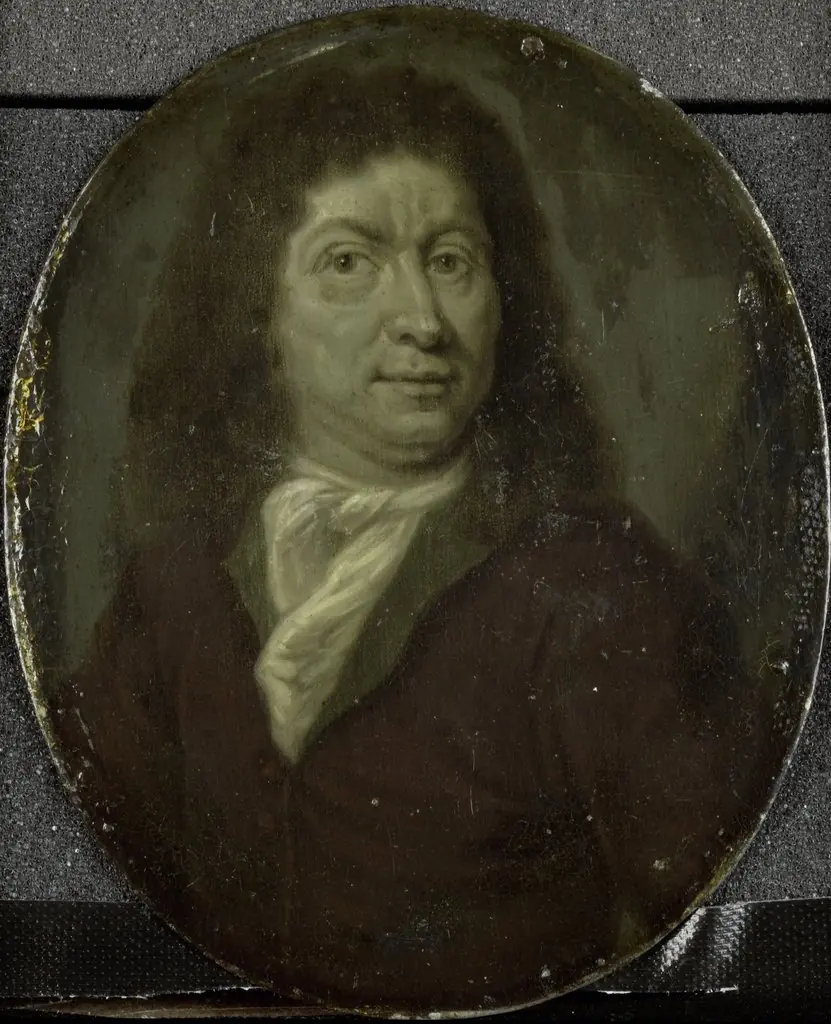
Created around 1750 by Jan Maurits Quinkhard, Portrait of Gijsbert Tijssens, Playwright in Amsterdam is a copper painting depicting its subject in a formal, contemplative pose. Characterized by its oval frame and plain black background, the work showcases Quinkhard's adherence to the Rococo style with meticulous detail and soft, dimensional shading.
Subject & Meaning
The portrait captures Gijsbert Tijssens, a playwright active in Amsterdam, dressed in attire reflective of his time: a dark coat contrasted with a white shirt and cuffs. His serious demeanor and the restrained setting may underscore his professional persona or the artist's intent to convey intellectual gravity.
Context
The work's creation around 1750 situates it within the late Rococo period in Europe. The choice of copper as the painting's base highlights the artistic preferences of the time, emphasizing detail and refinement in portraiture.
Legacy
While specific lasting impacts of Portrait of Gijsbert Tijssens on broader art movements are not prominently documented, its preservation in the Rijksmuseum ensures its contribution to the study and appreciation of 18th-century Dutch Rococo portraiture and Quinkhard's oeuvre.
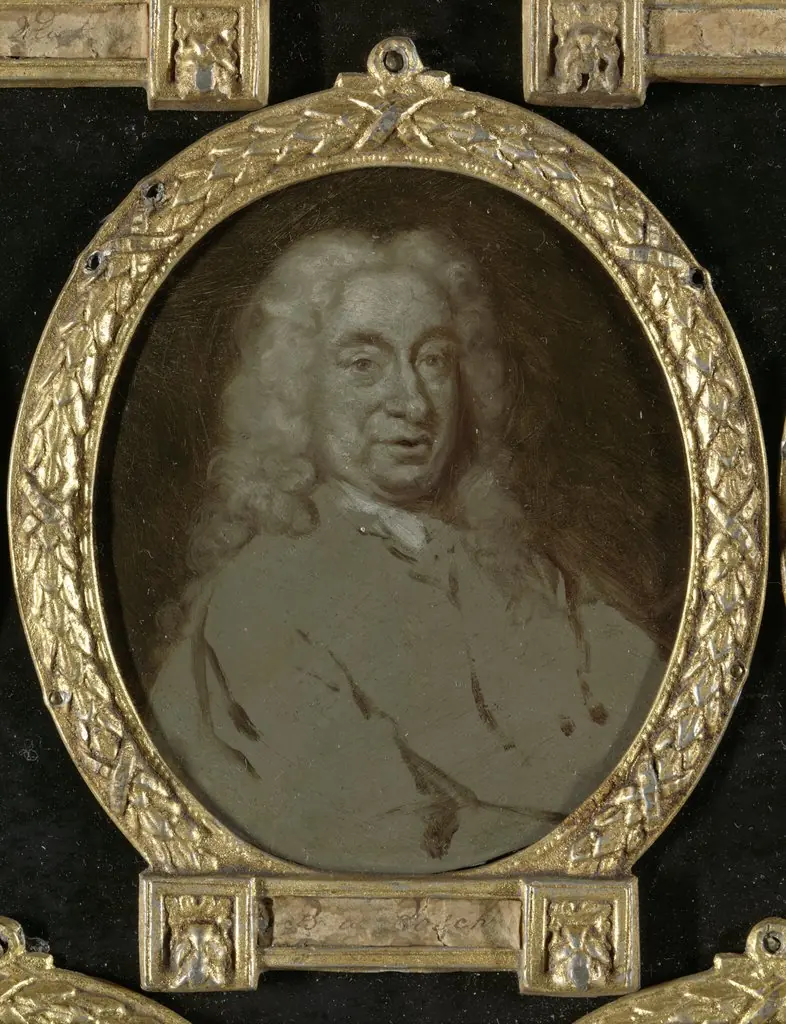
Own this work as a print
Artist & collection
Artist
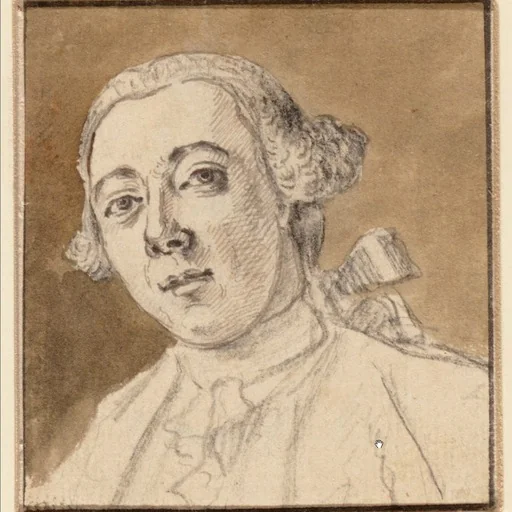
Jan Maurits Quinkhard (28 January 1688 – 11 November 1772) was an 18th-century painter and print designer from the Dutch Republic.

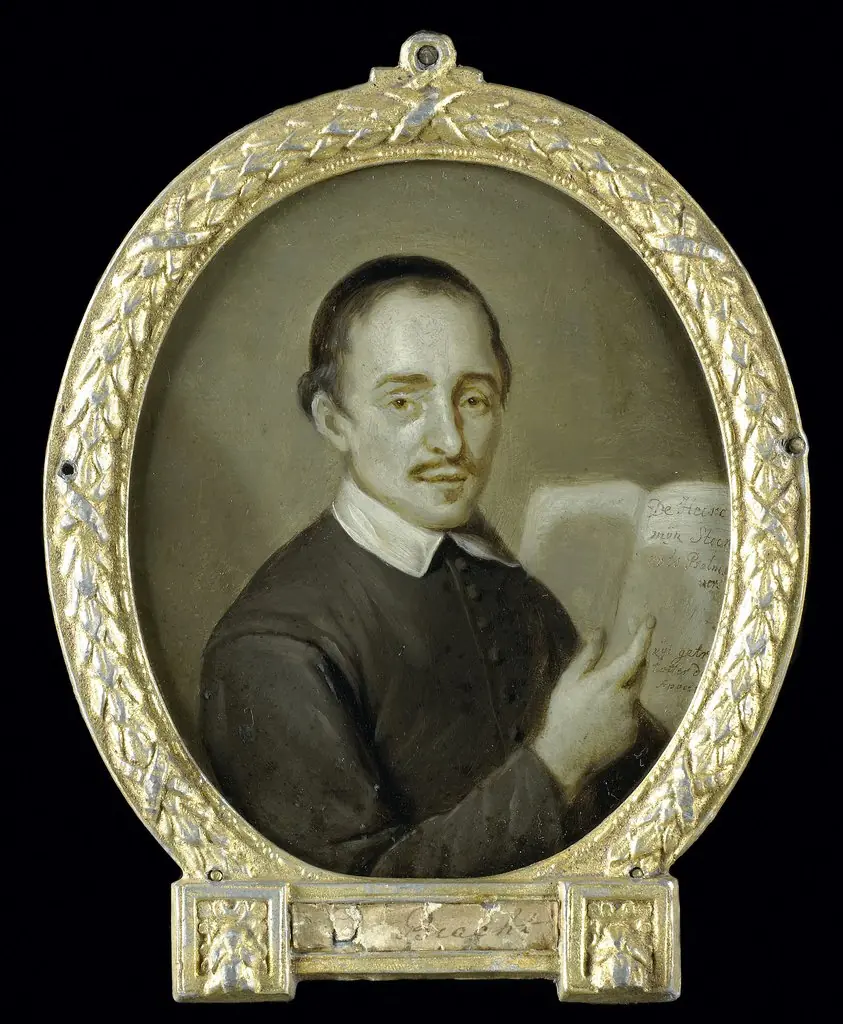 Portrait of Tieleman Jansz van Bracht, Clergyman and Poet in Dordrecht
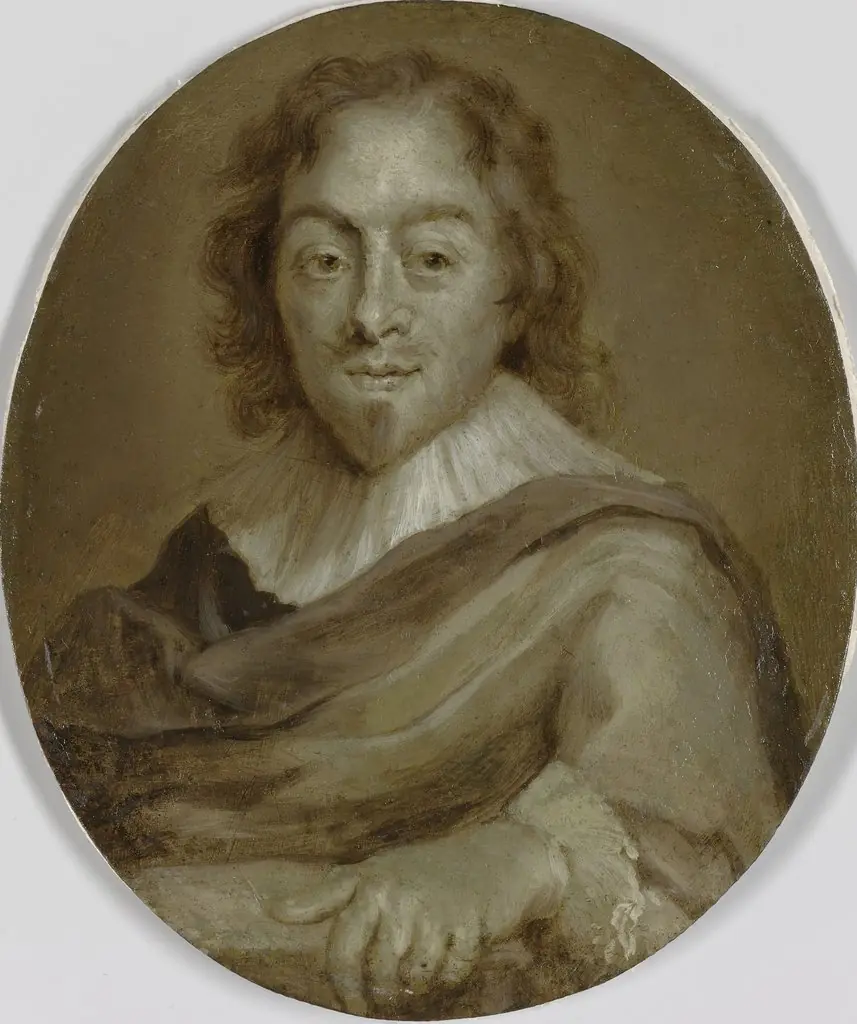 Portrait of Constantijn Huygens, Poet, Secretary to Prince Frederick Henry and Prince William II and First Councilor and Exchequer to William III
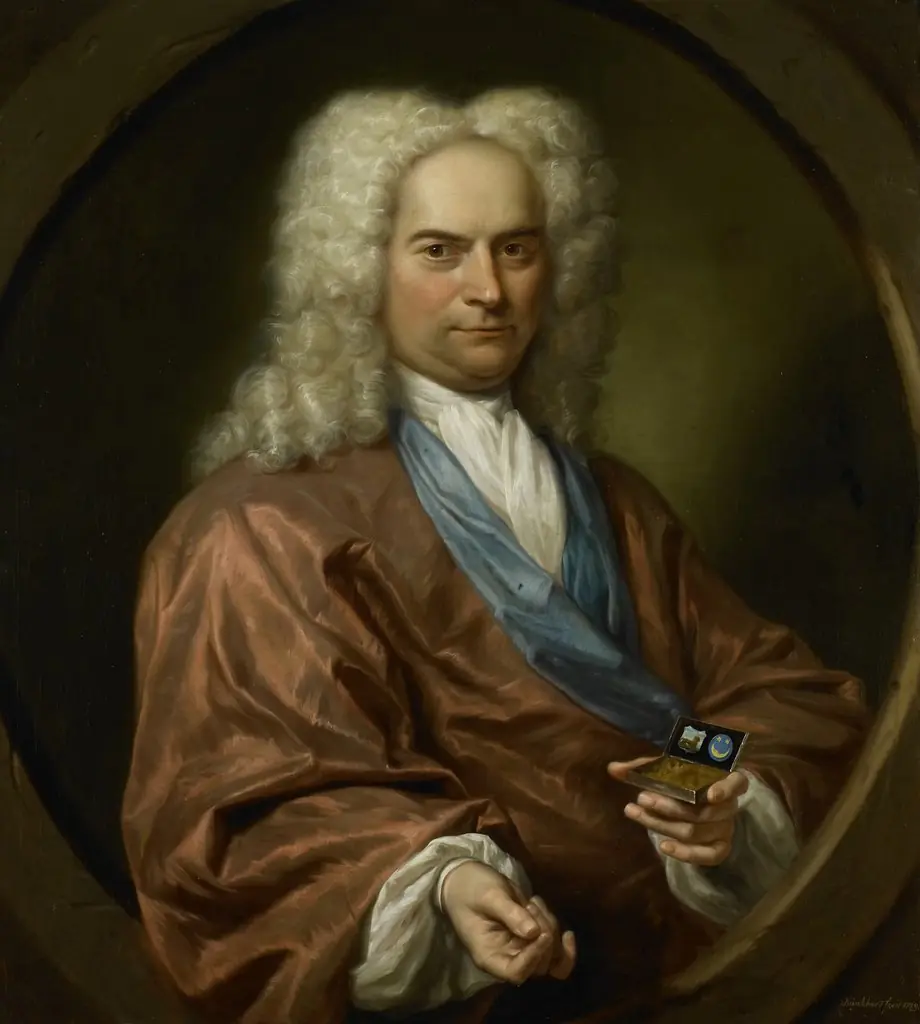 Portrait of David Leeuw, Mennonite Cloth and Dry Goods Merchant
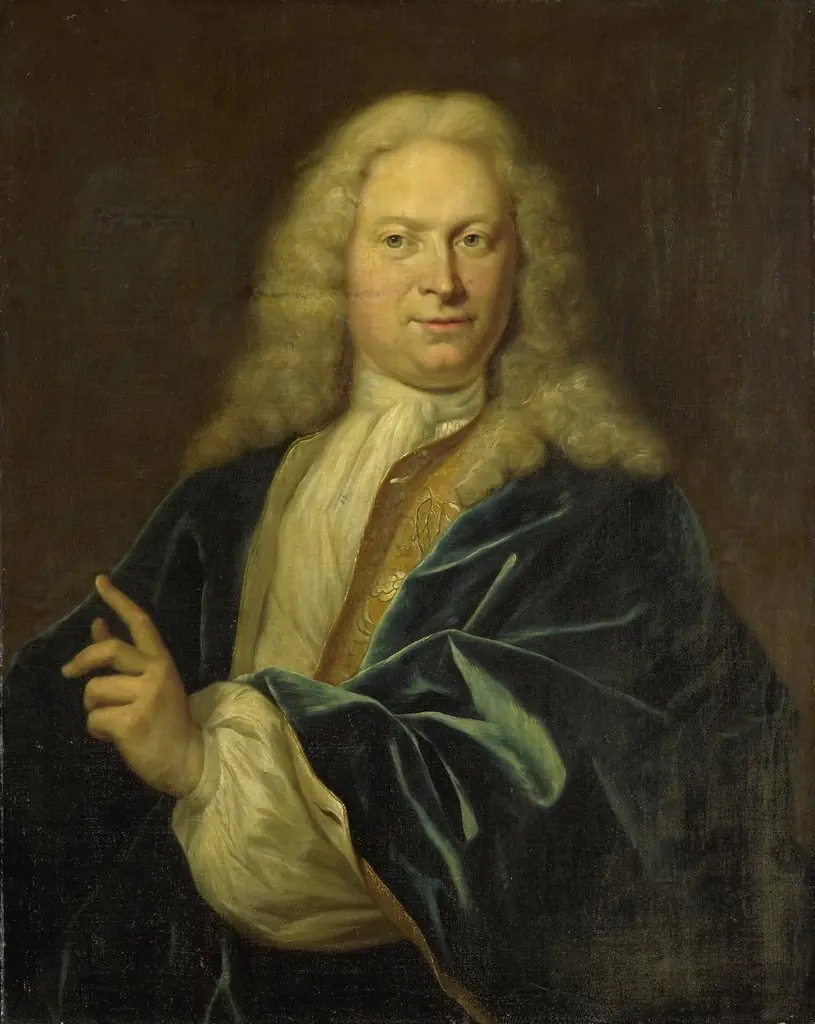 Portrait of Jan Hendrik van Heemskerck, Count of the Holy Roman Empire, Lord of Achttienhoven, Den Bosch and Eyndschoten, Captain of the Citizenry of Amsterdam (Johan Hendrik Graaf Van Heemskerk)
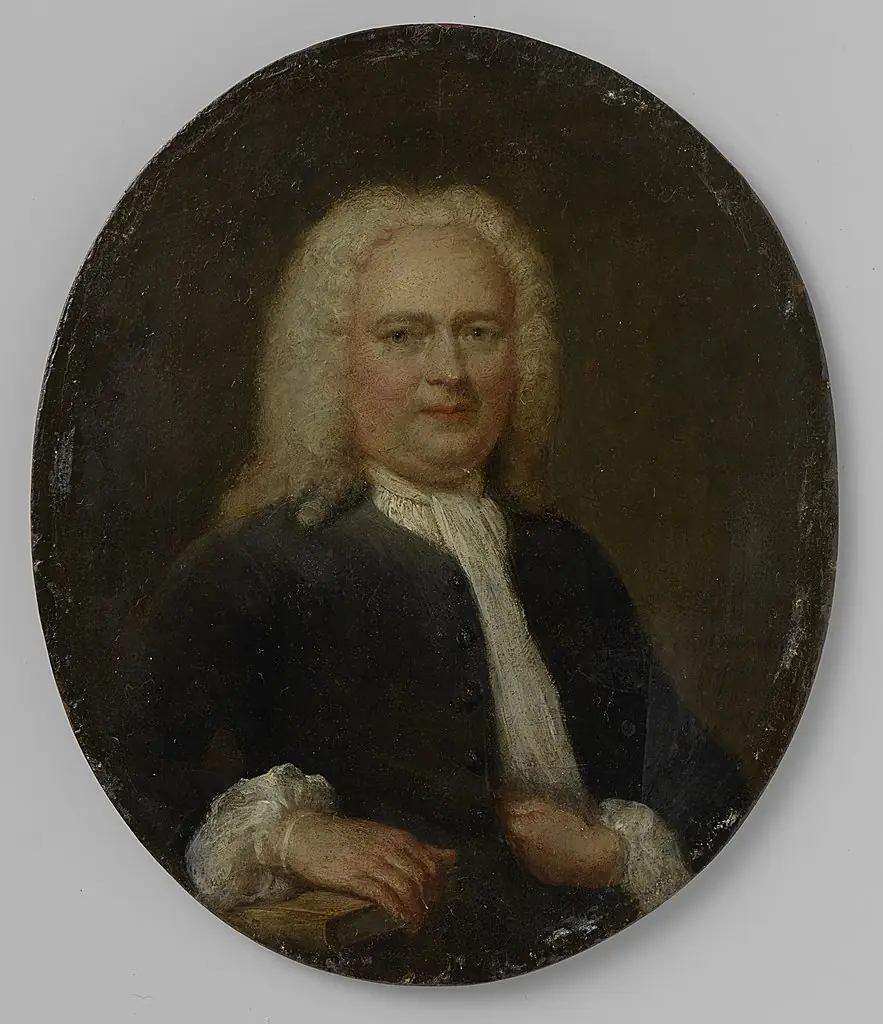 Portrait of a Man, perhaps a Member of the Klinkhamer Family
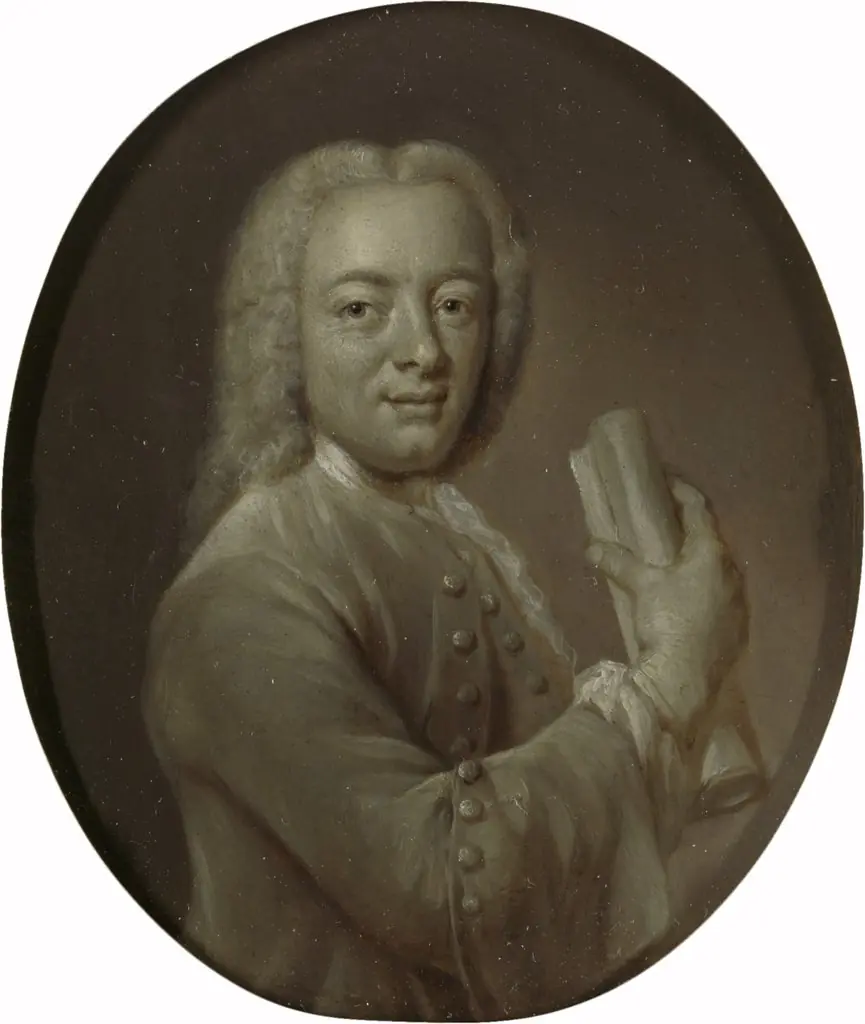 Portrait of Bernardus de Bosch I, Poet in Panpoeticon Batavum
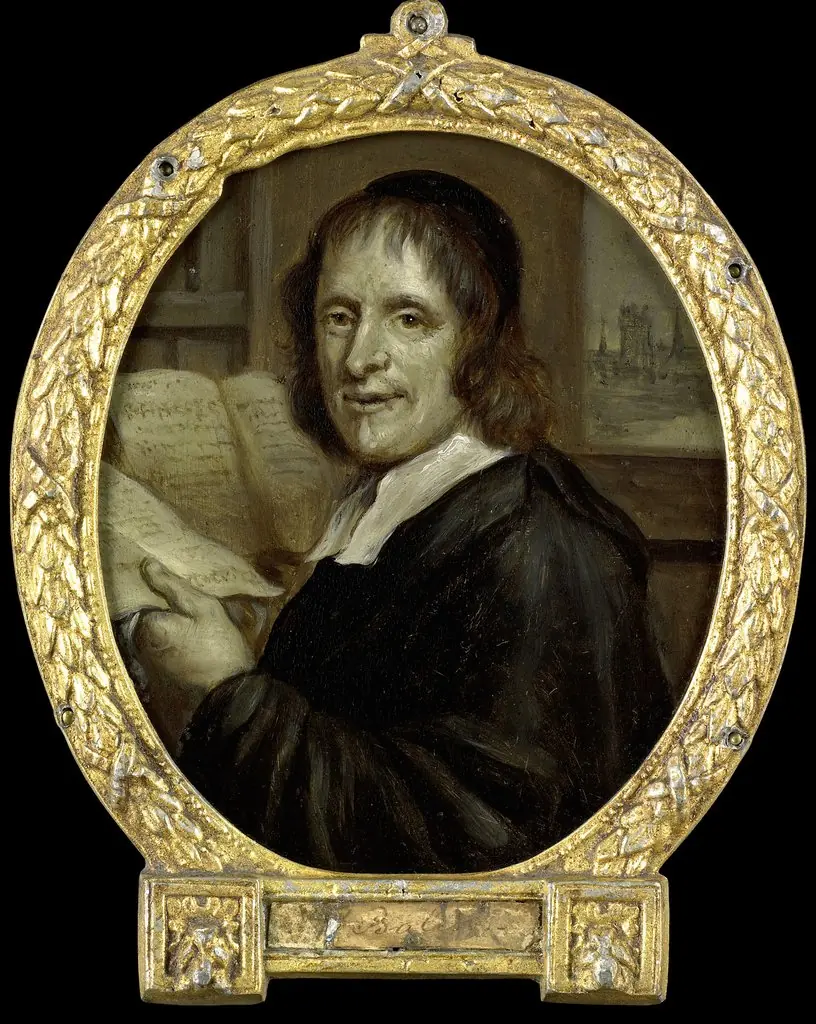 Matthijs Balen Jansz (1611-91), poet and chronicler of Dordrecht
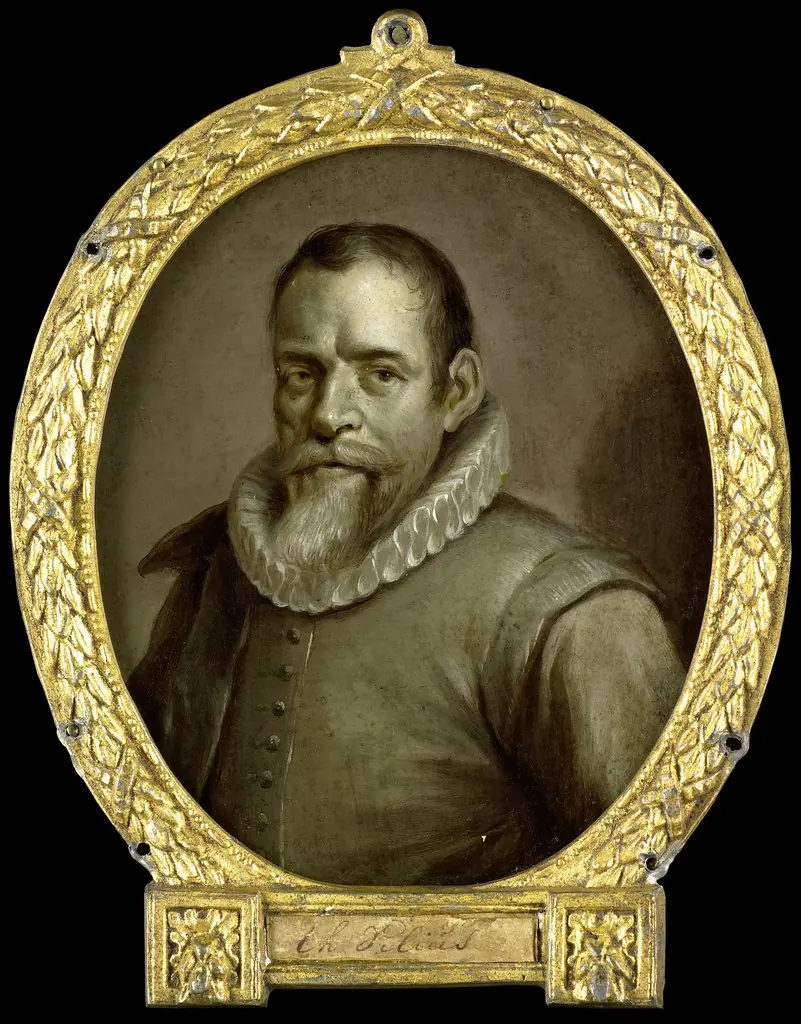 Portrait of Theodorus Velius, Writer of the Chronicle of Horn
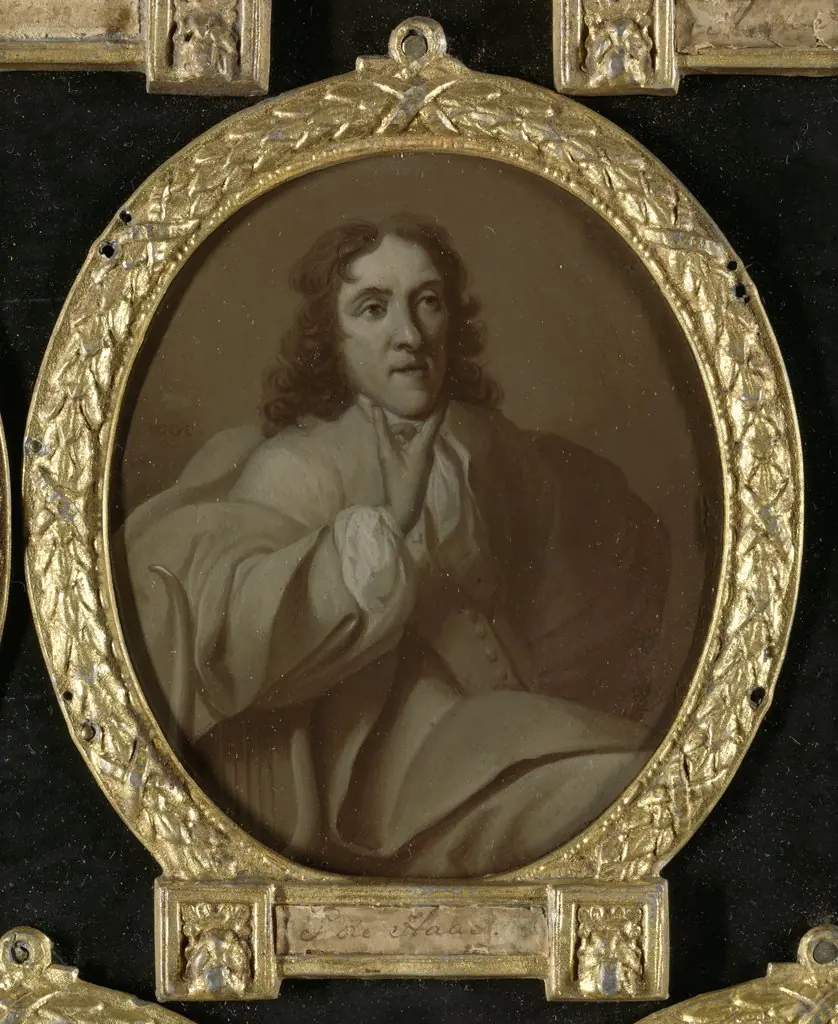 Portrait of Frans de Haes, Poet and Linguist in Rotterdam
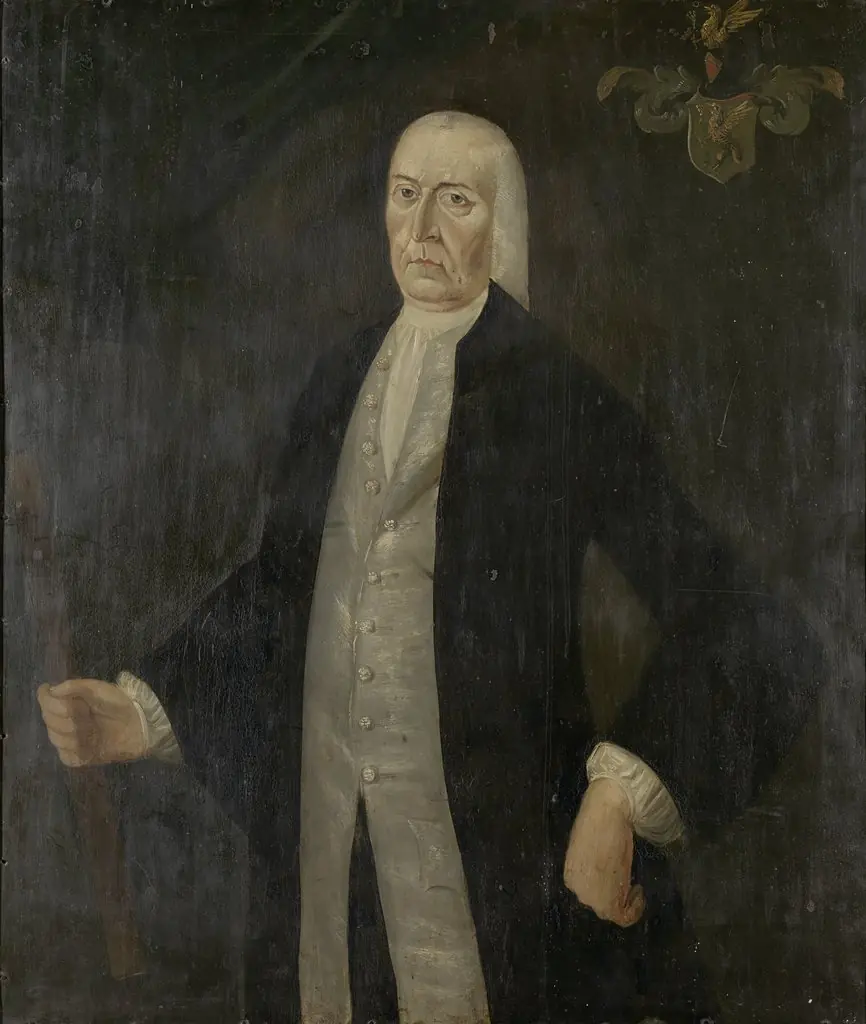 Portrait of gouverneur-generaal Jeremias van Riemsdijk
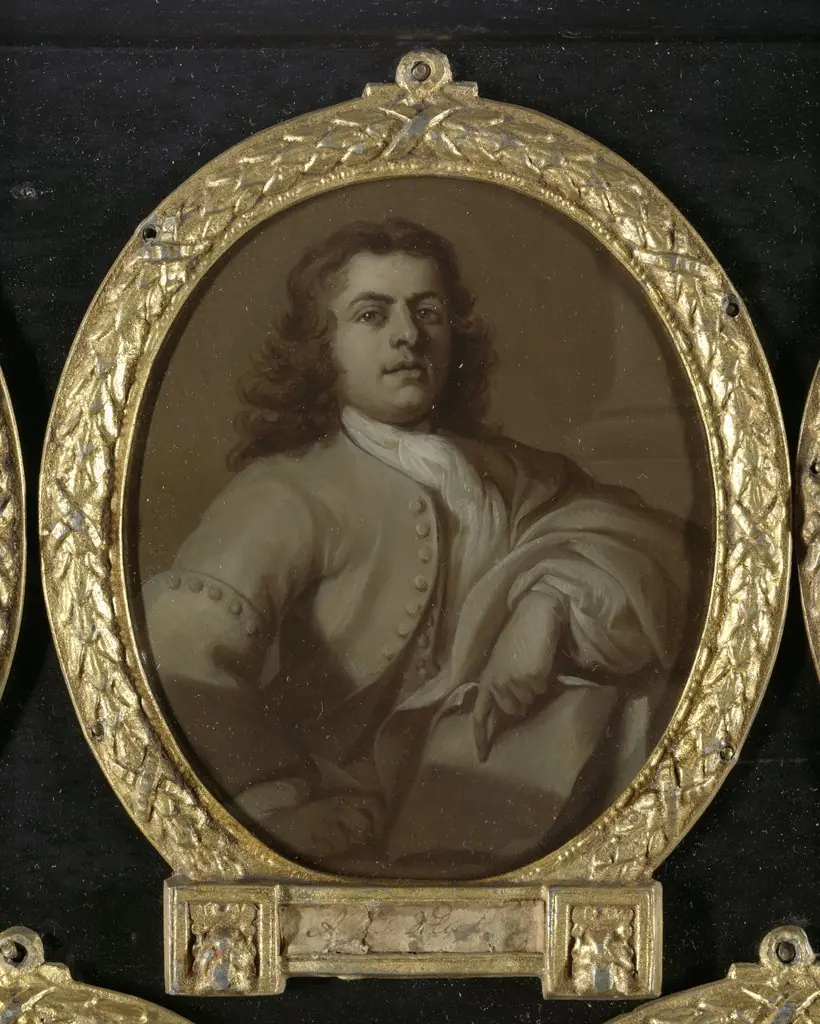 Portrait of Adriaan van der Vliet, Poet in Rotterdam
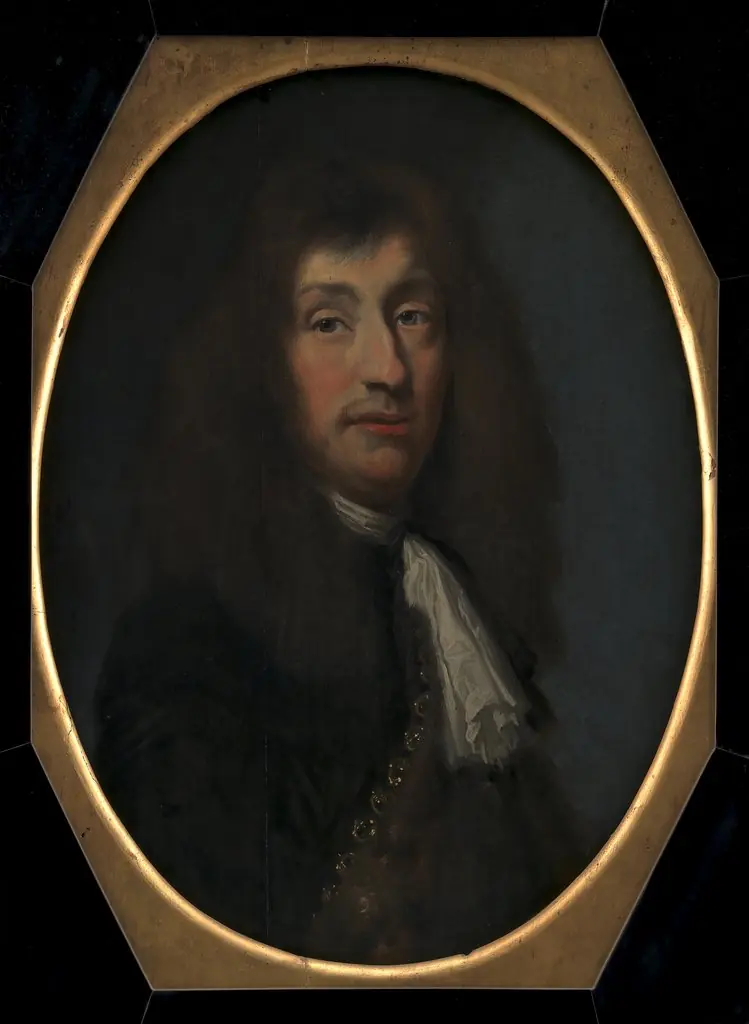 Ulrik Frederik Gyldenløve
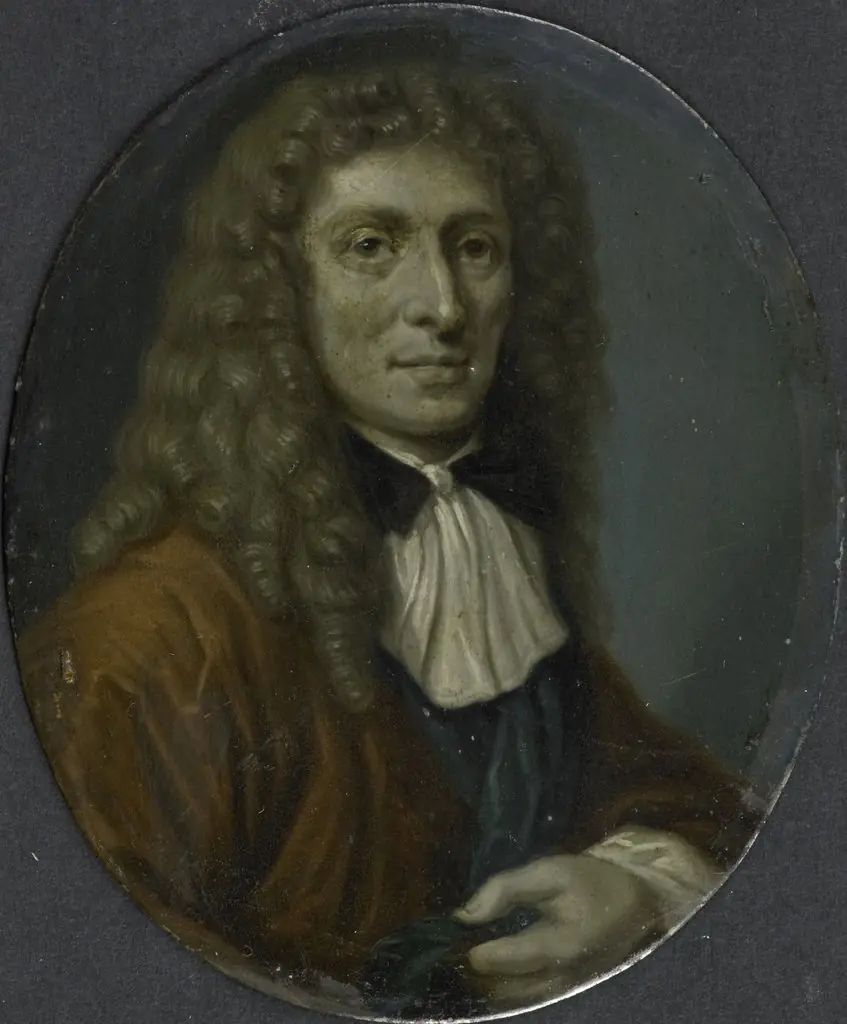 Portrait of Govert Bidloo
 Portrait of Andries Pels (1631-81)
 Portrait of Isaac Verburg, Rector of the Latin School in Amsterdam