Artwork
Ferdinand III of Bohemia and Hungary
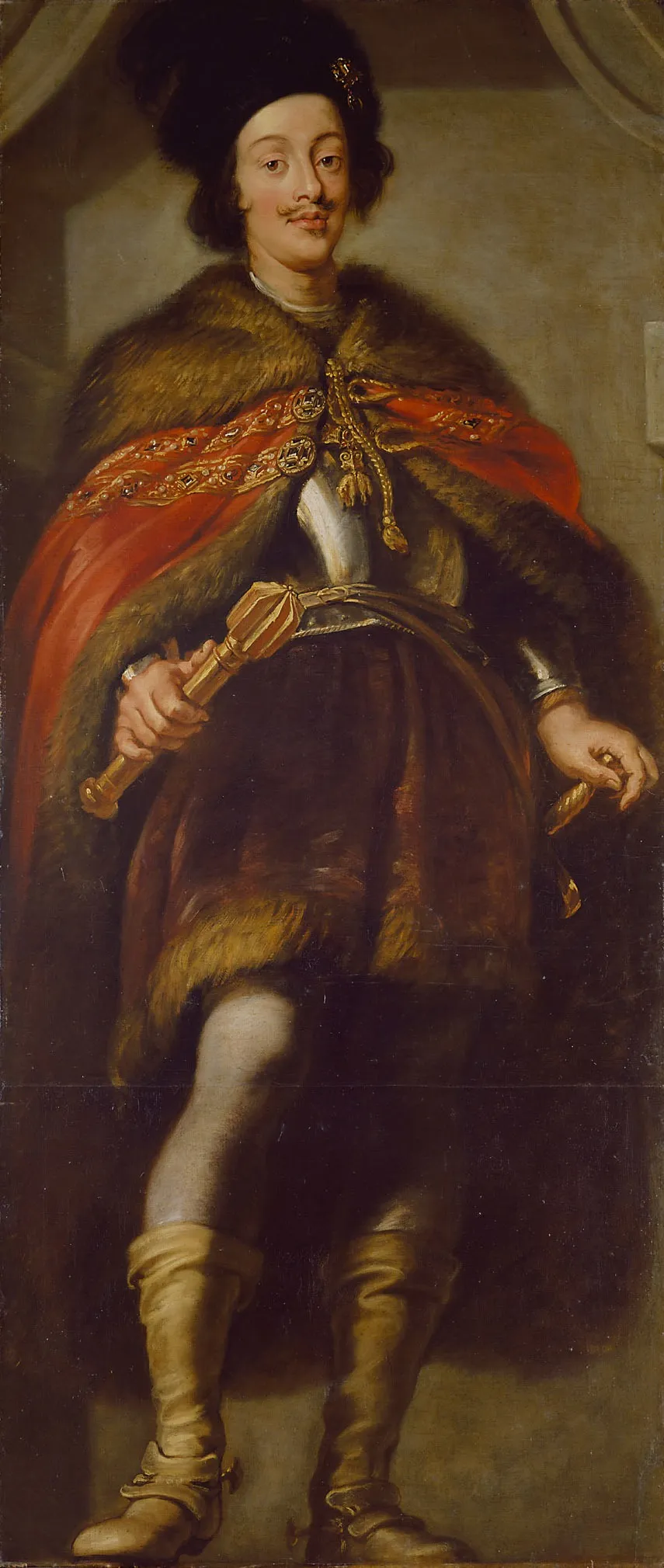
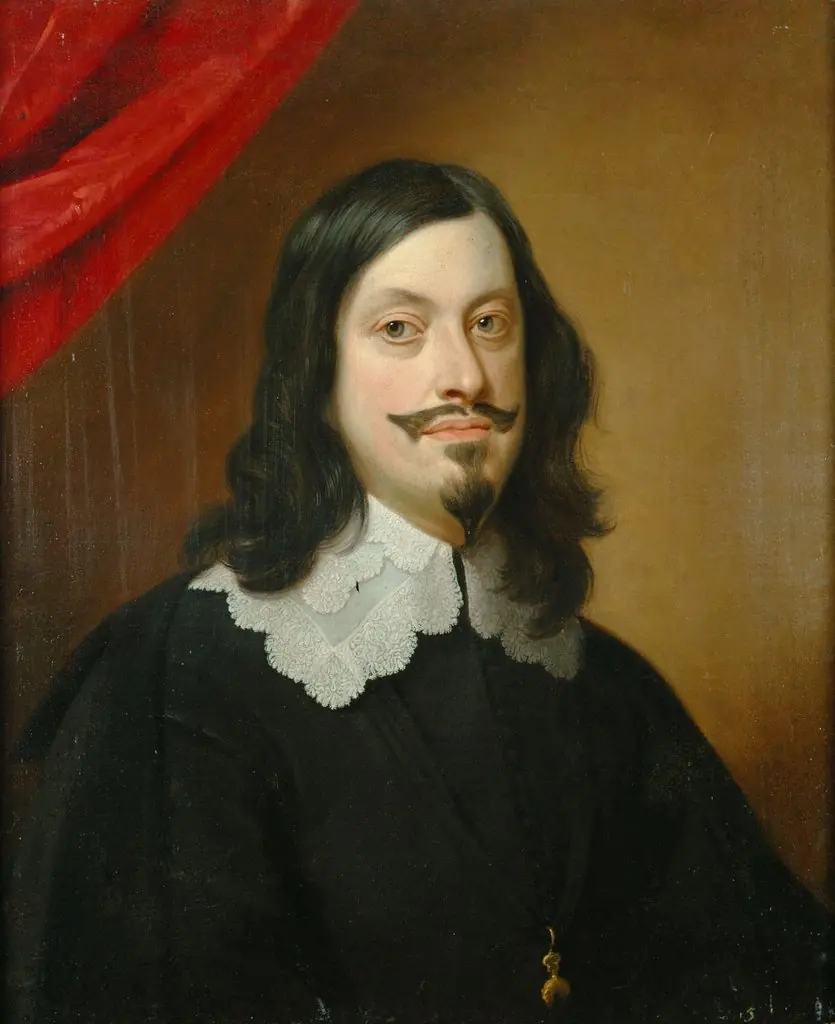
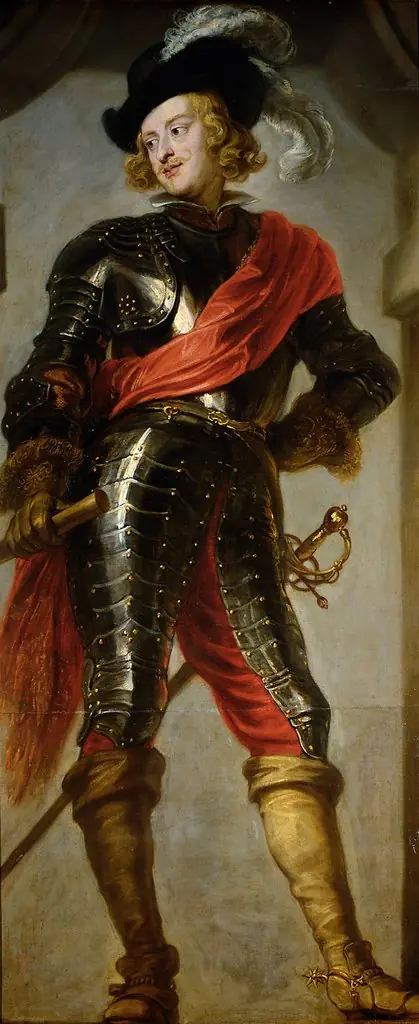
Ferdinand III of Bohemia and Hungary is a color painting by the Flemish Baroque painting artist Jan van den Hoecke. It dates from 1634 and is held in the collection of the Kunsthistorisches Museum.
About this work
Technique & Style
The work functions as a formal portrait, capturing the Holy Roman Emperor in a composition that measures 260 cm in height and 113 cm in width.
Created by Jan van den Hoecke in 1634, this portrait of Ferdinand III is executed in color on a canvas support. The work functions as a formal portrait, capturing the Holy Roman Emperor in a composition that measures 260 cm in height and 113 cm in width. Housed within the Kunsthistorisches Museum, the painting presents the subject with the scale and materiality typical of high-status portraiture from the mid-17th century.
History & Provenance
The portrait of Ferdinand III of Bohemia and Hungary was painted in 1634 by Jan van den Hoecke. It entered the collection of the Kunsthistorisches Museum, where it remains on display. The work was created as a likeness of the Holy Roman Emperor and Holy Roman King, reflecting contemporary court portraiture. Its dimensions are 260 cm by 113 cm, and it is executed in oil on canvas.
Context
Jan van den Hoecke painted this 1634 oil portrait during his tenure as court painter to Ferdinand III, capturing the Habsburg ruler in a style that blended Viennese ceremonial grandeur with emerging Baroque dynamism. The work entered the Kunsthistorisches Museum collection shortly after its creation, where it has been studied as a key example of early 17th-century Central European portraiture that bridges Mannerist conventions and the rising naturalistic aesthetic of the Habsburg court. Scholars have highlighted its significance in mapping the visual language of imperial authority during a period of religious conflict, noting how van den Hoecke’s treatment of drapery and spatial depth influenced later court painters across the Holy Roman Empire.
Overview
Ferdinand III of Bohemia and Hungary is a 1634 portrait by Jan van den Hoecke, a Flemish painter trained in Rubens’ studio and influenced by his time in Rome. The work is characteristic of the Flemish Baroque style.
Subject & Meaning
The portrait depicts Ferdinand III, Holy Roman Emperor, in formal, symbolic attire, emphasizing his imperial status through regal garments and accessories.
Artist & collection

Artist
Jan van den Hoecke (baptised on 4 August 1611 – 1651) was a Flemish painter, draughtsman and designer of wall tapestries.

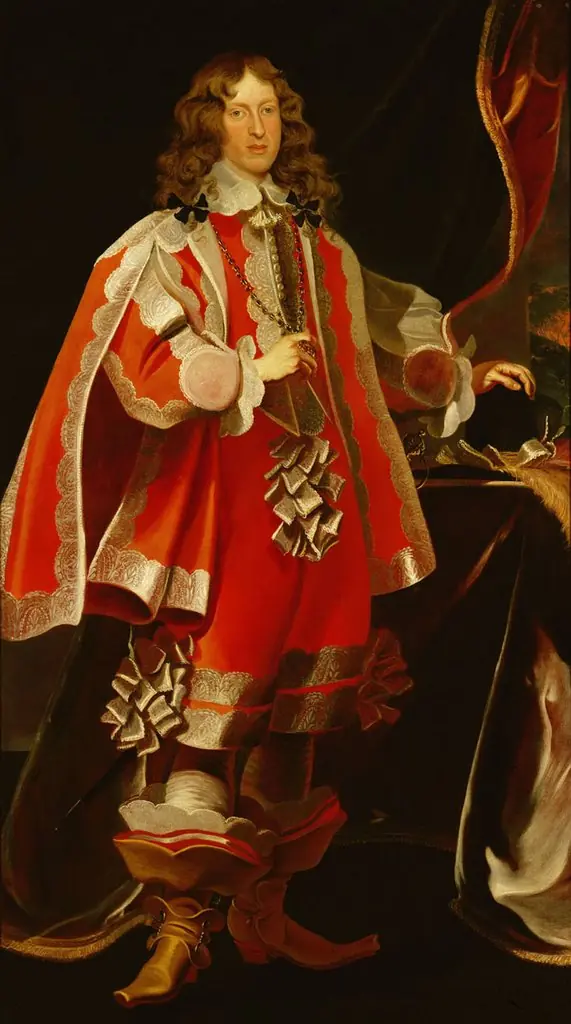
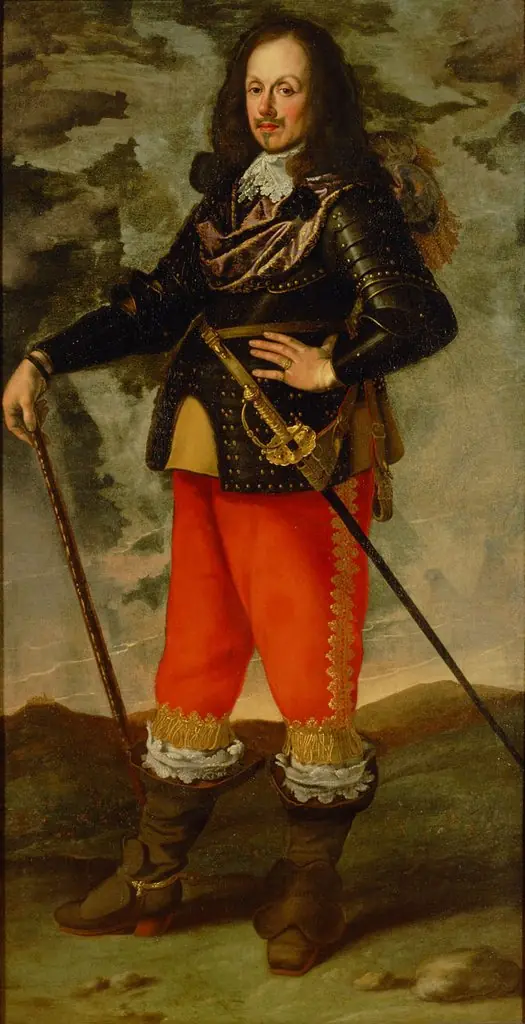 Mattias de' Medici (1613-1667)
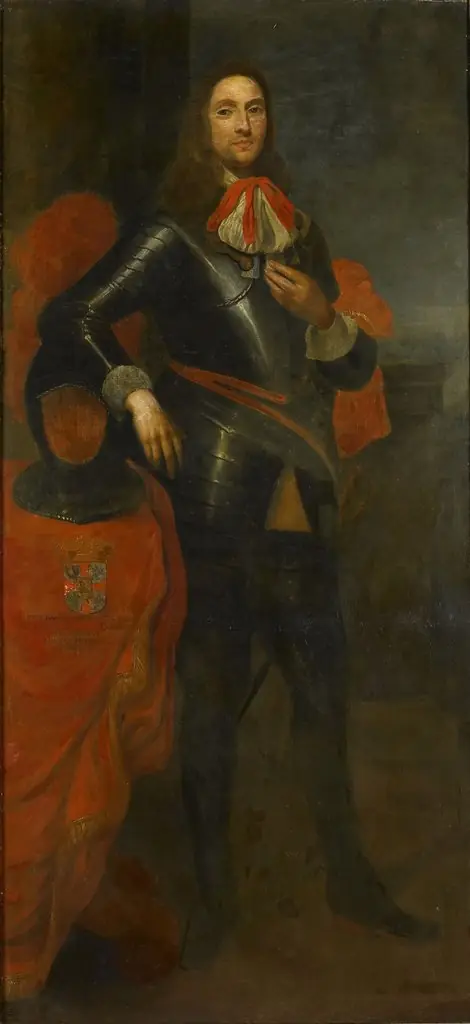 Portrait of Ferdinand Carolus Gonzaga Duke of Mantua (1652-1708)
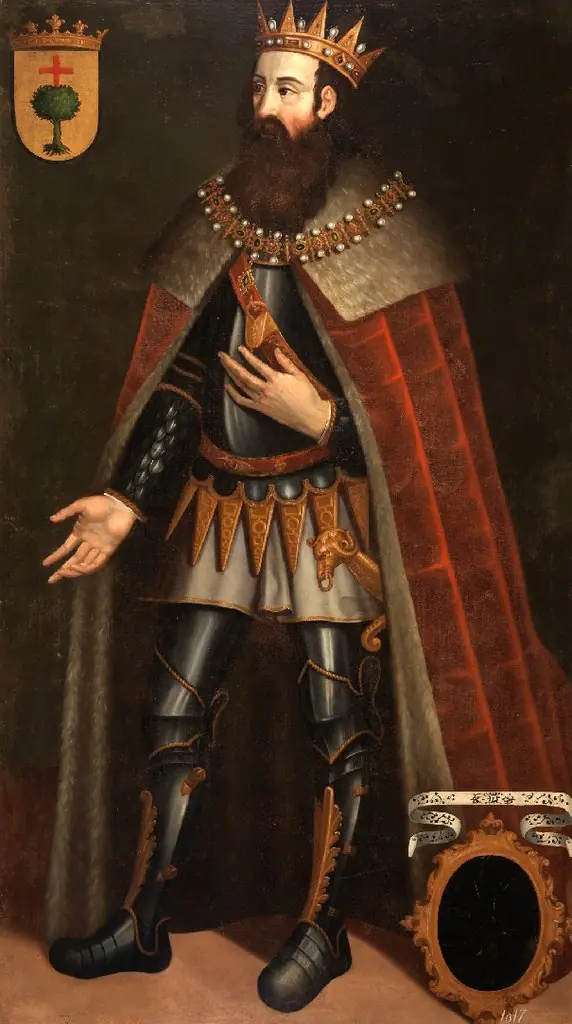 Fortunio Garcés I III rey de Sobrarbe
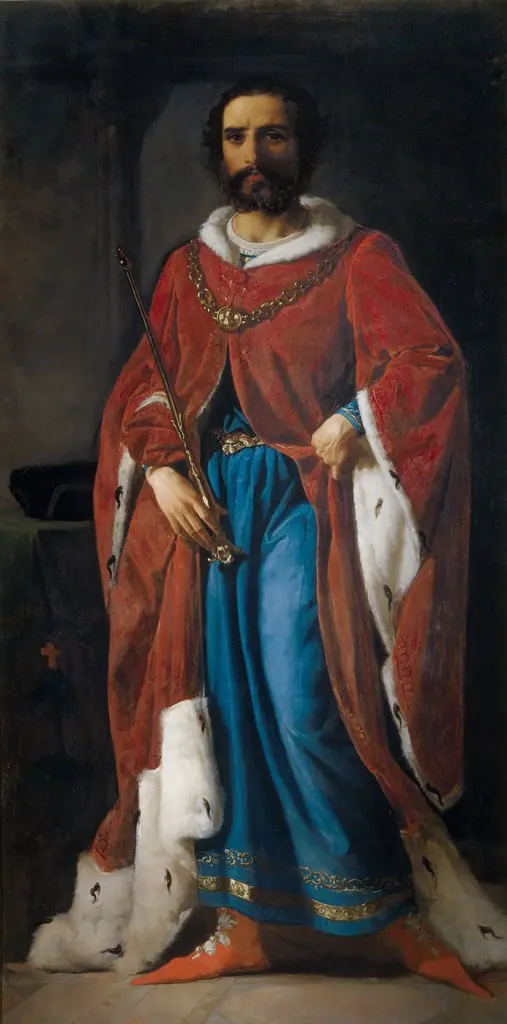 Don García Aznar; conde de Aragón
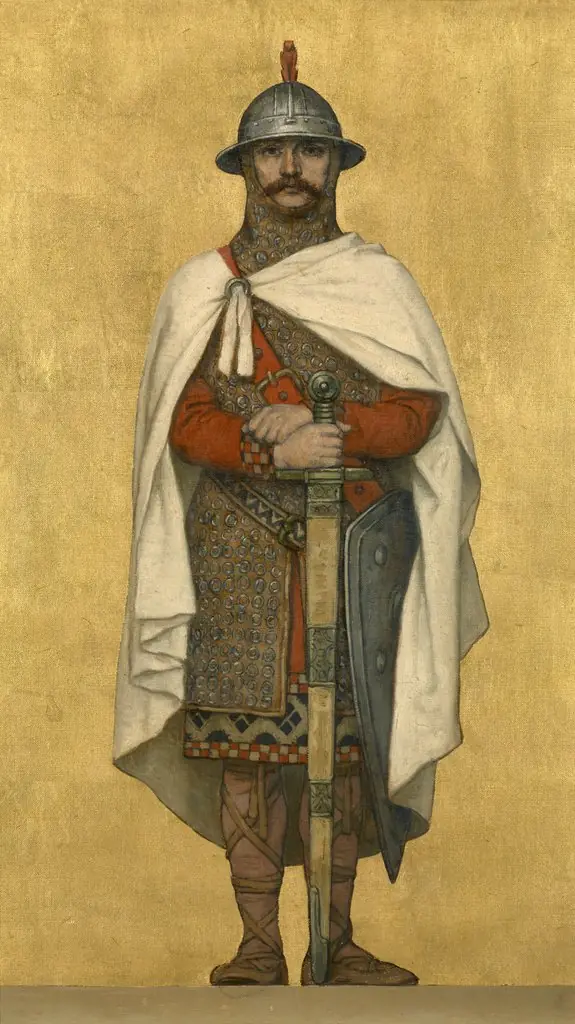 Baldwin I of Constantinople
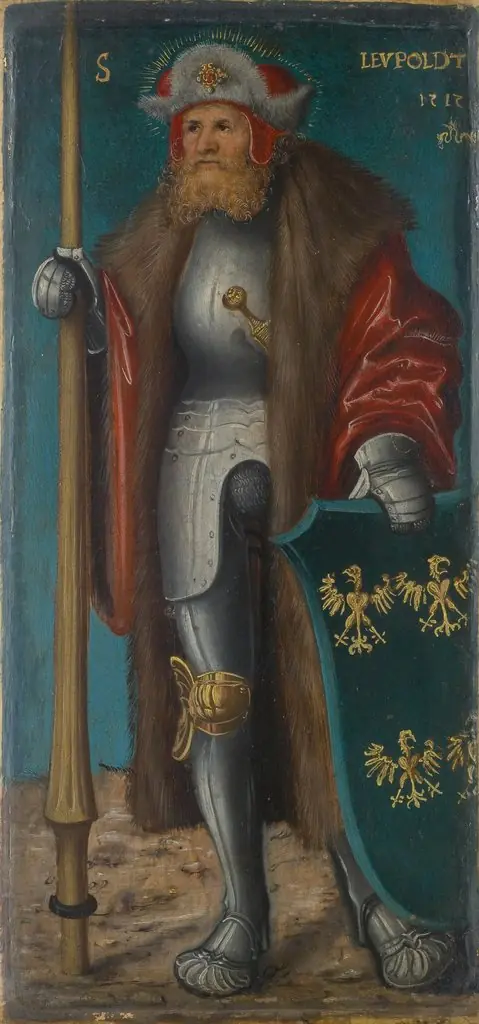 Leopold III, Margrave of Austria
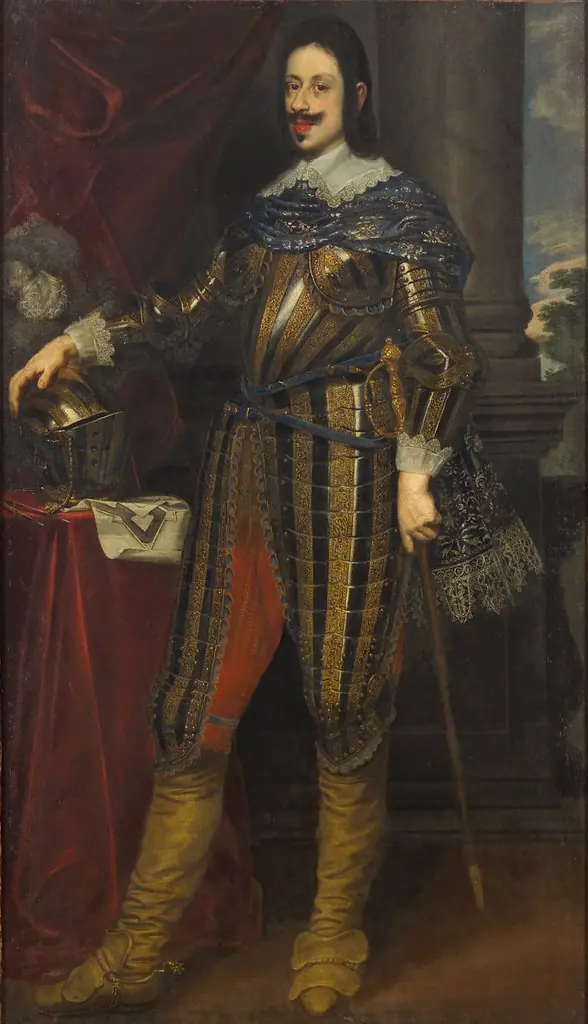 Grand-duke Ferdinand II of Tuscany (1610-1670) in Armour
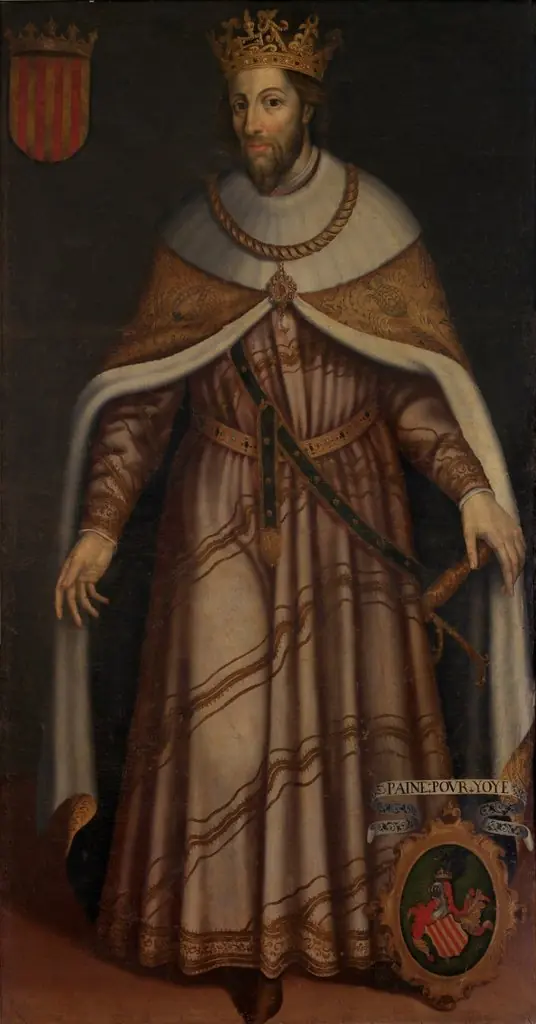 Pedro III El Grande
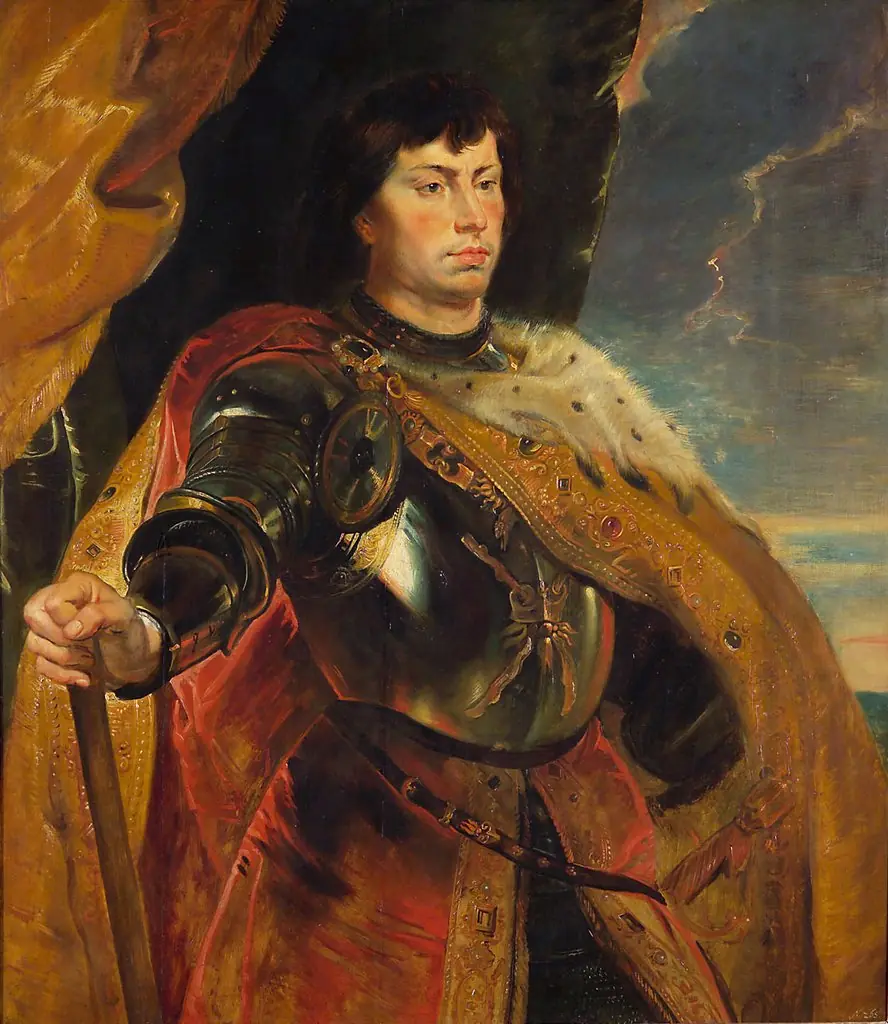 Charles the Bold
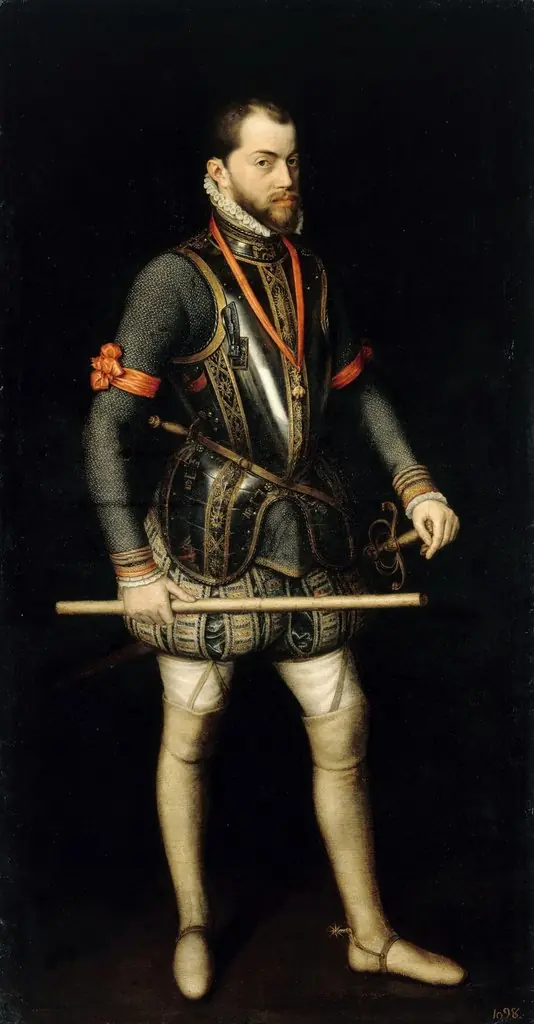 Portrait of Philip II of Spain (1527-1598)
- Ferdinand Charles, Archduke of Further Austria