Artwork
Breton Landscape
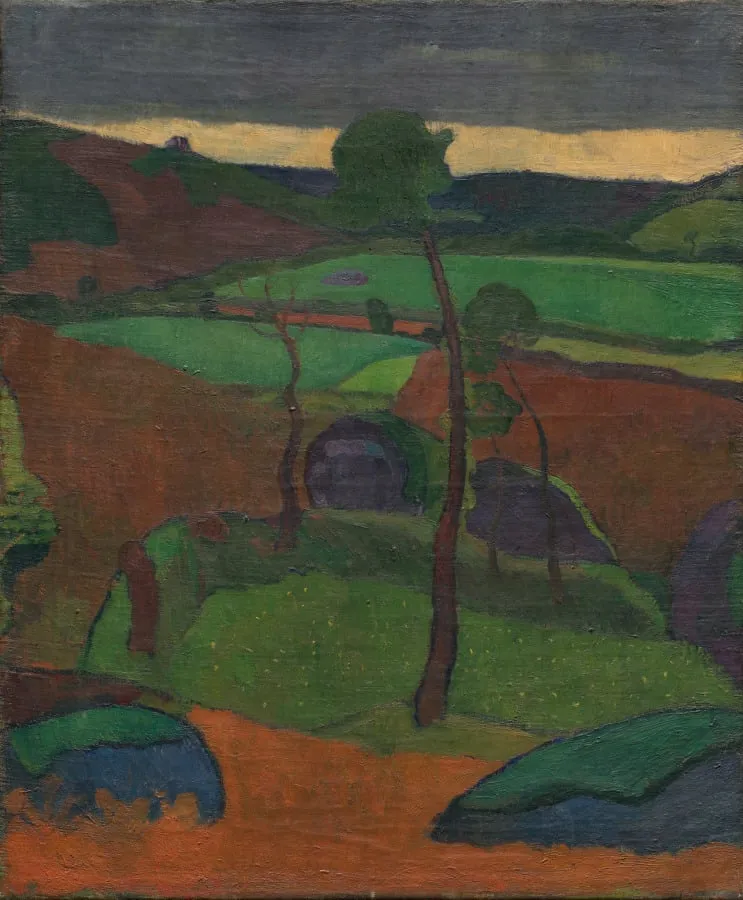
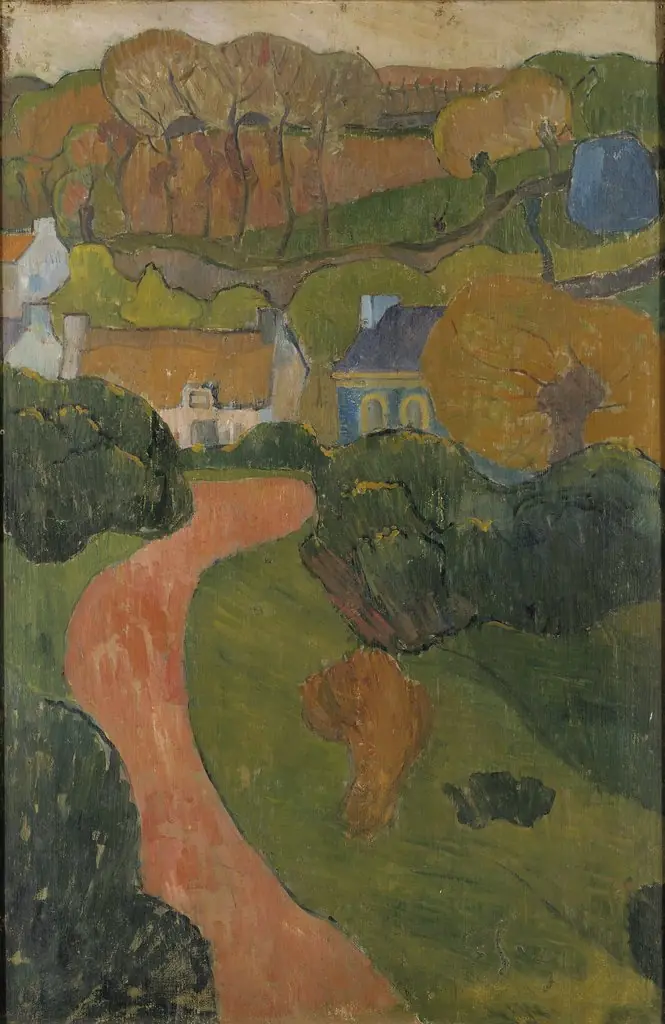
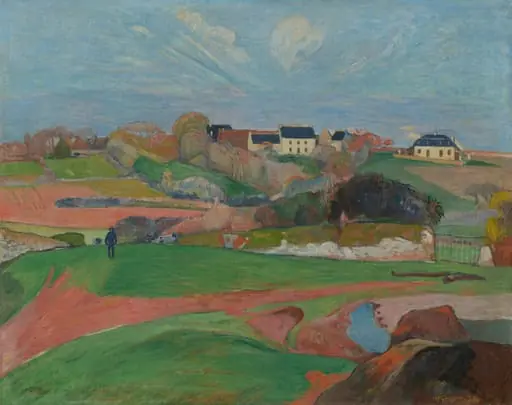
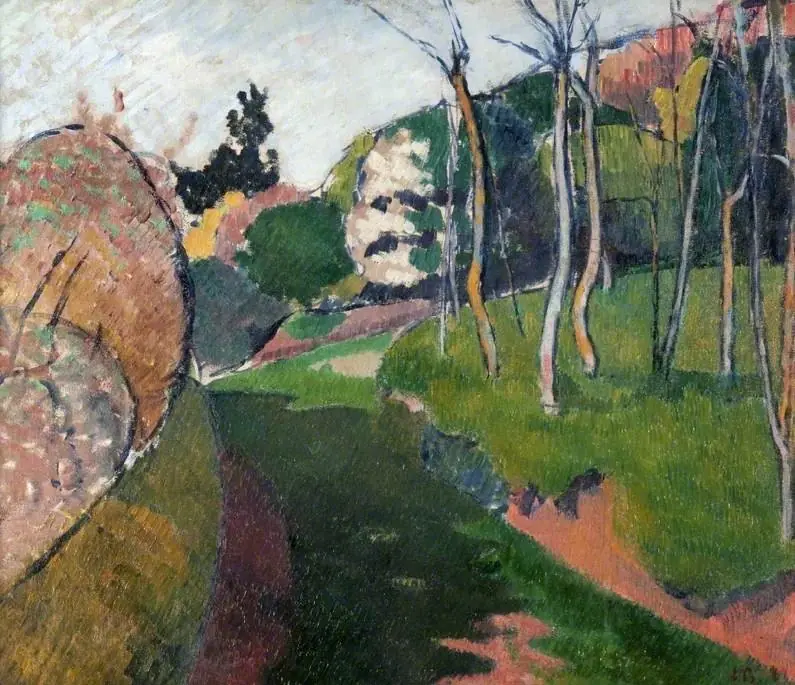
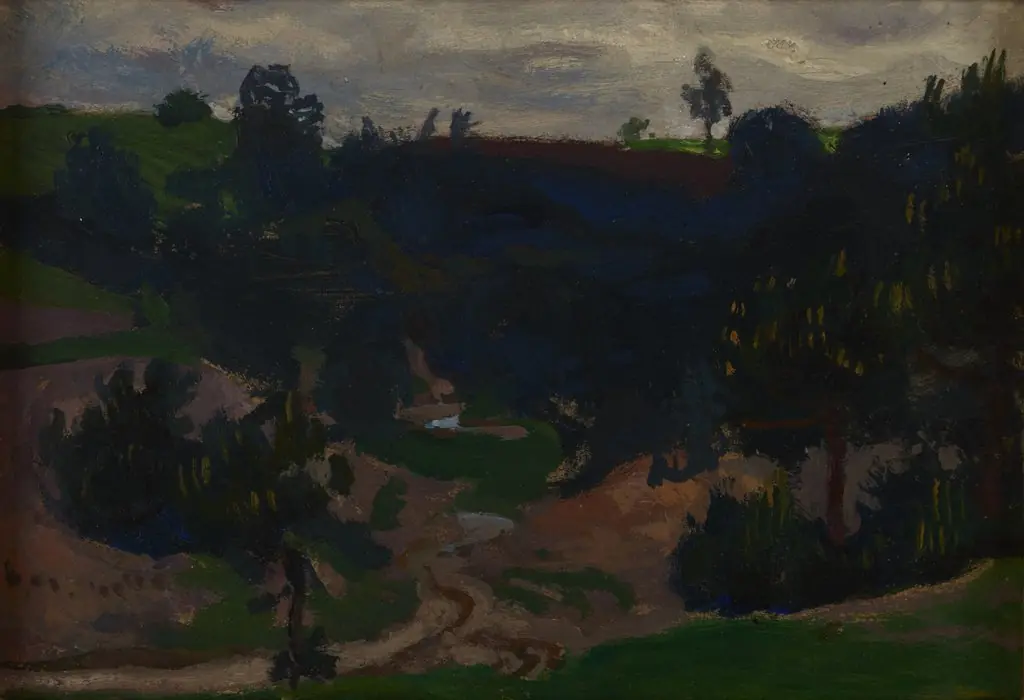
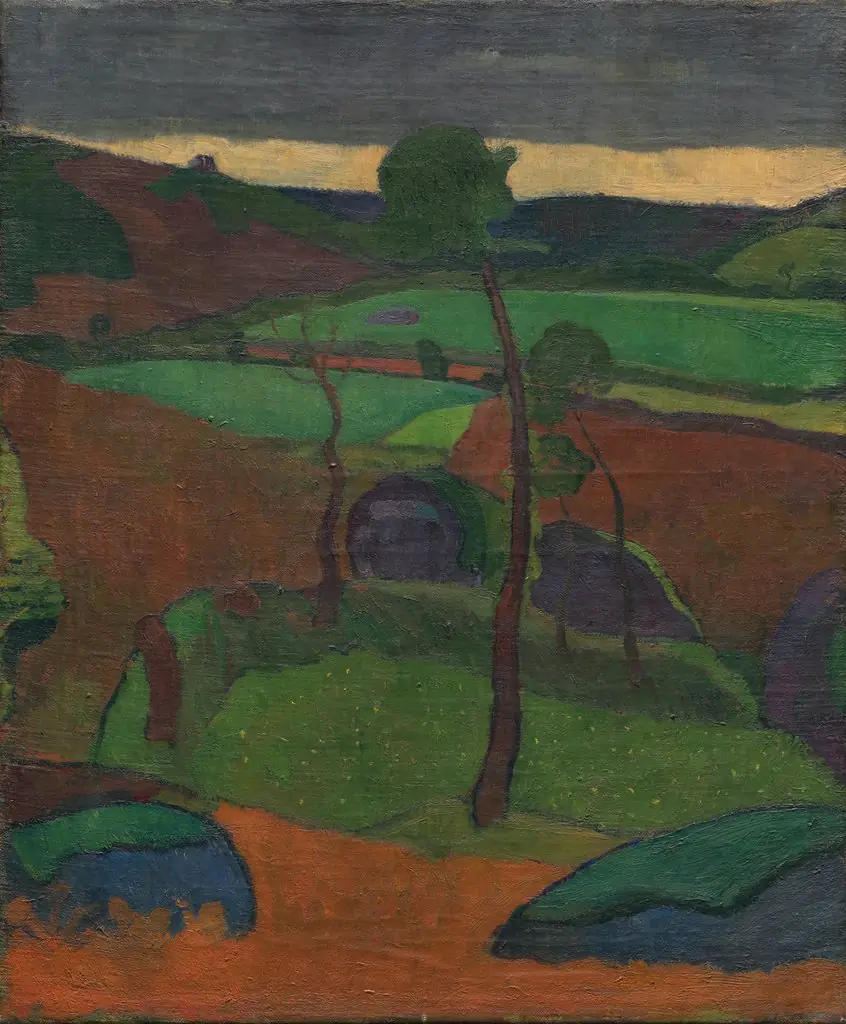
Breton Landscape is an unspecified painting by the Impressionist artist Jan Verkade. It dates from 1892 and is held in the collection of the Cleveland Museum of Art.
- Accession no.
- 2020.117
- Credit line
- Nancy F. and Joseph P. Keithley Collection Gift
About this work
The landscape’s wild beauty pulled him in, but so did something deeper: while there, he converted to Catholicism, which soon changed his art for good.
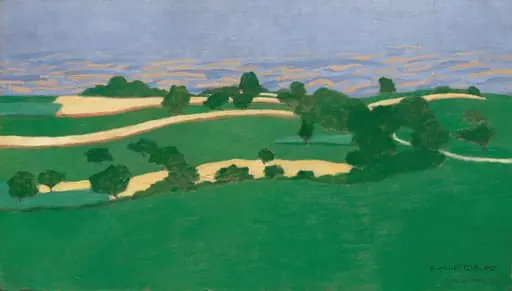
You see rolling green hills, a quiet village, and a sky full of soft clouds, all bathed in gentle light.
Verkade painted this in Brittany, a place that felt nothing like his flat Dutch homeland. The landscape’s wild beauty pulled him in, but so did something deeper: while there, he converted to Catholicism, which soon changed his art for good.
To see how his work shifted after this moment, look up Jan Verkade (Dutch, 1868–1946).
Overview
Jan Verkade, a Dutch painter, produced a series of landscapes during extended stays in Brittany, a region in northwestern France. The area’s topography, distinct from the flat plains of his native Amsterdam, offered a compelling visual and emotional contrast. These works marked a transitional phase in his career, preceding a profound shift in both subject matter and spiritual orientation.
Subject & Meaning
The painting depicts undulating green hills, a modest village nestled among them, and a sky softened by drifting clouds. The scene conveys quietude rather than drama, reflecting Verkade’s personal engagement with the land. Beyond its topographical accuracy, the landscape became a vessel for inner transformation, as the region’s atmosphere and cultural depth drew him toward a spiritual awakening.
Technique & Style
Verkade employed a restrained palette and gentle brushwork to evoke the subdued light and textured terrain of rural Brittany. His approach avoids dramatic contrasts, favoring harmonious tonal transitions that mirror the calm of the environment. The composition is open and unhurried, emphasizing spatial depth and atmospheric cohesion over detail, aligning with Symbolist tendencies of the time.
History & Provenance
Created during Verkade’s time in Brittany in the late 1880s or early 1890s, the work emerged from a period of personal and artistic reorientation. His conversion to Catholicism shortly after arriving in the region redirected his focus from secular landscapes to religious imagery. This painting stands as one of the last of his purely landscape-oriented works before his full transition to sacred art.
Context
Brittany in the late 19th century attracted artists seeking alternatives to urban modernity, drawn by its preserved rural traditions and strong Catholic identity. Verkade joined a broader movement of painters who found inspiration in the region’s cultural resilience. His experience there was not merely aesthetic but deeply spiritual, aligning him with contemporaries who viewed art as a conduit for transcendence.
Legacy
Though this landscape is part of a brief phase in Verkade’s career, it anchors his evolution from secular painter to religious artist. His later works in sacred art, influenced by the spiritual climate of Brittany, gained recognition within Catholic artistic circles. This painting remains a quiet testament to the moment when place and belief converged to alter the course of his artistic path.
Artist & collection
Artist
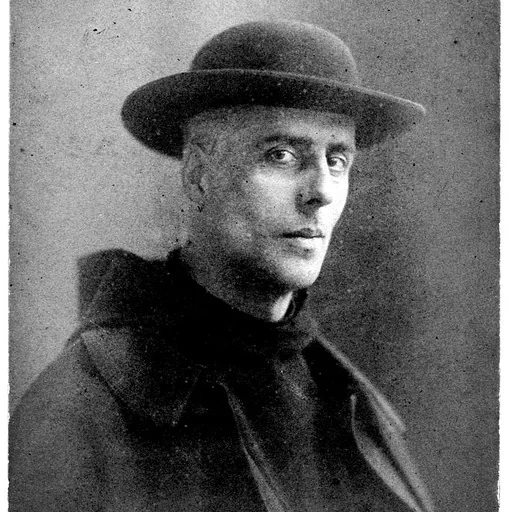
Johannes Sixtus Gerhardus "Jan" Verkade (18 September 1868 – 19 July 1946), afterwards Willibrord Verkade O.S.B., was a Dutch Post-Impressionist and Christian Symbolist painter.