Artwork
The finding of Moses
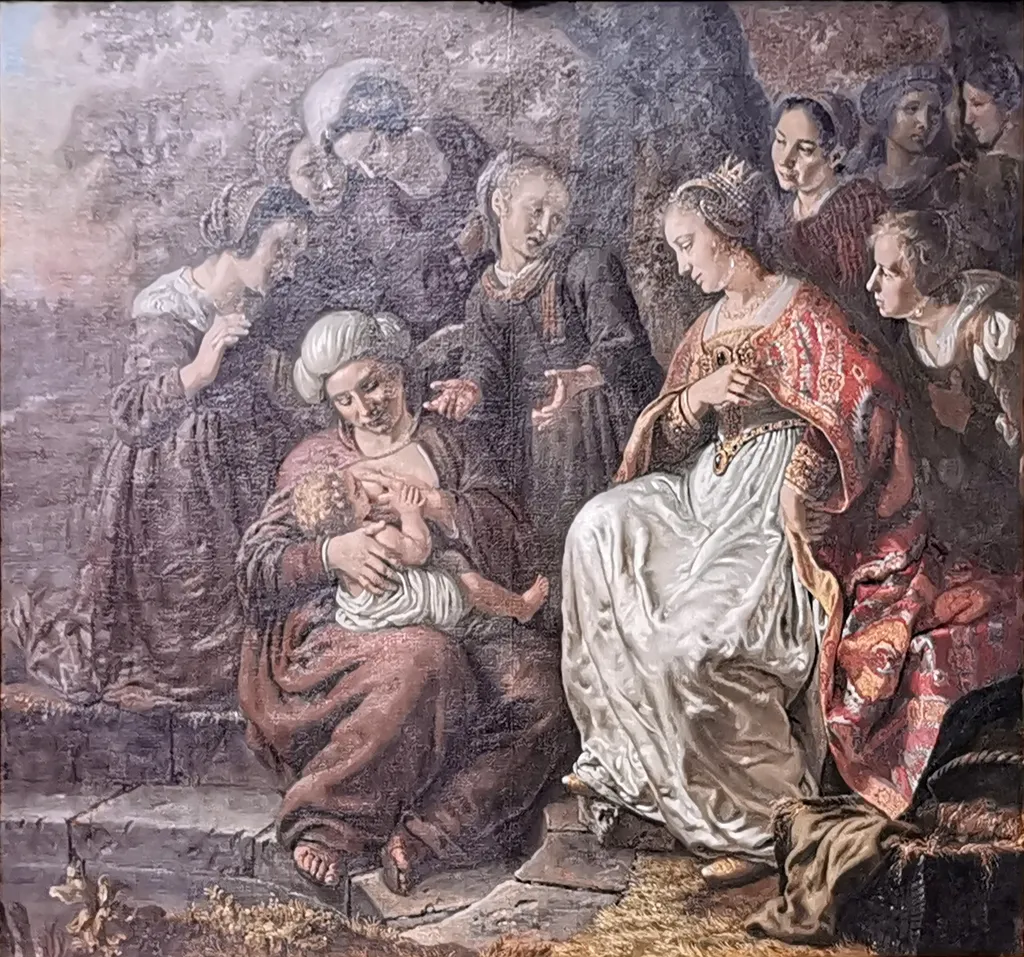
The finding of Moses is an oil painting by the Dutch Golden Age artist Jan Victors. It dates from 1653 and is held in the collection of the Staatliche Kunstsammlungen Dresden.
About this work
Overview
The composition emphasizes quiet solemnity over dramatic spectacle, aligning with the restrained aesthetic of Protestant Dutch painting at the time.
Painted in 1653 by Jan Victors, this oil-on-canvas work illustrates the biblical story of Moses being discovered by Pharaoh’s daughter. As a Dutch Golden Age artist, Victors specialized in Old Testament narratives, avoiding overtly Christian iconography due to his Calvinist beliefs. The composition emphasizes quiet solemnity over dramatic spectacle, aligning with the restrained aesthetic of Protestant Dutch painting at the time.
Subject & Meaning
The scene captures the moment when Pharaoh’s daughter finds the infant Moses in a basket along the Nile. Her tender gaze and protective posture convey maternal compassion, while the surrounding attendants observe in hushed reverence. The absence of divine symbols or supernatural elements reflects Victors’ adherence to Calvinist principles, focusing instead on human dignity and moral gravity within the sacred narrative.
Technique & Style
Victors employs chiaroscuro to model the central figures, drawing attention to the child and the princess through subtle contrasts of light and shadow. The white garments of the baby and the woman contrast with the rich red of her cloak, enhancing visual focus. Figures in the background are rendered with softer detail, creating spatial depth without distracting from the intimate core of the scene.
History & Provenance
The painting entered the collection of the Gemäldegalerie Alte Meister in Dresden, where it remains today. Its provenance traces back to 17th-century Dutch collectors who valued biblical subjects for their moral clarity. Victors’ reputation as a skilled narrator of scriptural episodes ensured the work’s preservation and recognition among European collections.
Context
In mid-17th-century Holland, religious painting shifted away from Catholic grandeur toward understated, psychologically grounded scenes. Victors’ work reflects this trend, favoring domesticated piety over theatricality. His avoidance of nudity and angels aligned with Calvinist norms, making biblical stories accessible as ethical lessons rather than devotional icons.
Legacy
Though less widely known than contemporaries like Rembrandt, Victors contributed to a distinct Dutch tradition of biblical storytelling grounded in restraint. His emphasis on quiet emotion and compositional clarity influenced later generations of history painters who sought to convey spiritual weight through understated realism rather than spectacle.
Own this work as a print
Artist & collection
Artist
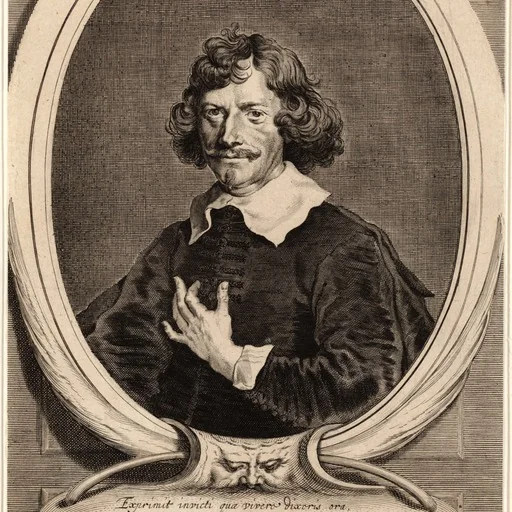
Jan Victors (or Fictor; 1619 – 1676) was a Dutch Golden Age painter mainly of history paintings of Biblical scenes, with some genre scenes.

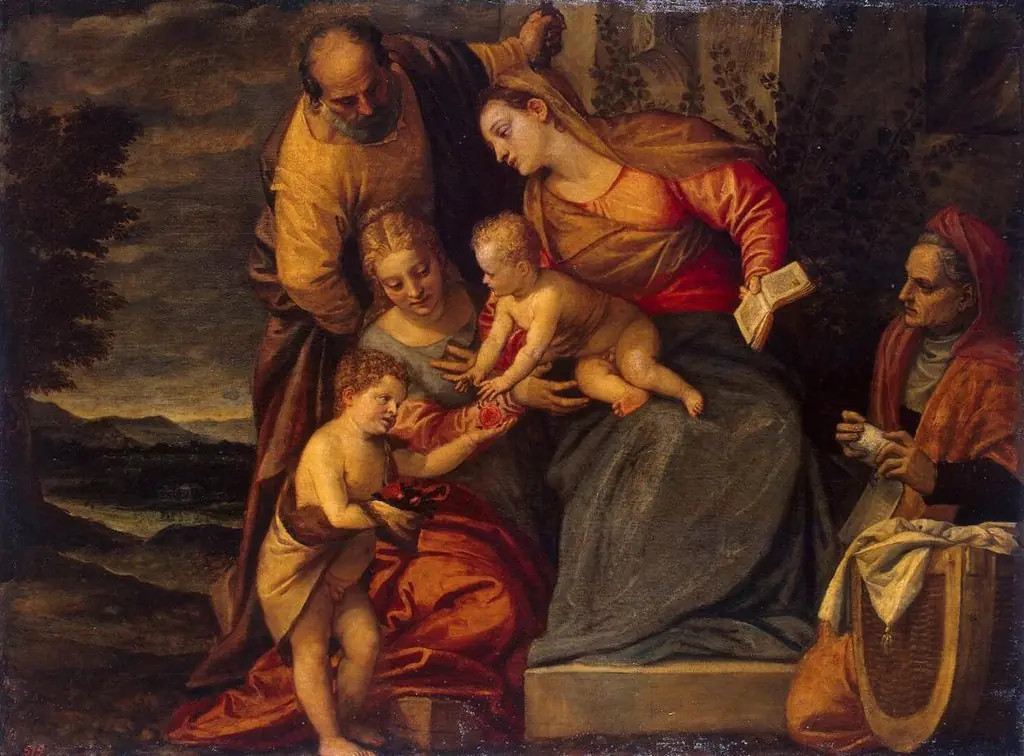 Holy Family with Sts Catherine, Anne and John
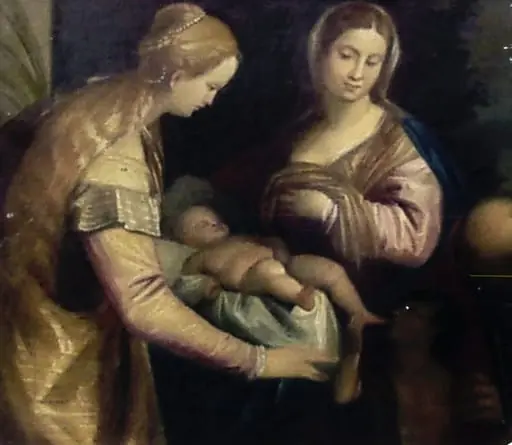 Sfânta familie
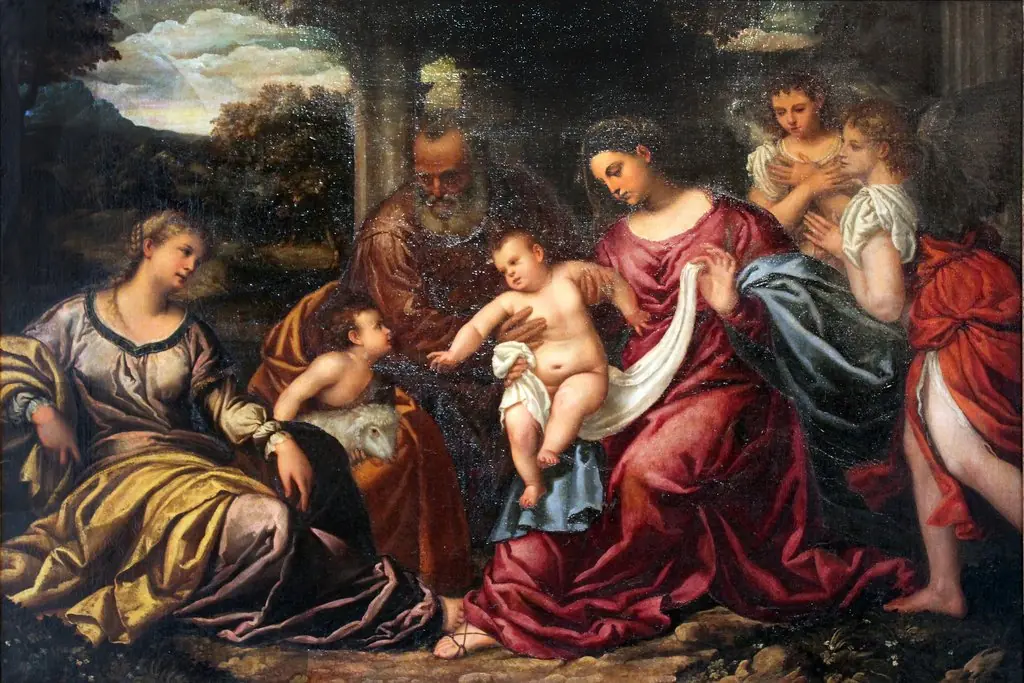 The Holy Family
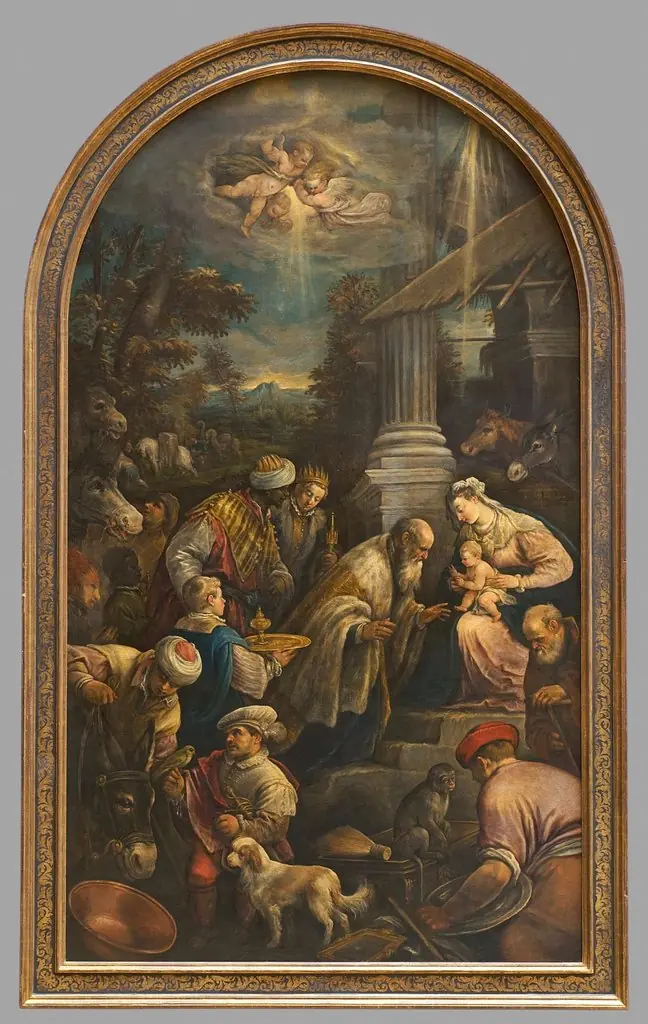 Adoration of the Magi
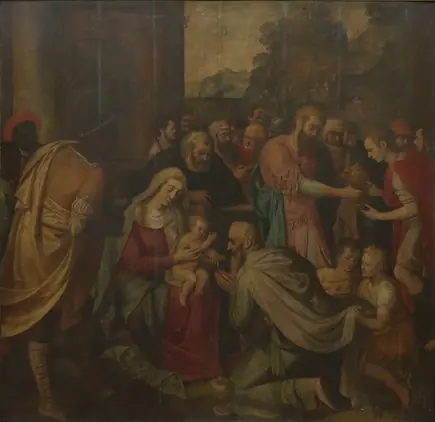 Triptych with the Adoration of the Magi
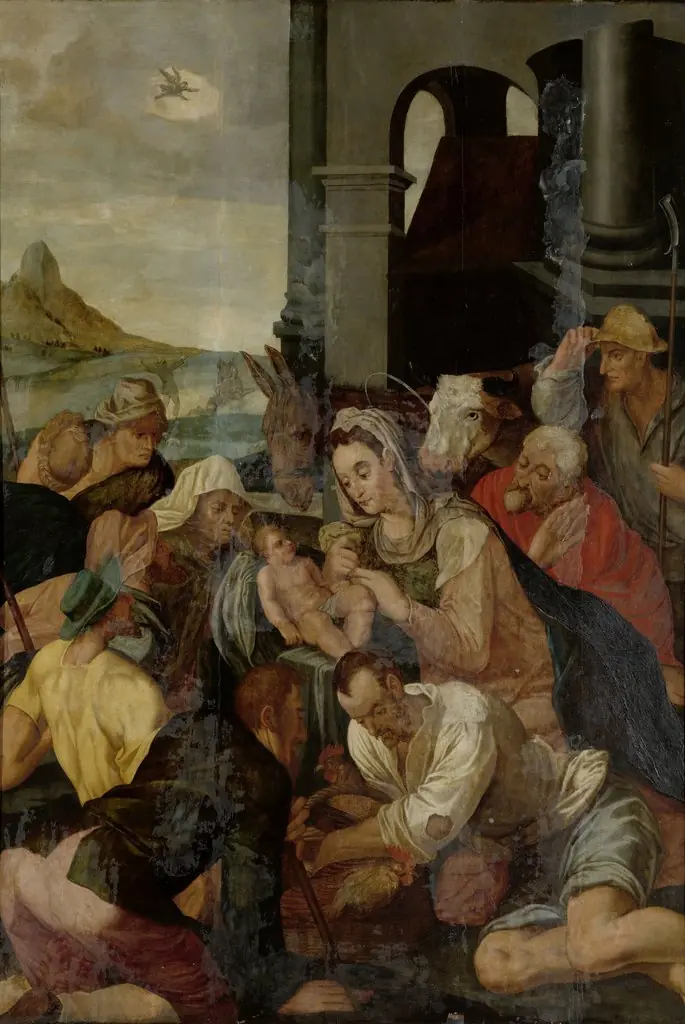 Adoration of the Shepherds
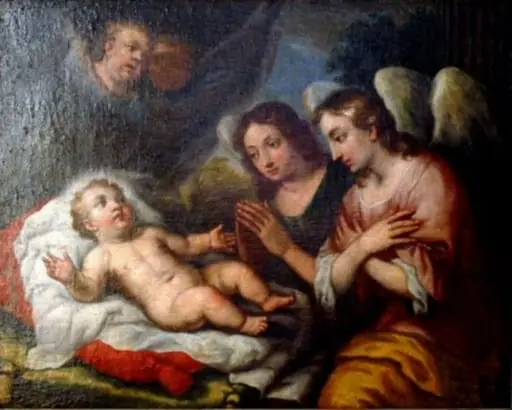 Îngeri adorând pe Iisus
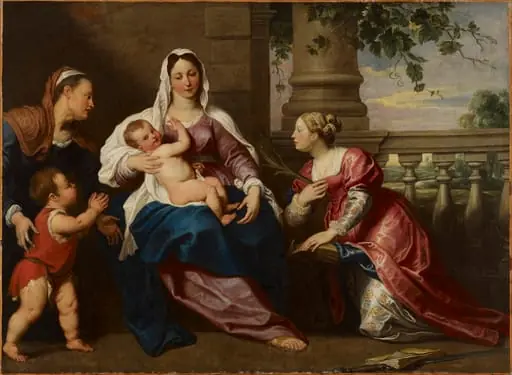 Sacra Conversazione
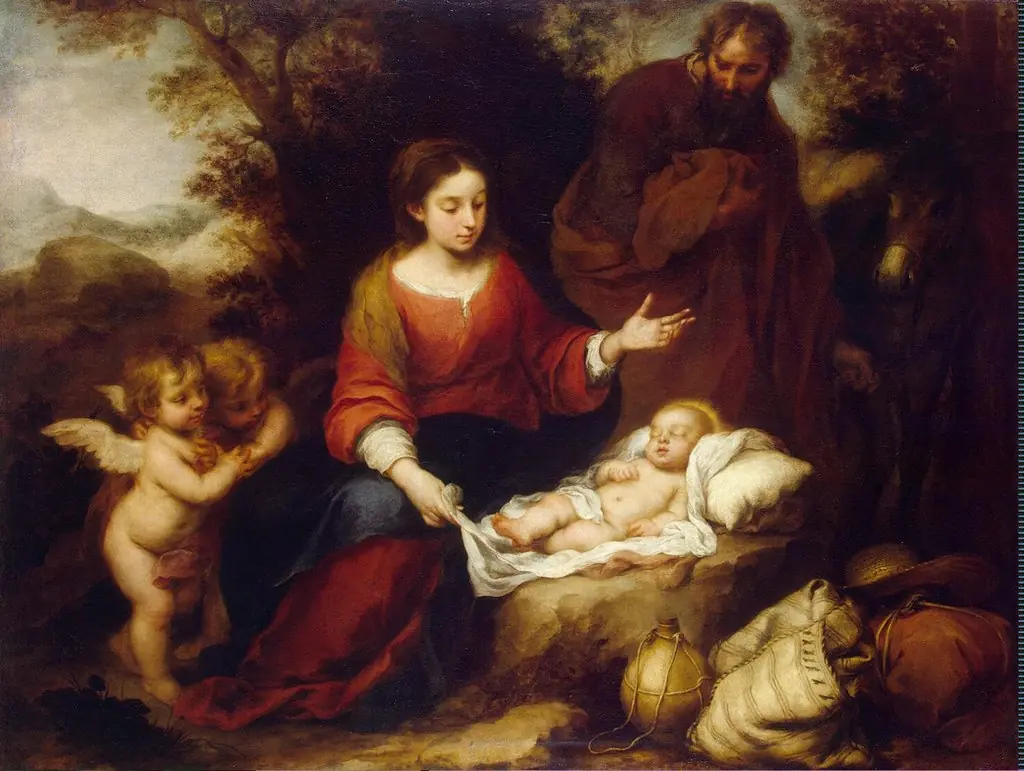 Rest on the Flight into Egypt
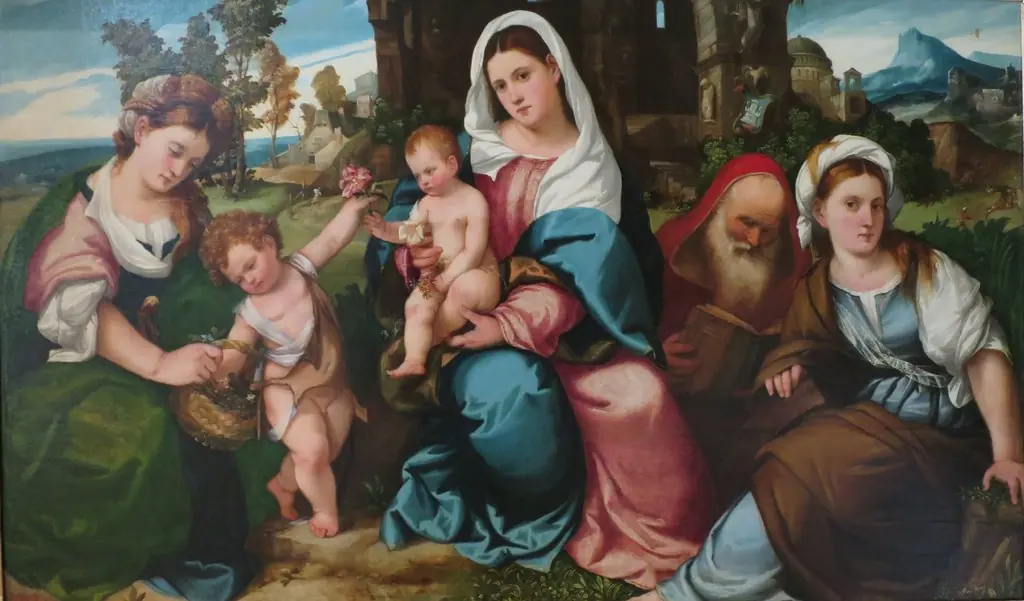 Madonna and Child with St Catherine, St John the Baptist, St Dorotea and St Anthony the Abbot
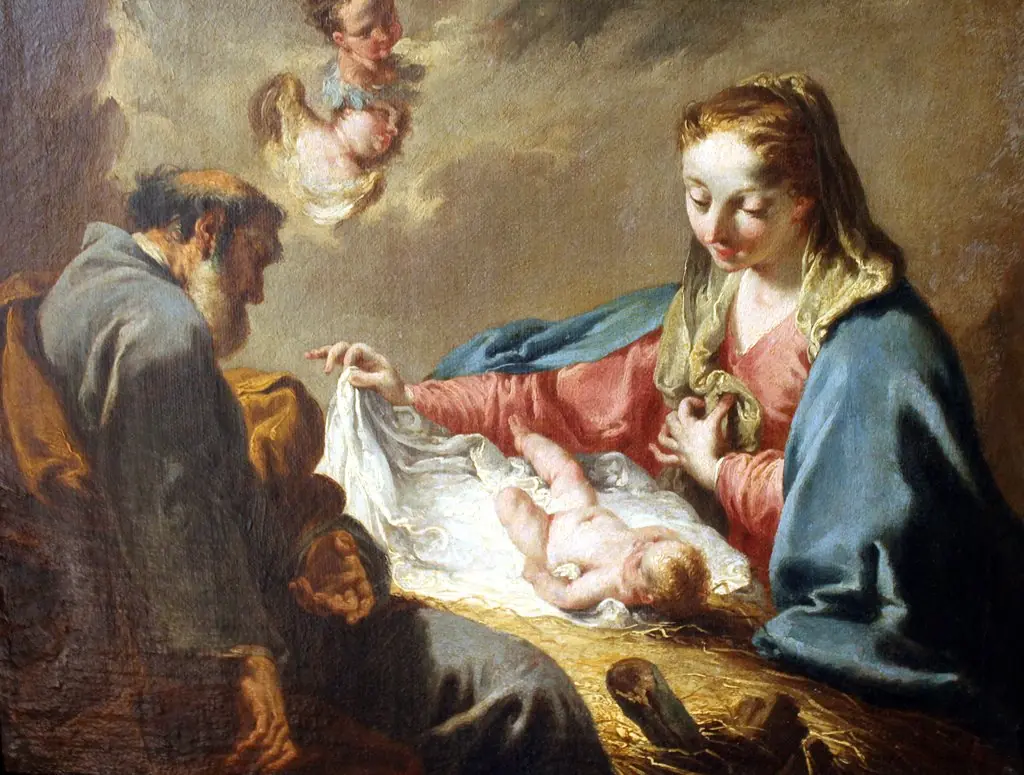 The Nativity
- The Finding of Moses