Artwork
The Finding of Moses
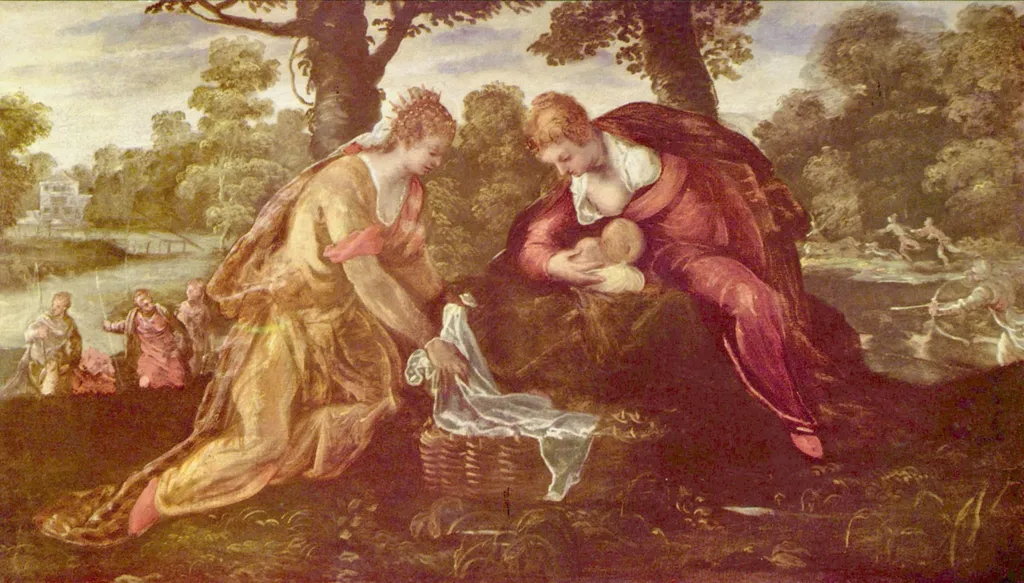
The Finding of Moses is an oil painting by the Mannerist artist Jacopo Tintoretto. It dates from 1550 and is held in the collection of the Metropolitan Museum of Art.
About this work
Subject & Meaning
The Finding of Moses portrays the biblical moment in which the infant Moses is discovered among the reeds of the Nile, a scene drawn from Exodus.
The Finding of Moses portrays the biblical moment in which the infant Moses is discovered among the reeds of the Nile, a scene drawn from Exodus. In Tintoretto’s composition a Egyptian princess, identified by her regal attire, lifts the child from the water while attendants look on, emphasizing the act of rescue. The painting’s religious genre underscores its moral message of divine providence protecting the future liberator of Israel.
By situating the narrative within a contemporary Venetian setting, the work links the ancient story to themes of salvation and heroic virtue, inviting viewers to reflect on the interplay of chance and destiny.
Technique & Style
The Finding of Moses is an oil painting on canvas, executed in 1550 by Jacopo Tintoretto (also known as Jacopo Robusti). The work, classified as a religious painting, measures approximately 76.3 cm in height by 132 cm in width and depicts the biblical moment of Moses being discovered among the reeds. Its execution employs the conventional oil‑on‑canvas technique of the Renaissance, with layered pigments applied to a primed support to achieve depth and chiaroscuro characteristic of Tintoretto’s style.
The painting is part of the Metropolitan Museum of Art’s collection and remains preserved within the museum’s display.
History & Provenance
The Finding of Moses is an oil on canvas painting executed in 1550 by Jacopo Tintoretto, also known as Jacopo Robusti. The work depicts the biblical moment of Moses discovered among the reeds and is categorized as a religious painting. According to the documented record, the painting entered the collection of the Metropolitan Museum of Art, where it remains on view.
No contemporary documentation indicates the commissioning details, and the sources provide only the date, medium, and current institutional ownership as factual anchors for its early history.
The Finding of Moses is held by the Metropolitan Museum of Art in New York. It is part of the museum’s collection and is catalogued under the institution’s standard accessioning system, though the specific accession number is not disclosed in the available documentation. The painting, an oil on canvas created circa 1550 by Jacopo Tintoretto, is recorded in the museum’s records as a religious work depicting the Finding of Moses.
Exhibition records for the piece are not detailed in the sources consulted, indicating that its public display history has not been formally documented.
Context
The Finding of Moses is a 1550 oil painting by Jacopo Tintoretto, classified as a religious work and listed in the Metropolitan Museum of Art collection. Its depiction of the biblical episode aligns with the artist’s broader focus on narrative scenes from Scripture, situating it within his mature period of religious composition. The painting’s formal qualities, oil on canvas measuring 76.3 × 132 cm, reflect the technical conventions of Venetian art in the mid‑sixteenth century.
As a highlighted piece in the museum, it serves as a reference point for scholarship examining Tintoretto’s contribution to the development of biblical subject matter in Venetian painting.
Overview
Jacopo Tintoretto, a prominent Venetian painter of the Italian Renaissance, created The Finding of Moses around 1550. This oil painting exemplifies the Mannerist style, a characteristic of his era. The work depicts a pivotal biblical event and is now part of the collection at The Metropolitan Museum of Art.
Artist & collection
Artist
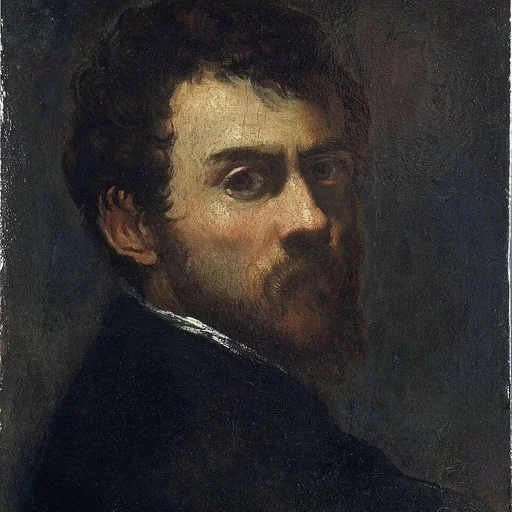
Jacopo Robusti (late September or early October 1518 – 31 May 1594), best known as Tintoretto ( TIN-tə-RET-oh; Italian:; Venetian: ), was an Italian Renaissance painter of the Venetian school.

 Mistic Marriage of Saint Catherine
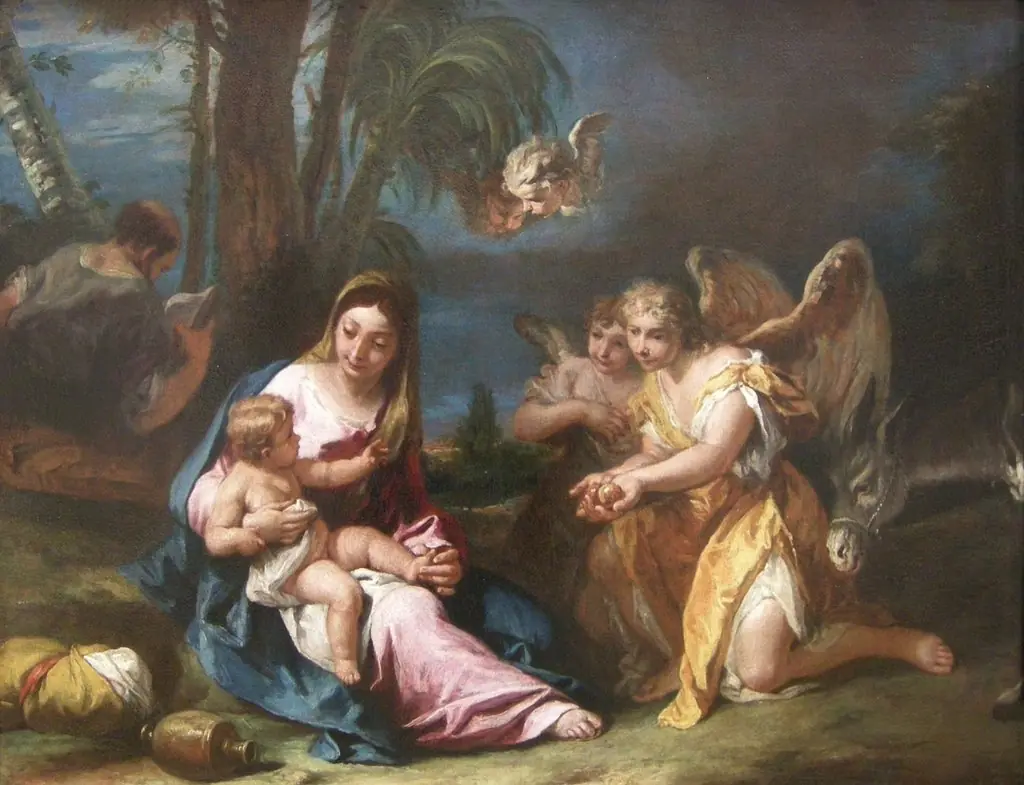 The Rest on The Flight into Egypt
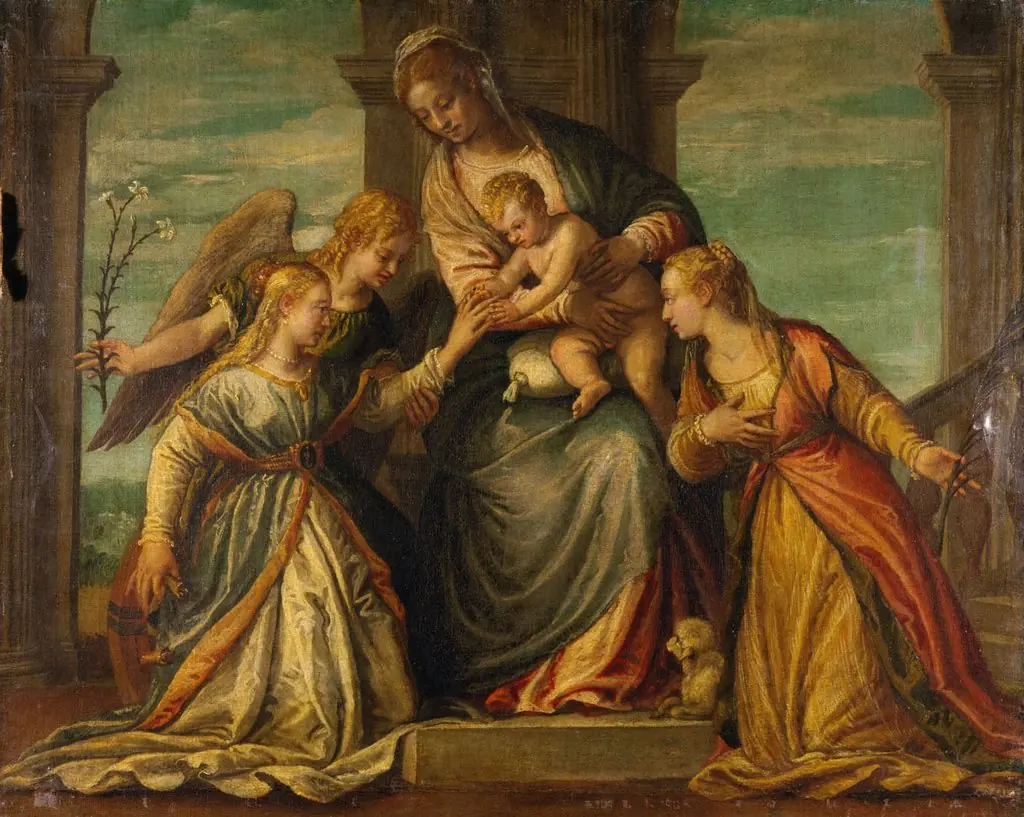 Mystic Marriage of St. Catherine
 Sfânta familie
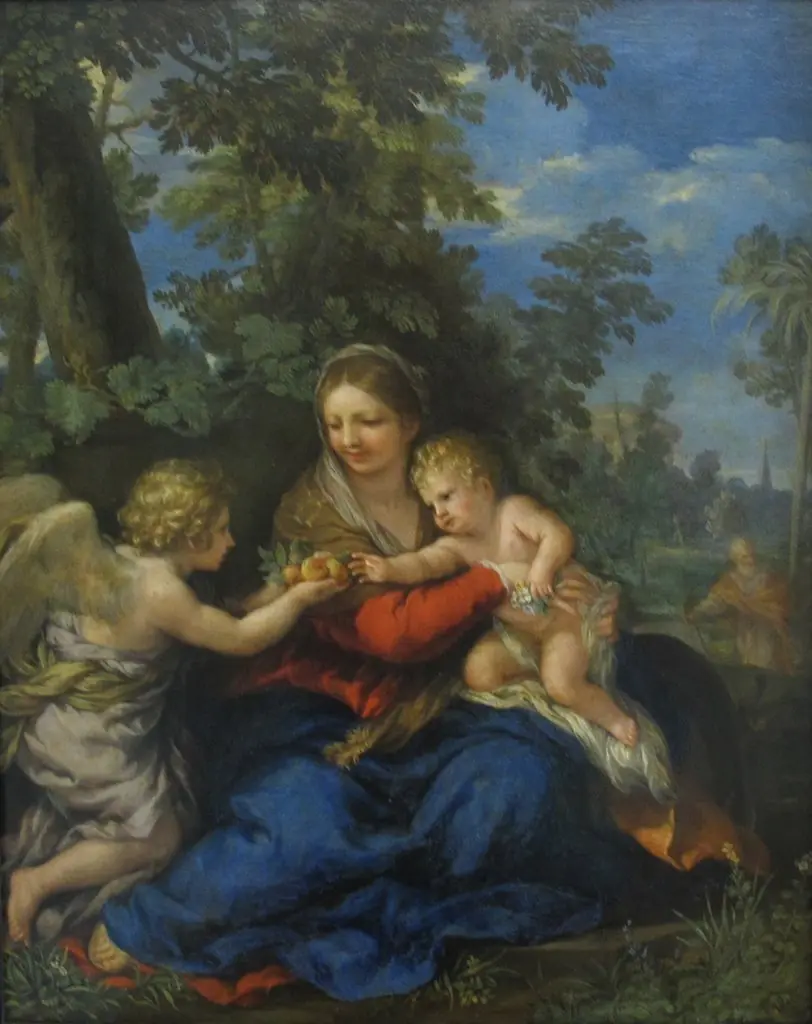 Holy Family Resting on the Flight to Egypt
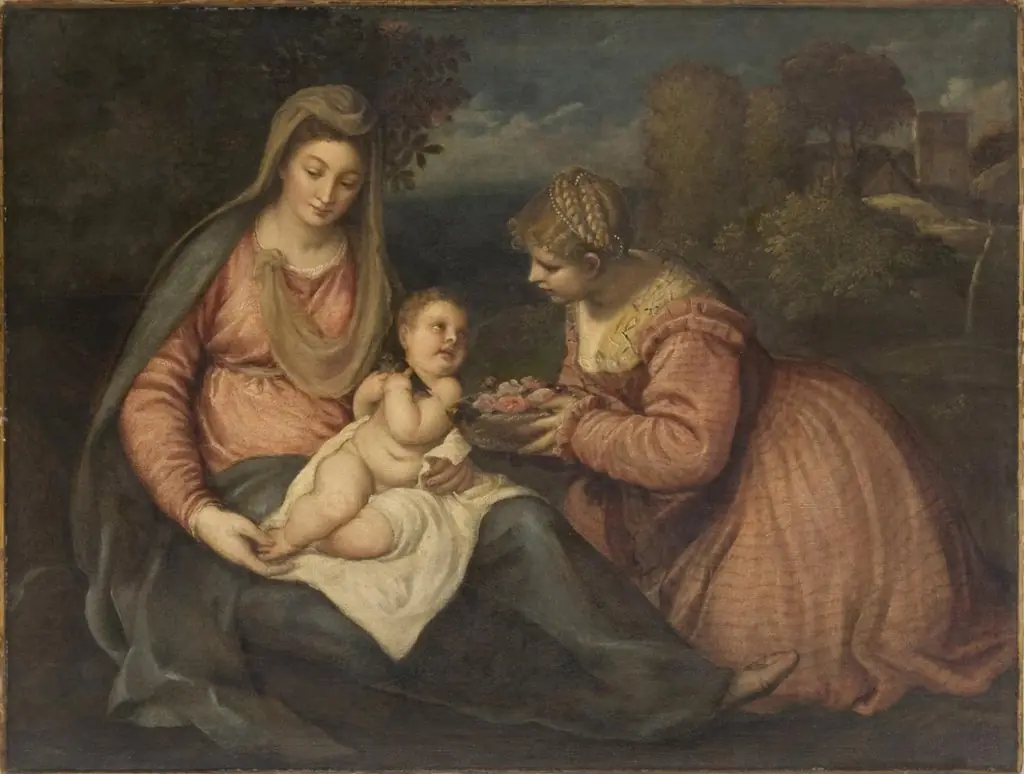 Virgin and Child, with Saint Dorothy
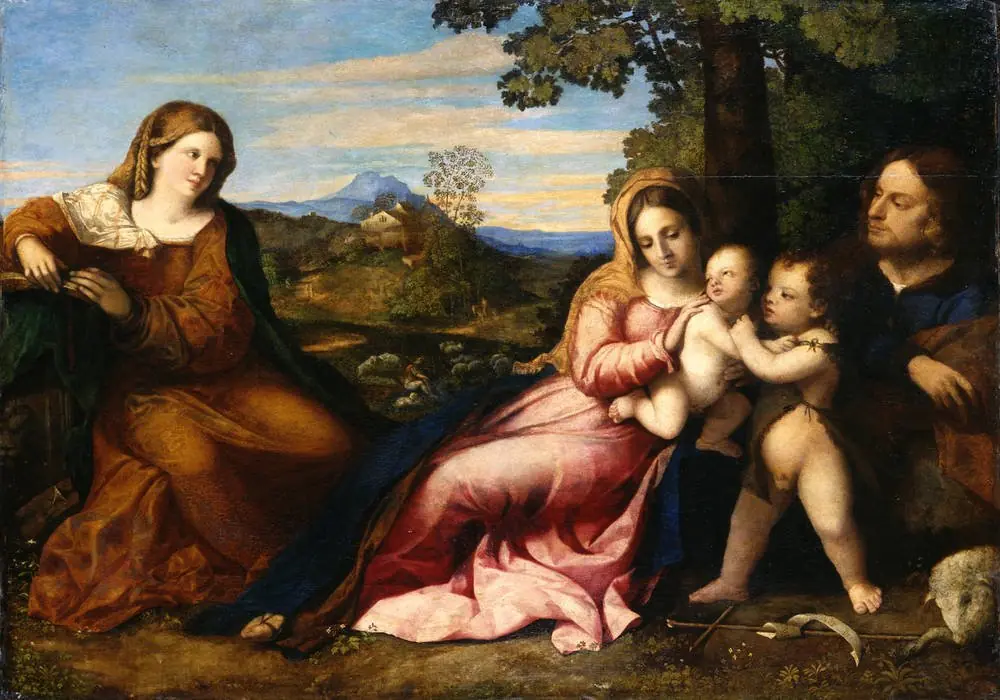 Die Heilige Familie mit der heiligen Katharina
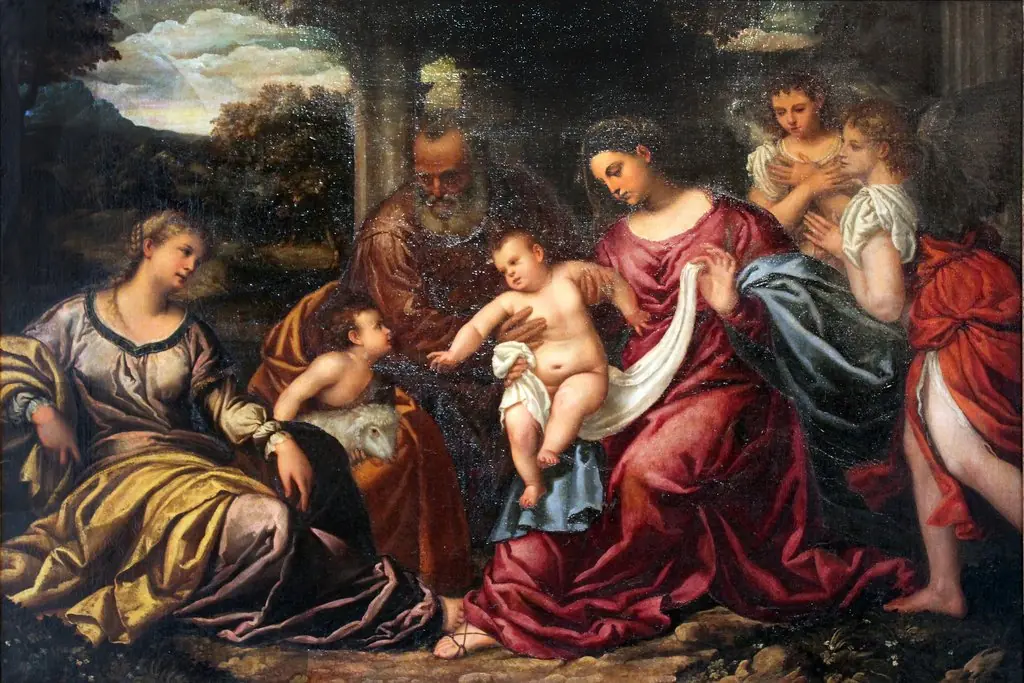 The Holy Family
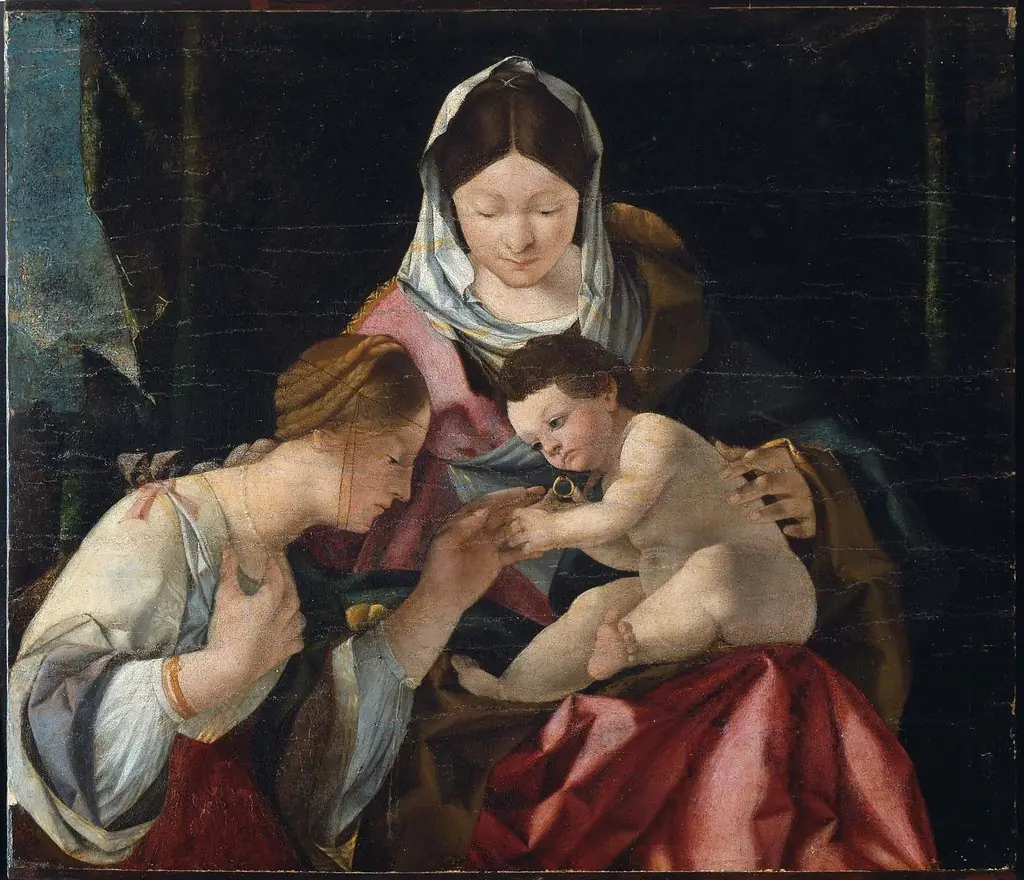 The Mystic Marriage of Saint Catherine
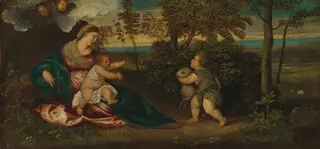 Madonna and Child and the Infant Saint John in a Landscape
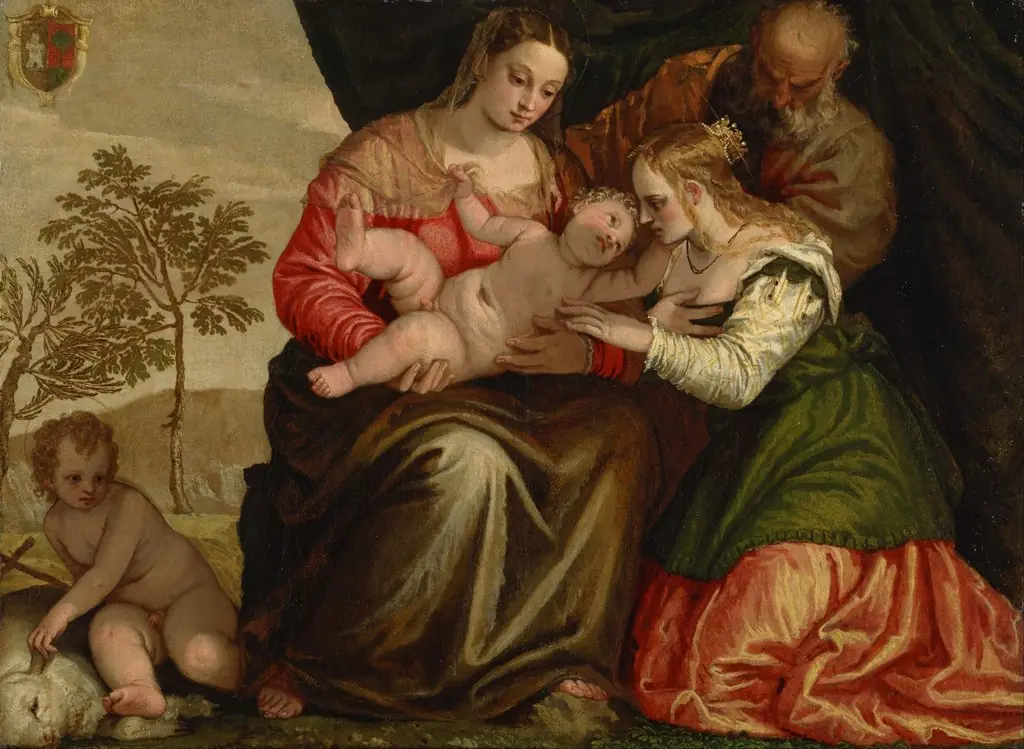 The Mystic Marriage of St. Catherine
- The Finding of Moses