Artwork
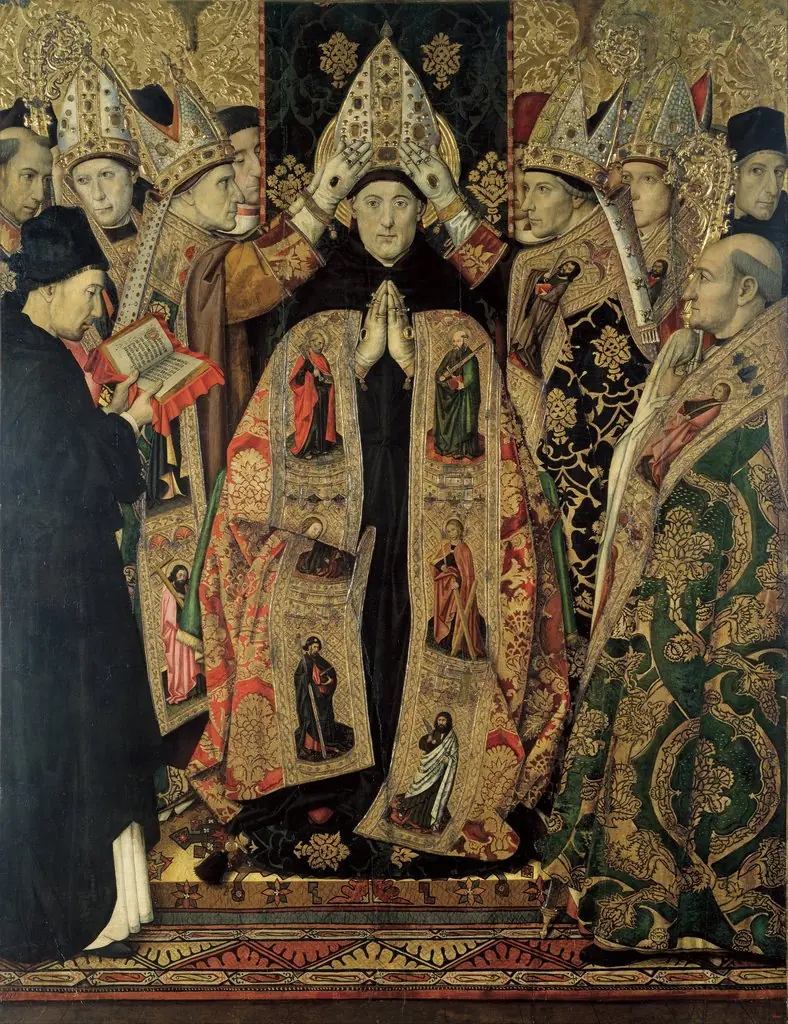
The Consecration of Saint Augustine
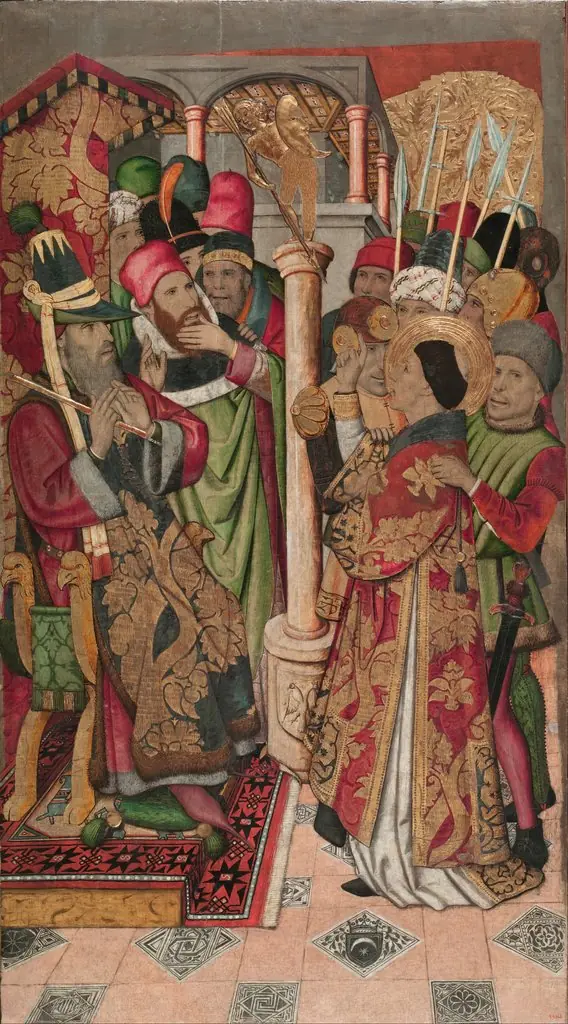
The Consecration of Saint Augustine is a tempera painting by the Gothic painting artist Jaume Huguet. It dates from 1463 and is held in the collection of the Museu Nacional d'Art de Catalunya.
About this work
Overview
Though often misidentified as a painting, it is a sculpted surface in stucco, likely painted and gilded.
The Consecration of Saint Augustine is a large stucco relief panel created between 1462 and 1475, originally part of a multi-panel altarpiece commissioned by Barcelona’s tanners’ guild. Though often misidentified as a painting, it is a sculpted surface in stucco, likely painted and gilded. The work was intended for the high altar of the Augustinian friary of Sant Agustí Vell and now resides in the Museu Nacional d'Art de Catalunya, alongside fragments held in other Barcelona collections.
Subject & Meaning
The scene depicts the consecration of Saint Augustine as a bishop, surrounded by figures from varying historical periods, kings, clergy, and contemporaries of the 15th century. This anachronistic assembly emphasizes Augustine’s enduring spiritual authority across time. The composition elevates the saint as a unifying figure whose legacy transcends generations, reinforcing his significance to the Augustinian order and its patrons.
Technique & Style
Executed in stucco, the relief was molded and then likely enhanced with polychromy and gold leaf to mimic the luminous effects of panel painting. The figures are rendered with refined detail and a sense of spatial depth, characteristic of late Catalan Gothic sculpture. The grouping of figures, though crowded, follows hierarchical proportions, with Augustine centrally elevated and rendered with greater clarity than surrounding individuals.
History & Provenance
Commissioned for the Augustinian friary in Barcelona, the altarpiece was produced over more than a decade, with work likely initiated by Jaume Huguet and completed by his workshop, possibly including Pau Vergós. Financial constraints caused delays. By the 19th century, the altarpiece had been dismantled; its surviving panels were collected in the early 20th century and consolidated at MNAC in 1927, where they remain today alongside one fragment at the Museu Marès.
Context
This altarpiece emerged during a period of civic and religious patronage in late medieval Catalonia, when guilds commissioned elaborate religious art to affirm their piety and social standing. The choice of Saint Augustine reflected the Augustinian order’s influence in Barcelona. The work’s scale and complexity align with other major Catalan retables, though few survive intact, making this fragmentary ensemble a key witness to the region’s devotional art traditions.
Legacy
Though incomplete, the surviving panels of The Consecration of Saint Augustine remain among the most significant sculptural ensembles of 15th-century Catalonia. They illustrate the fusion of painting and sculpture in altarpiece design and offer insight into workshop practices, iconographic strategies, and the role of patronage in shaping religious imagery. Its preservation allows continued study of Gothic artistic synthesis in the Iberian Peninsula.
Artist & collection

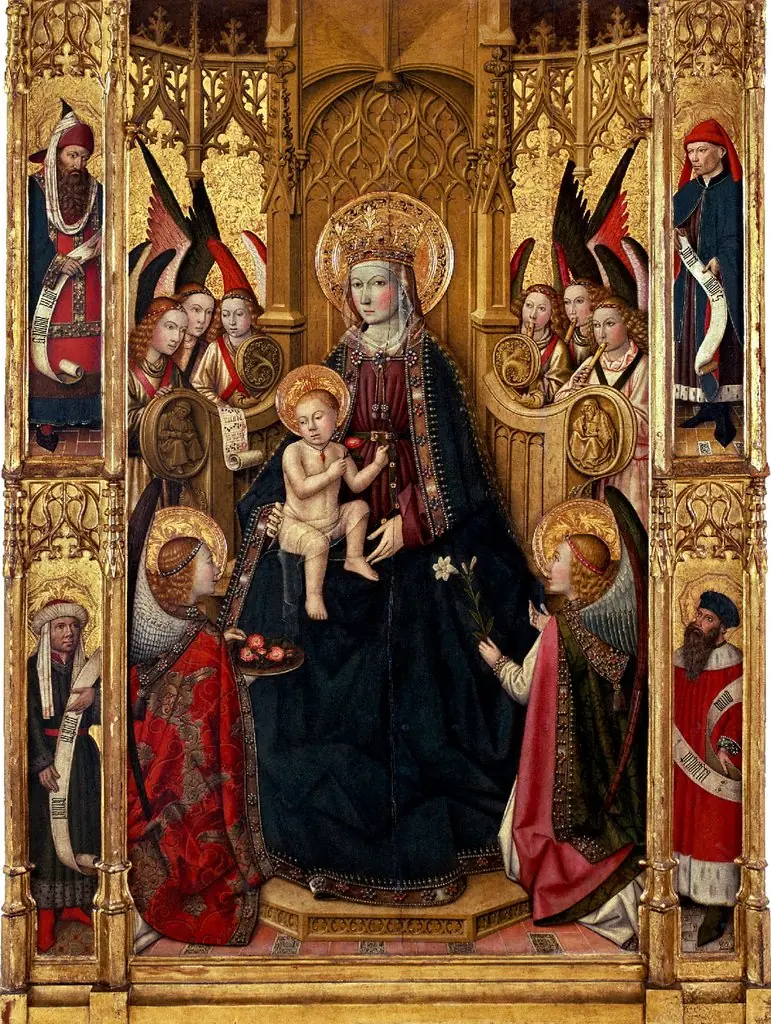
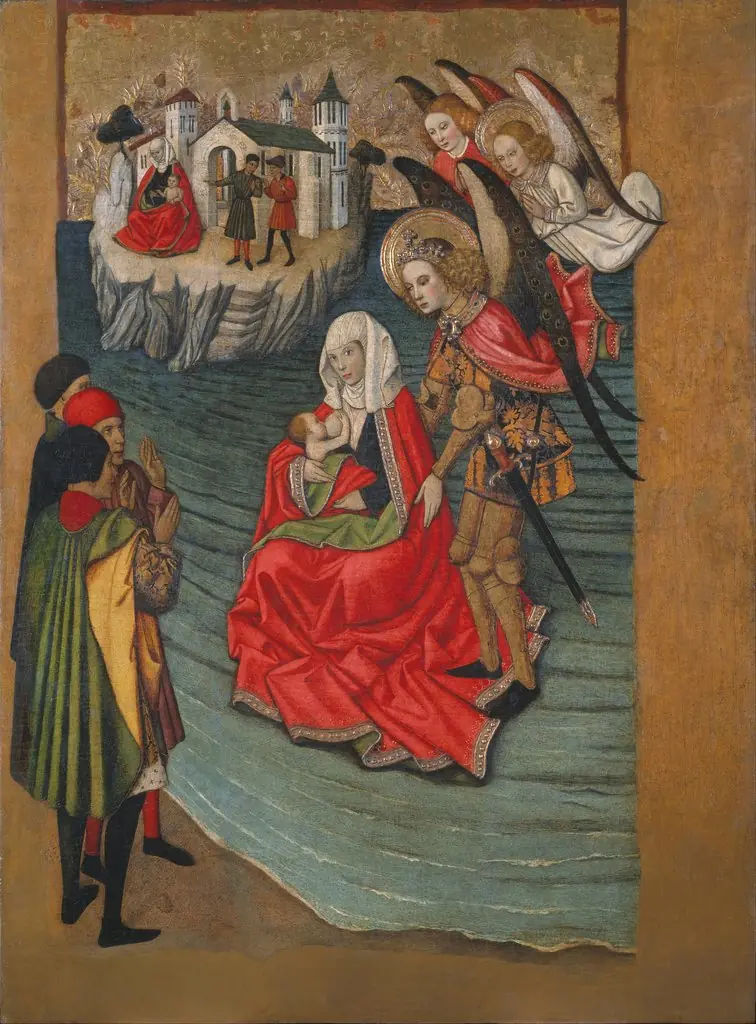
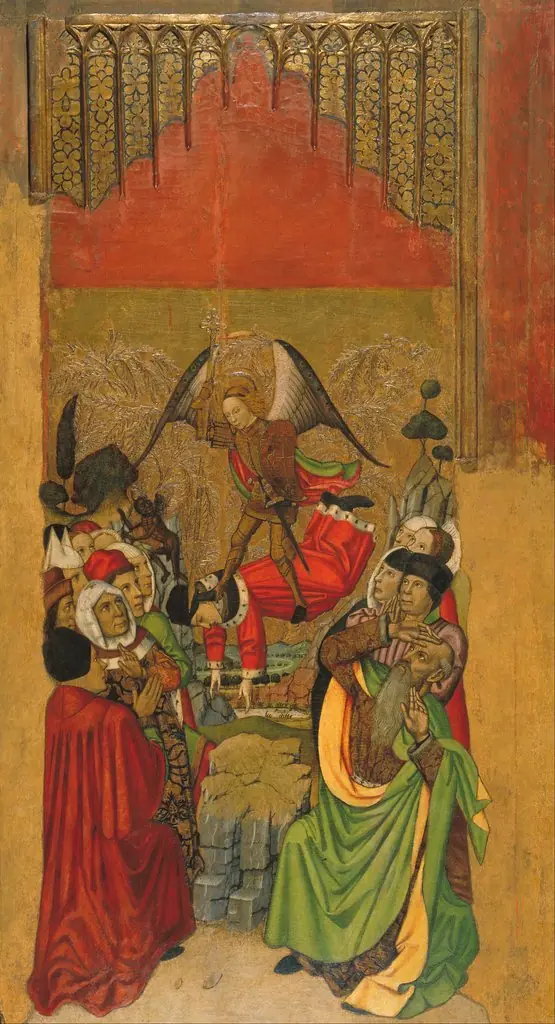
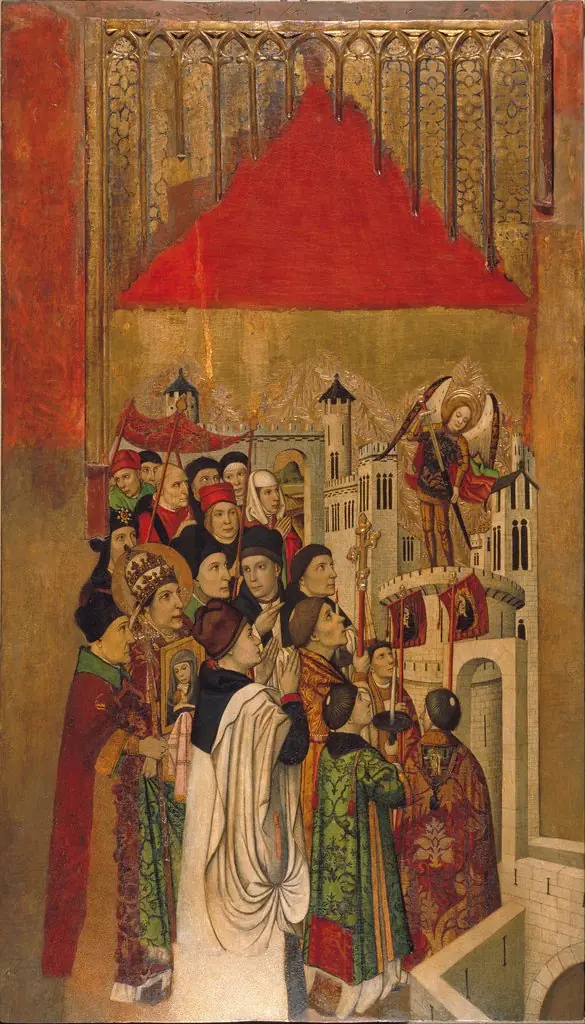
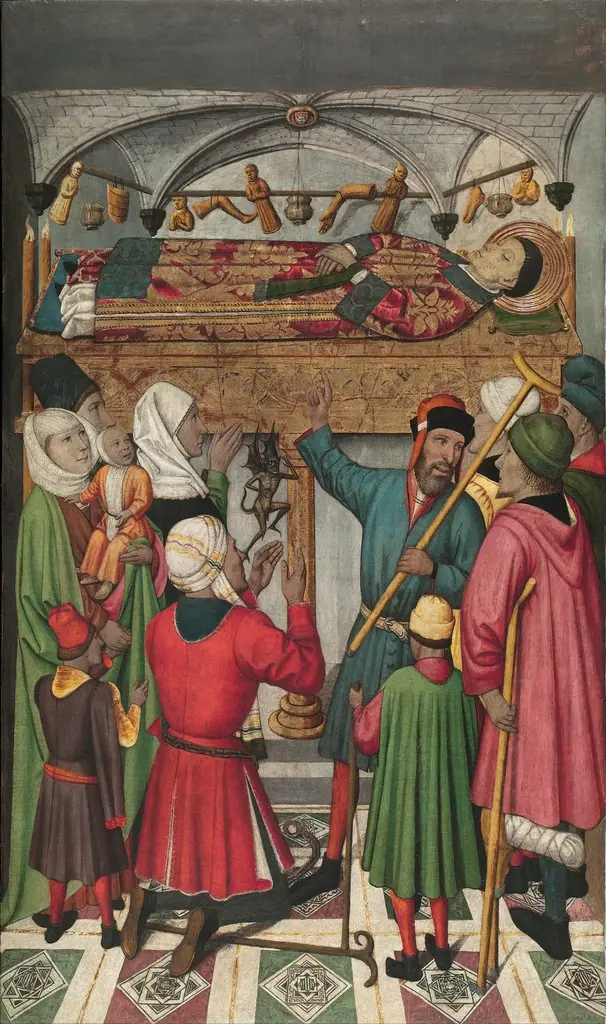
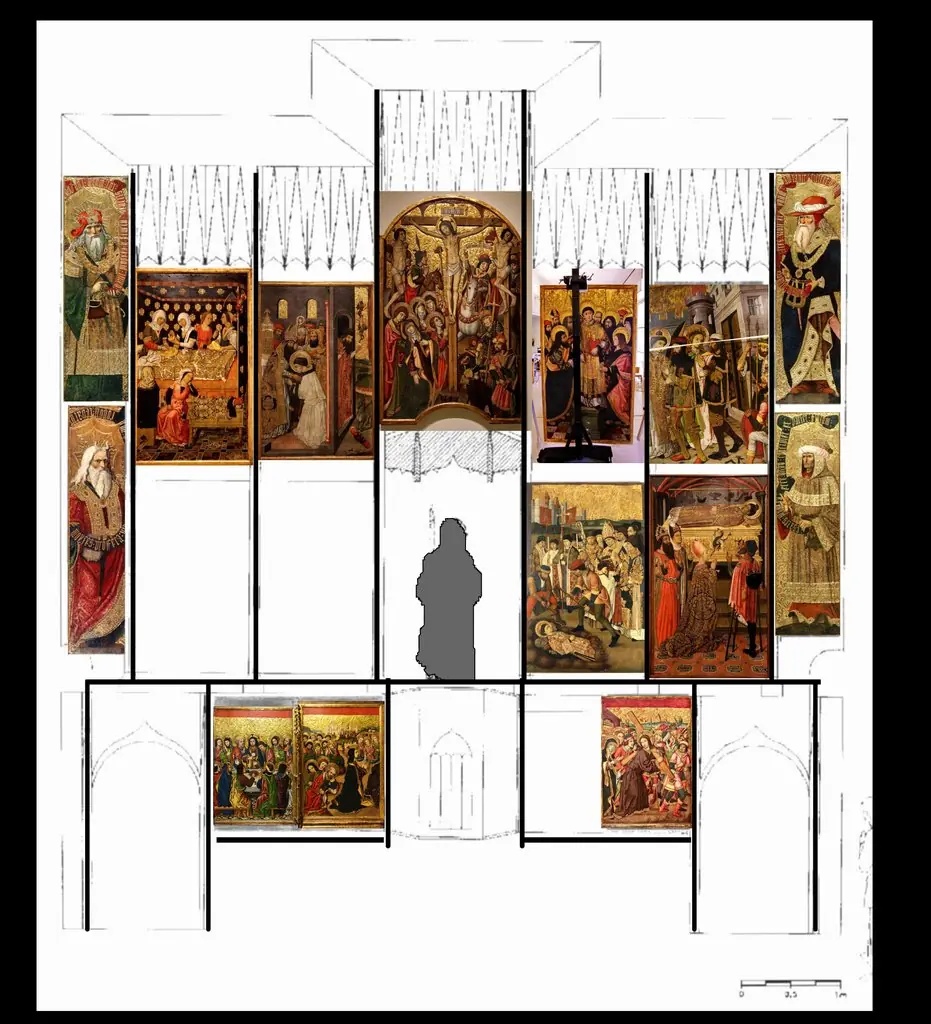
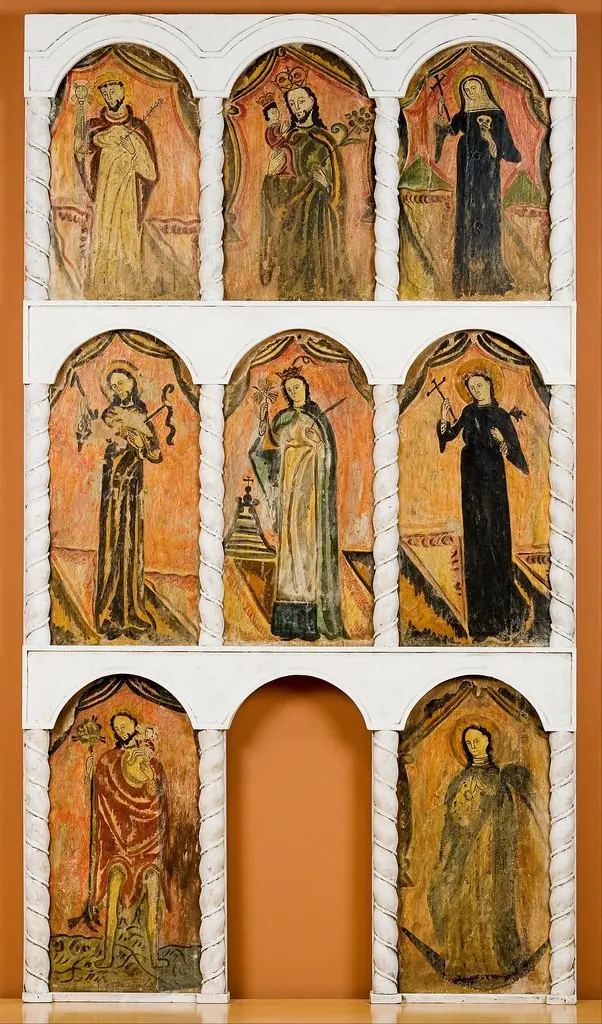 Altarscreen panels mounted in contemporary framework
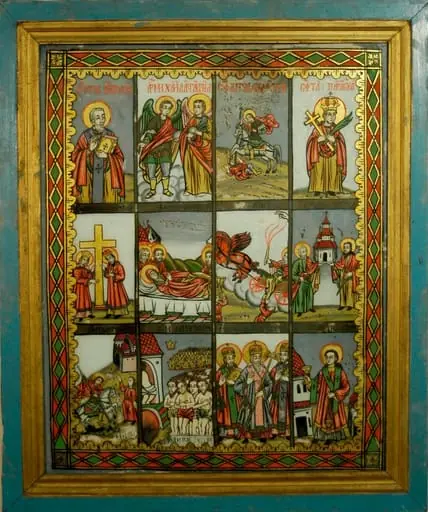 prăznicar cu sfinți
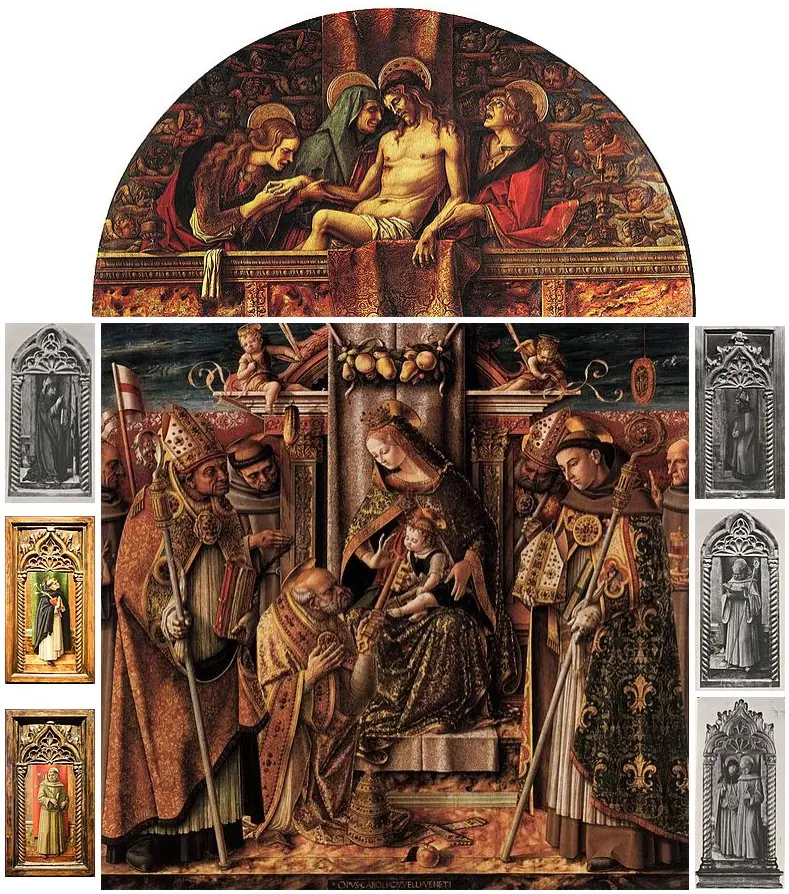 Pala di San Pietro di Muralto
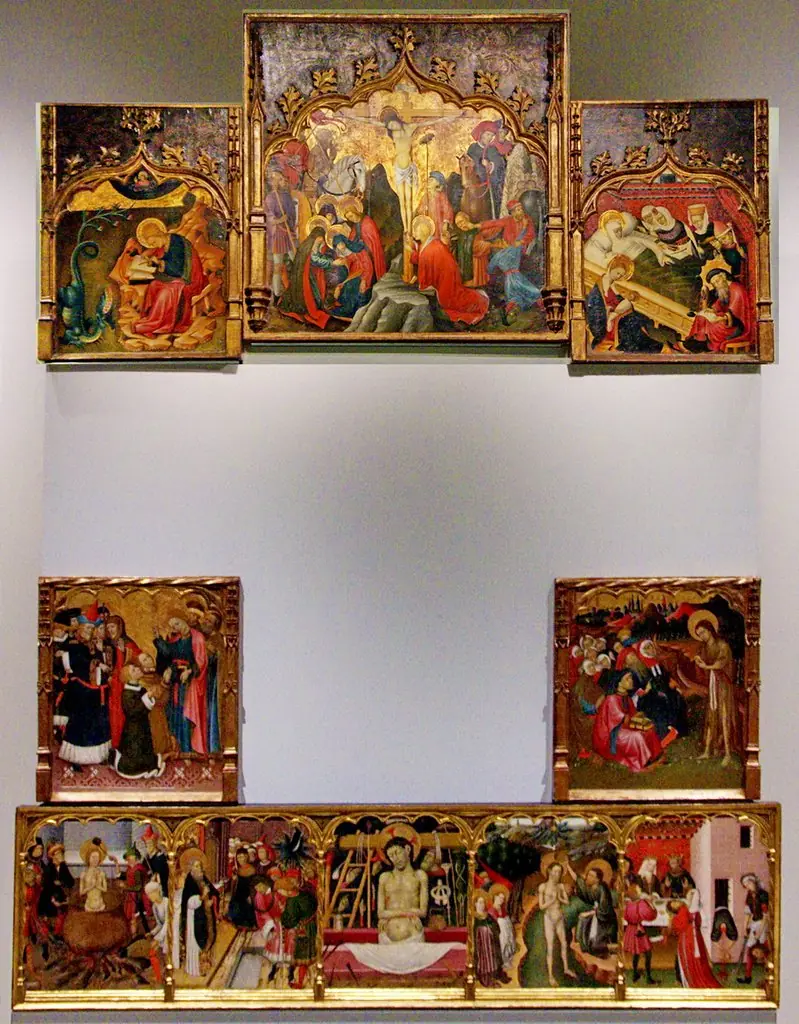 Altarpiece of the Saints John
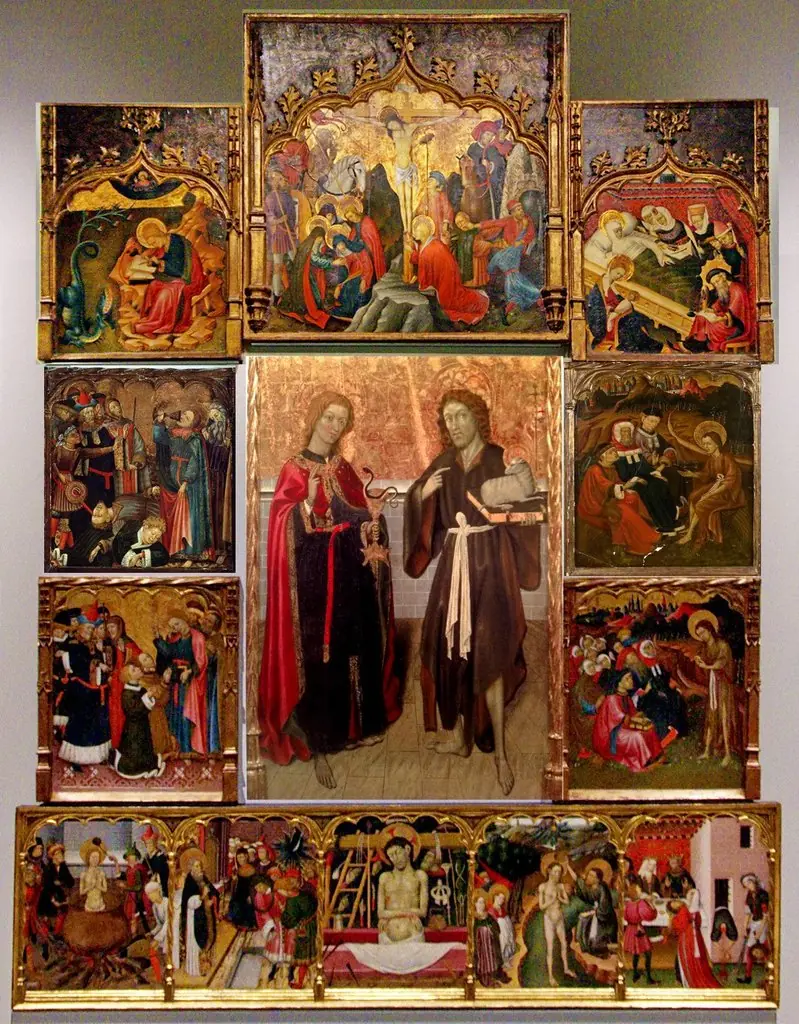 Altarpiece of the Saints John
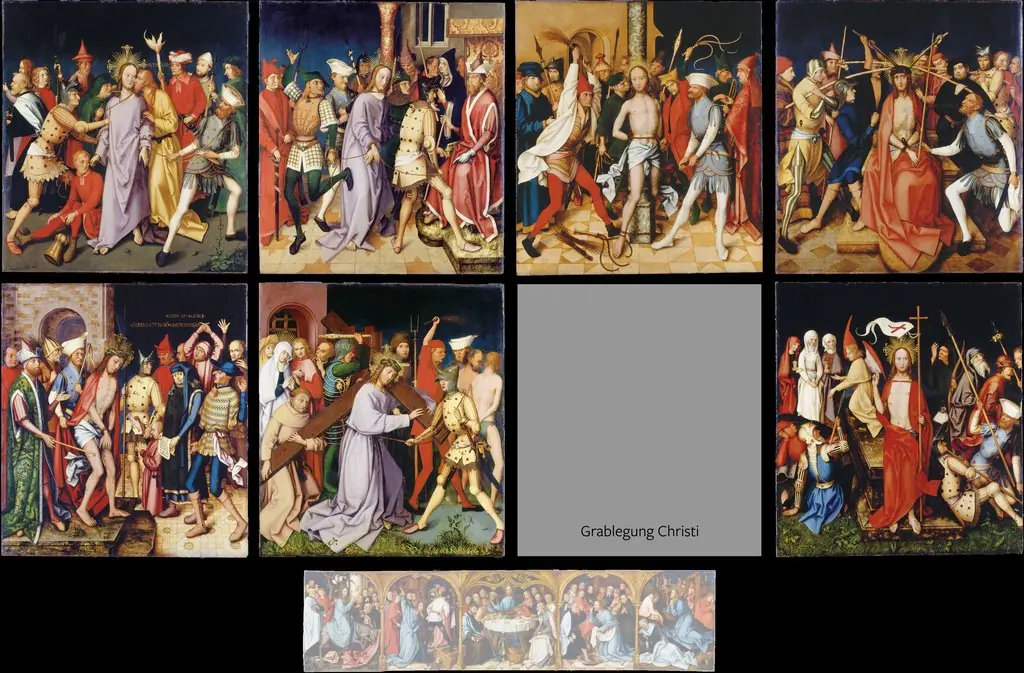 Frankfurt Dominican Altarpiece: Sunday view
 Twenty Scenes from the Life of Christ
 Scene din viața lui Iisus
 Altarpiece of Saint Michael and Saint Peter