Artwork
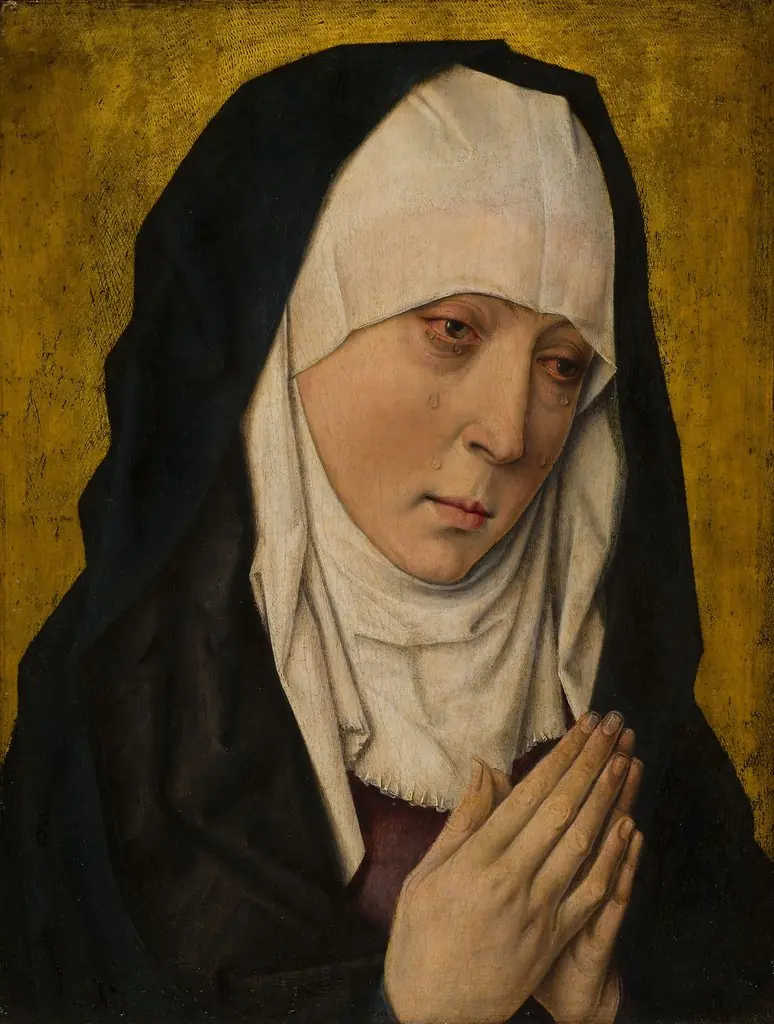
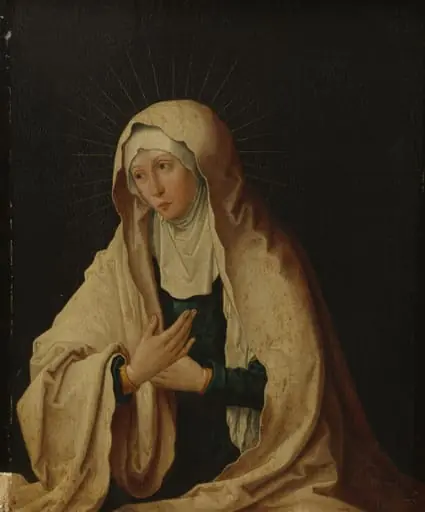
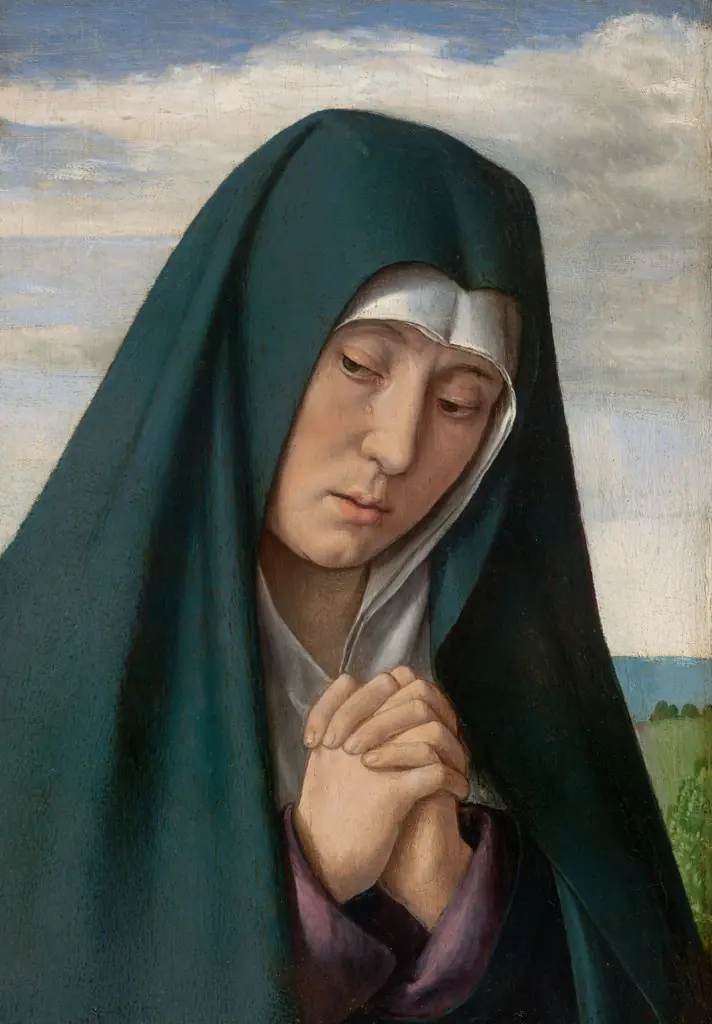
Fragment from Christ Carrying the Cross: Mourning Virgin
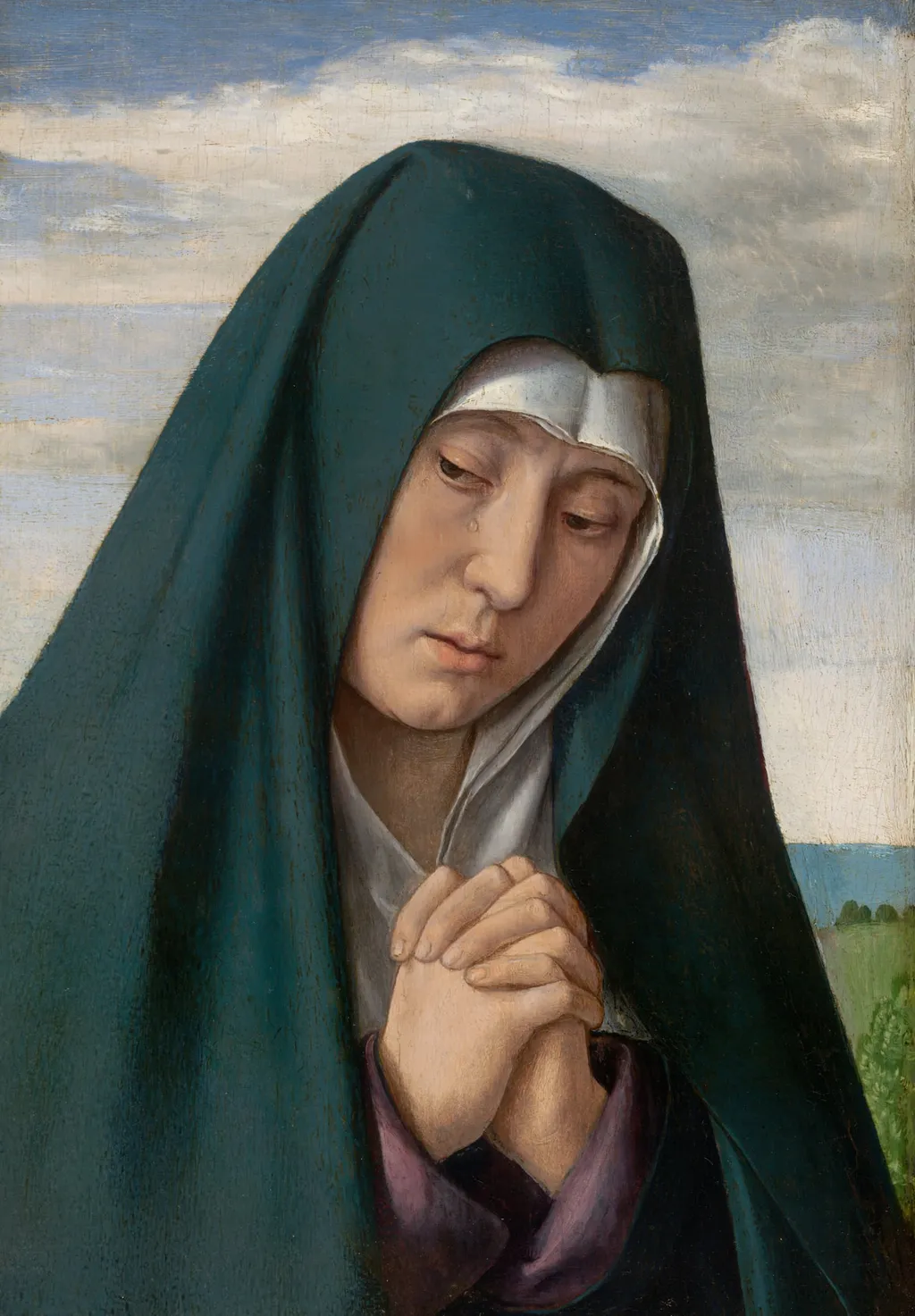
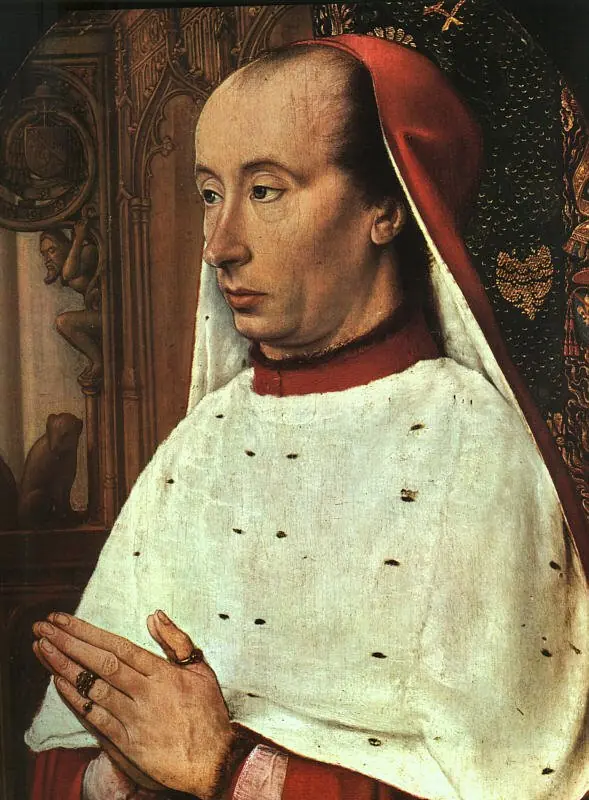
Fragment from Christ Carrying the Cross: Mourning Virgin is an oil painting by the Northern Renaissance artist Jean Hey. It dates from 1500 and is held in the collection of the Art Institute of Chicago.
- Accession no.
- 183006
- Credit line
- Lacy Withers Armour Fund, purchased with funds provided by the Old Masters Society, the Rhoades Foundation, Marilynn Alsdorf, Barbara Danielson in honor of James Wood, Mr. and Mrs. John W. Madigan, and John and Mary Gedo through the Old Masters Society, through prior gift of the George F. Harding, Mr. and Mrs. Morris I. Kaplan, Charles H. and Mary F. S. Worcester, and Max and Leola Epstein collections
About this work
Overview
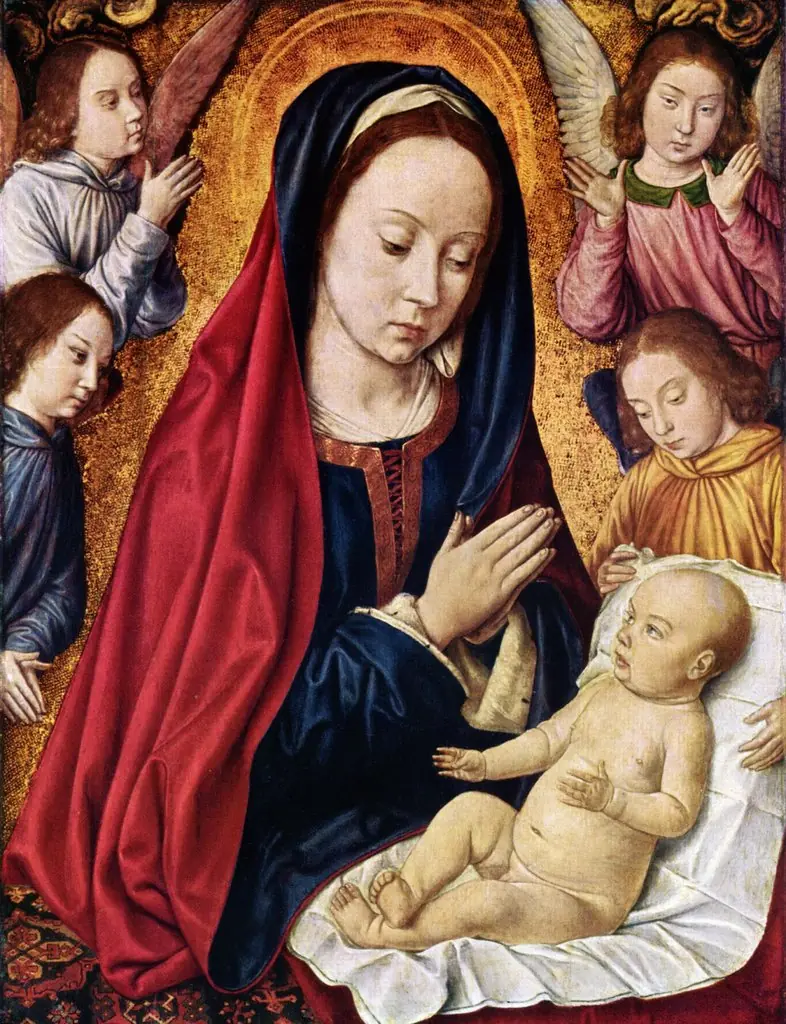
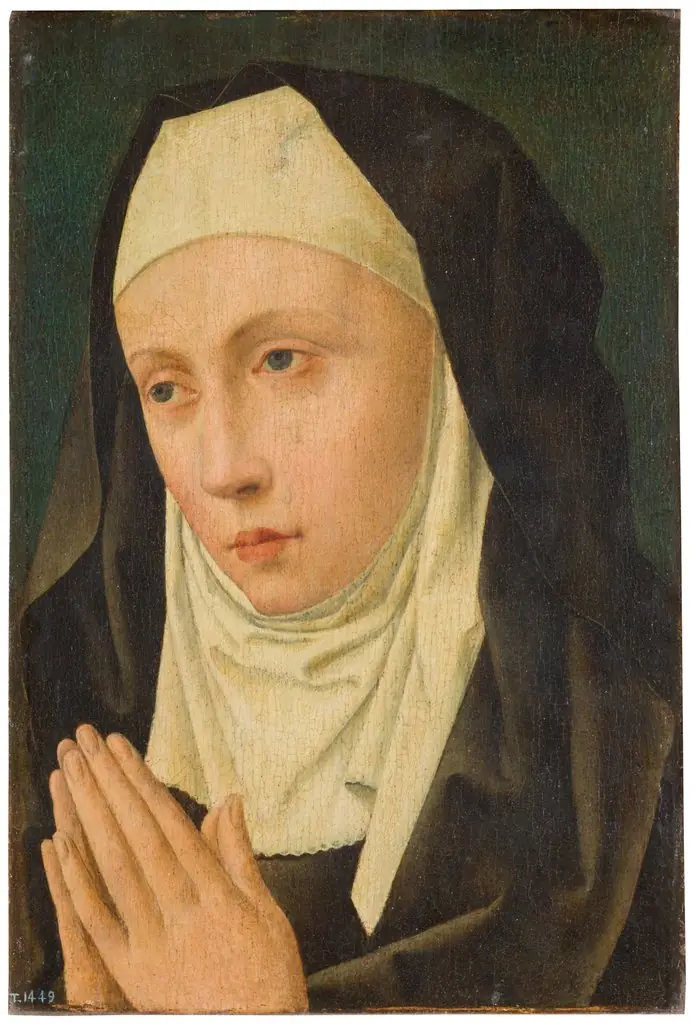
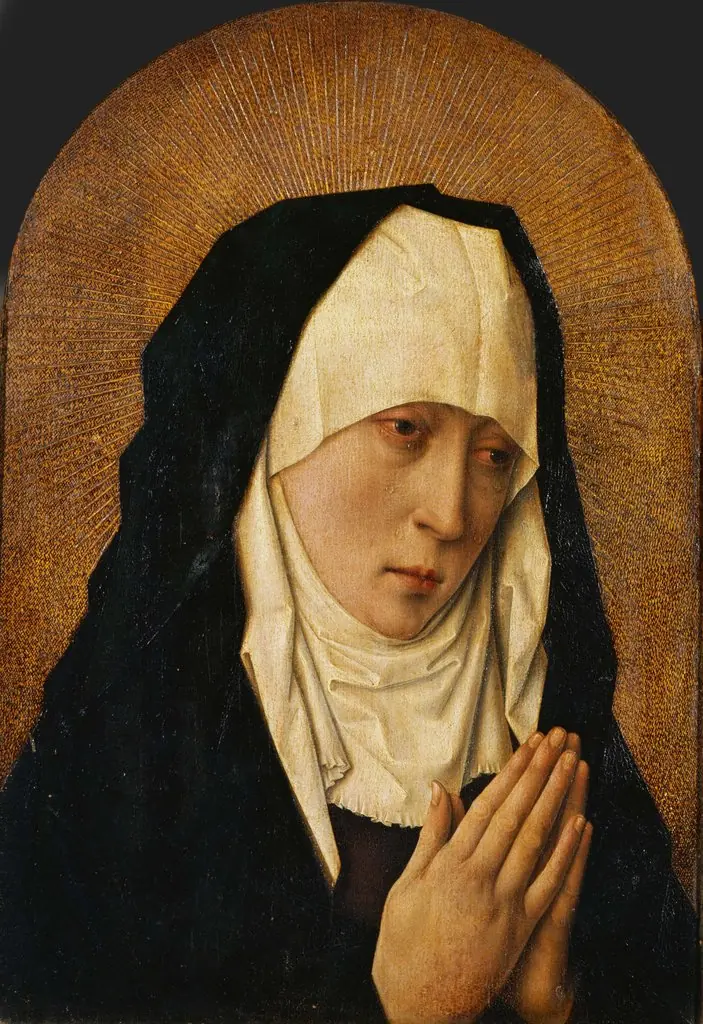
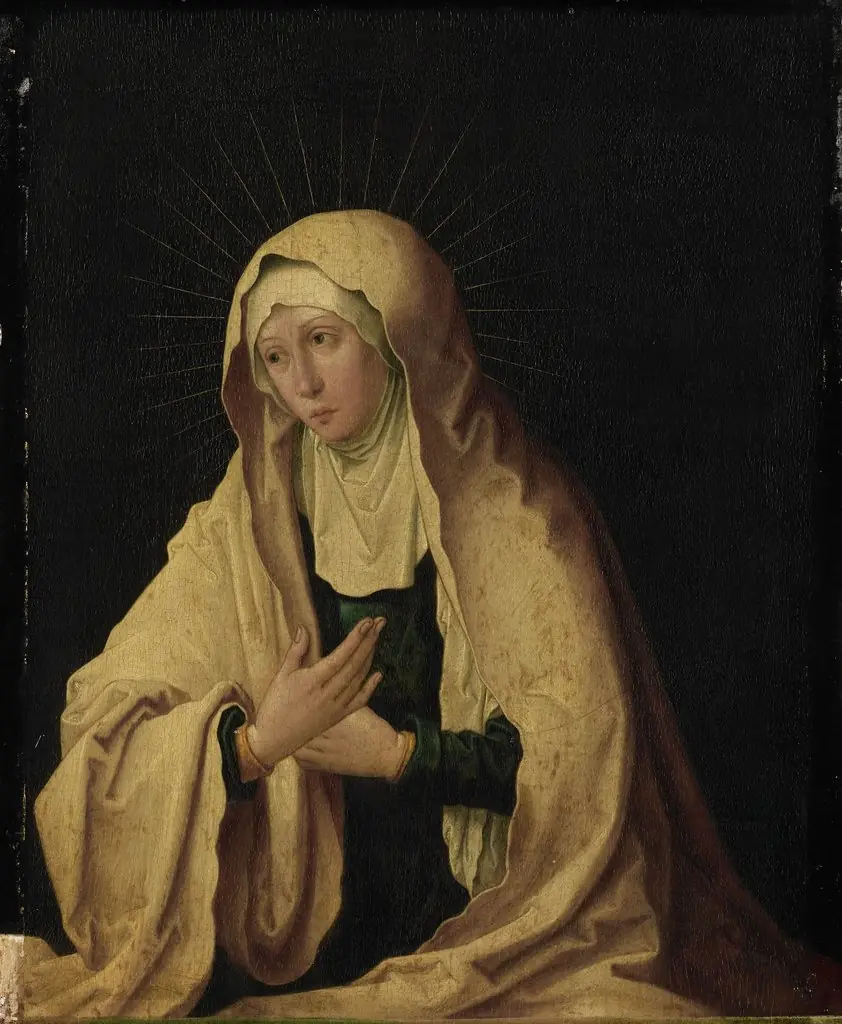
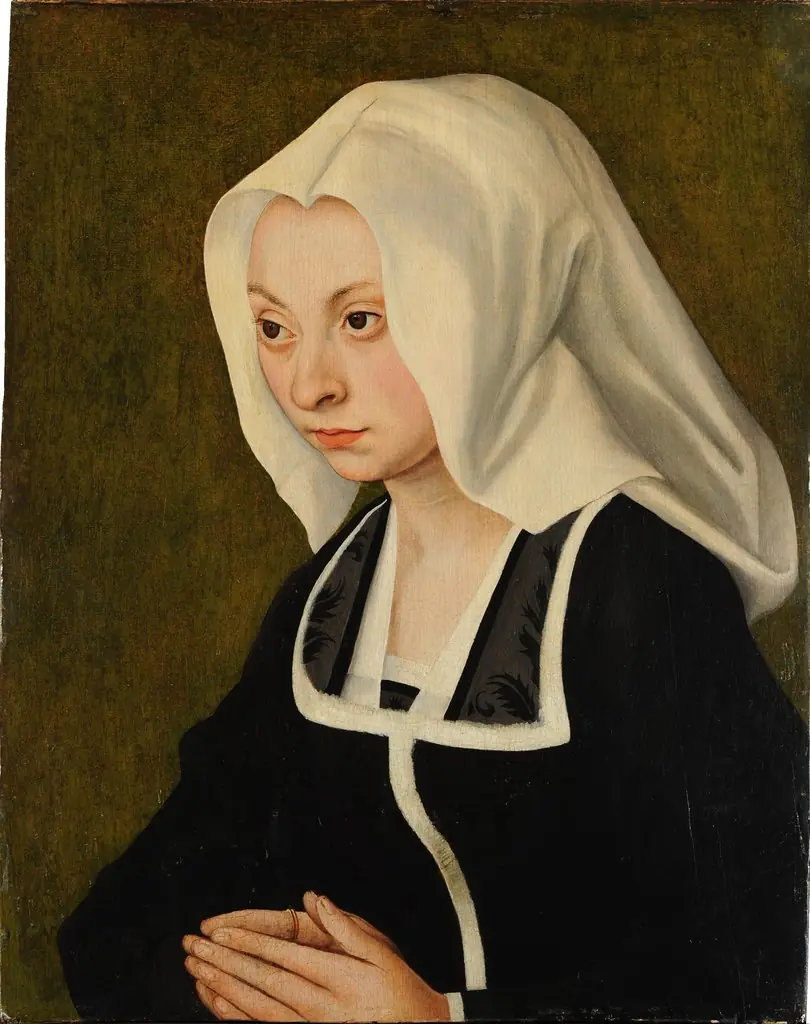
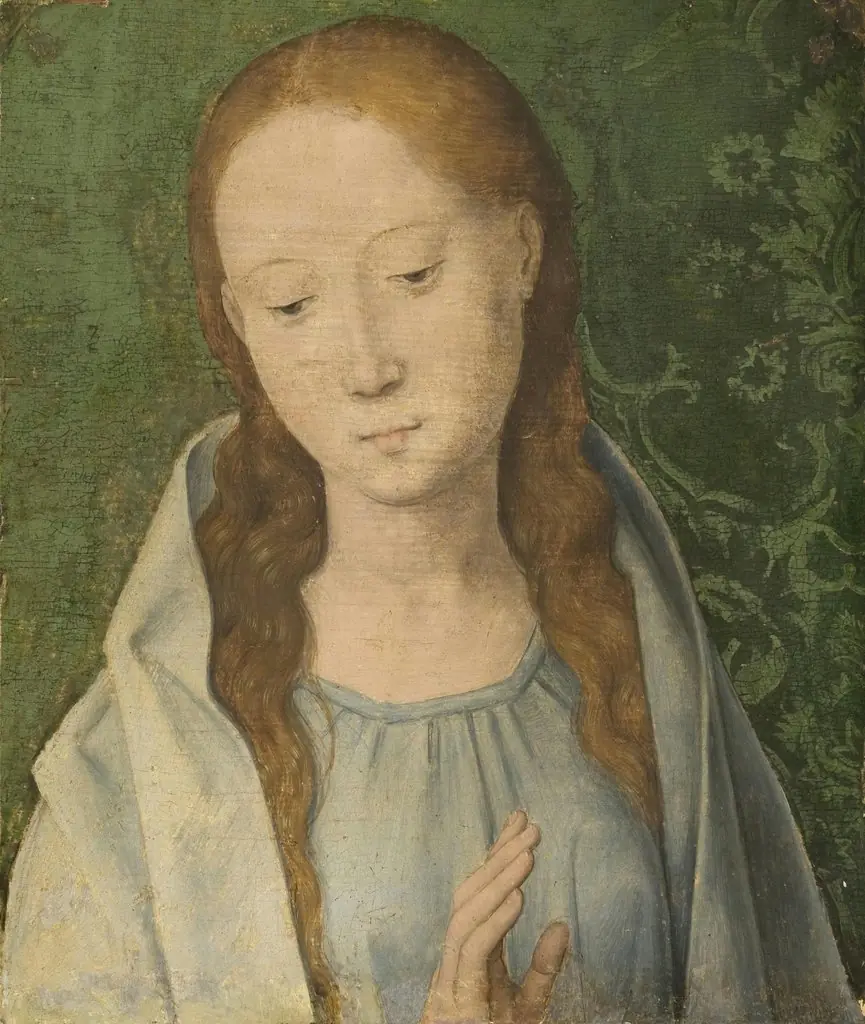
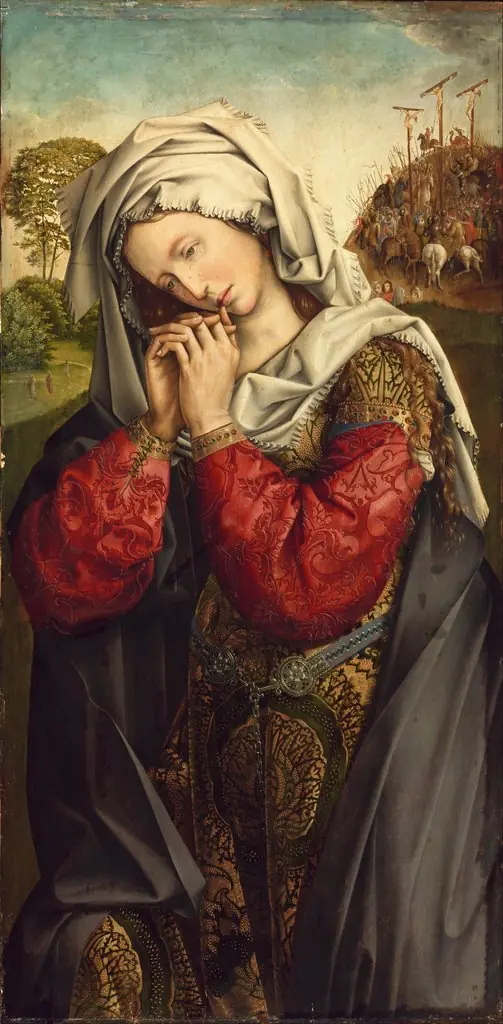
This oil on panel fragment depicts a grieving female figure, traditionally identified as the Virgin Mary, rendered in modest attire and a sorrowful expression.
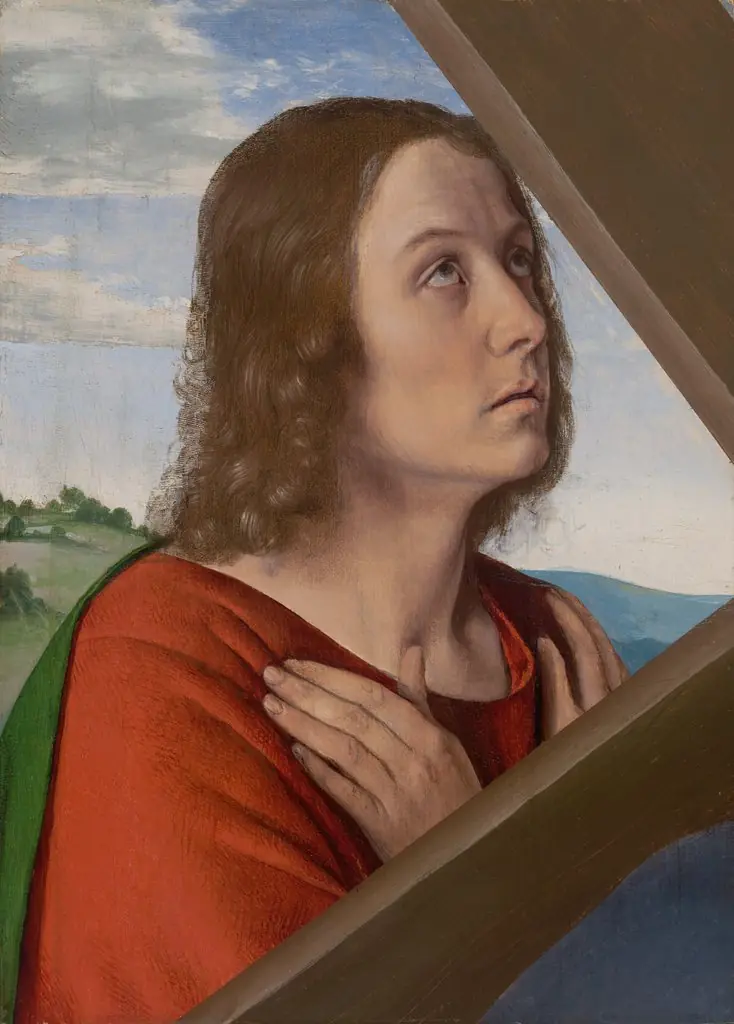
This oil on panel fragment depicts a grieving female figure, traditionally identified as the Virgin Mary, rendered in modest attire and a sorrowful expression. Scientific analysis has shown that the panel was originally part of a larger composition titled Christ Carrying the Cross, which also included Saint John the Evangelist. The surviving piece represents only a portion of that earlier, more complex devotional scene.
Subject & Meaning
The central figure is the Mourning Virgin, portrayed in a moment of deep lament as she witnesses Christ’s suffering. Her subdued clothing and downcast gaze convey personal piety and the emotional intensity of the Passion narrative, inviting viewers to contemplate the human dimension of the biblical event.
Technique & Style
Executed in oil on wood, the painting displays delicate modeling of flesh and drapery, characteristic of early 16th‑century French devotional works. Infrared reflectography has revealed underdrawings, including the faint curls of Christ’s hair, indicating a careful preparatory process. The brushwork is restrained, emphasizing the figure’s emotional state over ornamental detail.
History & Provenance
Technical investigations using infrared and X‑ray imaging have demonstrated that the upper left portion of the cross, once visible in the panel, was removed and overpainted, likely to repurpose the original composition into separate devotional images. The fragment’s provenance traces back to a workshop associated with the Master of Moulins, suggesting it was altered to meet changing devotional demands.
Context
The original multi‑figure composition would have presented a narrative of Christ’s journey to Calvary, integrating Saint John and the Virgin Mary as key witnesses. Fragmentation of such works was common in the 17th and 18th centuries, when market demand favored single, emotionally resonant figures for private devotion.
Own this work as a print
Artist & collection
Artist
Jean Hey (or Jean Hay) (fl. c. 1475 – c. 1505), now generally identified with the artist formerly known as the Master of Moulins, was an Early Netherlandish painter working in France and the Duchy of Burgundy, and…