Artwork
The Duel After the Masquerade
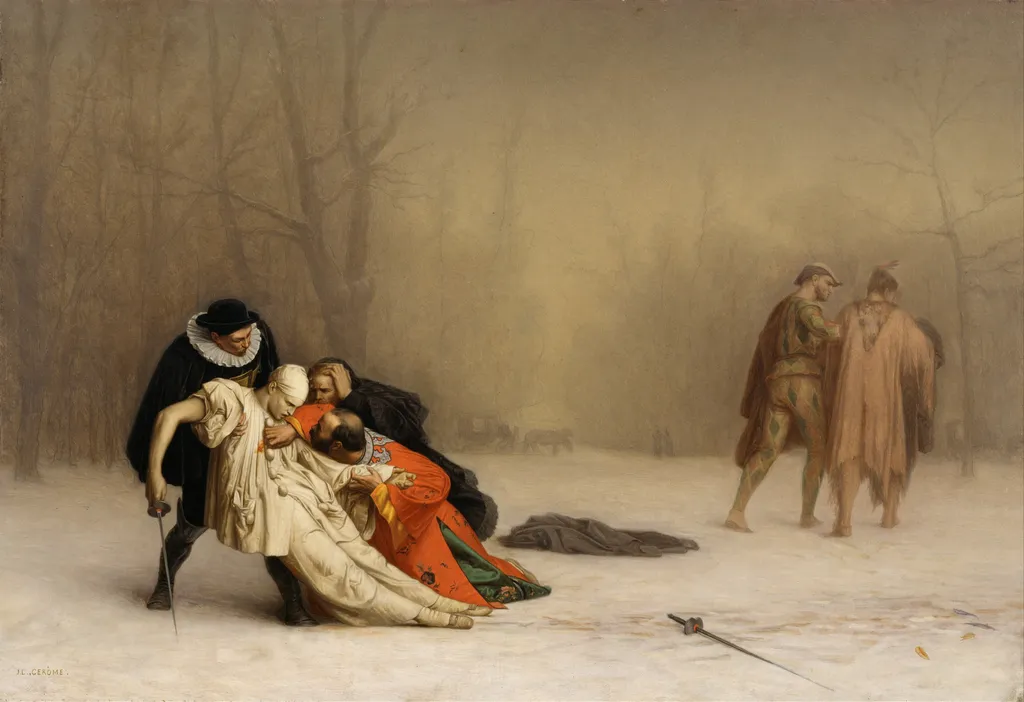
The Duel After the Masquerade is an oil painting by the Academic Art artist Jean Léon Gérôme. It dates from 1858 and is held in the collection of the Walters Art Museum.
About this work
Subject & Meaning
Jean Léon Gérôme's painting captures the grim aftermath of a sword duel fought in the snow-covered Bois de Boulogne during winter.
Jean Léon Gérôme's painting captures the grim aftermath of a sword duel fought in the snow-covered Bois de Boulogne during winter. The scene is populated by figures still wearing masquerade costumes, specifically identifying the combatants through the iconography of the Commedia dell'arte: one figure is dressed as Pierrot while his opponent wears the attire of Harlequin. A Doge of Venice and a character resembling Scapino are also present among the witnesses, emphasizing the theme of disguise.
The work juxtaposes the festive elements of a masquerade ball with the brutal reality of major trauma and agony, as the defeated duelist kneels in the blood-stained snow while others stand or walk nearby amidst the fog and morning light.
Technique & Style
Executed in oil on canvas in 1858, the work measures 39.1 × 56.3 cm and belongs to the academic tradition cultivated by Gérôme.
Handling emphasizes sharp, linear contours and a polished finish typical of the period’s studio practice. A chill winter light bathes the scene, heightening the contrasts between the bloodied snow and the Pierrot’s white costume, while the fallen duellist’s crimson pool underscores the narrative’s violence. The composition’s symmetry and staged arrangement of figures align with Gérôme’s academic rigor, merging genre anecdote with classical clarity.
History & Provenance
Jean-Léon Gérôme created the oil-on-canvas painting The Duel After the Masquerade in 1858. The work measures 39.1 cm in height and 56.3 cm in width. It is currently held in the collection of the Walters Art Museum.
No specific details regarding the original commission, the identity of the initial patron, or the precise chain of ownership prior to its arrival at the museum are provided in the available records.
The painting is held by the Walters Art Museum in Baltimore, where it is listed as part of the museum’s collection; the specific accession number is not recorded in the available documentation. No exhibition history is documented in the sources consulted, indicating that the work has not been featured in publicly recorded loan or exhibition programs. Its presence in the museum’s permanent holdings is the only provenance detail confirmed by the reference material.
Context
Executed in 1858, The Duel After the Masquerade stands as a defining example of Jean-Léon Gérôme's commitment to academic art. The work synthesizes the precision of genre painting with a dramatic narrative drawn from the commedia dell'arte, depicting the aftermath of a sword fight between Pierrot and Harlequin in the Bois de Boulogne. By freezing a moment of major trauma and agony amidst a winter landscape, Gérôme elevates a theatrical scenario into a study of realism and fatal consequence.
This painting reflects the artist's broader context within the French academic tradition, where historical and literary subjects were rendered with meticulous attention to costume, setting, and physical detail. The composition's focus on the immediate, bloody result of the duel, rather than the action itself, underscores the 19th-century fascination with psychological tension and the stark reality of violence hidden beneath festive disguises.
Overview
Jean Léon Gérôme's 1858 oil painting, The Duel After the Masquerade, captures a dramatic moment following a costumed event. This genre scene depicts figures in elaborate attire, including characters resembling the Doge of Venice and Harlequin, set against a stark winter landscape. The work is part of the collection at the Walters Art Museum, illustrating Gérôme's characteristic narrative approach and academic precision in its execution.
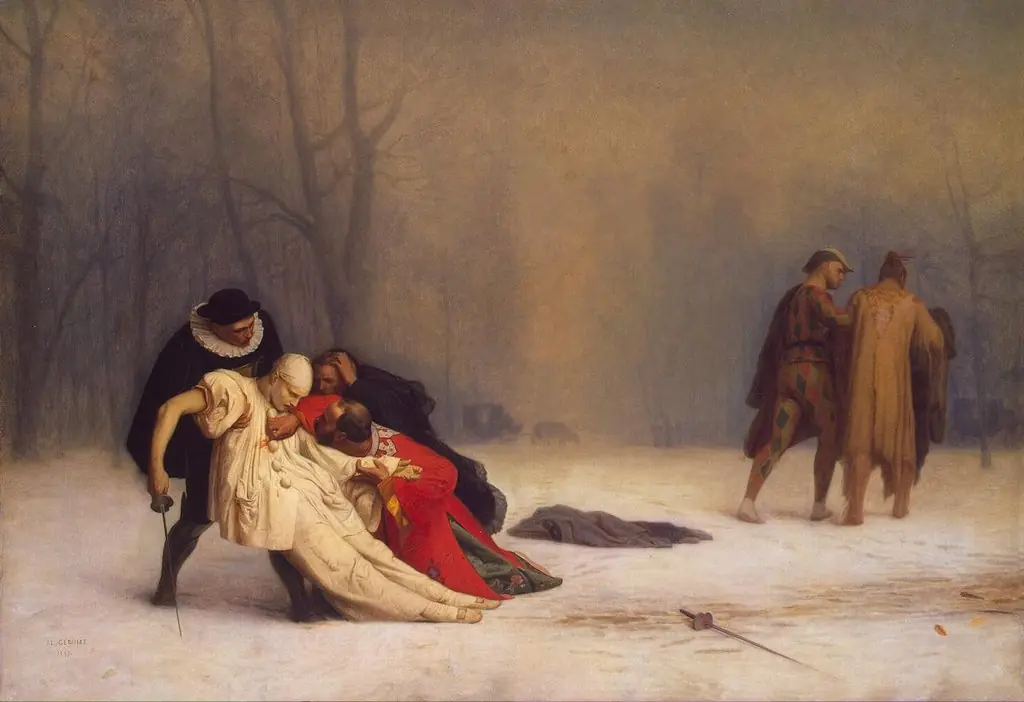
Own this work as a print
Artist & collection

Artist
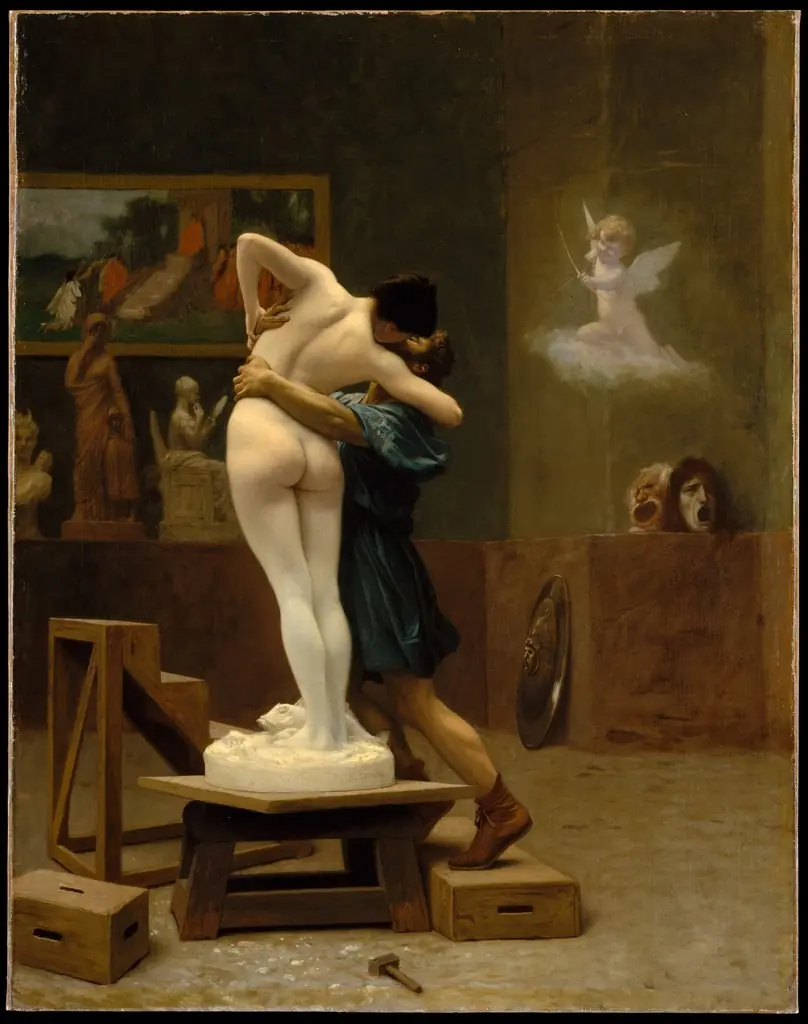
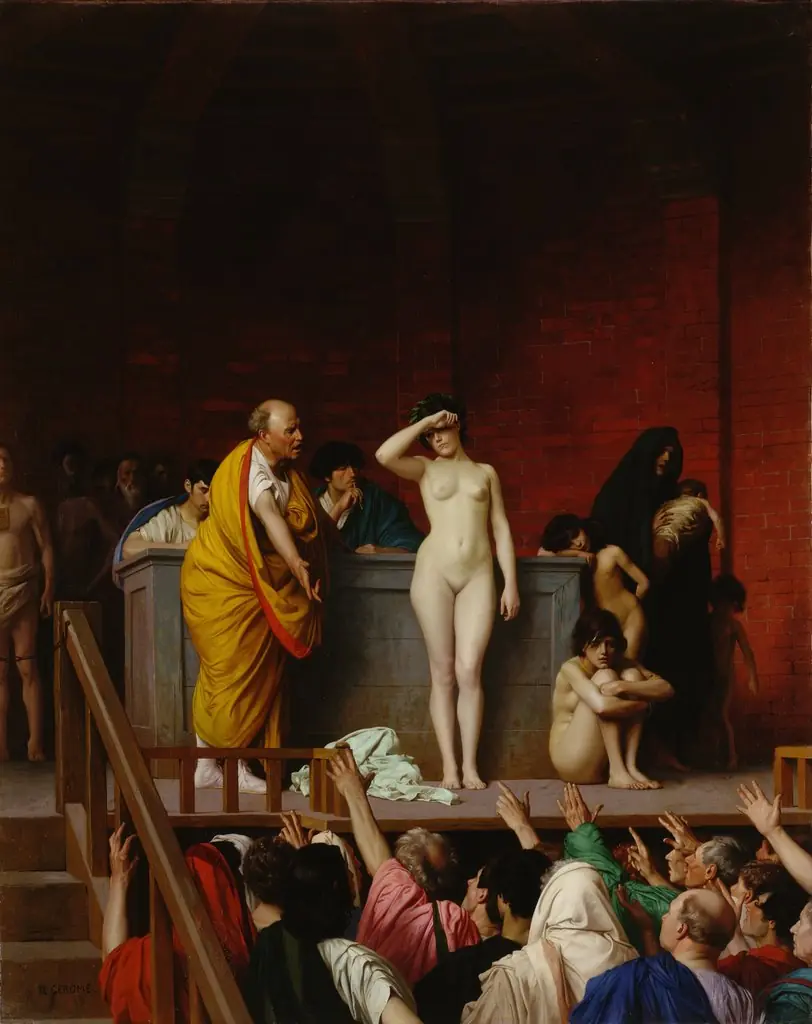
Jean-Léon Gérôme was a French painter and sculptor in the style now known as academicism.

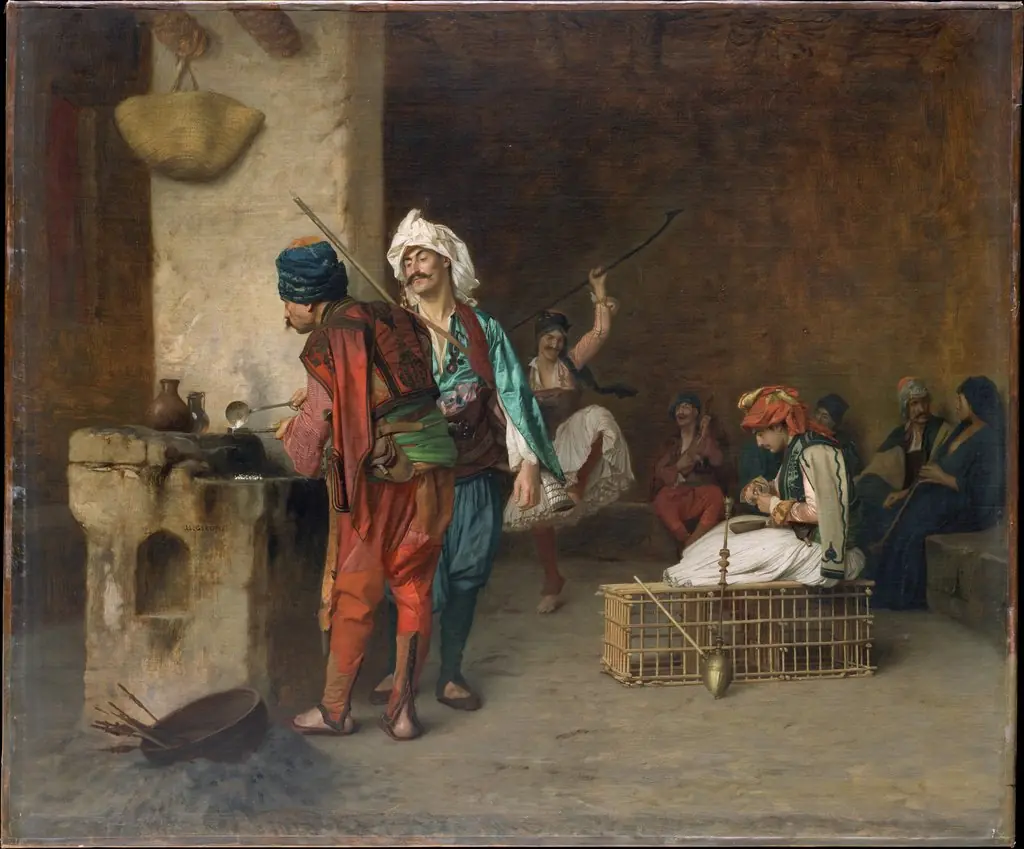
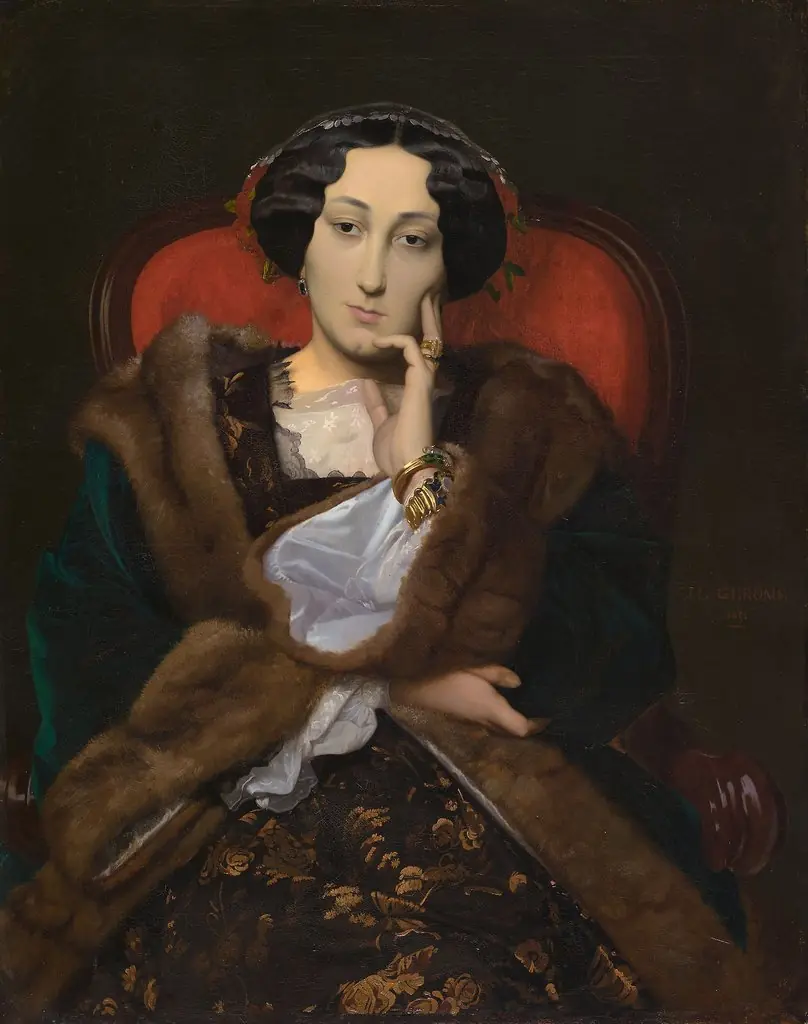
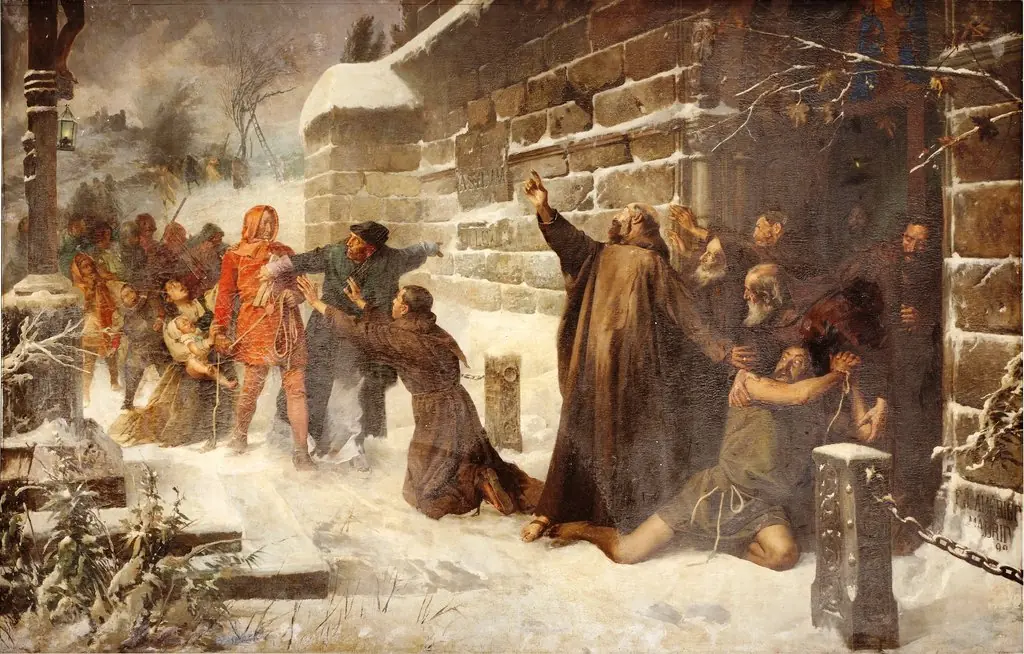 El derecho de asilo
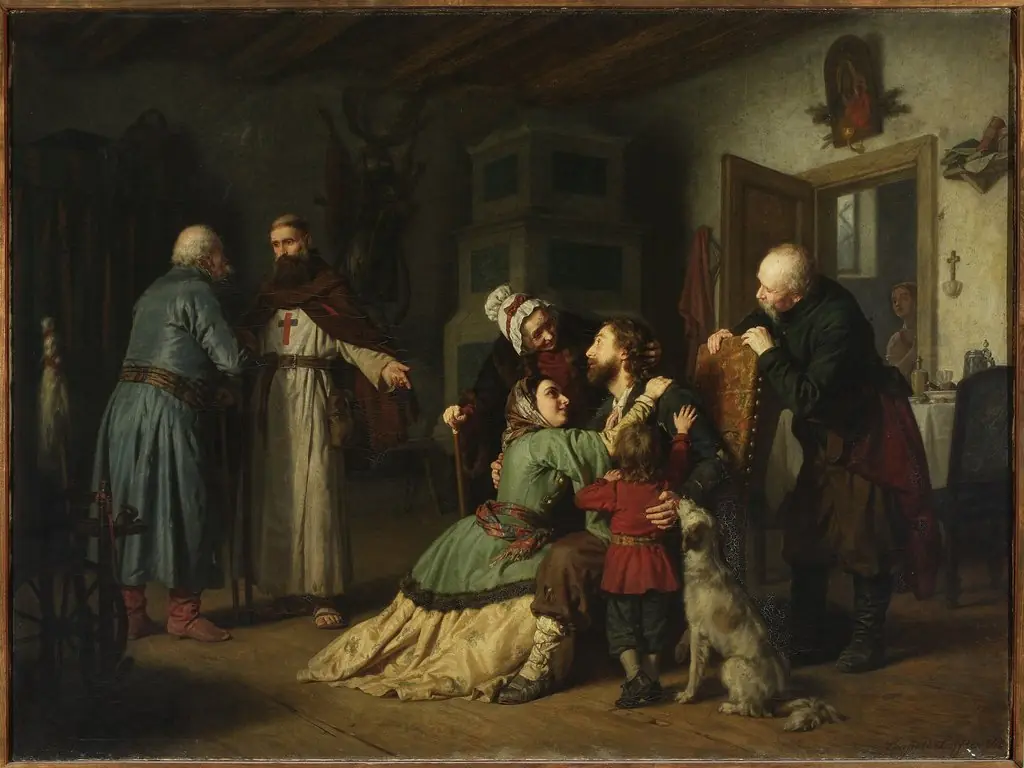 Return from bondage
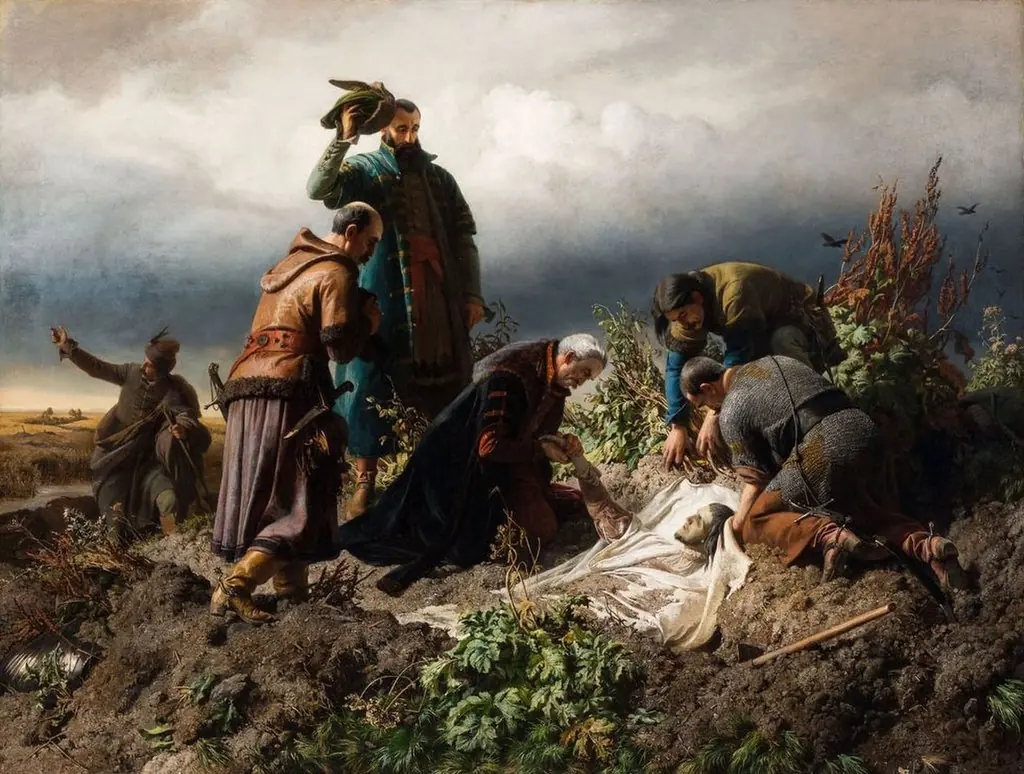 The Discovery of the Corpse of King Louis II
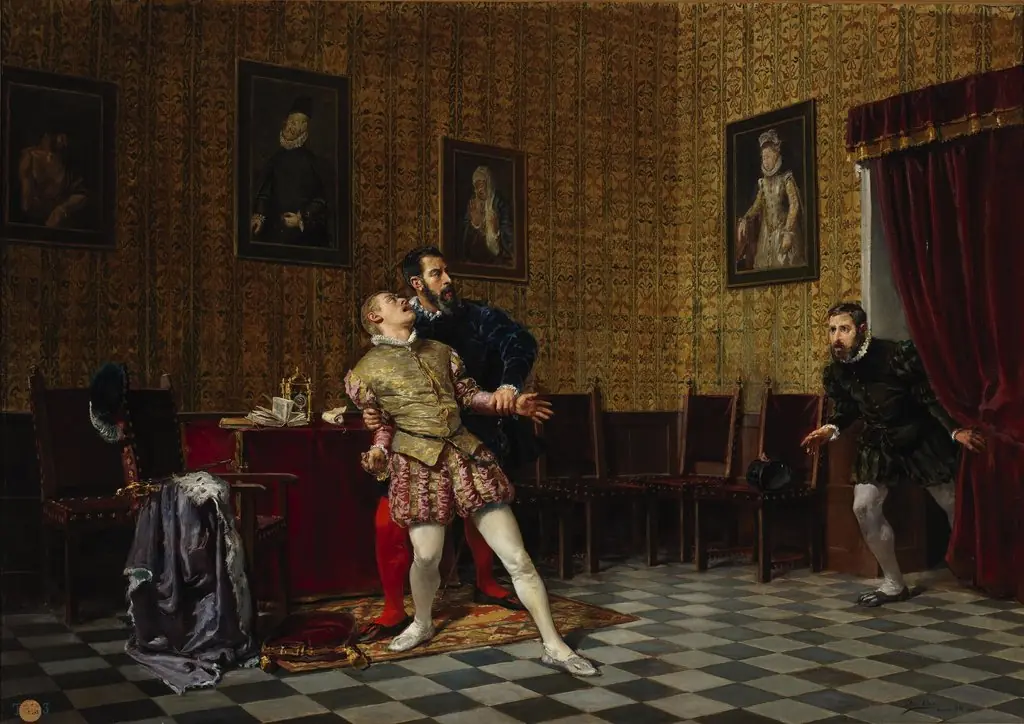 Prince Don Carlos and the Duke of Alba
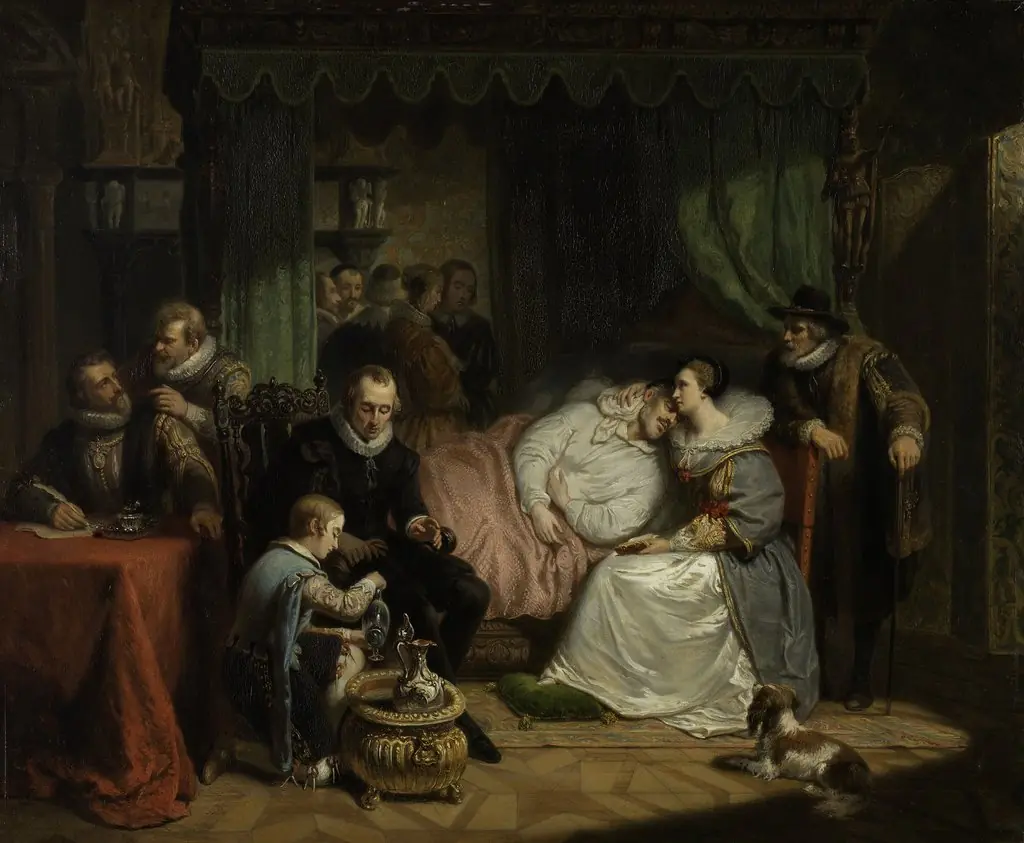 Prince William I after the failed Assassination Attempt by Jean Jaurequi in 1582, Nursed by Charlotte de Bourbon
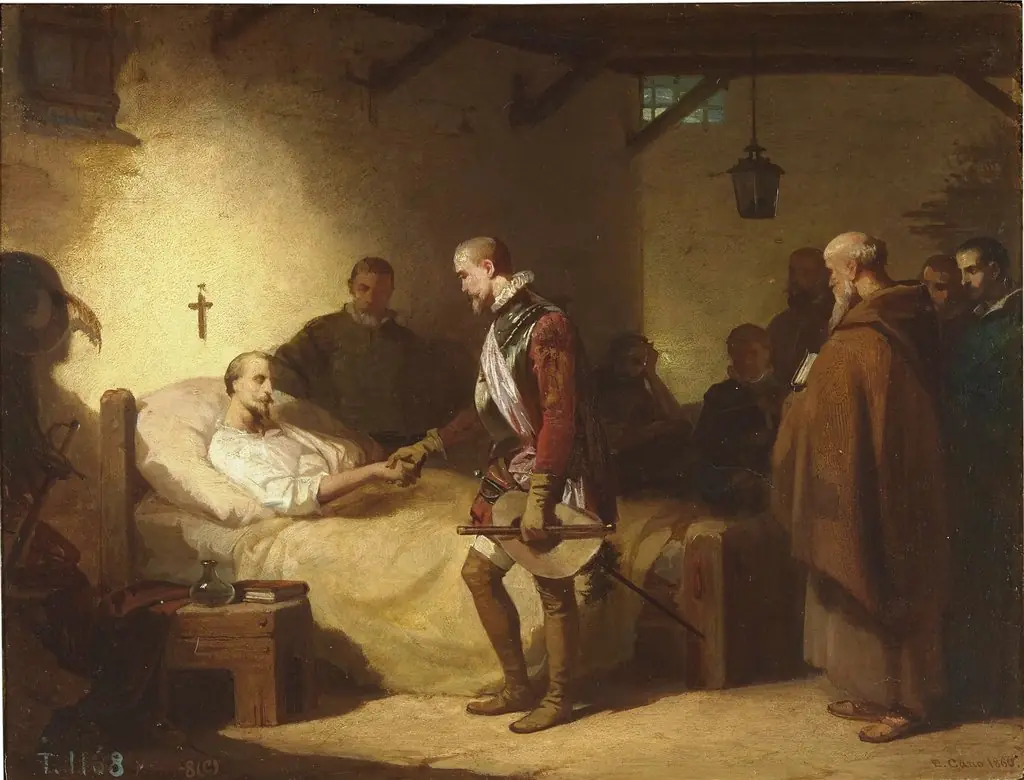 Cervantes y don Juan de Austria
 Mensaje de Carlos I al cardenal Cisneros (1517)
 Alone in the world
 Hamlet and Horatio in the Churchyard
 Lope de Vega en el cementerio
 Travelling Actor's Misfortune
- Duel after a Masked Ball