Artwork
Marie Leszczyńska, Queen of France (1703–1768)
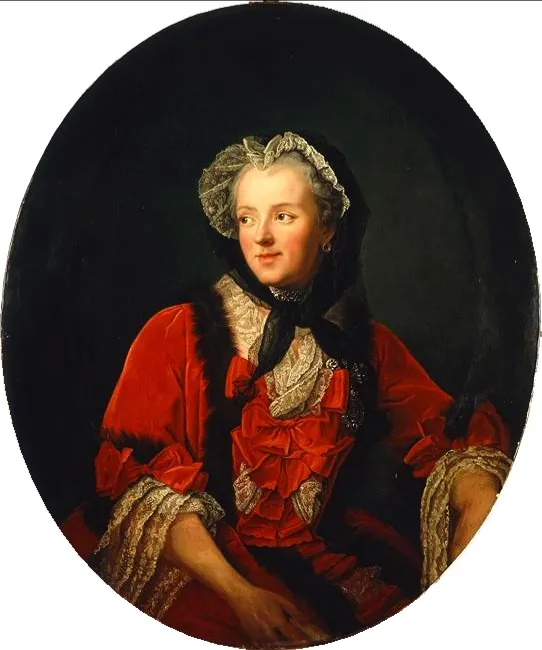
Marie Leszczyńska, Queen of France (1703–1768) is an oil painting by Jean-Marc Nattier. It dates from 1748 and is held in the collection of the Palace of Versailles.
About this work
Overview
Measuring 98 by 83 centimeters, the work depicts the longest-reigning queen consort in French history in an intimate and unconventional manner.
Marie Leszczynska, Queen of France (1703-1768) is an oil on canvas portrait painted by Jean-Marc Nattier in 1748. Measuring 98 by 83 centimeters, the work depicts the longest-reigning queen consort in French history in an intimate and unconventional manner. Unlike the numerous formal state portraits of the queen, this painting was specifically commissioned by Marie Leszczynska to show her in ordinary clothing rather than grand court dress. The painting is held in the Museum of the History of France at the Palace of Versailles, specifically in the Grand cabinet de Madame Victoire, and carries the inventory numbers MV 7566, INV 6885, and B 2111.
Subject & Meaning
The painting portrays Marie Leszczynska not as a monarch draped in the trappings of state, but as a private individual. She wears a vibrant red velvet gown with wide sleeves, trimmed with dark fur at the shoulders and adorned with a ladder of red ribbon knots at the bodice and elbows. The final ribbon knot at the verge of the neckline carries a specific symbolic meaning known as the perfect consent. A dark hood or veil edged with cream-colored lace frames her face and falls behind her shoulders, emphasizing her desire to appear as other women in ordinary dress. This choice reflects her personal history and character. Born Maria Karolina Zofia Felicja Leszczynska to Stanislaus I of Poland and Catherine Opalinska, she spent a difficult, nomadic childhood in exile after her father was deposed in 1709. Her lack of powerful political connections made her an attractive, neutral candidate for marriage to Louis XV in 1725. Known for her profound piety, charitable works, and preference for privacy over court politics, the informal presentation in this portrait aligns with her reputation for simplicity and quiet grace.
Technique & Style
Nattier executed the portrait with smooth, refined brushwork, demonstrating meticulous attention to textile textures and the soft sheen of velvet. The composition is an oval-framed bust, with the sitter turned slightly to her right and her gaze directed off-canvas to the left. Light falls from the upper left, highlighting her luminous skin, hands, and the vibrant red fabric, while leaving the dark hood, portions of the costume, and the uniformly dark background in deep shadow. This strong chiaroscuro creates a striking contrast that emphasizes the face and the intricate details of her lace ruffles and small earring. While Nattier built his reputation on allegorical portraits, this work represents his more naturalistic approach, prioritizing the verity and simplicity of the subject over allegorical embellishment.
History & Provenance
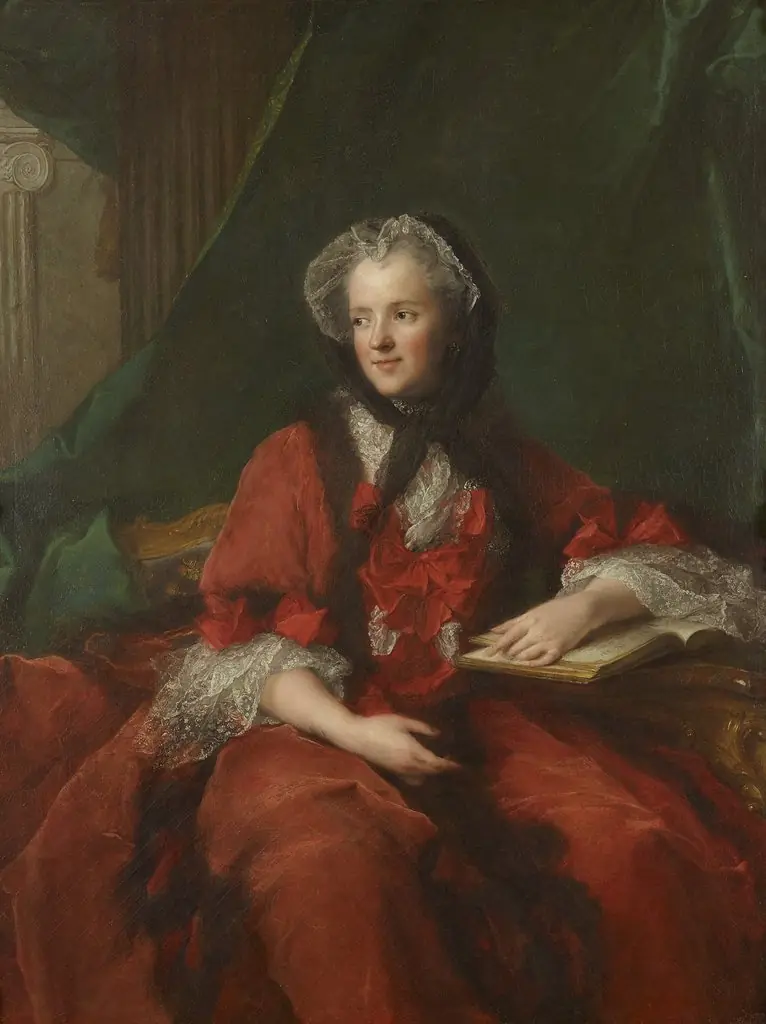
The portrait was commissioned directly from Nattier by the Queen in 1748, the same year he painted her full-length official portrait. She subsequently requested another portrait from him in 1753, which is the version that was exhibited at the Salon of 1753 to critical approval. The painting was originally owned by Louis XV of France and eventually entered the French national collections. It is currently located in the Grand cabinet de Madame Victoire at the Palace of Versailles, under the stewardship of the Museum of the History of France, and is managed by the Reunion des Musees Nationaux.
Context
As the portraitist of the Royal Family, Nattier was uniquely positioned to capture this intimate side of the Queen. The 1748 commission came two decades into her marriage to Louis XV, a period during which she had already fulfilled her dynastic duty by bearing ten children, though only one son, the Dauphin, survived infancy. By this time, the King's attention had largely shifted to his mistresses, and Marie had retreated from court politics following a confrontation with Cardinal de Fleury, focusing instead on the moral and religious instruction of the Dauphin, architectural renovations at Versailles, and founding a convent. The critical approval the portrait received at the 1753 Salon underscores Nattier's success in capturing the charm and importance of women in society, prioritizing his sensitivity to the individual over the mere importance of the royal sitter.
Legacy
This portrait remains a significant departure from traditional royal iconography, offering a lasting vision of Marie Leszczynska that emphasizes her humanity and private sensibilities over her political role. It stands as a testament to Nattier's versatility and his capacity for naturalistic truthfulness alongside his more famous allegorical works. The painting continues to be housed at the Palace of Versailles, a location deeply tied to the Queen's legacy, where her architectural modifications remain visible. As a historical document, the portrait reinforces the memory of a queen who, despite her lack of conventional beauty and political power, provided stability and grace to the French court for over forty-two years, and who introduced Polish customs to Versailles while maintaining a distinct, pious simplicity.
Artist & collection
Artist
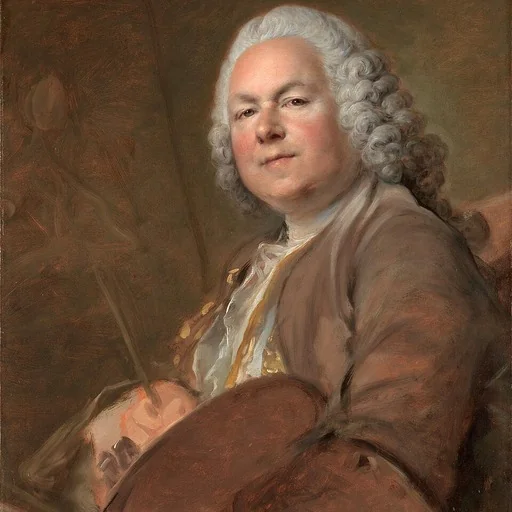
Jean-Marc Nattier (French pronunciation:; 17 March 1685 – 7 November 1766) was a French painter.

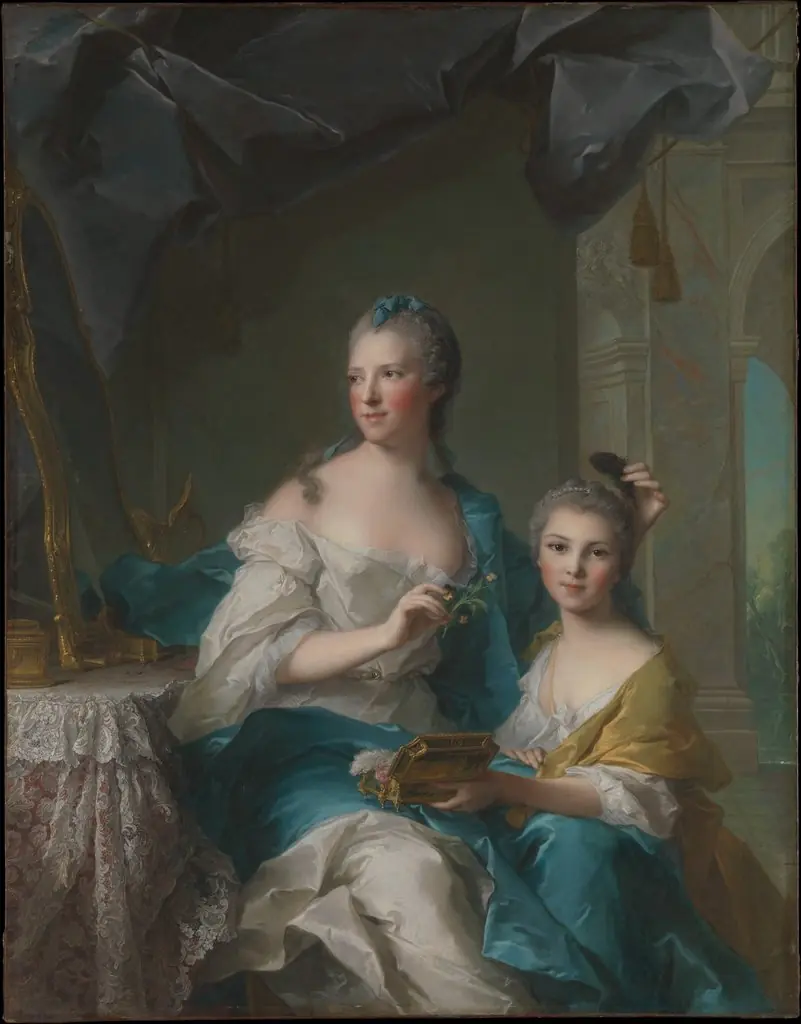 Madame Marsollier and Her Daughter
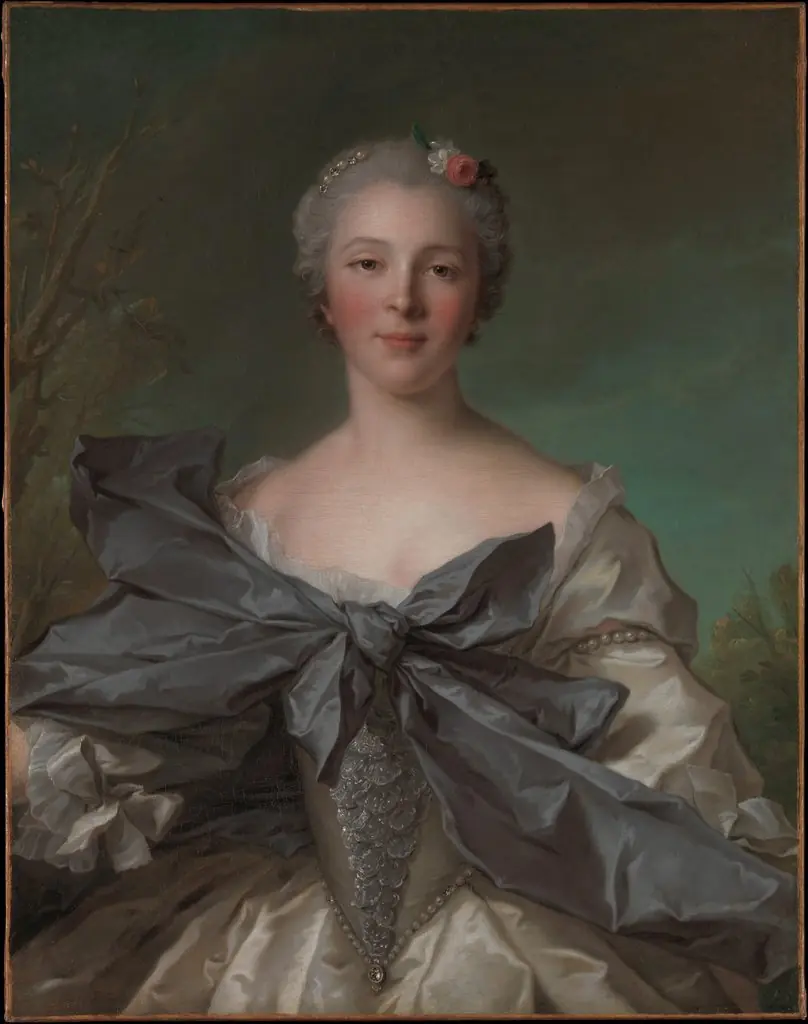 Marie Françoise de La Cropte de St. Abre, Marquise d'Argence
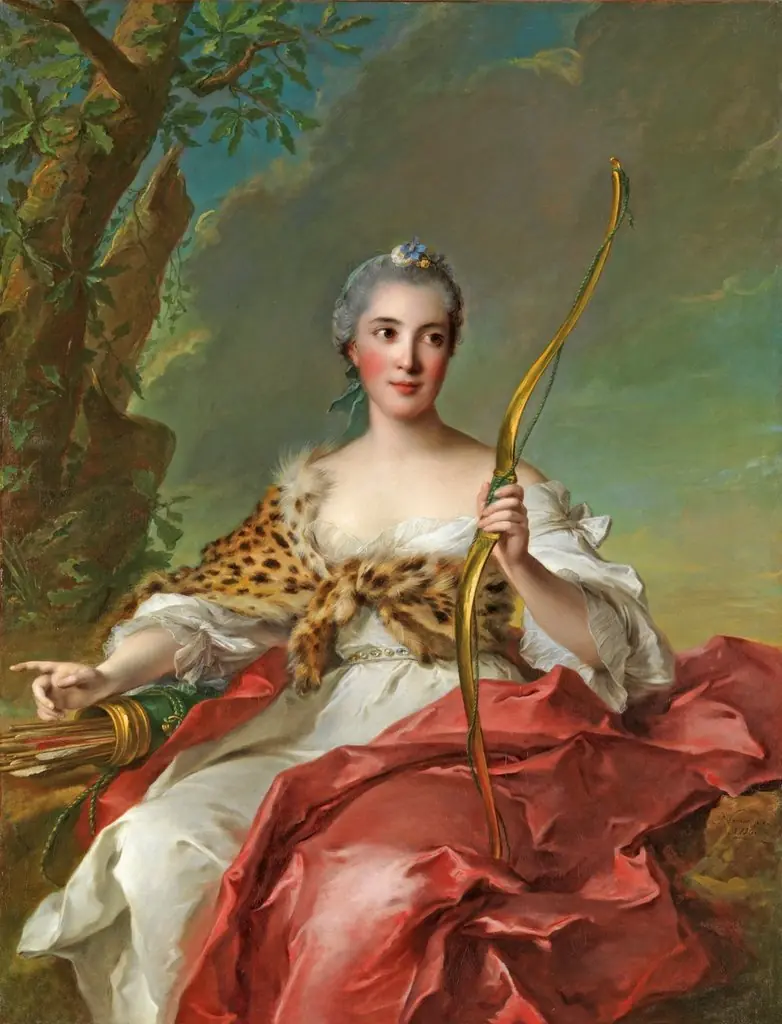 Madame Bergeret de Frouville as Diana
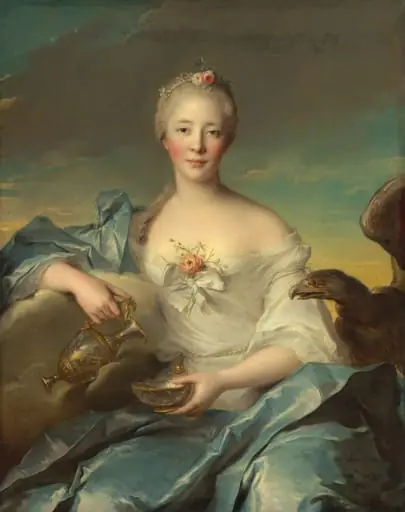 Madame Le Fèvre de Caumartin as Hebe
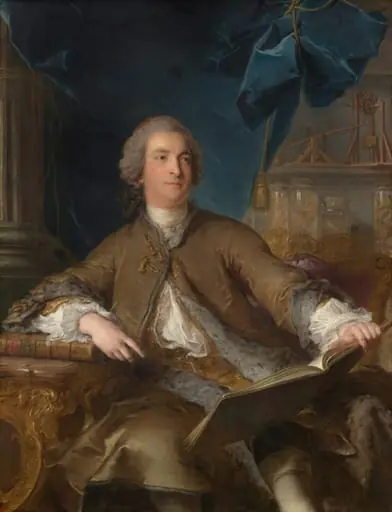 Joseph Bonnier de la Mosson
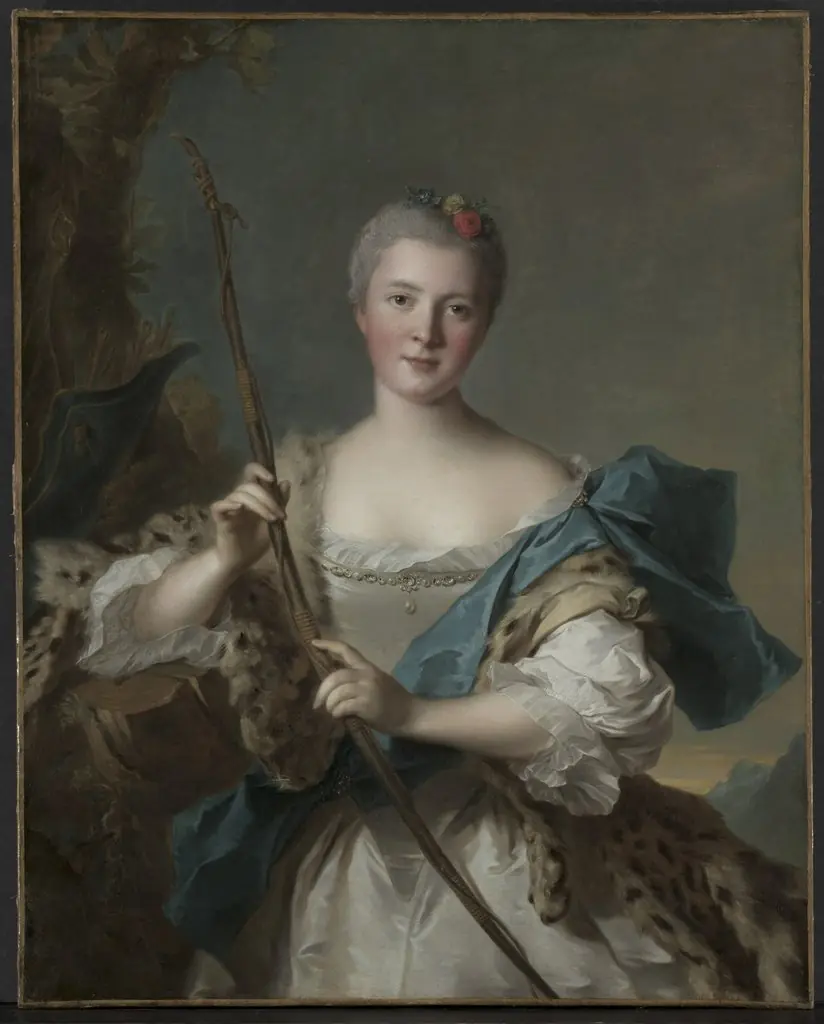 Portrait of a Woman as Diana
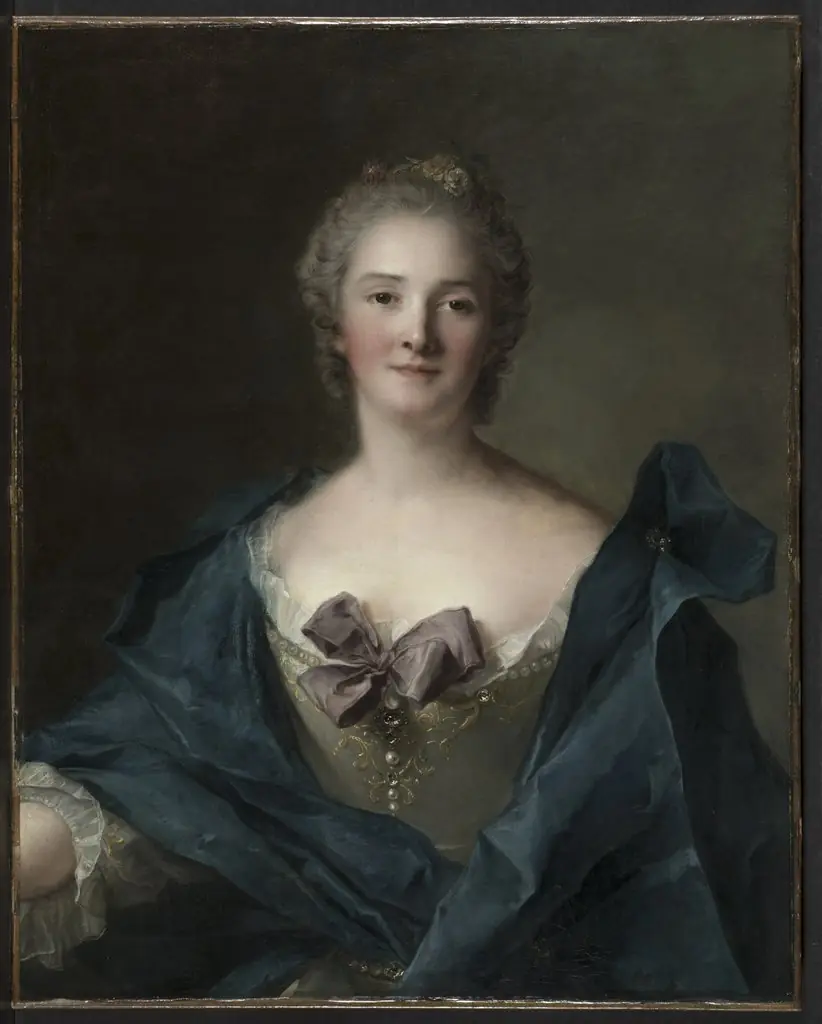 Portrait of a Woman
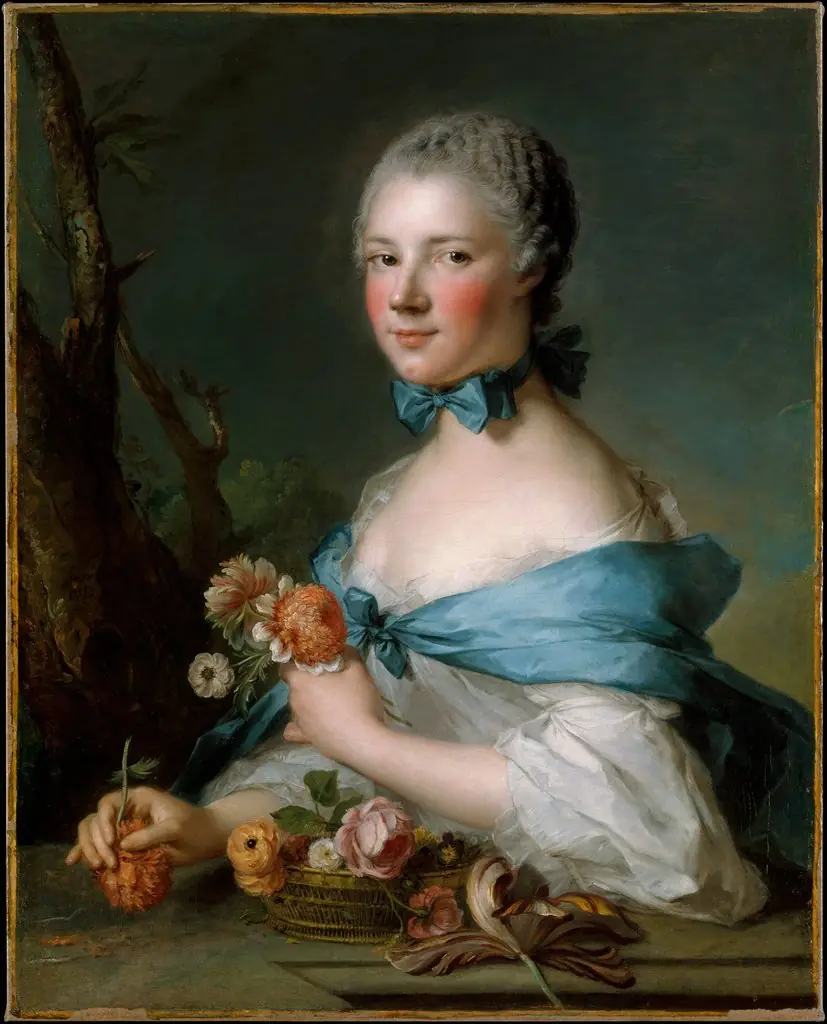 Portrait of a Woman, Called the Marquise Perrin de Cypierre
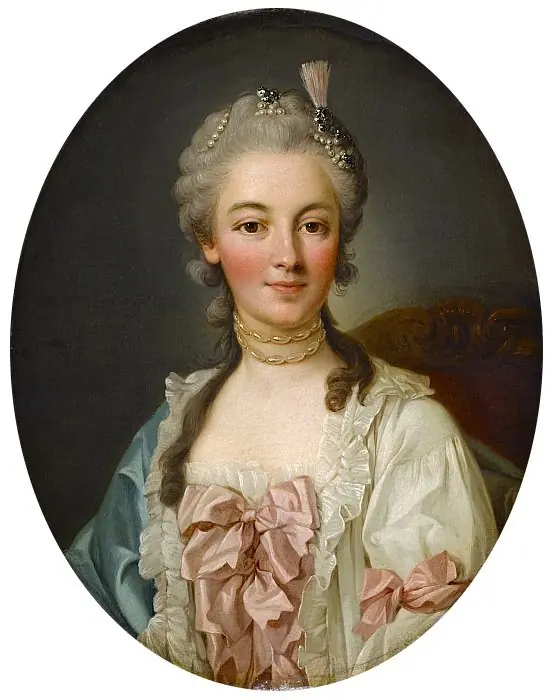 Countess Teresa Kinska Poniatowska
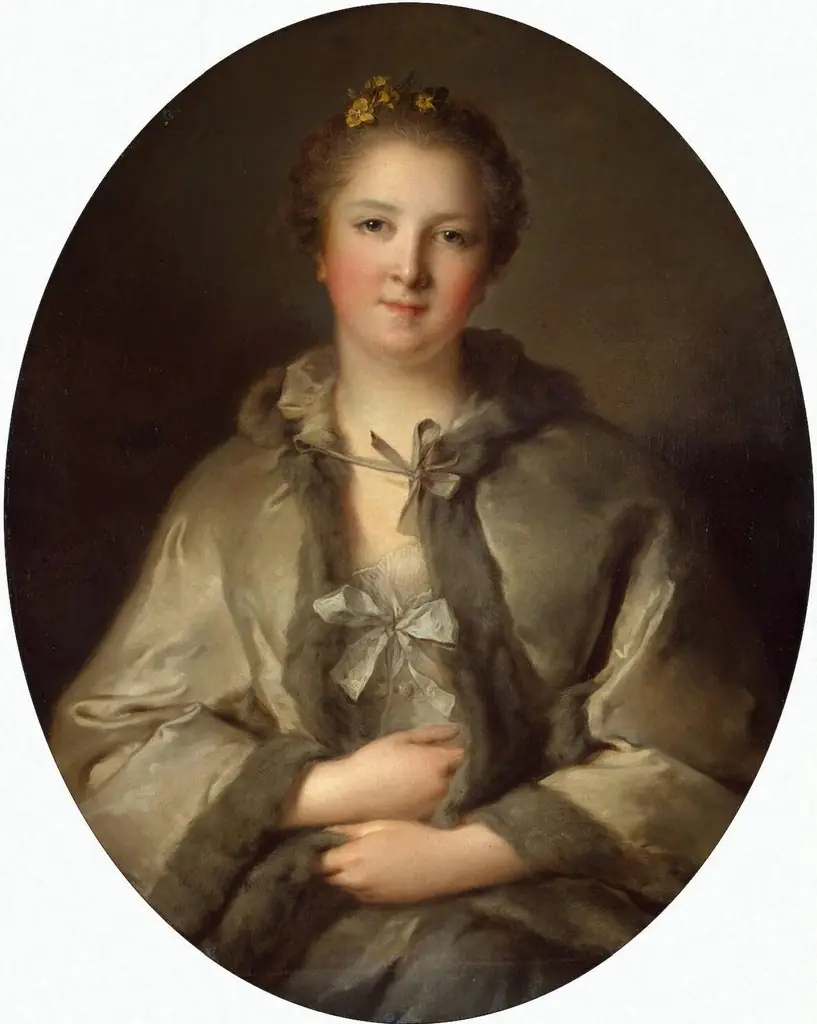 Portrait of a Woman in Grey
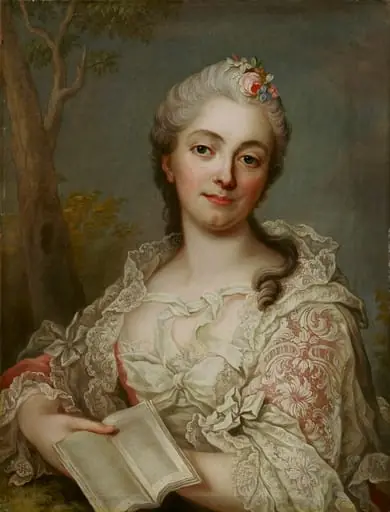 Kreivitär Antoinetta Virginia Gyllenborg
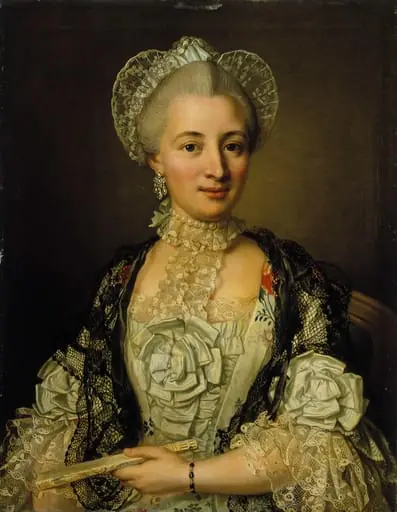 Naisen muotokuva
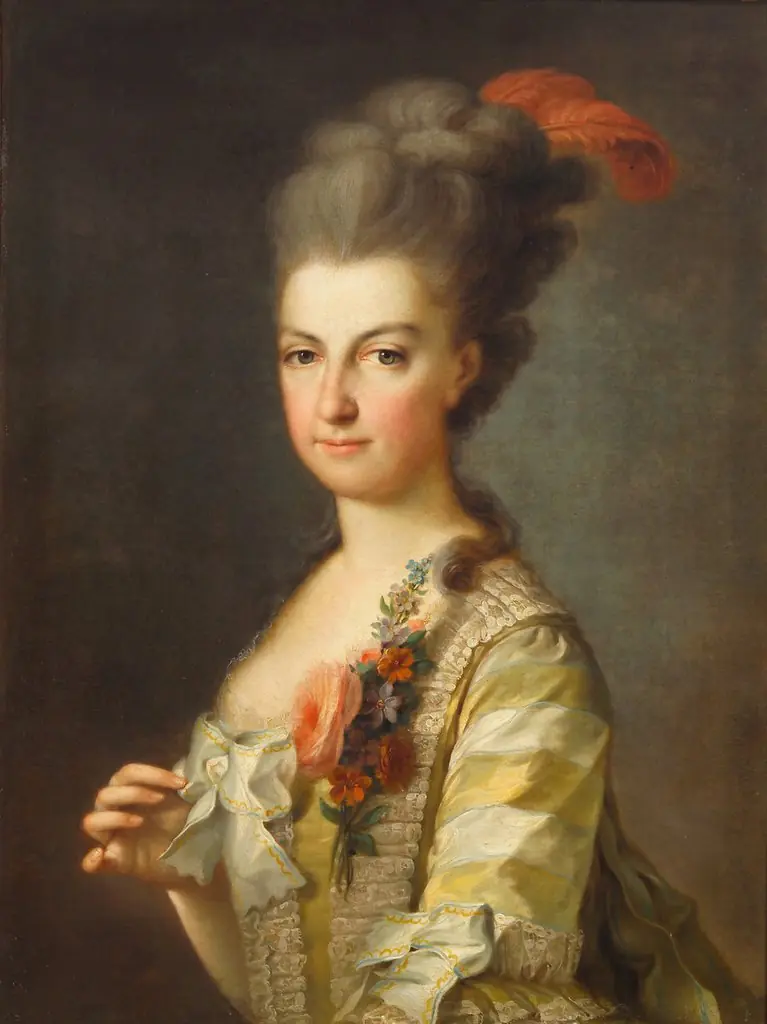 Erzherzogin Maria Christine (1742-1798), Herzogin von Sachsen - Teschen, in gestreiftem Seidenkleid, Halbfigur
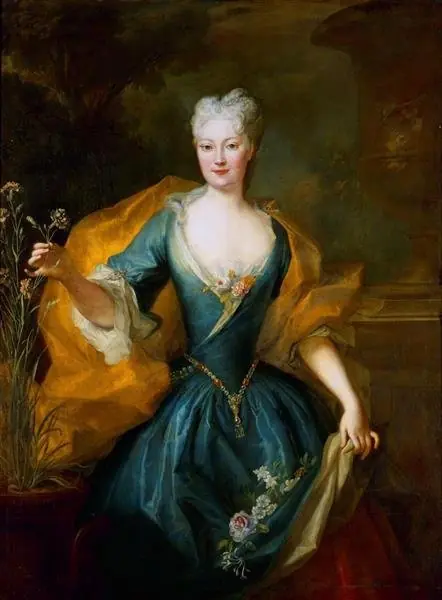 Friederike Charlotte Fürstin Lubomirska (1701-1755)
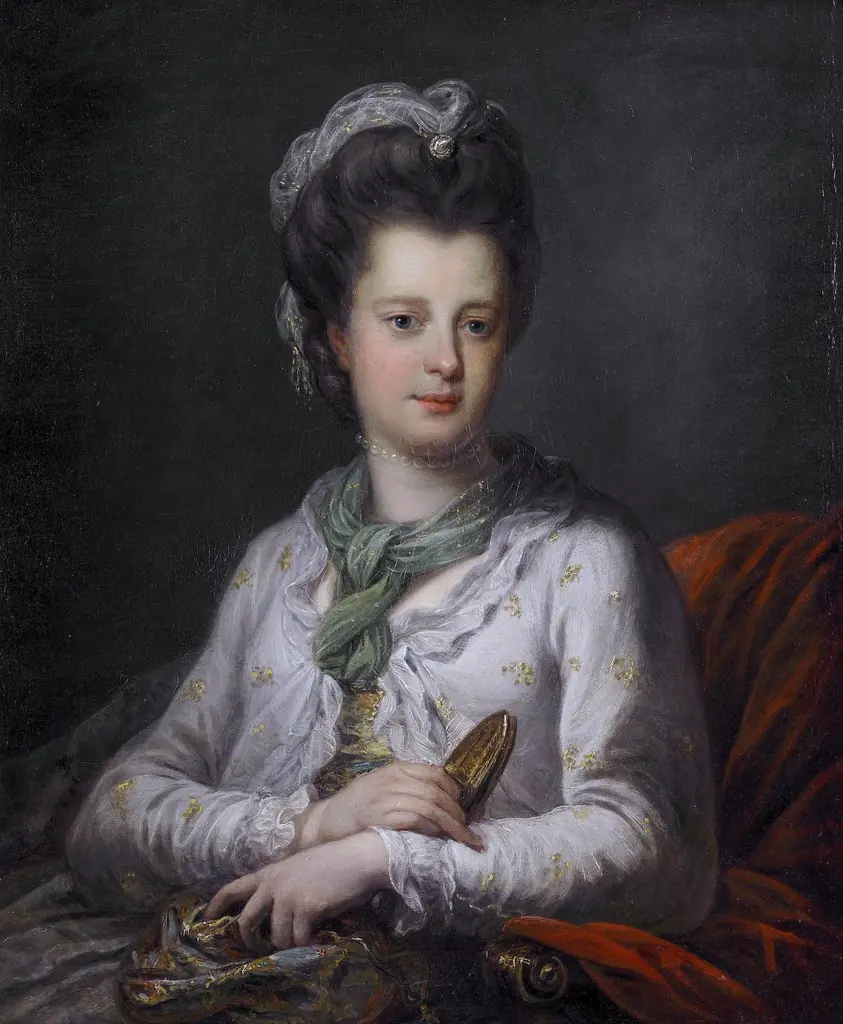 Portrait of Elizabeth Kerr, née Fortescue, Marchioness of Lothian
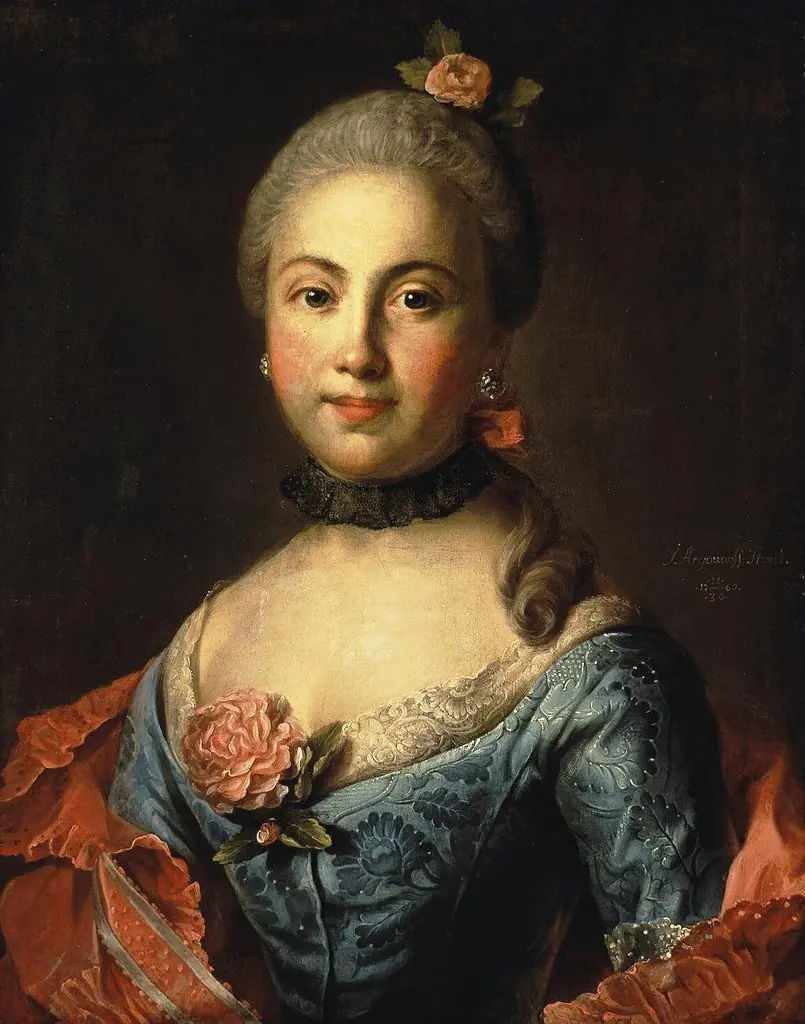 Portrait of a Woman in a Blue Dress