Artwork
Blindman's Buff
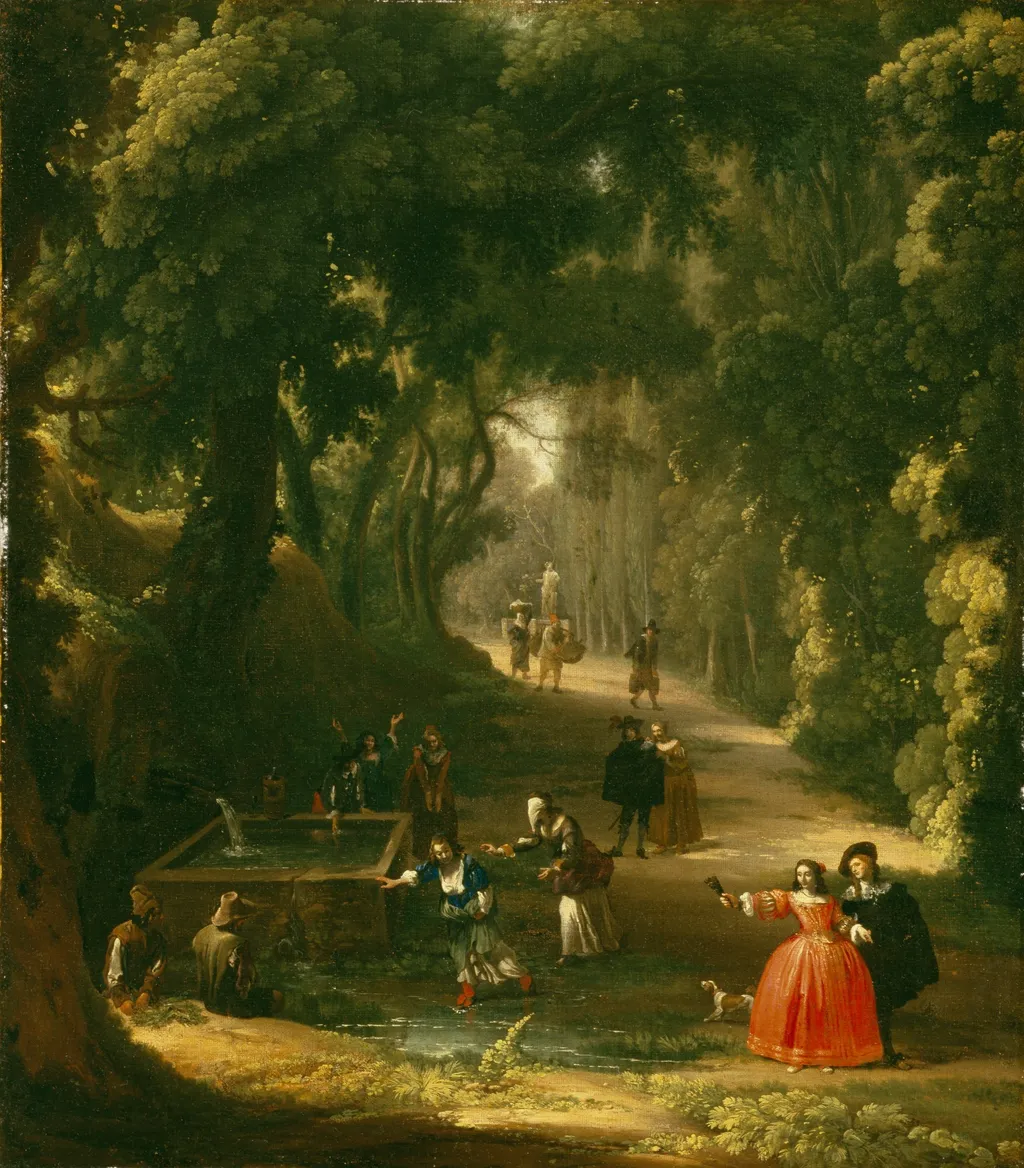
Blindman's Buff is an oil painting by the Caravaggisti artist Angeluccio. It dates from 1640 and is held in the collection of the Detroit Institute of Arts.
About this work
Overview
The scene unfolds with naturalistic detail, grounded in the Roman countryside where Angeluccio worked during the mid-seventeenth century.
Angeluccio’s oil painting Blindman’s Buff, dated around 1640, captures a moment of informal recreation in a wooded landscape. Executed in the Bamboccianti tradition, it portrays ordinary people engaged in a popular pastime, avoiding idealized subjects in favor of unvarnished daily life. The scene unfolds with naturalistic detail, grounded in the Roman countryside where Angeluccio worked during the mid-seventeenth century.
Subject & Meaning
The painting illustrates a children’s game known as Blindman’s Buff, in which one participant is blindfolded and attempts to catch others. Here, adults and children interact in a loose, animated circle near a fountain, suggesting a moment of communal merriment. The scene carries no moralizing tone; instead, it celebrates spontaneous joy, aligning with the Bamboccianti interest in unpretentious, transient human behavior.
Technique & Style
Angeluccio employs a muted yet nuanced palette, with warm earth tones and flashes of red drawing attention to key figures. His handling of light shows Caravaggesque influence, sharp contrasts between shadow and illuminated skin and fabric, but softened to suit the outdoor setting. Brushwork is loose yet deliberate, capturing movement and texture without theatricality, distinguishing his approach from the more dramatic style of his contemporaries.
History & Provenance
Created during Angeluccio’s active years in Rome, the painting entered the Detroit Institute of Arts collection in the 20th century. Though little is documented about its early ownership, its style and subject align with other works attributed to the artist and his circle, including collaborations with Michelangelo Cerquozzi. Angeluccio, once a pupil of Claude Lorrain, developed a distinct voice within the Bamboccianti group, though his oeuvre remains relatively small and less studied.
Context
In mid-17th-century Rome, the Bamboccianti movement emerged as a counterpoint to grand historical and religious painting. Artists like Angeluccio focused on street life, laborers, and leisure, often depicting lower-class subjects with empathy and observation. This shift reflected broader cultural interests in realism and the dignity of ordinary experience, even as the Church and aristocracy favored more elevated themes.
Legacy
Angeluccio’s work, though not widely known today, contributed to the development of genre painting in Italy. His ability to blend Caravaggio’s lighting with the Bamboccianti’s observational focus helped bridge high and low visual traditions. While overshadowed by more famous peers, his paintings remain valuable for their quiet authenticity and insight into the social fabric of Baroque Rome.
Own this work as a print
Artist & collection
Artist
Giovanni Angelo (c. 1620 – c. 1650), better known as Angeluccio, was an Italian or Flemish landscape artist. He was a prominent pupil of Claude Lorrain and was active in Rome around 1645–1650. As an eminent member of…

 Music-Making Society in the Forest
 Arcadisch landschap met musicerende en dansende herders
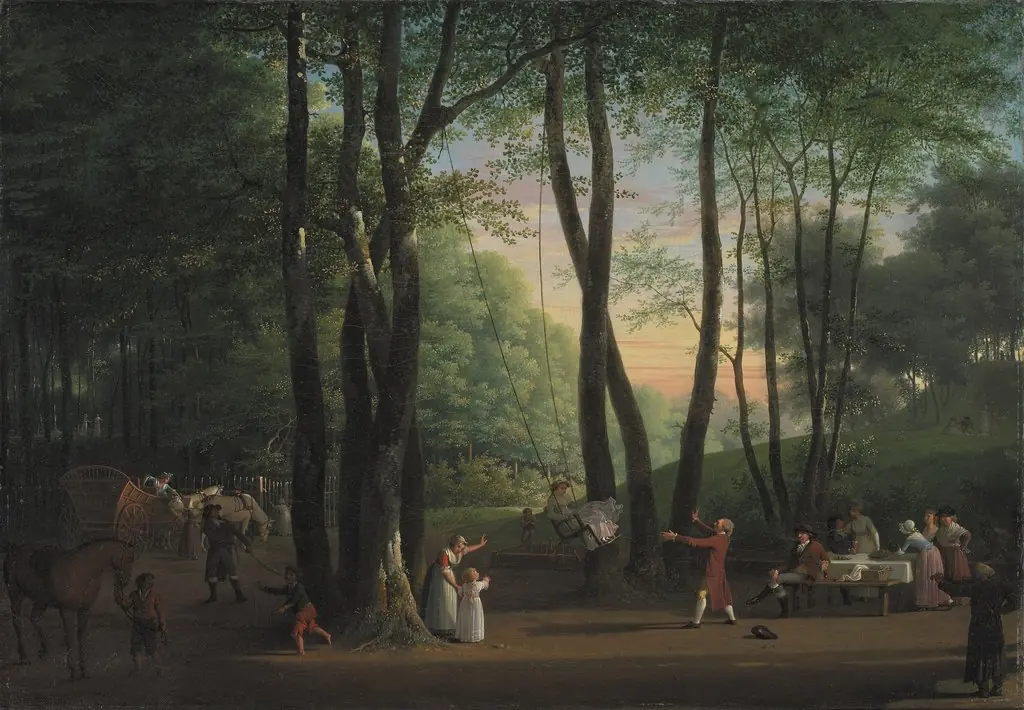 The Dancing Glade at Sorgenfri
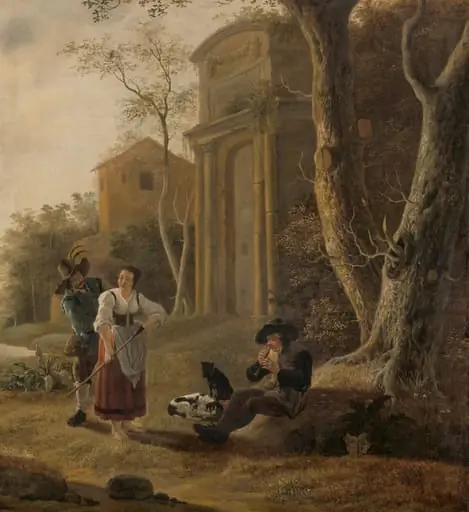 "The Piper (Shepherd Scene with Shawm Player
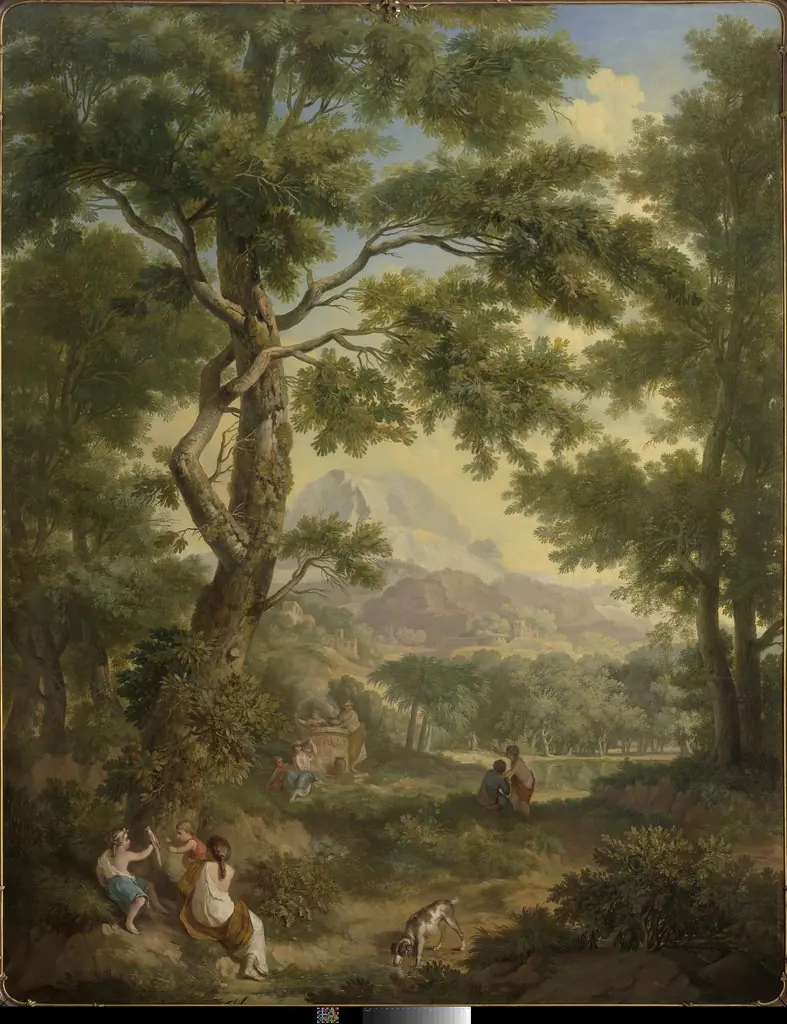 Arcadisch landschap met linksvoor kinderen met een vogel en een hond
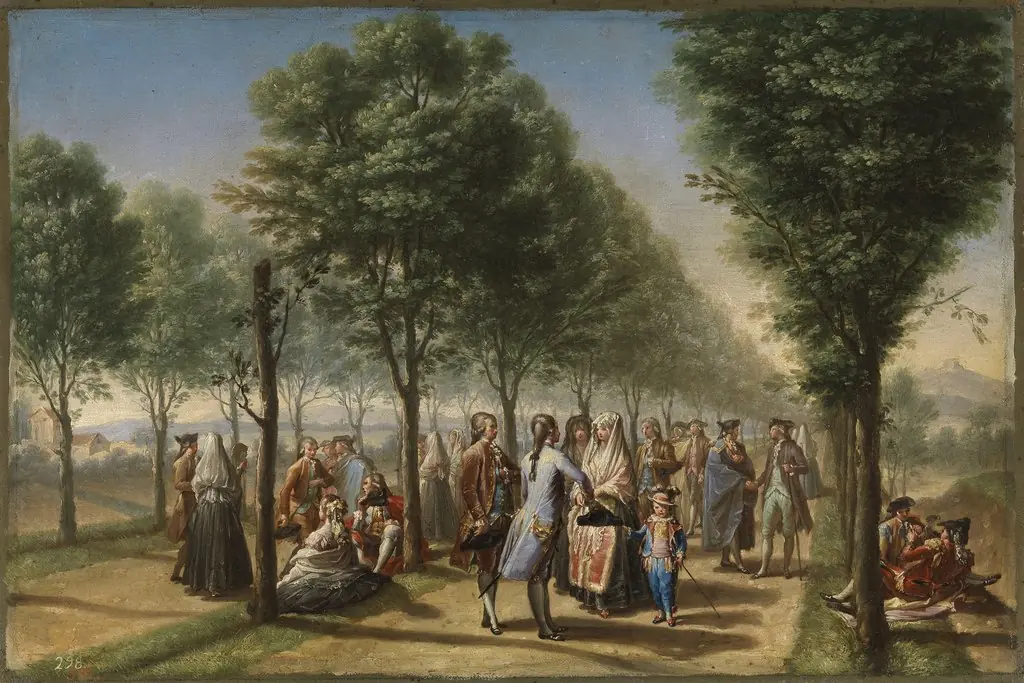 The Paseo de las Delicias
 Promenading in a Park
 Landscape with Hunter
 Waldlandschaft mit Hirschjagd
 Deer Hunters in the Woods