Artwork
Portrait of Eleonora Susette
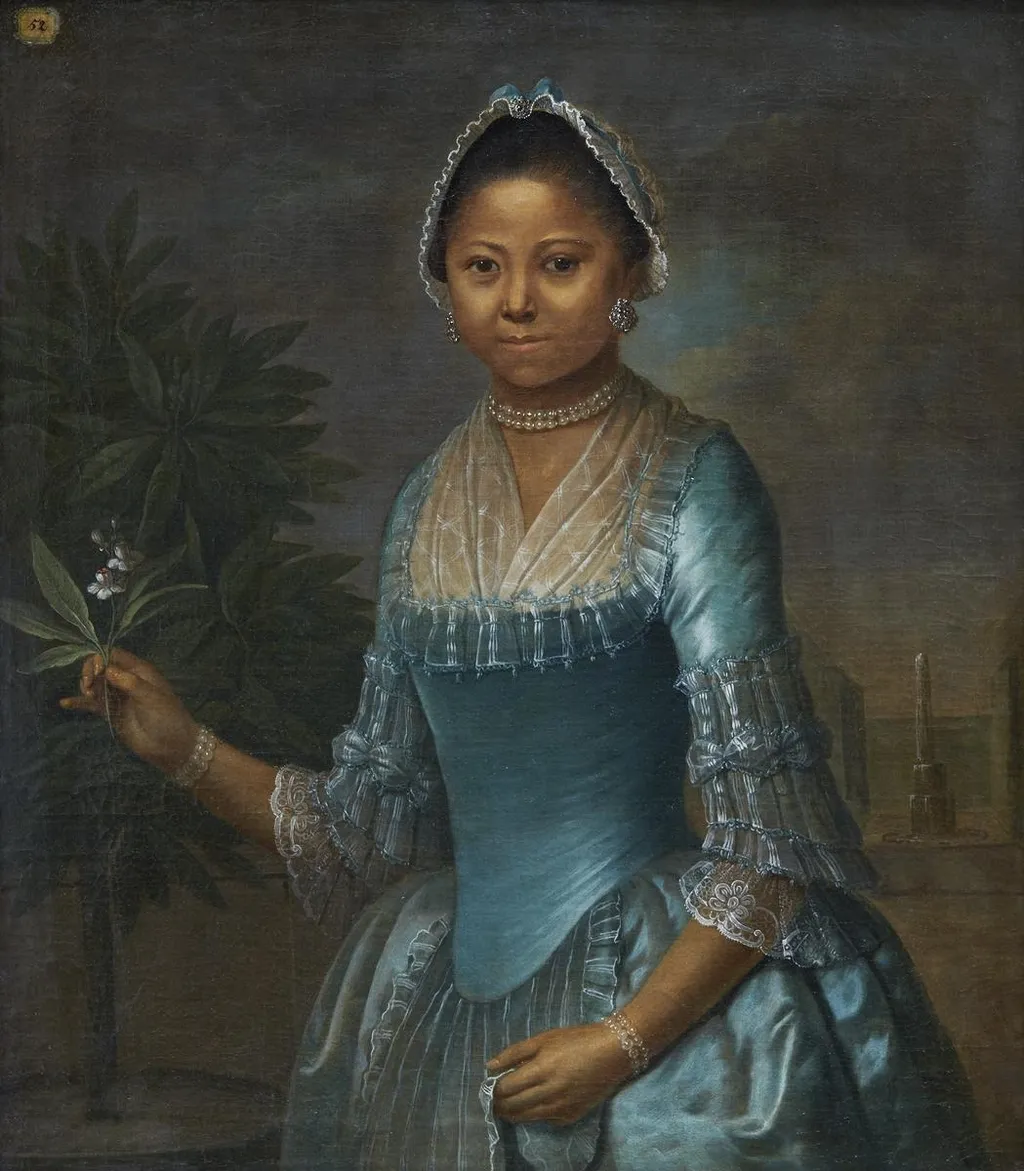
Portrait of Eleonora Susette is an oil painting by the Rococo painting artist Jeremias Schultz. It dates from 1775 and is held in the collection of the Art Gallery of Ontario.
About this work
Overview
Years of archival research later revealed the sitter’s identity as Eleonora Susette, an enslaved woman from Berbice, a Dutch colony in what is now Guyana.
Painted in 1775 by Dutch artist Jeremias Schultz, this oil portrait was long known only as Portrait of a Lady Holding an Orange Blossom. Acquired by the Art Gallery of Ontario in 2020, its origins were obscure. Years of archival research later revealed the sitter’s identity as Eleonora Susette, an enslaved woman from Berbice, a Dutch colony in what is now Guyana. The painting’s original context and subject had been erased from public record until this rediscovery.
Subject & Meaning
Eleonora Susette is depicted with quiet dignity, dressed in a blue gown, lace cap, and pearl necklace, holding a sprig of orange blossom, a symbol often associated with purity or betrothal. Her gaze is direct, unflinching, asserting presence within a genre that typically excluded people of African descent. The portrait resists caricature, instead offering a formal, individualized representation that challenges the erasure of enslaved people from visual history.
Technique & Style
Schultz employs chiaroscuro to model the sitter’s form against a dark, undefined background, lending volume and intimacy to the figure. The texture of her lace cap and the sheen of her necklace are rendered with precision, suggesting attention to detail typical of Dutch portraiture. The inclusion of a potted plant behind her adds a subtle natural element, grounding the composition without distracting from the subject’s stillness and composure.
History & Provenance
The painting’s early history remains partially unknown, but it was likely commissioned during Schultz’s time in the Dutch Caribbean. After passing through private collections, it resurfaced in the 20th century under a generic title. Its true subject and origin were obscured until AGO researchers cross-referenced colonial records, family documents, and stylistic analysis to identify Eleonora Susette and confirm Schultz as the artist.
Context
In the late 18th century, formal portraiture of enslaved individuals was rare, especially when executed with such nuance. Schultz’s depiction of Susette, wearing fine clothing and adorned with jewelry, contrasts with the dehumanizing norms of the time. Her portrait may reflect a complex social reality in Berbice, where some enslaved people were granted limited privileges, or it may represent a personal act of recognition by the artist.
Legacy
The identification of Eleonora Susette transformed the painting from an anonymous work into a significant artifact of African diasporic history. It now stands as a testament to the resilience of individuals rendered invisible by colonial systems. The AGO’s research has prompted broader institutional efforts to recover the identities of marginalized subjects in historical collections.
Artist & collection
Artist
Jeremias Schultz (before 11 October 1723, Berlin – 11 October 1800, Amsterdam) was a Dutch painter, illustrator, and etcher.

- Portrait of S.S. Yakovleva
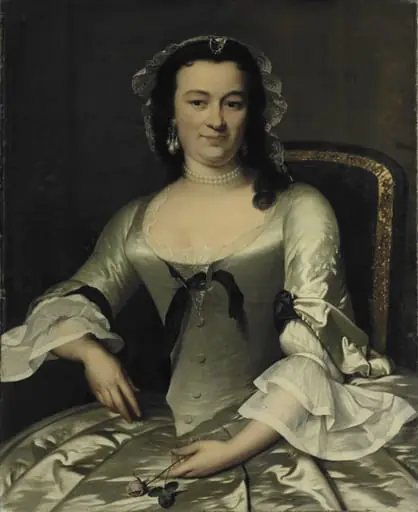 Portrait of Maria Henriëtte van de Pol, Wife of Willem Sautijn
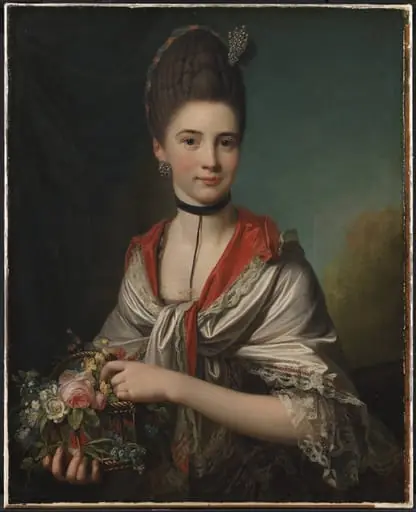 Portrait of Anna Elisabeth Battier, née Storp
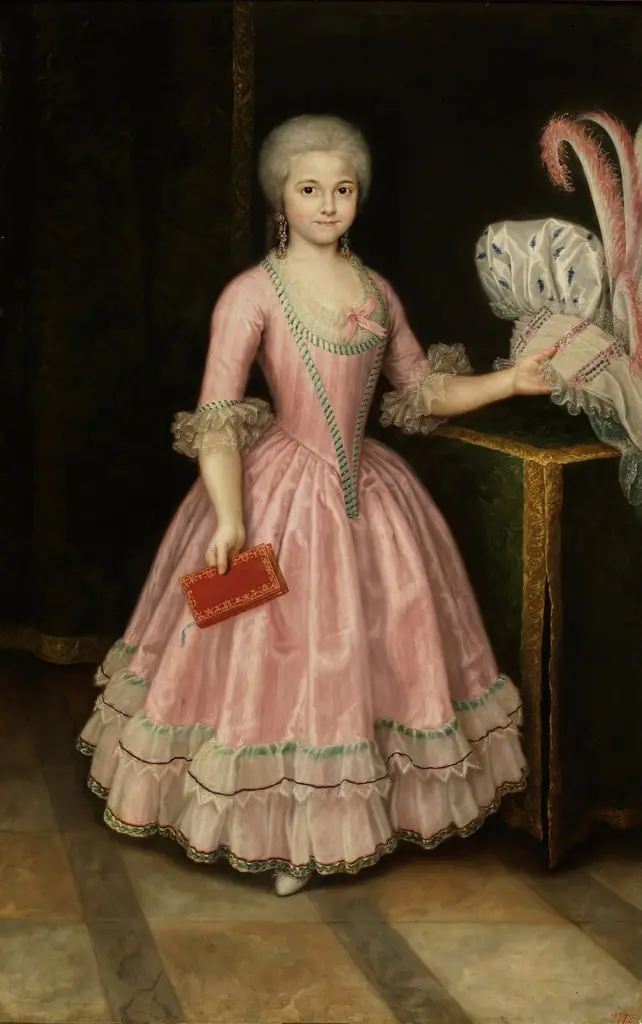 The infanta María Amalia of Spain as a Child, Holding a Book
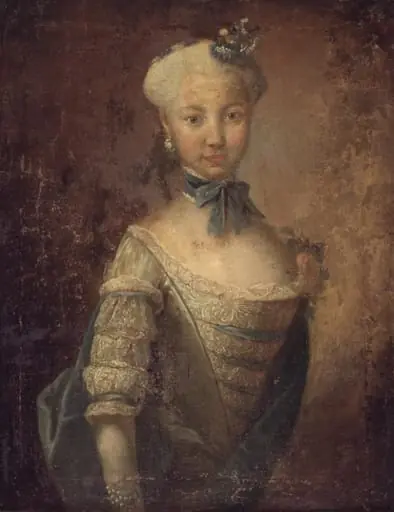 Portræt af en lille pige
 Jane Cutler Doane
 Portrait of a Woman Standing in a Garden
 Mrs. William Carmichael
 Portrait of Countess Darya I. Uvarova
 Portrait of Rebecca Boylston
 Portrait of a Woman
 Mrs. David Chesebrough